Headphones
HarmonicDyne Poseidon Review: A Warm, Balanced Open-Back Headphone
An open-back headphone with a warm, balanced tuning, a hard travel case, and easy amplification needs, plus the trade-offs worth weighing before buying.
Introduction
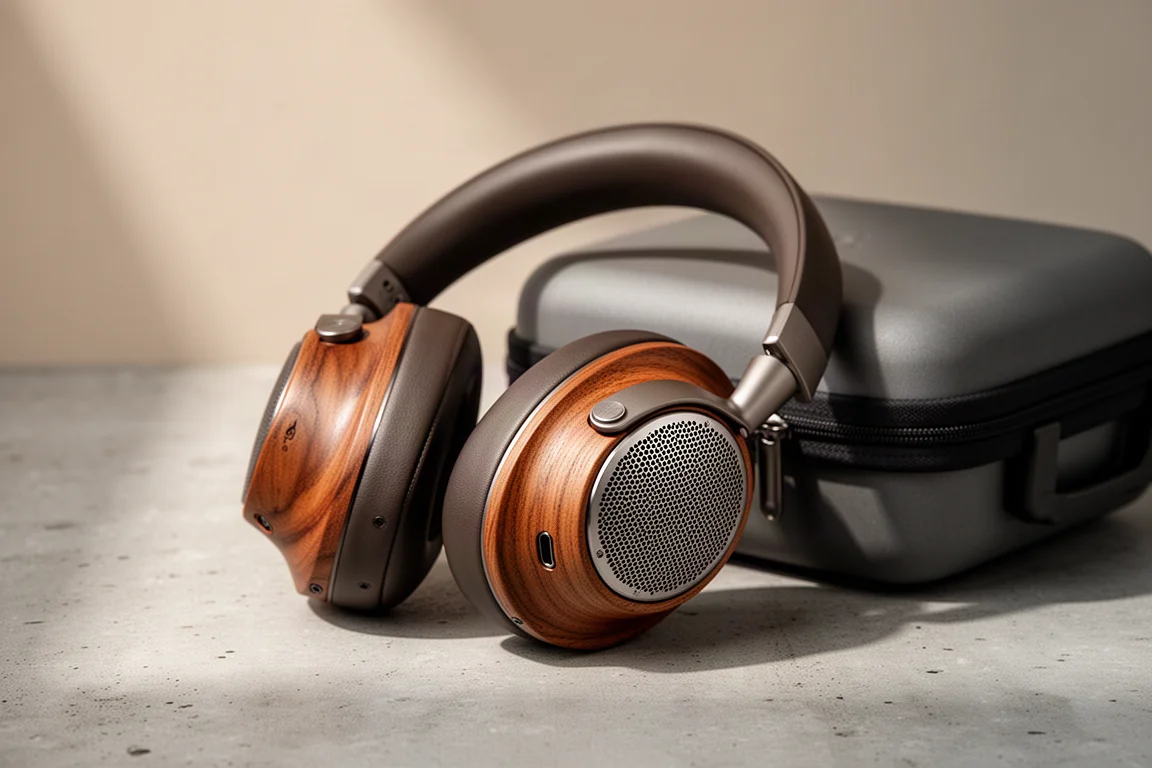
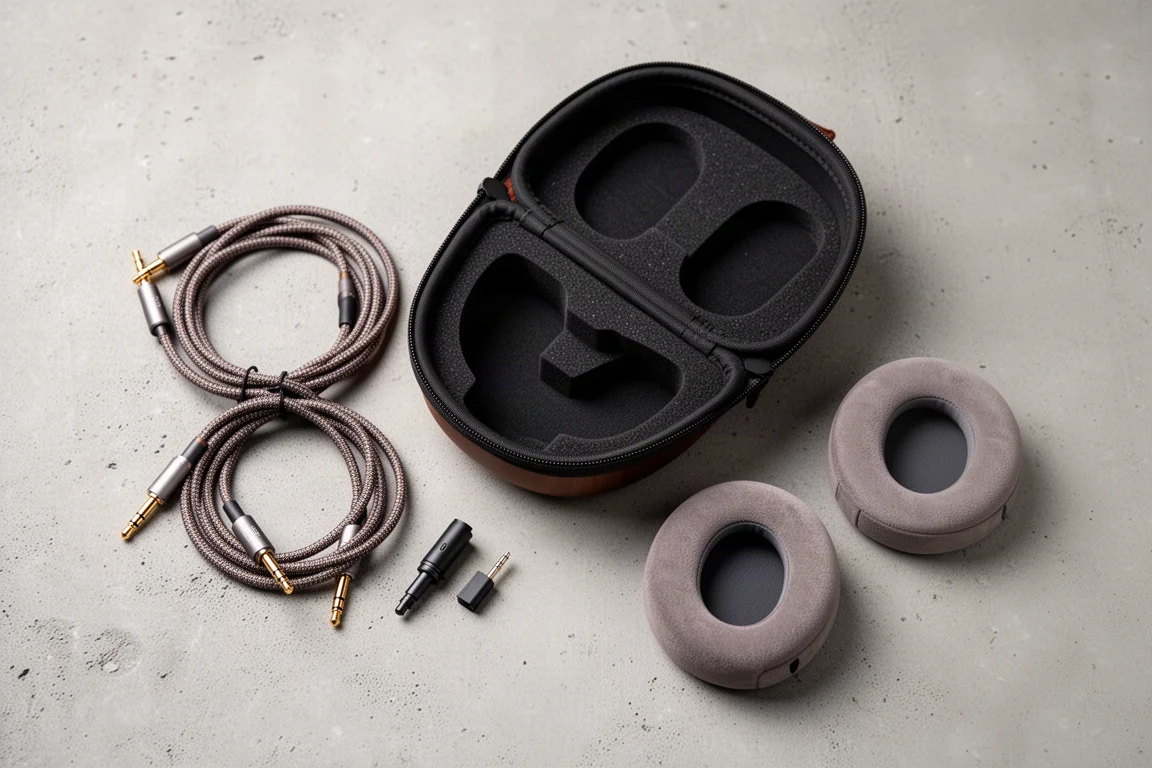
The HarmonicDyne Poseidon is an open-back, over-ear headphone built around a nickel driver, an unusual material choice in a category where beryllium and biocellulose diaphragms dominate. It arrives through a Kickstarter campaign and ships in a hard-shell case with a lock and a fitted foam interior rather than the usual cardboard box. Inside, each pair carries a serial number pressed into the foam.
Pricing runs in tiers. Early bird backers can pick the Poseidon up at $279 or $299, and the planned retail price once the campaign closes is around $435. That places it in direct conversation with several established open-back headphones, and it holds up well in that conversation.
What follows is a practical look at who the Poseidon suits, where it performs strongly, and what to weigh before committing.
Who This Headphone Is For
With a 64 ohm impedance rating and 103 dB of sensitivity, the Poseidon is easy to drive. It will produce usable volume straight from a laptop or tablet adapter, though it rewards a better source.
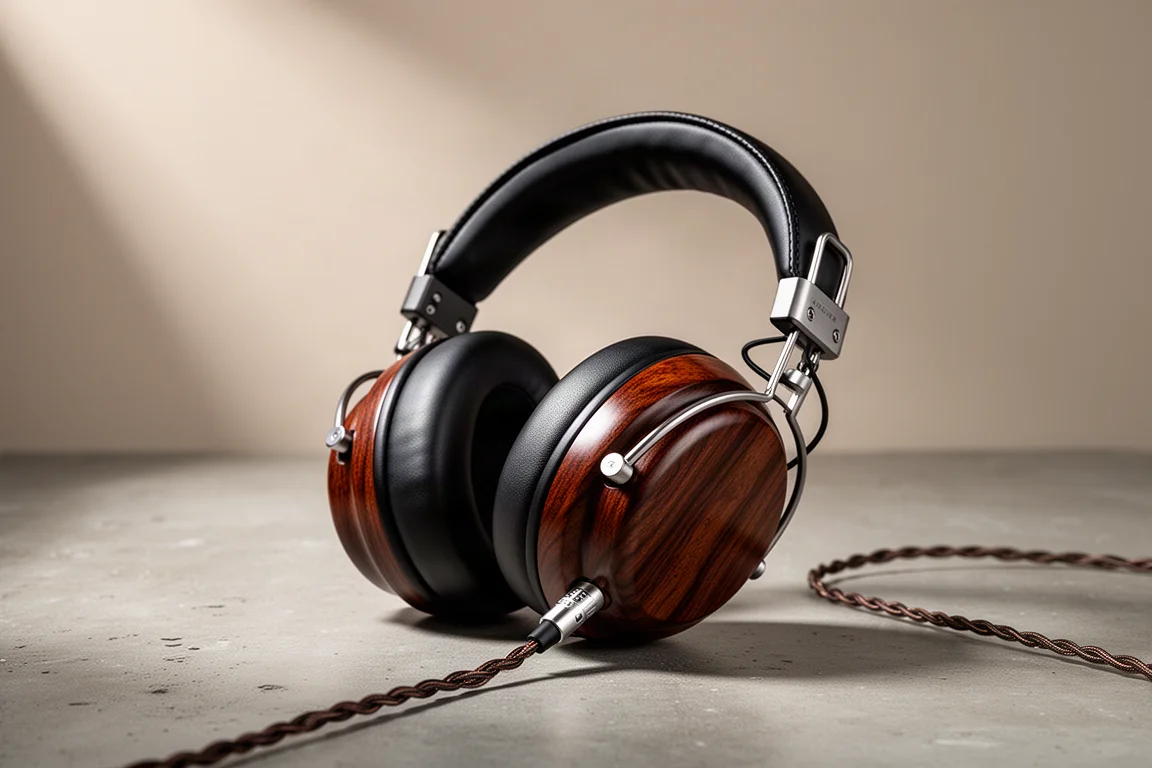
It is aimed at listeners who want warmth and body in the low end without losing detail in the mid-range or the top end. If you like a headphone that adds a little thickness to bass lines and vocals while keeping instrumental texture intact, this is the tuning to look at. It also suits anyone who likes to tinker: the ear pads lift off easily for swapping, and the cable detaches at the ear cups.
Because the design is open back, sound leaks in both directions. This is a headphone for a quiet room rather than a commute, even though it folds flat and travels well in its case.
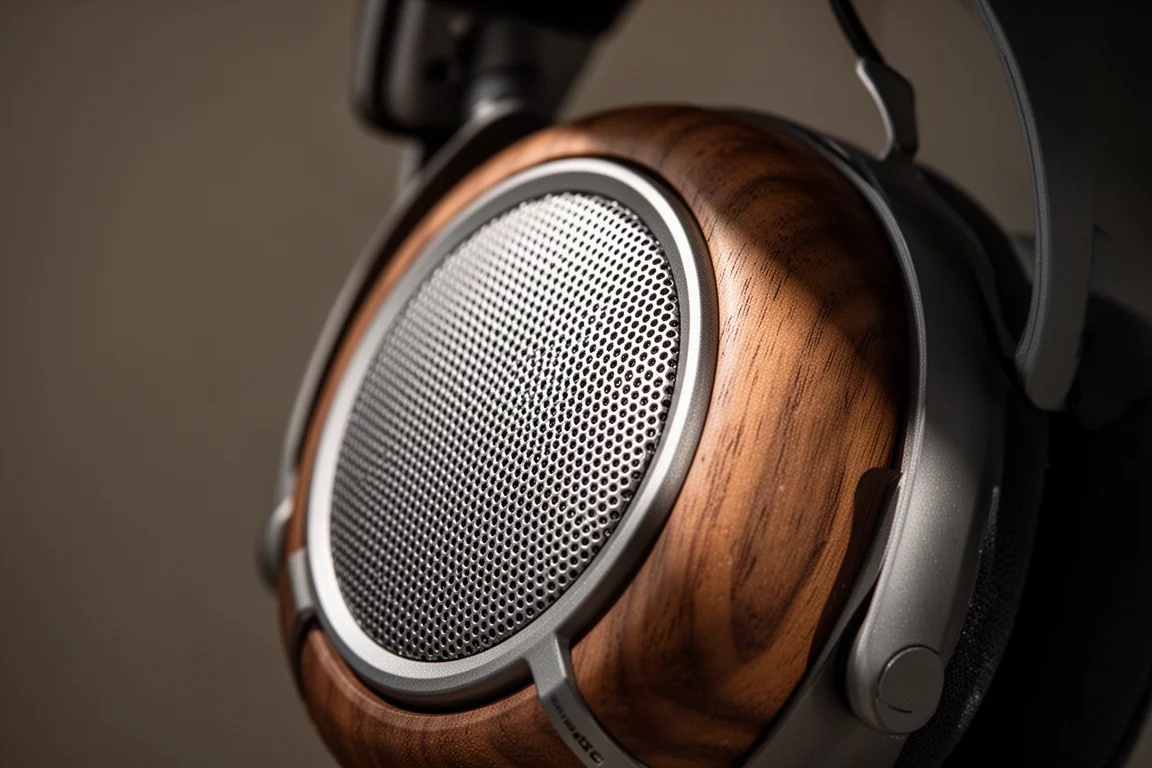
Wooden ear cups and a detachable, balanced-ready cable give it an enthusiast-friendly feel, and the fitted case keeps storage simple.
Main Strengths
The Poseidon’s defining quality is balance. Rather than pushing one part of the frequency range forward, it delivers enough of everything to satisfy listeners who do not want to choose between warmth and detail.
- A warm, thick low end that does not cover mid-range or treble information.
- A mid-range with strong detail and a slightly warmer tone.
- A top end with more air and extension than the Drop + Sennheiser HD 6XX.
- Excellent handling of sibilance in difficult recordings.
- Comfortable fit with no hot spots, thanks to a headband that spreads pressure over a wide area.
- Modest amplification requirements.
- A hard travel case, a balanced cable, and a single-ended adapter included.
Specialist headphones can still beat it in a single area. The HiFiMan Sundara offers slightly stronger detail retrieval and air, and the Beyerdynamic DT 177X Go a touch more bass presence, but neither matches the Poseidon’s consistency across the whole frequency response.
Sound Quality and Presentation
Bass is where the Poseidon makes its character clear. There is extra sweetness and thickness on bass lines without any smearing of the detail above them. Percussion lands as both tactile and clear, a combination most headphones struggle to achieve without scooping out the mid-range.
Male vocals come across warmer than usual while keeping their texture. On layered, instrument-heavy recordings, individual elements retain presence and immediacy; a trumpet line that can sound buried elsewhere arrives with real attack. Sibilance is controlled. Recordings that carry their own harshness still sound harsh, but the headphone does not add to it.
Soundstage and imaging are strong. Instruments sit clearly placed rather than clustered, and large percussive hits feel immediate and enveloping. Imaging is not quite as expansive as the Sundara’s, but it sits well above average.
The one clear limit is the deepest sub-bass. Electronic sub-bass content can be very faint, and tracks built around that region will feel short of weight.
Everything above the sub-bass region is handled with a coherence that makes the headphone easy to listen to for long sessions.
Build, Comfort, and Cable
The Poseidon arrives in a hard-shell case with a lock, keys stored inside, and a foam cut-out holding the headphones. The ear cups are wood with a machined metal grille and no sharp edges anywhere. The arms extend and the headphones fold flat, and left and right are clearly marked.
The top of the headband is plastic with a leather-like surface, and the yoke and ear cup holder are plastic as well. The ear pads are suede, soft, and easy to remove for replacement.
The cable is fabric covered, runs seven feet, and splits into two 3.5 mm connectors with a neat splitter cover. It terminates in a balanced XLR plug and includes an adapter for single-ended use. There is a small amount of creak in the frame, and the gap at the headband’s holding point is worth keeping an eye on over time, though nothing suggests an immediate problem.
Comfort is a genuine strength. The headband contacts a large area of the head, so weight is distributed evenly and no hot spots develop.
Setup and Amplification Notes
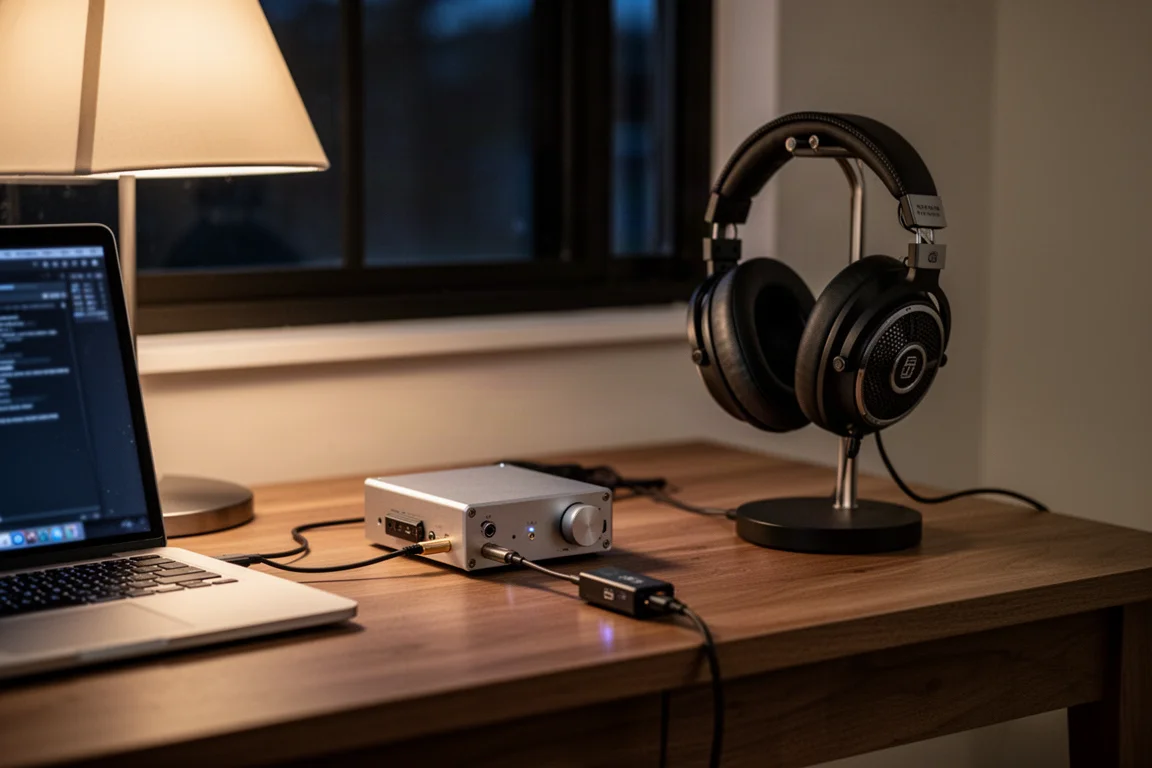
At 64 ohms and 103 dB sensitivity, the Poseidon does not demand a powerful amplifier. A dongle DAC is enough to drive it properly, and a dedicated DAC and headphone amp will get the most from it.
The headphone performed well across a range of sources, including a single-ended dongle DAC, a desktop headphone amplifier paired with a matching DAC, a separate DAC feeding that amplifier, and a tube hybrid amplifier. No combination sounded poor.
One practical note: the supplied cable ends in a balanced XLR connector, so single-ended sources need the included adapter or a different cable. There is no 3.5 mm terminated cable in the box, which is a small gap for anyone planning to use it with a phone or tablet dongle.
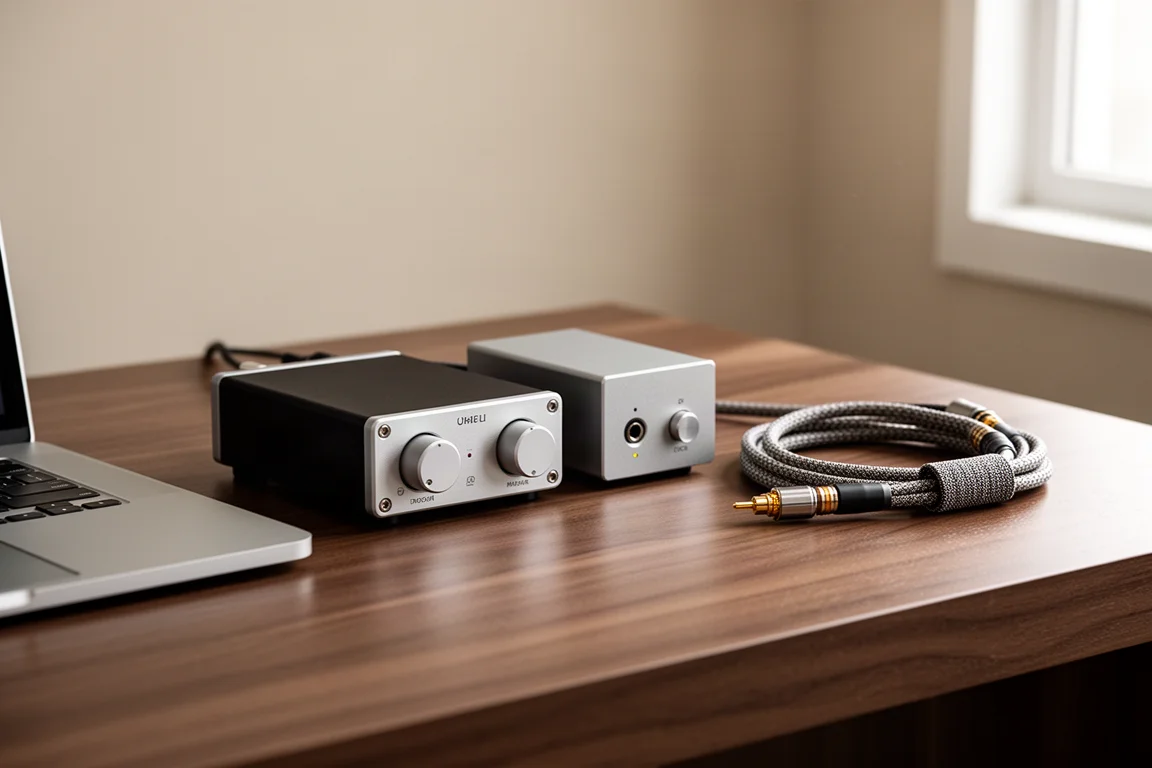
If you already own a dongle DAC or a modest desktop stack, you have everything you need.
Things to Consider Before Buying
- Plastic in the headband and ear cup holder. Metal in those areas would inspire more long-term confidence.
- The gap at the headband’s holding point is a question mark for durability, though the pair had only been in use for a short period.
- No 3.5 mm cable included, so portable use requires an adapter or an extra cable.
- The deepest sub-bass is limited, which matters if your library leans on electronic low-end content.
- The open-back design means sound leaks out and ambient noise leaks in.
- Campaign pricing is time limited: early bird tiers at $279 and $299, then around $435 at retail.
Buying Advice
At the early bird tiers of $279 and $299, the Poseidon is a straightforward recommendation for anyone who wants a warm, balanced open-back headphone for quiet-room listening. At the planned retail price of around $435, it remains competitive because it avoids the usual trade-off between warmth and detail.
Pair it with a dongle DAC or a small desktop DAC and amplifier, budget for a 3.5 mm cable if you plan to use it away from a desk, and expect open-back behaviour. If the deepest sub-bass is your priority, look elsewhere. If a coherent, comfortable all-rounder is your priority, this is a strong candidate.
Buyers who value build materials above all else may want to weigh the plastic headband parts against the otherwise solid construction.
Conclusion
The HarmonicDyne Poseidon gets the fundamentals right: a balanced tuning, a warm low end that does not obscure detail, a detailed mid-range, and a comfortable fit that holds up over long sessions. The hard case, balanced cable, and modest amplification requirements round out a package that is easy to live with. Its weak points, the plastic headband components and the limited sub-bass, are specific rather than structural, and neither undermines what the headphone does well.
Product link
View more details for HarmonicDyne Poseidon
This product is mentioned in the review. Check the specifications, options, and compatibility before buying.
View more details for HarmonicDyne PoseidonFurther reading
Related Reviews
Headphones
Apos Audio Caspian Review: Warm Bass, Solid Build, and a Detail Trade-Off
The Apos Audio Caspian is an easy-to-drive open-back headphone with standout bass and a warm, relaxed tuning, though mid-range and treble detail trail the competition.

Headphones
Audeze LCD-X vs LCD-XC vs LCD-3: Which High-End Headphone Fits Your Setup
A practical comparison of three Audeze planar magnetic headphones under $2,000, covering the open-back LCD-X, the closed-back LCD-XC, and the wood-ringed LCD-3.
Headphones
Audeze LCD-X vs HiFiMan Edition XS: Two Open-Back Headphones Compared
A practical comparison of the Audeze LCD-X and the HiFiMan Edition XS, covering build quality, comfort, sound signature, and which listener each one suits.