Headphones
HarmonicDyne Athena Review: Mid-Range Magic Without the Premium Look
A semi-open wired headphone at around $180 that delivers outstanding imaging and vocal realism, plus the trade-offs worth knowing before you buy.
Introduction
Some products arrive looking like they will disappoint and then quietly outperform every expectation. The HarmonicDyne Athena is that kind of headphone. It shows up in a plain shell that reads like a budget model, and then it does things with vocals and instrument placement that are usually reserved for far more expensive gear.
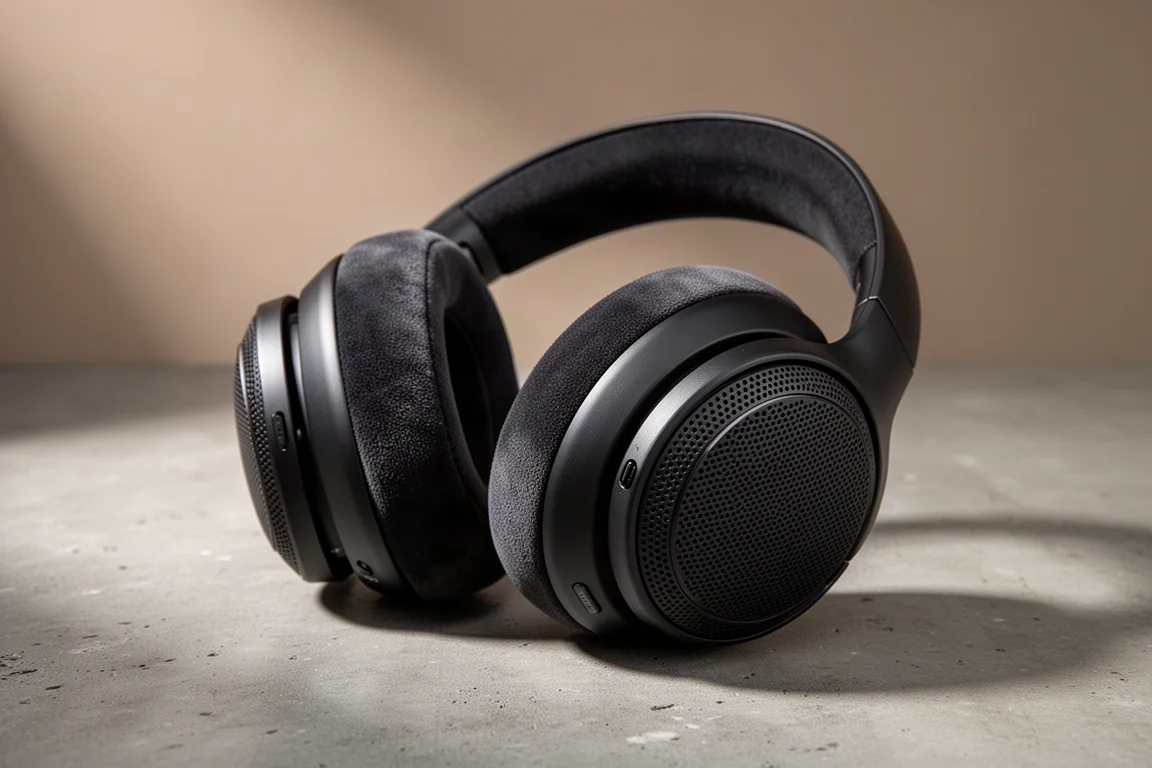
At around $180, the Athena is a wired, semi-open headphone built around a 50mm dynamic driver. It does not announce itself. There is a large circular logo on the outside of each cup, the materials read as functional rather than luxurious, and nothing about the finish suggests what the drivers can actually do.

Listen for an evening and the first impression flips. Voices sit in their own space, instruments separate cleanly from front to back, and the mid-range carries a realism that makes familiar recordings sound newly detailed. This review covers who the Athena suits, where it genuinely shines, and the handful of trade-offs worth knowing before you buy.
Who This Product Is For
The Athena makes the most sense for listeners who value mid-range realism and imaging above everything else. If your library leans on acoustic recordings, live performances and vocal-driven music, the Athena puts those elements front and center.
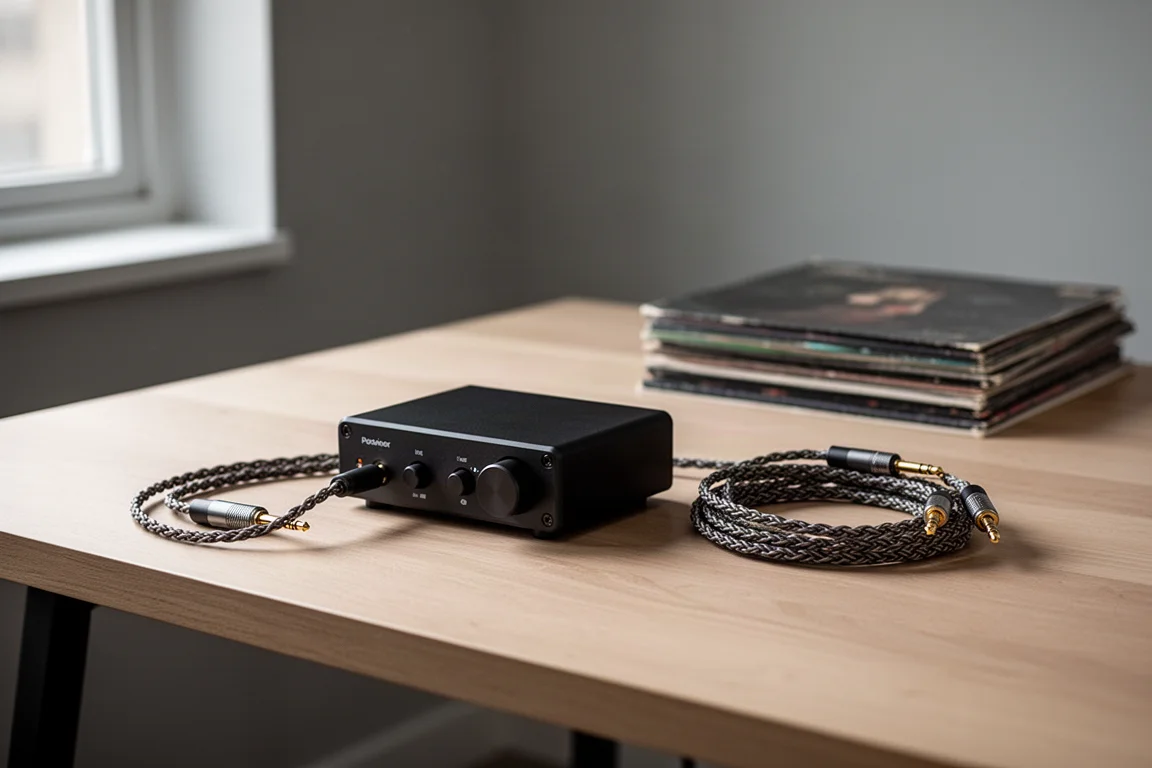
It is also a good fit for anyone who wants a capable headphone without building a desktop stack around it. Because it uses a dynamic driver rather than a planar design, it is efficient enough to run from a wide range of electronics, including a laptop or a simple DAC and headphone amp.
The semi-open design is the other deciding factor. Vents run around the top and bottom of each cup, so the Athena is neither fully open nor fully closed. It will not isolate you from a noisy room, and it is not a headphone to take on a plane. For a quiet desk at home, that trade is easy to accept.
Main Strengths
What stands out most about the Athena is how much of the music it untangles. The improvements show up across the frequency range, but they are easiest to hear in the areas below.
Soundstage and Instrument Separation
Imaging is the Athena’s strongest card. Layering from front to back is superb, and instruments hold their own space instead of smearing into each other. On live recordings, backing vocals and secondary parts that normally blend into the mix become distinct enough to follow individually.

That separation changes how you listen. Songs you know well reveal small details you may never have noticed, not because the Athena adds anything, but because it keeps the parts apart.
Bass and Low-End Weight
Bass is powerful and punchy, with a firm character around the 200Hz region. Fast bass drum patterns come through cleanly, and low notes are easy to track. Extension is good, though it does not reach subwoofer-level depth.
There is a little extra thickness just above 150Hz, which gives low-end instruments a fuller body. It stays controlled enough not to smother the mid-range, so the extra weight reads as warmth rather than bloat.
Mid-Range Realism
The mid-range is where the Athena separates itself from most headphones in its price range. Timbre is remarkably accurate. Vocals and acoustic guitars sound like real voices and real strings rather than reproductions of them.
The lower mid-range is slightly less detailed than the middle and upper mid-range. When a vocal moves from a low register into a more typical singing range, you can hear the presentation sharpen and clean up. It is a subtle shift rather than a flaw, and the upper mid-range is crystal clear.
Anyone who appreciates the mid-range focus of the Sennheiser 6XX will find a similar quality here, paired with noticeably more top-end presence.
Treble, Sibilance and Comfort
Treble is the least even part of the tuning. There is a peak somewhere in the 4 to 6kHz region, and some vocals pick up a touch of sibilance as a result. The rest of the treble sits slightly back, so cymbals and ride patterns are present but not pushed forward.

The saving grace is that the Athena never becomes fatiguing. Long sessions stay comfortable with no hot spots around the ears, and the perforated suede-style pads come off fairly easily if you want to swap them.
Things to Consider Before Buying
The main compromise is appearance. The Athena looks like an inexpensive headphone, and the large circular logo on each cup does it no favors. Build quality is a step above the budget models it resembles, with some metal in the frame, but the visual impression does not match the sound.
Isolation is limited by the semi-open design. You will hear your surroundings, and your surroundings will hear a little of your music. Planes, trains and shared offices are not where this headphone belongs.
The lower mid-range is less detailed than the rest of the response, and the 4 to 6kHz peak can make certain voices a little sharp. Neither issue is severe, but both are worth knowing if you are sensitive to sibilance or listen mainly to lower-register material.
Buying Advice
At around $180, the Athena is priced fairly for what it delivers. Judged on sound alone, it competes with headphones that cost considerably more, and it is efficient enough to run from a laptop or an affordable DAC and amp rather than a high-power dedicated setup.
If you can look past the plain shell, the value proposition is straightforward: strong imaging, realistic mid-range timbre and comfortable long-session listening for a modest outlay. Buyers who need isolation or a premium-feeling finish should look elsewhere, and anyone chasing deep sub-bass extension will find the Athena stops short of that.
For everyone else, this is one of the easier recommendations in its price bracket.
Conclusion
The HarmonicDyne Athena is a case study in not judging a headphone by its cover. The semi-open shell looks like a budget model, but the 50mm dynamic driver delivers imaging, layering and vocal realism that feel out of step with the price.
The trade-offs are real but manageable: limited isolation, a plain appearance, a small treble peak and a lower mid-range that trails the rest of the response. In exchange, you get a comfortable, easy-to-drive headphone that makes familiar music sound more separated and more lifelike. If mid-range realism is what you are chasing, the Athena deserves a spot on your shortlist.
Product link
View more details for HarmonicDyne Athena
This product is mentioned in the review. Check the specifications, options, and compatibility before buying.
View more details for HarmonicDyne AthenaFurther reading
Related Reviews
Headphones
Apos Audio Caspian Review: Warm Bass, Solid Build, and a Detail Trade-Off
The Apos Audio Caspian is an easy-to-drive open-back headphone with standout bass and a warm, relaxed tuning, though mid-range and treble detail trail the competition.
Headphones
Audeze LCD-X vs LCD-XC vs LCD-3: Which High-End Headphone Fits Your Setup
A practical comparison of three Audeze planar magnetic headphones under $2,000, covering the open-back LCD-X, the closed-back LCD-XC, and the wood-ringed LCD-3.
Headphones
Audeze LCD-X vs HiFiMan Edition XS: Two Open-Back Headphones Compared
A practical comparison of the Audeze LCD-X and the HiFiMan Edition XS, covering build quality, comfort, sound signature, and which listener each one suits.