Indoor Cycling Training
Hardest Zwift Workouts Tested: Emily's Short Mix, The Gorby, The Ringer and McCarthy Special
Four of the toughest structured workouts in Zwift, compared on intensity, duration and the kind of rider each one suits best.
Introduction
Structured indoor workouts do not have to be uncomfortable, and most of the training that makes a rider faster happens at intensities that feel entirely manageable. Even so, there is a particular satisfaction in finishing a session that genuinely stretches you, and that is exactly what the four workouts below are built to do.
These four sit at the harder end of the Zwift workout library. One is the most popular session on the platform, another is a pure VO2 max test, a third is built around explosive sprints, and the last has a reputation for being almost impossible to complete at full intensity. All four can be found in the workouts tab, where sessions are grouped into collections so you can search by the type of effort you want. If you would rather be guided, training plans select sessions for you and lead you towards a specific goal.
Emily’s Short Mix: The Classic That Started It All
Emily’s Short Mix is the most popular workout on Zwift, and it has been part of the library since structured workouts were still in beta testing. It takes just 30 minutes, which makes it a genuinely short and sweet option on a busy day.
The structure is straightforward. After a warm-up you get three blocks of increasing intensity, roughly three minutes, then one minute, then one minute, followed by a final block of three efforts at three minutes each. Targets are set as a percentage of FTP, so the session scales to whatever fitness you bring to it, but the intervals themselves are spicier than the total time suggests. Because there is so little warm-up before the first effort, you are into real work almost from the first pedal stroke.
The short intervals also give you something simple to focus on, and the whole session lands around the half-hour mark. That makes it a strong choice when time is tight, though riders with more room in the day may want to add some easier riding around it.
The Gorby: Five Five-Minute Blocks at 110% of FTP
The Gorby sits in the 60 to 90 minute category and runs for 60 minutes. It is built around five five-minute intervals at 110 percent of FTP, with five minutes of recovery between each one, which makes it a classic VO2 max session.
Two things make it demanding. First, the total workload is substantial: 25 minutes of riding above 110 percent of FTP. Second, five-minute blocks are long enough to test your head as much as your legs. Sessions that challenge both can be very effective, even when they are not something to repeat every week.
The recovery valleys are generous enough that the whole thing stays manageable, and the effort maps neatly onto building general fitness alongside cycling-specific fitness. For a lot of riders this is the session that feels most worth coming back to.
The Ringer: Twelve 30-Second Efforts at 205% of FTP
The Ringer runs for 43 minutes and 45 seconds, and it asks for 12 efforts of 30 seconds at 205 percent of FTP. After a progressive warm-up the rest of the session is fairly relaxed, but those short, brutal efforts are the entire point of the workout.
This is a session that suits explosive, sprint-oriented riders more than steady diesel types, and that is not a judgement on either. Thirty-second maximal efforts are an effective way to build fitness, and the format gives you plenty of recovery between each one.
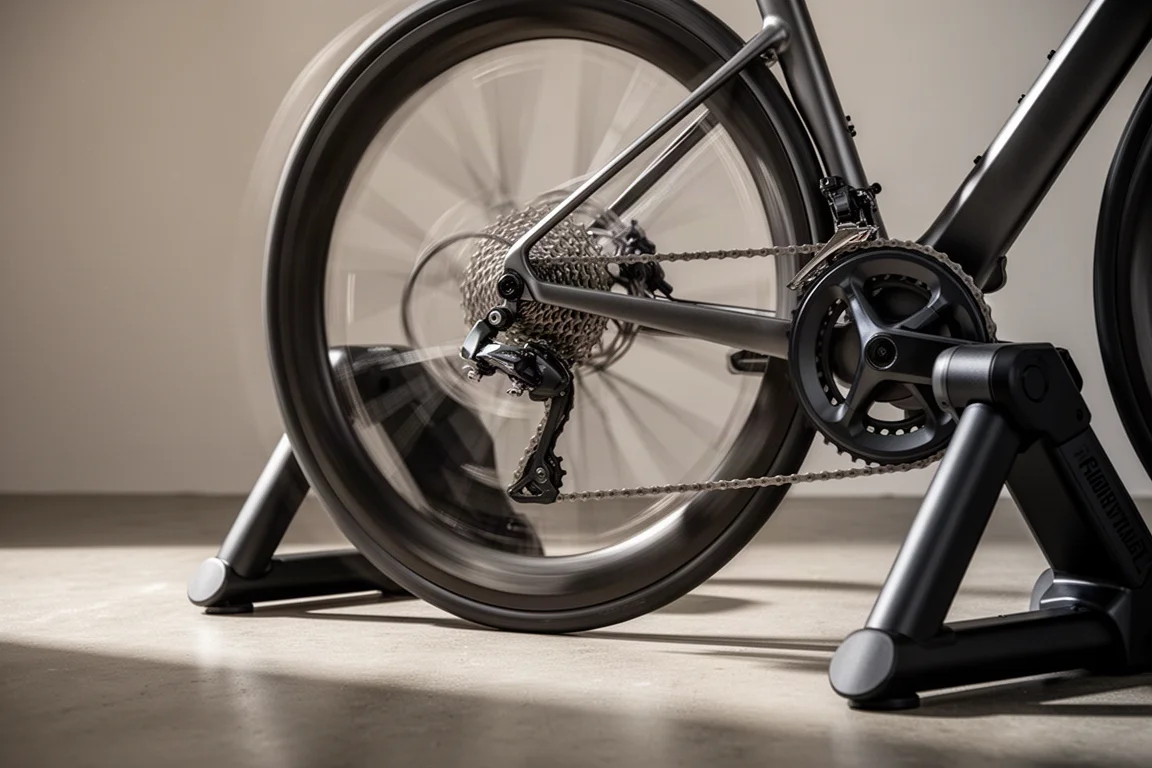
Because the targets are so high, holding them perfectly in ERG mode is unrealistic for most riders. Switching ERG off and treating the twelve intervals as full-gas sprints is the practical approach, and it keeps the session honest without turning it into a fight with your trainer.
McCarthy Special: The Toughest Session of the Four
The McCarthy Special was created by Mike McCarthy, a former Zwift employee and a former World track champion, and it has a reputation as one of the hardest sessions in the library.
The format is three blocks. Each block runs three minutes at FTP, straight into three minutes at 112 percent of FTP, and then straight into three minutes at 125 percent of FTP. There is no recovery inside a block. The session lasts 60 minutes, and not many riders manage to reach the end of it at full intensity. Even its creator has said it takes a good day to finish.
That raises a fair question: is there any point in a workout so hard it may be impossible to complete? There is, if you treat it as a benchmark rather than a weekly habit. Finishing it tells you your form is excellent, and on the days when you cannot, it still gives you something to aim at. Doing it occasionally, when you are fresh, makes far more sense than scheduling it regularly.

Structured Workouts Compared With Group Rides and Races
Group rides and races can build fitness very effectively, and they rarely demand much mental input, which is a large part of their appeal. Structured workouts offer something different: control. Because the library is organised by category, including sweet spot, FTP and VO2 max, you can pick sessions that target a specific area of your fitness, then combine them over a week or a month so they complement each other and add variety.
Group workouts are worth trying too. Riding a hard session alongside other people makes a real difference to how far you are willing to push, and plenty of clubs run them on a regular schedule. Variety, as ever, is the spice of training.
Cooling, Cadence and Recovery: What Actually Helps
A few practical habits make hard sessions noticeably more manageable.
Cooling matters more than most riders expect. The harder the workout, the more heat you produce, and once body temperature climbs too far a natural limiter kicks in and you simply cannot hold the required power. A cool room, at least one decent fan, and an open window or air conditioning all help.

Hydration and fuelling deserve the same attention. Electrolyte tabs in your bottles help on a long, sweaty session, and something sweet in your mouth can be a genuine boost during the toughest intervals, even when you do not strictly need the carbohydrates.
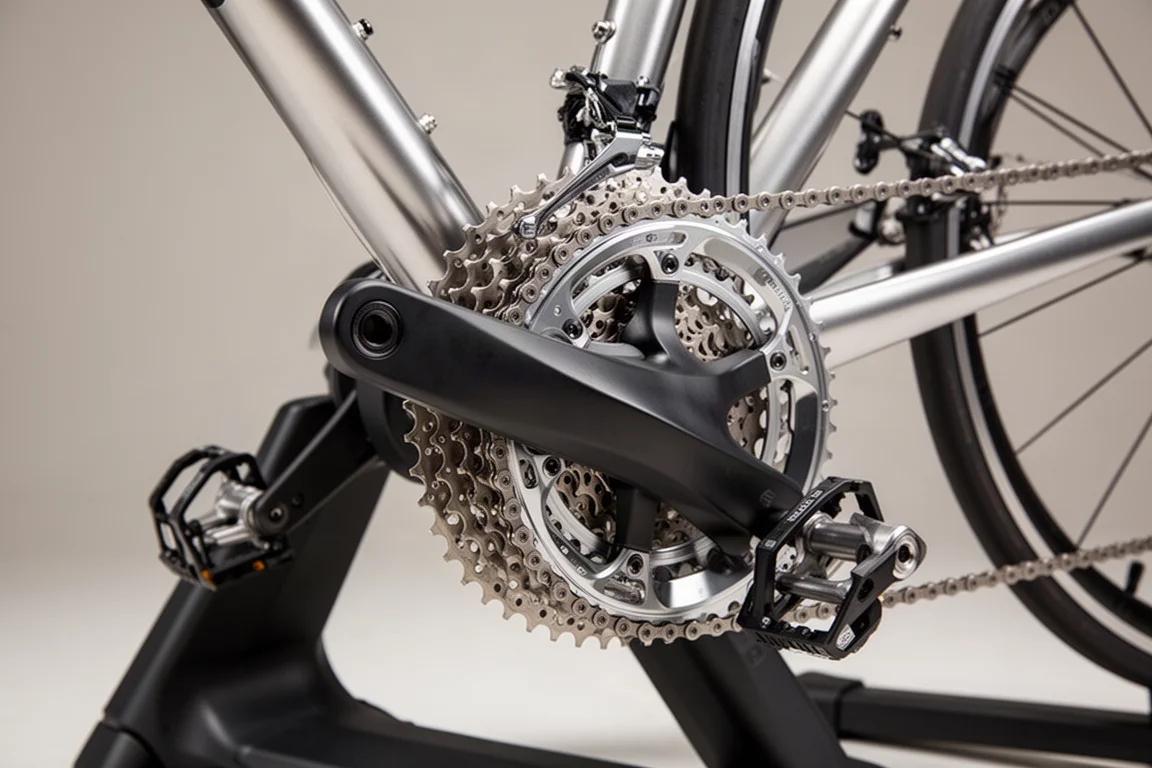
Cadence is the other lever worth using. With a smart trainer in ERG mode, the resistance adjusts automatically so you hit your power targets, which means you can concentrate on pedalling rather than shifting. You still need to manage your cadence, and the harder the interval, the faster you generally need to spin. Stepping from around 90 rpm in the easier blocks up to 100 and then 110 rpm through the hardest ones is a simple way to stay on top of the effort.
One more tip worth remembering: when an interval starts to hurt, your legs will tell you to slow down, but your breathing rate is the more reliable signal of how much you actually have left.
How Often Should You Ride This Hard?
It is tempting to assume that harder is better, but that is not how fitness works. Norwegian coach Olav Aleksander Bu has advised keeping one interval in reserve during training rather than going completely to maximum and emptying yourself. The logic is that if you never fully deplete your reserves, you can back up sessions day after day, and consistency is what ultimately makes you fitter.
That does not rule out the occasional all-out effort, particularly for riders who do not have time to train every day. It is simply a reminder that you do not have to batter yourself to improve. High-intensity sessions give more back when you arrive fresh, they feel better while you are doing them, and you recover from them more quickly. Use them sparingly within a week or a training block, and let lower-intensity riding make up the majority of your time on the bike.
Overall Advice: Matching the Session to Your Week
The right choice depends on how much time you have and how fresh you are.
If you have 30 minutes and want something that still feels like real training, Emily’s Short Mix fits neatly into the day. If you want a session you can return to again and again and that builds genuine VO2 max fitness, The Gorby is the standout. If you are an explosive rider who enjoys short maximal efforts, The Ringer is built for you, as long as you are willing to turn ERG mode off and sprint. And if you want a benchmark to test your form against once in a while, the McCarthy Special is the hardest of the four and the one most riders will not complete at full intensity.
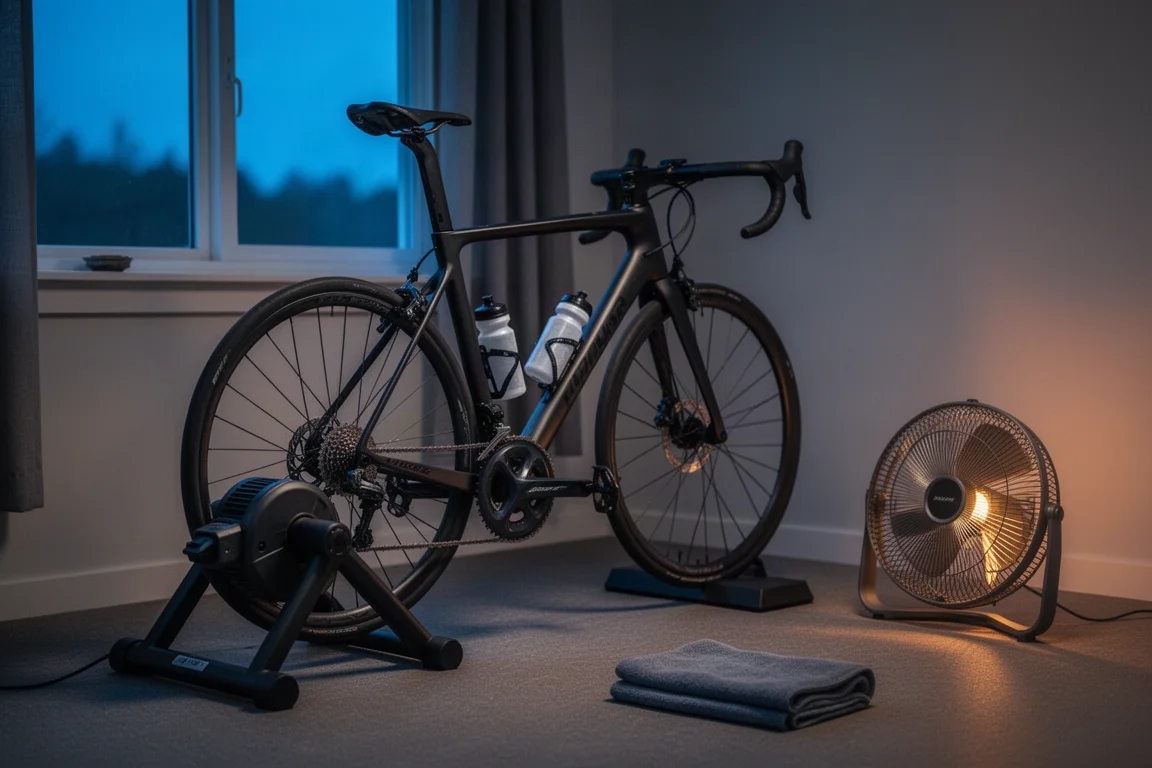
Whichever you choose, go in rested, keep cool, stay hydrated, and treat the hardest sessions as the icing on the cake rather than the whole cake. Lower-intensity structured riding should still make up the bulk of your training, with sessions like these used sparingly when you want to test yourself.
Conclusion
On pure difficulty, the McCarthy Special takes it, with stacked blocks that make full completion unrealistic for most riders. The Ringer is a wicked session in its own right, but 205 percent of FTP is not something to hold in ERG mode, so switching it off and sprinting is the sensible approach. Emily’s Short Mix remains a genuinely good 30-minute option when time is tight, and The Gorby is the one many riders would happily repeat.
All four are worth trying at least once. The most useful thing you can do is match them to the time and the freshness you actually have, rather than to how impressive the numbers look.
Further reading
Related Reviews

Indoor Cycling Tech
Apple TV 4K Review: A Simple Route to Big-Screen Zwift
A practical look at using the Apple TV 4K as the brain of an indoor cycling setup, what it does well, and what you still need around it.

Indoor Cycling Tech
Apple TV 4K for Zwift: The Simplest Route to a Big-Screen Setup
A practical look at the Apple TV 4K as a Zwift device, covering what it does well, how it fits into an indoor cycling setup, and what to weigh before buying.
Indoor Cycling
Best Budget Smart Indoor Trainer Setups: Six Options Worth Considering
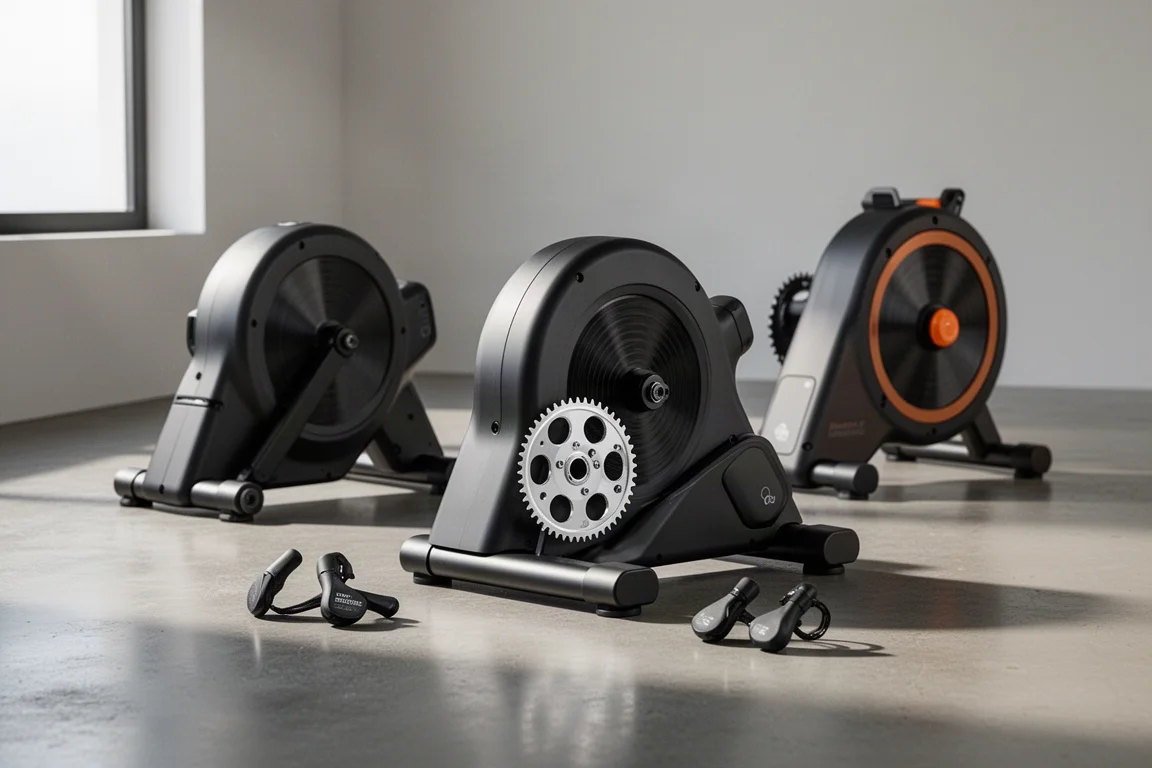
Smart indoor trainers keep getting better while prices come down. Six setups and components worth considering, from the cheapest Zwift-ready option upward.