Camping Shelters
Hammock vs Tent for Backpacking: An Ultralight Shelter Guide
How hammock and tent shelters compare on setup effort, sleep comfort, campsite selection, weather, weight, and cost, with the ultralight picks that illustrate each trade-off.
Introduction
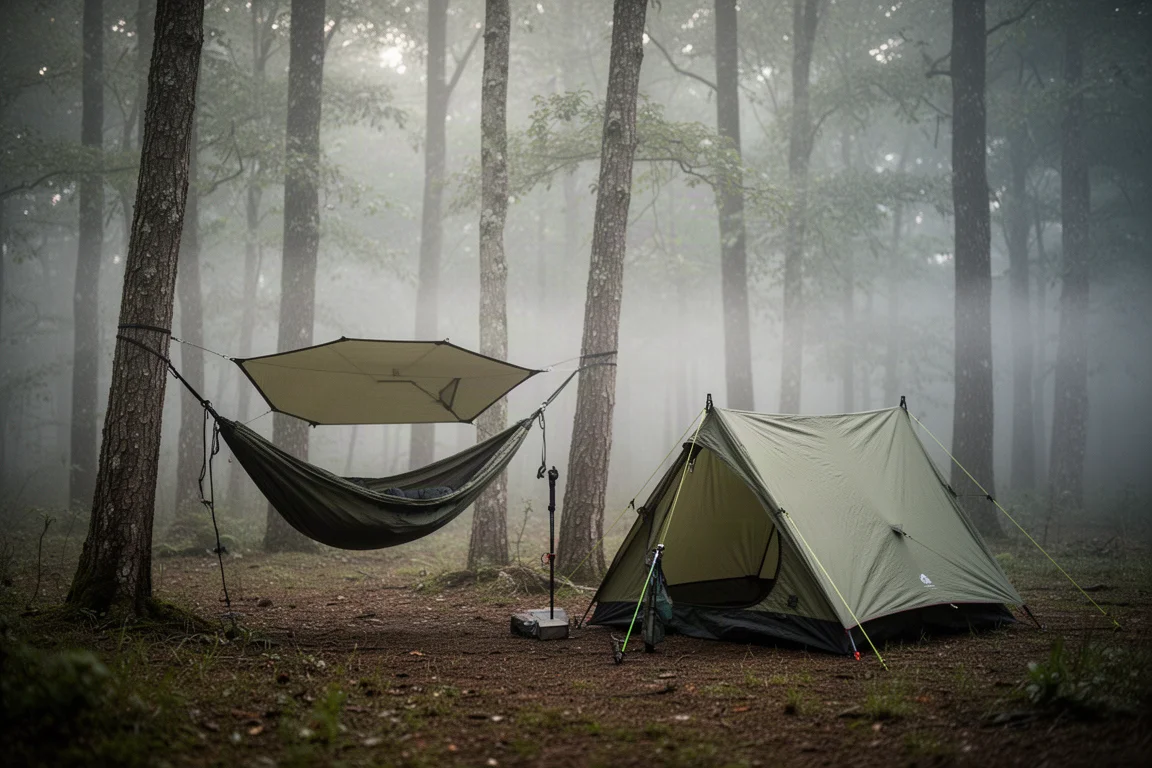
Between a hammock and a tent, the better shelter is the one that matches how you actually camp. Setup effort, sleep quality, campsite terrain, weather, privacy, and packed weight all pull in different directions, and a choice that suits a summer section hike can feel wrong on a long thru-hike where the weather sets the schedule.
This guide works through the factors that matter most and pairs each one with the specific shelters and components that show the trade-offs clearly: two ultralight tents, one sleeping pad, and a complete ultralight hammock kit.
What to Weigh Before Choosing a Shelter
Setup effort is the first thing most backpackers notice. A single-wall tent that pitches with two trekking poles and a handful of stakes can be standing in two minutes or less. A hammock system in three-season or colder conditions involves the hammock body, the suspension, the tarp, and usually an underquilt, so there is more to stake out, tension, and adjust. A double-wall tent with a separate rain fly and its own poles narrows that gap considerably, and after a few nights either system becomes faster with practice.
Sleep comfort is where hammocks tend to pull ahead. Backpackers who shift position every couple of hours on a pad, or who wake with a numb or aching hip, often rest better in a hammock. A hammock also doubles as a seat in camp, which removes the pressure points of a log or the ground and makes lounging at the end of a day far more pleasant.
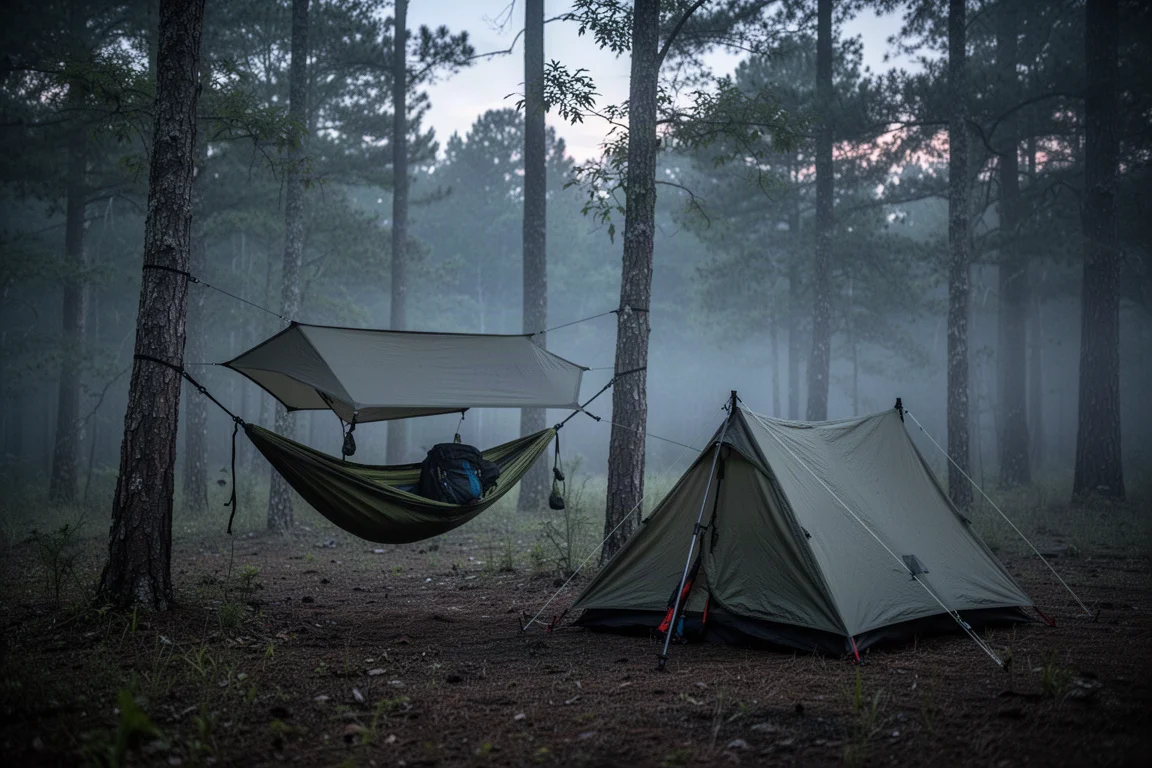
Campsite selection cuts both ways. A desert route with no trees rules out a hammock entirely. Rocky, uneven ground that makes tent pitching awkward favors one. Trees alone are not a guarantee either: a brushy, overgrown site can leave no clean line between two trunks at a workable distance, and you may end up hanging between trees that are closer together than ideal.
Weight and cost round out the picture, and both are covered in the buying advice section further down.
Best Tent Shelter: Zpacks Duplex
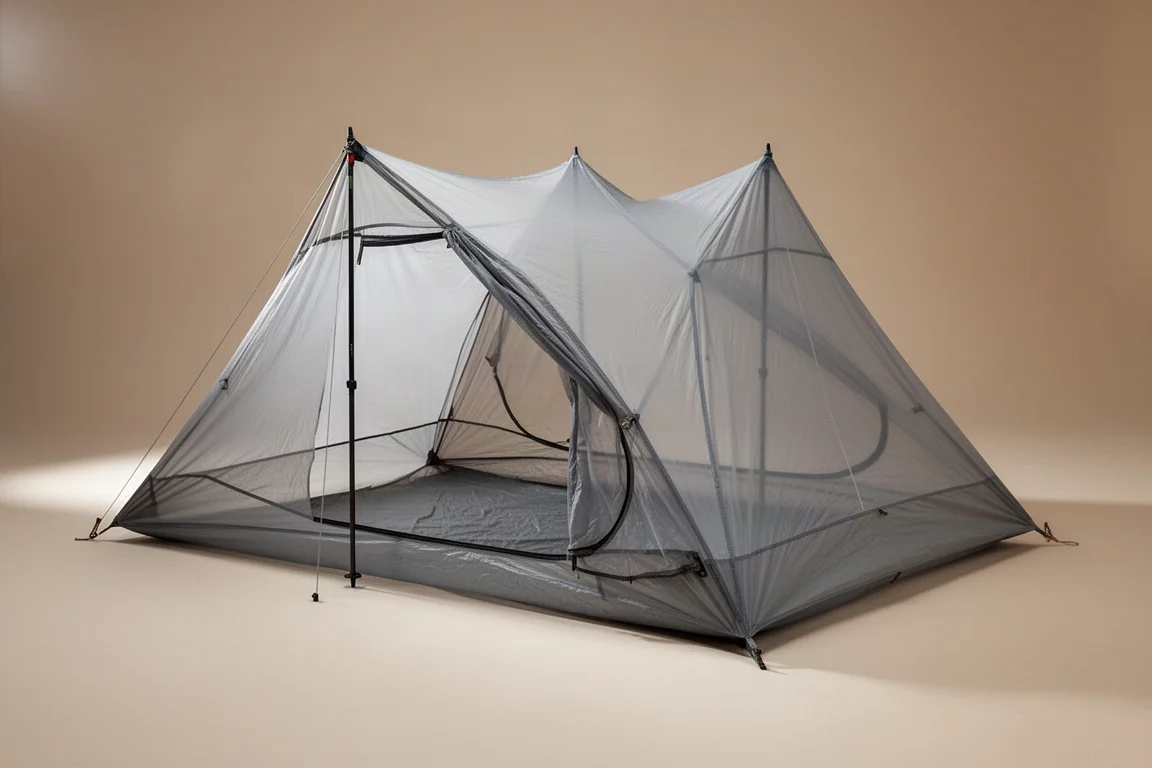
The Zpacks Duplex is a single-wall shelter that pitches with two trekking poles and a handful of stakes. It goes up in two minutes or less, and at just over 19 ounces it stays light for the space it provides. At $599 it sits at the premium end of the ultralight market, and it does require trekking poles to stand.
Pair it with a short inflatable sleeping pad and the complete sleep system comes to roughly 27.4 ounces and $775.
Best Ultralight One-Person Tent: Zpacks Plexamid
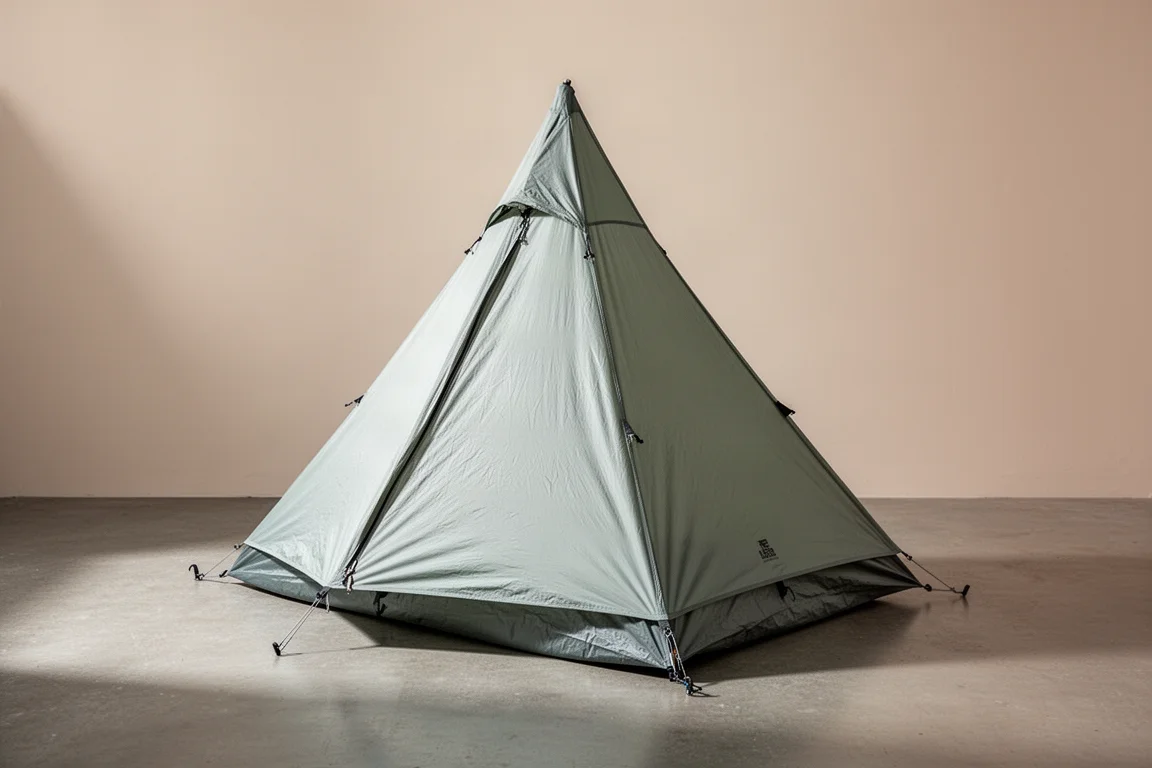
A one-person tent is the fairest comparison against a hammock kit, because a hammock setup sleeps one person and does not offer much spare room. The Zpacks Plexamid weighs 15.3 ounces, just under a pound, and costs $550. With a sleeping pad added, that setup lands at about 23.3 ounces and $725.
Best Sleeping Pad for Tent Camping: Therm-a-Rest NeoAir X-Lite Short
Hammock campers usually leave the sleeping pad at home because the underquilt handles insulation from below, so a fair weight comparison has to add a pad to the tent side of the ledger. The Therm-a-Rest NeoAir X-Lite Short weighs about eight ounces and costs roughly $175.
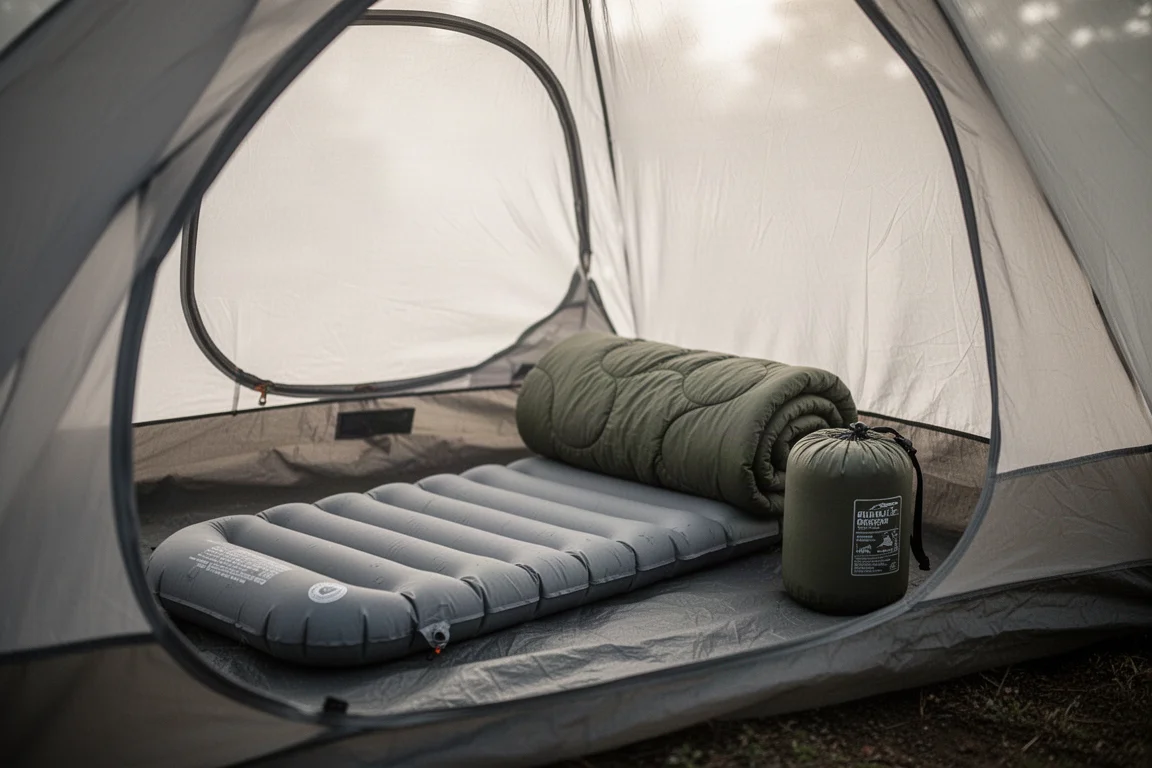
That pad is also the reason a tent setup can end up heavier and more expensive than expected, and the reason a tent stays usable on ground where you cannot hang anything at all.
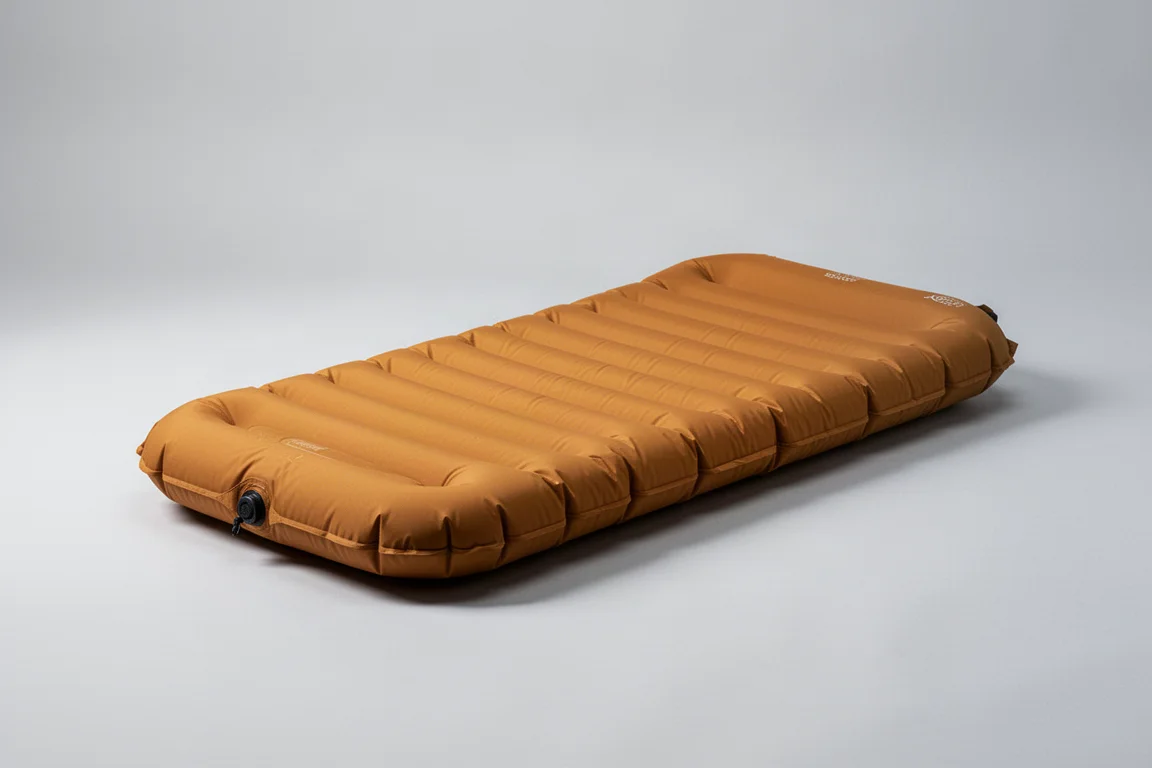
Best All-in-One Hammock Setup: Warbonnet Blackbird
The Warbonnet Blackbird is a gathered-end hammock with a shelf along one side that keeps small items within easy reach. Ordering the hammock, underquilt, and suspension together from a single brand makes the move into hammock camping much less confusing for a first-timer, since there is no guesswork about which components work together.
The setup used in a cold-weather comparison, including the Yeti underquilt and the suspension, came to 2 pounds 13.81 ounces and $565. The hammock was ordered in a single layer and arrived as a double layer, which makes it slightly heavier than that quoted figure.
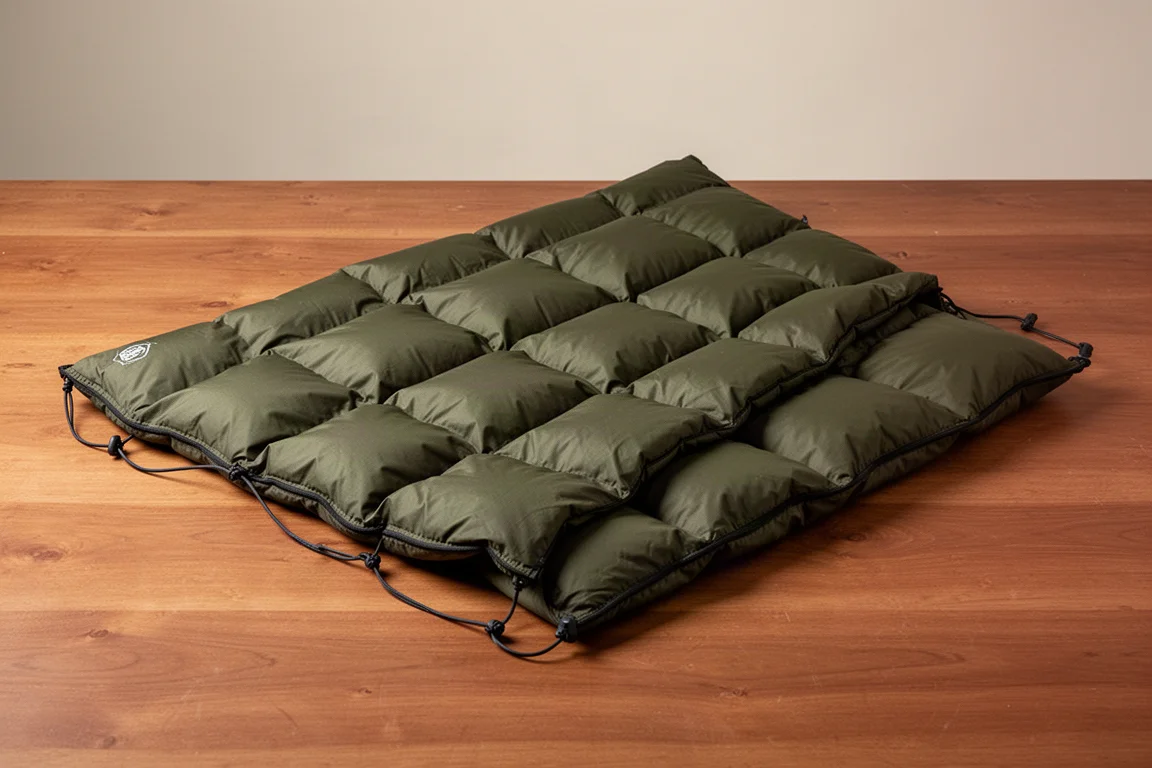
Best Underquilt for Cold Weather: Warbonnet Yeti Underquilt
The Warbonnet Yeti Underquilt weighs 8.25 ounces and costs $200. It is a short, partial-length quilt, which suits mild three-season temperatures from roughly March through October, and even into early November.
For camping in temperatures in the low twenties Fahrenheit, a lower temperature rating in the 10 to 0 degree range and a longer quilt that spans end to end would be a much better match. Getting the warmth right is the single biggest factor in whether a hammock feels comfortable on a cold trip.
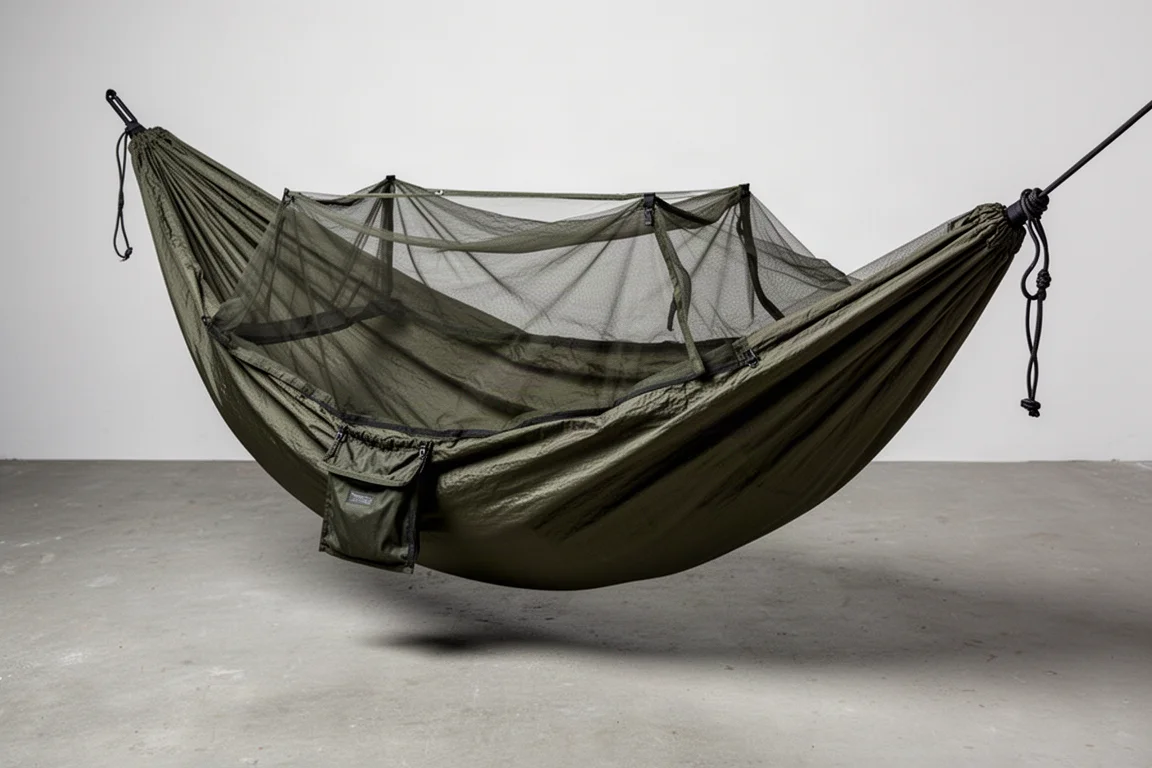
Best Ultralight Hammock Body: Hummingbird Hammocks Single Hammock
For a genuinely light kit, the Hummingbird Hammocks Single Hammock is the natural starting point. It weighs 5.2 ounces and costs $65. Hammocks this light tend to give up some comfort and features compared with larger designs that add extras such as a side shelf, so the trade-off is worth understanding before you commit.
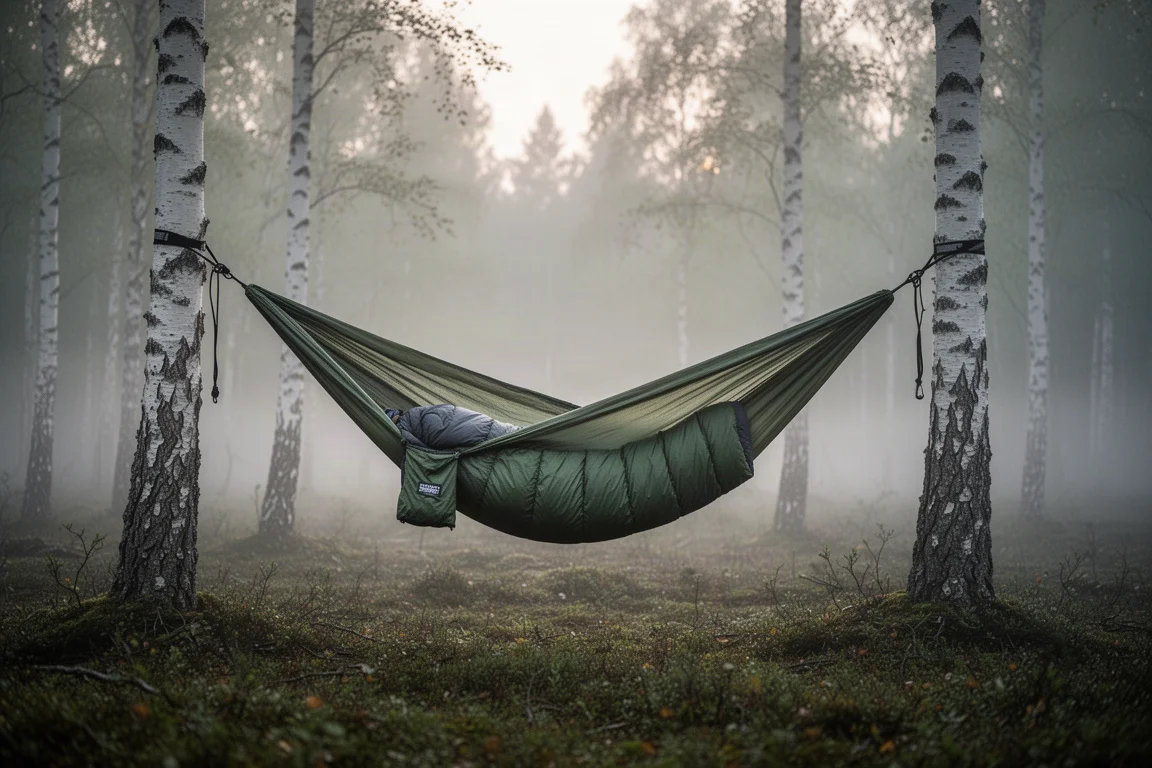
Building the rest of the kit around it, with a bug net, tree straps, tarp, guy line, and underquilt, still produces a complete three-season shelter that weighs less than two pounds.
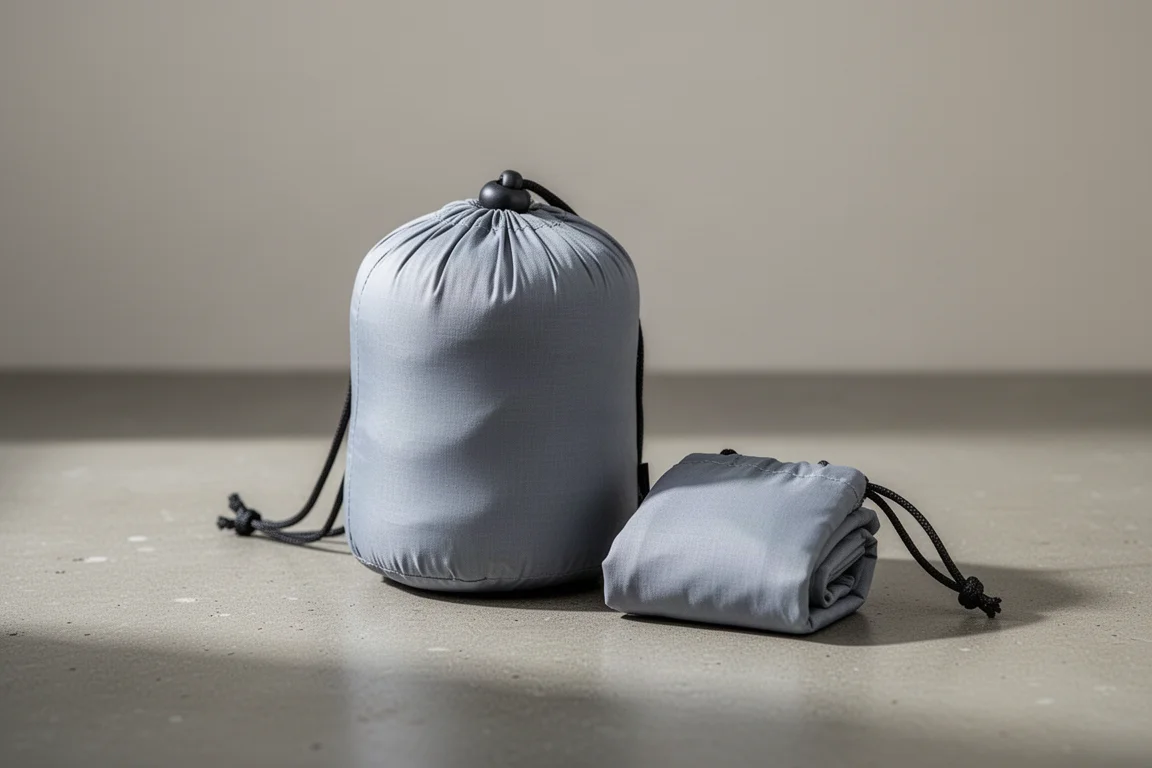
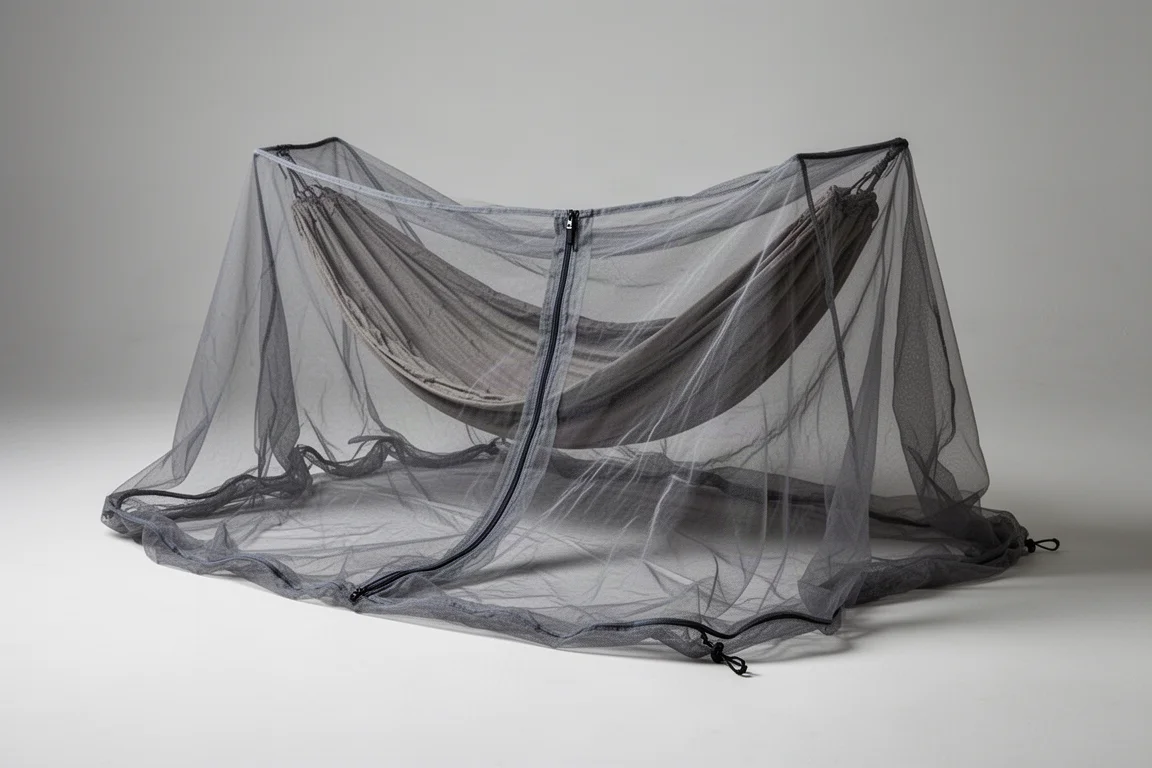
Best Bug Net: Hummingbird Hammocks Warbler Bug Net
The Warbler bug net from Hummingbird Hammocks adds 8 ounces and costs $40. In warm, buggy conditions it turns an open hammock into a protected sleeping space without changing the way the hammock hangs.
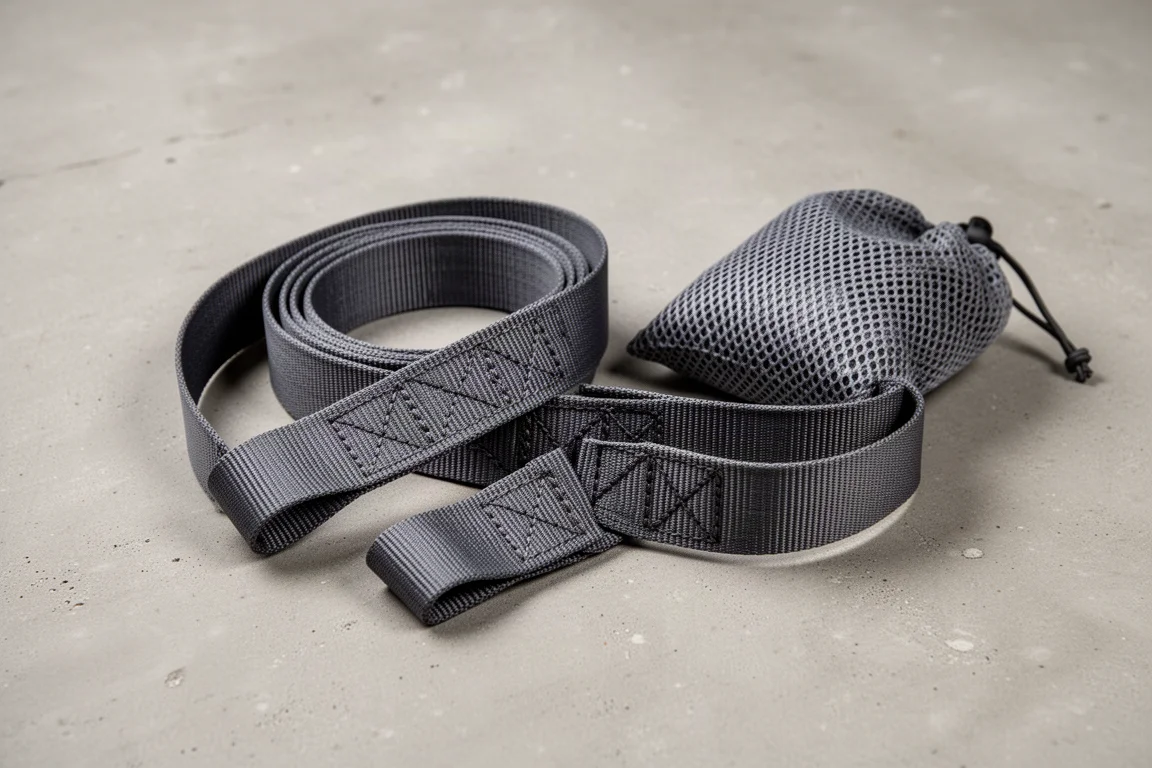
Best Hammock Suspension: Hummingbird Hammocks Tree Straps
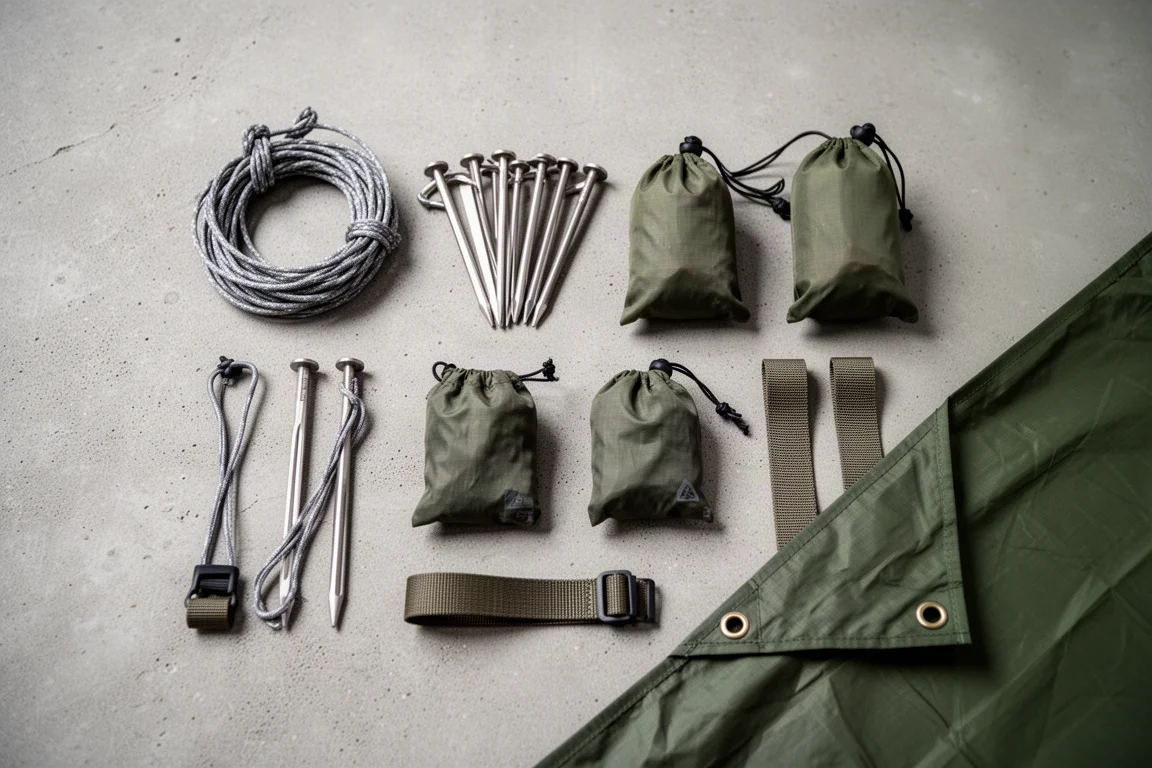
Suspension is easy to overlook, and the Hummingbird Hammocks tree straps keep the weight penalty low at 1.55 ounces and $30. They are sold separately from the hammock body, so they belong on the list from the start.
Best Hammock Tarp: Zpacks Hammock Tarp
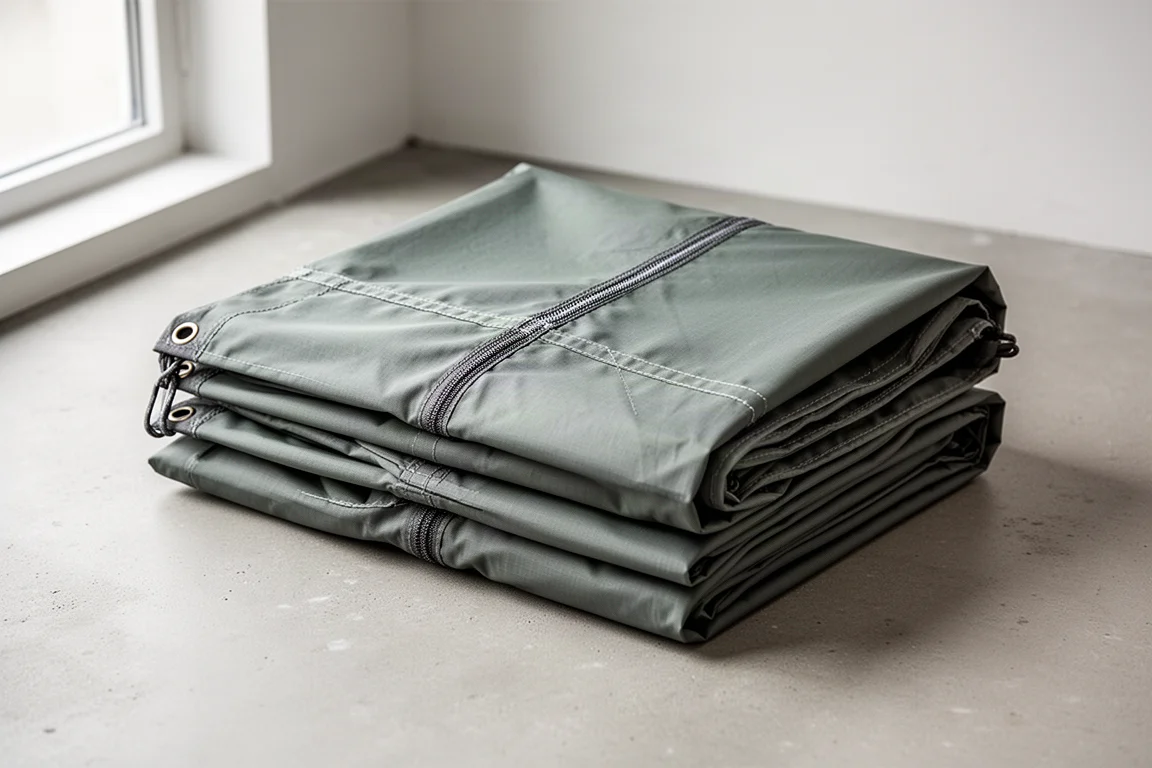
The Zpacks Hammock Tarp weighs seven ounces and costs $249, which gives a hammock kit proper rain cover for a modest amount of weight. It does not include guy line, and 100 feet of the lightest line from the same brand adds about $26 and 1.5 ounces.
Shelter Buying Advice: Matching Gear to Your Trip
Putting the numbers side by side makes the decision much clearer.
A lightweight three-season hammock kit, made up of the Hummingbird hammock, the Warbler bug net, the tree straps, the Zpacks hammock tarp, guy line, and the Yeti underquilt, weighs 31.5 ounces and costs about $610. The comparable lightweight tent setup, a Plexamid with a short sleeping pad, weighs 23.3 ounces and costs $725. The tent wins on weight by roughly 8.1 ounces, but it costs $115 more.
Drop the underquilt for a hot-weather summer trip and the hammock kit falls to 23.25 ounces and $410. In that comparison the lightweight tent setup is 0.05 ounces heavier and $315 more expensive. For backpackers who only head out in the hottest months and sleep warm, a hammock can be the lighter and cheaper answer.
Weather and privacy deserve a mention too. In rain, a hammock keeps gear off the ground and away from mud splatter, but a tent feels more enclosed and protected when conditions turn genuinely nasty. A hammock with the tarp left off is the better way to sleep under the stars, while a tent offers more separation for changing clothes and more predictable places for every item of gear.
Ease of entry matters more than most people expect. Climbing in and out of a tent at the end of a long day is awkward, while a hammock lets you move from lying to sitting to standing with far less effort, which makes early starts noticeably easier.
Conclusion
Neither shelter wins outright. A tent remains the more predictable choice for long thru-hikes where weather, terrain, and heavy camera gear all have to be managed, and the extra weight is a fair price for that predictability. A hammock makes more sense on shorter trips with reliable forecasts, on routes with plenty of trees and uneven ground, and on any trip where lounging comfortably in camp matters as much as the miles.
If you are unsure, start with the shelter you already know and add the other one later. Learning one system at a time is far easier than rebuilding your entire sleep setup in the middle of a long trail.
Further reading
Related Reviews
Camping Shelters
Alps Mountaineering Stealth 1 Bivy Review: A Waterproof Claim That Does Not Hold Up
The Alps Mountaineering Stealth 1 Bivy carries a 2,000 mm hydrostatic head rating and a waterproof claim, but sustained rain exposure and build quality concerns make it difficult to recommend.
Camping Shelters
AquaQuest Safari Hybrid 20 ft x 13 ft Tarp Review: Two Years Under a Very Large Roof
A long-term look at the AquaQuest Safari Hybrid 20 x 13 tarp, covering build quality, weather protection, setup realities, and who should buy one.
Camping Shelters
Backcountry Light Mesa 3 Hot Tent and Floor SL Tarp Review
A practical look at the Backcountry Light Mesa 3 four-season hot tent and its optional Floor SL Tarp, covering materials, stove jack design, packed weight, pricing, and the trade-offs to weigh before buying.