GPS Bike Computers
Hammerhead Karoo 2 vs Garmin Edge: Which GPS Bike Computer Should You Buy?
A practical look at the Hammerhead Karoo 2, the Garmin Edge 1040 Solar, and the discounted Garmin Edge 830, and which one suits which rider.
Introduction
GPS bike computers have changed cycling for a lot of riders. They let you follow a route, record the ride, and share it afterwards, which is why ride sharing platforms exist in the first place. Early units could do little beyond speed and distance, and they relied on sensors and magnets fitted to the wheel and fork. The category has widened enormously since then, and Garmin has spent many years pushing it forward.
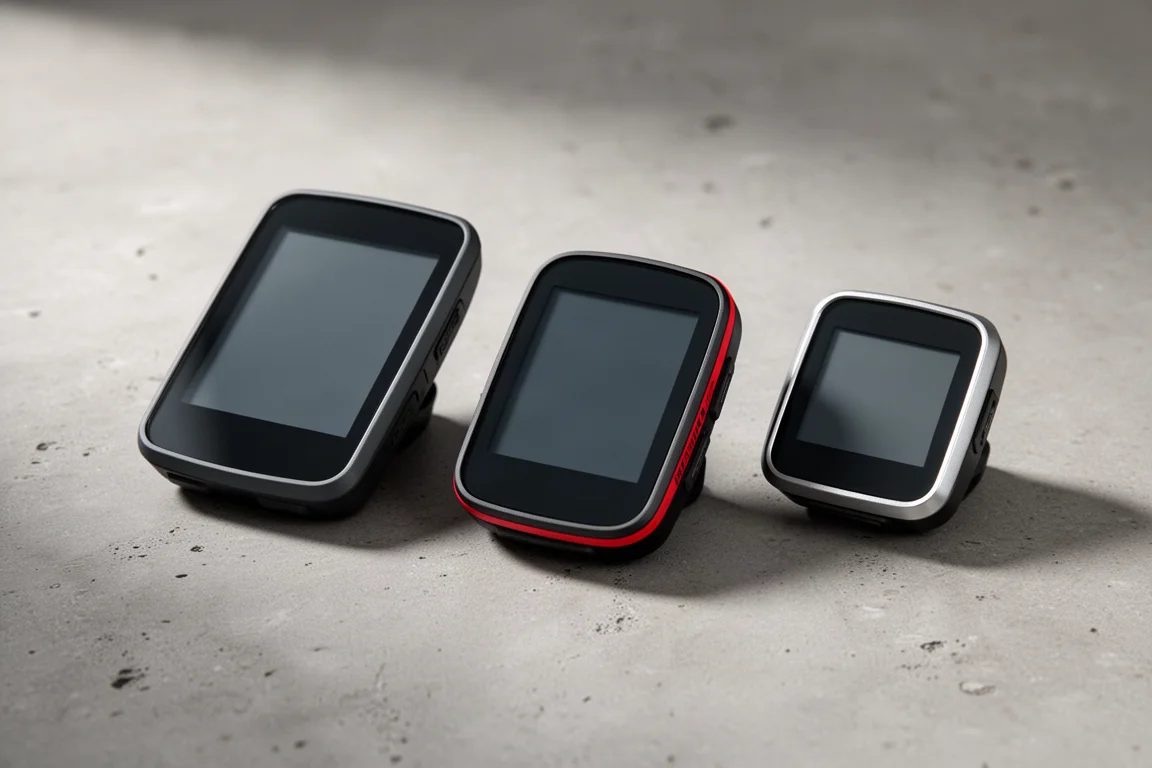
Three current options show how differently that progress has been interpreted. The Hammerhead Karoo 2 leans on a large, richly coloured screen and a fast, phone-like interface. The Garmin Edge 1040 Solar leans on battery endurance. The Garmin Edge 830 now sits lower in price after recent discounting. Each one makes sense for a different kind of rider.
How These GPS Bike Computers Compare
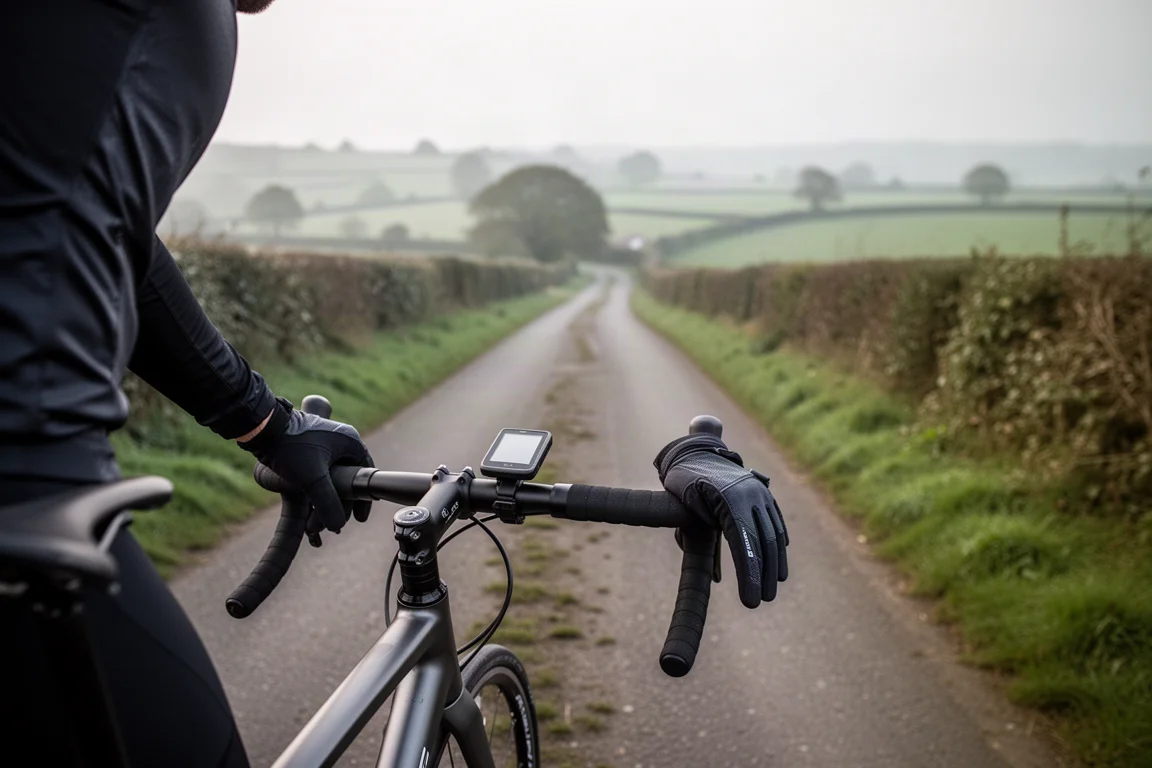
Four things separate these computers in daily use: how clear the screen is when you are following a route, how well the controls work with gloves or in the rain, how stable and durable the unit is when the road turns rough, and how long the battery lasts between charges.
Feature depth matters just as much. Climbing data that appears automatically, live segment pacing, radar pairing, and indoor smart trainer control all change what a computer can do for you, and not every unit handles them in the same way.
Price sits alongside all of that. A computer at this level is a long term purchase, so the useful question is less about the specification sheet and more about which of these strengths you will actually use on the rides you do most often.
Hammerhead Karoo 2: The Most Enjoyable to Use
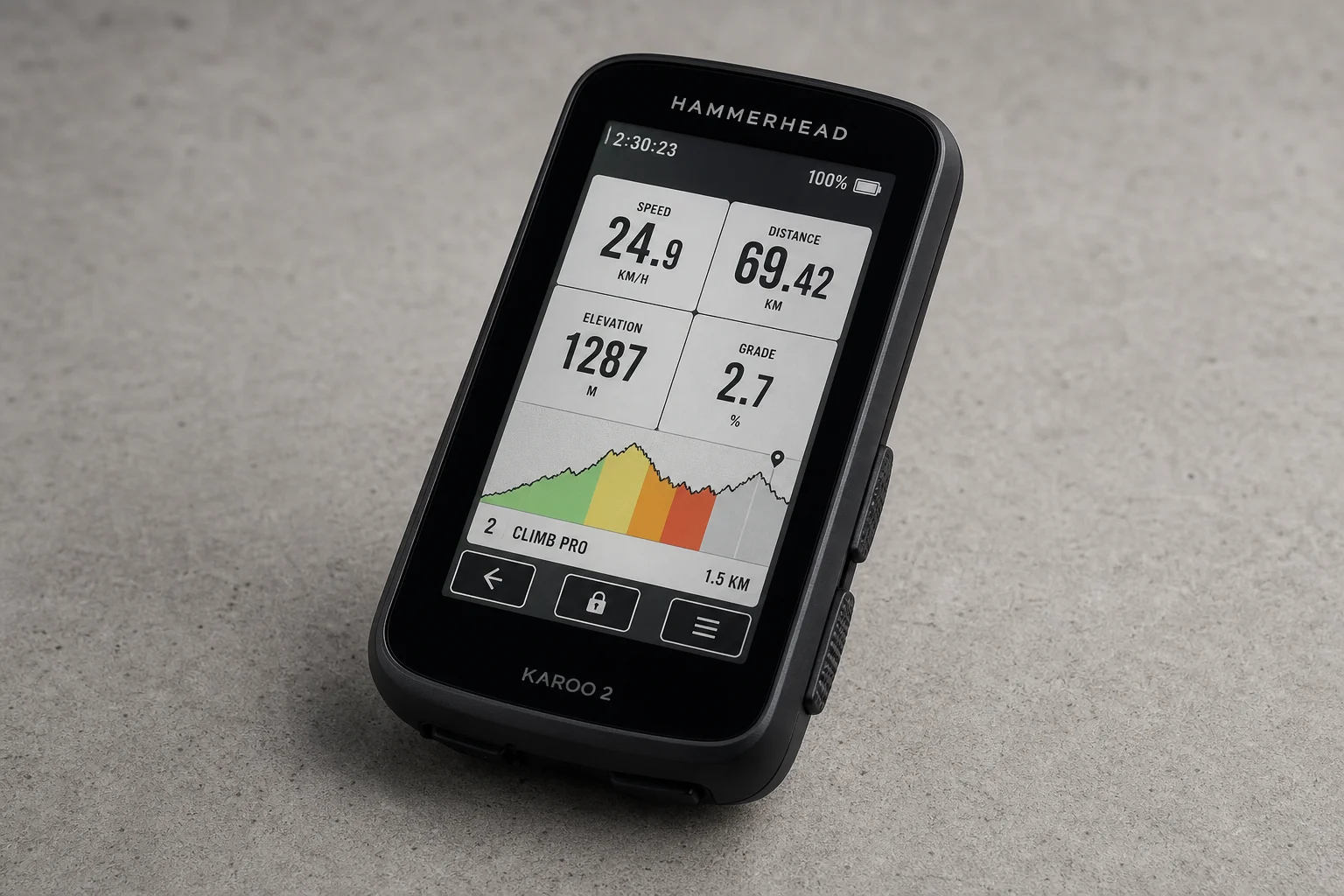
The Karoo 2 is built around a 3.2 inch colour touchscreen with a palette of 16.7 million colours, and the difference is obvious the moment you look at it. Maps, menus, and data fields are rendered in rich, phone-like colour rather than the limited and often monotone palettes typical of the category. Physical buttons sit around the edge of the case next to the touchscreen, so you get the familiarity of a touch interface and the certainty of hardware controls. The screen responds quickly, works with gloves, and works in the rain. A rain mode exists, but it is rarely needed.
Moving through menus is fast, with no lag or hesitation. Every page and data field can be customised directly on the device, which matters because there is no companion smartphone app. Route management runs through a browser dashboard instead. Routes created in a mapping service such as Strava download automatically once the computer is on your home Wi Fi network. The limitation shows up when you travel: away from that network there is no easy way to move a route from a phone to the computer, and the phone cannot be used as a bridge to a mobile data connection. Regular firmware updates may improve this over time.
Following a route is where the screen earns its keep. A yellow line and yellow arrows mark the road to follow, with optional turn by turn cues if you prefer them. The maps carry plenty of detail, with main roads and country lanes easy to pick out, and pinch to zoom lets you inspect a route before locking the screen and swiping between data pages. Off road, bridleways and footpaths are visible, and route following across open countryside works well, although a dedicated paper map still shows more detail.
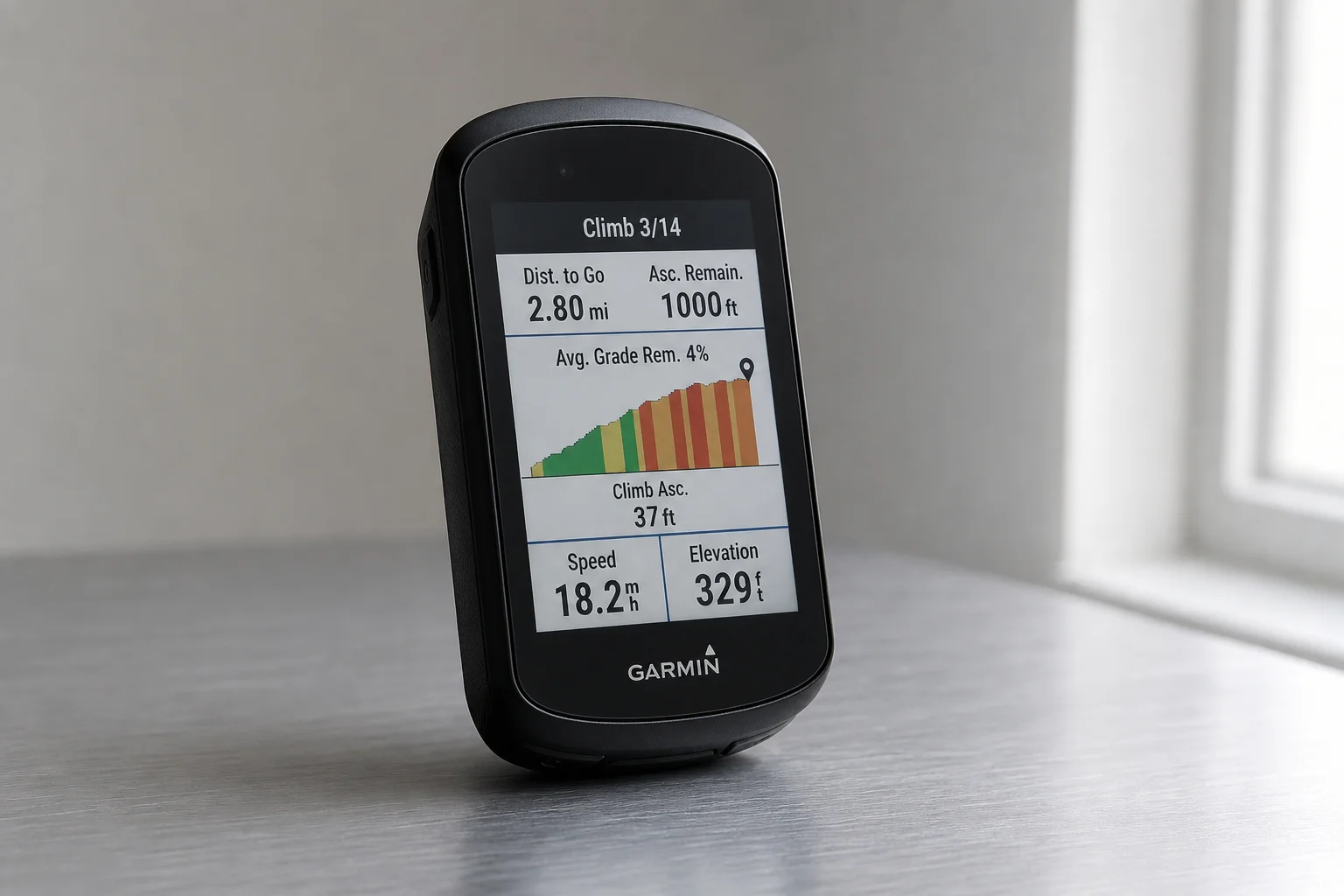
Climber mode is one of the most useful features on the unit. When the computer detects a climb from GPS and map data, it displays gradient, length, and estimated time to summit automatically, with no route loaded, which rivals generally require. Gradient figures can differ slightly from another computer on the same climb, but they land in the same range, and a rough picture of how long and how hard the climb will be is the part that matters. Live segment support is similarly strong, with a full screen colour display comparing your time against faster riders and your own best, which helps you pace a segment far more sensibly.
Device support is broad. The Karoo 2 pairs with SRAM and Campagnolo groupsets, ANT+ and Bluetooth sensors, Garmin Varia radar, and indoor smart trainers, and the integration within the menus is well executed. Shimano gear shifting display support was withdrawn after SRAM acquired Hammerhead, so riders using Shimano Di2 with the extra hood buttons lose that readout. The Hammerhead mount uses a wide contact area and stays stable on bumpy surfaces, and a quarter turn adapter allows the unit to be used with Garmin mounts. The case has an elastomer edge for shock protection and an IP67 dust and water rating, and the red section of the housing is replaceable in a range of colours.
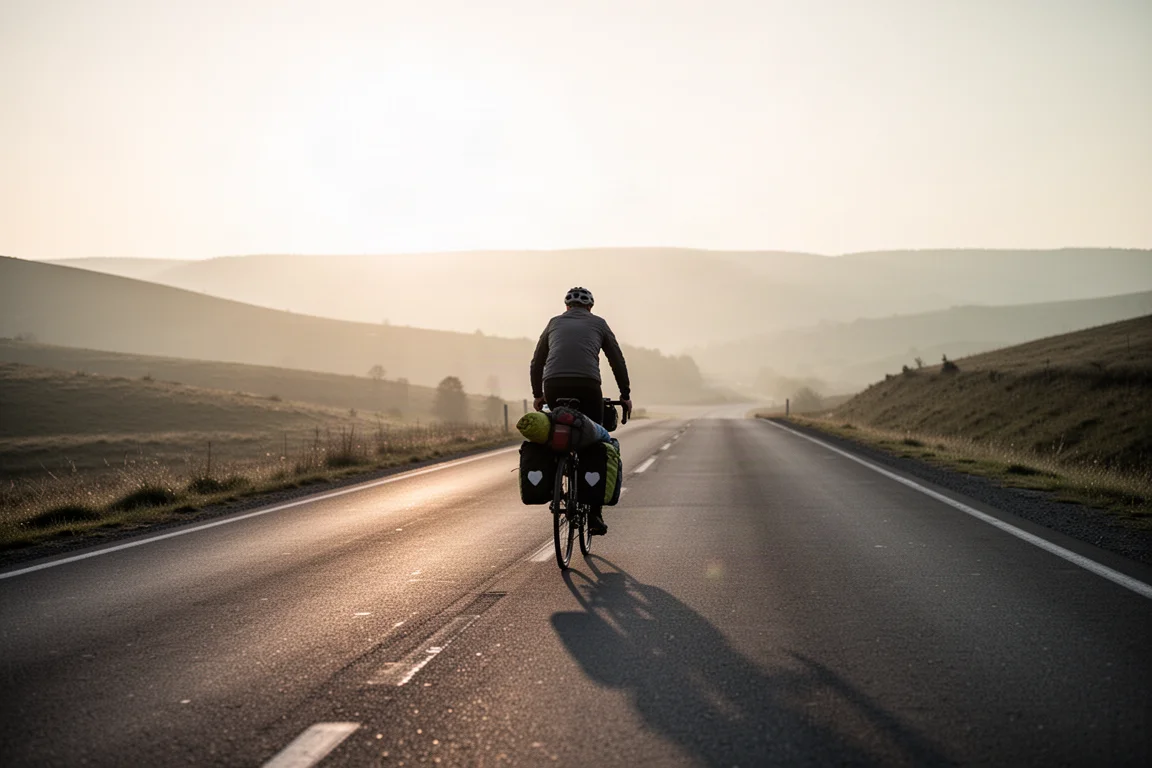
Battery life is the main compromise. Claimed runtime is between 7 and 14 hours, with 12 hours quoted for a typical usage pattern. Screen brightness is the biggest drain: with brightness at maximum and every sensor and feature running, the battery empties quickly. Follow the manufacturer’s recommended settings and something close to the full 14 hours becomes realistic. On a three day bikepacking trip with all day riding, the unit lasted every day with charge remaining in the evening once brightness was turned down. A six to eight hour ride with a power meter, heart rate, and route following all active is comfortable. Charging uses USB C and reaches around 50 percent in an hour. The rubber port cover is not attached to the body, so it is easy to misplace, and a spare is included in the box.
The Karoo 2 costs around £370, which is roughly £20 more than the Wahoo Roam V2 and about £140 less than the Garmin Edge 1040 Solar.
Garmin Edge 1040 Solar: Best-in-Class Battery Claims
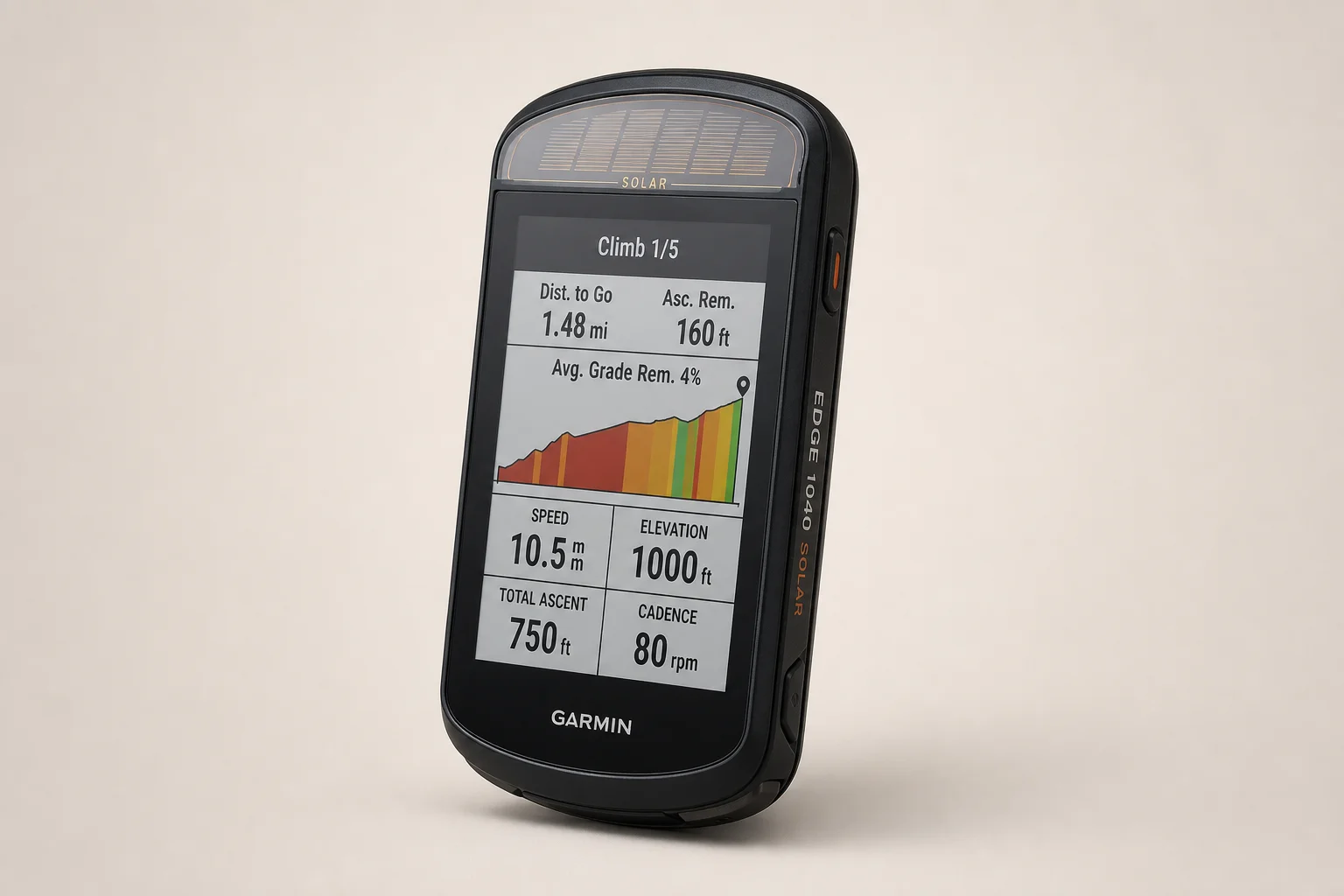
On paper, the Edge 1040 Solar holds the battery advantage, with a claimed 45 hours against the Karoo 2’s claimed 14. It is also a physically larger unit and costs considerably more. Beyond runtime, a specification comparison between the two does not point to a large gap elsewhere. This unit has not been tested here, so that 45 hour figure should be treated as a manufacturer claim rather than a measured result.
For riders whose clear priority is going as long as possible between charges, battery endurance is the most obvious reason to look at it. Whether that alone justifies the higher price is a personal calculation, and it is worth weighing against how often you actually ride long enough for it to matter.
If battery life is the deciding factor and budget is secondary, this is the unit the others are measured against on paper. If you rarely ride beyond a normal day out, the extra capacity is likely to go unused.
Garmin Edge 830: The Discounted Value Pick
The Edge 830 has been discounted from £350 to £250, which brings it very close to the price of the Karoo 2. It is a feature-laden computer, and for riders who want a capable unit without paying the current top price it is a sensible pick at that level.
The size of the discount suggests a successor is on the way, so it may be worth waiting to see what replaces it before committing, unless you find a deal you are happy with now.
Buying Advice
Matching the computer to your riding is the whole decision here. If the screen, the interface, and the way navigation and climbing data are presented are what you care about most, the Karoo 2 is the strongest of the three on those points, with the trade-off being battery life that depends on how you configure the device and the absence of a smartphone companion app.
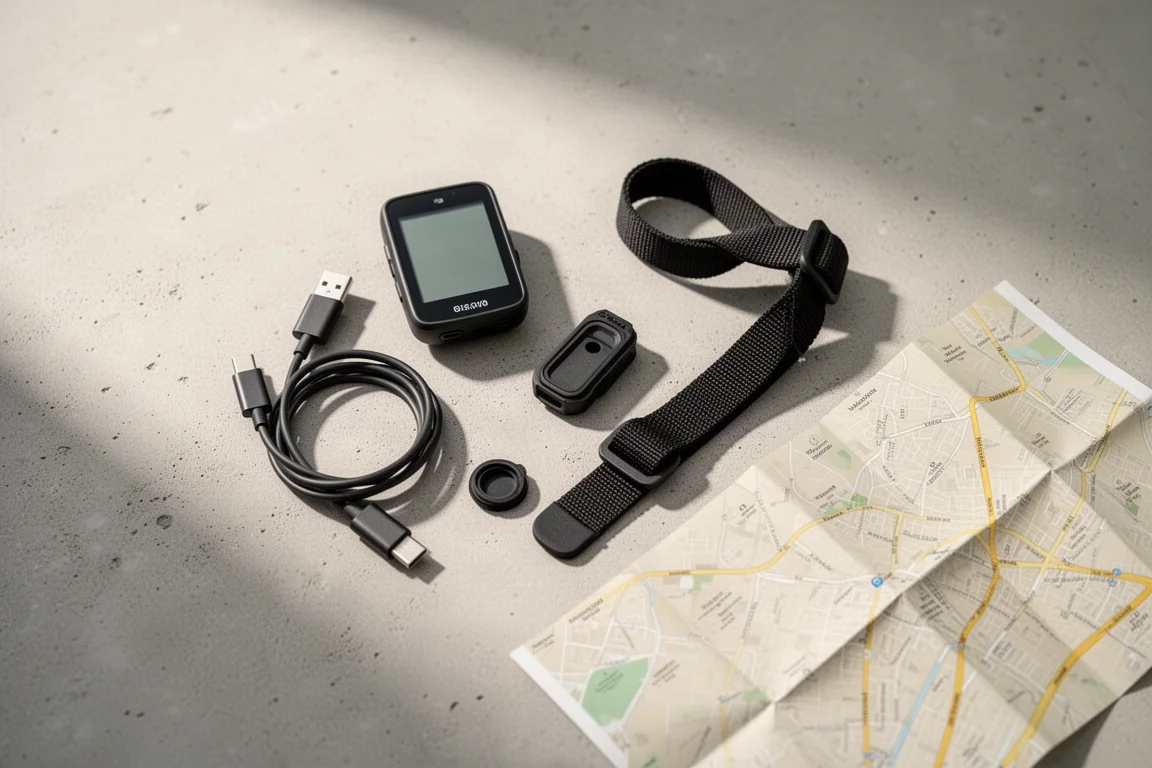
If long runtime is the single most important factor and price is less of a concern, the Garmin Edge 1040 Solar has the clearest on-paper advantage. If you want a similar level of capability for less money, the discounted Garmin Edge 830 is the value option, with the caveat that a replacement is likely to appear. Whichever you choose, plan for accessories you already own: a quarter turn adapter opens up the Karoo 2 to Garmin mounts, and sensor pairing across ANT+ and Bluetooth is straightforward on all three.
Conclusion
These are three genuinely different answers to the same question. The Hammerhead Karoo 2 is the most enjoyable to use day to day, thanks to its large colour touchscreen, fast interface, automatic climber mode, and rich live segment display, but you give up some battery headroom and a phone app. The Garmin Edge 1040 Solar stands out on claimed battery life in a bigger, more expensive package. The Garmin Edge 830, now heavily discounted, is the pragmatic pick for riders who want a feature-rich computer at a lower price, provided you are comfortable buying as a successor approaches.
Further reading
Related Reviews
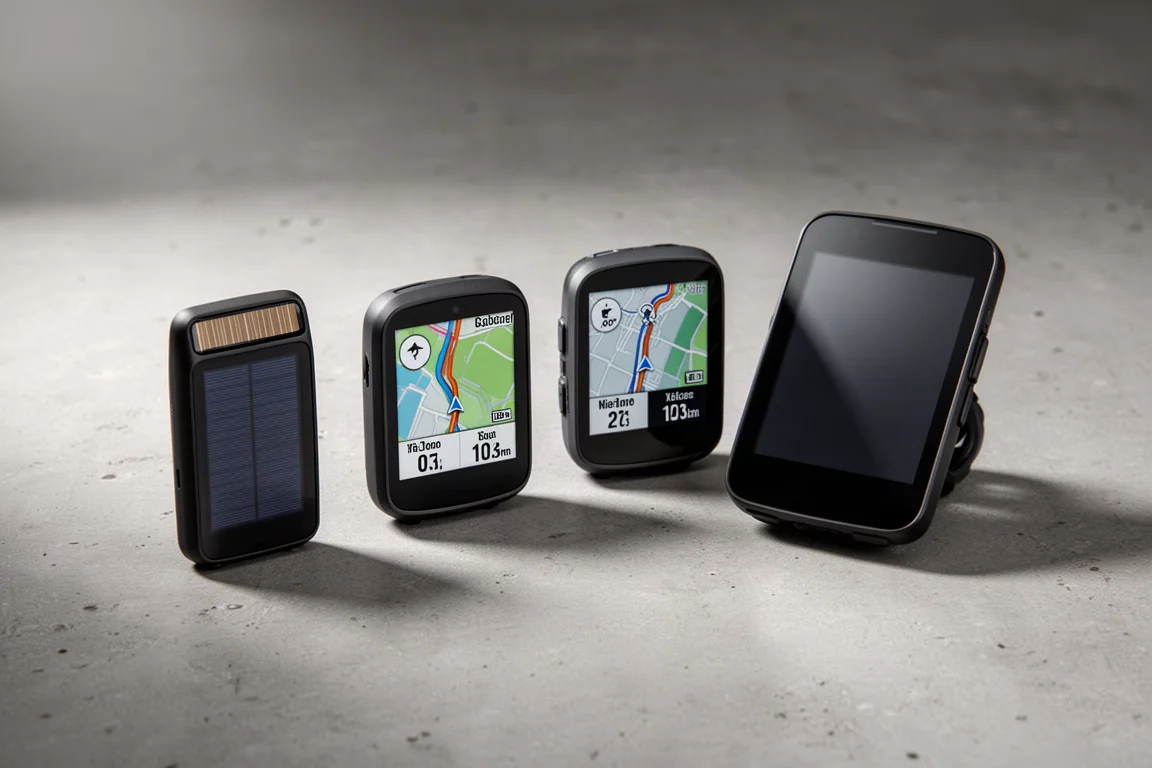
GPS Bike Computers
Coros Dura First Look: A 120-Hour GPS Bike Computer at $250
A first look at the Coros Dura, the solar GPS bike computer claiming up to 120 hours of runtime at $250, and how it compares with the Garmin Edge 840 Solar, Wahoo ELEMNT ROAM and Hammerhead Karoo 3.

Backpacking Gear
Building a 10 lb Base Weight: An Ultralight Backpacking Gear List
A practical walkthrough of the ultralight pieces behind a 10 lb base weight, from a 765 g pack and a roomy one-person tent to a full camp chair and a dependable water filter.
Road Bikes
10 New Road Bikes Worth Watching: Aero, Titanium, Steel and Endurance Standouts
A practical roundup of 10 new road bikes, from aero flagships chasing single-watt gains to titanium, steel and endurance platforms built for real roads.