Down Jackets
Haglöfs Spitz Down Jacket Review: A Stretchy Down Layer Built for Movement
A stretchy 800 fill power down jacket designed for mountaineering and climbing, with hydrophobic down, a durable pre-baffled build, and a feature set made for active use.
Introduction
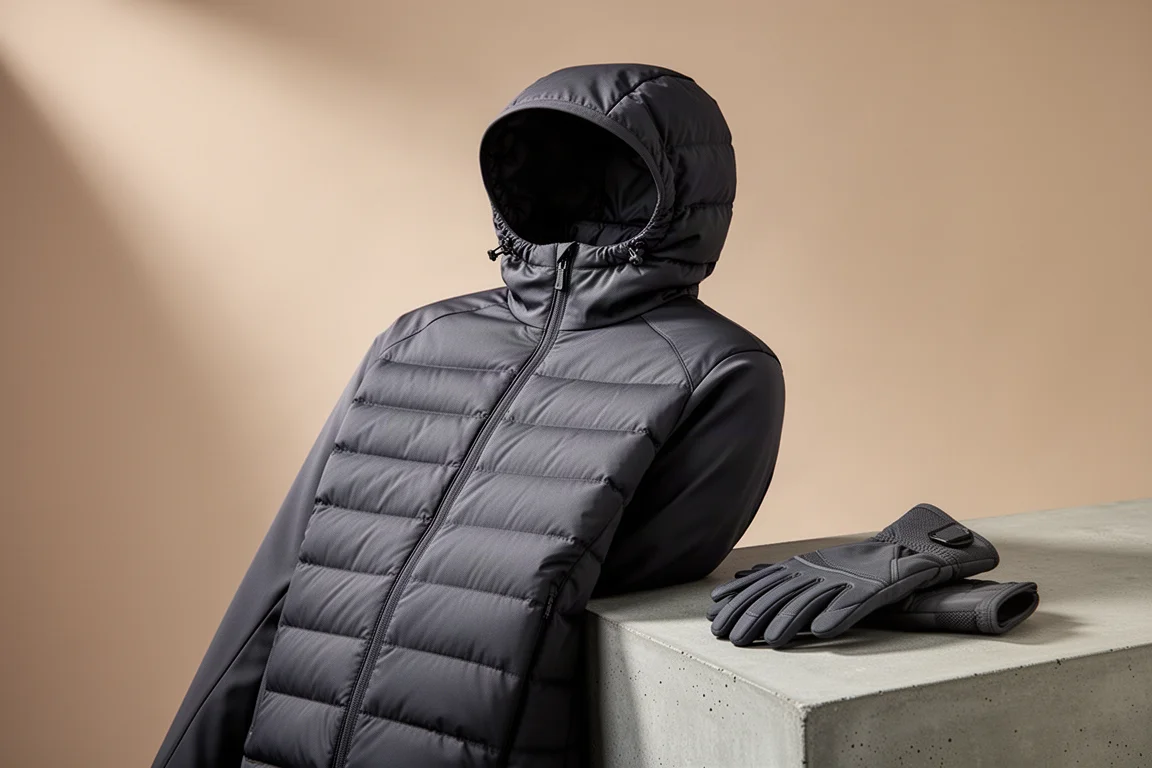
Down jackets tend to converge on the same formula. Keep the weight low, pack the jacket down small, and treat it as something you pull on once you stop moving. The Haglöfs Spitz Down Jacket deliberately breaks from that pattern. It is designed primarily for mountaineering and climbing, and its signature feature is a tough, stretchy face fabric that lets you stay active while wearing it.
That one design decision changes how the jacket is used day to day. Instead of living at the bottom of a pack, it is built to be worn, worked in, and given a bit of rough and tumble along the way.
Who the Haglöfs Spitz Down Jacket Is For
The Spitz is aimed at climbers and mountaineers who want warmth without giving up freedom of movement. Because the face fabric stretches, the jacket moves with the body rather than fighting it, which matters most on technical ground where you are reaching, twisting, and loading your arms.
It can also work as a mid layer in the right conditions, although for many people it will simply be too warm for that role. Walkers and climbers who spend long days in cold, changeable weather are likely to appreciate it as well, particularly if they have found conventional down jackets too fragile or too restrictive to wear while moving.

Main Strengths: Stretch, Warmth, and Durability
The defining quality here is the stretchy 30 denier face fabric. It feels genuinely different from a typical down jacket, and the practical effect is that you can do more while wearing it. The material also reads as robust, which suggests it will stand up better to contact with rock, packs, and general use than a lighter, more delicate shell.
Warmth comes from 800 fill power down. That translates into a lofty, warm fill that still compresses well, so the jacket keeps the packability people expect from down even though that is not its headline feature. It lofts up generously and packs down when needed.
Warmth and Damp-Weather Performance
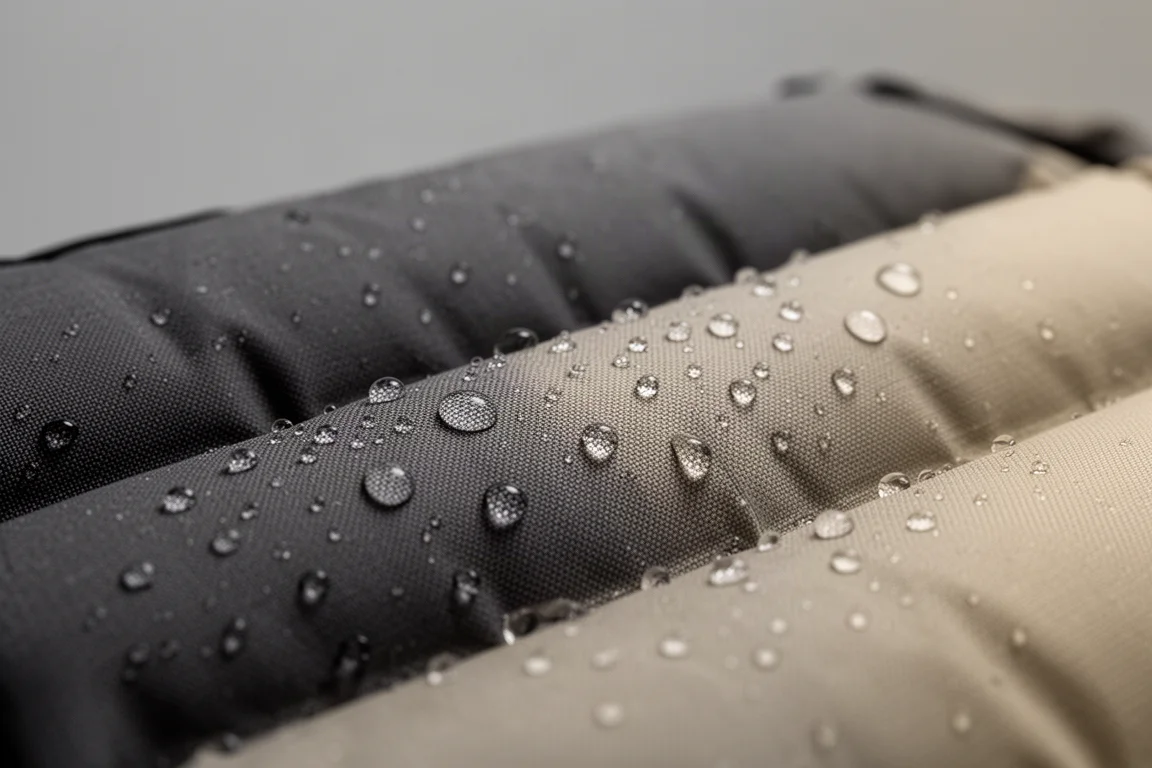
The down in the Spitz carries a hydrophobic treatment, and that is where the jacket separates itself from conventional down insulation. It is rated for 10,000 minutes in damp, humid conditions before the feathers begin to collapse and lose their warmth. That is a meaningful margin, and it means the jacket should cope better than most down designs when the weather turns.
That said, it is not a rain jacket. Sustained heavy rain is still the wrong environment for down insulation. The water repellency applied to both the down and the face fabric is PFC free, and the jacket is bluesign approved, which speaks to how it is made as well as how it performs.
Construction and Weather Resistance
The baffles are pre-formed rather than stitched. That detail matters more than it sounds. Stitched baffles rely on needle holes, and those holes are where wind gets in, water gets in, and warm air escapes. A pre-baffled build avoids those openings, which supports the stretch of the fabric and gives the jacket a cleaner barrier against the elements.
This is weatherproofing rather than waterproofing. There is no membrane inside the jacket, so it should be treated as a highly weather-resistant down layer rather than a shell. The shoulders contain a small amount of synthetic insulation, which is a sensible touch: that is the area a rucksack compresses and the area that gets wet first, and synthetic fill copes with both better than down.
Features and Everyday Usability
The feature set is practical rather than decorative. There are two hand pockets, an internal zip pocket, and an internal dump pocket for gloves, a hat, or anything else you want to reach quickly.
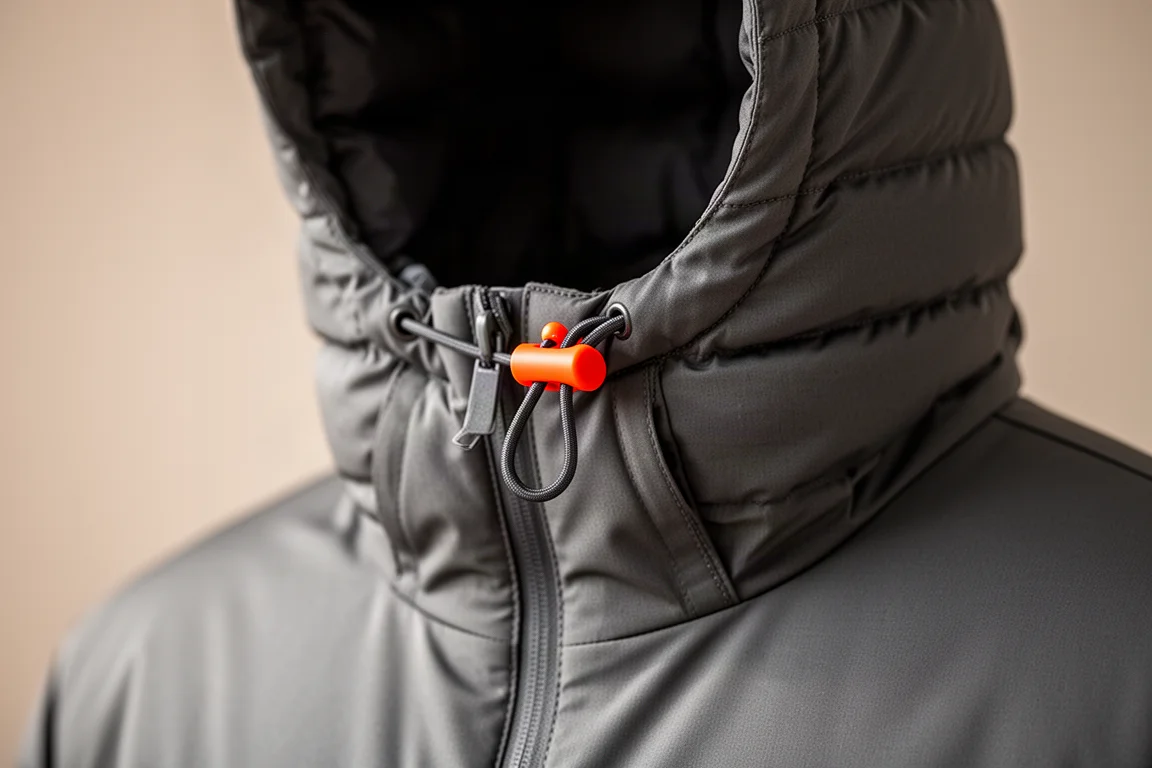
The hood is helmet compatible and cinches down tight, so it sits well whether or not you are wearing a helmet. Small details stand out too, including a bright, generously sized pull cord that is easy to grab with gloves on.
Things to Consider Before Buying
Weight is the main trade-off. The jacket comes in at 654 g for a large, which is not the lightest option on the market for a jacket of this size. The payoff is durability, which is the point of the design: this is a jacket you wear rather than one you carry purely as an emergency layer.
There are other limits worth keeping in mind. With no membrane inside, it is not fully waterproof. It may be too warm to use as a mid layer for many activities. And despite the hydrophobic down treatment, it still should not be relied on in sustained heavy rain.
Buying Advice
The Spitz makes the most sense for anyone who wants a warm down jacket they can actually move in. Climbers, mountaineers, and cold-weather walkers who have been frustrated by the fragility or the restriction of standard down jackets are the clearest fit.
If your priority is the absolute lightest possible packable layer, a lighter jacket will serve you better. If your priority is a durable, well-featured down layer that handles damp conditions and active use, the Spitz is a strong candidate and worth trying on to confirm the fit before you commit.

Conclusion
The Haglöfs Spitz Down Jacket is a down jacket that behaves differently from most of its peers. The stretchy 30 denier face fabric, the pre-baffled construction, and the hydrophobic 800 fill power down all point in the same direction: a warm layer you can wear while you are moving, in conditions that would send most down jackets back into the pack.
It is not the lightest jacket for its size, and it is not waterproof. Those are fair trade-offs for the durability and freedom of movement it offers. For climbers and mountaineers who want one down layer that can take some abuse and still keep them warm, the Spitz is a well-considered choice.
Product link
View more details for Haglöfs Spitz Down Jacket
This product is mentioned in the review. Check the specifications, options, and compatibility before buying.
View more details for Haglöfs Spitz Down JacketFurther reading
Related Reviews
Down Jackets
Best Budget Down Jackets 2026: Three Picks Worth Considering
A practical look at three budget down jackets between $80 and $150, compared on warmth, features, build quality, and weight.
Down Jackets
Best Down Jackets 2026: From Budget Warmth to Extreme Cold
Nine technical jackets compared by warmth, weight, price, and availability, from an affordable $120 layer to a 537 g expedition jacket worn down to -30°C.
Down Jackets
RAB Mythic G vs Decathlon MT500: What a $525 Down Jacket Actually Buys You
Two down jackets with similar warmth on paper and a price gap of nearly $400. Here is where the money goes and which one suits which kind of buyer.