Hi-Fi and Home Theater
Great Gear, Wrong Fit: Seven High-End Purchases Worth Thinking Twice About
Seven high-end audio and video products with real performance and real ownership costs, plus what to check before you buy.
Introduction
Every product in this guide earns its reputation on performance. That is exactly why each one deserves a careful look before you buy. A component can be genuinely excellent and still be the wrong purchase for a room, a rack, a routine or a budget.
The pattern behind most disappointing high-end purchases is rarely a bad product. It is a mismatch between what the component does brilliantly and what the owner actually needs day to day. The seven products below cover electrostatic speakers, a reference disc player, heritage horn speakers, a sculptural remote, a high-end preamp/processor and a projector. Each has a clear strength and a clear ownership cost, and understanding both is the difference between a purchase you keep for a decade and one you quietly resent.
What Separates Great Gear From a Bad Purchase
Three factors decide whether an excellent component becomes a long-term keeper or an expensive lesson.
Maintenance and service life come first. Some designs use parts that wear. Electrostatic panels, for example, have a finite service life, and a secondhand pair that looks like a bargain can need full panel replacement within the first year. The cost of that service can bring the total to roughly what a new pair would have cost.
Physical fit comes next. A reference-grade component can be enormous. If it does not fit the rack where you actually keep your system, its performance never reaches your listening chair.
Workflow fit matters just as much. A preamp that measures brilliantly but takes half a day of laptop work and cable swapping to reconfigure will wear you down. If you dread using the system, no amount of measured performance saves it.
A fourth factor is timing. Buying into a disc format or a control ecosystem just before the market moves can leave capable hardware stranded with a shrinking role.
The Small-Purchase Trap: Tweaks That Add Up
Not every disappointing purchase is expensive. Contact paste, footers, damping weights and disc polishers are sold as inexpensive improvements, and individually they feel trivial. Accumulated over a few years they can total $650 or more, and several of them do not survive a controlled listening comparison.
The lesson is simple. A five-figure system is not required to overspend in this hobby. It can be done a few dollars at a time, chasing improvements that are not really there.
Martin Logan CLS Electrostatic Speakers
The CLS is a full-range electrostatic design with a transparency and immediacy that few conventional speakers approach. It is also the opposite of a set-and-forget speaker. The panels have a limited service life, and the design is unforgiving about placement and setup, with a narrow sweet spot and specific room requirements.
The real risk sits in the used market. A secondhand pair can look like a smart way into high-end electrostatics, right up to the point where both panels need replacing. When that happens within the first year of ownership, the total outlay can match the price of a brand new pair. Buyers should budget for panel service from the start, confirm the age and condition of the panels, and be ready for the specialised setup the design demands.
Martin Logan SL3 Electrostatic Speakers
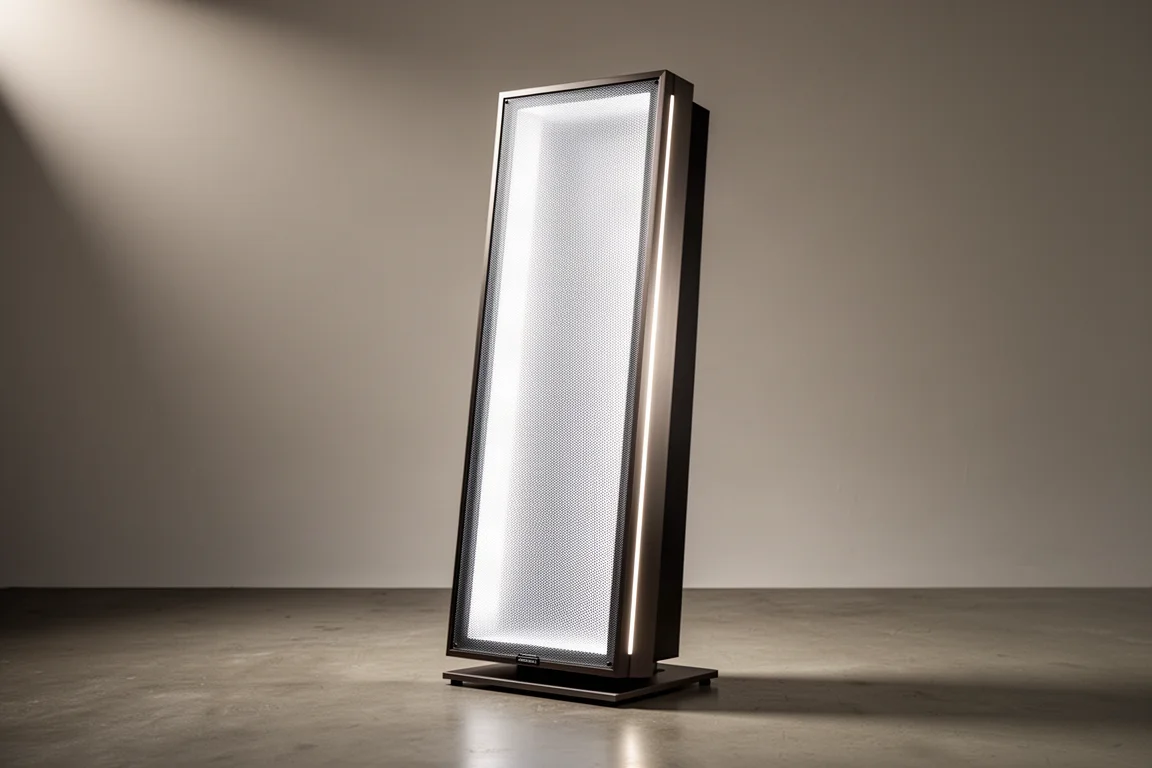
The SL3 pairs an electrostatic panel with a conventional woofer, which makes it easier to live with than a full-range electrostatic while keeping the midrange clarity the design is known for. The same ownership caution applies. Panels age, and replacement is a real cost rather than a hypothetical one.
For a buyer who wants electrostatic character and is prepared to plan for maintenance, the SL3 can be a rewarding long-term speaker. For anyone expecting a buy-once, run-forever component, the panel service cycle is the detail that decides whether the purchase makes sense.
Mark Levinson No. 512 SACD Player
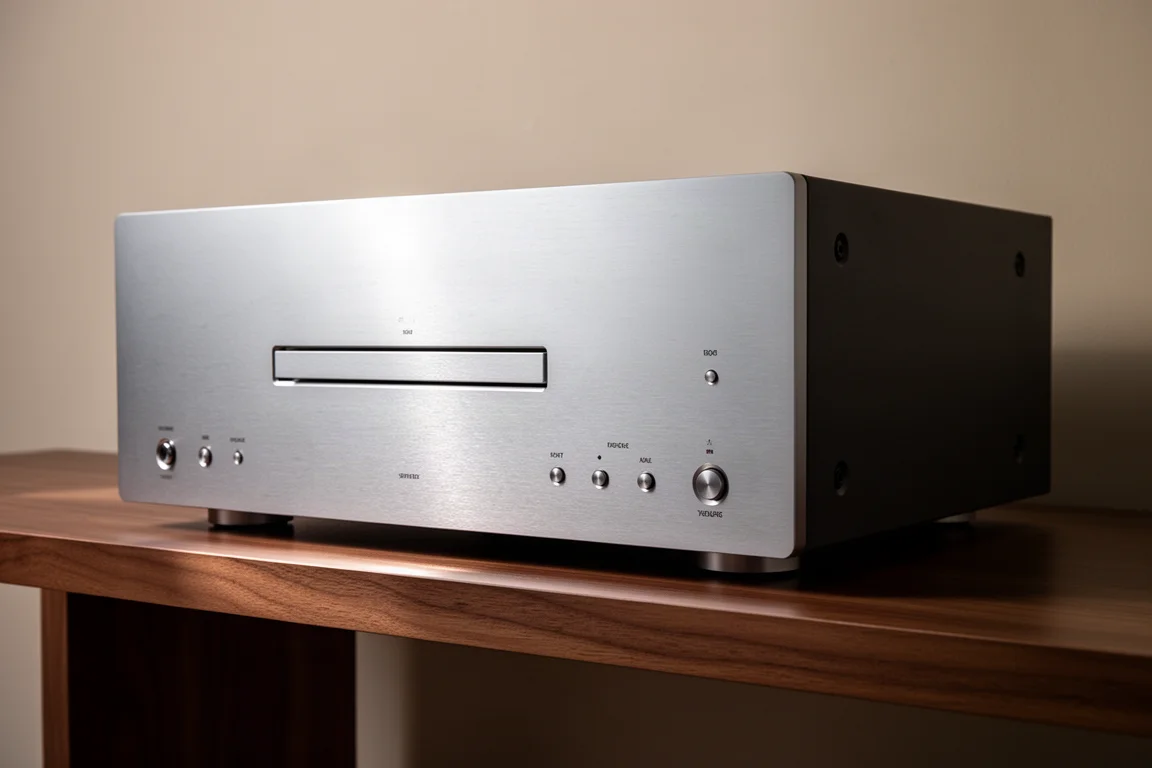
The No. 512 is a reference-level digital front end and, sonically, one of the most capable disc players built. It is also physically massive, and that is where the practical problems start. A unit that works beautifully on a temporary table may simply not fit the rack where the rest of the system lives.
There is also the question of format timing. Committing serious money to a disc player just as streaming and music servers were taking hold left a very expensive component with a shrinking role. The No. 512 is not a failed product. It is a reminder that a source component has to fit your system, your room and the way you actually listen.
For anyone considering a reference disc player today, the sensible questions are where it will physically sit and how much of your listening will genuinely happen on disc.
Klipsch Cornwall IV Speakers
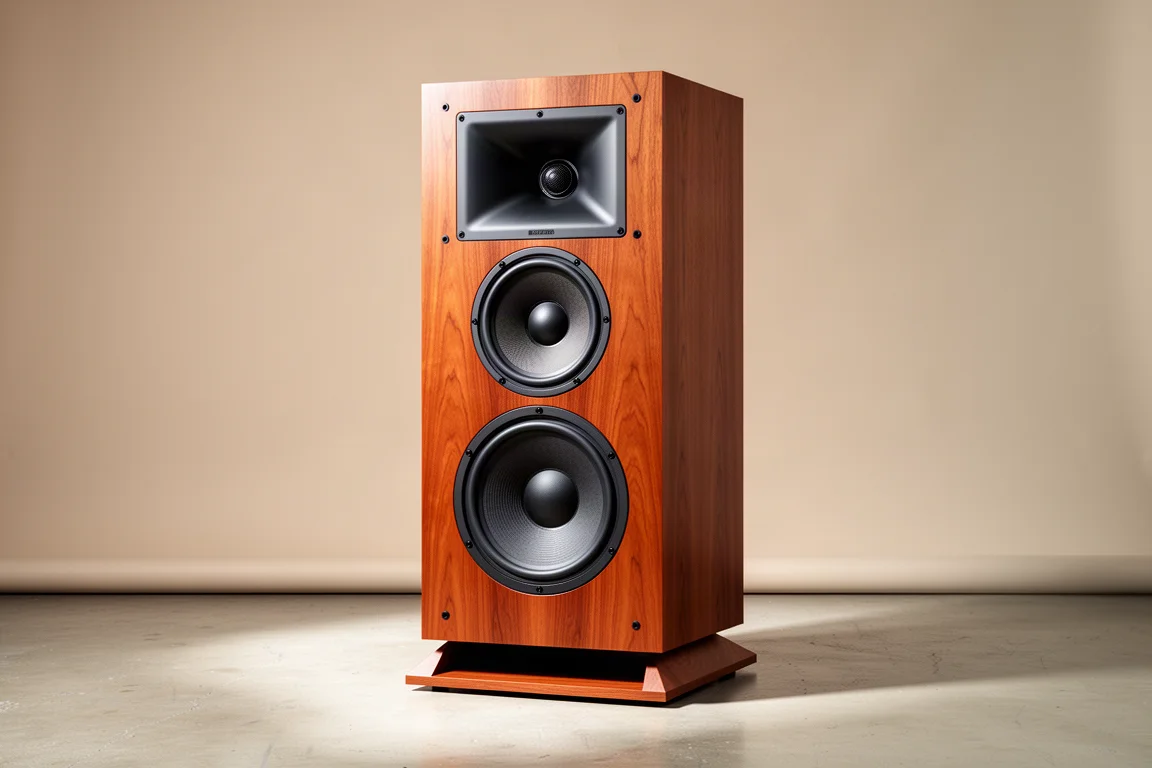
The Cornwall IV is a large heritage horn-loaded floorstander with the dynamics and immediacy that make the design a long-standing reference. Performance is not the risk here. The finish is.
A custom pair in a pale white oak was commissioned to match a specific interior, and that decision aged badly once the room was updated. The warm tint that looked right in one scheme now reads as out of place. The speakers themselves remain a reference, which is exactly why the finish choice is the part worth slowing down on. A finish selected to solve a design problem years in advance is a bet on a room that will change.
Bang & Olufsen Halo Remote
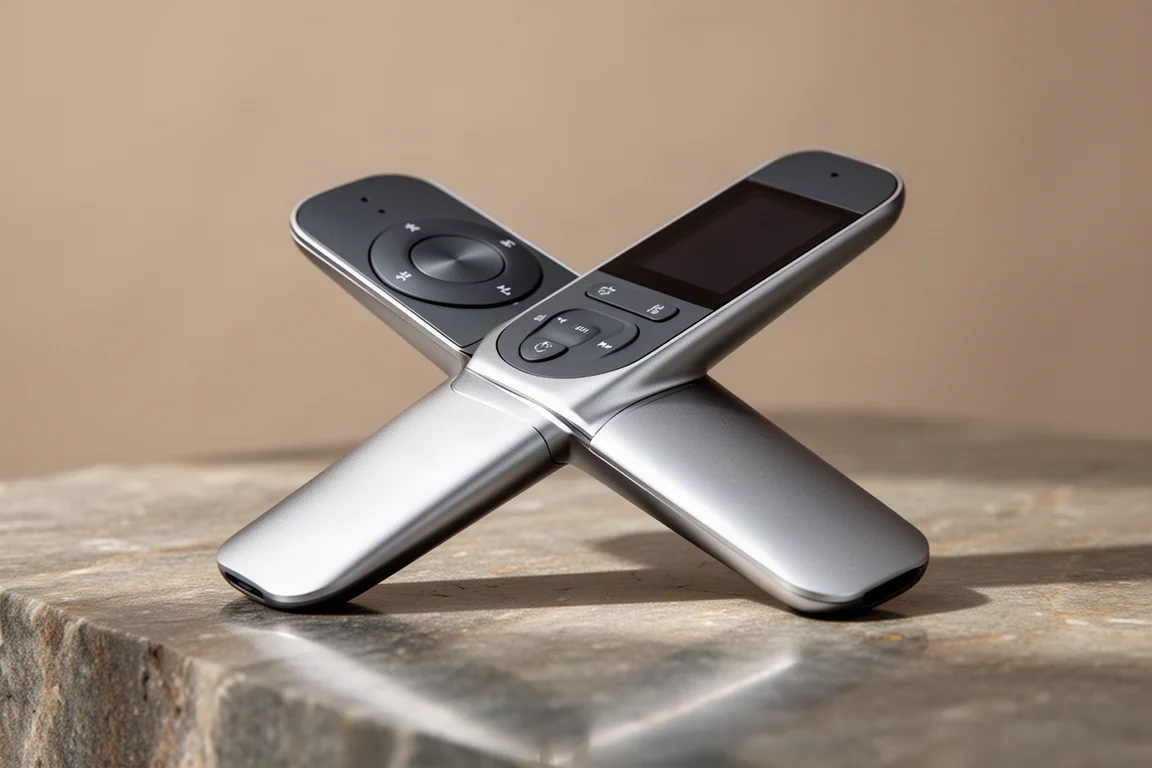
The Halo is a genuinely beautiful piece of industrial design, one of the most tactile and sculptural remotes available, and it costs around $900. It is built for a fully integrated, automated home where lighting and source control come together in a single system.
Bought ahead of that infrastructure, it becomes an expensive volume knob. Navigating its deeper functions is slower than reaching for a conventional remote, and the money is better spent on the hub and control infrastructure that makes the whole system easier to use. The Halo makes sense at the end of a smart-home build, not the beginning.
Anthem D2V Preamp/Processor
The D2V earned a reputation as a giant killer. It measured exceptionally well, sounded superb, and the industry embraced it. Living with it was a different matter. Reconfiguring the processor could take half a day, involving a laptop, interface cables and menus that were not intuitive, where a simpler processor took about twenty minutes.
The warning signs were documented at the time, which makes the D2V the clearest lesson on this list. If a product makes you dread using your system, performance alone will not save it. Buyers who rarely change configurations may never notice the friction. Buyers who swap sources and settings regularly will feel it every week.
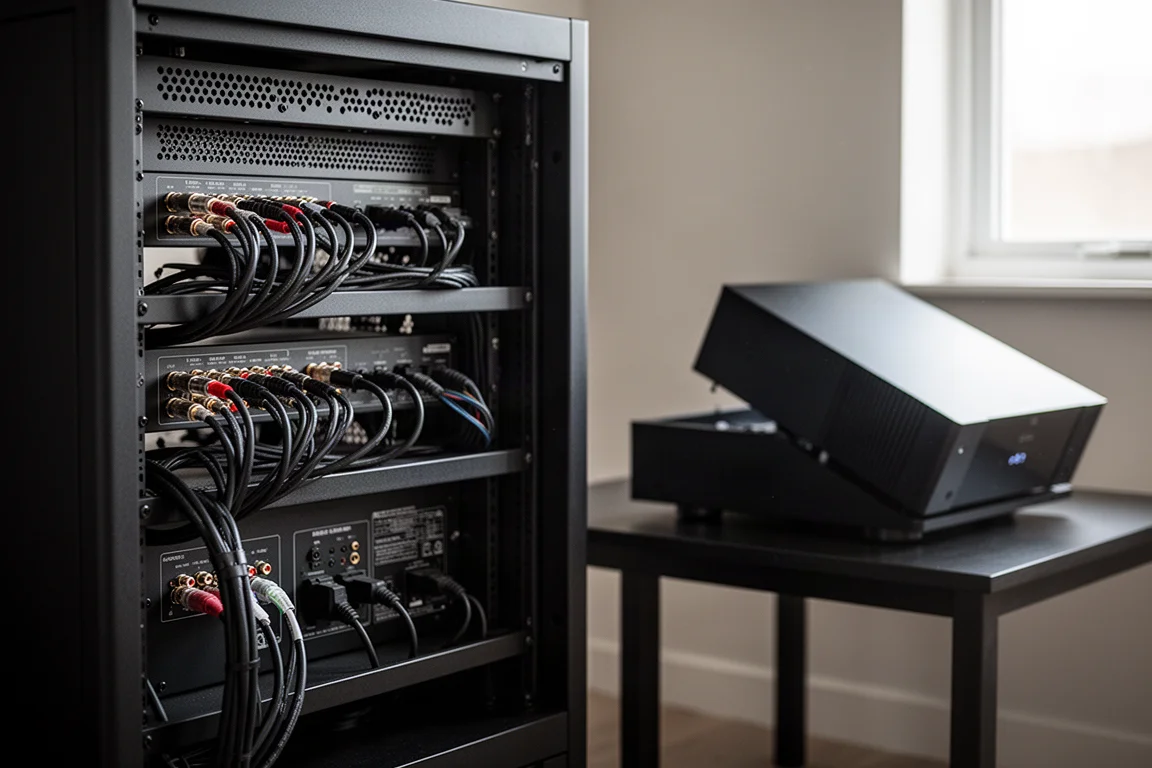
For anyone weighing a processor of this class, the practical test is how often you will reconfigure it, and whether the setup workflow matches how you actually use the system.
SIM2 M150 Projector
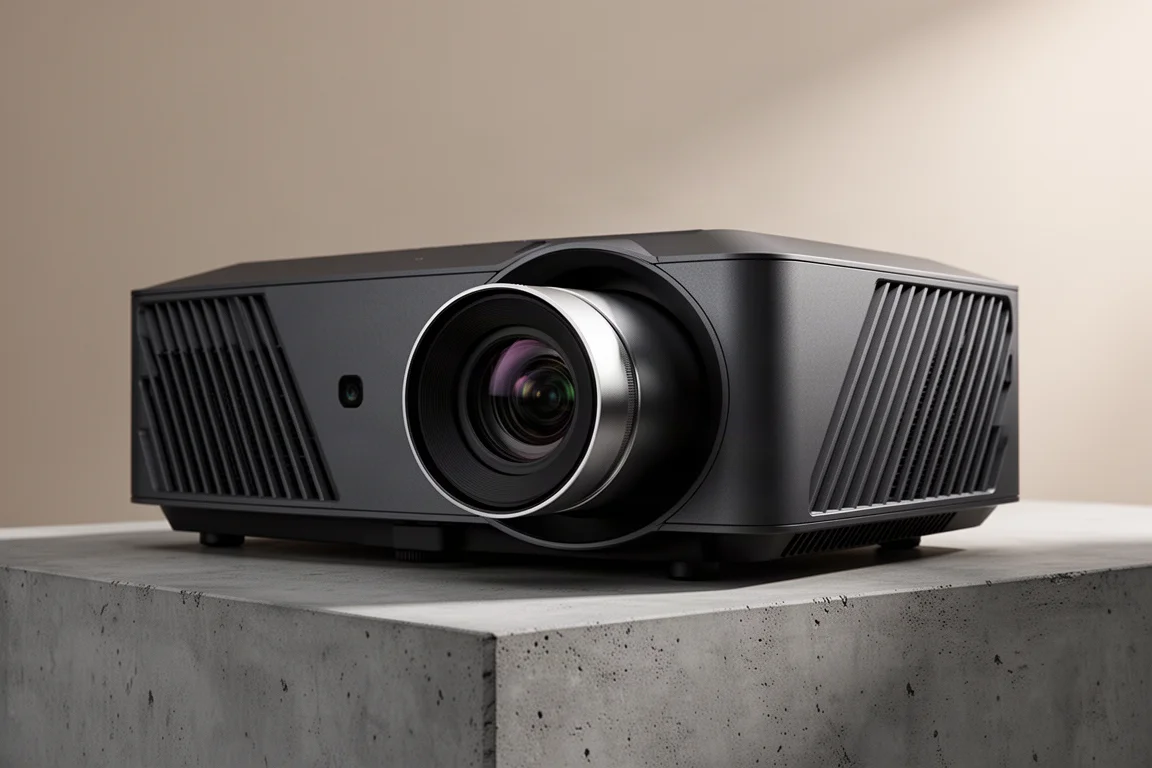
The M150 is the counterexample that makes the rest of this list useful. It produced one of the finest images available in its day, and it did the one thing every piece of gear should do. It pulled people into the theatre room and kept them there, watching more films than before or since.
By current standards it would be outclassed by newer projectors. That is beside the point. The M150 fit a room, a routine and an appetite for films so well that letting it go remains the biggest regret of the lot. It is the clearest argument for choosing gear that makes you want to sit down and press play.
Buying Advice
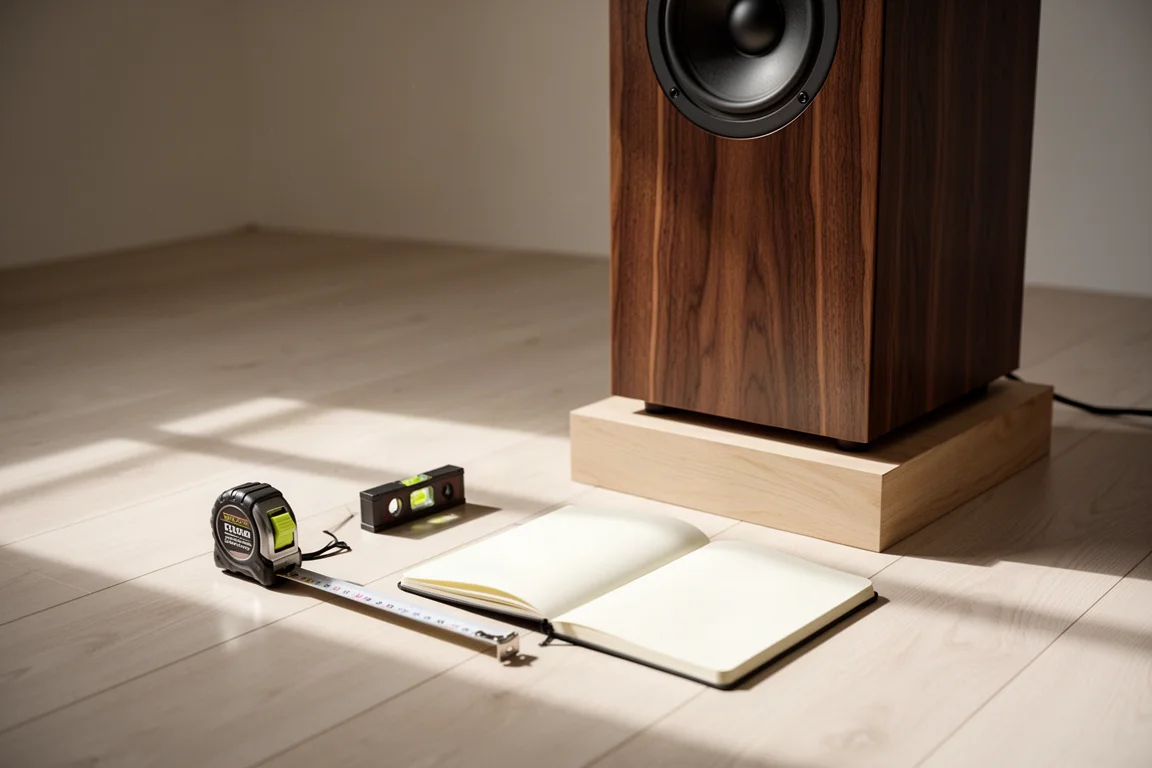
Work backwards from your room and your routine. Measure the rack space before you fall for a reference component. Ask what routine maintenance a design needs and what that service costs over time. Check whether a finish will still look right in five years. Treat format bets, whether a disc standard or a control ecosystem, as gambles rather than safe purchases.
None of this argues against high-end gear. It argues for buying the component that fits the life you have now rather than the system you plan to build eventually. The gear that stays in a system is the gear that gets out of its own way.
Conclusion
Every product here is capable of excellent performance. The difference between a keeper and a regret comes down to maintenance, physical fit, workflow and timing. Before the next upgrade, ask whether the purchase solves a problem in your system or a problem in your plans. One of those is far cheaper to fix than the other.
Further reading
Related Reviews
Hi-Fi and Home Theater
12 Standout Hi-Fi and Home Theater Products Worth Considering
A practical roundup of twelve audio products, from a $200 portable DAC to a THX Dominus tower and a 24-channel AV processor, with the trade-offs worth knowing before you buy.
Hi-Fi and Home Theater
Best Hi-Fi and Home Theater Products of 2021: The Award Winners Worth Buying
A category-by-category look at the hi-fi and home theater products that stood out in 2021, from value amplifiers and speakers to high-end loudspeakers, wireless home theater and televisions.

Backpacking Gear
Building a 10 lb Base Weight: An Ultralight Backpacking Gear List
A practical walkthrough of the ultralight pieces behind a 10 lb base weight, from a 765 g pack and a roomy one-person tent to a full camp chair and a dependable water filter.