Hi-Fi and Home Theater
12 Standout Hi-Fi and Home Theater Products Worth Considering
A practical roundup of twelve audio products, from a $200 portable DAC to a THX Dominus tower and a 24-channel AV processor, with the trade-offs worth knowing before you buy.
Introduction
Choosing audio gear is mostly about matching components to the room and to the way you actually listen. The twelve products below cover very different jobs: a portable headphone amplifier that costs about as much as a good pair of headphones, a 24-channel processor built for professional integrators, and everything in between.
What connects them is that each one earns its place through a specific strength rather than a long feature list. Some deliver unusually high output. Some solve a practical problem, such as a seat back that blocks surround speakers, or a subwoofer that stays clean below its tuning frequency. Others simply do one job with very little compromise.
What These Picks Have in Common
Three themes run through this list. The first is driver integration. The strongest speakers here use waveguides to match the directivity of the midrange and the tweeter, which is what makes off-axis listening predictable and dialogue intelligible across a wide seating area. The second is power supply headroom. The amplifiers and subwoofers here are conservatively rated and behave well when they are pushed hard. The third is control: app based EQ, accurate parametric filters, and flexible bass routing matter as much as raw output once a system is installed in a real room.
Prices span a wide range, from around $200 for a portable DAC and headphone amplifier to flagship towers and processors. That spread is deliberate. A well chosen budget component in the right role will outperform an expensive one used in the wrong one.
Best Streaming DAC and Headphone Amp: Naim Uniti Atom Headphone Edition
The Uniti Atom Headphone Edition supports nearly every major streaming format apart from MQA, and its colour front panel display shows album art while music plays. It is equally at home driving a pair of headphones or acting as the streaming hub of a high-end two-channel system, which is what separates it from a conventional headphone amplifier. At $3,300 it is a serious purchase, but the combination of streaming, conversion and amplification in one chassis explains the price.
Best Integrated Amplifier: Denon PMA-A110
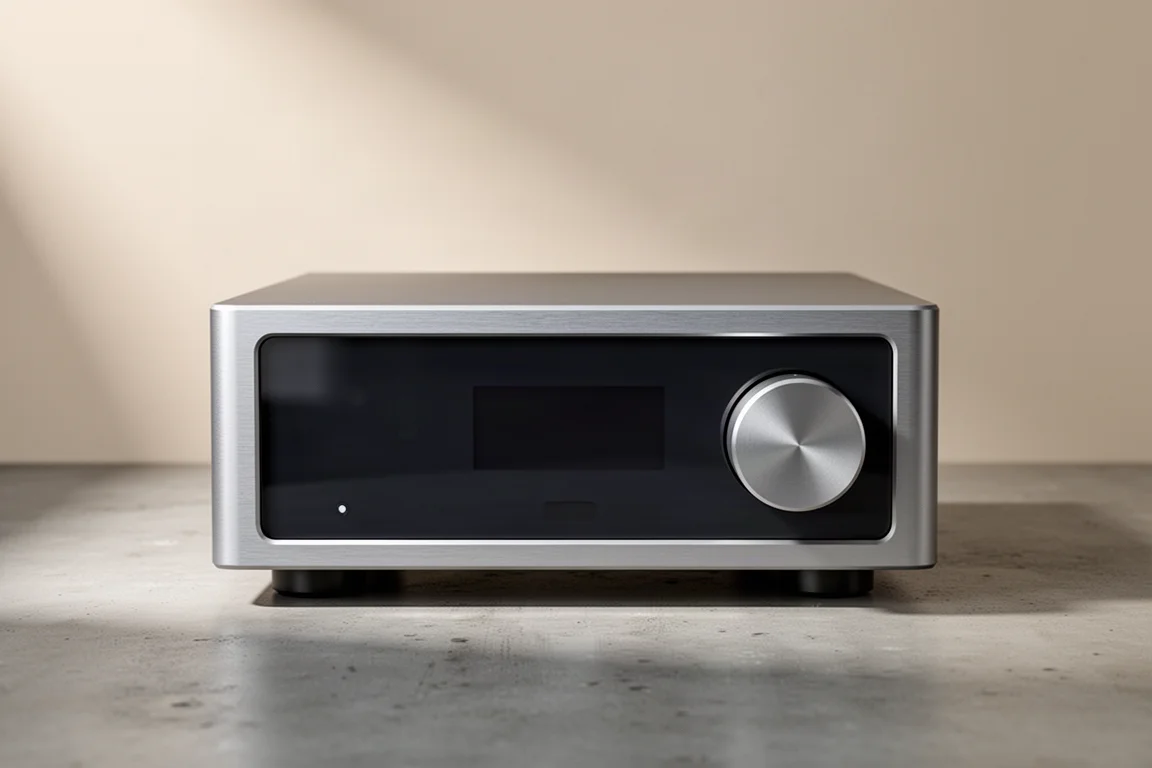
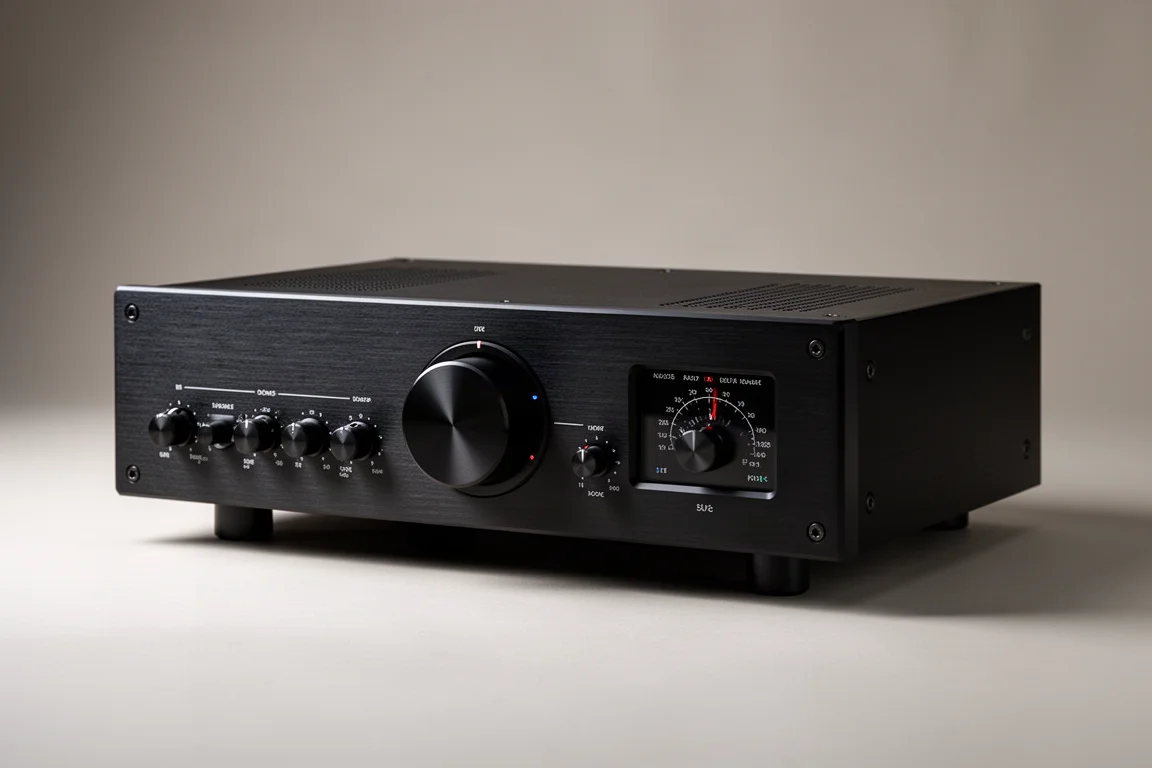
The PMA-A110 is a 110th anniversary model built in Denon’s Shirakawa factory in Japan, and it is a genuinely substantial amplifier. Rated at 80 W per channel, it doubles its output into 4 ohms at roughly 160 W, stays stable at 2 ohms, and reaches dynamic peaks near 300 W. At around 50 lb it is a classic class AB design with a large linear supply, and its heatsinking stays cool even under sustained high power.
Connectivity is strong as well. Quad differential Burr-Brown 1795 DACs handle conversion, and the USB input supports native DSD, which matters if you keep SACD files on a computer. The one notable omission is a subwoofer pre-out, so this amplifier makes most sense with a pair of full-range speakers. The vintage look with a modern touch is a bonus that owners tend to appreciate.
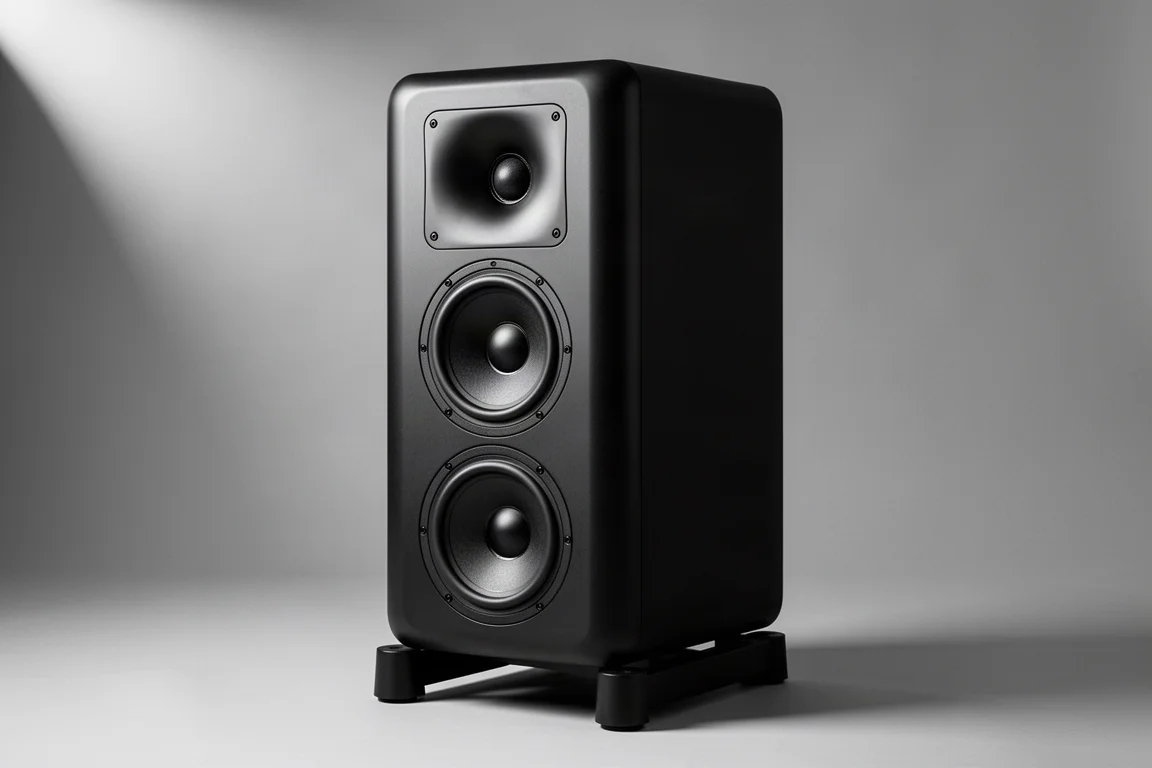
Best Mid-Price Bookshelf Speaker: Arendal Sound 1723 Monitor THX
The 1723 Monitor THX is a no-compromise design with dual 8-inch drivers in an MTM configuration and a large waveguide tweeter. That waveguide is the key detail: it matches directivity between the midrange and the tweeter, which produces excellent driver integration and predictable off-axis response. Because the speaker carries THX certification, it also delivers low distortion and high output capability.
Be aware of the size. Despite the bookshelf label, this is a large and heavy speaker at roughly 50 to 60 lb, so it needs a stable stand or platform. Build quality is excellent, and the wider Arendal range includes subwoofers worth considering alongside it.
Best Budget Tower Speaker: Paradigm Premier 800F
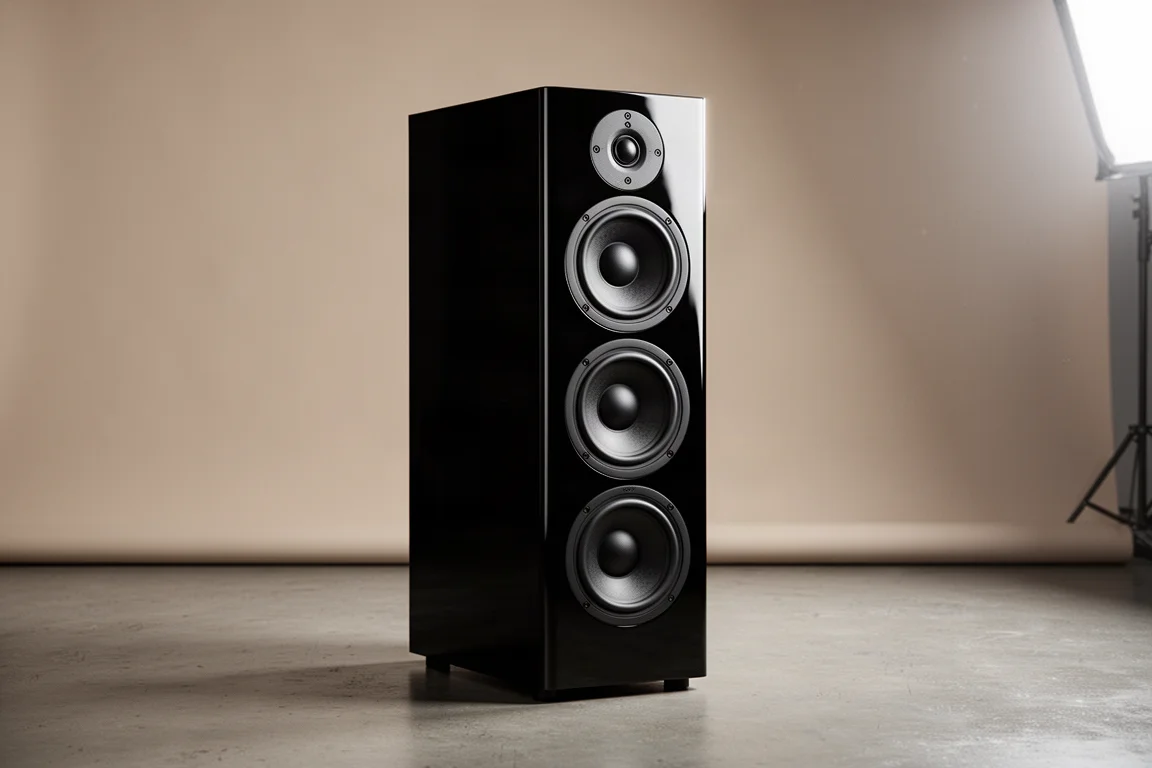
The Premier 800F is the value pick of this group. Its PPT lens is not a marketing gimmick: it contributes to genuinely good imaging and clean playback, which is exactly what a tower speaker needs to do in a system used for both music and movies. The speaker also holds up in a multi-channel setup, where clear dialogue intelligibility across a wide seating area is the priority.
Best Flagship Tower Speaker: Perlisten S7t
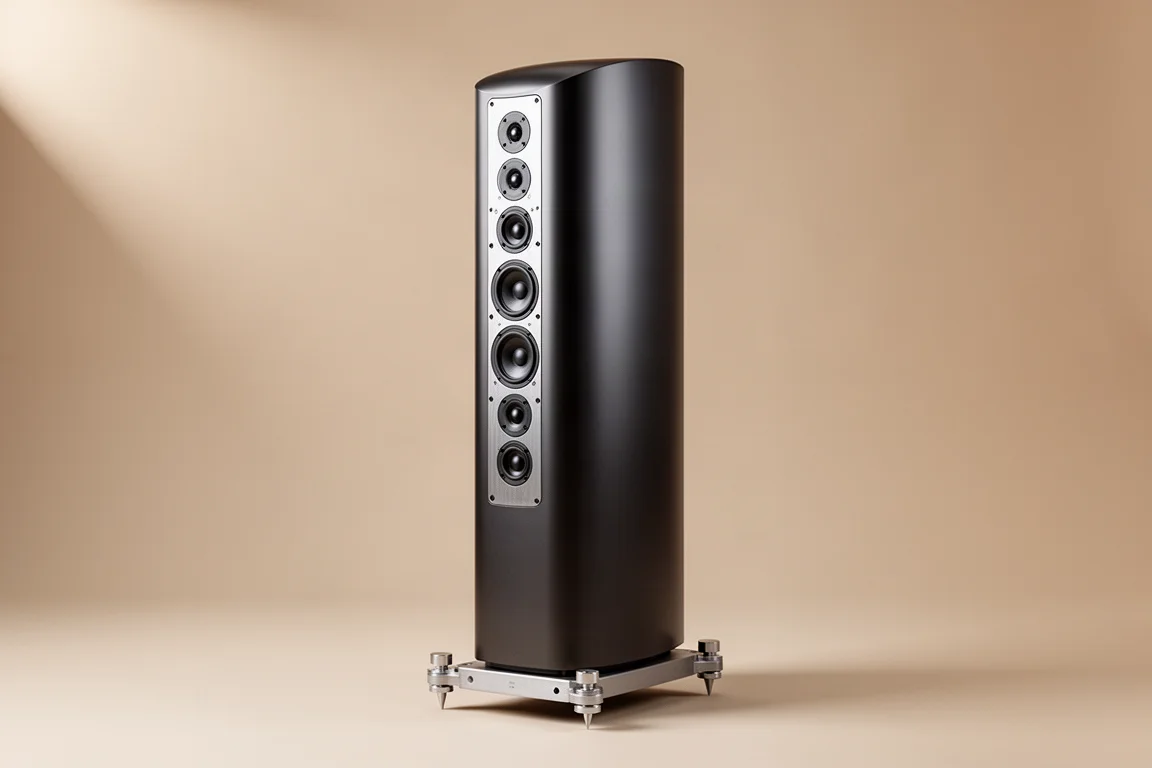
The S7t is the first speaker to earn THX Dominus certification, a standard that calls for clean output above 117 dB with very low distortion. Its upper module uses a waveguide with two midrange drivers flanking the tweeter in an MTM array, and the result is a full-range tower with a great deal of usable output and excellent build quality. The rest of the Perlisten line is equally serious. If you are shopping at this level, the S7t is a sensible reference point for everything else you audition.
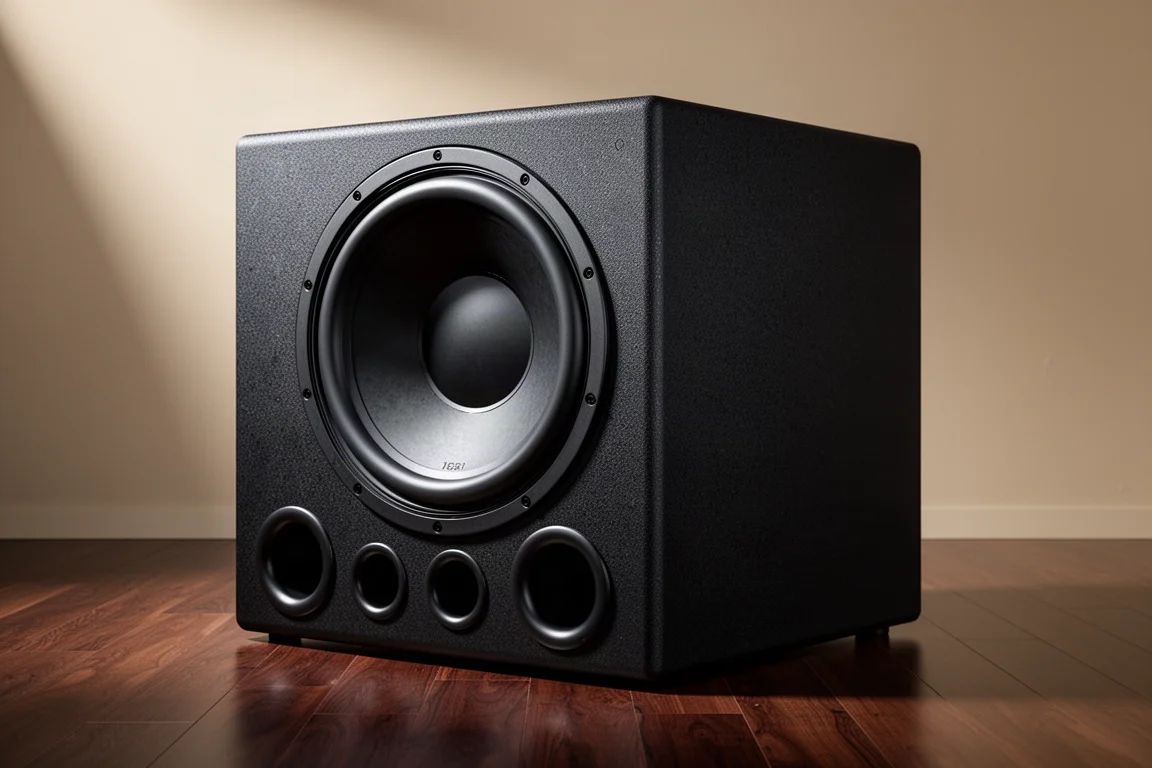
Best High-Output Subwoofer: Monolith 16-In THX Ultra
The Monolith 16-In THX Ultra is a bruiser. A 16-inch driver, four ports and an amplifier rated between 1,800 and 2,000 W put it among the highest output subwoofers in this roundup, and its THX Ultra rating understates what it can actually deliver. Just as importantly, it stays controlled: group delay remains under a cycle down to its tuning frequency, which is difficult for a ported design and is why it avoids the boomy, resonant character that ported subwoofers are often accused of.
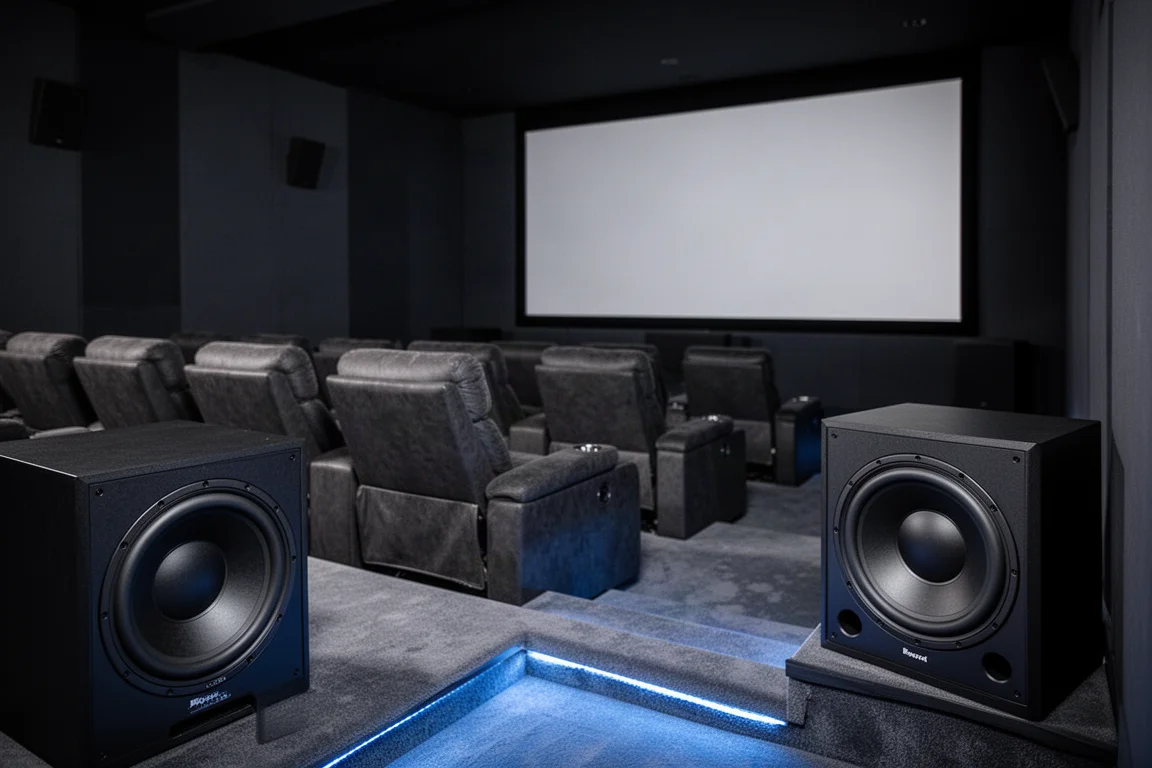
The trade-offs are practical rather than sonic. There is no app control and no digital front end, so room correction and EQ have to come from elsewhere, and the cabinet is genuinely enormous. It is also a plain looking box. What you get in return is deep, clean, physical bass, and a pair of them will change how a room feels during a demanding soundtrack.
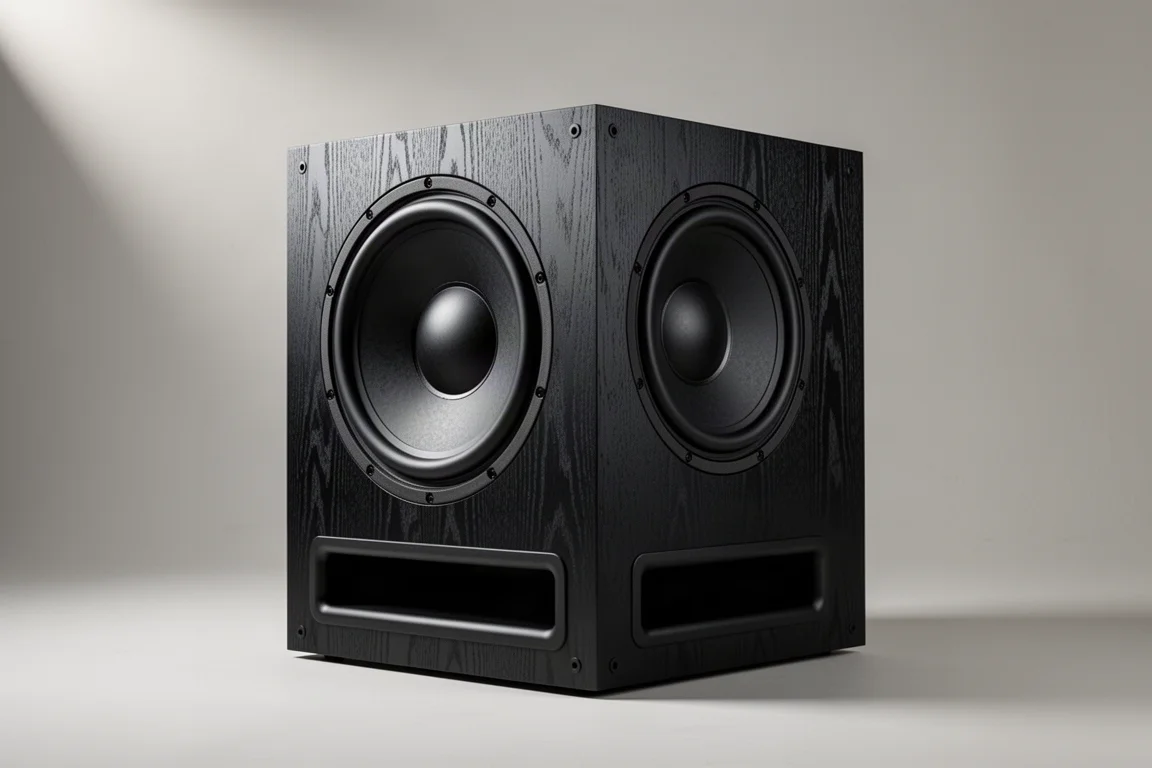
Best Compact Subwoofer: SVS PB-1000 Pro
The PB-1000 Pro pairs a 12-inch driver with a 350 W amplifier and meets a large room size rating, which is a lot of capability for a subwoofer of this class. If the cabinet is still too big for your space, the sealed SB-1000 Pro covers medium rooms, plays less loudly and reaches less deeply, but disappears into a room more easily.
The supporting details are what make SVS easy to recommend. A well designed app handles parametric EQ so you can flatten in-room bass response from your phone, the return policy runs 45 days with shipping covered both ways, and customer support has a strong reputation. The price has risen with supply chain pressure, but it remains good value.
Best Wireless Speaker System: Rocksteady Stadium
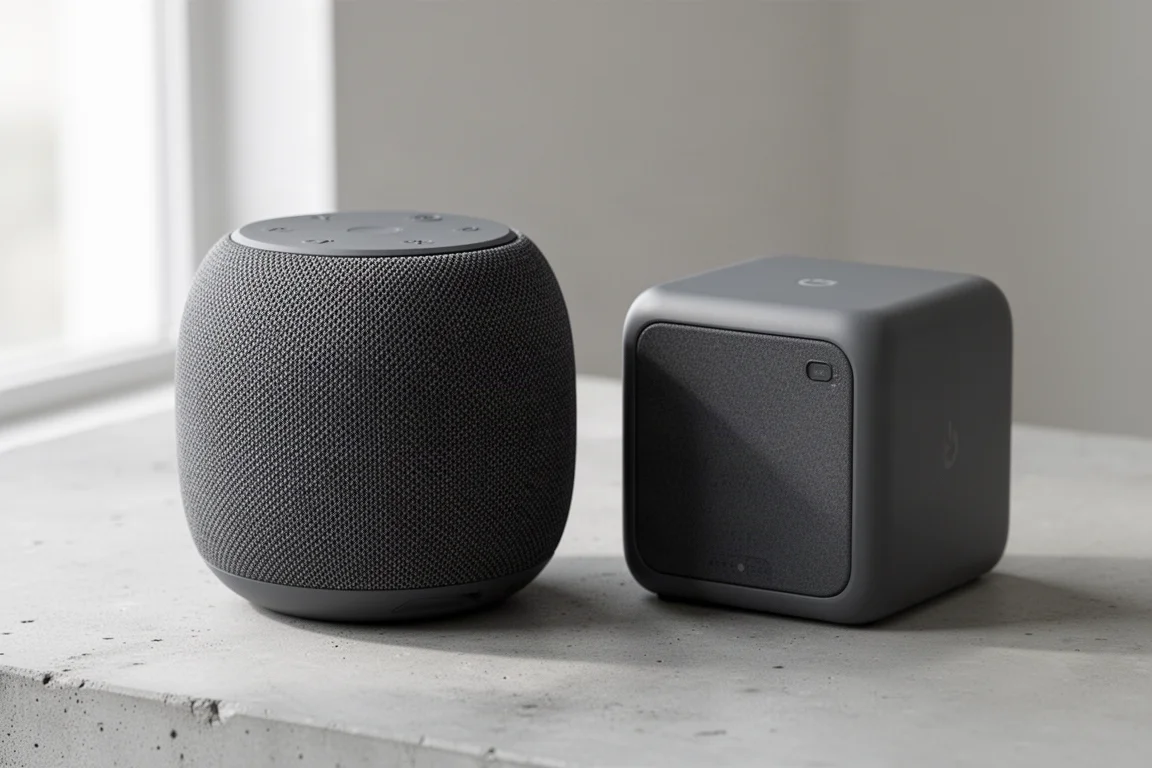
The Stadium system uses Bluetooth 5.0 rather than Wi-Fi, which keeps setup simple and delivers close to CD quality audio. The bigger idea is scale: you can pair several units around a home for distributed audio, which makes it a credible alternative to Sonos style systems.
The standout component is a powered portable subwoofer, with battery life of up to about 16 hours. The satellite speakers are unusually well equipped for their size, using two passive radiators to extend bass when the subwoofer is not in use, along with a real 3/4-inch tweeter rather than a full-range cone. Power is rated at 20 W for the bass driver and 10 W for the tweeter.
Best Over-Ear Headphones: Focal Clear MG
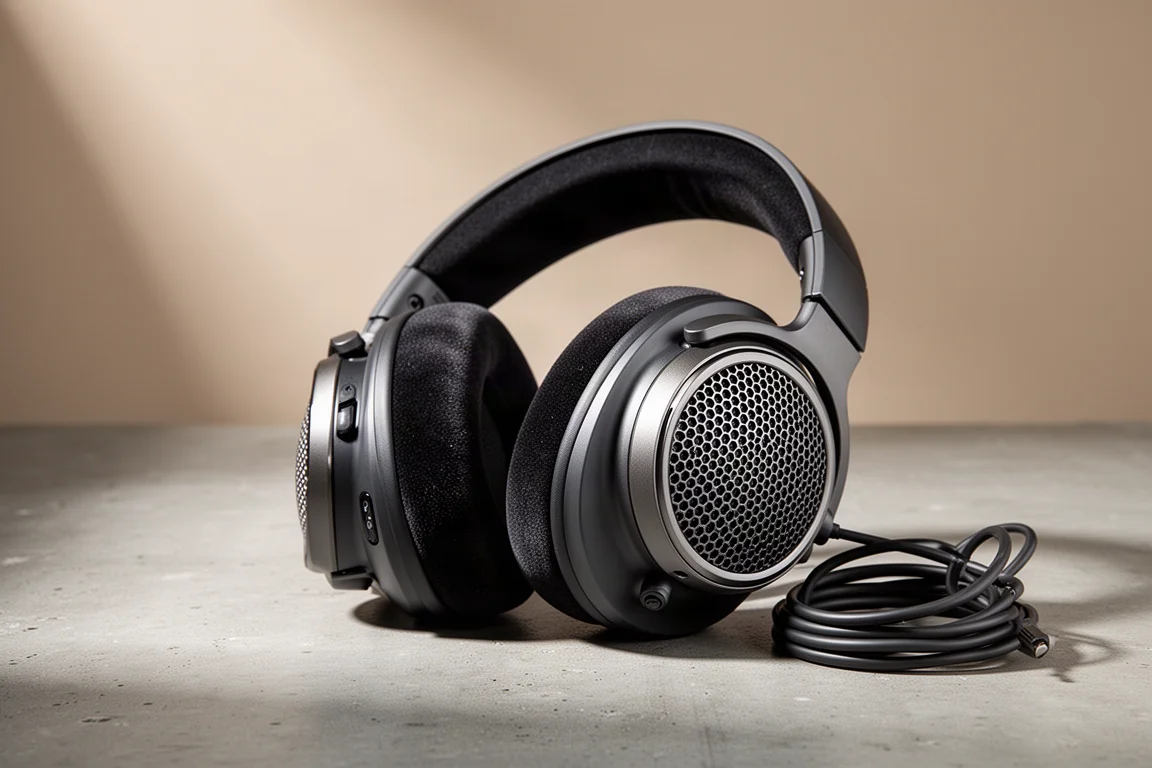
The Clear MG is an open-back design with craftsmanship that is obvious the moment you pick it up. Comfort is excellent for long listening sessions, and the sound quality is the kind that lets the headphones disappear and leave only the music. The drivers have plenty of dynamic range, so boosting the bass with EQ will not overload them.
Open-back headphones let you stay aware of your surroundings, which some listeners prefer and others do not. If you want more low frequency weight and isolation, a closed-back design is the better fit. These are not inexpensive, but the build and performance justify the outlay for anyone who listens seriously.
Best Theater Seating: Valencia Tuscany
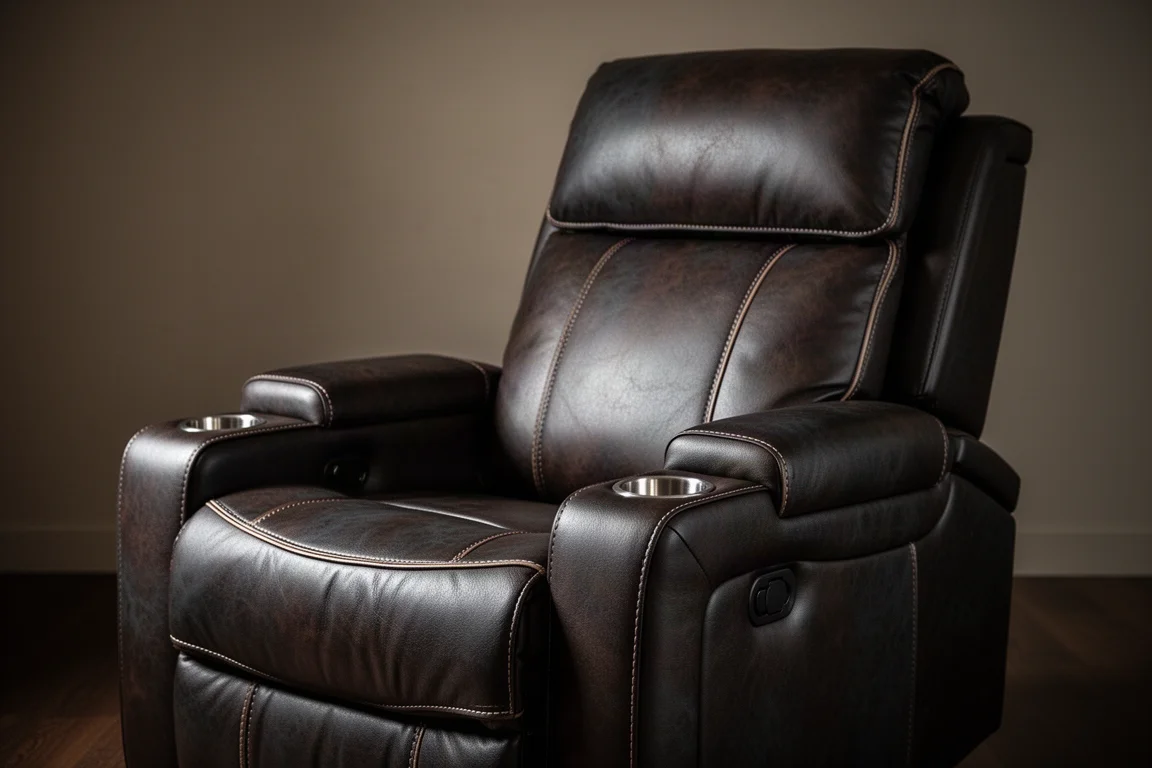
The Tuscany is a full-range recliner, and that matters if you are tall. Many theater seats leave your legs hanging past the end of the footrest; this one does not. Lumbar support is strong, the seat cushions are contoured so you settle into the middle, and the backrest is shaped so it does not block the surround channels behind you. The headrest also adjusts forward if you want your ears clear of the seat.
Details are well handled, including LED backlighting, practical accessories such as a table and a wine caddy, and a Leggett and Platt reclining mechanism covered by a three-year warranty. Seating is fully customisable, so colours and leather grades can be matched to a room. Pricing starts at $2,200 for a pair and rises with the leather grade.
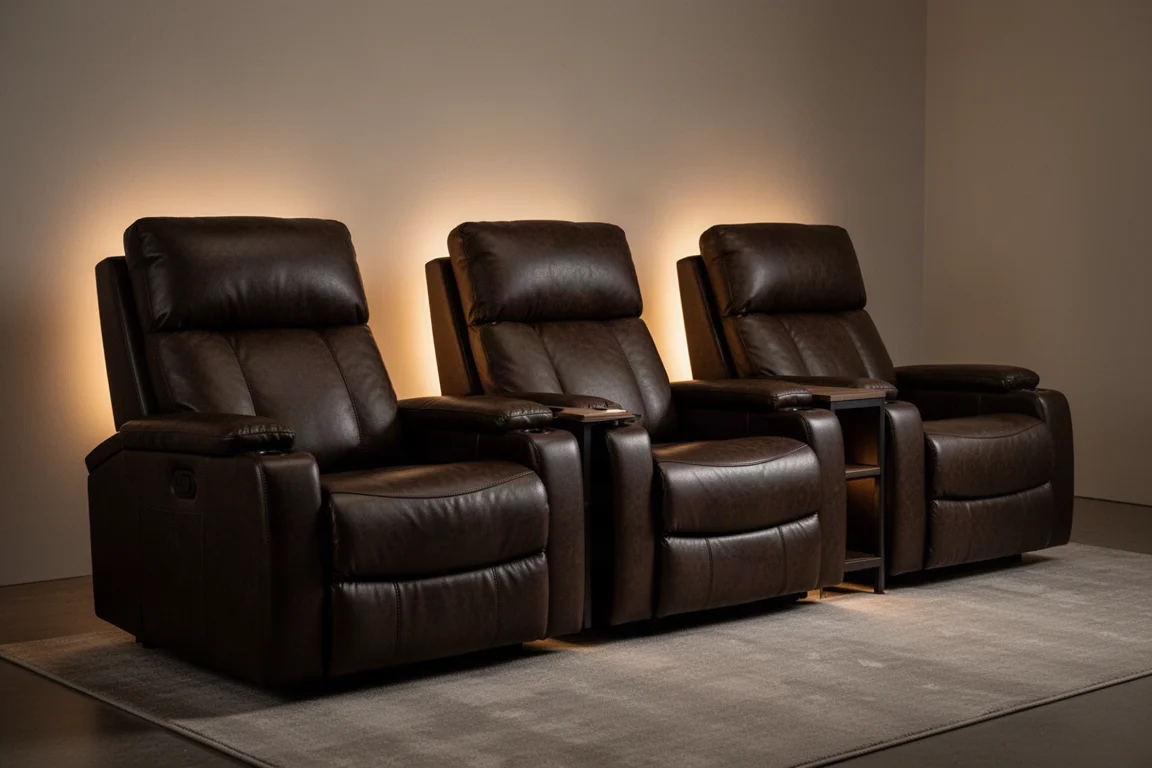
If you are building a dedicated room, seating is one of the few purchases that affects every single session, which is why it belongs on a list like this alongside speakers and electronics.
Best AV Processor: Storm Audio ISP MKII
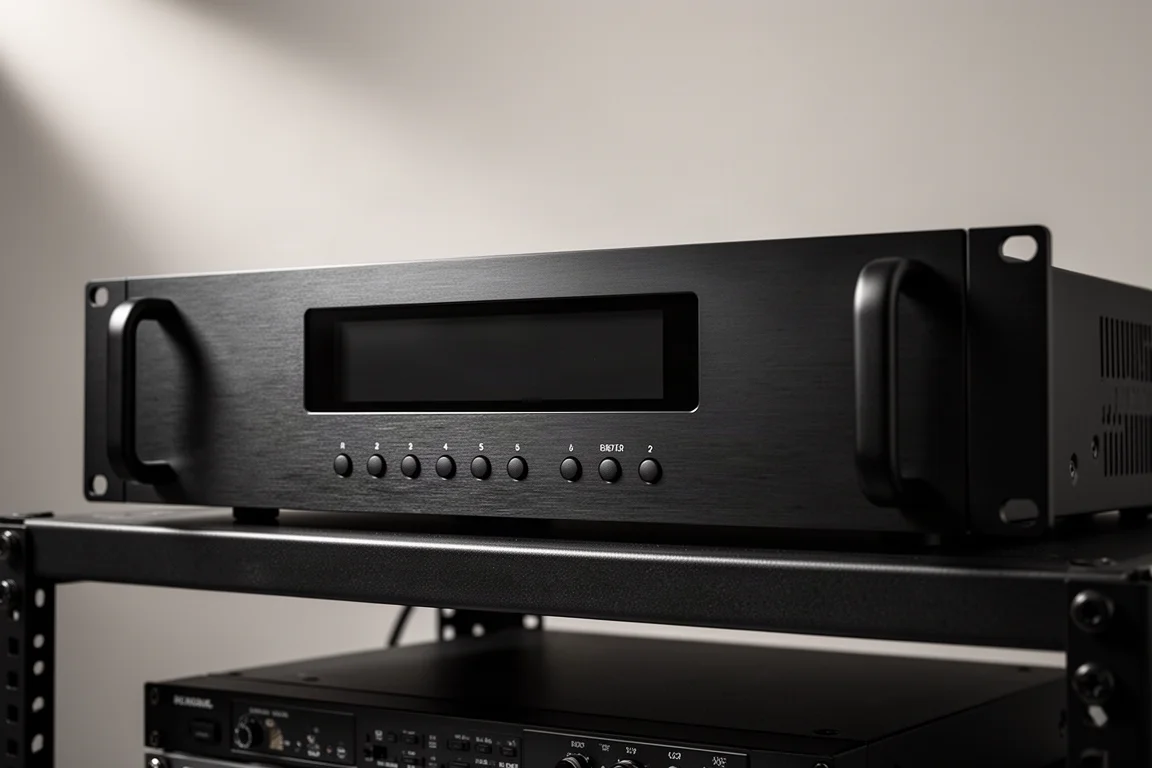
The ISP MKII is the most complex piece of equipment here, and it is the one that rewards patience the most. It offers 24 native channels, expandable to 32 with matrixing, and its bass management and bass routing are the most extensive available. Low frequency effects can be sent to large main speakers while bass from channels set to small is routed to a dedicated subwoofer channel, with individual level control for each channel. Crossover filters are accurate, and every channel gets 20-band parametric EQ whose filters land exactly where the menus say they will.
There is a forward-looking argument too. Digital outputs for the speaker level channels allow a fully active system with an external DSP and amplifier, avoiding an extra analogue to digital conversion stage. HDMI 2.1 and a DAC upgrade are planned for the future. Multiple zones and speaker profiles are supported, and the configuration depth means professional integrators will get the most from it.
Best Portable Headphone DAC and Amp: THX Onyx
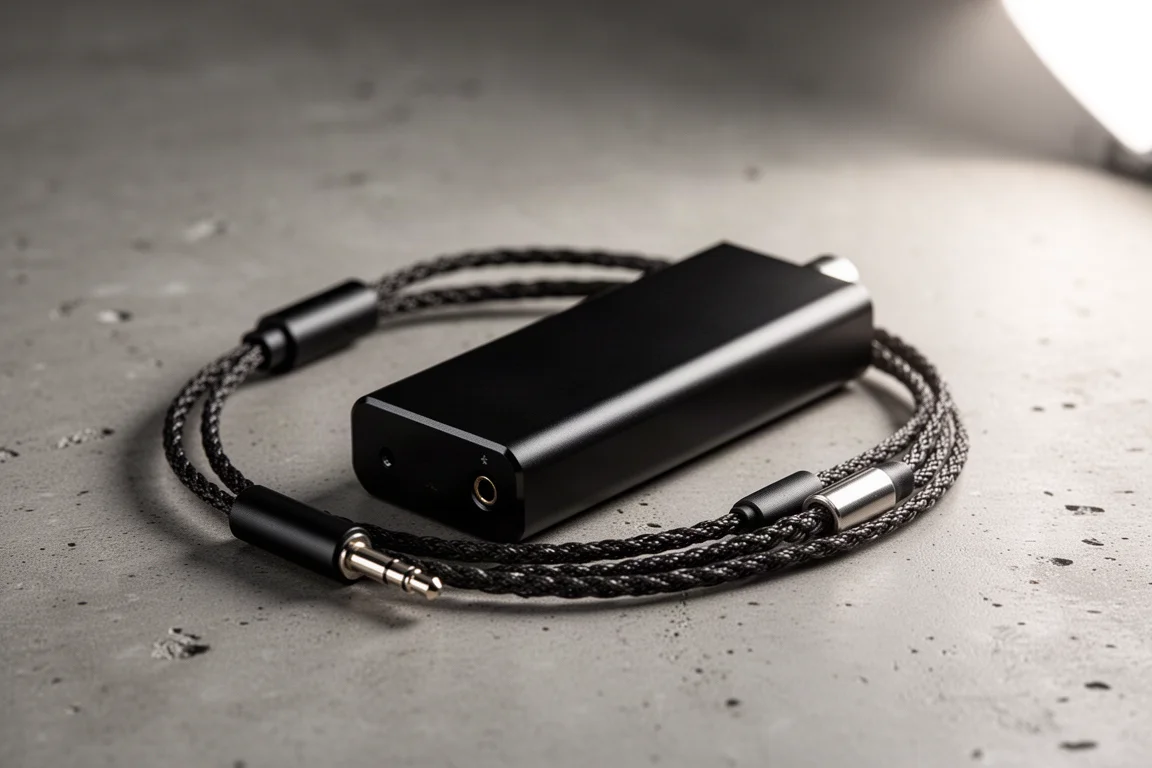
The Onyx is built around THX Achromatic Audio Amplifier technology, the same approach used in high-end Benchmark Audio power amplifiers, and its signal to noise ratio is greater than 118 dB. Distortion and noise are low enough that they are difficult to measure without top tier test equipment. Crucially for a portable device, power draw is low, so it will not drain a phone battery quickly.
At $200 it is not cheap, but it is a sensible upgrade for anyone who owns good headphones and is currently listening through the DAC built into a phone or portable player. The difference is immediately audible.
How to Prioritize Your Upgrade
If you are working through this list over time, start with the components that shape the sound most in your room. Speakers and subwoofers make the largest difference, which is why the Arendal, Paradigm and Perlisten models sit alongside two very different subwoofers here. Amplification comes next, mainly for headroom and stability into low impedance loads.
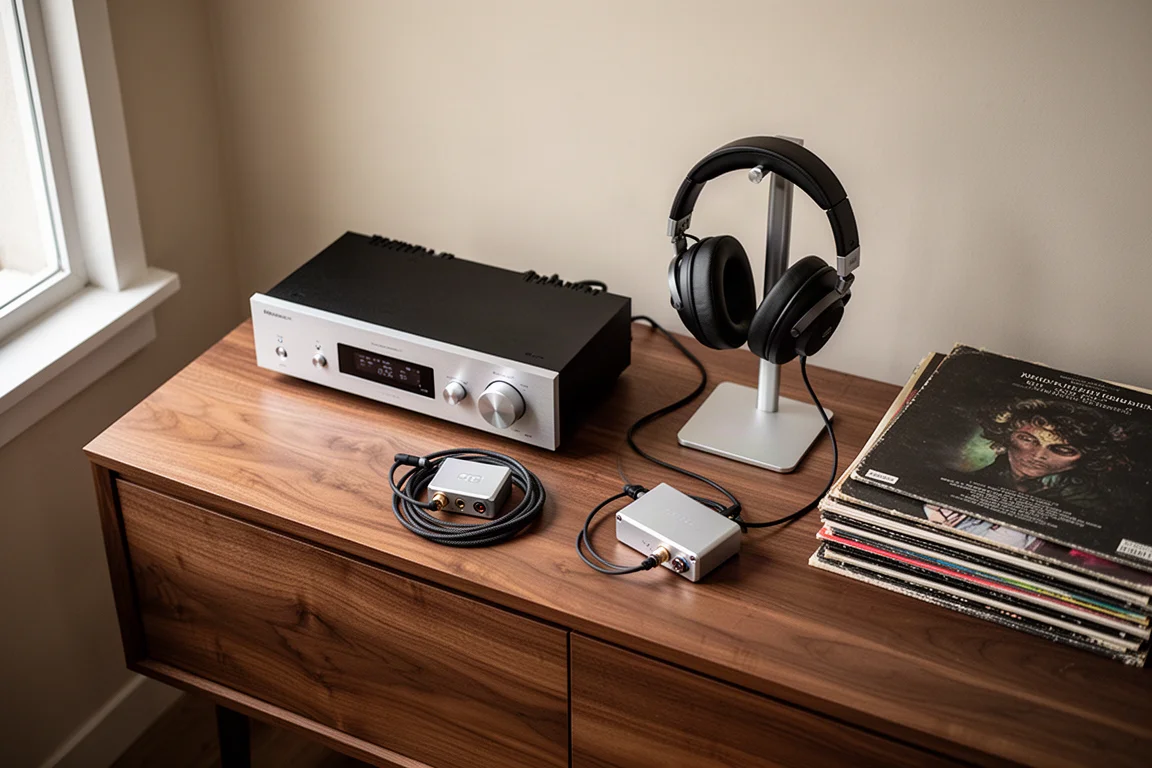
Sources and processing come after that. A streaming DAC and headphone amplifier such as the Uniti Atom consolidates several boxes into one, while a processor like the ISP MKII is a long term investment for a dedicated room. Small accessories are worth attention too: a $200 portable DAC will do more for a good pair of headphones than any cable or tweak.
Two practical pairings are worth remembering. The Denon PMA-A110 has no subwoofer pre-out, so plan on full-range speakers with it. The Arendal 1723 Monitor THX is heavy enough that a flimsy stand will undermine everything it does well.
Conclusion
This list covers a lot of ground, but the logic behind it is consistent. Each product is strong in a clearly defined role, and each one is honest about its trade-offs. The Monolith subwoofer is enormous and plain, the Denon has no subwoofer output, and the Valencia seats cost more as you move up the leather grades. None of that changes what they do well.
Buy for the job you actually have. If you want one box that handles streaming and headphones, start at the top of the list. If you want bass you can feel, the subwoofers are where the money goes. And if you are building a room from scratch, the seating and the processor are the decisions you will live with longest.
Further reading
Related Reviews
Hi-Fi and Home Theater
Best Hi-Fi and Home Theater Products of 2021: The Award Winners Worth Buying
A category-by-category look at the hi-fi and home theater products that stood out in 2021, from value amplifiers and speakers to high-end loudspeakers, wireless home theater and televisions.
Hi-Fi and Home Theater
Great Gear, Wrong Fit: Seven High-End Purchases Worth Thinking Twice About
Seven high-end audio and video products with real performance and real ownership costs, plus what to check before you buy.

Backpacking Gear
Building a 10 lb Base Weight: An Ultralight Backpacking Gear List
A practical walkthrough of the ultralight pieces behind a 10 lb base weight, from a 765 g pack and a roomy one-person tent to a full camp chair and a dependable water filter.