Cycling
Gravel Bike vs Road Bike Speed: Orbea Terra and Orbea Orca Compared
A matched-power comparison of the Orbea Terra gravel bike and the Orbea Orca road bike, covering the real speed gap, the weight and geometry differences, and what a road wheel swap actually changes.
Introduction
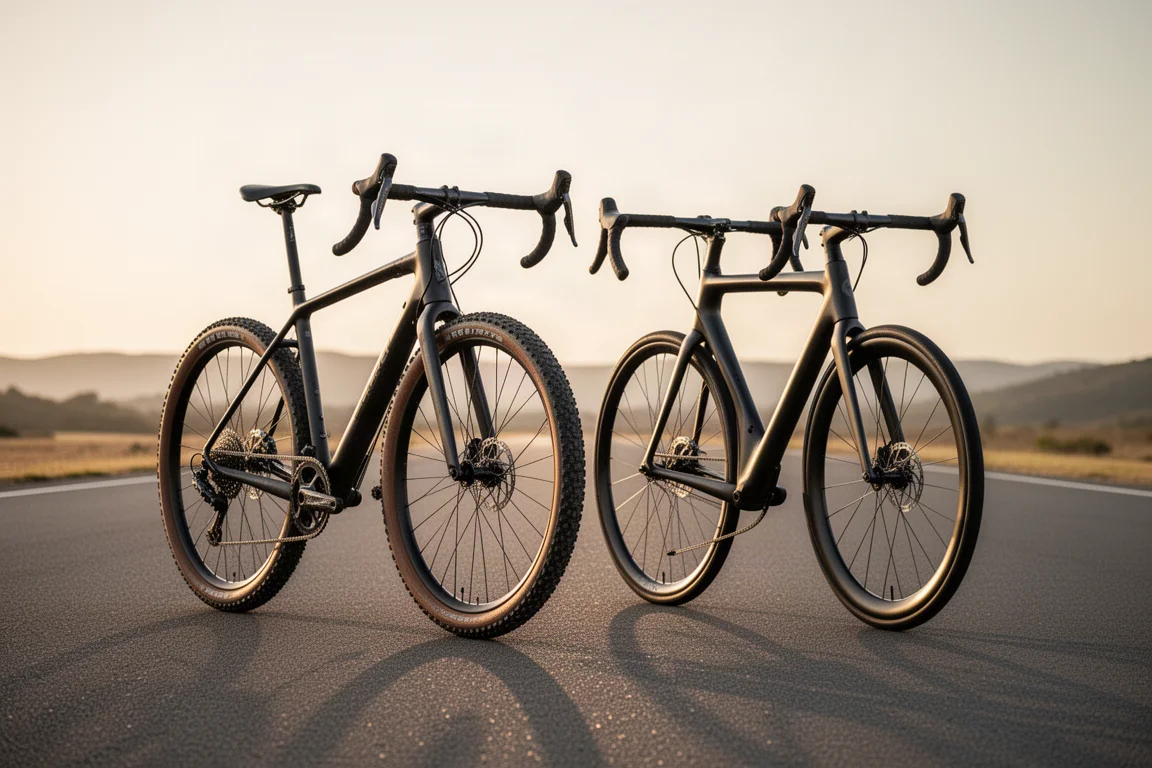
Gravel bikes are sold as the one bike that does it all, and for plenty of riders they genuinely are. The question that follows is unavoidable: if you ride a gravel bike, how much slower are you than a road bike, and will you still be able to keep up with friends who ride road bikes?
A direct comparison between two Orbea models, the Terra gravel bike and the Orca road bike, puts a number on it. The same comparison also looks at whether a simple wheel swap closes the gap, and whether closing the gap is really the whole point.
What the Comparison Test Measured
The comparison used three runs on each setup at three intensities: roughly 150 watts, 300 watts, and 400 watts. Both bikes were ridden at the same power output, so the difference in speed came from the bikes rather than from the effort going into the pedals.
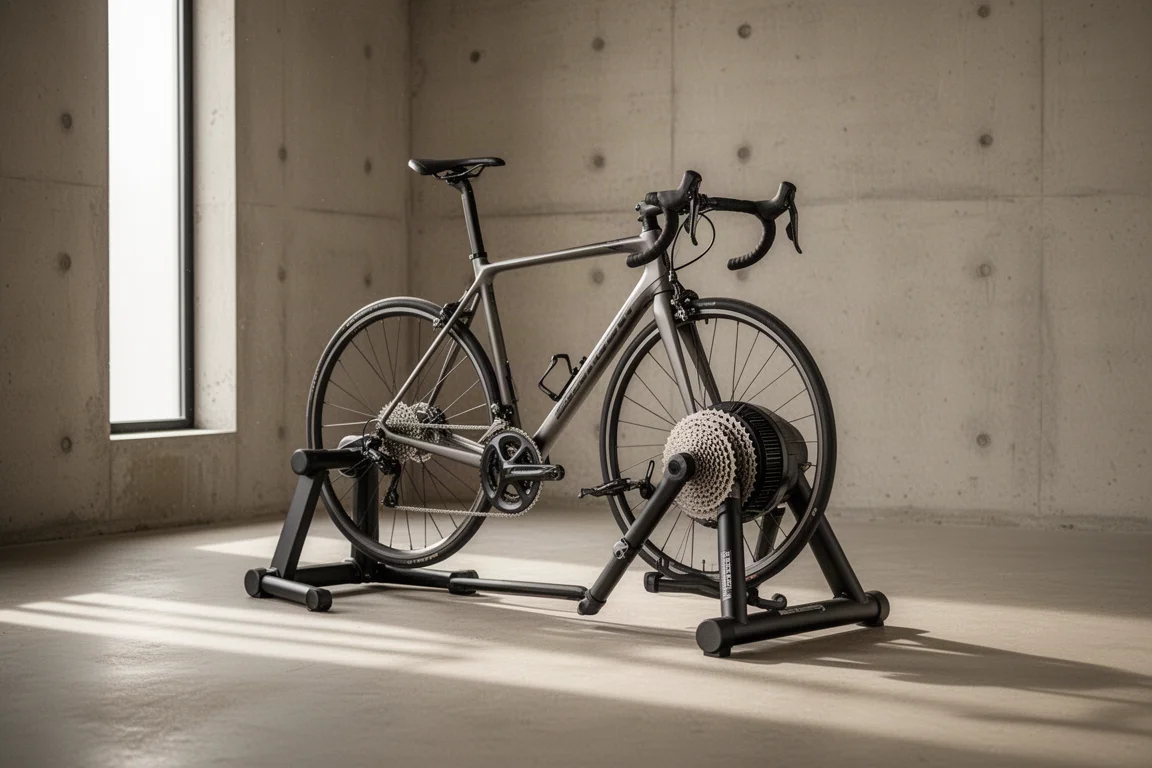
The logic is straightforward. If a gravel bike is only marginally slower, it stays a realistic option for road group rides. If the gap widens as effort rises, riders who push harder will notice it most.
It is also worth setting out what differs between the two bikes before the numbers, because the answer is not just about tires. Frame design, weight, and rider position all play a part, and each of them can be changed to some degree.
Orbea Terra Gravel Bike
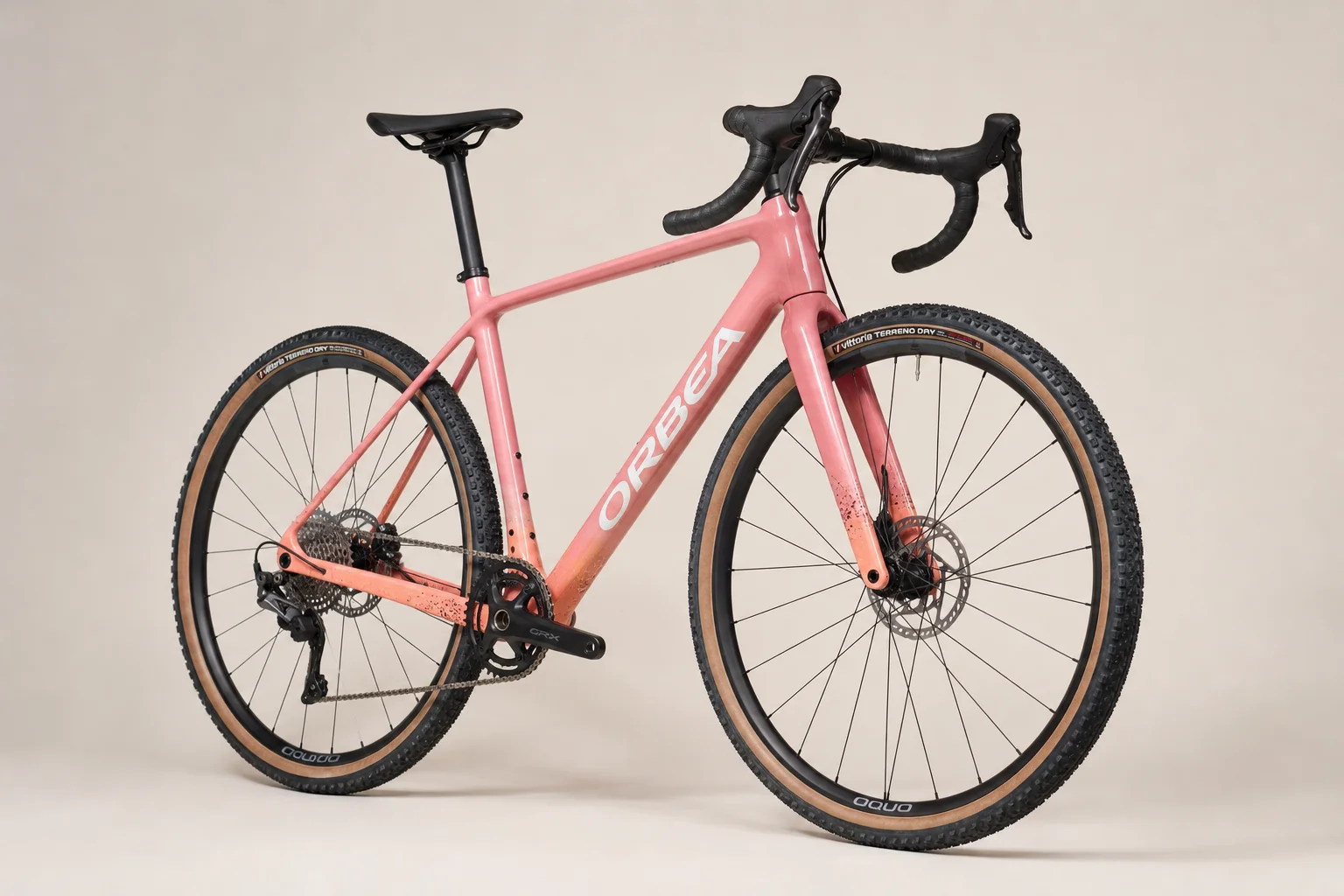
The Terra is the gravel side of the comparison. Like most gravel bikes it carries a little more material in the frame so it can handle rough tracks, general abuse, and rock strikes without coming to harm. That robustness has a cost, and in this pairing the Terra is around 1.3 kg heavier than the Orca.
Gravel geometry also places the rider slightly more upright for comfort and control. That position is a genuine advantage off tarmac and a small penalty at speed, because a more upright rider is less aerodynamic. The good news is that this is one of the easier differences to correct, since the handlebars and stem from a road bike can be swapped onto a gravel frame.
Orbea Orca Road Bike
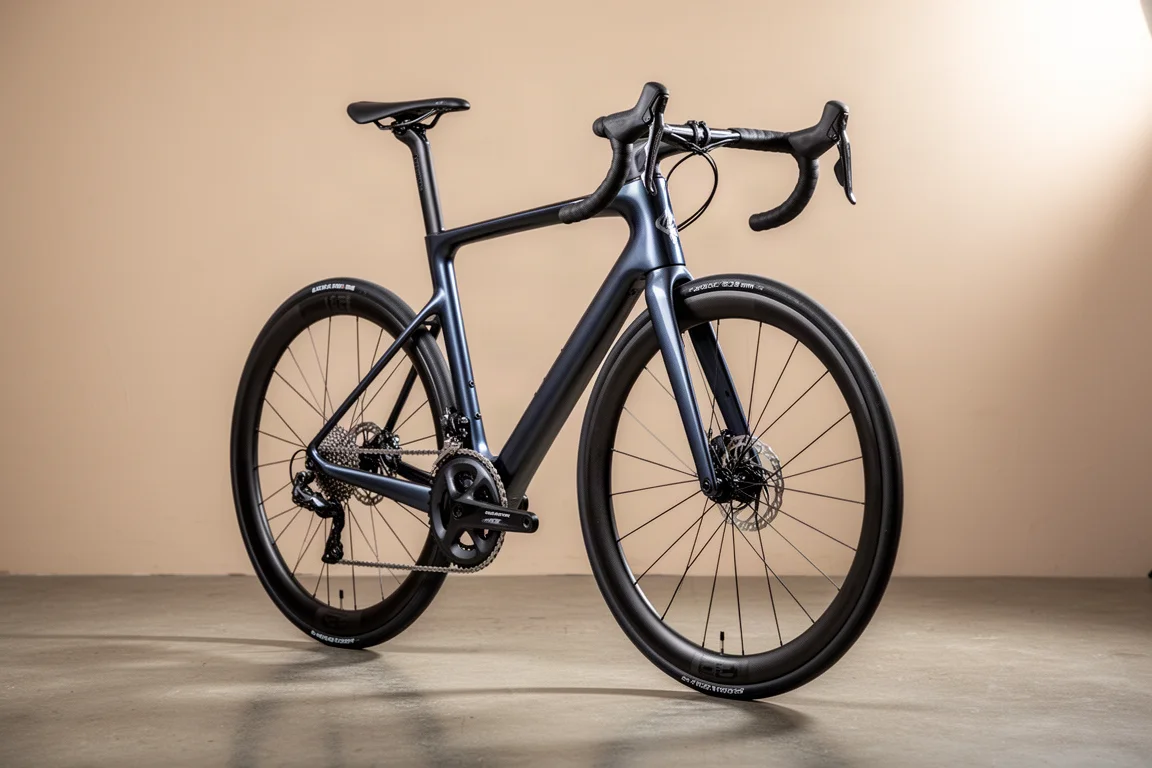
The Orca is built for tarmac. Road frames, and particularly the more expensive ones, are designed to be aerodynamic, and the Orca measures 52 mm shorter from front wheel to back wheel than the gravel bike. That shorter wheelbase makes it turn faster.
The difference is not confined to cornering. Staying upright on a bike involves constant small steering corrections, so a quicker-turning frame feels more precise nearly all of the time, and most noticeably when climbing out of the saddle. Agility and responsiveness do not make a bike faster in themselves, but they do change how sharp and exact it feels to ride.
Speed Results at Equal Power Output
At matched power output, the gravel bike averaged 2 km/h slower than the road bike. The gap was a little smaller at 150 watts and a little larger at 400 watts.
In practical terms, a 100 km charity ride on the gravel bike would take roughly 20 to 30 minutes longer than the same ride on a road bike. That is a real difference, and it is also not a dramatic one. Whether it matters depends entirely on how and where you ride.
Weight, Geometry, and Ride Feel
The 1.3 kg weight difference between the two bikes looks modest when the bikes are considered on their own, and smaller still once rider weight is included in the system weight. It is unlikely to explain much of the speed gap on flat ground, although it would matter on a long climb.
Geometry is the part riders feel most. A road bike is tuned to be very good at one specific thing, and that focus shows up in the way it responds. Riders used to a road bike often find that a gravel bike on tarmac does not feel quite as good, even with road tires fitted. Cornering and descending can still feel excellent in their own way, but the moments out of the saddle add up over a ride.
What a Wheel Swap Changes
Tires are the most significant difference between the two bikes. Road tires are designed to roll smoothly and efficiently on tarmac, with no need for tread to bite into mud or dust, and their casing does not have to withstand sharp rocks. Tread and a tougher casing both slow a bike down.
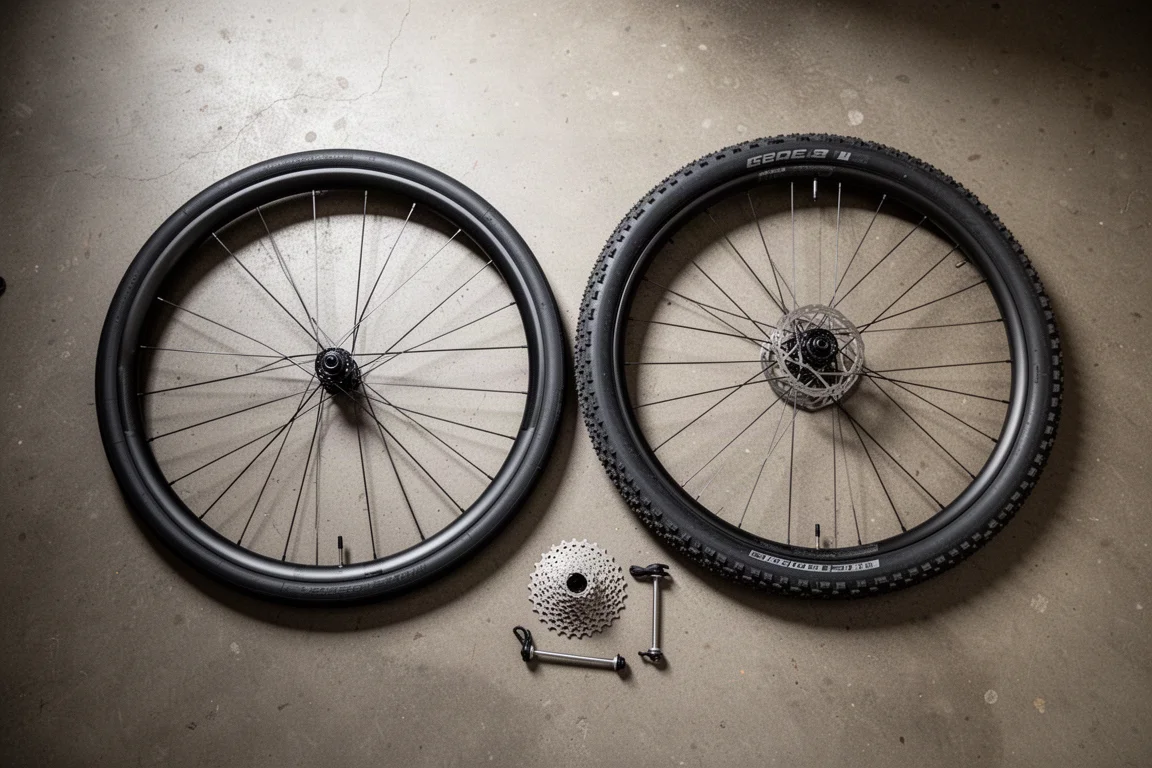
Fitting a set of road wheels to the gravel bike made it faster by roughly 1 to 1.5 km/h. That is a meaningful gain from a quick change, but the gravel bike still did not quite match the road bike. Tires are not the whole story, and rider position accounts for part of the rest.
A second wheelset makes the swap easy and quick, although not every rider can justify the extra cost. For those who can, it is a simple way to make one bike more versatile.
Is a Road-Setup Gravel Bike Still a Gravel Bike
Rider position can be corrected too. Moving the handlebars and stem from a road bike onto a gravel frame is a relatively inexpensive way to get a lower, more aerodynamic position, and on these two bikes it is a straightforward change.
At that point, though, the bike has road tires, road wheels, and a road position. Whether it is still a gravel bike is a fair question. It is useful to know the option is there, because it keeps a single bike viable across very different kinds of riding.
Speed is also not the only reason people choose a bike. Clip-on aero bars would make almost any bike faster for less effort, and very few riders use them. The feel of a bike, and the enjoyment of riding it, tends to matter more than the last kilometre per hour.
Buying Advice for Gravel and Road Riders
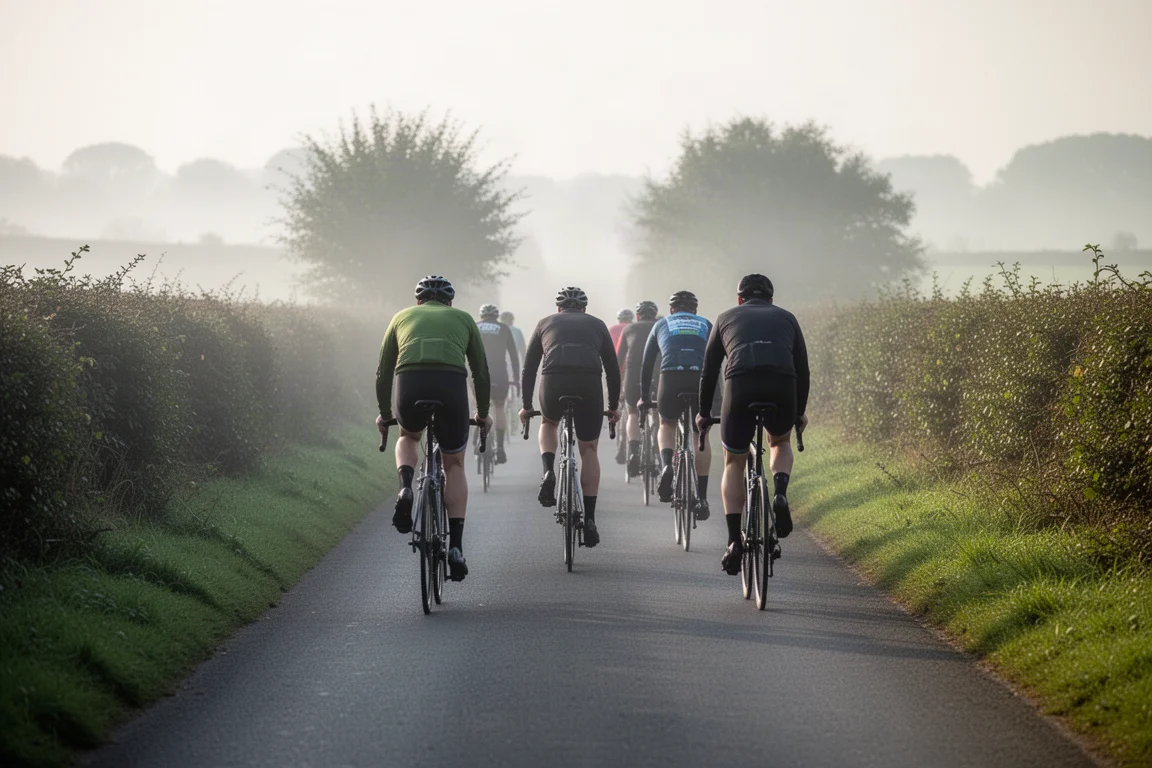
If you ride mostly on tarmac with friends on road bikes, the 2 km/h average gap is worth taking seriously. Over a long ride it becomes 20 to 30 minutes, and the more upright position and slower handling are noticeable even when the speed numbers are close.
If your riding is mixed, the Terra makes a strong case for itself. It handles surfaces a road bike cannot, it can be made noticeably faster with a road wheelset, and its position can be adjusted if you want a more aerodynamic setup. The trade-offs are a small speed penalty and a less precise feel on tarmac.
The Orca suits riders who have decided that tarmac is where they ride. Its shorter wheelbase, lighter frame, and aerodynamic design are all pointed at speed and sharp handling, and that focus is exactly what makes it feel so good on a smooth road.
Conclusion
At matched power output, the gap between a gravel bike and a road bike comes out at around 2 km/h on average, smaller at low intensity and larger at high intensity. A road wheel swap recovers roughly 1 to 1.5 km/h of that gap, which leaves the gravel bike close but not equal.
Neither result makes one bike better than the other. It comes down to the riding you actually do, and how much you value the sharper feel of a road bike against the versatility of a gravel one.
Further reading
Related Reviews
Cycling
2026 Bike of the Year and the Cycling Gear Worth Watching
A drop bar roundup for 2026 covering the Ridley Kanzo Fast 2.0, Shimano Dura-Ace Di2 R9300, Trek Checkpoint ALR Gen 3, Specialized Tarmac SL9, Garmin Fenix 9 and Insta360 X6.
Cycling
Best All-Road Bikes 2026: Six Versatile Endurance Road Bikes Worth Considering
A practical look at six all-road and endurance road bikes, from lightweight carbon speed machines to steel all-rounders and comfort-focused mile eaters.
Cycling
Best All-Road Bikes 2026: 8 Endurance Bikes for Road and Light Gravel
Eight all-road bikes that blur the line between endurance road and light gravel, compared on tire clearance, ride character, practicality, and value.