Cycling
Gravel Bike vs Road Bike: What Actually Changes Your Speed
A head-to-head comparison of a gravel bike in full off-road trim and a road race bike across flat roads, climbs, and standing-start acceleration.
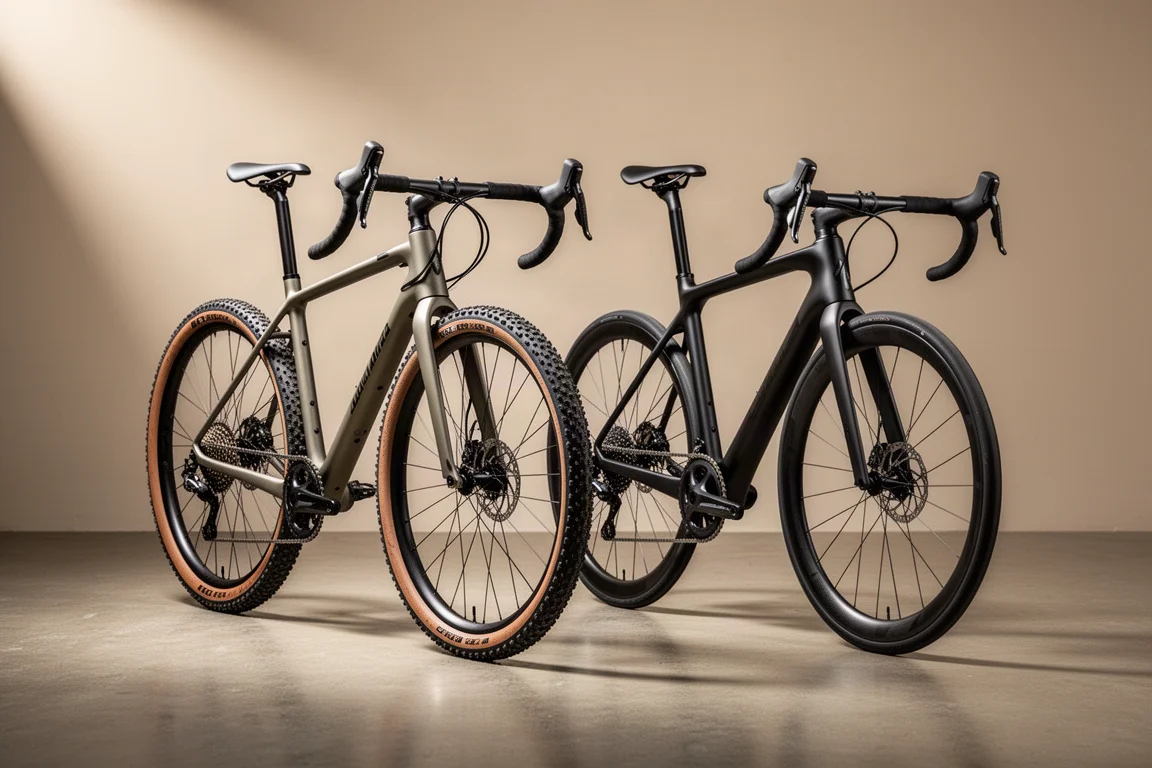
Introduction
Anyone weighing up a gravel bike against a road bike eventually runs into the same worry: will the gravel bike feel slower? To answer that honestly, two very different setups were put through the same series of tests on flat roads, a local climb, and standing-start accelerations.
The gravel bike ran wide mixed terrain tires in full off-road trim, the configuration you would keep for muddy, loose, or unpredictable surfaces. The road bike ran 28 mm tires in the setup normally used for competitive bunch riding. Both bikes were tested at either end of the spectrum rather than being tuned to meet in the middle, which is exactly why the results are worth reading.
What These Two Setups Represent
The comparison deliberately used extremes. On one side sat a gravel bike in full gravel mode, with wide rubber and a mixed terrain tread designed to cope with sloppy conditions while still rolling quickly on firmer ground. On the other sat a road race bike on 28 mm tires, the kind of build a rider would line up with in a bunch race.
Tires are often the single biggest variable here. A gravel bike will accept thinner, faster rubber, and that change alone can recover a meaningful amount of the power difference. Keeping the widest, most aggressive setup in place makes the gaps visible instead of hiding them behind a compromise build.
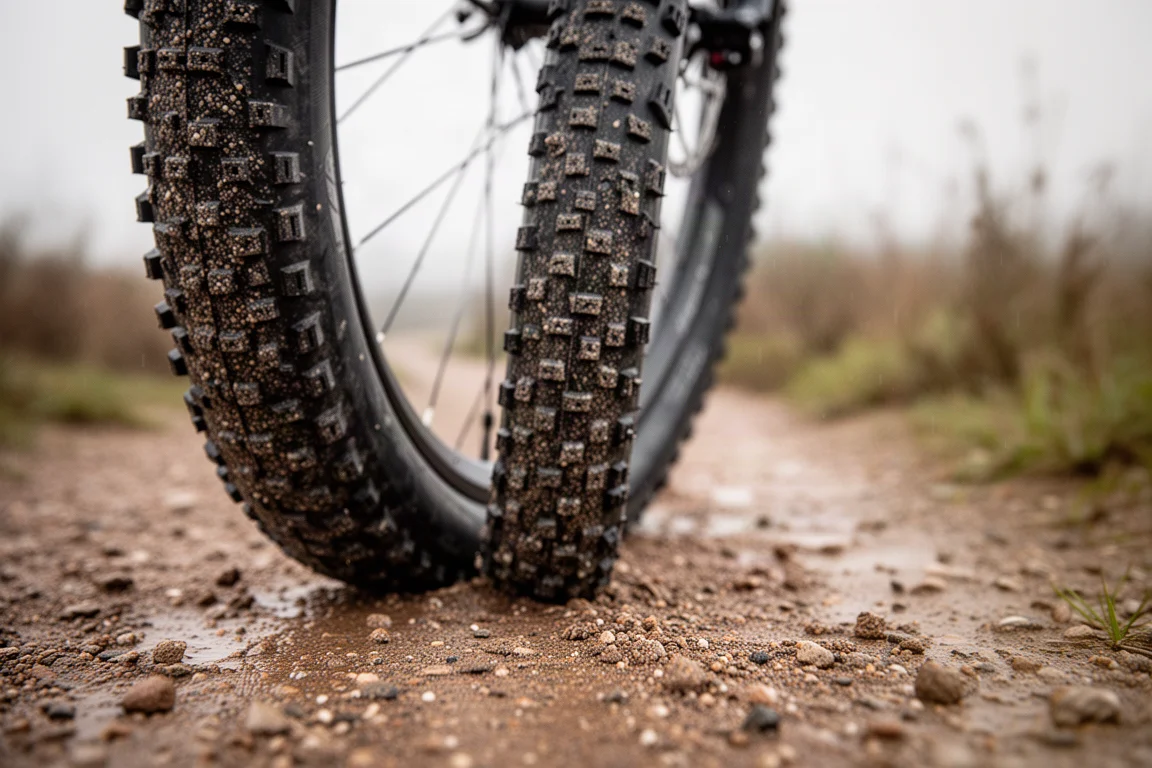
With both bikes prepared, the testing covered three areas: flat road speed at varying intensities, a climb of roughly 600 metres of the kind you meet on a local group ride, and acceleration from a standing start.
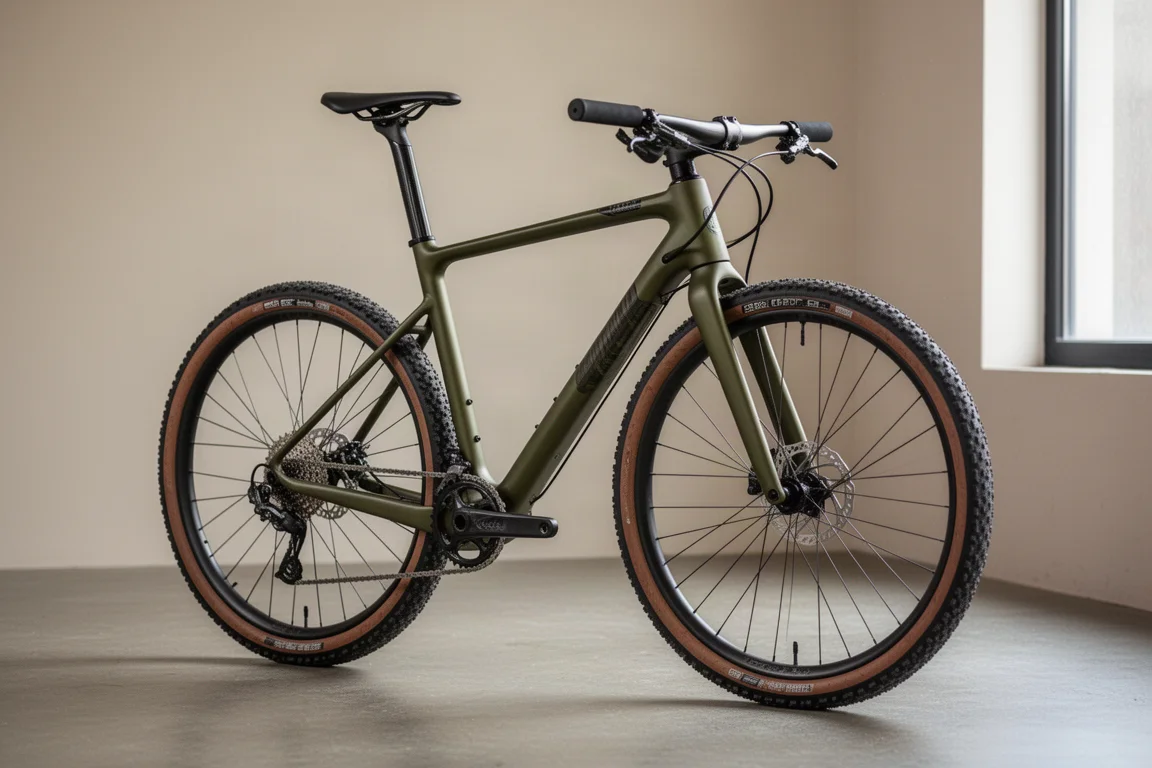
Canyon Grizl: A Gravel Bike in Full Off-Road Trim
The Canyon Grizl represented the gravel side of the test, set up in its most capable off-road form with wide mixed terrain tires. At an easy endurance pace of around 24 to 25 km/h the power required to hold speed was essentially the same as the road bike, and at a comfortable effort in the region of 180 watts there was no meaningful difference between the two.
That picture changed as speed climbed. On a flat-out kilometre effort into a headwind, both bikes produced similar relative power but the gravel bike sat roughly 2 km/h slower at terminal velocity, a gap that would matter over a four or five hour ride. At a motorpace-style effort around 50 km/h, roughly 30 watts more were needed on the gravel bike to hold the same speed.
Gearing is one area where the gravel bike has a genuine advantage. Easier ratios make steep gradients more manageable, and on the climb the two bikes finished within the margin of error of each other, even at a controlled effort of around 350 watts.
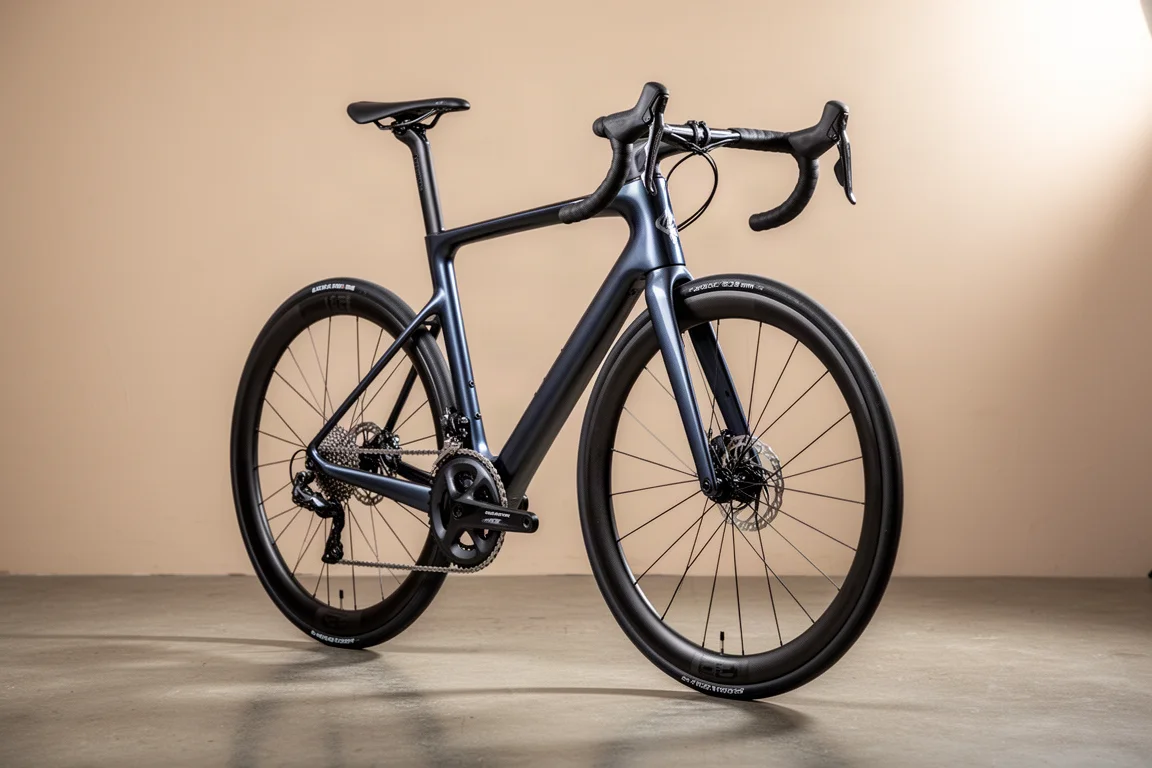
Orbea Orca: A Road Bike in Race Trim
The Orbea Orca covered the road end of the spectrum, running 28 mm tires in the configuration used for competitive group riding. Its clearest advantage showed up in acceleration. From a standing start it reached 30 km/h inside 10 seconds, while the gravel bike managed only 20 km/h in the same window at a comparable power output. Neither bike reached the 45 km/h target on the day, but the road bike worked through the speed range noticeably faster.
The climb was the surprise. The road bike was expected to pull clear given its lower weight and narrower tires, yet the times were effectively identical. Reducing power by around 25 percent to a controlled effort kept the two bikes within the margin of error, which suggests that weight is less decisive on this style of climb than many riders assume.
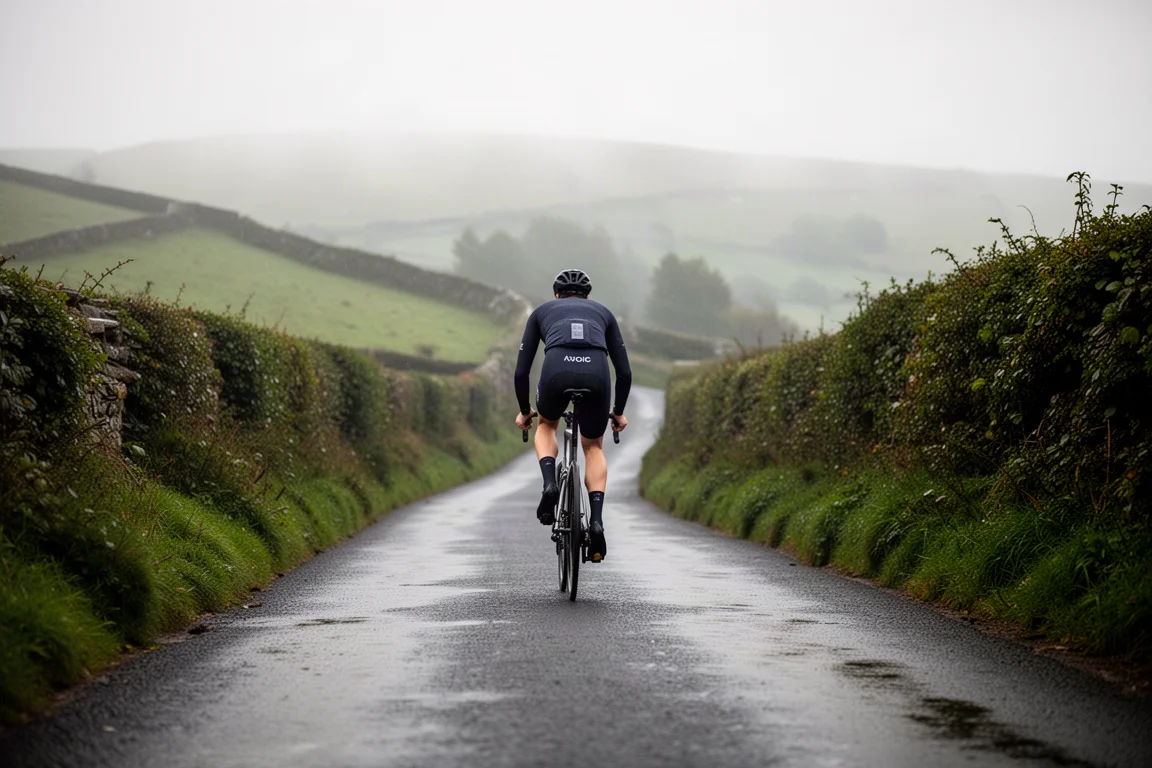
Where the extra weight of a gravel setup does tell is when the bike has to be brought up to speed from low velocity, and that cost repeats every time you leave a junction, a traffic light, or a corner.
What the Flat Comparison Showed
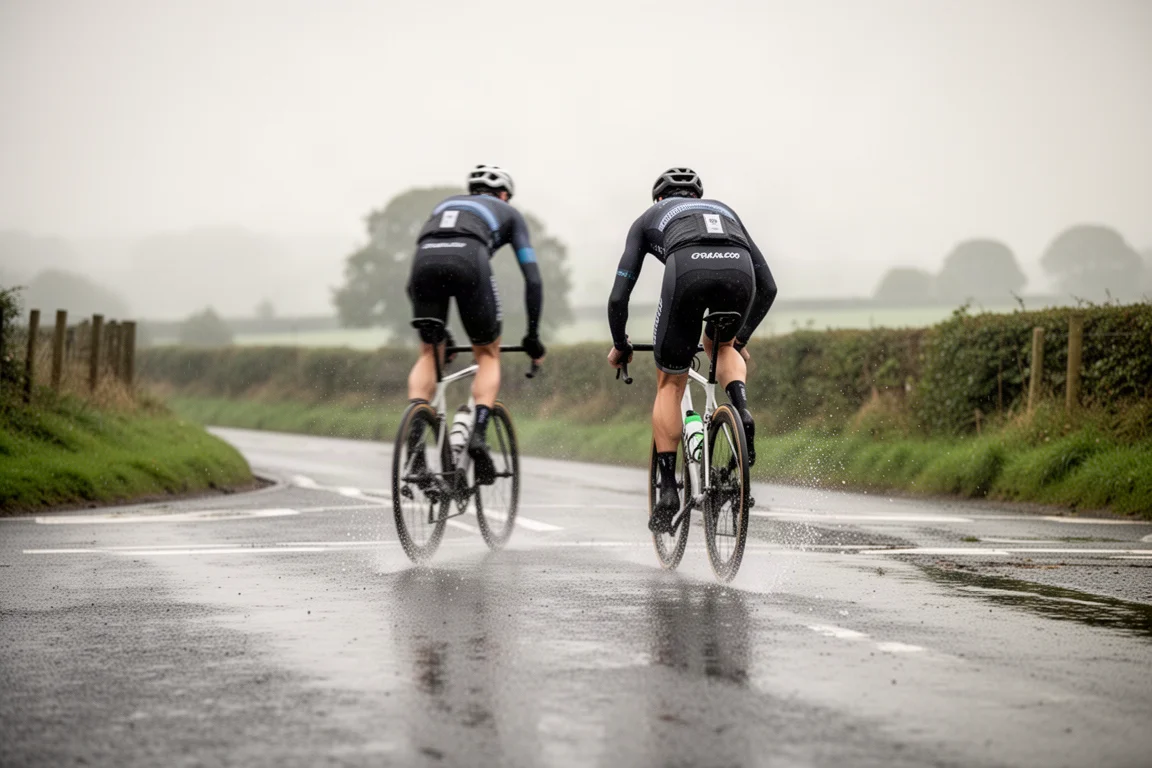
On flat ground, the two bikes separate according to how hard you are riding. At relaxed endurance speeds the effort required was practically identical, which is good news for anyone whose riding is steady and unhurried rather than performance driven.
As speed rises, the gaps widen. The gravel bike needed more power to hold the same pace at high speed, and the effort felt noticeably harder, requiring a more tucked position to maintain momentum. Over a long ride at a brisk pace, that difference is the difference between holding a wheel and losing it.
What the Climb and Sprint Tests Showed
The climb produced the least expected result of the day. Both bikes completed the roughly 600 metre ascent in effectively the same time, and even after reducing the power output by about a quarter the gap stayed inside the margin of error. Weight turned out to matter far less on this kind of gradient than the extra kilograms might suggest.
Acceleration told the opposite story. From a standing start the road bike hit 30 km/h in 10 seconds, while the gravel bike was only at 20 km/h after the same 10 seconds for a comparable power number. Both finished with similar top-end speeds, but getting the heavier bike moving took noticeably more energy.
Add up every stop, restart, and slow corner of a long ride and that acceleration penalty accumulates into real fatigue.
Where the Differences Add Up Over a Long Ride
Take the individual results and stretch them across a typical ride, and the pattern becomes clear. Steady, low intensity riding on a gravel bike costs little in extra energy compared with a road bike. Push toward race pace, chase a fast group, or spend hours at high speed in the wind, and the gravel setup asks for more power and more concentration to stay in contact.
Tire choice is the lever that changes all of this. Moving to thinner, faster rubber on a gravel frame can recover a useful amount of that lost efficiency without giving up the versatility that made the bike appealing in the first place.
Buying Advice
The honest conclusion is that the answer depends on how you ride rather than which category wins on paper.
If your riding is relaxed, social, and mostly at moderate speed, a gravel bike will not cost you meaningful energy compared with a road bike, and it opens up surfaces a road bike simply cannot handle. If you race, chase fast group rides, or simply want to go as fast as possible, a road setup will reward that intent with quicker acceleration and less effort at high speed.
The middle ground is worth considering too. A gravel bike with a second, faster wheelset or thinner tires can narrow the gap considerably while keeping the frame you already enjoy riding. Match the bike to the pace you actually ride at, and the choice becomes straightforward.
Conclusion
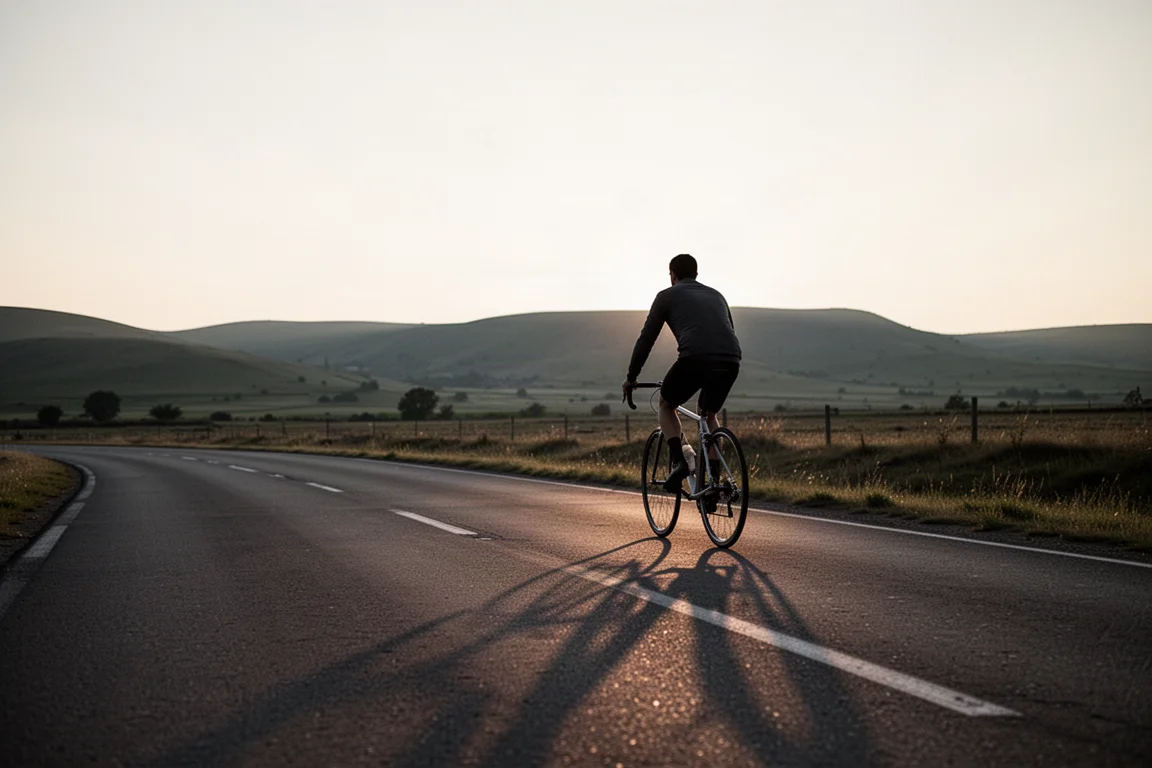
The gravel bike was not the slow option many riders expect it to be. At easy endurance pace the two bikes demanded practically the same effort, and on a steady local climb they finished within the margin of error of each other.
The differences appear when speed and acceleration matter. A road bike gets away from a standstill faster, holds high speeds with less power, and gives away nothing on weight-sensitive terrain. A gravel bike trades a little of that efficiency for reach across surfaces and easier gearing. Choosing between them comes down to the kind of riding you genuinely do most often, and whether you are willing to swap tires to close the gap.
Further reading
Related Reviews
Cycling
2026 Bike of the Year and the Cycling Gear Worth Watching
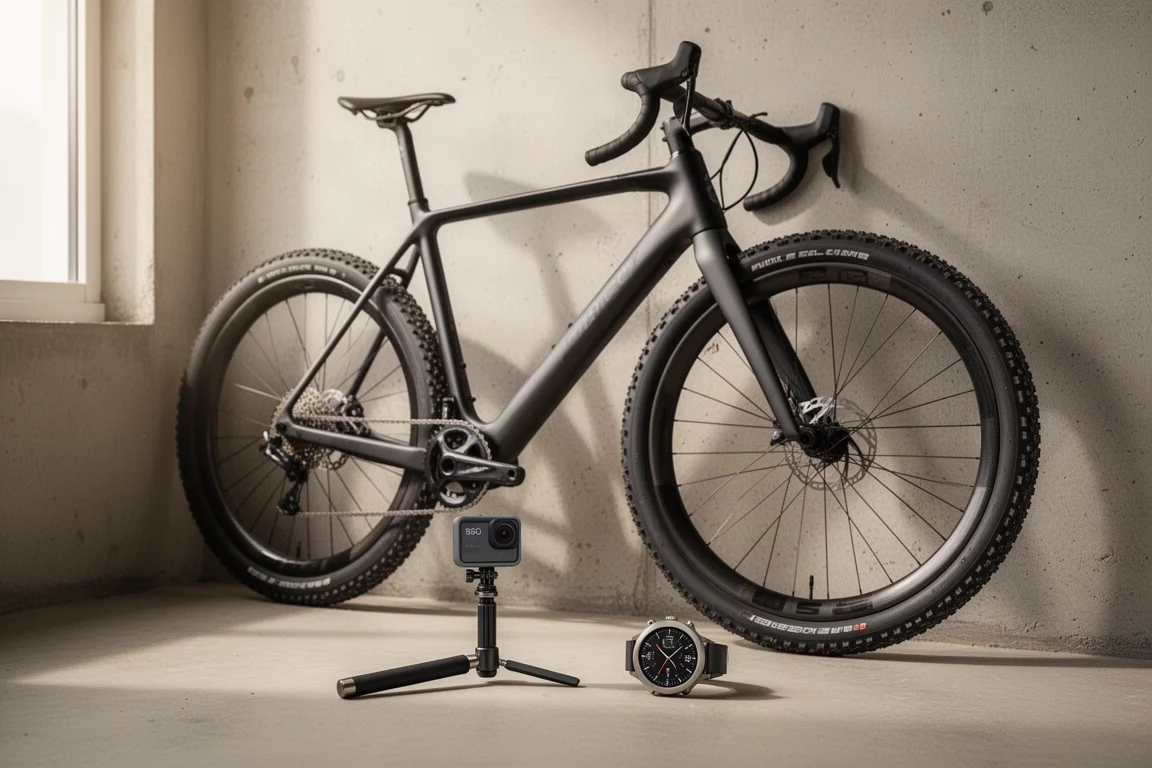
A drop bar roundup for 2026 covering the Ridley Kanzo Fast 2.0, Shimano Dura-Ace Di2 R9300, Trek Checkpoint ALR Gen 3, Specialized Tarmac SL9, Garmin Fenix 9 and Insta360 X6.
Cycling
Best All-Road Bikes 2026: Six Versatile Endurance Road Bikes Worth Considering
A practical look at six all-road and endurance road bikes, from lightweight carbon speed machines to steel all-rounders and comfort-focused mile eaters.
Cycling
Best All-Road Bikes 2026: 8 Endurance Bikes for Road and Light Gravel
Eight all-road bikes that blur the line between endurance road and light gravel, compared on tire clearance, ride character, practicality, and value.