Outdoor Apparel
GrapheneX Aerograph Puffer Review: A Jacket That Gets Warmer as It Gets Colder
The Aerograph Puffer uses aerogel-infused insulation that self-adapts to dropping temperatures, aiming to replace two jackets with one.
Introduction
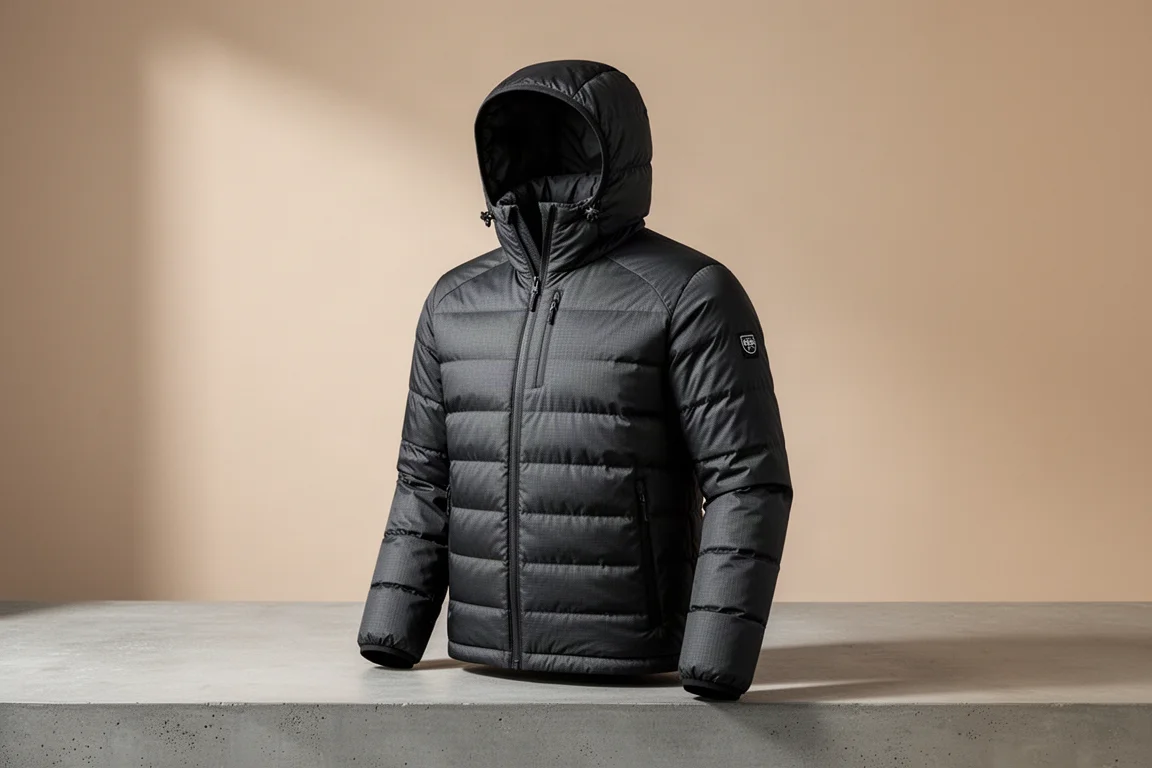
GrapheneX has built a reputation for packing advanced materials into everyday outdoor gear, and the Aerograph Puffer is its most ambitious example yet. The headline claim is unusual: the insulation expands as the temperature drops, so the jacket genuinely gets warmer as the weather gets colder, with no intervention, no power, and no maintenance. It is a two-in-one approach to cold-weather clothing, pitched for anything from around 15°C down to -20°C.
Who This Jacket Is For
Extremely cold-weather jackets are usually a niche purchase because they are too warm and too bulky for most of the year. That is precisely the problem the Aerograph Puffer targets. If your climate swings between mild autumn days and genuine winter cold, a jacket that adapts on its own removes the need to own and carry two separate pieces.
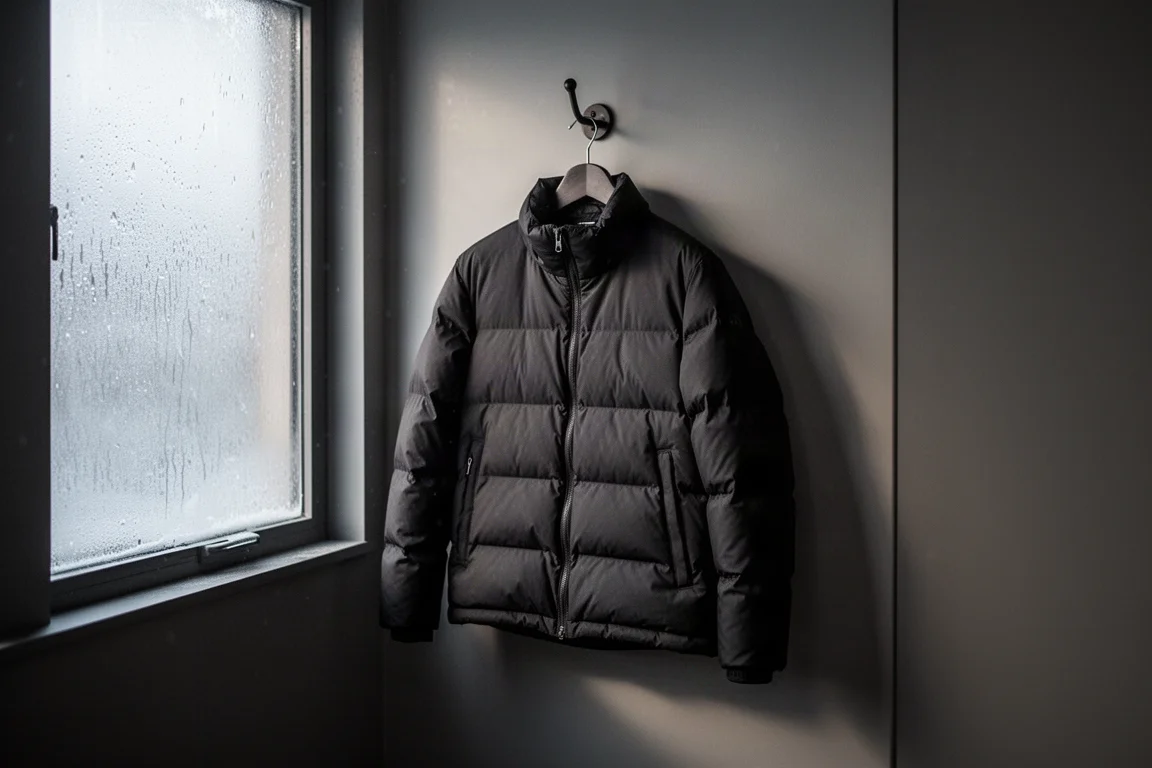
GrapheneX is no newcomer here either. Its Granite Midlayer and Nomad packable waterproof jacket already serve as daily and travel staples, and the brand has run successful Kickstarter campaigns that have attracted more than 12,000 backers across its product range.
How the Self-Adapting Insulation Works
The core technology is aerogel, a man-made material that is the lightest solid on Earth and is made of up to 99% air. It is already used by NASA and for compact thermal insulation on undersea pipelines and planetary spacecraft. In this jacket, the aerogel-infused material is part of a five-layer lamination sandwiched between two layers of graphene integrated fill.
When the temperature falls, the air inside the aerogel layer contracts. That contraction creates rigidity in the material, forming tubes that add an extra insulating layer of air within the jacket. When it warms up, the tubes flatten and the extra insulation disappears. In practical terms, the warming capacity shifts between roughly the equivalent of an FP650 down jacket and an FP900 down jacket. For context, a premium Canada Goose puffer sits in the middle of that range at FP750.
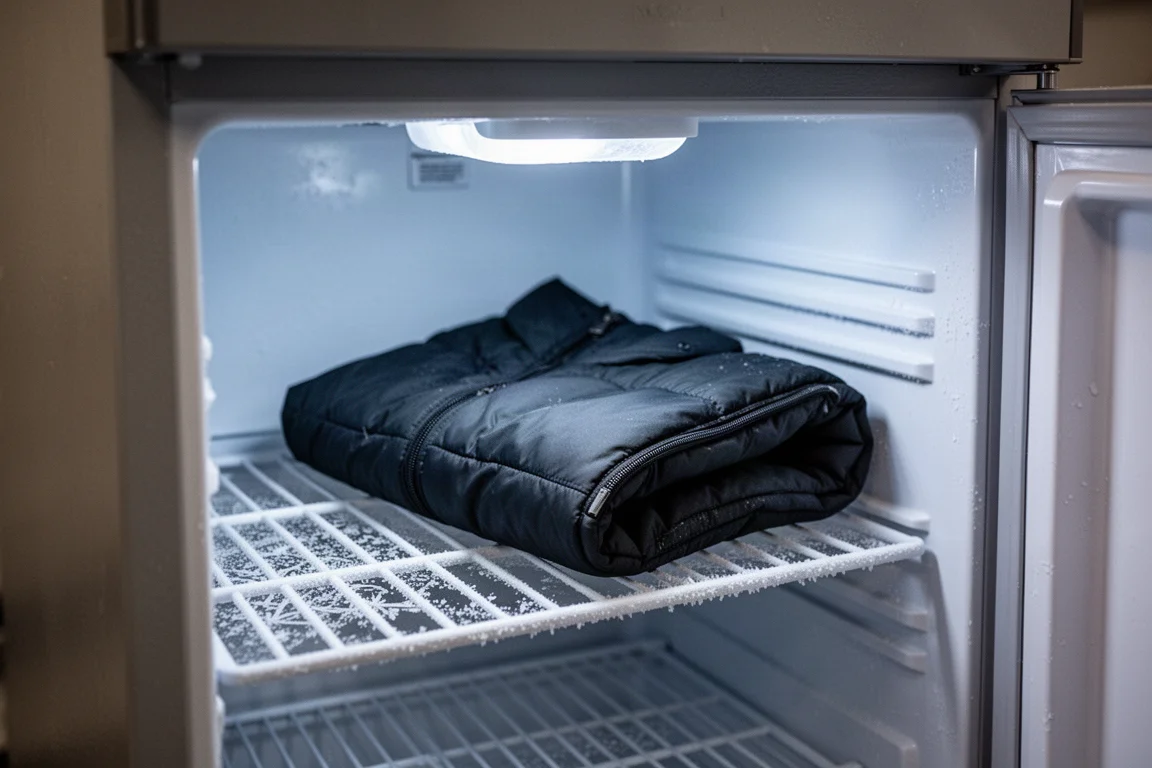
This all happens passively, without electronics or any input from the wearer, which is what makes it genuinely practical rather than a gimmick.
Warmth That Survives a Downpour
Beyond the aerogel layer, the jacket carries 160 grams of graphene integrated fill, the same fill found in the lighter Granite Midlayer. This fill is noted for its warmth-to-weight ratio and, importantly, it continues to insulate even when wet or damp, which is where down jackets often struggle.
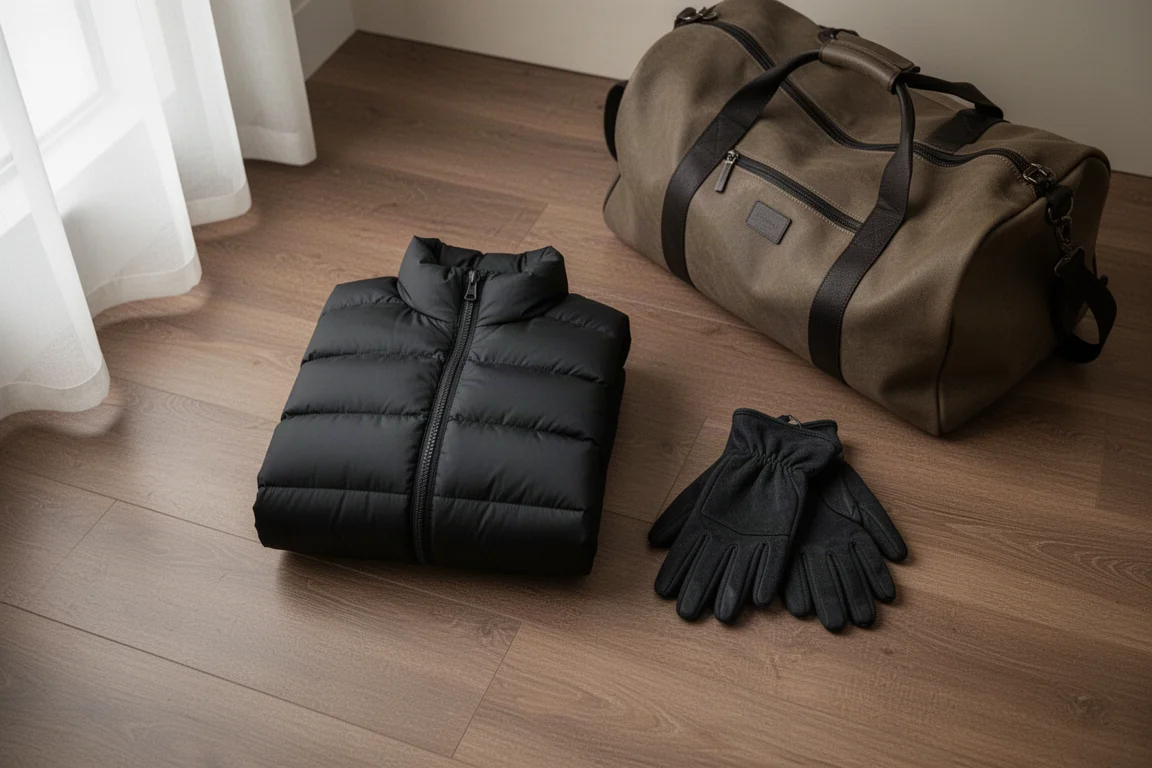
The outer shell is a bio-based ripstop nylon made from renewable sources, 48% of it starch, and the jacket has a PFC- and PFA-free water repellent coating for light rain. GrapheneX is a climate neutral company, and that environmental focus runs through the whole build. For heavy rain, a fully waterproof outer layer is still the right call.
Design and Everyday Features
The details are thoughtfully done. The jacket is packable and compresses to a surprisingly compact size, useful for travel or campervan storage. It has two zipped front pockets with soft lining, two large stretchy inner open pockets, and a concealed inner zip pocket for valuables.
The fully insulated hood is described as RFE, or Ready For Everything, and it feels extremely cozy. All zips are YKK, with a chunky main zip that opens from both the top and the bottom for better ventilation and access. Elasticated cinch cords on the hem and hood are being refined for the final version. A black-on-black embroidered logo sits on one side, with a Velcro patch on the other so you can add your own.
Things to Consider Before Buying
The Aerograph Puffer was still a pre-production prototype at the time of this hands-on look, so extreme cold performance has not yet been independently tested. The build quality and the proven graphene fill inspire confidence, but the aerogel layer in genuinely brutal conditions still needs a full winter test. Buyers should also keep in mind that a jacket this warm, even adaptive, will not replace a waterproof shell in sustained heavy rain.
Buying Advice
The Aerograph Puffer is expected to retail at around $400, roughly a third of the price of a comparable premium Canada Goose puffer. Kickstarter backers can expect a much lower launch price of around $250, which is strong value for a jacket with this kind of material innovation. GrapheneX backs the build with a lifetime guarantee, and its track record with earlier products supports that promise.

If you mostly face moderate cold and want one jacket to cover autumn through deep winter, this adaptive approach makes a lot of sense. If you prefer to buy at retail rather than back a campaign, waiting for the production version at the end of the year is the safer route.
Conclusion
The Aerograph Puffer is a genuinely novel take on cold-weather insulation: aerogel-infused lamination that thickens in the cold and relaxes in the warm, effectively giving you two jackets in one. Combined with graphene fill that insulates when wet, sustainable shell fabric, quality YKK hardware, and a lifetime guarantee, it looks like one of the more interesting outerwear launches of the year. Confirmation of its extreme cold credentials will come with full winter testing, but the fundamentals are promising.
Product link
View more details for GrapheneX Aerograph Puffer
This product is mentioned in the review. Check the specifications, options, and compatibility before buying.
View more details for GrapheneX Aerograph PufferFurther reading
Related Reviews
Outdoor Apparel
Arc'teryx Atom LT Review: A Lightweight Synthetic Mid-Layer Built for Movement
A close look at the Arc'teryx Atom LT, a breathable synthetic mid-layer with Coreloft insulation, fleece side panels, and a helmet-compatible hood.
Outdoor Apparel
Fjällräven Vidda Pro Ventilated Trousers Review: Tough Trekking Pants With Two Long Vents
A detailed look at the Fjällräven Vidda Pro Ventilated trousers, covering the G-1000 fabric, side ventilation zips, pocket layout, sizing, and the trade-offs to weigh before buying.
Outdoor Apparel
Helicon Tex Windrunner Review: An 8-Ounce Nylon Wind Shirt at $70
A close look at the Helicon Tex Windrunner, an ultra-light nylon anorak with strong ventilation, a $70 retail price, and a sizing chart that runs large.