Phono Cartridges
Grado Epoch 3 Review: A Flagship Phono Cartridge, Up Close
A close look at the Grado Epoch 3 phono cartridge, how it is built, how it compares with the affordable Grado Platinum 3 and a long-serving reference cartridge, and what to check before buying.
Introduction
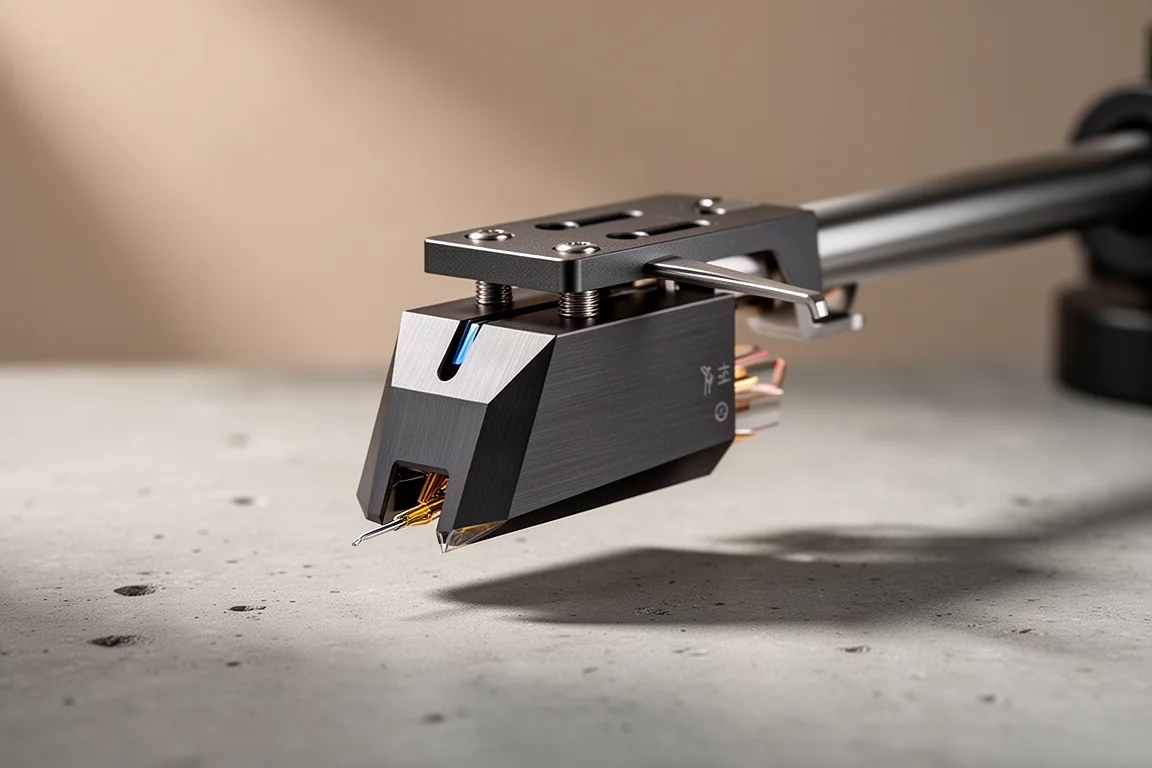
The Grado Epoch 3 is the most expensive cartridge the Brooklyn family firm has ever built, priced at $12,000. It exists because John Grado, who has been around cartridge making since he was twelve years old, wanted a design that could stand alongside the costliest cartridges on the market rather than sit politely below them.
Grado’s story starts with Joe Grado in 1953, and John Grado has spent his working life in the same factory, building cartridges and later headphones. The Epoch 3 is the first time that accumulated experience has been pointed at a no-compromise flagship. It is assembled personally by John Grado together with his son Matthew, and it uses a new magnet system, different shielding from the rest of the range, and a stylus shape that appears nowhere else in the line.
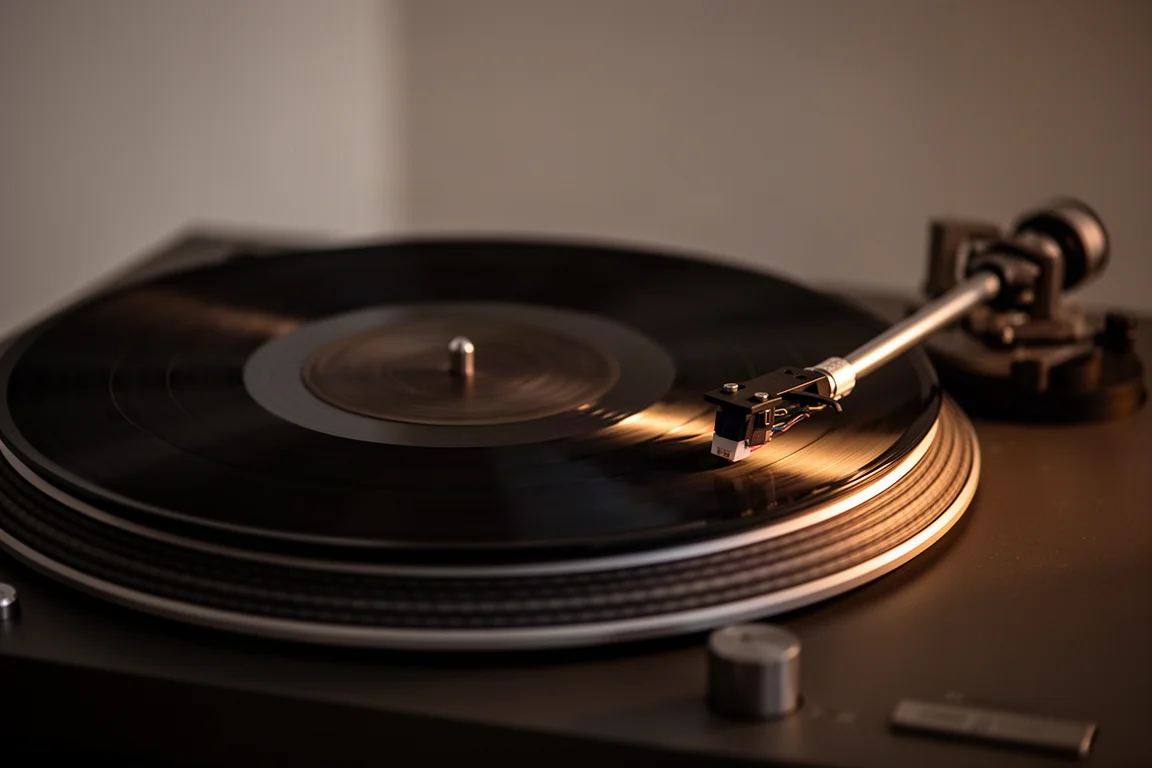
What that translates to on a record is a presentation that feels unusually immediate. The point of this article is not to talk anyone into a $12,000 purchase. It is to explain what the Epoch 3 actually does, where it separates itself from Grado’s far more affordable cartridges, and which listeners should even put it on a shortlist.
Who the Grado Epoch 3 Is For
The Epoch 3 suits listeners who already own a resolving analogue front end and want the cartridge to be the component that pulls the most information out of a record. Its character is built around detail retrieval and dynamic scale rather than a soft, forgiving warmth.
It is a low-output design, equivalent in practice to a moving coil, so it needs a phono stage with enough gain and a good electrical match. Paired with a Parasound JC3+ using a moving coil input fixed at 47k loading, the match proved ideal.
It also does not demand an exotic turntable. The Epoch 3 was run on a Technics SL-1200G, a roughly $4,000 deck that costs a fraction of the SME Model 15 and SME V tonearm combination it replaced, and the cartridge’s character came through regardless.
Main Strengths
Detail retrieval is the headline. The Epoch 3 surfaces more and more information from a record, including elements of familiar recordings that had not been audible before. On a dense orchestral score, the difference was not subtle: passages that sounded congested elsewhere arrived with each layer clearly separated.
Dynamics and transients are the second pillar. The same recording grew bigger and more dynamic, with high-frequency resolution and transient clarity that stood out immediately. Percussion in particular gained a speed and definition that made a long-serving reference cartridge sound relatively polite and damped down by comparison.
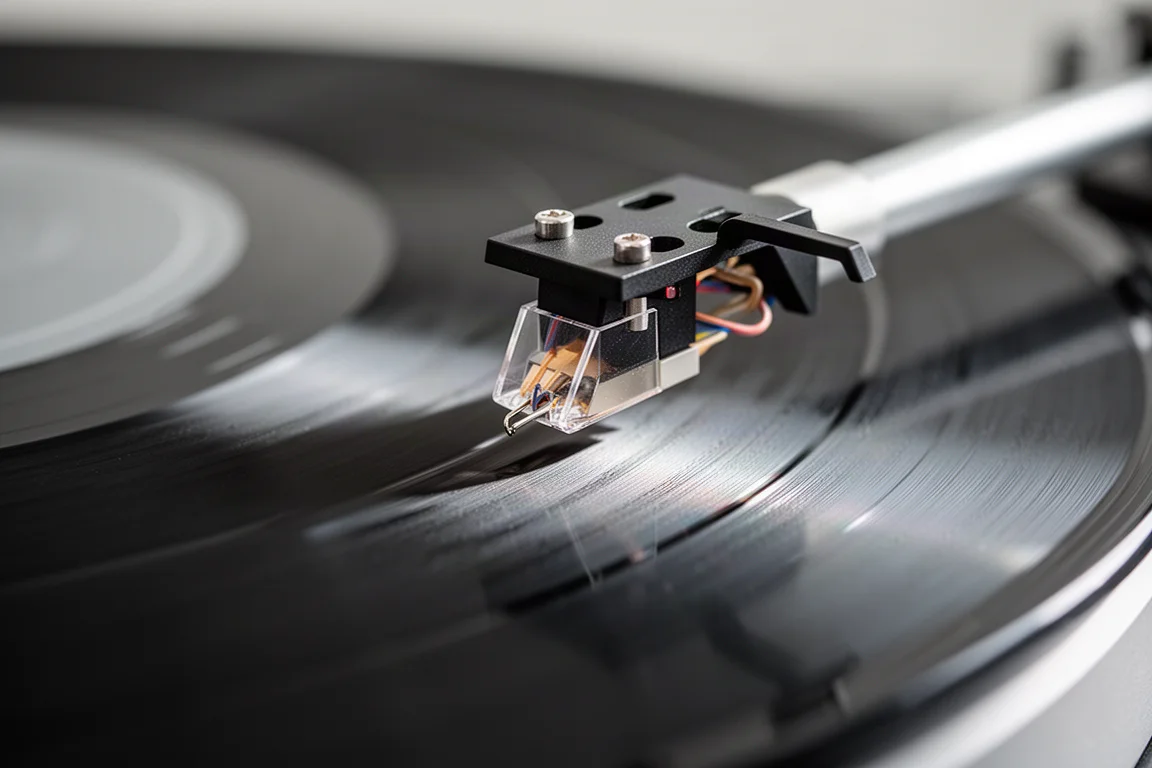
There is also a pronounced sense of power. The Epoch 3 gives the impression that a more powerful amplifier has been substituted or that the volume has been raised, even when nothing else in the system has changed. Dynamics hit harder and the music simply feels more alive.
The cumulative effect is a closer approach to the original event. Studio takes and stage recordings feel more present, as though the performance has been brought forward rather than replayed.
How the Epoch 3 Compares With the Grado Platinum 3
The Platinum 3 is the other Grado cartridge in this story, and at $400 it costs a small fraction of the flagship. Sonically the two share surprisingly little. The Epoch 3 is defined by detail retrieval, while the Platinum 3 is noticeably more sedate, with less dynamic range and lower resolution.
Taken on its own merits, though, the Platinum 3 is genuinely enjoyable. It trades maximum detail for warmth, body and a generous, welcoming character, and it reaches out and embraces the listener rather than dissecting the record. It does not sound like a typical $400 cartridge: there is more soul, more warmth and more energy in the way it plays. It is a feel-good machine rather than an analytical one.
The practical way to think about it is that the Epoch 3 is an extreme version of the same philosophy, pushed as far as Grado could take it. There are also many models between the two in the range, so the Platinum 3 is not the only affordable step on the ladder.
How the Epoch 3 Compares With the Ortofon Cadenza Blue
The Cadenza Blue is a low-output moving coil cartridge and has served as a long-term reference point, which makes it a useful comparison. Through the same system and the same recording, the Cadenza Blue sounded refined and composed, almost polite next to the Epoch 3.
The Epoch 3 went bigger and more dynamic, with high-frequency detail and transient speed the Cadenza Blue could not match on that material. The distinction is one of perspective: the Cadenza Blue presents a very good recording, while the Epoch 3 presents the performance that was captured in it.
Neither presentation is wrong, and that difference does not make the Cadenza Blue a poor cartridge. It remains a refined, easy-to-live-with design whose character is simply more restrained. What the comparison clarifies is what the Epoch 3 is actually selling: not a gentler version of a familiar sound, but a more forceful and more detailed window onto the same record.
Things to Consider Before Buying
Price is the obvious consideration. At $12,000 the Epoch 3 is out of reach for almost every listener, and it is worth being straightforward about that rather than treating it as a sensible upgrade path.
Phono stage matching matters just as much. The Epoch 3 is a low-output cartridge, so it needs a phono stage with sufficient gain and a good match. A moving coil input fixed at 47k loading worked ideally in this system, but it is worth confirming compatibility before committing.
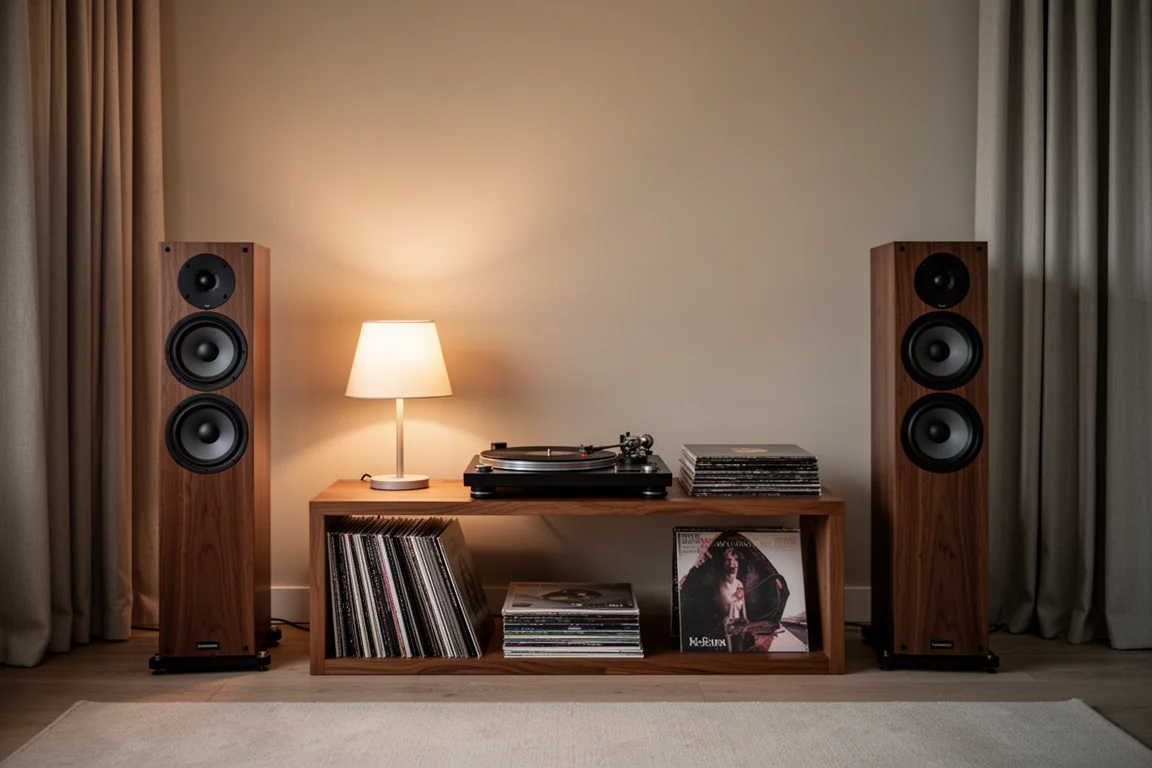
System balance deserves a thought as well. The Epoch 3 performed convincingly on a $4,000 turntable, so an expensive cartridge does not automatically require an equally expensive deck. The rest of the system still needs to be resolving enough, and the speakers in this setup, a pair of Klipsch Cornwall, had no trouble communicating what the cartridge was doing.
Finally, the Epoch 3 is not a subtle upgrade. The changes in detail, dynamics and transient speed are audible from the first record, which means it rewards listeners who want that specific kind of intensity rather than a gentle refinement of what they already have.
Buying Advice
For most vinyl listeners, the sensible move is to start at the affordable end of the range. The Platinum 3 at $400 delivers warmth, body and an enjoyable character that does not sound like a budget cartridge, and it is the model that makes Grado’s house sound genuinely accessible.
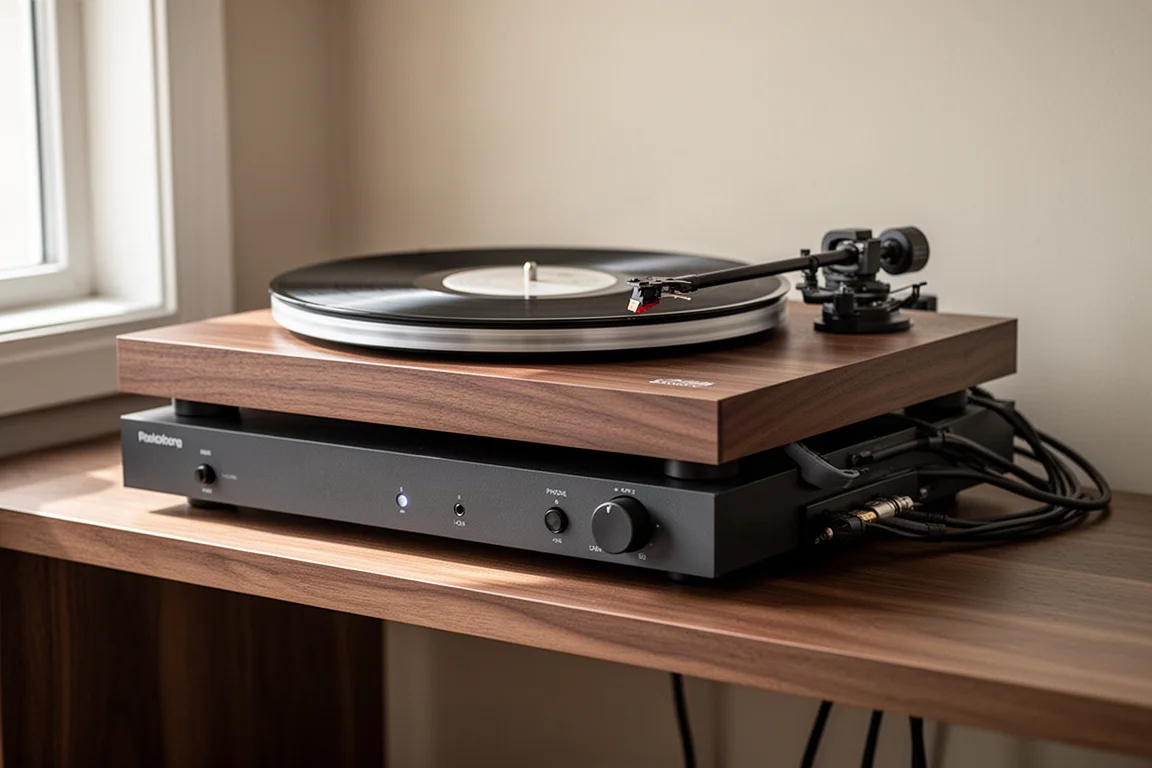
For listeners who already have a highly resolving system, a well-matched phono stage and the budget to spend, the Epoch 3 is the cartridge that shows how far the design can go. It is hand-built in small numbers, and its strengths are concentrated in exactly the areas that dedicated listeners tend to chase.
Both cartridges come from the same workshop and the same design philosophy, so the decision is really about how much resolution and dynamic scale a system and a budget can comfortably support.
Conclusion
The Grado Epoch 3 is an extraordinary cartridge: hand-built, low in output but generous in detail, dynamics and presence. At $12,000 it will remain a rare object, and it is not the right purchase for most listeners.
What makes it worth knowing about is that a version of the same character lives further down the range. The Platinum 3 at $400 offers a warmer, gentler take on the family sound and remains easy to recommend entirely on its own terms.
If the Epoch 3 is beyond reach, the useful takeaway is simply that Grado’s approach to cartridge design scales in both directions, and the affordable end of that range is where most listeners will find their best value.
Product link
View more details for Grado Epoch 3
This product is mentioned in the review. Check the specifications, options, and compatibility before buying.
View more details for Grado Epoch 3Further reading
Related Reviews
Phono Cartridges
DS Audio E1 Review: An Optical Cartridge That Reads Vinyl Differently
A close look at the DS Audio E1, a Japanese-made optical cartridge system that reads the groove with an LED and a photodiode, including what it does well and what to weigh before buying.
Phono Cartridges
EMIA Denon DL-103 and 103 SUT Review: More Music From an Iconic Cartridge
A modified Denon DL-103 moving coil cartridge paired with a purpose-built step-up transformer, plus how it compares with two other moving coil options.
Phono Cartridges
Five Phono Cartridges Compared: From a $69 Moving Magnet to a $2,150 Moving Coil
Five phono cartridges compared on the same turntable, from an affordable moving magnet to high-end moving coils, with the strengths and trade-offs of each.