Speaker Kits
GR Research X-LS Encore Review: Deep Soundstage for Under $1,000
A kit speaker that pairs a smooth, non-fatiguing tone with a soundstage that punches well above its price, provided you are ready for a more demanding build.
Introduction
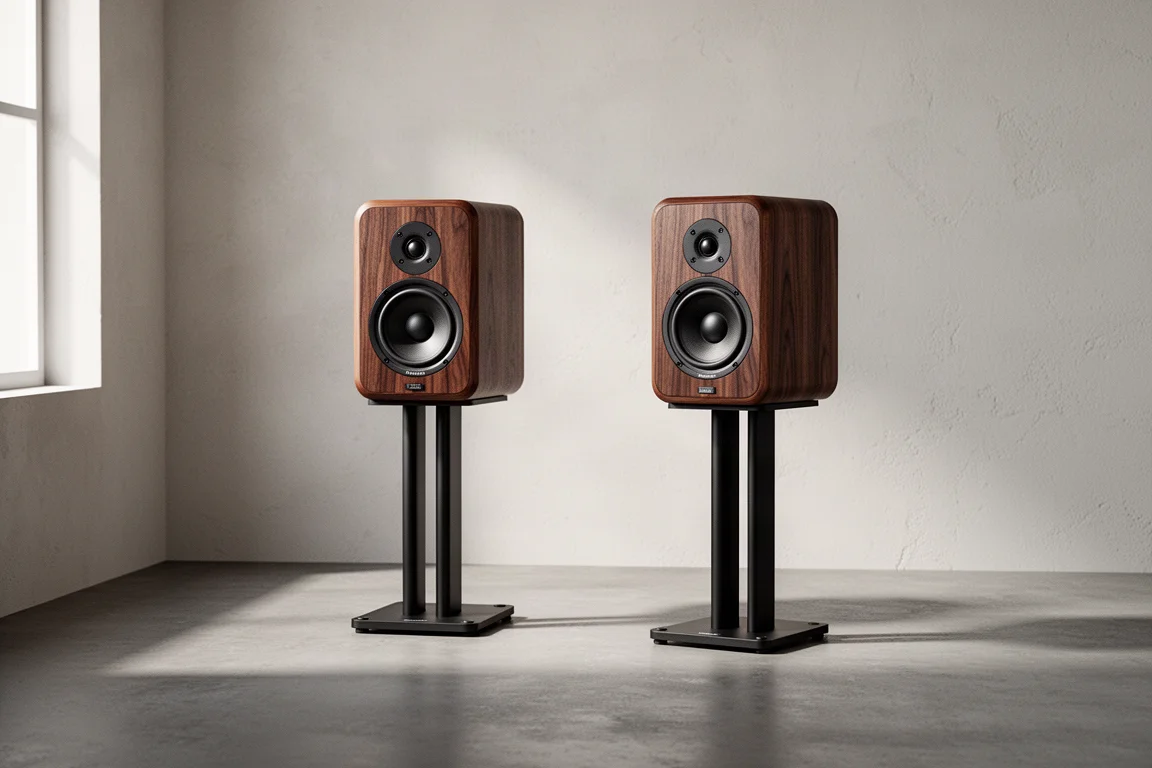
The GR Research X-LS Encore is a compact two-way kit speaker that has been put through blind A/B listening against considerably more expensive designs, including the Sonus Faber Elector and the CSS Audio 1TDX. It does not convert every listener, and it is not a giant killer in absolute terms, but even listeners who were lukewarm on its character tended to agree on one point: for under $1,000 as a kit, it sounds remarkable for the money.
That value comes with a condition. This is a build that asks more of the buyer than most kit speakers in its class, and the sound itself leans in a very specific direction. Here is what the X-LS Encore does well, where it asks for compromise, and who should consider it.
Who This Product Is For
The X-LS Encore makes the most sense for listeners who value a smooth, relaxed presentation over an exciting one. The midband and high frequencies are very smooth and never fatiguing, which makes long listening sessions easy. Listeners who gravitate toward jazz and acoustic material often respond strongly to this kind of voicing.
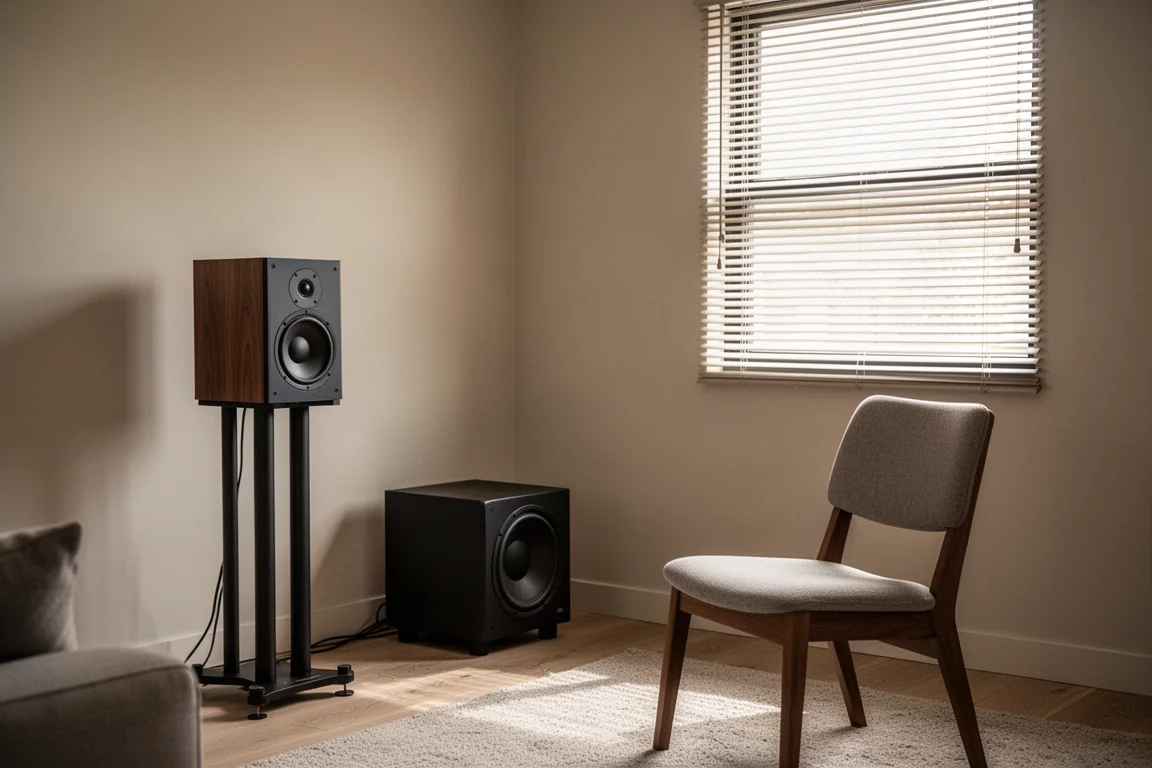
It also suits anyone with a small or medium room who can pull the speaker well out from the front wall. Depth is the speaker’s signature strength, and it rewards that placement generously.
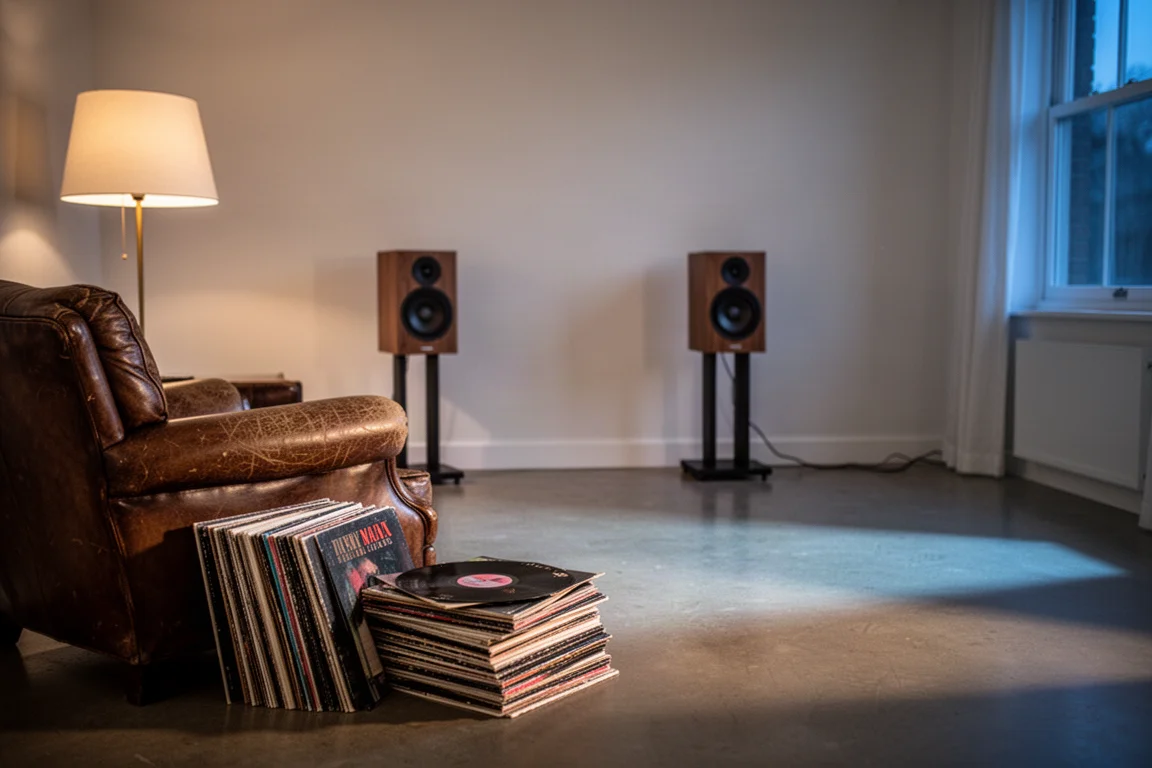
It is less suited to listeners who want a forward, energetic top end or who expect deep bass extension from a small cabinet. In a large or open-concept space, a subwoofer becomes a practical requirement rather than an optional upgrade.
Main Strengths
Two things separate the X-LS Encore from other speakers near its price: its tone, and its sense of space.
A Smooth, Laid-Back Tone
The midband and treble are smooth and easy, and nothing in the presentation shouts at the listener. Bass is textured and nuanced, though it does not reach as low as larger and more expensive standmounts, which is expected from a smaller cabinet and a smaller driver. At lower volumes, strings can lose some of their natural bite and impact; raise the volume and that bite returns. The overall tone stays soft, which is either the appeal or the drawback depending on taste.
Soundstage Depth That Punches Above Its Price
This is the part that genuinely exceeds the price category. Placed two to three feet from the wall, the speaker already produced convincing depth, with spatial cues that placed instruments well behind the front plane. Moved further out into the room, which is how the design is intended to be used, the depth becomes striking: wide, atmospheric, and closer to what is normally expected from high-end designs.
Room treatment matters here. Without a treated room the effect is reduced, though the speaker still sounds good. Given the space and the setup, imaging and depth are the headline.
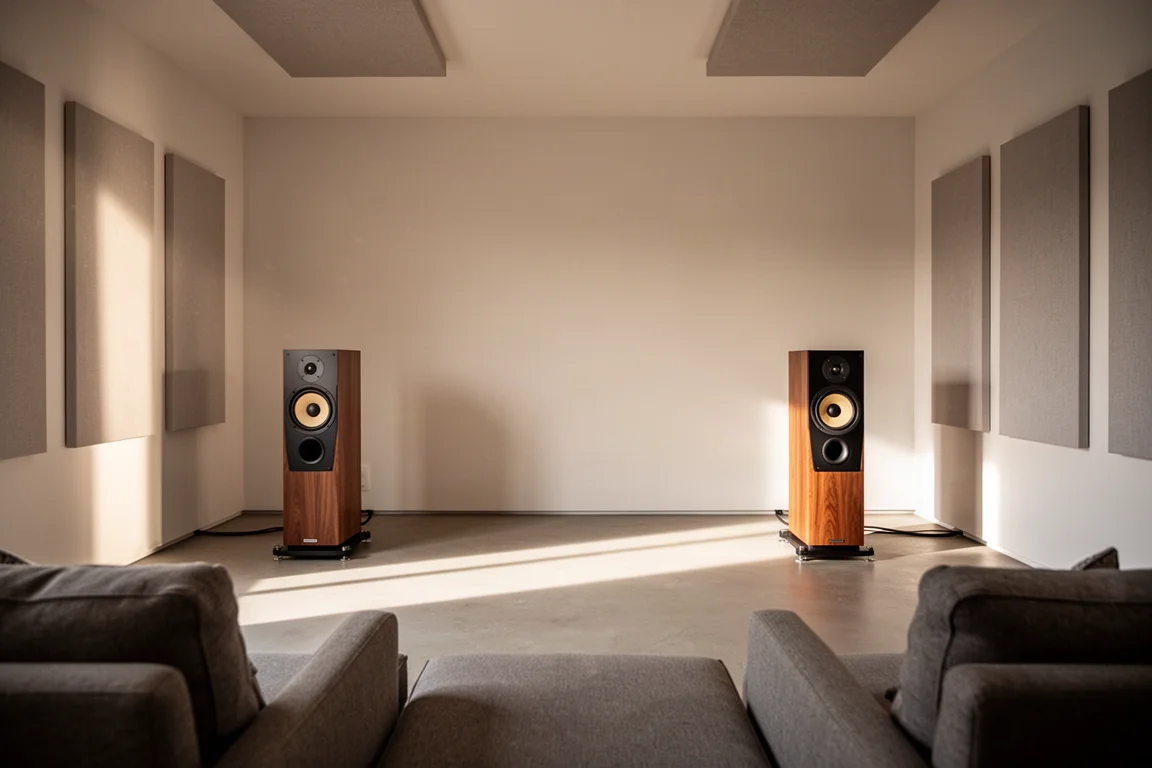
In practice, the trade-off is that this speaker wants room to breathe. Give it that space and the soundstage is the reason to buy it. Push it against a wall or into a shallow alcove and much of that advantage quietly disappears.
Things To Consider Before Buying
Kit Complexity and Assembly Demands
Unlike a flat-pack kit where the cabinet simply glues together, this build involves internal bracing and veneered corners, so woodworking skill or patience matters. The crossover also assumes more involvement: it is assembled from a schematic using point-to-point wiring and soldering rather than a guided, puzzle-style layout. Buyers who would rather not build can pay a third-party builder to assemble the cabinet and crossover, which naturally raises the total cost of the project.
Connectors, Drivers and Build Notes
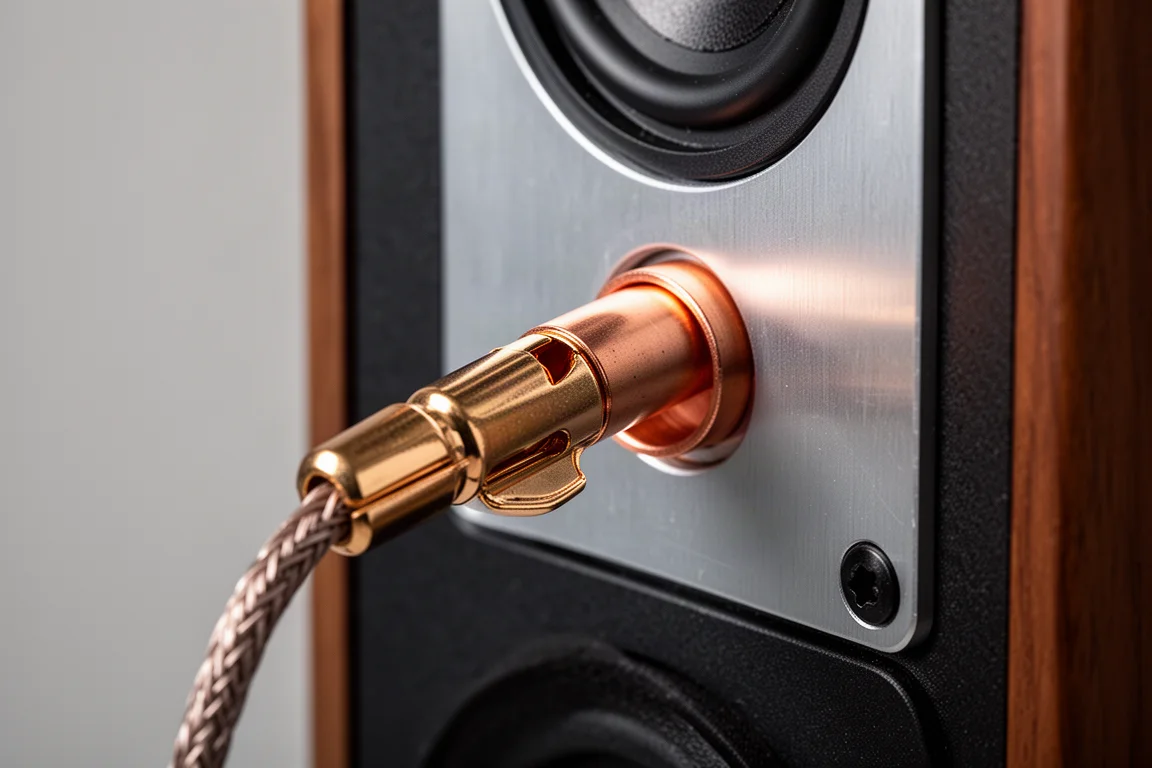
The recommended tube connectors are specific to GR Research. They are made of pure copper, and the design intent is to bring the connection as close as possible to a cable-to-cable join while reducing mass at the contact point. Two practical caveats are worth knowing: spade terminations cannot be used, and tolerance varies between individual connectors, so some fit snugly while others feel slightly loose. Standard binding posts remain an option for anyone who prefers them.
The drivers are relatively inexpensive and light, with a plasticky feel that is surprising at first glance. The designer describes the midwoofer as an excellent midrange driver rather than a true woofer, and the more expensive comparison speaker uses a stronger woofer. What matters is the result, and in this design the drivers sound excellent.
That combination is what keeps the kit cost low, and it is a deliberate trade rather than an oversight.
Amplifier Pairing and Power Needs
Amplifier matching changes this speaker more than most. With one reference integrated amplifier, the presentation felt compressed and soft. Switched to a Class D amplifier, it opened up: greater dynamic contrast, more top-end detail and sweetness without brightness, tighter and punchier bass, a more contrasty midrange, and better separation between instruments. A second amplifier also worked reasonably well with it.
Tube amplifiers add smoothness, vividness and a more holographic stage, but can make imaging less distinct, so the pairing is a matter of taste. Power matters too. This is not a highly sensitive speaker, and in practice at least 50 watts is a sensible minimum, with room size and listening habits pushing that figure higher.
Buying Advice
For a small or medium room, with the speaker placed away from the wall and driven by a capable amplifier, the X-LS Encore is a compelling proposition under $1,000. Buyers in a large or open-concept space should budget for a subwoofer from the start, because adding one transforms the bass response considerably.
Placement is worth experimenting with. Toeing the speakers directly toward the listening position, with the tweeter at ear height, gives the most precise imaging. A wider toe-out trades a little precision for a broader sweet spot, which helps when more than one person is listening.
The build itself is the other half of the decision. If you enjoy assembling a cabinet and wiring a crossover, the value here is excellent. If you would rather have someone else do it, factor that cost in before comparing the total against finished speakers.
Conclusion
The GR Research X-LS Encore is not the last word in absolute performance, and listeners who prefer a more forward, energetic sound will likely choose something else. What it offers is a smooth, non-fatiguing tone, a deep and wide soundstage that genuinely punches above its price, and a kit cost under $1,000.
If you have the room, the amplifier and the willingness to build, it is an easy speaker to recommend for the money. If any of those three are missing, it is worth understanding the trade-offs before committing.
Product link
View more details for GR Research X-LS Encore
This product is mentioned in the review. Check the specifications, options, and compatibility before buying.
View more details for GR Research X-LS EncoreFurther reading
Related Reviews
Speaker Kits
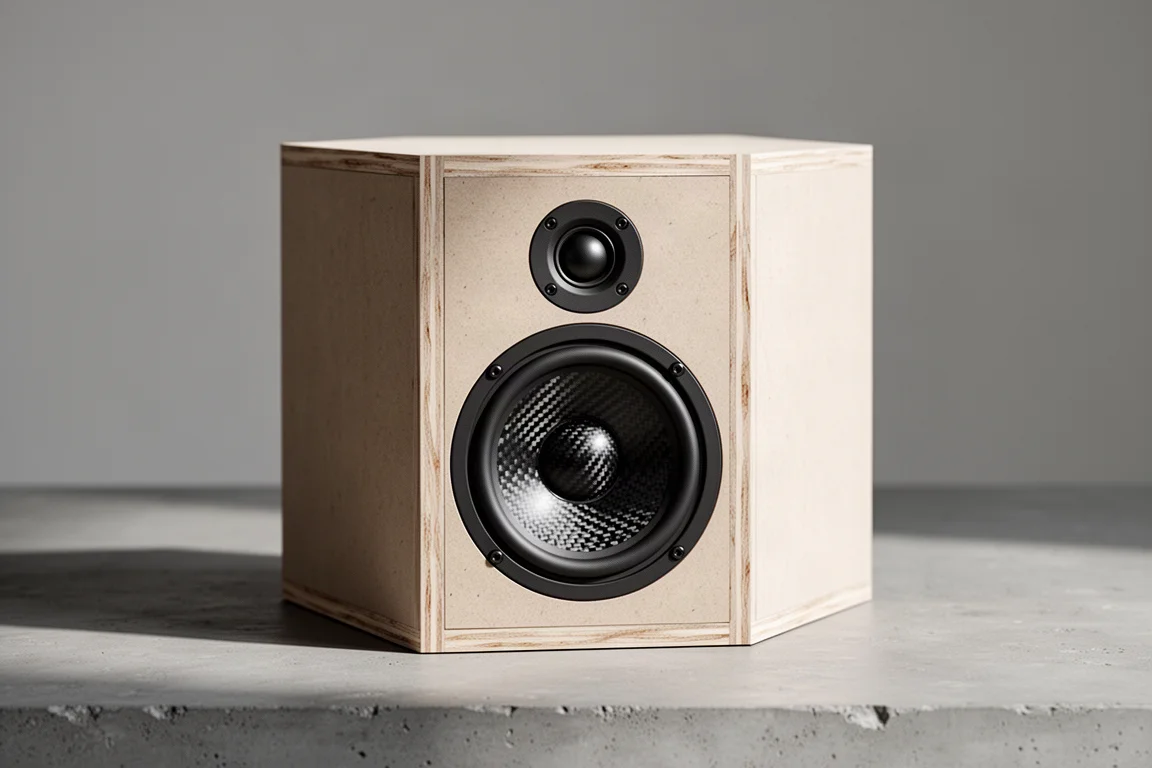
CSS Audio Torii Review: The Most Affordable CSS Audio Speaker Kit
The CSS Audio Torii is a compact two-way speaker kit with a labelled crossover board, an optional CNC flat pack, and bass that belies its cabinet size.
Speaker Kits
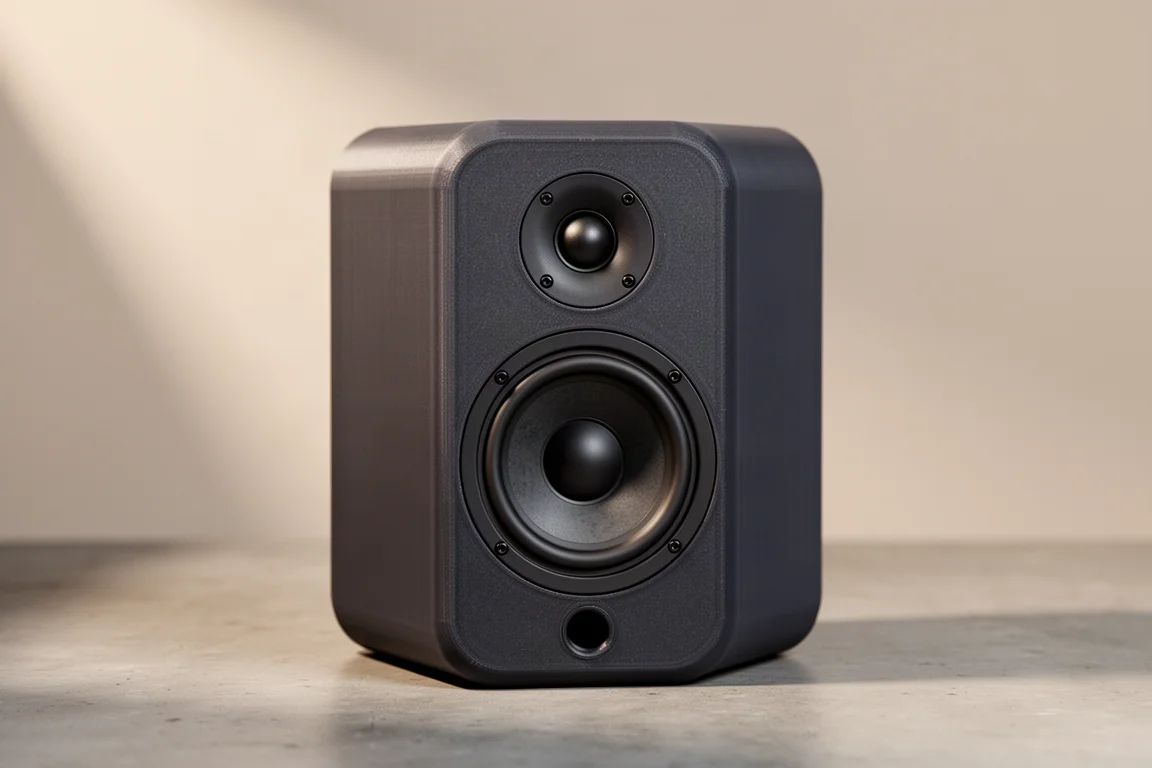
Deposition Sound FDM 5 Review: A 3D Printed Speaker Kit Worth Building
A close look at the Deposition Sound FDM 5, a 3D printed two-way bookshelf speaker kit with punchy bass, a very neutral mid-range, and a few clear trade-offs.
Speaker Kits
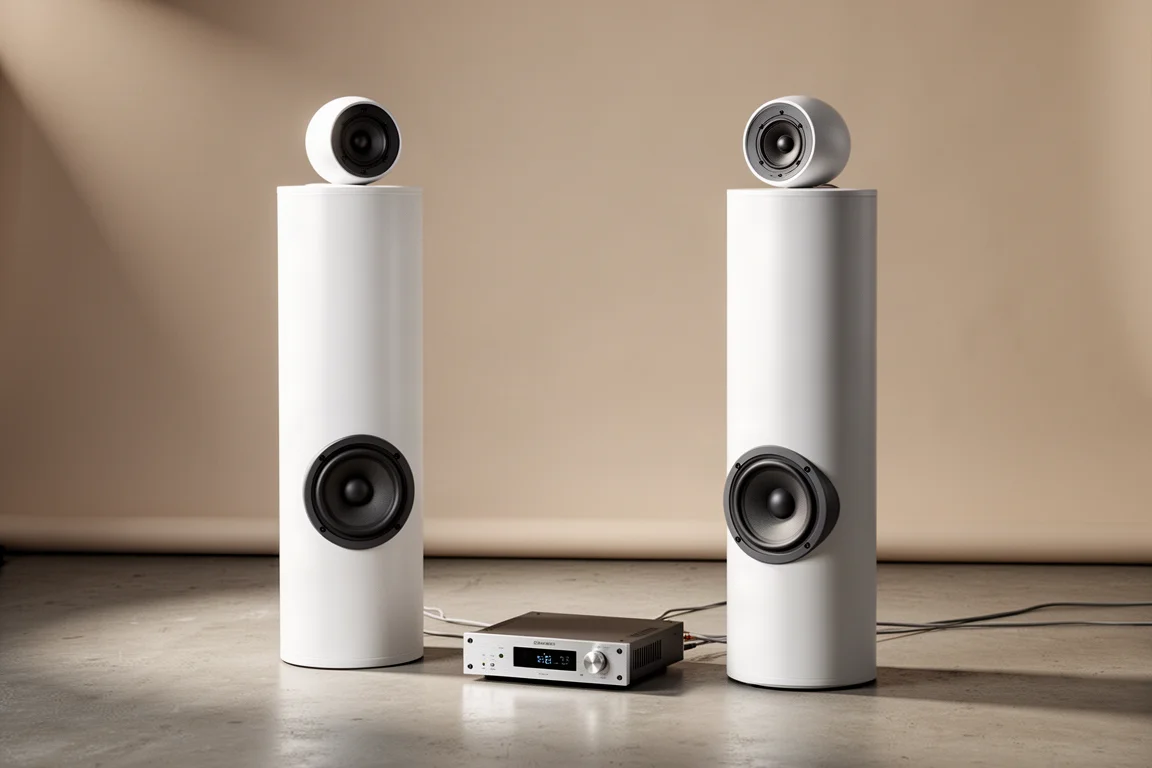
Linkwitz LX Mini Review: A Kit Speaker With an Unusually Expansive Soundstage
An active, DSP-tuned kit loudspeaker that trades plug-and-play simplicity for a soundstage few box speakers can match, along with the bass and build trade-offs worth weighing first.