Speaker Kits
Deposition Sound FDM 5 Review: A 3D Printed Speaker Kit Worth Building
A close look at the Deposition Sound FDM 5, a 3D printed two-way bookshelf speaker kit with punchy bass, a very neutral mid-range, and a few clear trade-offs.
Introduction
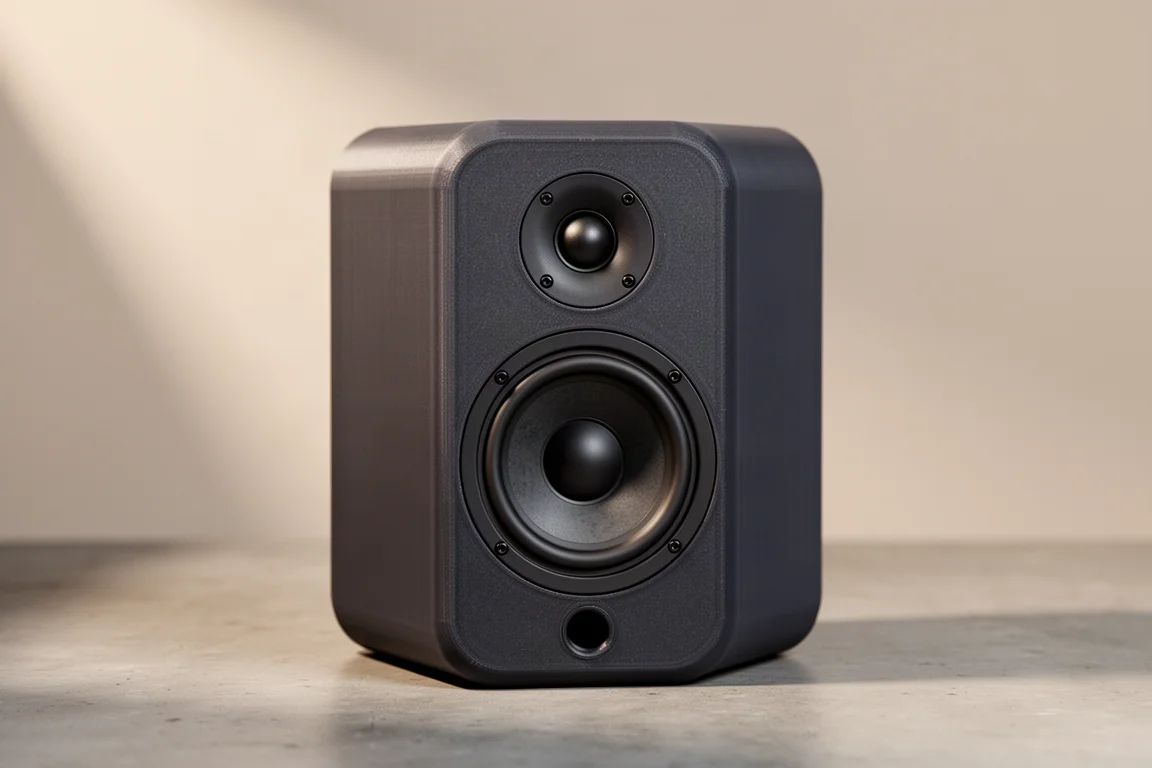
Speaker kits have long appealed to hobbyists who want the satisfaction of assembling their own pair without designing a driver from scratch. The Deposition Sound FDM 5 takes that idea in a different direction. Instead of plywood, the enclosure is 3D printed, which means the cabinet can take almost any shape you can model and print. The result is a compact two-way bookshelf speaker that arrives as a kit and ends up as a finished pair you can genuinely enjoy.
Deposition Sound offers three speaker kits, and the FDM 5 is the original. At under $200 for the kit, it sits within reach of most hobbyists, and the design decisions behind it are more considered than the price suggests.
Who the Deposition Sound FDM 5 Is For
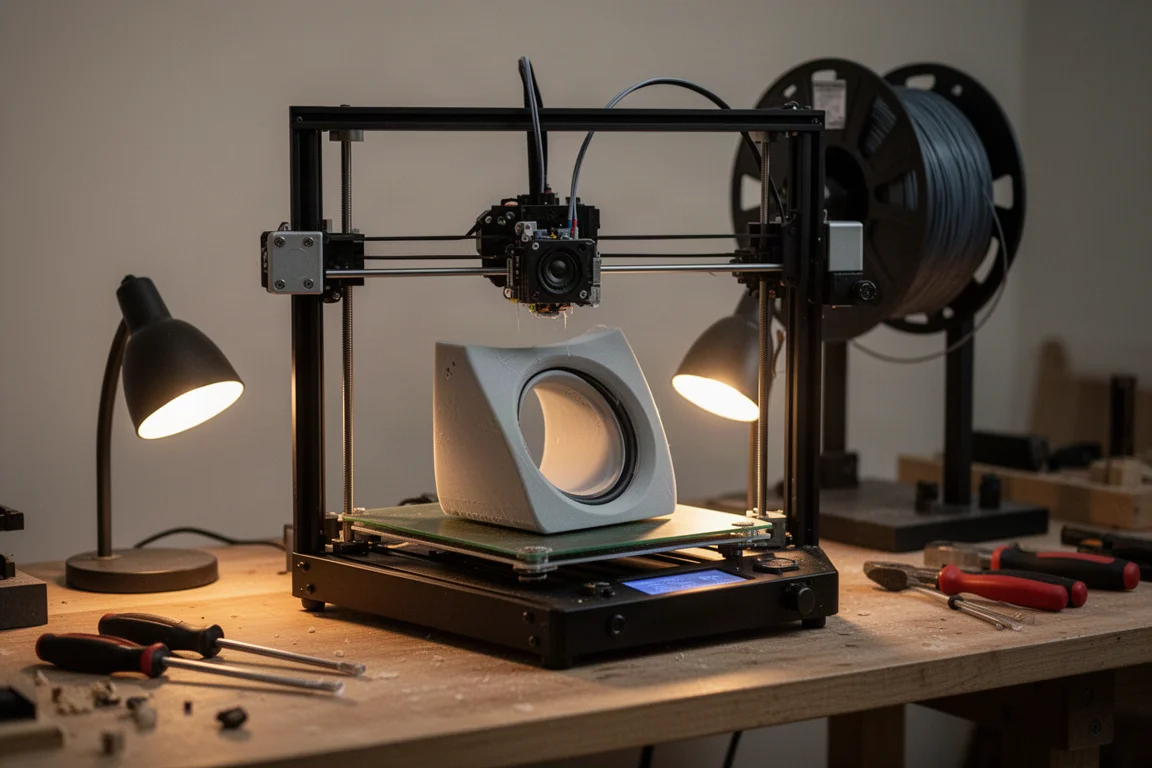
This kit is aimed at people who already own a 3D printer, or who have access to one, and who enjoy building things. Having no prior speaker kit experience is not a barrier. The process is closer to following a good recipe than to engineering a driver: you assemble the cabinet, wire up the crossover, mount the drivers, and then sit down and listen to something you made.
It also suits listeners who value a neutral presentation. The FDM 5 does not flatter weak recordings and does not add sparkle that was never in the mix. If your library leans toward jazz, acoustic material, and well-recorded classical works, that character works in your favour. It is a strong family project too, since printing and assembling a speaker with kids turns an afternoon into something they will remember every time the system is switched on.
Kit Contents and Crossover Design
The kit supplies a 5-inch high-excursion woofer and a 3/4-inch soft dome tweeter, and the enclosure is a ported design tuned to 47 Hz. Deposition Sound publishes the crossover schematic with the component values visible, which is unusual in a market where many kits keep that information private. The crossover itself sits on a tidy PCB with screw-down connectors for every wire, so assembly involves far less soldering than a typical kit.
The rated figures are a claimed frequency response of 50 Hz to 20,000 Hz at plus or minus 5 dB, 87 dB sensitivity, and a nominal impedance of 8 ohms. The cabinet measures 9.5 inches tall, 7.25 inches wide, and 9.82 inches deep, a compact footprint that still leaves room for a proper woofer and a small port low on the cabinet.
Bass Performance and Impact
Bass is where the FDM 5 makes its strongest case. Output is generous for a cabinet this size, and the tuning gives it real punch rather than a thin approximation of low end. Against the Sony SSCS5, a two-way bookshelf that sits at a lower price point, the FDM 5 hits noticeably harder around the 100 Hz region, where tracks with a strong rhythmic low end separate the two. With something like Intergalactic by the Beastie Boys, the extra slam is easy to hear.
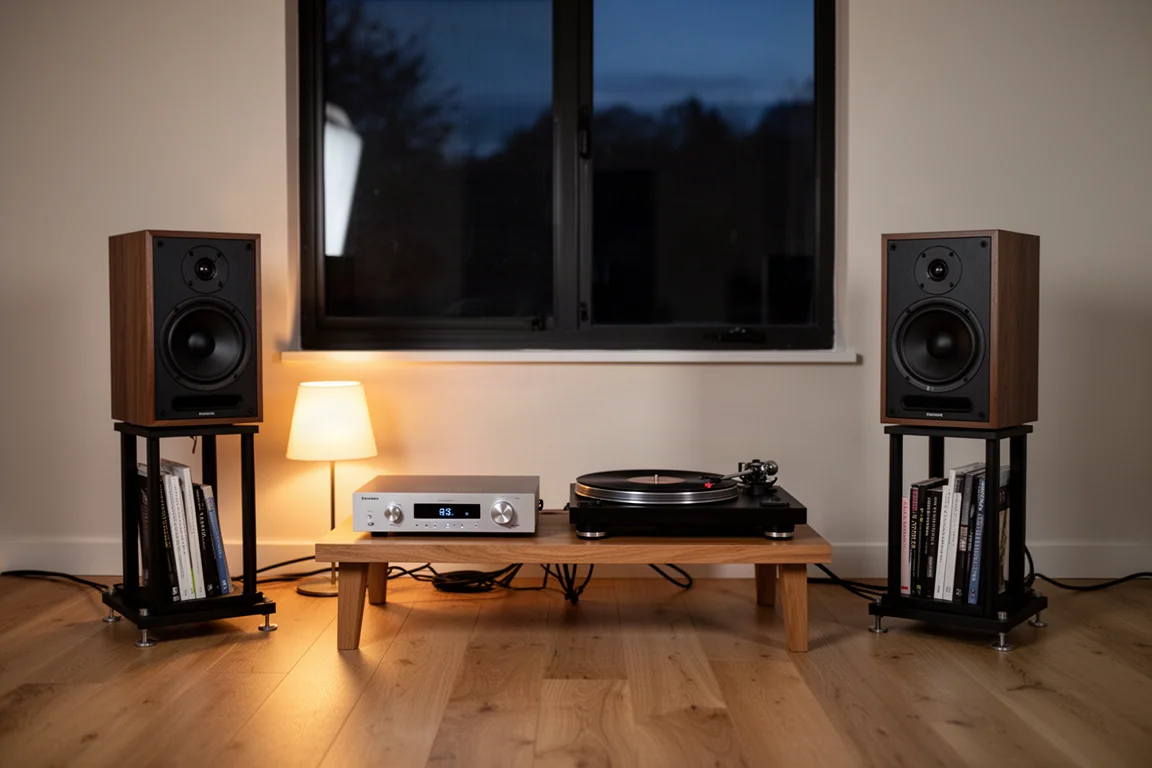
What matters more than raw output is behaviour. The bass stays clean and well controlled rather than blooming or smearing, and the low end never sounds like it is straining. The Sony SSCS5 can sound slightly more articulate in the deepest notes, partly through its paper cone woofer, which many listeners associate with bass detail. Both approaches are valid, and the choice comes down to whether you want impact or a touch more texture.
Mid-range and Treble Character
The mid-range is the FDM 5’s defining trait. It is very neutral, more forward than the Sony SSCS5, and it brings vocals and lead instruments closer to the listener. On a track like There Will Be Time by Mumford and Sons, the vocal line steps forward in a way some listeners will love and others will find a little insistent. The published response curve supports what the ear reports: most of the energy sits in the mid-range, with a gentle fall-off at the top.
Treble is well judged rather than showy. Cymbal hits, such as the opening of Miles Davis’s So What, hang in the air and decay naturally, which points to a tweeter with good resolution and no obvious harshness. Listeners who want extra sparkle at the top should look elsewhere, because this is a speaker built around the middle of the music.
Tonality is where the design shows its limits. The overall timbre can feel slightly thin and a little edgy, and the upper mid-range leans forward. Trumpet lines, for example, can take on a metallic edge you might expect from a metal dome tweeter rather than the soft dome fitted here. It is less a flaw than a character, and it becomes far less noticeable once the speakers are angled or positioned slightly below ear level.
Build Quality and Enclosure Notes
A 3D printed cabinet raises an obvious question: does plastic ring? The answer here is reassuring. The enclosure does not sound hollow or resonant in use, and the small port adds useful low-frequency support without any obvious chuffing. The cabinet feels heavier at the base than at the top, a direct consequence of the substantial crossover components mounted inside.
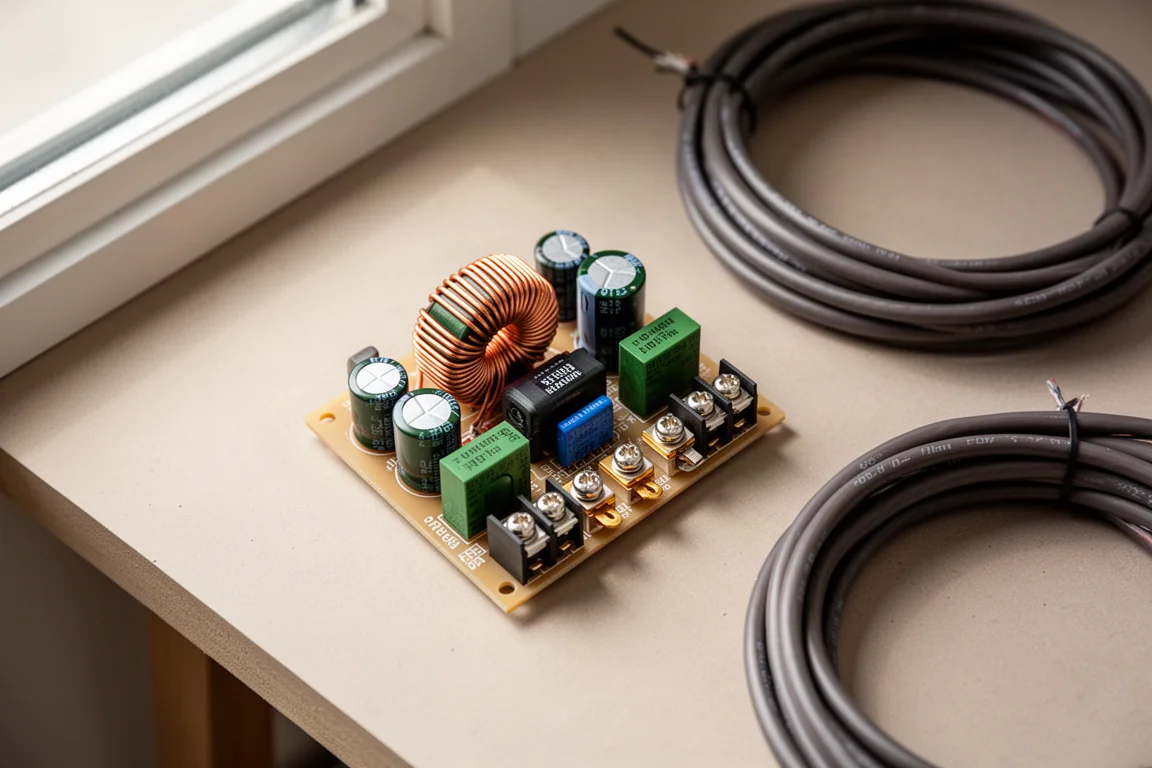
The printed surfaces have a utilitarian look rather than a furniture-grade finish, which is part of the appeal for some builders and a compromise for others. How refined the cabinet ends up looking depends on your print settings and any finishing work you choose to do after printing, so the final appearance is very much in your hands.
Things to Consider Before Buying
The FDM 5 is a project, not a plug-and-play purchase. You need access to a 3D printing setup and the patience to assemble a kit, which rules it out for anyone who wants a finished speaker straight out of a box.
The voicing is the second consideration. A very neutral mid-range can feel forward with recordings that already push vocals hard, and there is no added brightness for listeners who like a little sizzle on top. The speaker also reveals the character of the electronics feeding it. It sounded good with a Cambridge Audio CXA81 integrated amplifier delivering 80 watts into 8 ohms, and equally good with a compact half-rack integrated amplifier rated around 25 watts, but it sounded different on each one, which is a sign of transparency rather than a problem.
Buying Advice
At under $200, the kit is fairly priced, especially given the quality of the crossover components and how openly the design is documented. If you have a 3D printer and enjoy building, the value is straightforward: you get a capable, neutral two-way speaker along with a project that is genuinely fun to complete.
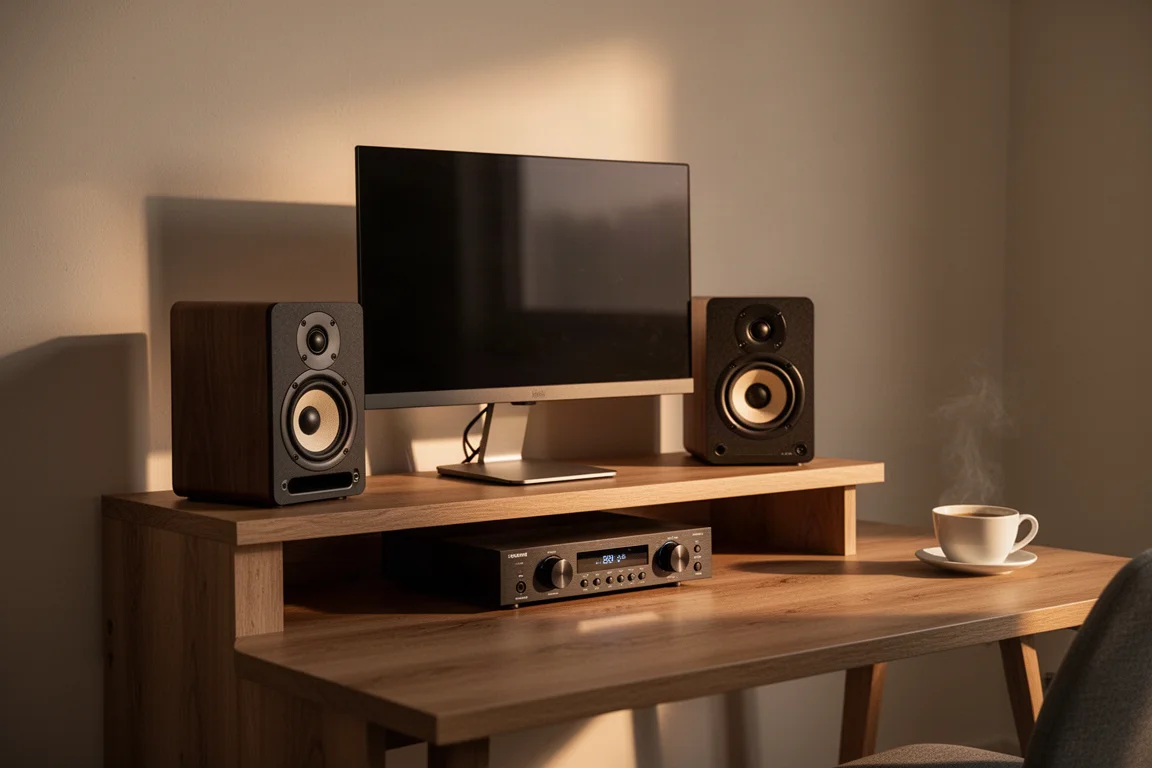
If you would rather not deal with printing and assembly, or if you prefer a speaker with more energy at the top, a conventional passive bookshelf model such as the Sony SSCS5 is the simpler route and costs less. The FDM 5 makes the most sense when the build itself is part of the appeal.
Conclusion
The Deposition Sound FDM 5 is a well-executed kit with a clear personality: punchy, well-behaved bass, a very neutral mid-range, and a top end that favours natural decay over sparkle. It rewards listeners who care about the middle of the music and builders who enjoy making something with their own hands. If that describes you, this is an easy project to recommend.
Product link
View more details for Deposition Sound FDM 5
This product is mentioned in the review. Check the specifications, options, and compatibility before buying.
View more details for Deposition Sound FDM 5Further reading
Related Reviews
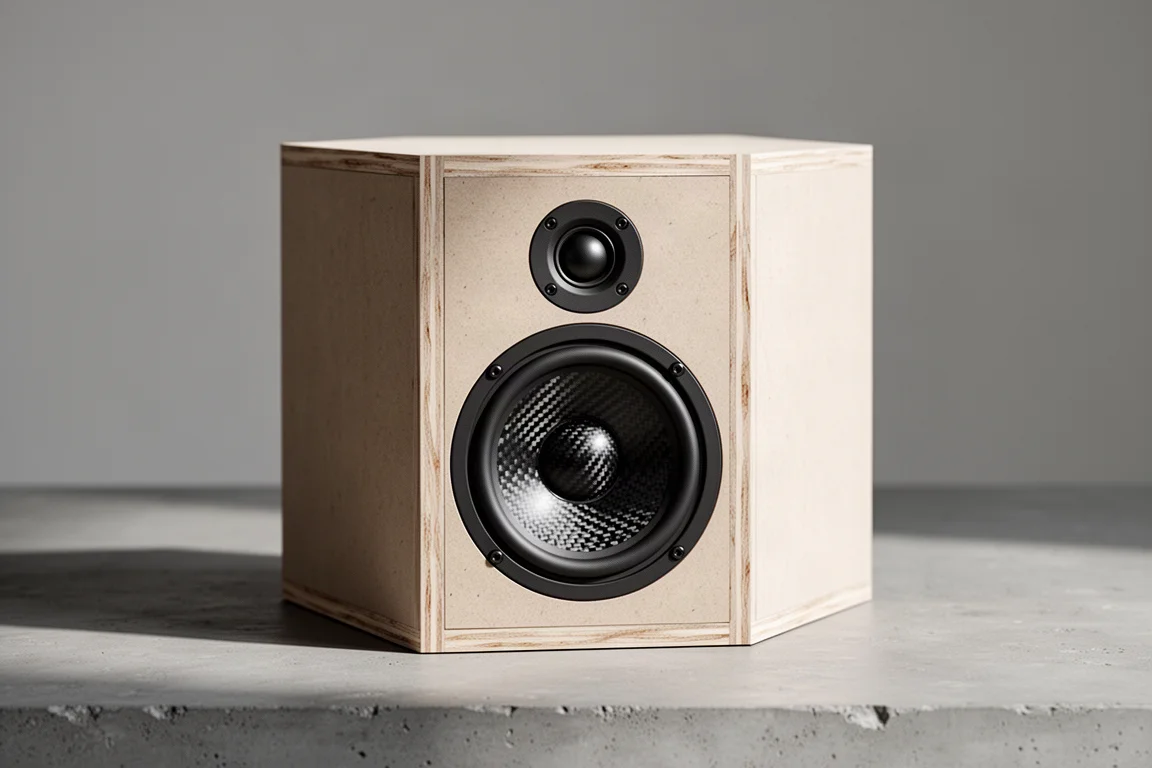
Speaker Kits
CSS Audio Torii Review: The Most Affordable CSS Audio Speaker Kit
The CSS Audio Torii is a compact two-way speaker kit with a labelled crossover board, an optional CNC flat pack, and bass that belies its cabinet size.
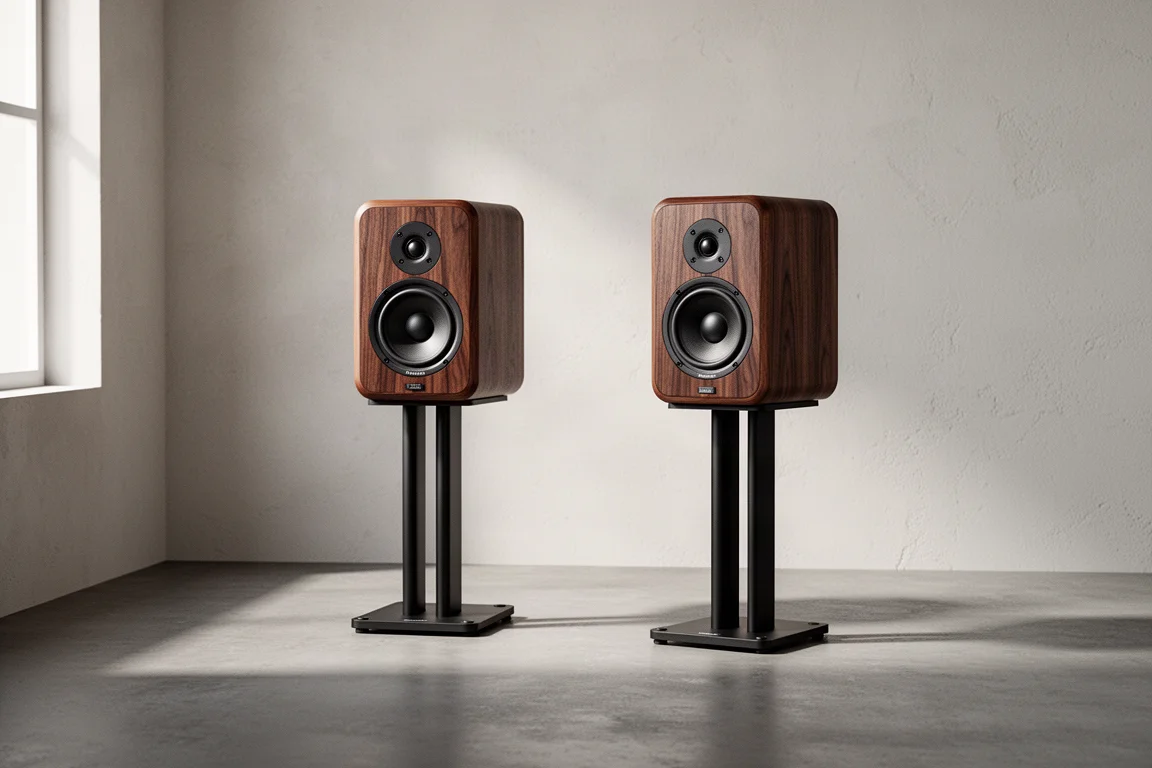
Speaker Kits
GR Research X-LS Encore Review: Deep Soundstage for Under $1,000
A kit speaker that pairs a smooth, non-fatiguing tone with a soundstage that punches well above its price, provided you are ready for a more demanding build.
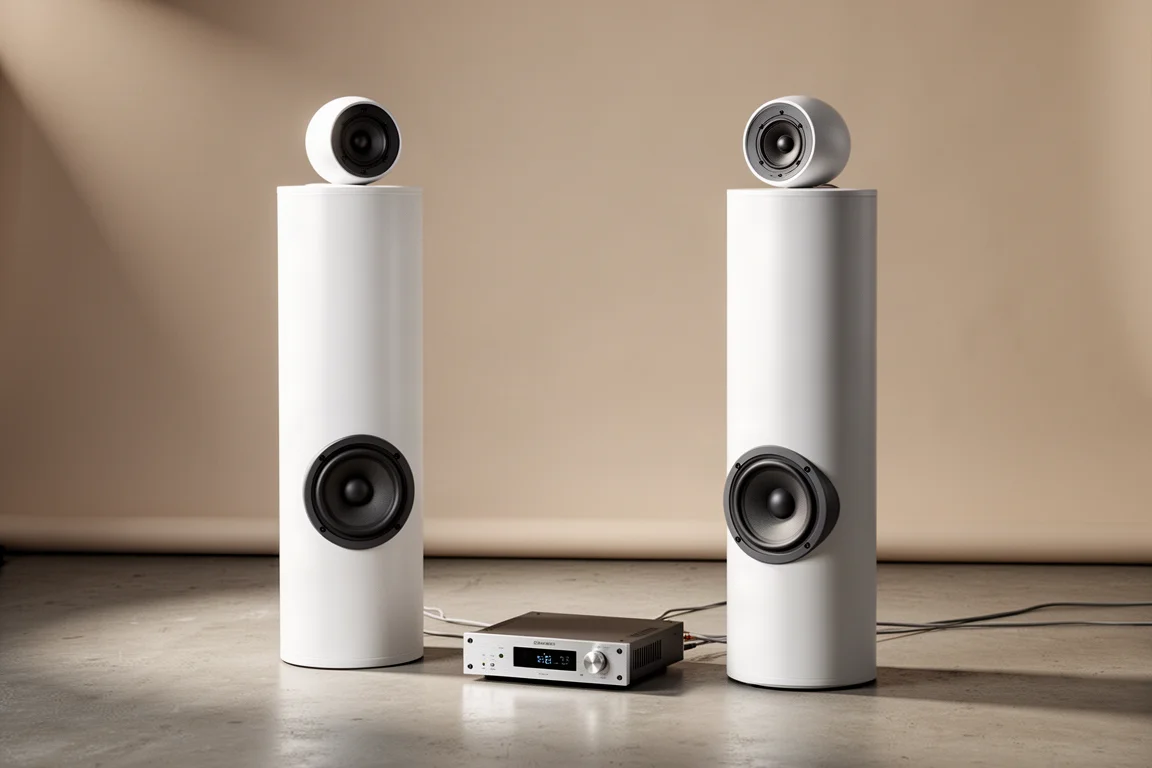
Speaker Kits
Linkwitz LX Mini Review: A Kit Speaker With an Unusually Expansive Soundstage
An active, DSP-tuned kit loudspeaker that trades plug-and-play simplicity for a soundstage few box speakers can match, along with the bass and build trade-offs worth weighing first.