Speakers
GR Research Speaker Kits Compared: NX-Treme, NX-Studio, LGK 2.1, X-LS Encore and Servo Subwoofer
A practical look at five GR Research options, from the flagship NX-Treme and the compact NX-Studio to the value-focused LGK 2.1, the X-LS Encore and the open baffle Servo Subwoofer.
Introduction
GR Research is a Texas-based company that specializes in DIY speaker kits and also offers modifications for speakers from other brands. Founder Danny Ritchie has built a following around measuring existing designs and reworking them, and the operation itself has the feel of a smaller, family-owned business with an enthusiastic and professional team. It is also expanding, with a new listening room in the works.
The range splits into two families. The NX models use planar magnetic tweeters in open baffle designs, while the LGK and X Series take a different approach and sit at more accessible price points. These are kits that the buyer assembles, and some models are offered in finished versions.
This guide covers five options in that line-up: the flagship NX-Treme, the smaller NX-Studio, the value-focused LGK 2.1, the X-LS Encore, and the open baffle Servo Subwoofer that several of them lean on.
What to Know Before Choosing a GR Research Speaker
Two things shape the ownership experience more than any single specification: assembly, and bass.
Because these are kits, the buyer builds the cabinet and assembles the crossover. That is part of the appeal for hobbyists and part of the commitment for everyone else. Finished versions exist for some models, so it is worth checking current availability before deciding.
Bass is the second consideration, and it applies across the range. Heard on their own, the speakers sounded leaner and less full. With two open baffle servo subwoofers in the system, the bass became linear and extended and the presentation filled out. Only the LGK 2.1 held up convincingly without subwoofers. If a full, rich sound is the goal, plan for a pair of subwoofers alongside almost any model in the range.
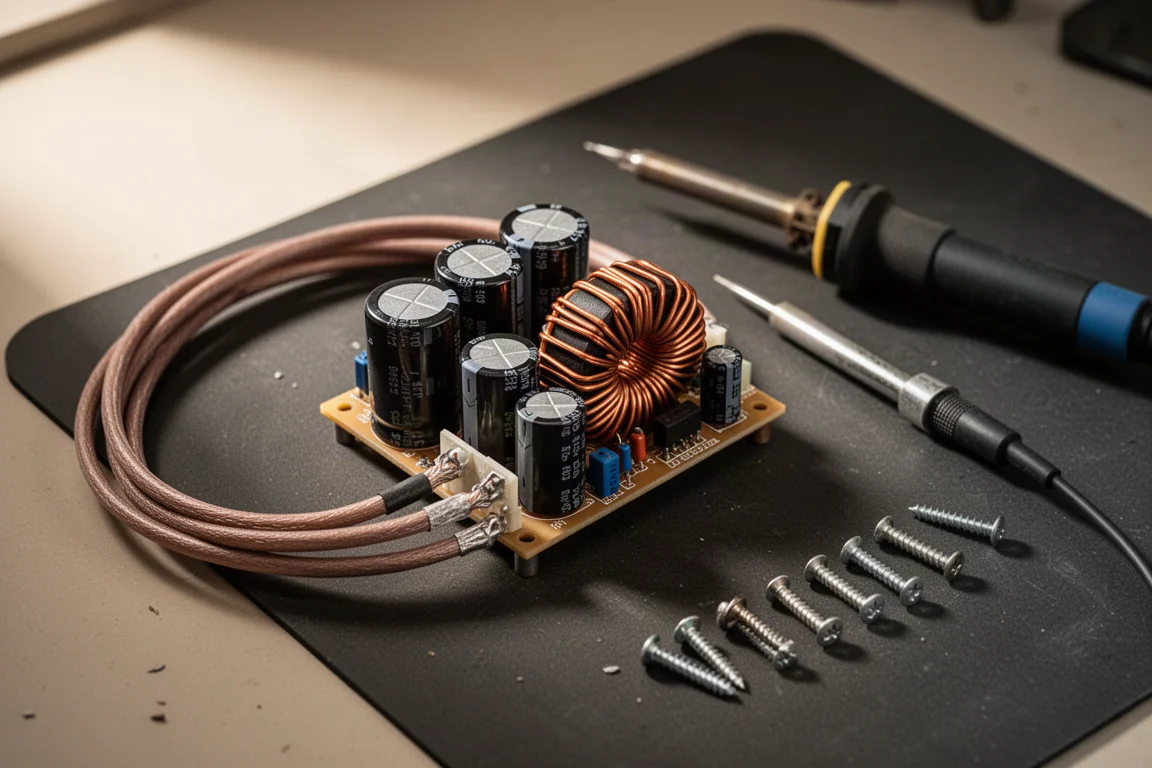
On the modification side, the company works on speakers from other brands by measuring the original response with an older Clio measurement system, then reworking the crossover with higher quality parts and adding damping material and tube connectors. The measurement approach is gated, which means it does not capture output below 200 Hz; bass roll-off is instead predicted from long familiarity with the drivers involved. Buyers who want full-range measurement data should ask about that directly before committing.
GR Research NX-Treme
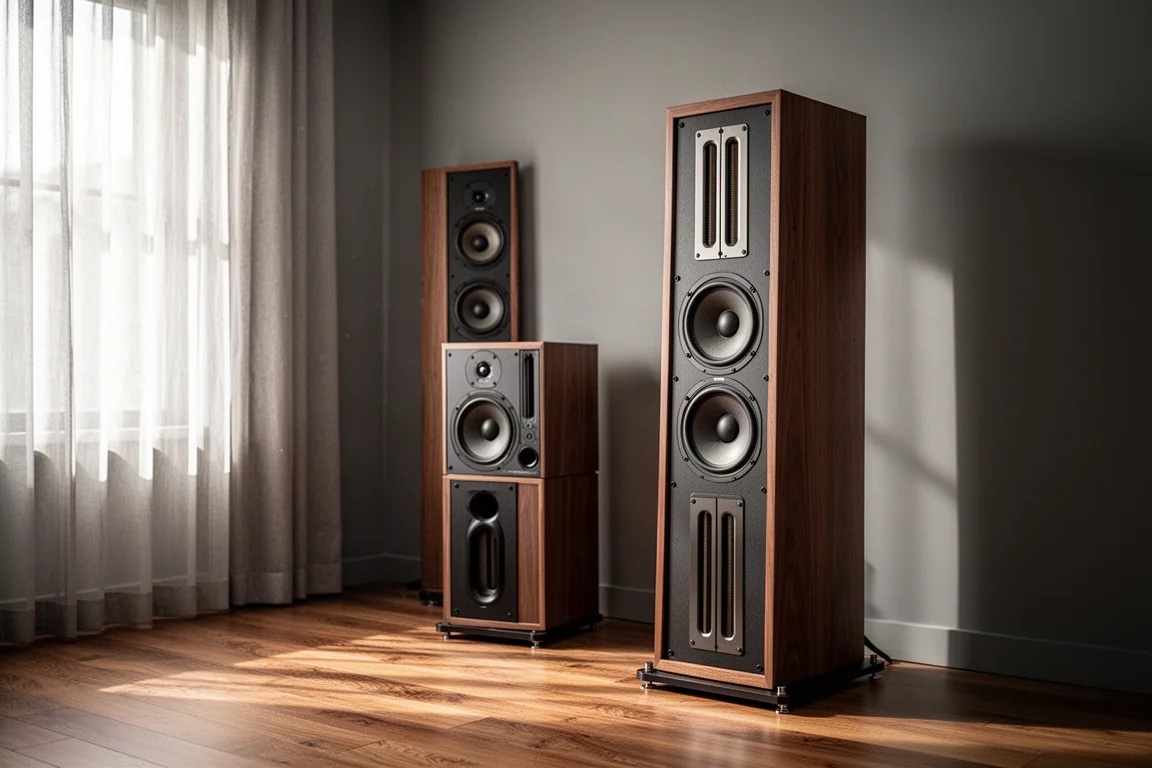
The NX-Treme is the flagship, an open baffle tower with a planar magnetic tweeter, and it was the clear highlight of the listening sessions. Detail and resolution were exceptional: highs came through extended, airy and spacious, and the top end sat slightly bright of neutral without ever becoming fatiguing, even on recordings that can sound harsh on other systems. Control across the top of the range was a standout.
The midrange was nicely balanced with a hint of warmth, giving vocals and instruments strong layering, staging and imaging. Listeners who prefer a fuller, richer midrange may want a touch more warmth, but the presentation was refined. Placed well out into the room, the speakers produced a large, immersive soundstage.
Bass was linear and controlled when two open baffle servo subwoofers were in the system. Without them, the same speakers sounded noticeably leaner.
GR Research NX-Studio
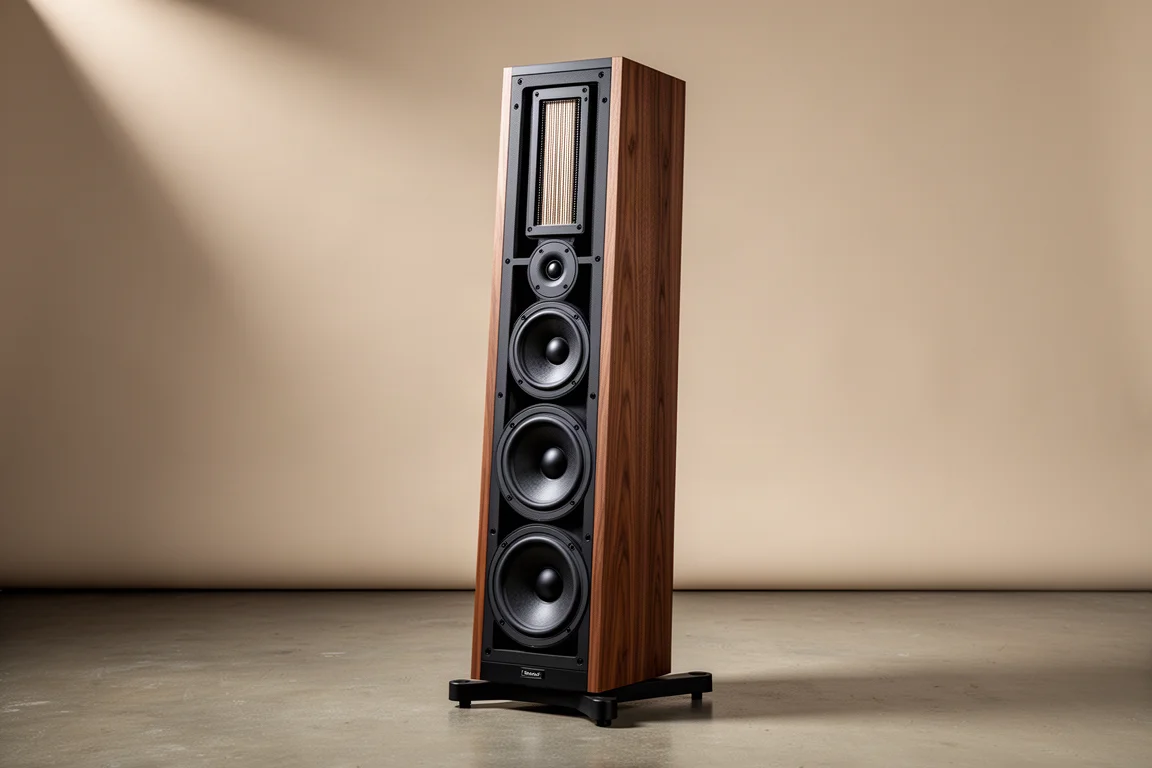
The NX-Studio is a smaller open baffle model that keeps much of the flagship’s character. The version demonstrated used a modified crossover, and it delivered the same detail, brilliance and nuance without fatigue. The difference is scale: it does not fill a room the way the NX-Treme does, which makes it a better fit for smaller spaces.
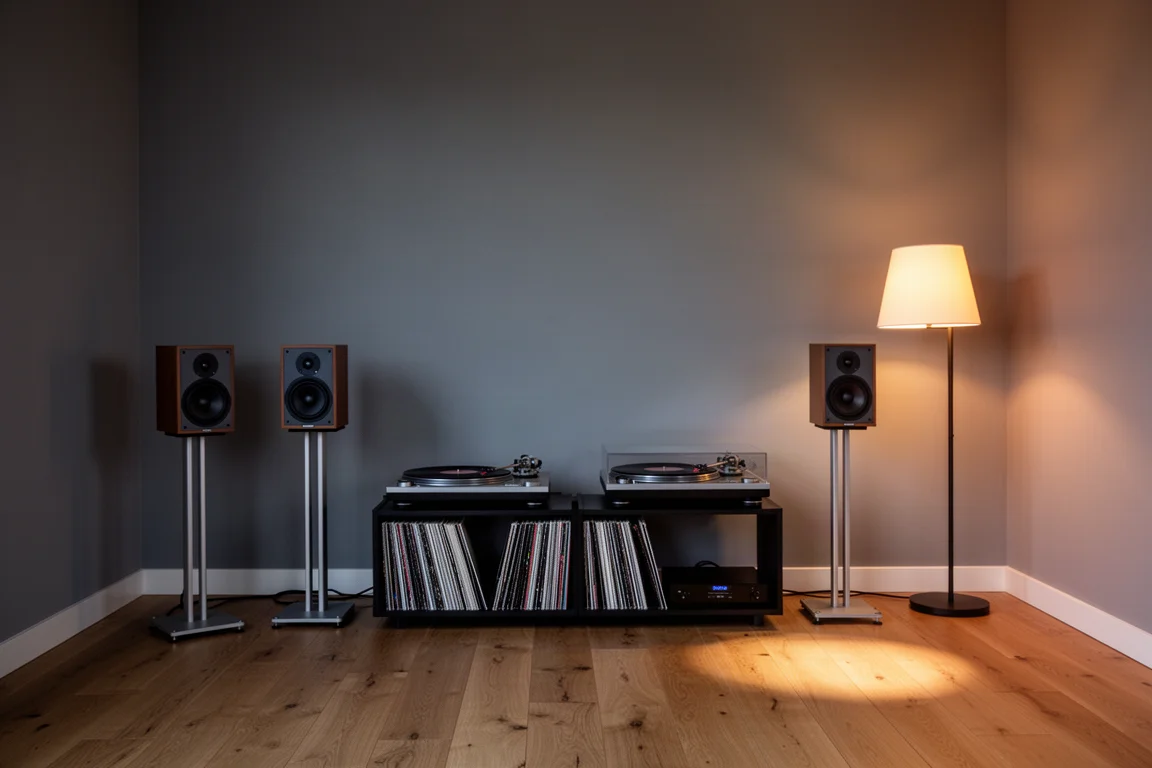
As with the rest of the range, subwoofers matter here. Heard on its own, the bass and overall fullness were not fully satisfying, and the presentation only became convincing once a subwoofer was carrying the low end.
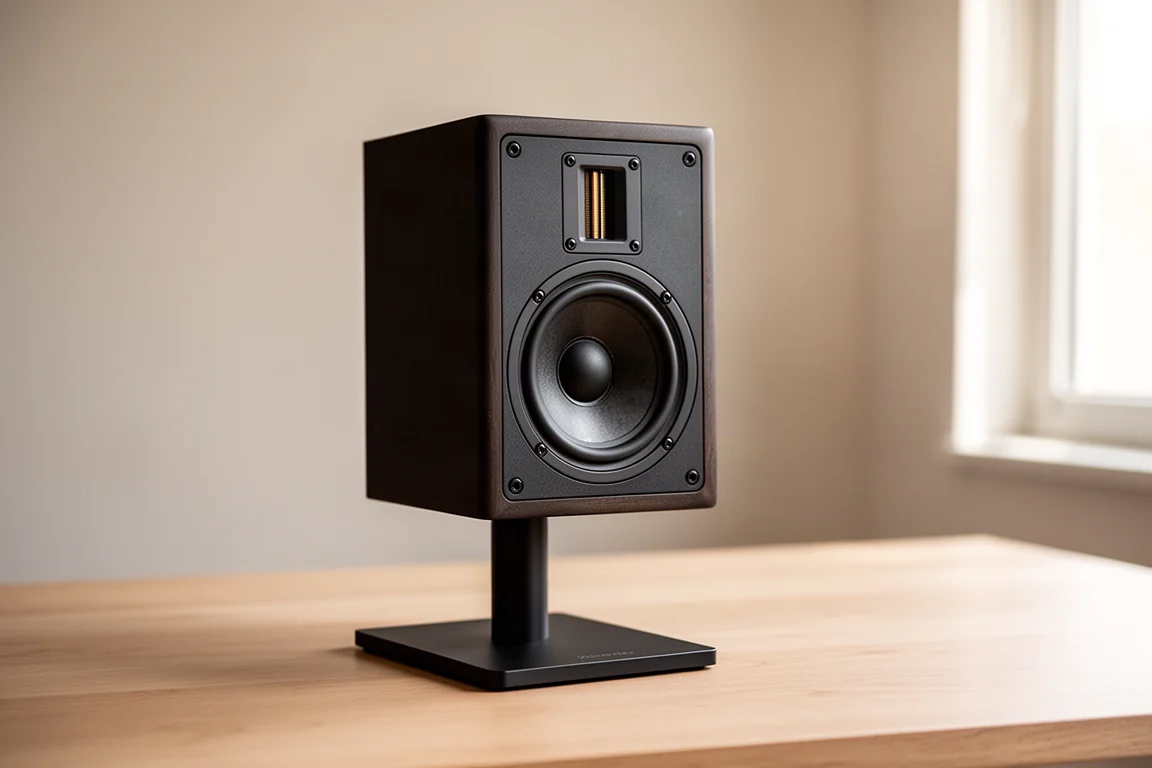
GR Research LGK 2.1
The LGK 2.1 was the value standout, and for many listeners it will be the most persuasive speaker in the range. Its highs are more laid back than the NX models, but they still carry air and a sense of space. The tonal balance is neutral with a welcome amount of warmth in the midrange, and the result is musical rather than analytical.
Coherence is excellent and imaging is precise. It was also the only speaker in the group that still satisfied without subwoofers switched on, not because it produced more bass, but because it sounded fleshed out and warm on its own.
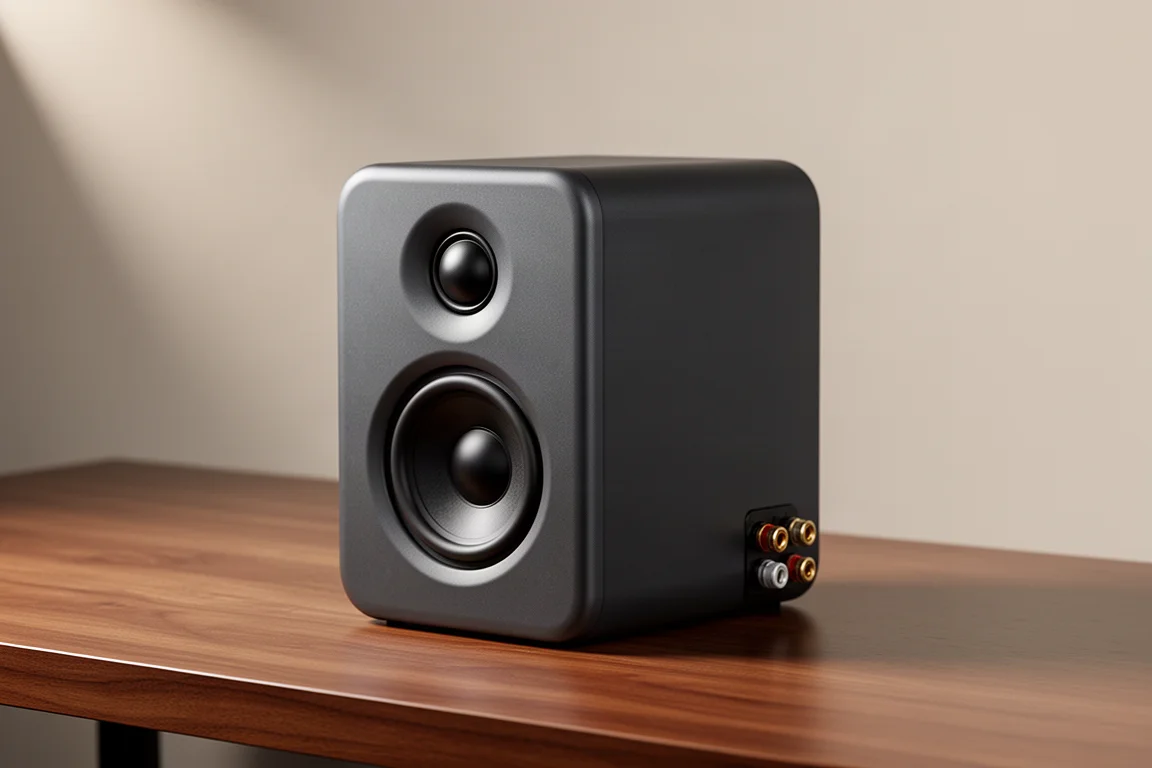
GR Research X-LS Encore
The X-LS Encore belongs to the X Series, which shares the LGK’s more relaxed treble character. Compared with the NX models, the highs are softer, but they keep air and a sense of space. The balance is neutral with a nice amount of midrange warmth, and the overall presentation is easy to listen to over long sessions.
Like the rest of the range, it benefits from a subwoofer if a full, rich low end matters to you. On its own it stays clean and musical, but it does not carry the weight that a dedicated subwoofer adds.
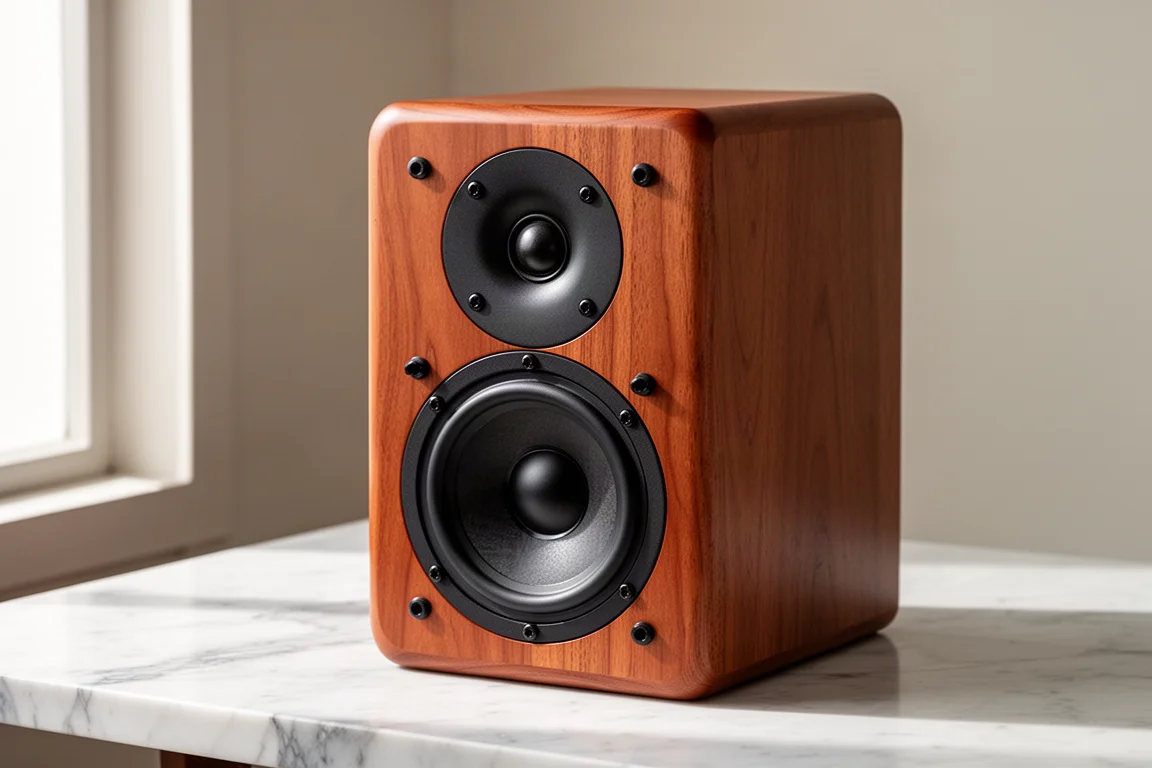
GR Research Servo Subwoofer
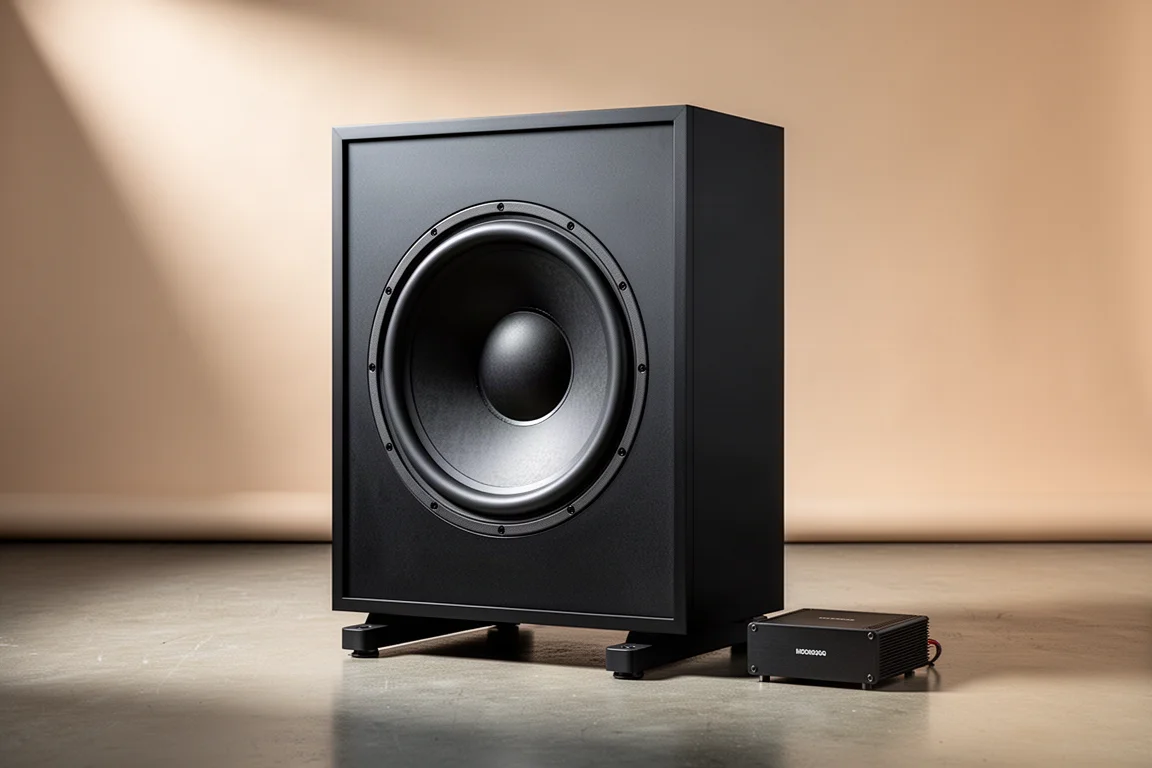
The open baffle Servo Subwoofer is the piece that makes the rest of the range sound complete. With two of them in the system, bass was linear and extended, and it loaded the room in a way that traditional box designs do not.
The trade-off is physical. An open baffle subwoofer does not pressurize a room or deliver the chest-pounding impact of a boxed subwoofer, so it is not the obvious choice for a home theater build. For two-channel music, the result is subtle, nuanced and very pleasing, and a pair was the configuration that made the biggest difference across every speaker heard.
Buying Advice: Matching a Model to Your Room
If maximum detail and a big, layered soundstage are the priority, the NX-Treme is the pick, ideally with two servo subwoofers. In a smaller room where a full tower is impractical, the NX-Studio delivers much of that same detail and nuance at a smaller scale.
For value, the LGK 2.1 is hard to argue with. It was the only model that sounded complete without subwoofers, which makes it a strong starting point for a simple system. The X-LS Encore is the choice for listeners who prefer a softer top end and a relaxed, musical balance.
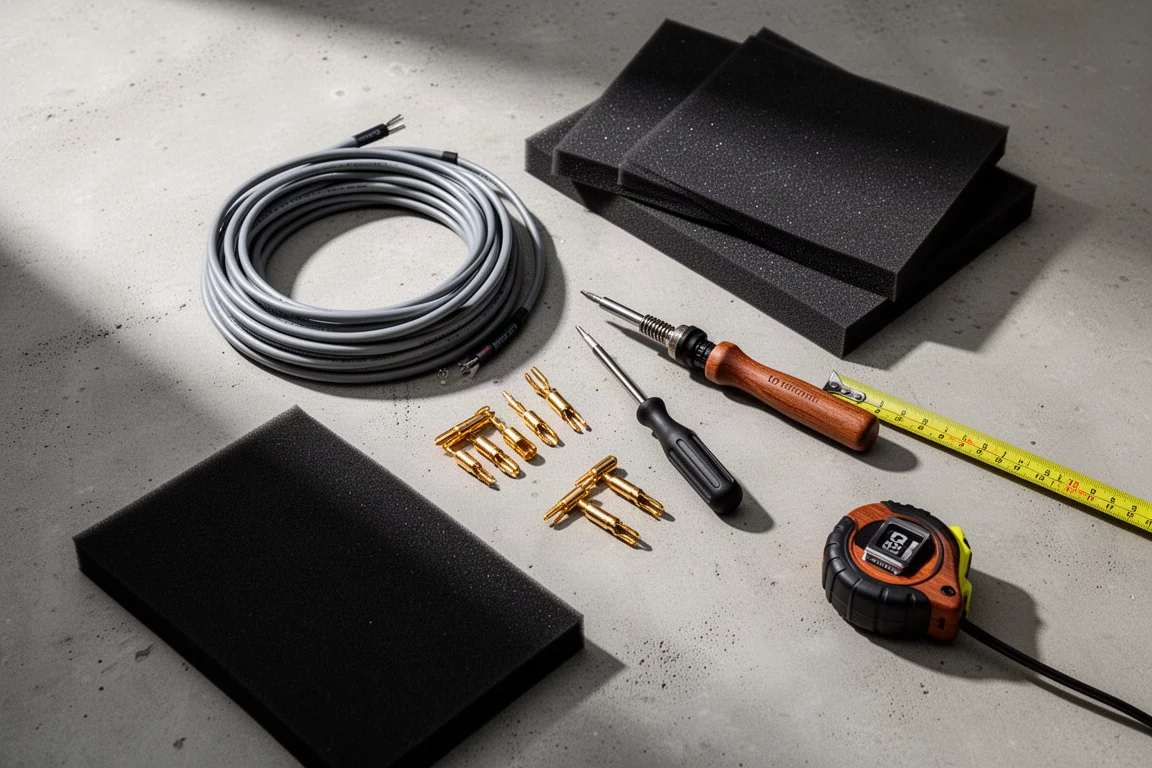
Two practical points apply to every option. First, these are kits, so factor in assembly time, tools and finish work unless a finished version is available for the model you want. Second, if you are considering sending an existing pair of speakers in for modification, note that the service works on one speaker at a time and centres on crossover parts, damping and connectors rather than a full redesign. For some owners that is a worthwhile modification; whether it counts as an upgrade is a judgement call.
Conclusion
Across the range, the NX-Treme and the LGK 2.1 paired with servo subwoofers were the most convincing combinations: one for listeners chasing maximum resolution, one for listeners who want a musical, coherent speaker at a sensible price. The NX-Studio covers smaller rooms with much of the flagship’s character, the X-LS Encore offers a gentler top end, and the Servo Subwoofer is the component that turns any of them into a full-range system. Match the model to your room, plan for bass, and the decision becomes much simpler.
Further reading
Related Reviews
Speakers
13 Under-the-Radar Speakers Still Worth Buying
Thirteen speakers that quietly stayed in production while newer models took the spotlight, from budget bookshelf pairs to a full-size tower.
Speakers
Arendal 1528 Monitor 8 Review: A Three-Way Standmount With Serious Dynamic Headroom
A three-way standmount speaker with extremely low distortion, high output capability, and deep bass for its size, plus the setup details worth knowing before buying.
Speakers
Arendal 1723 Monitor S Review: A Compact Monitor With Serious Ambition
A close look at the Arendal 1723 Monitor S, a compact MTM monitor with a waveguide-loaded tweeter, an HDF cabinet, and flexible ported or sealed operation for music and home theater.