Backpacking Gear
Gossamer Gear Mariposa 60 vs Osprey Exos 48: Which Lightweight Backpack Suits Your Trip
A side-by-side look at the 60-litre Gossamer Gear Mariposa 60 and the 48-litre Osprey Exos 48, covering weight, pockets, carry comfort, materials, and price.
Introduction
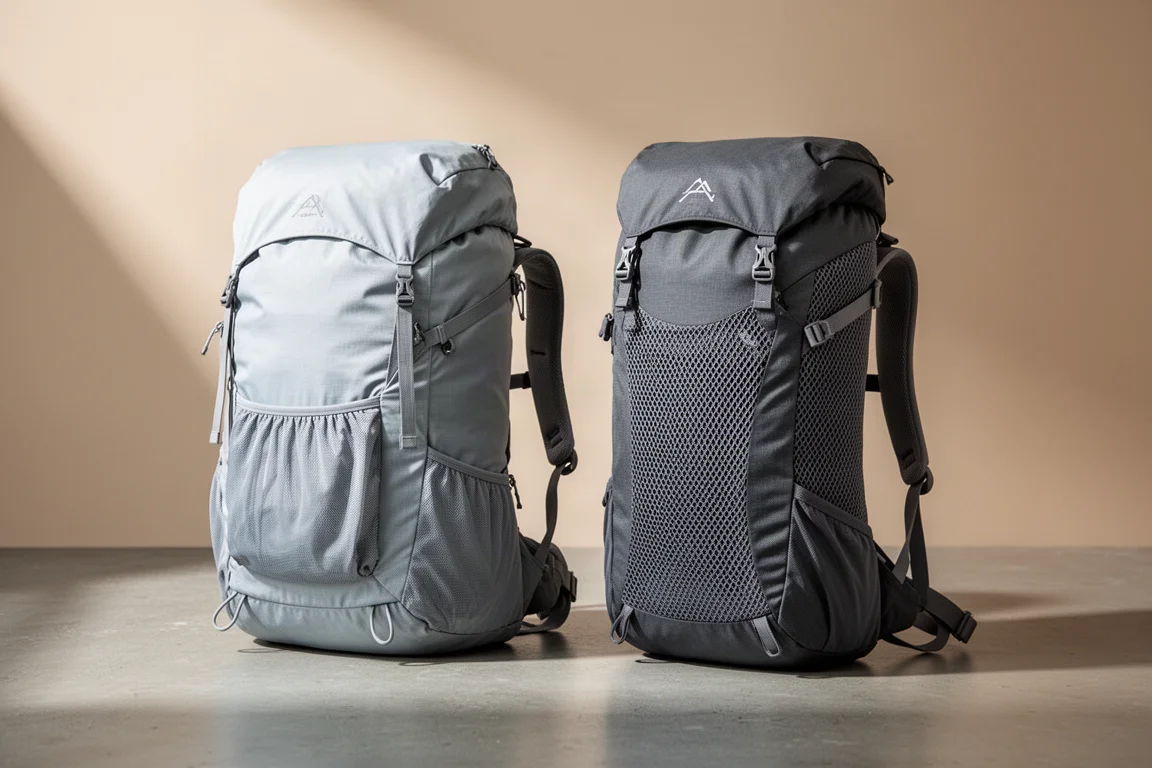
Two lightweight packs, two very different answers to the same question. The Gossamer Gear Mariposa 60 and the Osprey Exos 48 both target backpackers who count grams and cover long distances, but they differ in volume, silhouette, frame design, and pocket layout.
The Mariposa 60 is the larger of the two at 60 litres. It weighs between 800g and 900g depending on whether you choose a small, medium, or large, and it is priced at around £250 to £270. The Exos 48 is a 48-litre pack that weighs roughly 1.2kg and costs around £112 to £120. That is a meaningful gap in both capacity and price.
They also feel different to wear. The Mariposa is a chunky American-style design that sits high on the back and carries like one large mass. The Exos is a slim European-style design that sits tall and close, with a suspended mesh panel between you and the load. Which one suits you depends on what you carry and how much you value airflow across your back.
What Sets These Two Packs Apart
Start with the numbers. The Mariposa 60 comes in three sizes and stays between 800g and 900g across them, which is remarkably light for a pack with this much capacity. The Exos 48 sits at around 1.2kg, so it gives up part of the weight advantage in exchange for its frame and back panel.
The silhouettes are just as different. The Mariposa is bulky against the back and sits high, with a shape that feels substantial once it is fully loaded. The Exos is narrow, sits tall, and stays closer to the body. Neither shape is automatically better: a bulky pack can feel planted under a heavy load, while a slim pack is less likely to catch on branches or brush against rock on narrow sections of trail.
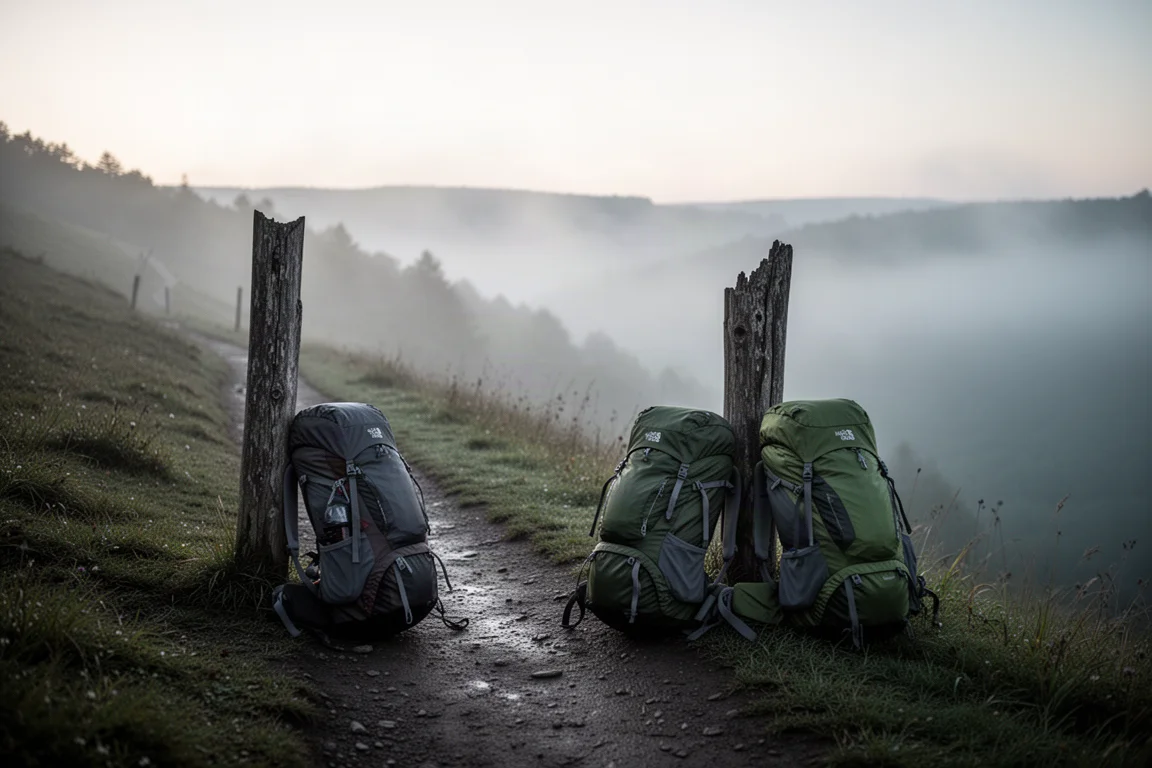
Both packs are established names in lightweight backpacking, long-distance hiking, and overnight outdoor use, and both have been refined over several generations.
Gossamer Gear Mariposa 60: Volume at Low Weight
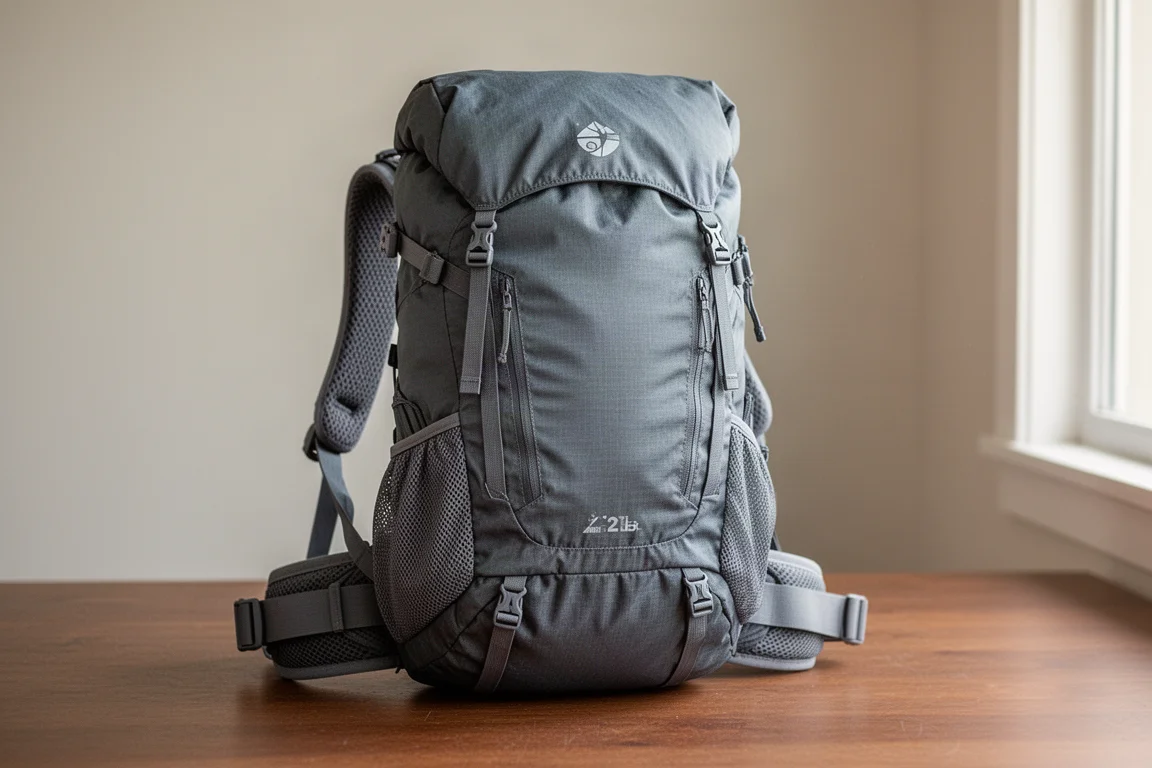
The Mariposa’s fabric is a mix of 100 and 200 denier weaves, which gives it a strong, hard-wearing feel in everyday trail use. The lid is an over-the-top design made from the same fabric and permanently attached to the pack rather than floating separately. You fold it down over the load, and a toggle on the lid can be worked with gloves on. Worth knowing: when the main cavity is packed out, folding that lid down and getting into the top pocket becomes noticeably harder, so how you load the pack matters.
On the side sits the quiver, a very large pocket that swallows a water bottle and still has space left over, though it cannot be reached while you are walking. Two further pockets handle items you want on the move, one shallower pocket you can access while wearing the pack and a matching pocket set a little higher that suits a first aid kit or similar small kit. Two trekking pole attachment points and an ice axe loop complete the outside.
The hip belt is chunky and carries two very large hip belt pockets, roomy enough for a phone, a compass, or a day of snacks. Shoulder straps are padded and supportive, and the sternum strap includes a whistle. Inside, the Mariposa is one large open cavity with a hydration sleeve down the back.
Osprey Exos 48: Slim Profile and Ventilated Carry
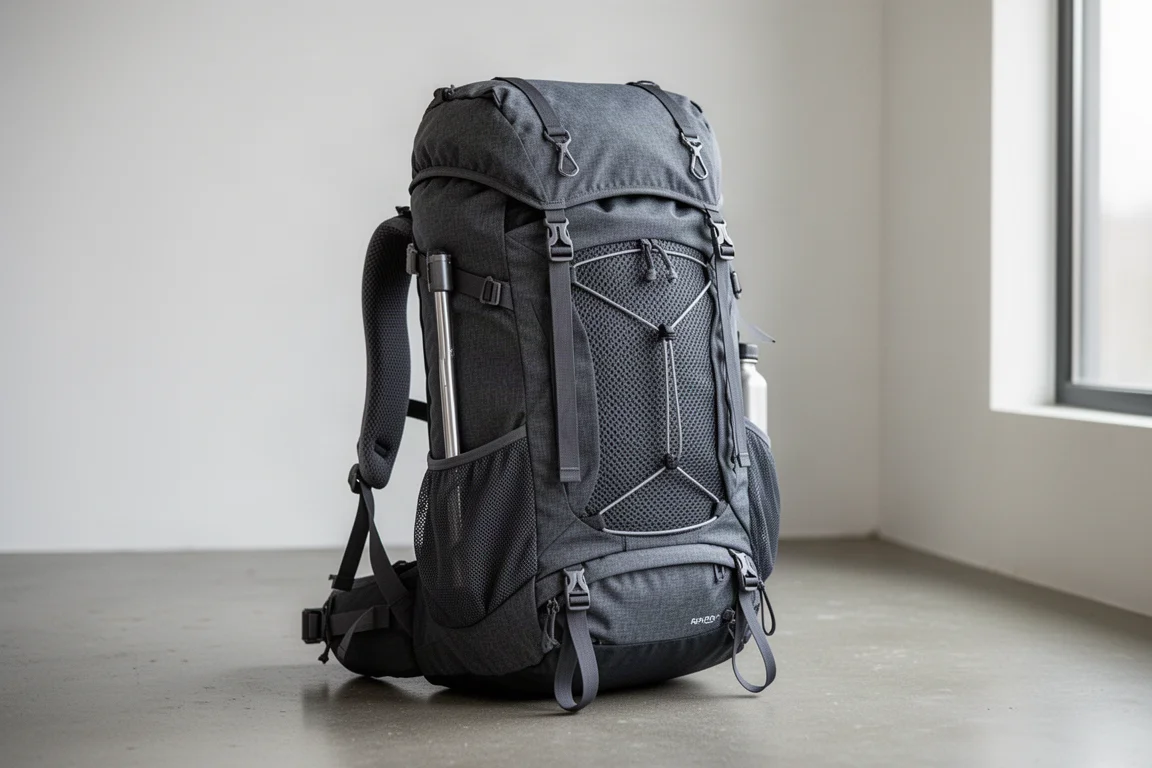
The Exos 48 is built around a metal frame and a tensioned mesh back panel that holds the pack away from your body, creating a gap between your back and the load. That gap is the pack’s defining feature: it allows airflow, keeps the carry comfortable, helps your clothing last longer, and reduces moisture building up inside the pack.
The lid floats and can be removed completely. It has a front top pocket with a glove-friendly zip, two front clips to lock the lid down, and elastic at the back so you can lift the lid higher when the pack is full. Inside the lid there is a non-stretch mesh pocket that works well for valuables such as a passport, phone, or wallet, plus a small keychain.
The main body opens with a toggle into one large cavity with a hydration sleeve at the back. On the sides you get big water bottle pockets that can hold more than one bottle and, importantly, can be reached while you are moving. There is a stow-on-the-go trekking pole compartment on the side, an ice axe loop, trekking pole attachment points, and compression straps at the bottom that can be used to lash something to the outside of the pack.
Capacity and Packing Space
Capacity is the clearest dividing line. The Mariposa offers 60 litres, which gives you more room for bulky sleeping kit and longer food carries. The Exos offers 48 litres in a slimmer body, which rewards a more disciplined pack list.
The Mariposa arranges its volume as one big open cavity with a hydration sleeve, which makes it easy to load large items without fighting internal dividers. The Exos also uses one large main cavity with a toggle closure and a hydration sleeve, but adds a mesh pocket inside the lid for small valuables and a keychain.
The lid designs change how you pack. The Mariposa’s over-the-top lid is fabric and permanently attached, so it folds down across the top of the load. The Exos lid floats, can be removed entirely, and its height can be adjusted using the front clips and the elastic at the back to squeeze out extra capacity when the pack is full.
Pockets and On-Trail Access
This is where the two packs diverge most clearly. The Mariposa gives you two very large hip belt pockets, the oversized quiver side pocket, a highly stretchy front pocket that will accept almost anything you push into it, and a side pocket you can reach while walking. The Exos has no hip belt pockets in its current generation, just breathable mesh across the hips, so snacks and small items need another home. Its front pocket stretch is also limited by a dark fabric panel across the front, a deliberate choice to protect the mesh from snagging, though it does reduce how much you can fit inside.
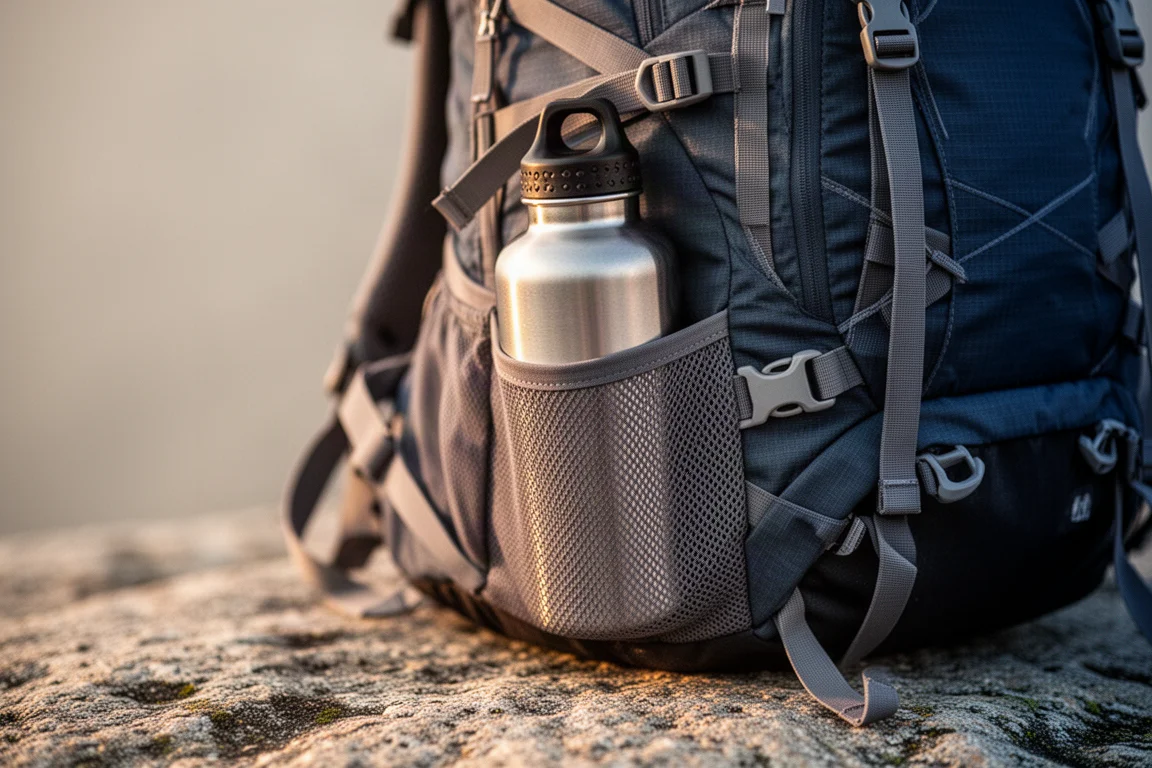
Water bottle access follows the same pattern. The Exos side pockets are large, can hold multiple bottles, and are reachable while you are moving. The Mariposa’s quiver is enormous but out of reach on the move, while its higher side pockets offer a workable alternative for smaller items.
Hip Belts and Shoulder Straps
The Mariposa’s hip belt is chunky and heavily pocketed, and the two hip belt pockets are among its strongest features for anyone who likes snacks, a compass, or a phone within easy reach. The Exos hip belt is breathable mesh with no pockets at all, which keeps the belt simple and light but removes an obvious storage spot.
Shoulder straps differ too. The Mariposa’s straps are chunky, which some women may find bulky, but that padding translates into good support and a comfortable carry. The Exos straps are slimmer, and some users experience rubbing; the fabric is comfortable, but under a full load the straps can feel a little tight. Both packs use a sternum strap with a whistle.
Back Panel Comfort and Ventilation
The Mariposa uses a removable sit pad as its back panel, with very little frame structure behind it. That keeps the weight down, but the pack sits directly against your back. In practice that can mean more sweating, a claustrophobic feel for some hikers, and skin irritation on longer days if the contact does not suit you.
The Exos takes the opposite approach. A metal frame supports the load, and the tensioned mesh panel sits against your back with a gap between you and the pack body. That airflow is the main comfort argument for the Exos, and it also helps your clothing last longer and keeps moisture from building up inside the pack.
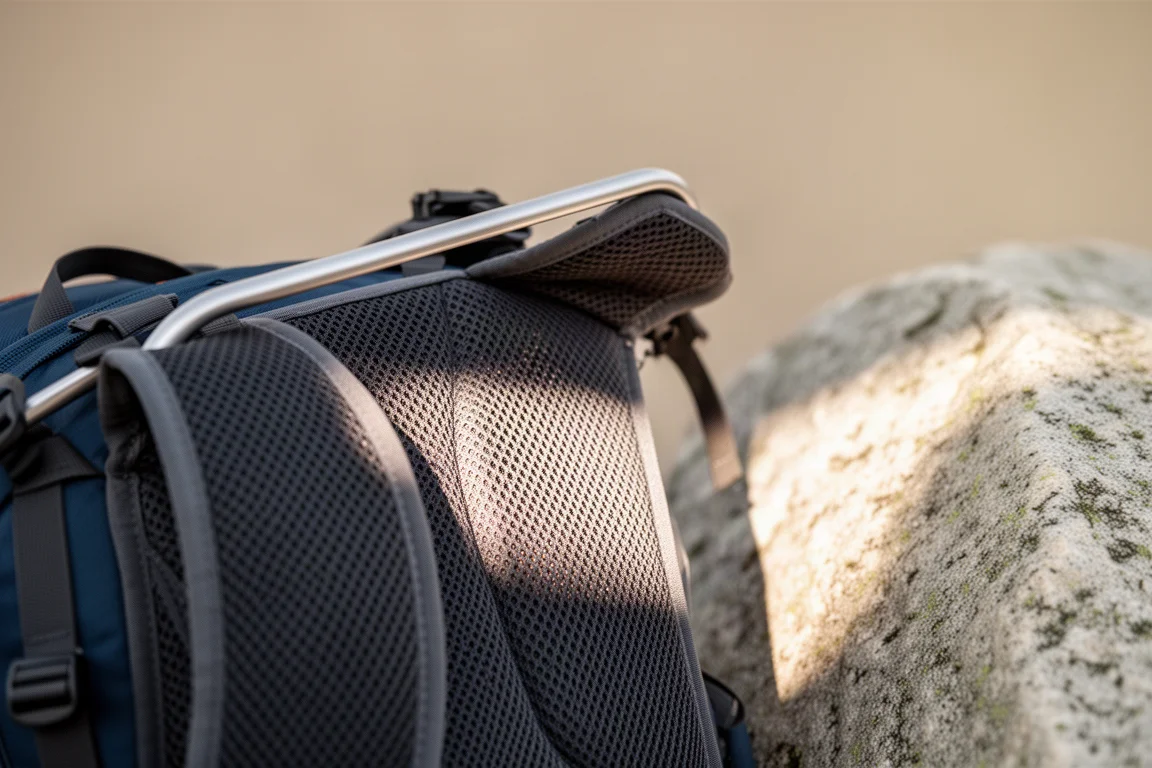
If you run warm or hike in humid conditions, that difference in ventilation is likely to matter more than a few hundred grams.
Materials and Durability
Fabric choice reflects each pack’s priorities. The Mariposa uses a 100 and 200 denier weave mix, which feels strong and hard-wearing. The Exos mixes 100 denier and 70 denier fabrics, so it is the less hard-wearing of the two overall.
Mesh is the weak point on any backpack because it snags on rock, branches, and abrasive surfaces. That is the reasoning behind the fabric insert across the front of the Exos, which trades some stretch and capacity for extra protection in the area most likely to catch.
Overall Buying Advice
Choose by trip and by body, not by spec sheet alone. If you need maximum volume for long food carries and bulky sleep kit, and you want large hip belt pockets plus a highly stretchy front pocket, the Mariposa 60 is the more natural fit. It is also the lighter pack, though it carries its weight close to your back and costs considerably more.
If airflow matters to you, or if you prefer a trimmer pack that sits tall and stays out of the way on narrow trails, the Exos 48 is the stronger choice. It is the cheaper pack here and its suspended mesh back panel is a genuine comfort feature on warm trips, but you give up hip belt pockets, some durability in the fabric mix, and 12 litres of capacity.
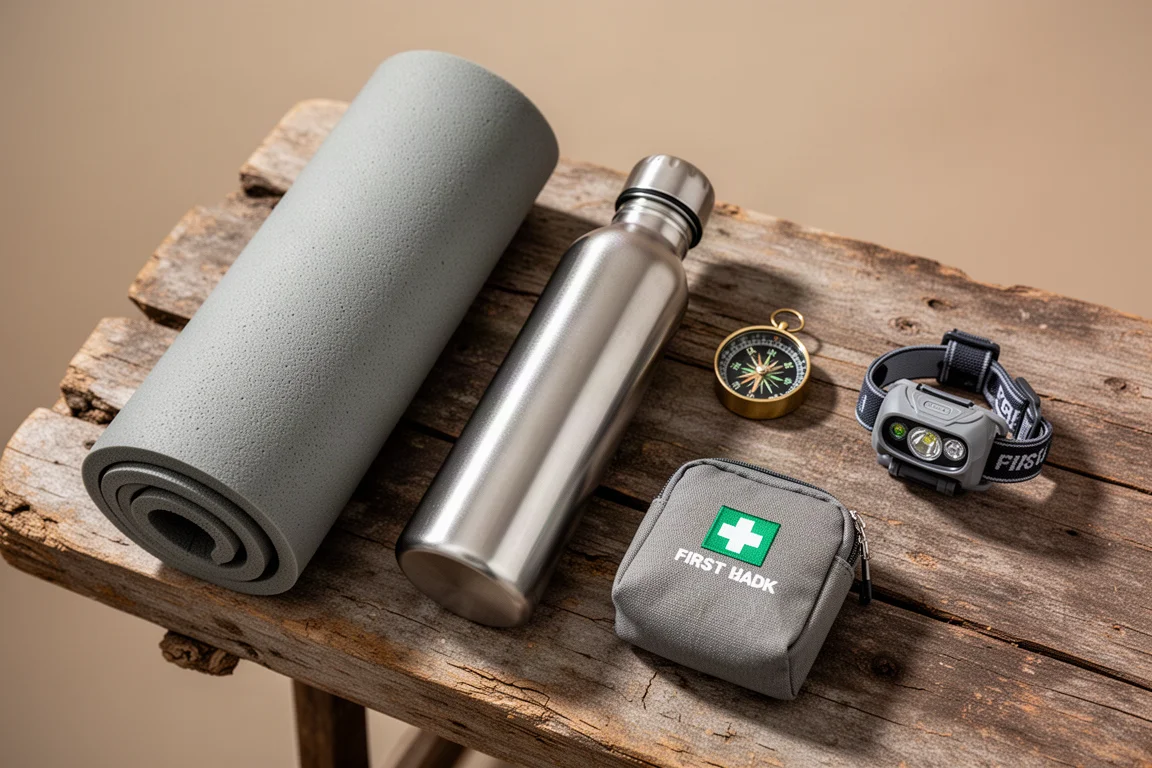
A practical way to decide is to lay out everything you would take on your longest planned trip. If it fits comfortably in 48 litres, the Exos is easy to justify. If you are squeezing, or you want storage on your hips, the Mariposa earns its higher price.
Conclusion
These two packs sit in the same lightweight category but solve different problems. The Gossamer Gear Mariposa 60 prioritises volume, low weight, and generous pockets, with a simple back panel that keeps the pack close to your body. The Osprey Exos 48 prioritises a slim carry, a ventilated mesh back panel, and a removable floating lid, at a lower price and in a smaller package. Match the pack to your packing style and your climate, and either one will serve you well on the trail.
Further reading
Related Reviews

Backpacking Gear
Building a 10 lb Base Weight: An Ultralight Backpacking Gear List
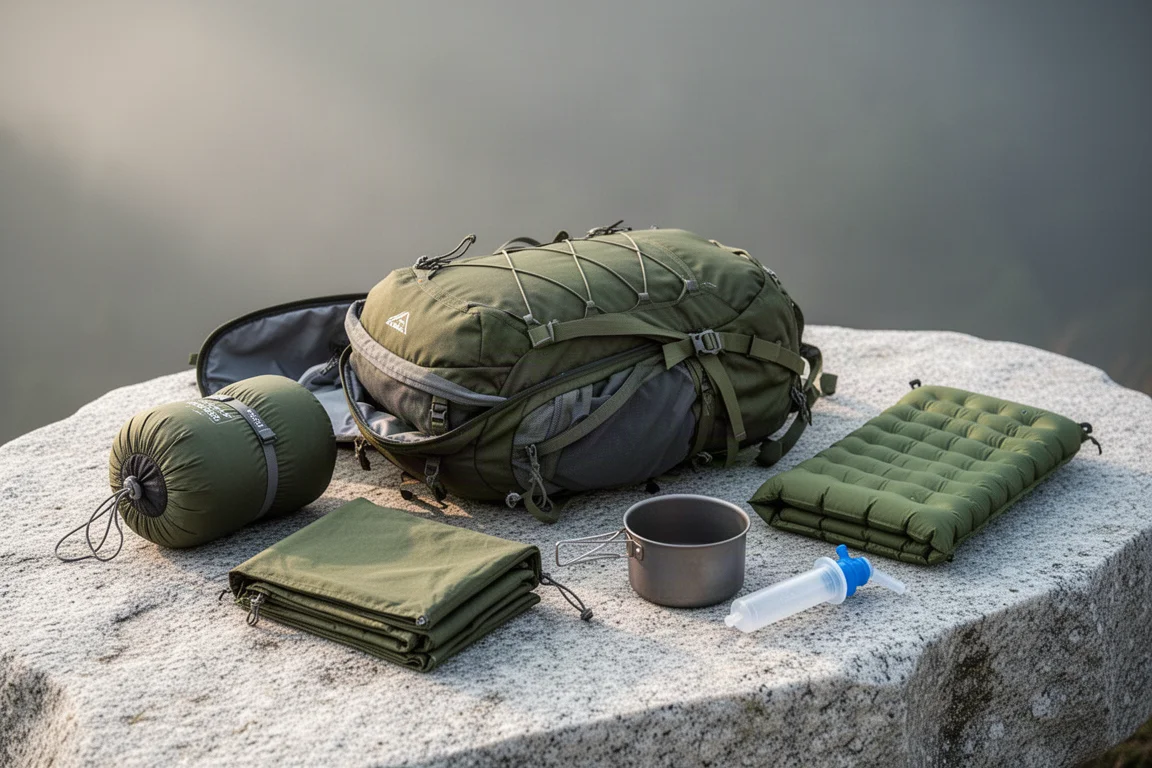
A practical walkthrough of the ultralight pieces behind a 10 lb base weight, from a 765 g pack and a roomy one-person tent to a full camp chair and a dependable water filter.
Backpacking Gear
A 15-Pound Lightweight Backpacking Gear List for Solo Trips
A beginner-friendly 15-pound backpacking setup built from easy-to-find gear, with notes on what each piece does, how it packs, and where to spend your attention.
Backpacking Gear
8 Ultralight Backpacking Gear Upgrades Worth Carrying
Eight small, affordable backpacking upgrades that solve real trail annoyances, from a pillow that stays put to a fuel valve that rescues leftover canister gas.