Backpacking Packs
Gossamer Gear Mariposa 60 Review: A Lightweight 60L Pack for Long-Distance Hiking
A close look at the Gossamer Gear Mariposa 60, a 60-litre ultralight backpack for long-distance hiking, covering its strongest features and the trade-offs to weigh first.
Introduction
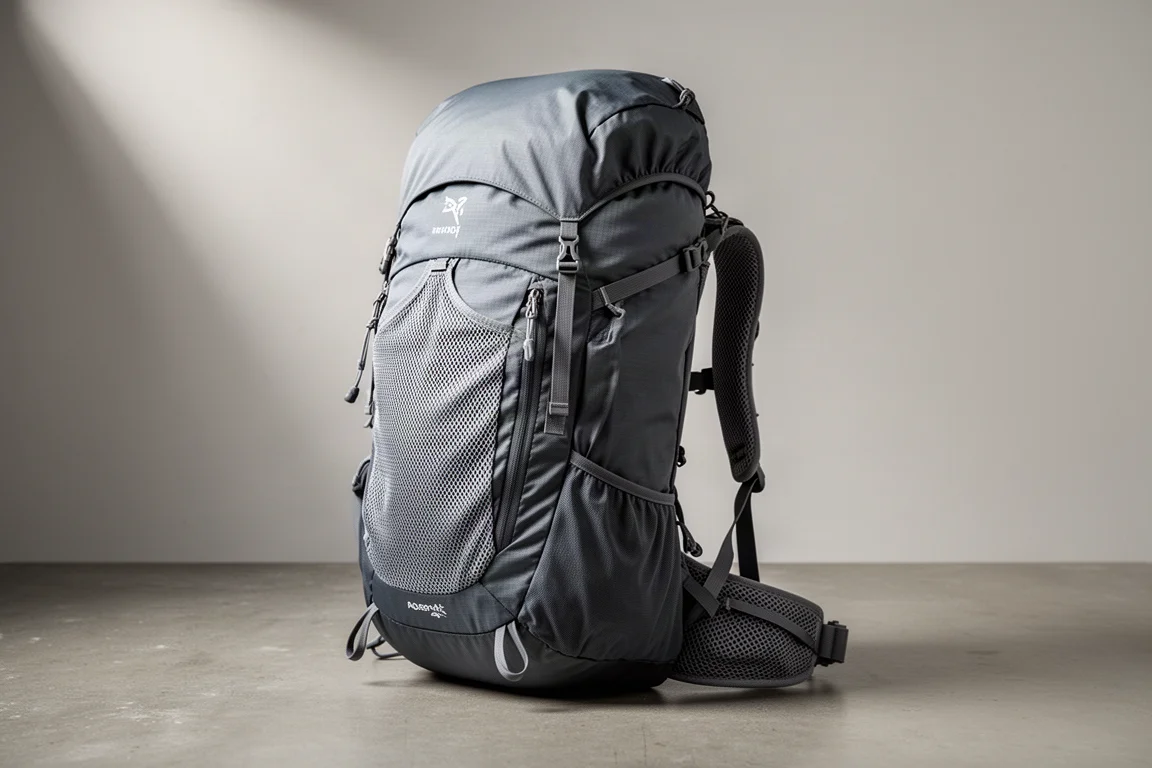
The Gossamer Gear Mariposa 60 is a lightweight 60-litre backpack from an American brand that has built a following among long-distance hikers. It turns up on the Pacific Crest Trail, the Appalachian Trail and the Continental Divide Trail, and in the UK it is a familiar sight on routes such as the Coast to Coast and the Cape Wrath Trail in Scotland. The appeal is straightforward: a large main compartment and a hard-wearing nylon shell at a weight most framed packs cannot match.
We have used this pack across a full season of trips, including multi-day backpacking in Scotland, the Alps, Germany and Austria, along with long-distance routes in southwest England and eastern Germany. That is enough time to understand where the design works and where it asks for compromises. This review covers what the Mariposa 60 does well, what to check before you buy, and who should look elsewhere.
Who the Mariposa 60 Is For
This is a pack for backpackers and thru-hikers who want to carry a full multi-day kit without a heavy framed pack on their back. Sixty litres is generous: a tent, sleeping bag, roll mat, stove, food and clothing all fit comfortably, and the main compartment swallows bulky loads without much fuss.
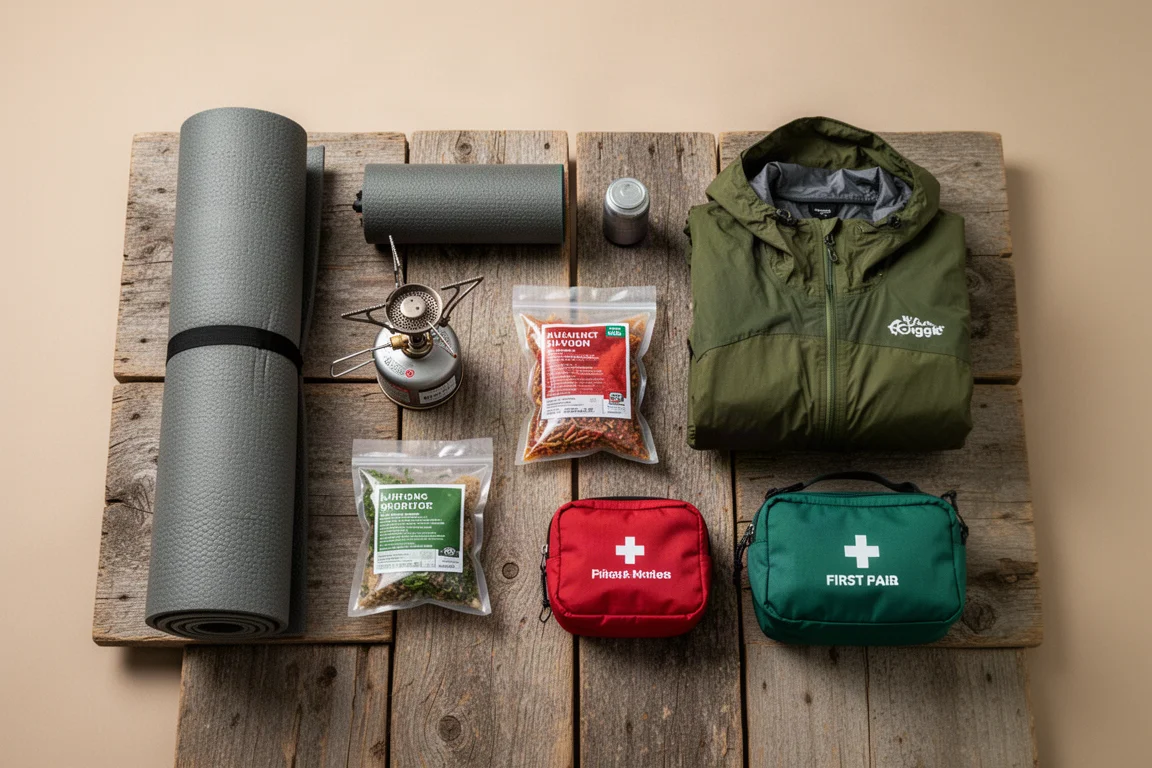
Gossamer Gear rates the Mariposa 60 for loads of roughly 30 to 35 pounds, which is about 13 to 15 kilograms. It is happiest at the lower end of that range, and anyone travelling with around 13 to 14 kilograms will find it well within its comfort zone. If your typical load is much heavier than that, a framed pack will serve you better.
Design and Construction
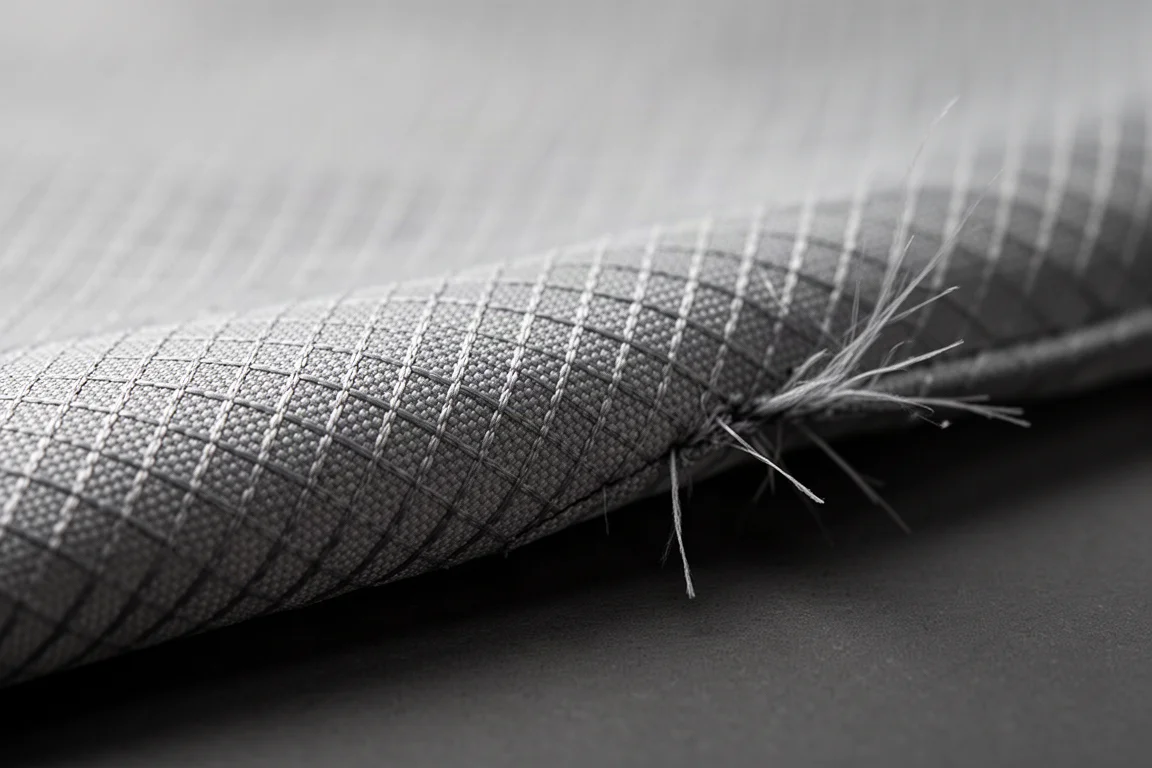
The shell is built from 100 and 200 denier nylon, a tightly woven fabric that shrugs off abrasion. Brushing past brambles or catching the pack on a gate is unlikely to leave a mark, and the material feels hard wearing in daily use. Some sections of the pack use lighter fabric without the same tight weave, so durability is not uniform across every panel.
Weight is the headline figure. Depending on the size you choose, the Mariposa 60 comes in at just over 800 grams, somewhere between 800 and 900 grams. It is available in small, medium and large, with different back lengths and hip belt sizes, so getting the right version matters more than it does on a one-size pack. Grey is the standard finish, and the pack is also offered in a green option.
The structure is deliberately minimal. There is no real frame, and the back panel is a removable foam sit mat rather than a load-bearing frame sheet. A hydration sleeve at the back takes a reservoir, with a port for the hose so you can drink while walking. There are ice axe loops and a handful of attachment points, though no roll mat loops underneath, so everything needs to fit inside the pack. A grab handle at the top makes it easy to hoist, and the sternum strap includes a whistle.
Water resistance is limited to a light repellent finish. No cover is included, and most owners will want to add one for wet days.
Main Strengths
The strongest argument for the Mariposa 60 is how much thought has gone into a pack that weighs so little. The fabric is durable, the pocket layout is generous, and the fit, once it is dialled in, sits high and transfers weight to the hips and shoulders.
Fabric and Weight
The 100 and 200 denier nylon is the foundation of the pack’s durability. It handles scrapes and rough ground well, and it keeps the overall weight low enough that the Mariposa 60 remains a genuine ultralight option rather than a stripped-down compromise.
Pocket Layout and Access
There are around seven pockets, and most of them earn their place. The top lid has a zip pocket large enough for a wash kit, sun cream, hand warmers and a water filter, with a toggle that is easy to grab with gloves on. A clip on the front gathers loose fabric out of the way when the pack is fully loaded.
The front stretch mesh pocket is the most useful of the lot. Because it is mesh, it expands to take whatever you can fit in it, which in practice means hats, gloves and snacks. On the opposite side, a bottle pocket holds two water bottles and stays reachable while you are walking, and an identical pocket above it is a good home for a first aid kit, waterproofs or tent pegs. The two hip belt pockets are generously sized and will take a phone, snacks, a compass or batteries.
How the Pack Carries a Load
When it is adjusted properly, the Mariposa 60 sits high on the back and is supported by the shoulders and hips. The hip belt is chunky and the shoulder straps are broad and well padded, with adjustment points at the top of the harness to pull the pack tight against your back.
The shape takes some getting used to. It is bulkier than the narrow, tall silhouette common on packs such as the Osprey Exos, and it reads as a large fabric mass rather than a sleek alpine design. That is less a fault than a difference in approach, but anyone moving across from a slimmer pack will notice it immediately.
Packing technique matters here. The Mariposa 60 grows backwards rather than upwards as you fill it, so heavy items should sit close to your body and light bulk should go towards the outside. Pack it that way and the load stays stable; pack it carelessly and you will feel every lump through the back panel.
Things to Consider Before Buying
A few details stand out as genuine trade-offs rather than minor quirks, and they are worth weighing against the price before you commit.
The Side Quiver Pocket
One side of the pack has a full-length sleeve that Gossamer Gear calls the quiver. It runs the whole height of the pack, but there is no access point at the bottom and no way to reach into it while wearing the pack. In practice that means stopping and taking the pack off to get anything out of it. A tripod will fit, but you cannot retrieve it on the move. Since the opposite side has a bottle pocket that stays reachable while walking, the two sides are not equally useful.
Back Ventilation and Sweat
With no frame and a mesh back panel that sits directly against you, there is nothing to separate your back from the pack. On warm days you will sweat against it, and your back will be damp by the end of a long climb. The pack then needs washing and thorough drying, because a damp back panel left in storage will go mouldy. Poorly packed items can also press into your back.
Hip Belt Adjustment and Shoulder Straps
Tightening the hip belt is awkward. The strap pulls away from the body rather than across it, which makes it difficult to get the belt tight enough to feel properly supportive. The shoulder straps are also on the chunky side. Broad frames will appreciate the padding, but smaller frames may find them oversized, which raises the risk of rubbing over long distances.
What Is Not Included
No waterproof cover is supplied, and the fabric only has a light water-repellent finish, so a cover is a sensible extra purchase. There are also no roll mat loops on the underside, which means your sleeping mat has to fit inside the pack. Optional accessories such as a shoulder strap pocket are available, though they are not essential.
Durability, Care, and Support
The tightly woven nylon has held up well over a season of regular use, and the pack continues to be used on trips. The lighter fabric sections need a little more care, but the main shell handles rough treatment without complaint.
Maintenance is simple but not optional. Wash the back panel and mesh after sweaty trips and let them dry completely before storing the pack. Do that, and the materials should stay in good condition for a long time.
Gossamer Gear’s customer service has been responsive and easy to reach, and the brand’s stated aim of helping more people get outside with lightweight kit comes through in how the packs are designed. It is a smaller company with a clear point of view, which is part of the appeal for buyers who want to support that kind of business.
Buying Advice
At around $300, or roughly £250 in the UK, the Mariposa 60 is a serious purchase. Most packs in this category sit closer to $100 to $150, so you are paying a premium of well over $100 for the weight saving, the fabric and the pocket layout. That premium makes sense if you backpack regularly and want a pack that disappears on your back rather than one that merely gets the job done.
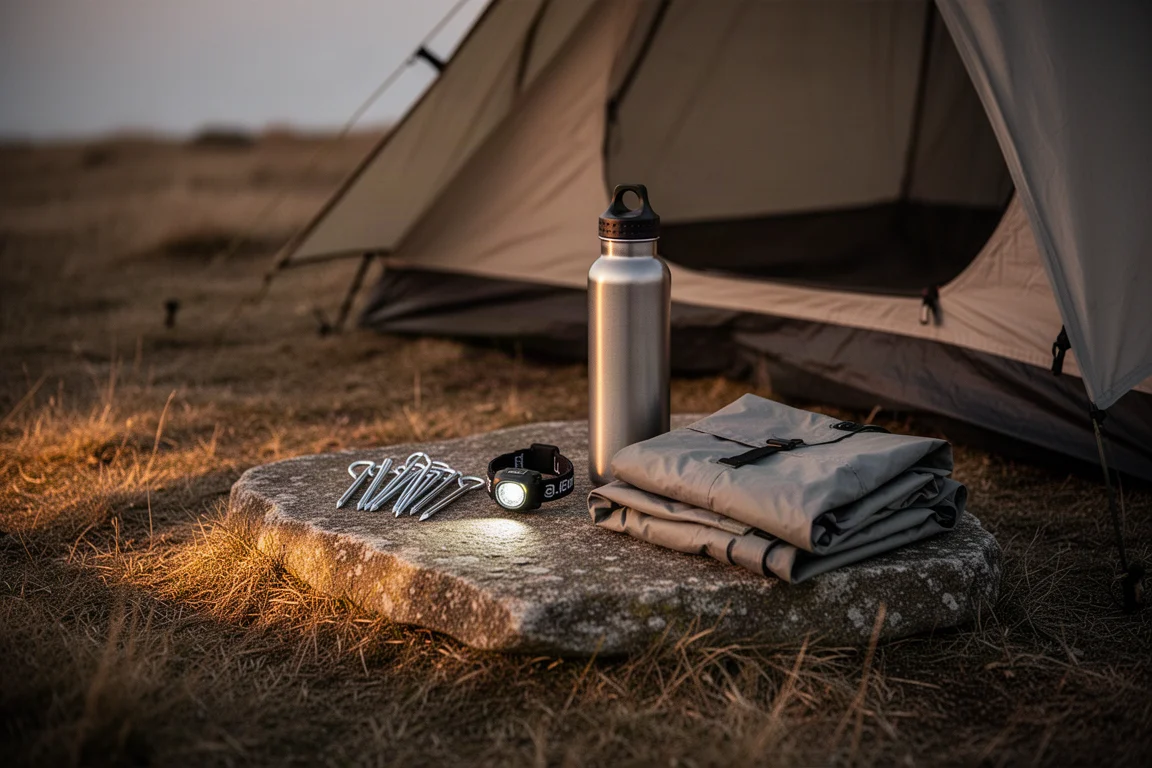
Sizing deserves attention before you order. Because the pack comes in small, medium and large with different back lengths and hip belt sizes, matching the right version to your torso makes far more difference to comfort than any feature on the list. If you carry around 13 to 14 kilograms, want a large main compartment and can live with a sweaty back and a side pocket you cannot reach on the move, the Mariposa 60 is a strong choice. If you prefer a slimmer, more structured pack, or you routinely carry heavier loads, look elsewhere.
Conclusion
The Gossamer Gear Mariposa 60 is a well-made, thoughtfully designed ultralight backpack that earns its following among long-distance hikers. It carries a full multi-day kit at a weight few framed packs can approach, the nylon shell is tough, and the pocket layout covers almost everything you need on the trail.
It is not without compromise. The side quiver pocket is awkward to use on the move, the back panel leaves you sweaty, the hip belt takes effort to tighten properly, and the price sits well above average. Buy it for the weight and the build quality, and go in knowing exactly what you are trading away.
Product link
View more details for Gossamer Gear Mariposa 60
This product is mentioned in the review. Check the specifications, options, and compatibility before buying.
View more details for Gossamer Gear Mariposa 60Further reading
Related Reviews
Backpacking Packs
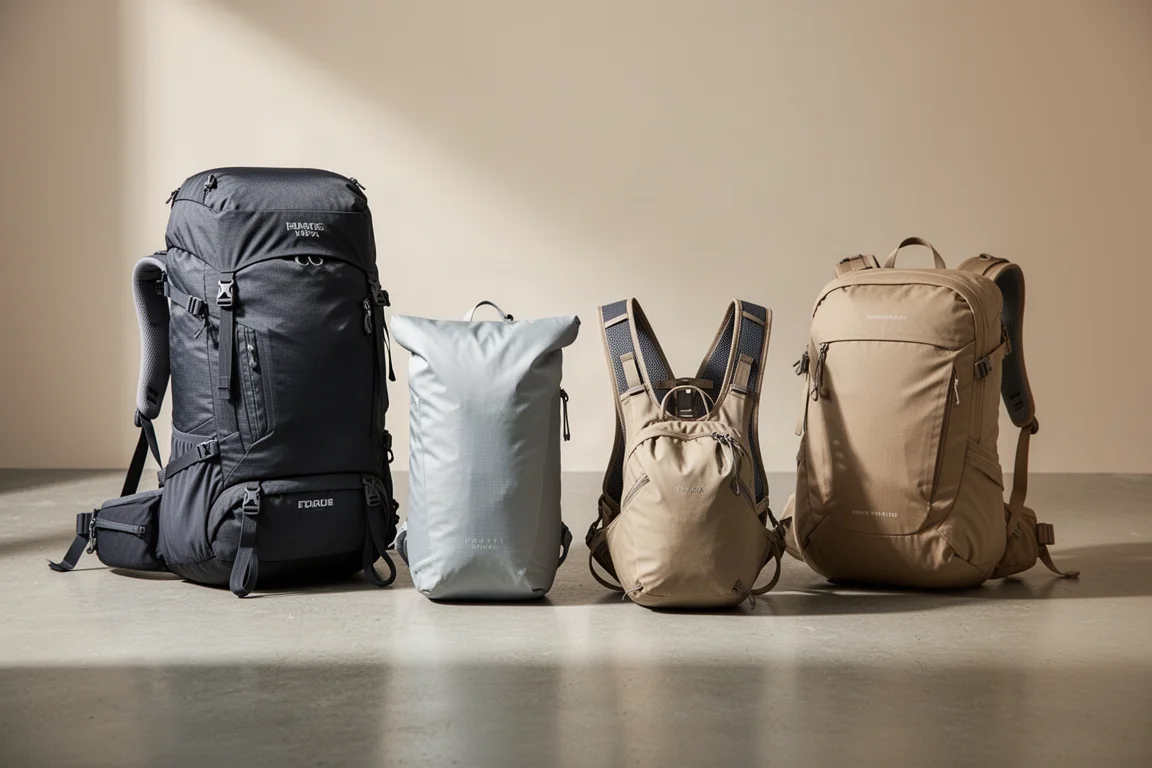
Backpacking Pack Types Compared: Traditional, Ultralight, Frameless, and Hybrid
Four pack categories, four representative packs, and a practical way to decide which kind of backpacking pack matches the weight of your gear.
Backpacking Packs
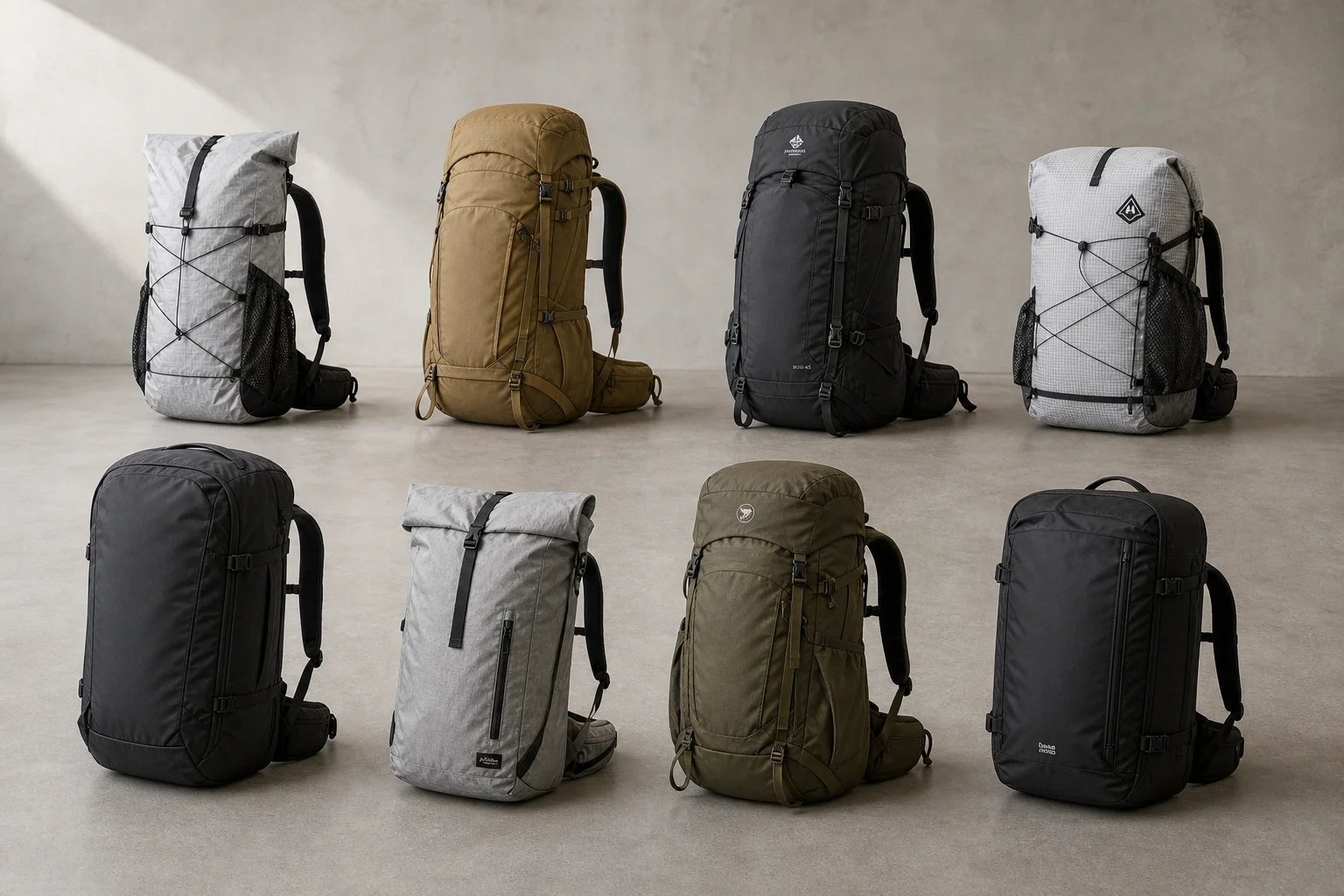
Best Backpacking Packs 2026: Six Picks for Every Style of Trip
Six backpacking packs that earned their place by weight class and purpose, with the real strengths and trade-offs to weigh before you buy.
Backpacking Packs
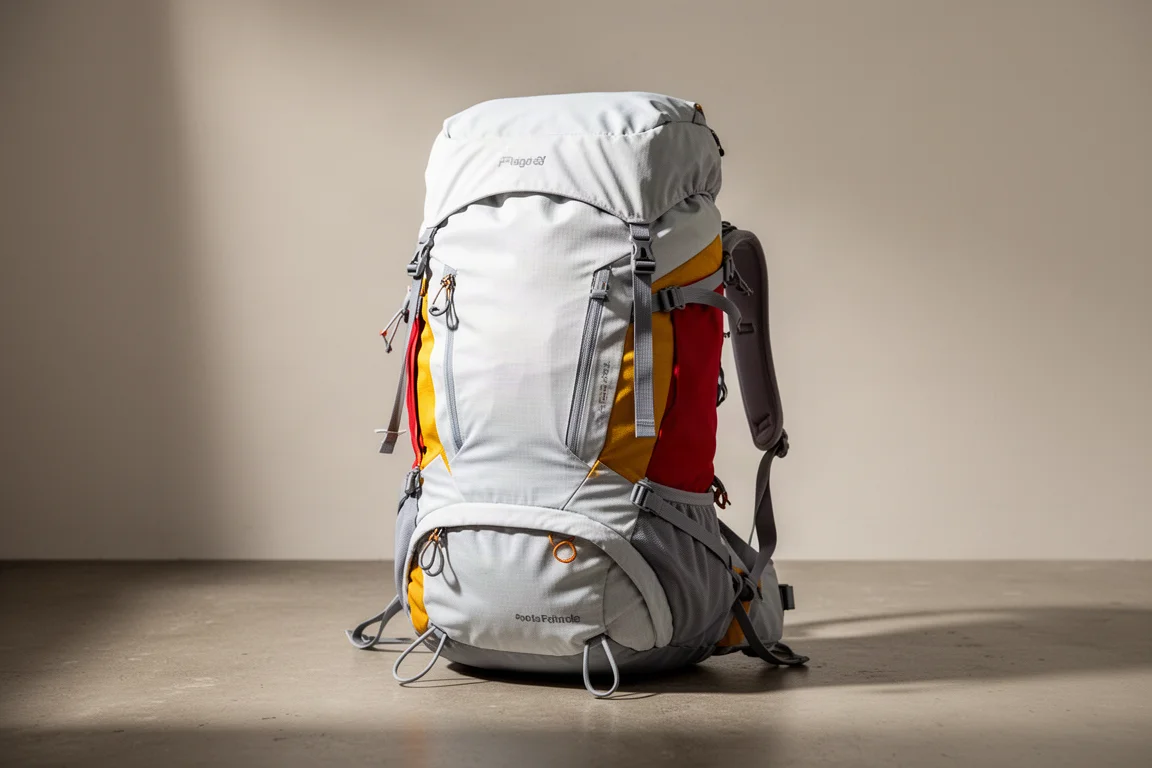
Big Agnes Prospector 50 Review: A Hybrid Pack That Sits Between Two Worlds
A 50-liter backpacking pack that mixes ultralight features with traditional padding and panel access. Here is who it suits and where it falls short.