Camping Shelters
Gore-Tex Bivy from the Modular Sleep System: A Cold-Weather Shelter Worth Knowing
A simple, three-layer Gore-Tex bivy shell from the US military Modular Sleep System, praised for waterproof protection, breathability, and durability at a surplus price.
Introduction
Few pieces of camping gear have stayed in service as long as the Gore-Tex bivy that forms part of the US military Modular Sleep System, usually shortened to MSS. It is a plain shell, almost stubbornly so, and that simplicity is exactly what makes it interesting. Used from late fall into early spring, it has earned a reputation as a shelter that does a small number of things very well.
The Modular Sleep System itself is built around three main components: a lighter weight patrol bag, an intermediate cold weather sleeping bag, and the Gore-Tex bivy. Each can be used on its own, or all of them can be combined. When both sleeping bags are used together inside the bivy, the system is rated down to -30 degrees Fahrenheit, and that figure can be extended to -50 degrees Fahrenheit with additional warm clothing layered on.
That modular approach is the whole point of the design. Rather than producing separate sleep systems for different seasons and different locations, the military ended up with one kit that covers the full range of conditions a user might meet across a year. The bivy is the outermost layer of that kit, and it is the piece most people ask about.
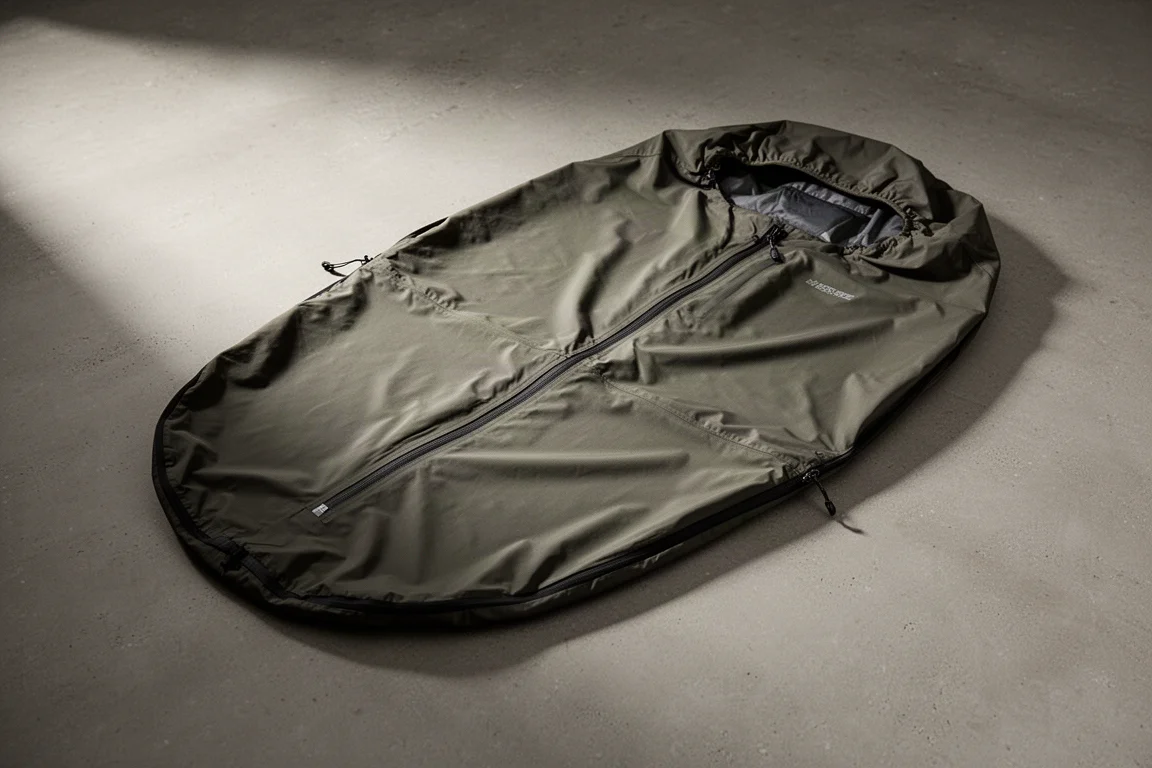
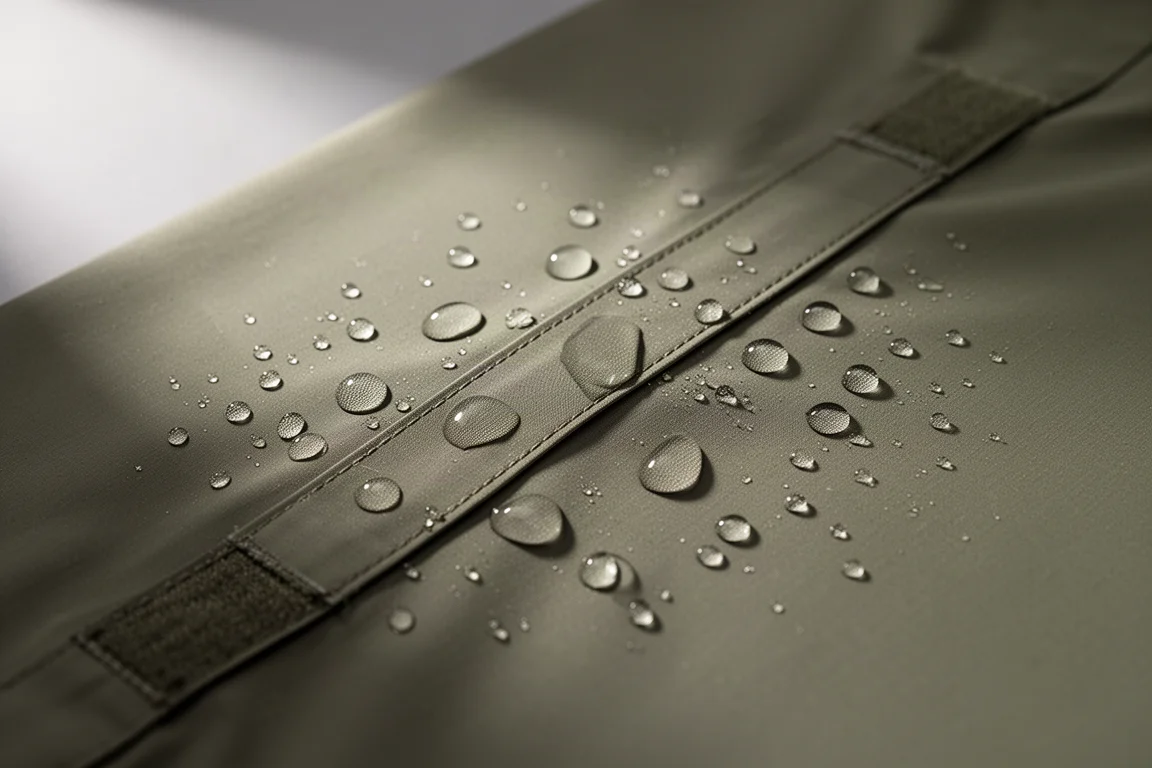
The bivy is about as simple as a bivy can be. A zipper runs around the perimeter all the way up to the top, snaps let you fasten the sleeping bags so they work in conjunction with the shell, and the seams are taped. There are no pockets, no netting, and no mesh. It is a shell and nothing more, and for many users that is a feature rather than a shortcoming.
Who This Bivy Is For
This is a shelter for cold-weather camping, and it makes the most sense for people who spend nights out from late fall through early spring. Anyone who wants a dependable outer layer that keeps a sleeping bag dry in rain, snow, or an ice storm will find the design easy to understand and easy to trust.
It also suits campers who value utility over features. Because there is no mesh and no insect protection, it is not the right choice for warm-weather trips where bugs are a real problem. Users who want bug protection will typically look at other options during the summer months, or add mesh over the top, or have mesh sewn in.
Budget-conscious buyers are another natural fit. The materials involved are expensive, but surplus availability keeps the price of this bivy remarkably low, which puts a genuine three-layer Gore-Tex shelter within reach of people who would never spend four figures on one.
Design and Materials
The headline material is a three-layer Gore-Tex construction, paired with YKK zippers and taped seams. Three-layer Gore-Tex shelters have become rare because the material is so costly. Roughly a decade ago, a handful of companies offered Gore-Tex bivvies and tents, and they were extremely expensive. Today very few shelter systems still use it, and most bivy makers have moved away from Gore-Tex for the same reason.
For context, consider what a Gore-Tex rain jacket costs. It is easy to spend 500, 700, or even more than a thousand dollars on a high-grade jacket, and that is a relatively small amount of fabric. A comparable bivy built by a US outdoor company with the same materials would run around $1,000 or more. Against that backdrop, the surplus pricing of this bivy is genuinely impressive.
The dimensions explain why it works for so many people. The bivy measures 85 inches long, 35 inches wide at the shoulders, and 28 inches wide at the feet. Although the cut is a mummy shape, the interior is long and wide enough that a full rectangular sleeping pad fits inside along with a sleeping bag, and the combination still works properly.
That generous size is also part of the weight story. The bivy weighs 2.5 pounds, which is heavier than some complete tents. The design philosophy behind it is utility first: keep the user safe, keep them dry, release moisture so the shell breathes, and make the whole thing extremely strong. Everything else ranks well below those priorities.
Main Strengths
Waterproofing is the first strength, and it is not theoretical. The shell has been used in rain, in snow, and in ice storms, including nights spent directly on top of snow, and it has stayed completely dry. Three-layer Gore-Tex is also known for durability, and that reputation holds up here. The bivy can be placed straight on the ground over sticks, twigs, and rocks without a ground sheet, and the material comes through fine.
Breathability is the second strength. Condensation and moisture build-up are always possible in any bivy, but as far as materials go, Gore-Tex remains the benchmark. For anyone who wants the best available balance of breathability, waterproofness, wind blocking, and durability in a single shell, this is the material that performs at that level.
The third strength is value. For a price in the region of $70, it is hard to find a bivy that is as strong, as waterproof, or as breathable. A user gets a large, simple, durable shelter made from a material that has largely disappeared from the mainstream market because of cost.
Real-World Performance
Long-term experience with this bivy has been consistent. Rainstorms with strong winds driving water across the shelter have left the inside completely dry, and the same has been true in snow and freezing conditions. The shell is genuinely waterproof, and it holds up season after season without looking worn.
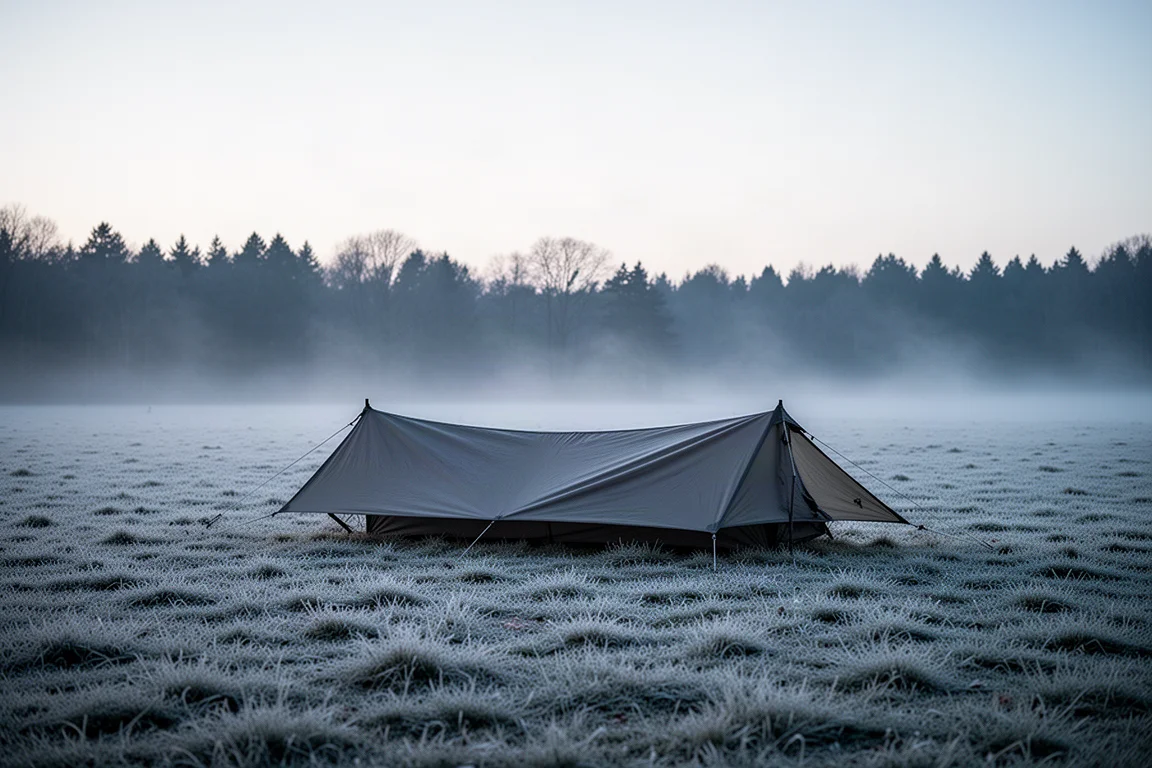
There is one important caveat. This is not a shelter to use in a rainstorm on its own, without a tarp. Because the zipper runs around the perimeter, there is no way to get in or out without the interior getting wet. If the weather allows you to seal up and stay inside until the rain stops, that is fine. If you have to get out, the inside gets wet, which means the sleeping bag and possibly the sleeping pad get wet too.
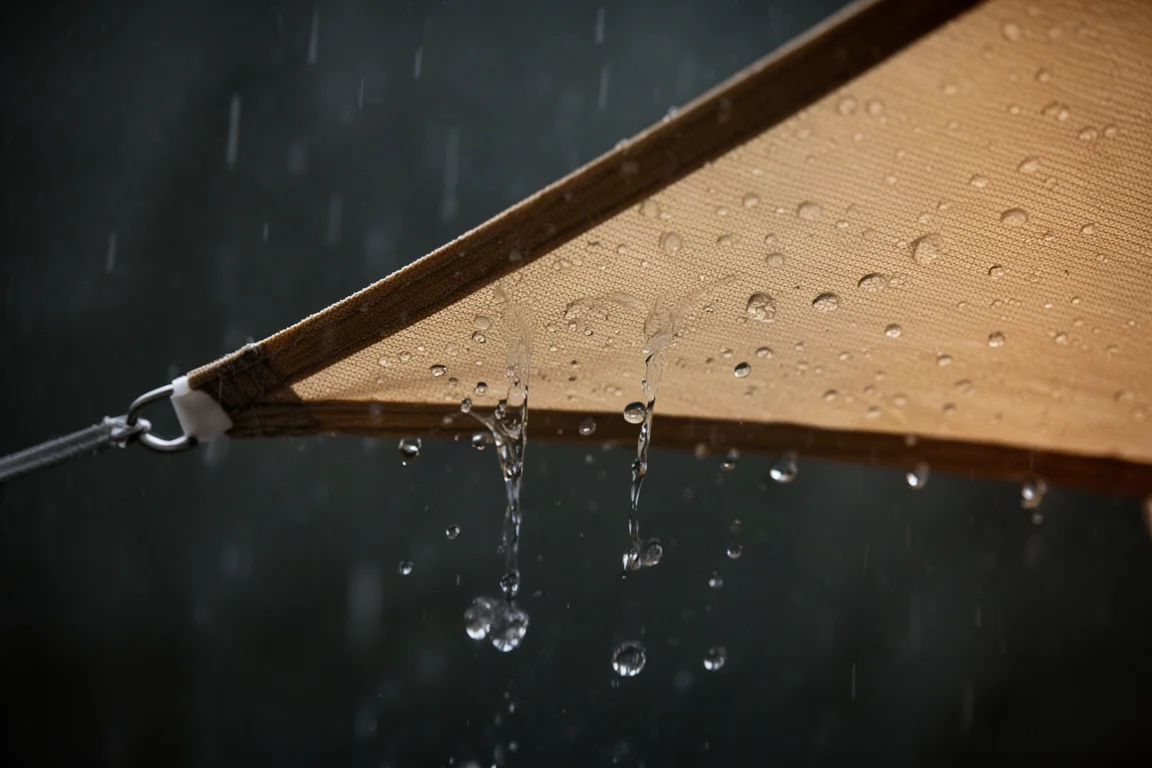
The practical approach is to pair the bivy with a tarp whenever rain or snow is likely, and to use it on its own only when the forecast is good. Used that way, it has handled everything thrown at it, including knockdown storms and ice.
Condensation is worth a mention as well. It is possible with any bivy, and this one is no exception, but the material choice gives it the best available chance of managing moisture while still protecting the user from the elements.
Things to Consider Before Buying
There are three main trade-offs to weigh. The first is weight. At 2.5 pounds, the bivy is heavier than a number of complete tents, so anyone counting grams will feel it in the pack.
The second is packed size. Rolled or folded for storage, the bivy is bulky and takes up a lot of room inside a backpack, roughly comparable to a high-quality two to three-person tent.
The third is the absence of bug protection. There is no zipped-in mesh, so insects are not kept out, which is the main reason this bivy tends to be left behind during warmer months. Products like permethrin can help, but nothing short of mesh will keep a bivy completely bug free. Solutions exist, from adding mesh over the top to having mesh sewn in, but the product as sold is a plain shell.
None of these points are flaws in the design so much as consequences of it. The bivy was built for protection, durability, strength, waterproofness, and breathability, and the weight, bulk, and lack of mesh follow directly from those priorities.
Buying Advice
For anyone interested in one of these, surplus marketplaces are the place to look, and the most competitive pricing tends to come from listings where many sellers compete with each other. Brand new, these bivies commonly sell for roughly $70 to $100, and used examples have been seen for substantially less, sometimes as low as $30.
If buying used, check the condition carefully. Look for holes or damage that would need repair, confirm that the zipper works properly, and ask questions and request photographs before committing. A damaged shell undercuts the value of the purchase.
It is also worth being cautious about general marketplace listings. New units offered at very low prices are frequently not genuine military surplus, and buyers may end up with a knockoff rather than the real item. Since authentic surplus is already inexpensive, there is little reason to gamble on an imitation.
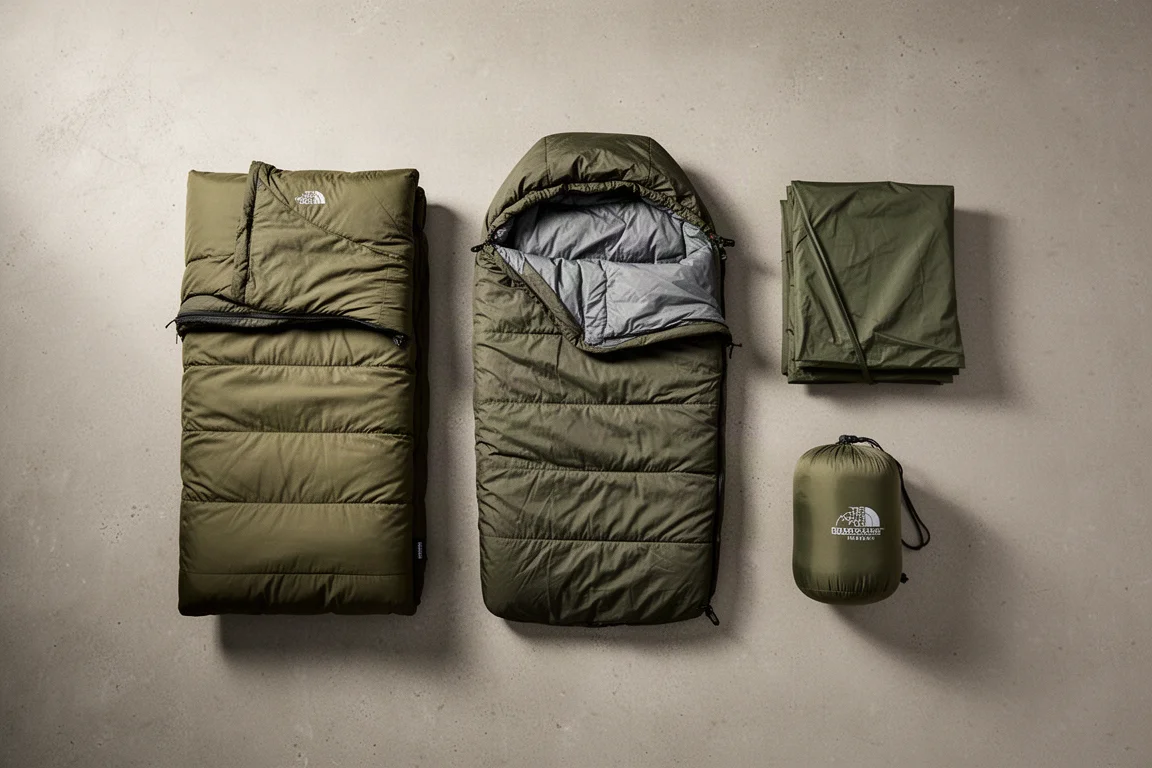
If the whole kit appeals more than the bivy alone, the full Modular Sleep System is a four-piece setup: the patrol bag, which is the green one intended for warmer conditions, the intermediate bag for colder conditions, the bivy, and a compression sack. All three shelter and sleep components take up considerable space, but the system covers an unusually wide range of conditions. Knockoff versions of the full system exist at low prices, but the genuine surplus kit is affordable enough that there is no real reason to settle for a copy.
Conclusion
The Gore-Tex bivy from the Modular Sleep System is a very simple product that does exactly what it was designed to do. It is waterproof, breathable, and built from a three-layer material that is known for lasting a long time, and it can be found for a fraction of what comparable Gore-Tex shelters would cost.
It is not lightweight, it is not compact, and it offers no protection from insects. Buyers who understand those limits and who plan to use it in cold conditions, ideally with a tarp when the weather turns, will find it an excellent and affordable piece of kit. Those who need a summer shelter with mesh should look elsewhere, but for cold-weather use this bivy remains a genuinely strong choice.
Product link
View more details for Gore-Tex Bivy from the Modular Sleep System (MSS)
This product is mentioned in the review. Check the specifications, options, and compatibility before buying.
View more details for Gore-Tex Bivy from the Modular Sleep System (MSS)Further reading
Related Reviews
Camping Shelters
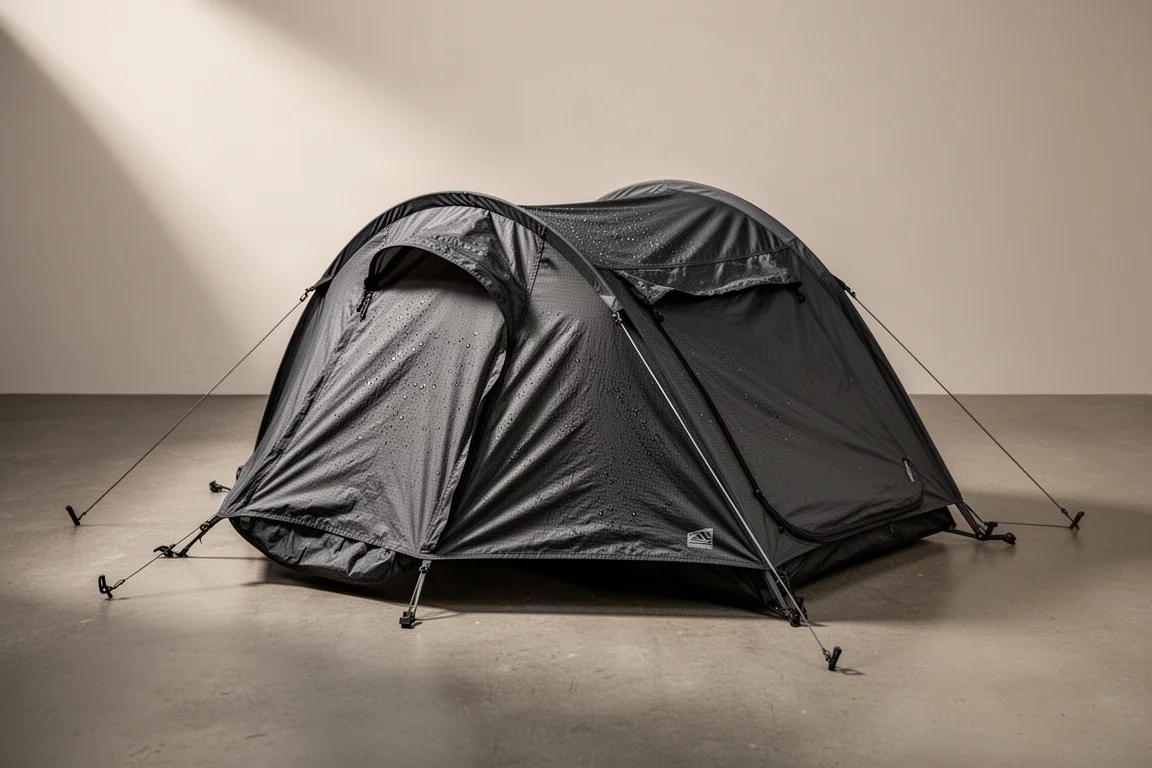
Alps Mountaineering Stealth 1 Bivy Review: A Waterproof Claim That Does Not Hold Up
The Alps Mountaineering Stealth 1 Bivy carries a 2,000 mm hydrostatic head rating and a waterproof claim, but sustained rain exposure and build quality concerns make it difficult to recommend.
Camping Shelters
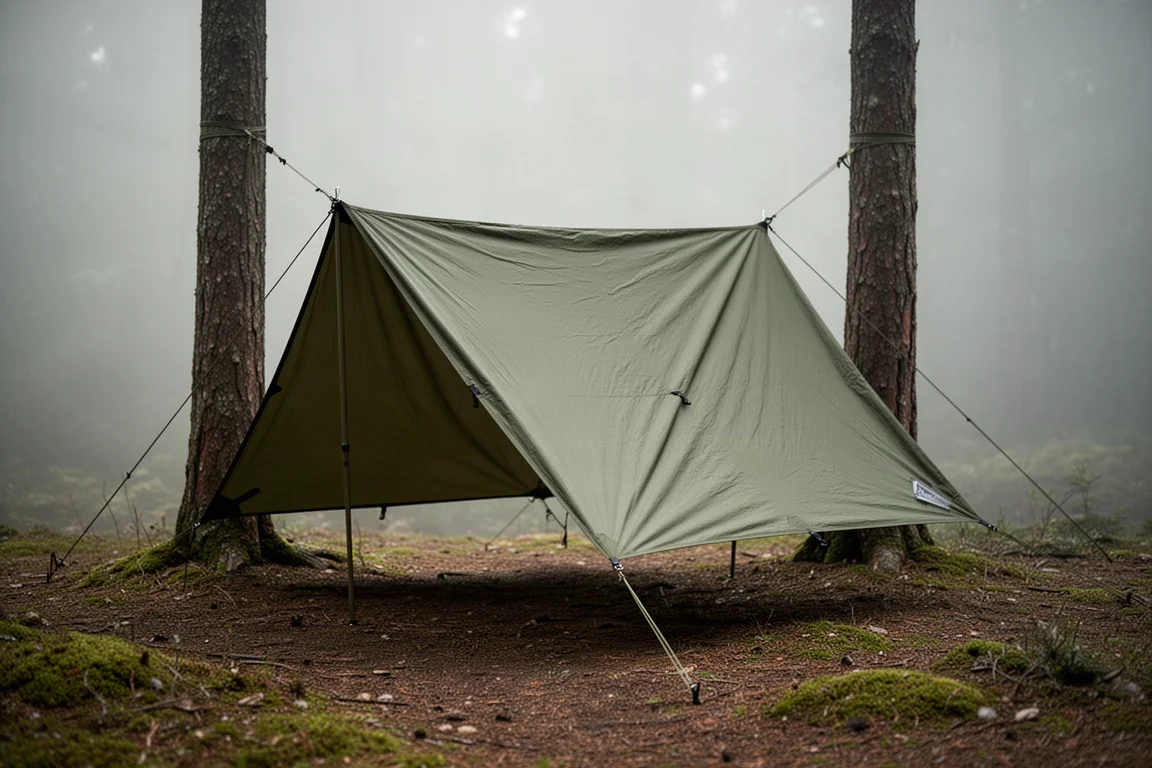
AquaQuest Safari Hybrid 20 ft x 13 ft Tarp Review: Two Years Under a Very Large Roof
A long-term look at the AquaQuest Safari Hybrid 20 x 13 tarp, covering build quality, weather protection, setup realities, and who should buy one.
Camping Shelters
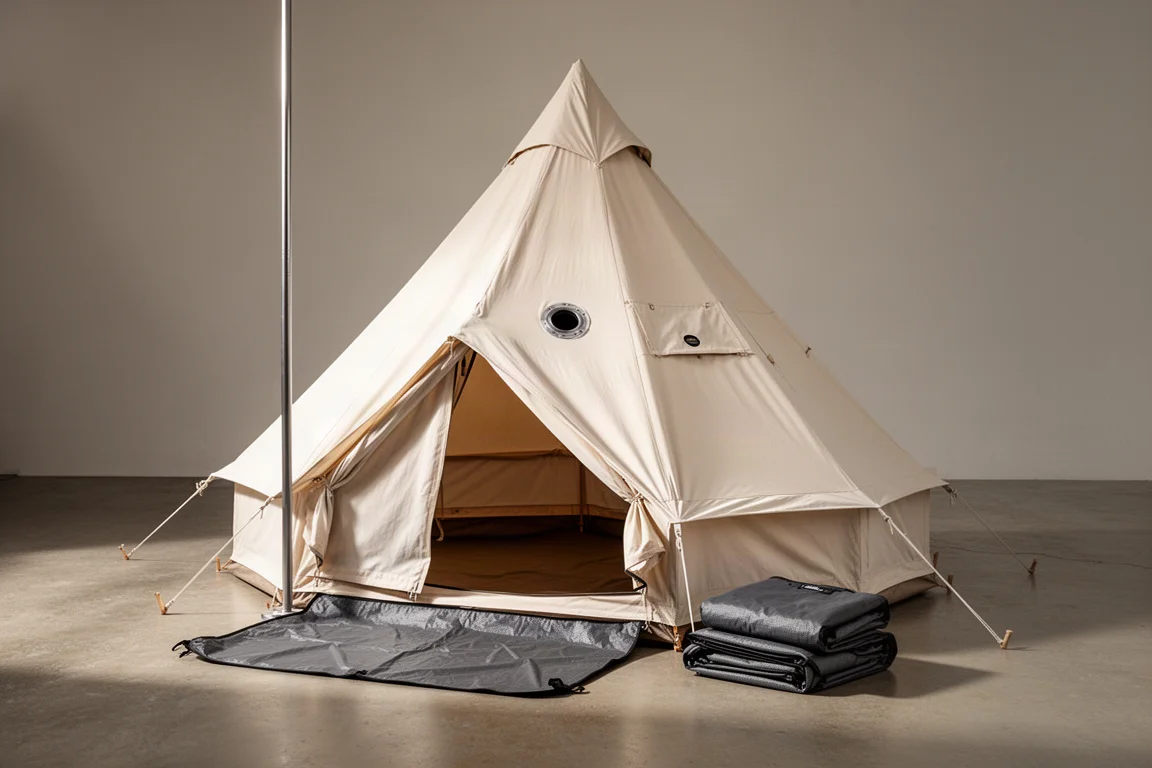
Backcountry Light Mesa 3 Hot Tent and Floor SL Tarp Review
A practical look at the Backcountry Light Mesa 3 four-season hot tent and its optional Floor SL Tarp, covering materials, stove jack design, packed weight, pricing, and the trade-offs to weigh before buying.