Action Cameras
GoPro Mission 1 Pro Review: The Most Fully Loaded Action Camera Yet
A month and a half with GoPro's new flagship: a 1-inch sensor, 8K60, 960fps slow motion, better low light, and where the Hero 13 Black still fits in.
Introduction
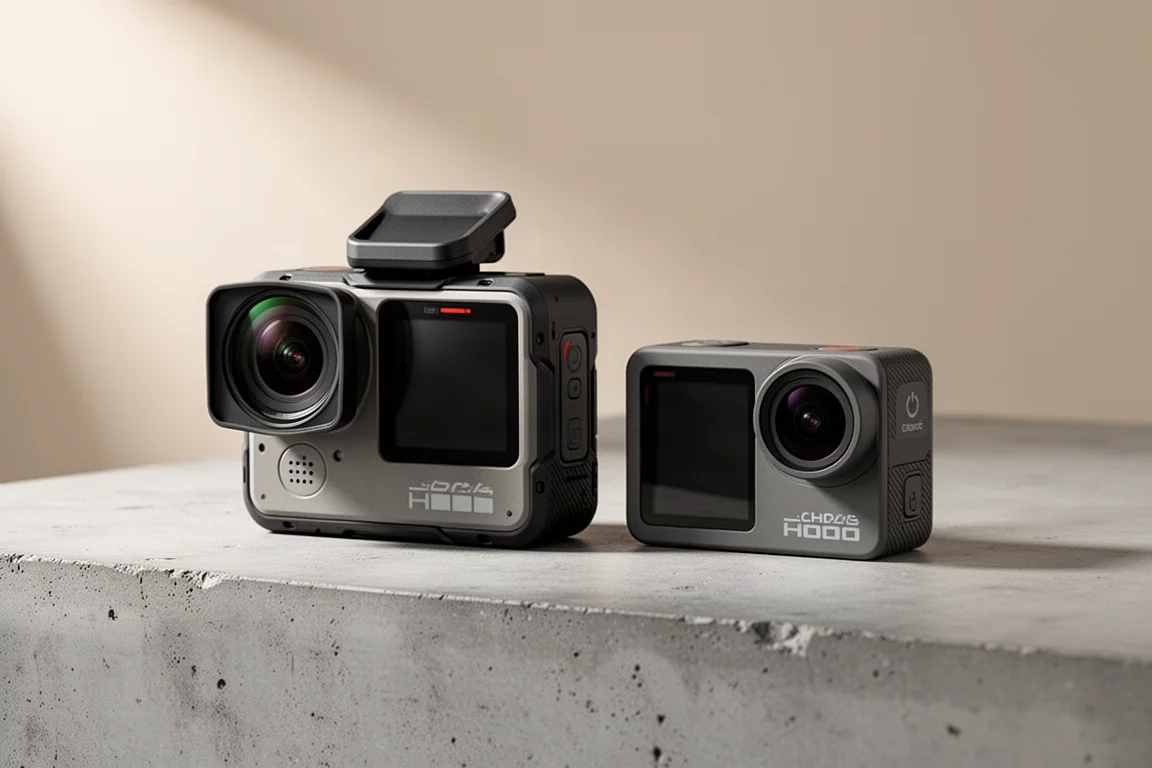
After a month and a half of testing across swimming, biking, running, diving, and everyday shooting, the GoPro Mission 1 Pro emerges as the most capable and fully featured action camera on the market right now. That is a strong claim, but it holds up across virtually every shooting scenario, with low light being the one area where it merely matches rather than beats the competition.
There are three models in the series: the Mission 1 starting at $499, the Mission 1 Pro starting at $599, and the Mission 1 ILS, which is identical to the Pro but adds a front mount for interchangeable lenses at the same $599 price. The ILS model arrives later in the August or September timeframe and lets you attach a micro four thirds lens to drop the aperture below the built-in F2.8, though its lack of autofocus and lens compatibility questions make it more of a production tool than an everyday action camera.
Who This Camera Is For
GoPro has positioned the Mission 1 Pro as a do-everything flagship, and the feature list backs that up. But it is worth being honest about who benefits most. If you shoot a mix of action footage, slow motion, low light, and underwater content, this is the camera that handles all of it without compromises.
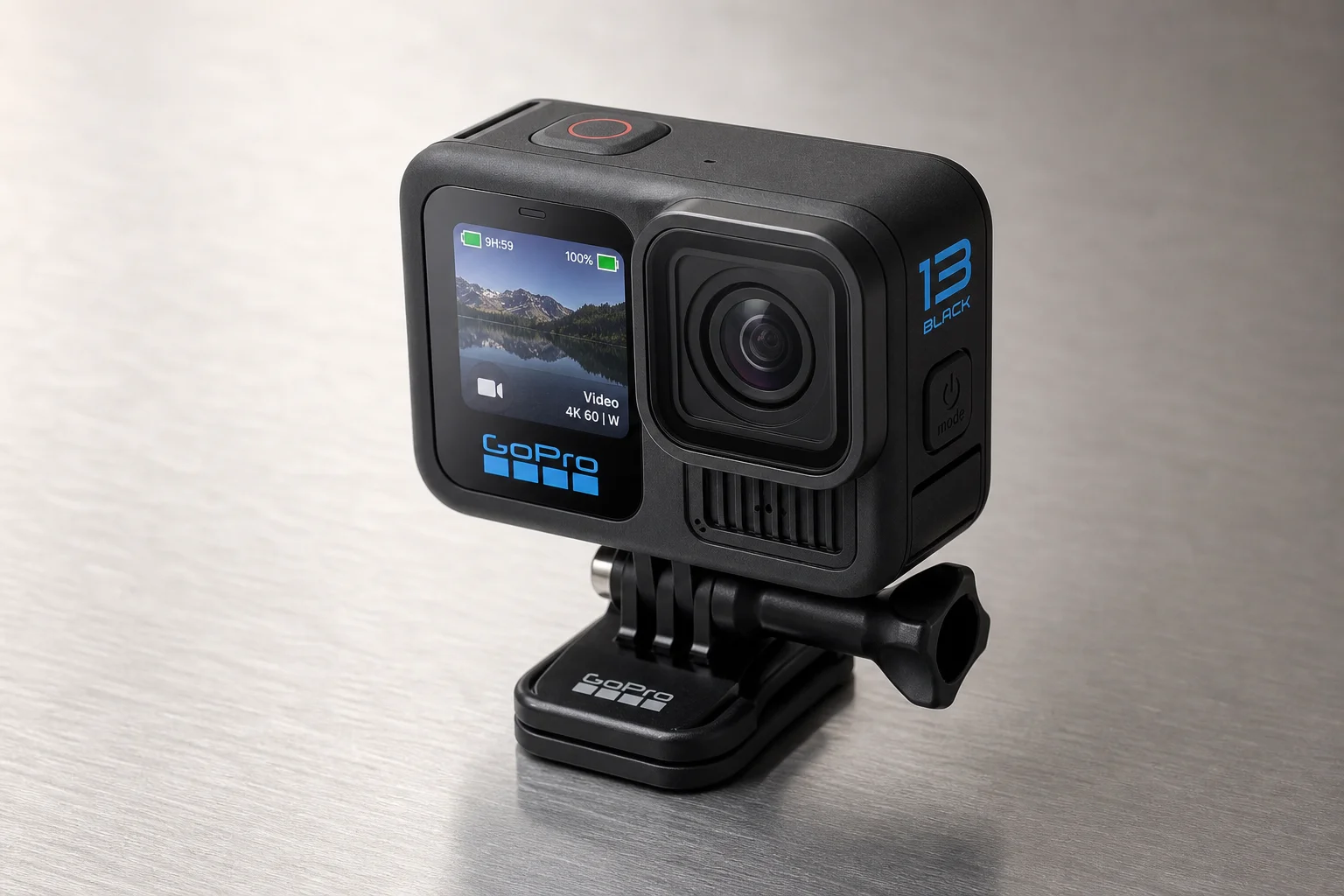
If you own a Hero 9, 10, 11, or even a 12, this is a substantial upgrade. If you own a Hero 13 Black, the decision is harder: unless something on the feature list genuinely excites you, the upgrade may not feel worth it. And if you already shoot with an Insta360 Ace Pro 2 or DJI Action 6, day-to-day footage will feel largely similar unless one specific Mission 1 Pro feature stands out to you.
Image Quality and Low Light
The headline hardware change is a 1-inch quad Bayer sensor, a larger sensor than GoPro’s competitors offer, paired with the new GP3 processor that drives everything from 8K60 recording to stabilization. GoPro believes this combination leaves significant headroom for future growth, which matters for a camera you may keep for several years.
Low-light performance is the area people have asked about for years, and it finally delivers. GoPro is now in the same ballpark as Insta360 and DJI, with some scenarios handled slightly better by GoPro and others slightly better by the competitors. What matters more is that low light is now genuinely usable, especially in true low-light situations like just after sunset, where a Hero 13 Black would have produced unusable footage.
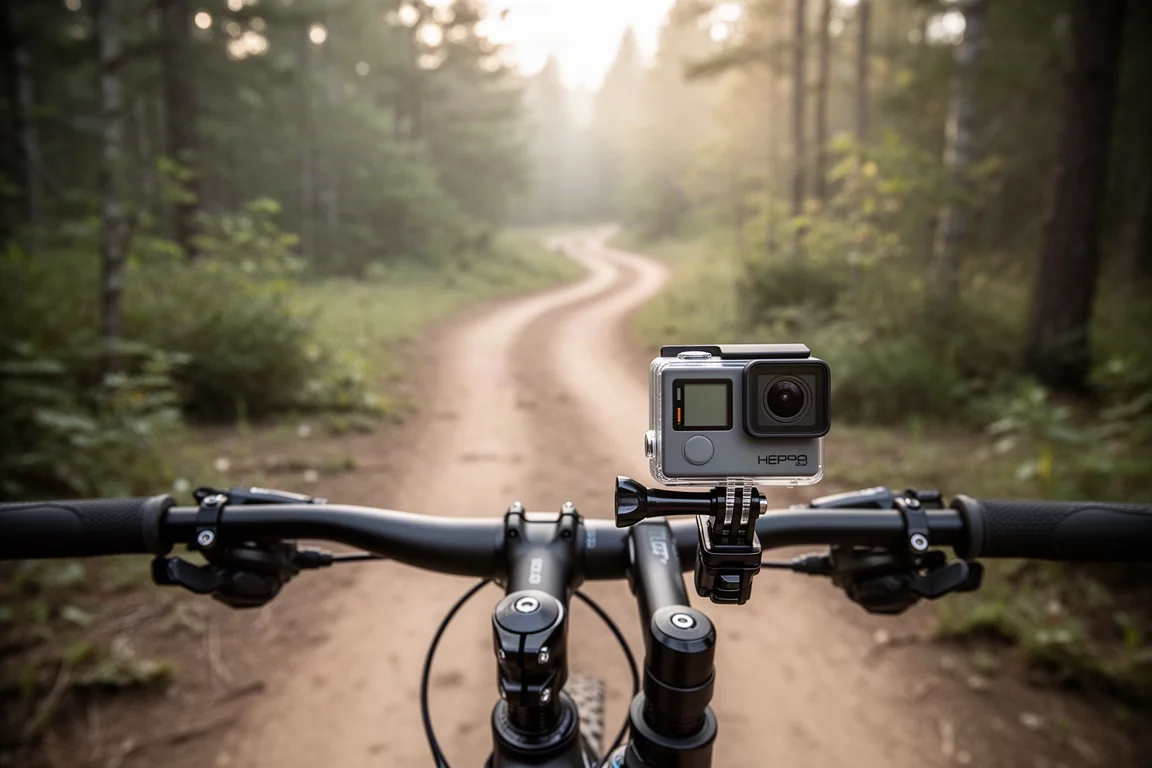
Color interpretation still varies between cameras, as seen in side-by-side sunset comparisons, but the overall result is mostly a wash between the three flagship brands in testing so far.
8K Modes and Field of View
The 8K modes are a practical strength. You get three field of view options: linear, wide, and the ultra-wide SuperView, with SuperView capped at 30fps while linear and wide reach 60fps. You can shoot in 16:9 or 4:3. The real benefit of 8K is flexibility in post-production, letting you crop into the exact portion of the scene you want while still delivering sharp results.
8K quality from the Mission 1 Pro is better than what DJI and Insta360 currently offer, likely because GoPro’s sensor is a newer generation. Expect the competition to match it within the next year. One notable change: HyperView has disappeared entirely, because SuperView is now wider than HyperView ever was. Open gate support is also now a named, one-tap mode, though GoPro has technically offered it for years under the 8:7 mode with increased bitrate.
Frame Rates and Slow Motion
This is where the Mission 1 Pro genuinely separates itself. In 4K you can shoot up to 240fps, and in 1080p up to 480fps, doubling what competitors currently offer. The standout is a new 1080p 960fps burst mode that captures up to 10 seconds of footage. Watching a cannonball splash at that frame rate is genuinely impressive, especially the secondary wave after the initial splash.

Keep expectations realistic: on a phone, 960fps footage looks amazing. On a large TV, the quality softens noticeably, which is inevitable when pushing toward a thousand frames per second. For social-first slow motion, though, nothing else in the action camera market comes close.
Underwater Rating and Dive Mode
The Mission 1 Pro increases its depth rating to 20 meters (66 feet) without a housing, putting it in the same ballpark as its competitors. The redesigned equilibrium buttons allow water to flow underneath them, preventing buttons from being pressed in automatically at depth.
A new software-based dive mode automatically corrects colors as you descend deeper, removing the need for front-mounted color filter adapters. In a test dive at about 30 meters, the difference between the Mission 1 Pro and the Hero 13 Black was visible, though the water quality that day was mediocre and a cleaner test would show more.
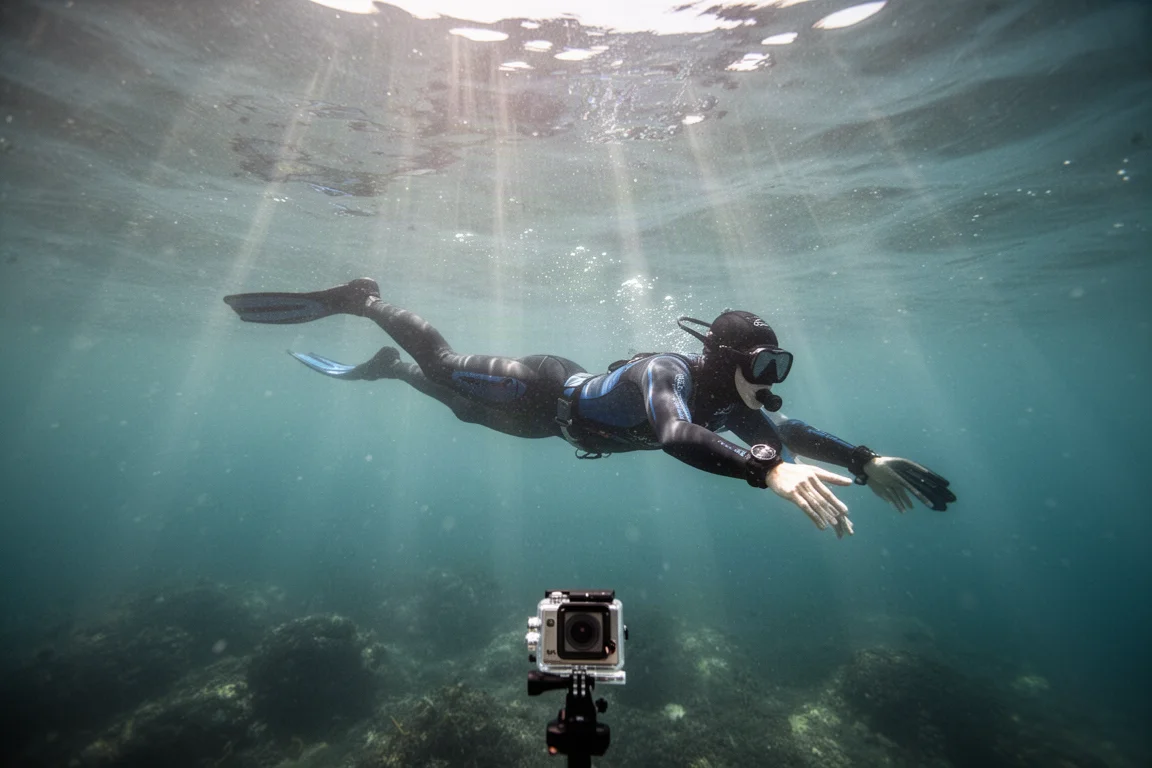
A new dive case also arrives, slightly larger than before and adding vertical mounting fingers for people who stack a GoPro on a larger camera system to capture vertical footage.
New Features Worth Knowing
Several smaller additions add up. A new subject tracking mode uses the wide lens and crops in to follow a person automatically, useful in static scenarios like filming someone running a circle, though it occasionally mistakes a sharp shadow for the subject. A new Sport POV mode, similar to what appeared on the GoPro Max 2, handles fast-turning dynamics better for mountain biking and similar POV shooting.
On the technical side, bitrate jumps to 240Mbps (up to 300Mbps through GoPro Labs), a new GP-Log 2 offers more color grading range than before, the rear display grows from 2.27 to 2.59 inches, and a 15-megapixel photo mode joins the lineup. The time lapse system is also revamped: you can now output video and photos simultaneously in JPEG or raw, and time lapse and TimeWarp videos can be captured in up to 8K with HLG HDR and max bitrate options.
The microphone system gets a real overhaul with two front mics and one rear mic that dynamically switch for wind reduction, plus Bluetooth headphone monitoring, individual raw audio recording at 32-bit float or 24-bit PCM, and proper native USB-C microphone support. You can plug a USB-C cable straight from a mic like the DJI Mic into the camera with no adapters required.
Battery, Charging and Overheating
The new Enduro 2 battery offers longer battery life and is fully backwards compatible, working in both the Mission 1 and the Hero 13 Black. In fact, a Hero 13 Black gains a bit of runtime just by using the higher-capacity Enduro 2.
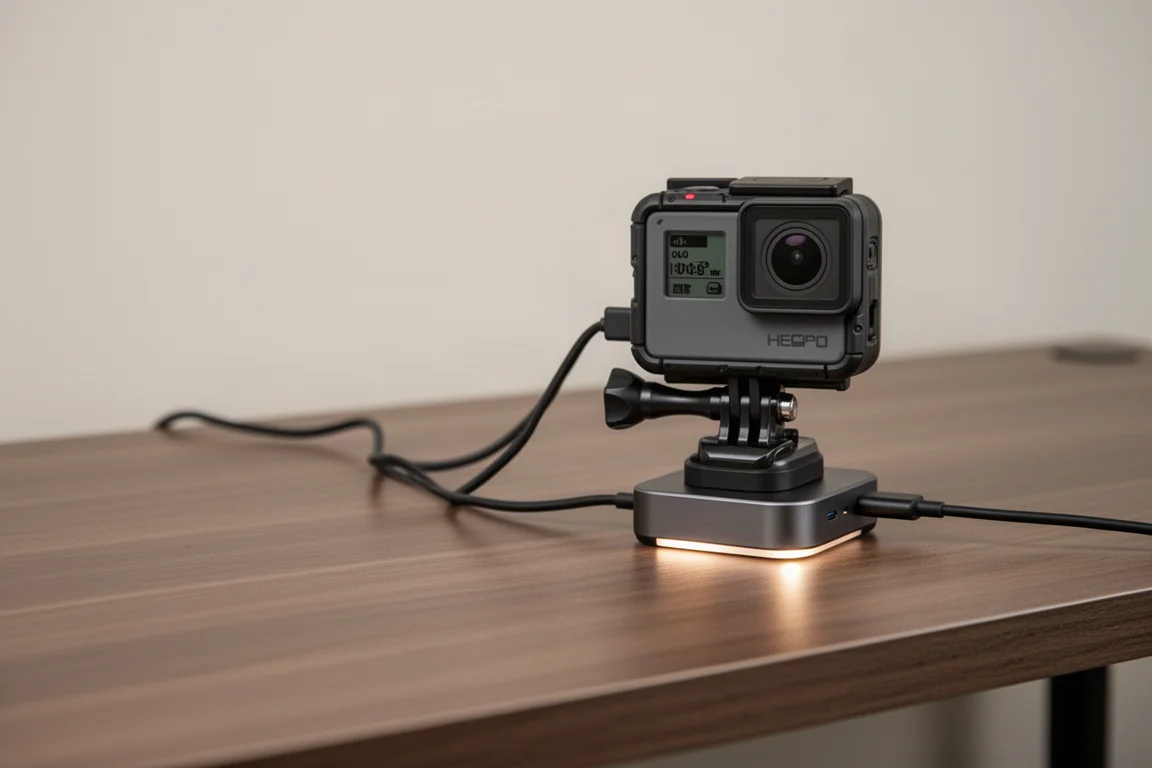
Fast charging finally arrives: roughly 20 minutes to 80 percent, and about 30 to 40 minutes to full depending on temperature. That is slightly slower than DJI and Insta360 batteries, but the Enduro 2 has more milliamp hours, so the comparison is reasonable. On overheating, the camera largely met its claims during testing at around 80°F, and as with all action cameras, airflow makes overheating rare; without airflow in a static environment, things can heat up faster.
What Is Missing or Removed
A few trade-offs come with the new pipeline. There is no 5.3K or 2.7K resolution, only 1080p, 1440p, 4K, 8K, and 4x3. The 8:7 aspect ratio is gone in favor of 4:3. None of the Hero 13-series lenses, including the anamorphic and macro options, physically fit the larger 1-inch sensor. Front lens covers are also a different size and not interchangeable with the Hero 13’s.
Compared to DJI, there is no NAS upload support for local workflow syncing, and no built-in onboard storage, so forgetting a microSD card means shooting nothing. A new Media Mod with a revamped mic system, external timecode support, and easier battery access is coming but not yet available. The new grip is purely mechanical with no electronics and blocks the USB-C ports, which makes its target audience unclear compared to the Media Mod. On the plus side, the new ND filter pack automatically tells the camera which filter is attached and optimizes settings for motion blur.
GoPro Mission 1 Pro vs GoPro Hero 13 Black
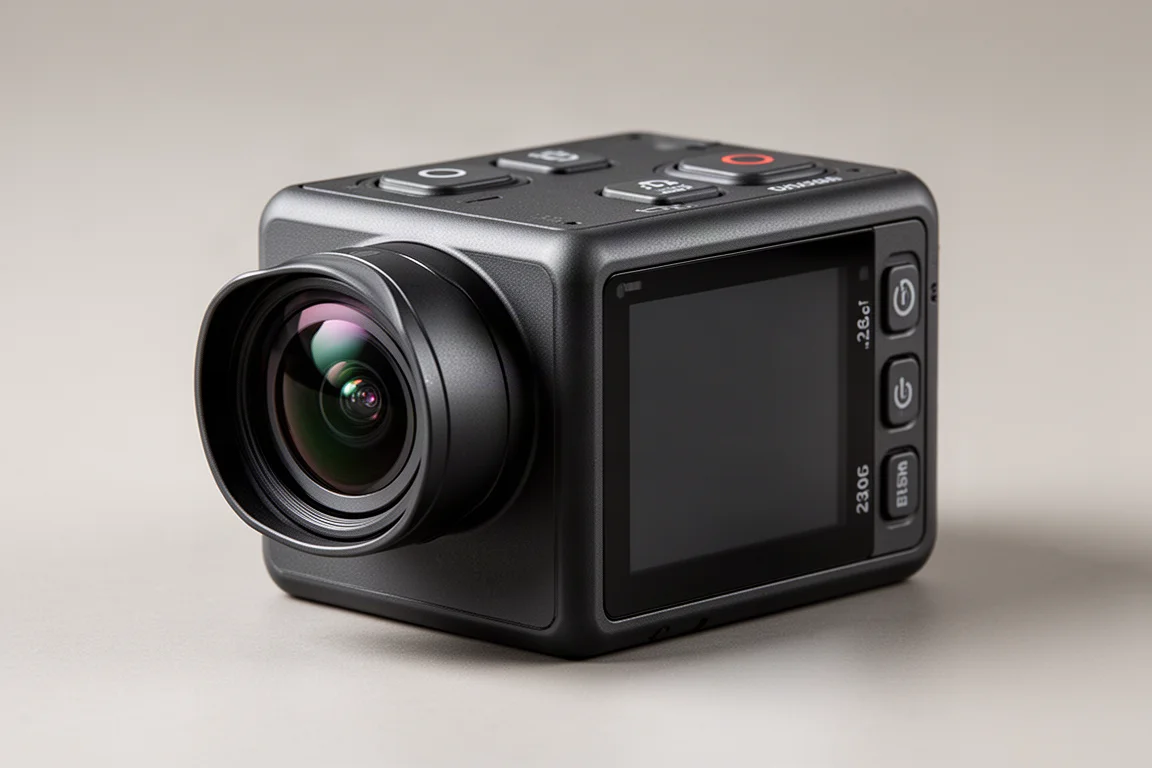
The difference between the base Mission 1 and the Pro comes down to frame rates, supported modes, and open gate; everything else is identical. Against the older Hero 13 Black, the Mission 1 Pro is a major step up in low light, slow motion, audio, and overall feature depth. But the Hero 13 Black still has a place: it is smaller and lighter, and with the new Enduro 2 battery it actually gains some runtime.
The market has split into heavier, more capable cameras and lighter, simpler ones, and GoPro currently has nothing in that smaller, more technically capable category that its competitors offer. If size matters more to you than maximum features, the Hero 13 Black remains a sensible choice.
Buying Advice
The Mission 1 Pro costs more than its competitors because it does more. For anyone upgrading from a Hero 9 through 12, it is an easy recommendation. For Hero 13 Black, Ace Pro 2, or Action 6 owners, let the feature list decide: if 960fps slow motion, 8K60, improved low light, or the 20-meter depth rating matter to your shooting, the Pro earns its price. Otherwise, your current camera probably serves you fine.
Conclusion
The GoPro Mission 1 Pro is, factually, the most full-featured action camera available today, with better image quality in virtually every scenario and a genuinely improved low-light pipeline. Its weaknesses are the removed resolutions and lenses, the lack of onboard storage, and a higher price. For buyers ready to step up, it is the camera to beat.
Further reading
Related Reviews
Action Cameras
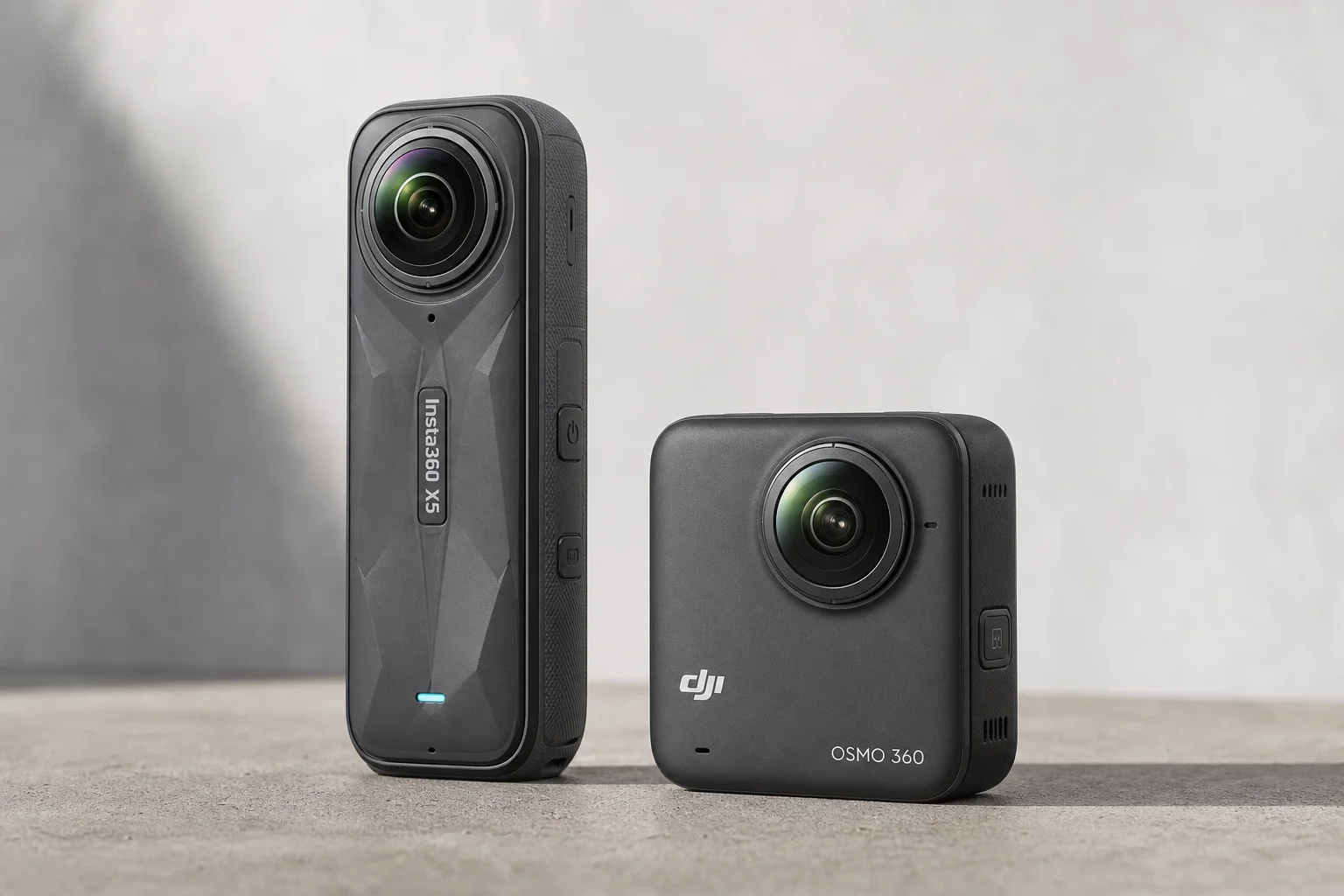
360 Cameras for Adventure Motorcycling: Insta360 X5 vs DJI Osmo 360
Two 360-degree action cameras designed for off-road and adventure riding. A detailed comparison of features, stabilization, and real-world performance for motorcycle touring.
Action Cameras
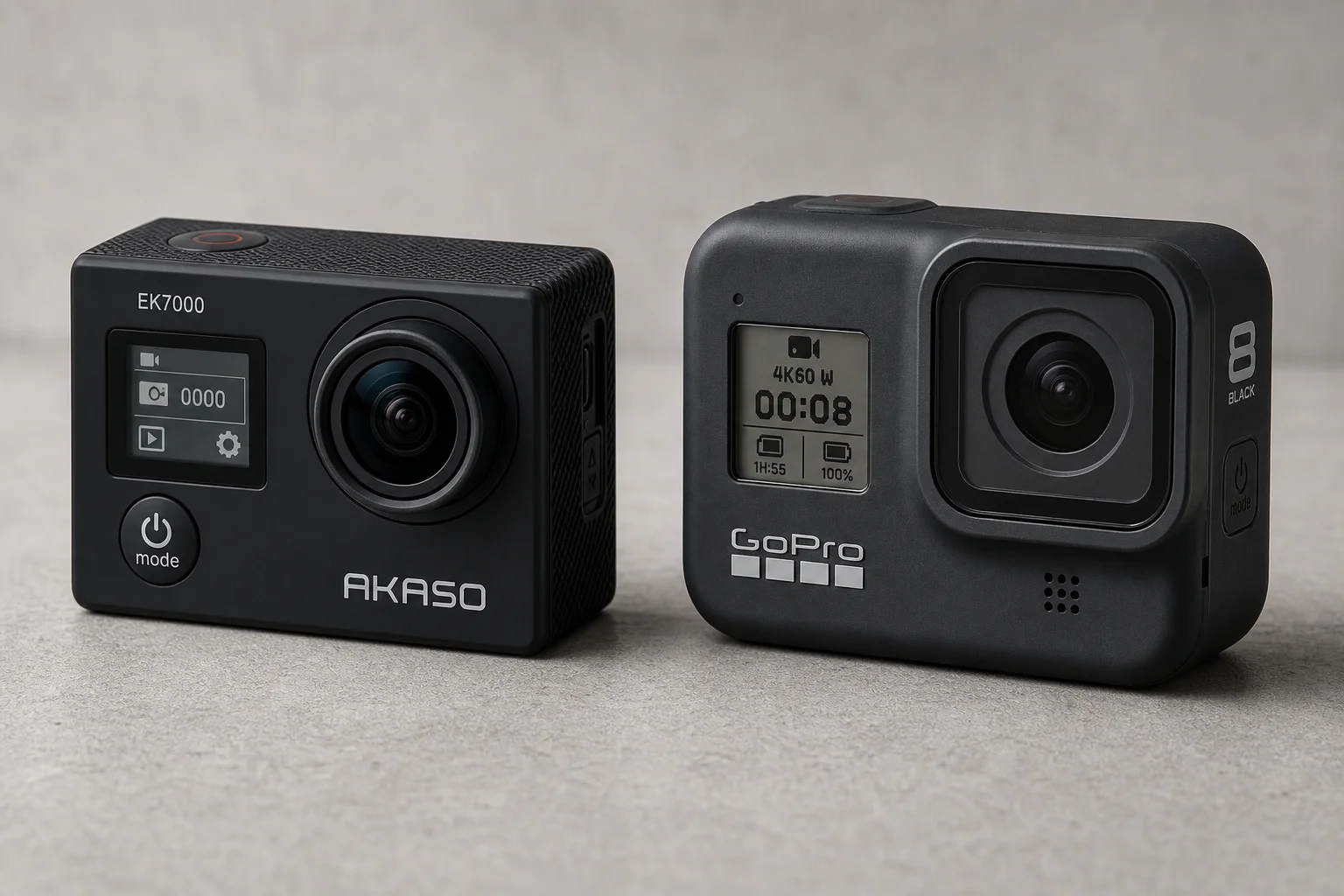
Akaso EK7000 vs GoPro Hero 8 Black: Budget Action Camera Tested
A $50 budget action camera faces off against the GoPro Hero 8 Black. Here's how the Akaso EK7000 really performs in video, audio, and photo quality.
Action Cameras
Best Action Cameras 2026: Five Top Picks Ranked
A comprehensive ranking of five action cameras from budget-friendly to premium, covering durability, video quality, stabilization, and low-light performance.