Action Cameras
GoPro HERO11 Black Review: 17 Things Worth Knowing Before You Buy
A new sensor, 10-bit color, in-camera horizon lock, and three automated night modes. Here is what the HERO11 Black changes, and who should actually upgrade.
Introduction
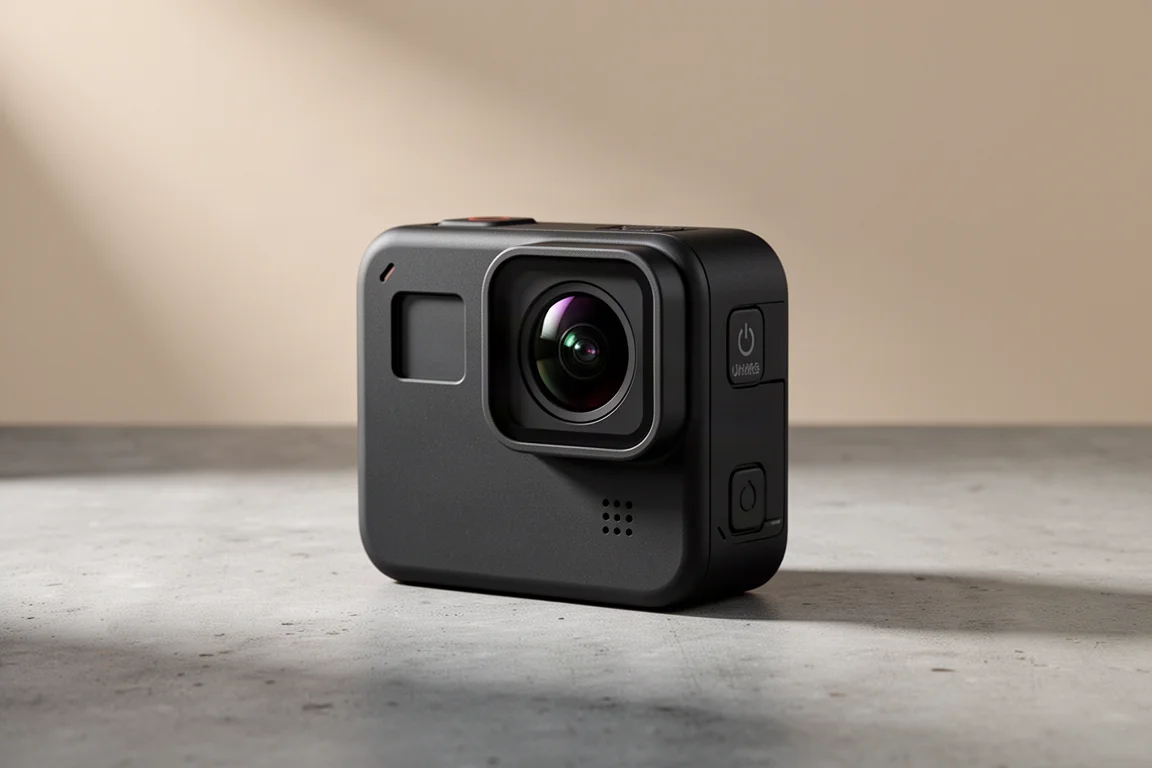
The GoPro HERO11 Black arrives at the same $399 price point as last year’s model when bought with a GoPro subscription, or $499 without one. The subscription bundle costs nothing extra and unlocks a few extras we will touch on later, so it is worth factoring into your decision.
GoPro also launched the HERO11 Black Mini alongside this camera. It shares the same internals but drops the front screen and makes a few other minor tweaks. This review focuses on the full-size HERO11 Black.
A New Sensor and a Giant Square Canvas
The headline change is a new 1/1.9-inch sensor. What that actually means for you is more pixels to work with: GoPro still calls the top video mode 5.3K, but there is roughly 50% more resolution behind it than the previous generation.
The clever part is a new 8:7 field of view, essentially a very large square frame. Because you are capturing that much extra area, you can crop to vertical or horizontal framing later in the app without losing quality. The 8:7 mode runs up to 5.3K at 30 frames per second, not 60, but 30fps is plenty for most situations.
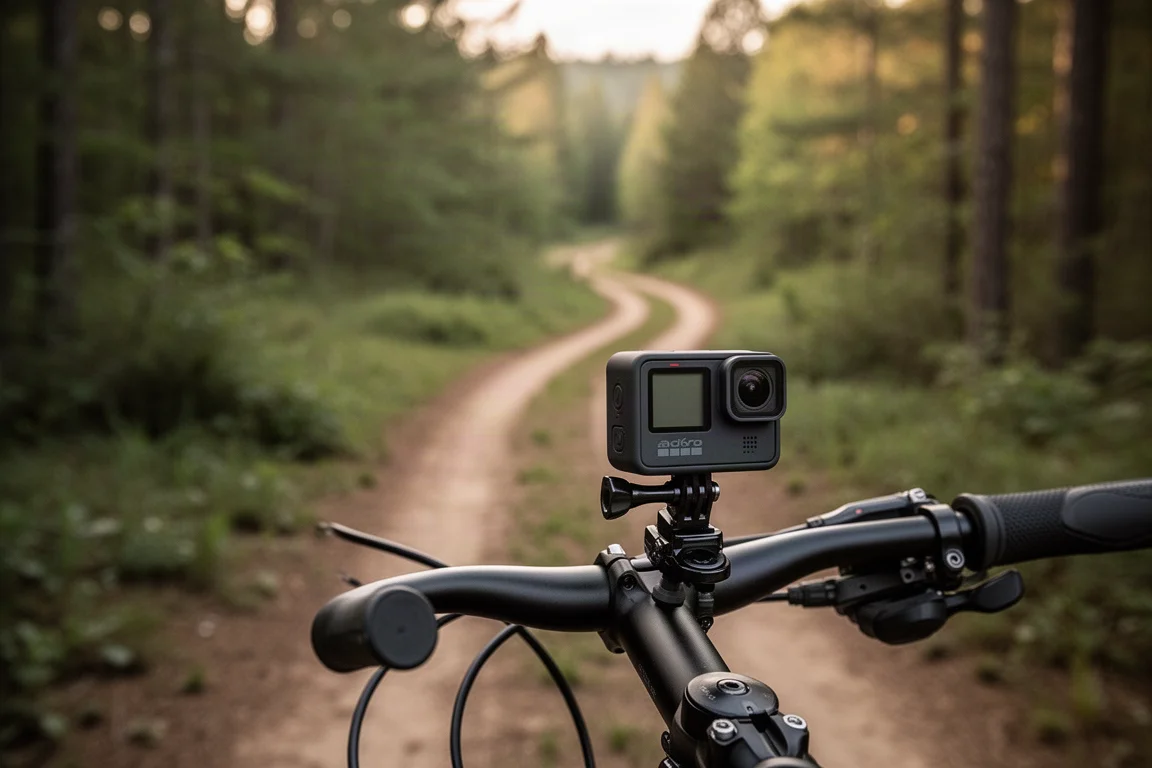
One thing that has not changed is the processor. The HERO11 Black uses the same GP2 chipset introduced with the previous generation.
10-Bit Color
The move to 10-bit color is mainly an editor’s feature. The previous 8-bit capture offered around 16 million colors; 10-bit pushes that to a billion. You will not necessarily see the difference watching footage directly, but it gives far more room for color grading after the fact.
HyperView: The Widest Digital Lens Yet
GoPro’s digital lenses (Wide, Linear, SuperView and so on) now include HyperView. It takes that 8:7 square and stretches it into an ultra-wide 16:9 frame, effectively a 12mm lens compared to the existing 16mm. It is designed for chest-mounted point-of-view shooting and action sports, or anywhere you want an extremely wide view, like inside a car looking forward.
In testing, it is genuinely impressive in the right scenarios, but it can look wobbly in others because of how the image is stretched from the square capture. Use it sparingly and pick your moments.
In-Camera Horizon Lock
Horizon Lock was previously only possible with the Max Lens Mod. On the HERO11 Black it works directly in camera: rotate the camera however you like, and the horizon in the frame stays perfectly level the entire time. Think of it as stabilization plus, and it works across full rotations without any extra accessories.
HyperSmooth Boost
HyperSmooth, GoPro’s electronic stabilization, is on version 5. All electronic stabilization works by cropping into a large sensor image and shifting within it. The new Boost behavior addresses the downside of that: on smooth surfaces it gradually expands back out to use more of the frame, then slowly crops back in when you hit rough terrain to maintain stability.
The transition is deliberately subtle. You should not notice any artifacts or weirdness, which is exactly the point.
New Night Video Modes: Star Trails, Vehicle Trails, and Light Painting
These three automated modes are among the most fun additions. The first is star trails: leave the camera out for a few hours and it produces a star trails video automatically. It even worked on clear nights in a city, and passing clouds look great too.
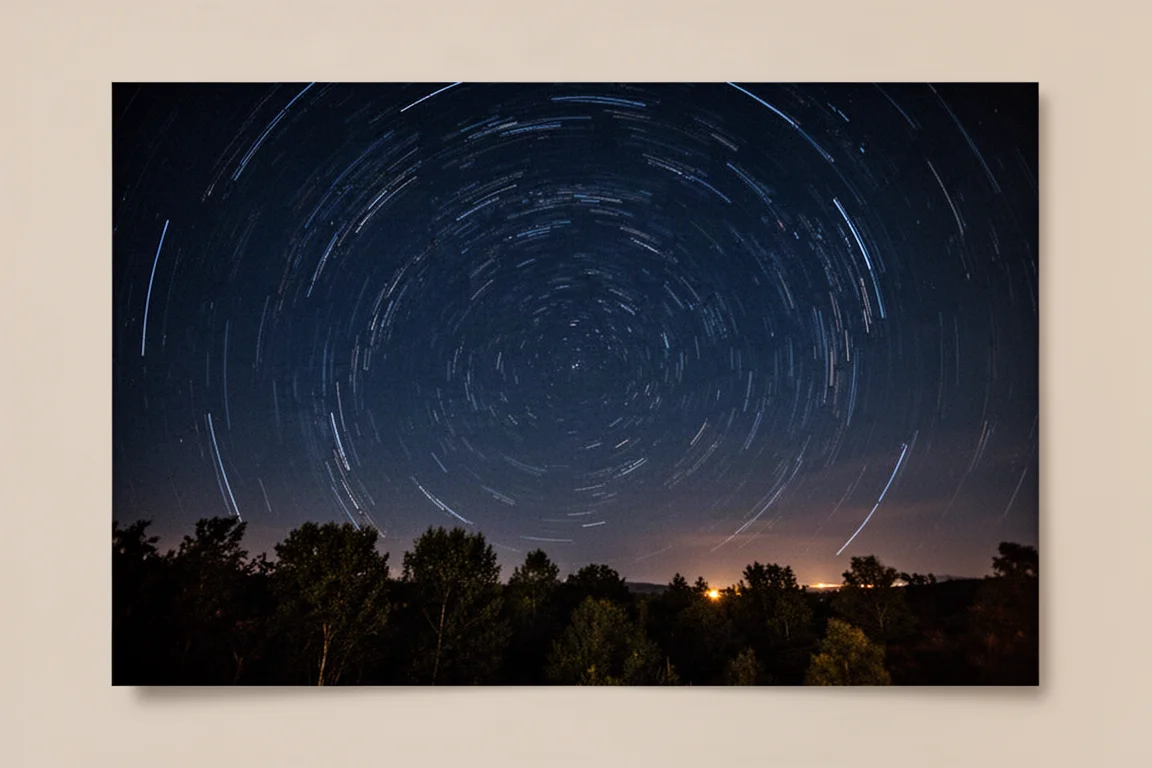
Vehicle trails works the same way over much shorter durations, around 5 to 7 minutes on a highway overpass is enough for satisfying light trails. Light painting lets you draw messages or shapes in the sky with a light at night, and the camera handles everything automatically. All three are video modes, and all three would be very difficult to pull off manually with still photography techniques.
Higher Frame Rates in SuperView
SuperView, the go-to wide point-of-view mode for mountain biking and skiing, now supports 5.3K at 60 frames per second and 4K at 120 frames per second. That is a meaningful jump for anyone who lives in SuperView and wants smoother slow motion without giving up the wide look.
Changing Lenses After the Fact
Coming in a free update this fall, the GoPro Quik app will let you change the digital lens after shooting. Record in Wide, decide you prefer Linear, crop out the fisheye, done. Combined with the larger sensor, this is a quietly massive workflow change.
A desktop app update arriving alongside it will let you export different aspect ratios from that big square capture, and it is compatible with GoPro ReelSteady, making it faster to pop drone footage out in vertical or horizontal formats.
Photography: 27MP and New Burst Modes
Stills resolution increases from 23 to 27 megapixels, thanks to the larger sensor, and GoPro has added a slate of new burst modes. That said, GoPro’s own take, which matches real-world use, is that most people simply grab a still from video in the Quik app. With footage at 60 to 120fps and strong color, that is usually easier than nailing the exact shot.
Enduro Battery Included
Every HERO11 Black box now includes the Enduro battery as standard. It brings three benefits: up to 38% more runtime (a claim that proved out in previous testing), far better cold-weather performance (it will start after a night in a freezer, which regular batteries will not), and a small portion of the overall battery improvement also comes from changes in the camera itself rather than the battery alone.
New UI and Easy Mode
The first thing you will notice on startup is a redesigned interface, at least temporarily. GoPro has added an Easy mode aimed at first-time users, with a simpler layout. Anyone familiar with GoPro cameras can toggle to Pro mode and get the regular interface back instantly.
New Power Modes and Overheating
Two new video modes replace last year’s performance modes: Highest Quality and Extended Battery. Highest Quality gives you full access to the top resolutions and frame rates and burns battery fast. Extended Battery manages heat and power to maximize recording time, possibly toning down stabilization or frame rates. The trade-off is that Tripod mode is gone, though you can approximate it by turning off a few settings in Extended Battery.

Now the big question: does it still overheat? Yes, at some point, like virtually every action camera on the market. In practice it will not overheat at 30fps in pretty much any scenario, and it will not overheat as long as there is some airflow, even in near 90-degree heat. Where it fails is indoors, statically mounted at 60fps, where it dies in about 30 minutes. The key is matching the mode to the circumstance: for long static sessions, drop from 60 to 30 frames per second.
GoPro Subscription Extras
For subscribers, a new auto highlight feature syncs a full day of footage to the GoPro cloud, then automatically combines up to 75 clips into an edited highlight video. Separately, syncing now offers an optional toggle to delete footage from the SD card once it is confirmed uploaded, freeing space. That option is off by default.
Batteries, Compatibility, and Durability
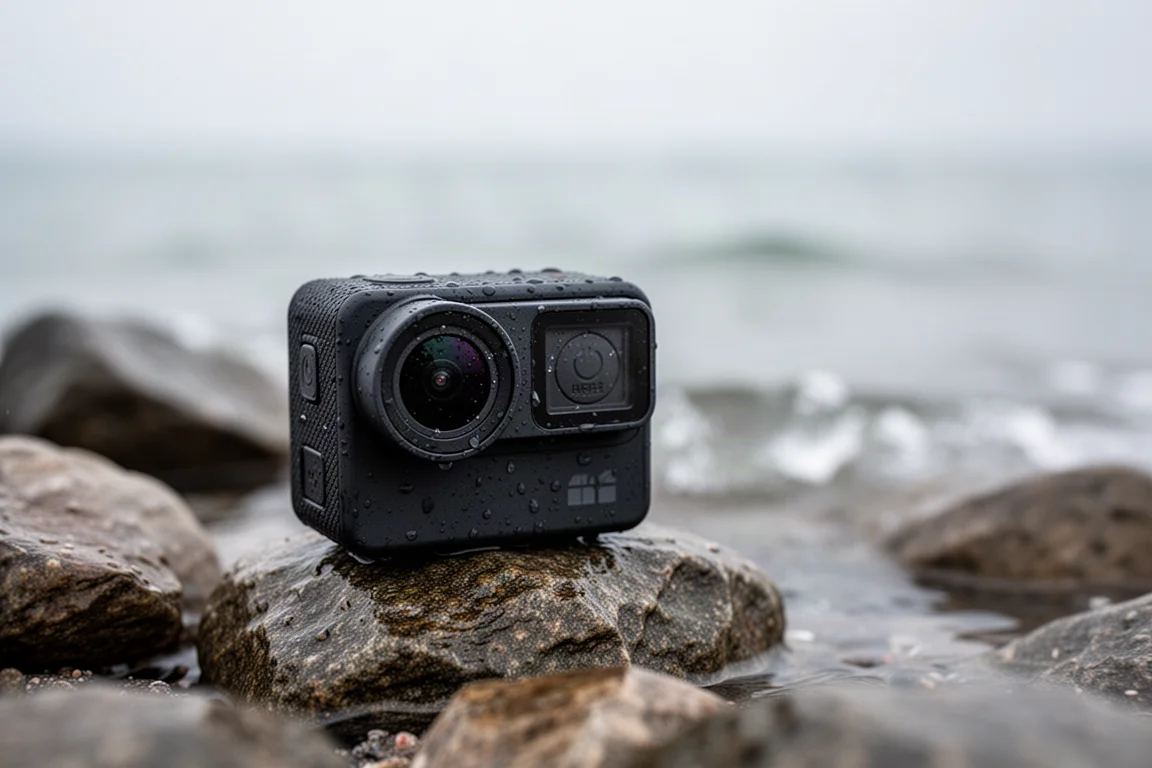
The compatibility list is reassuring. The HERO11 Black works with existing HERO9 and HERO10 batteries, uses the exact same body size so existing HERO9 and HERO10 cases fit, and supports all existing mods including the Max Lens Mod, Media Mod, and Light Mod. It remains waterproof to 33 feet without a housing, with no issues in a month of water testing.
Should You Upgrade?
If you own a HERO10, you are probably fine as-is unless the higher SuperView frame rates or the larger sensor specifically appeal to you. If you are on a HERO8, this is a significant and worthwhile upgrade. HERO9 owners sit somewhere in the middle.
And if you are shopping fresh, the new DJI Osmo Action 3 launched the same day and makes this a genuinely compelling comparison for the first time in years. It is worth weighing both before you commit.
Conclusion
The HERO11 Black is an incremental but well-judged update: more resolution behind the same 5.3K label, 10-bit color, in-camera horizon lock, automated night modes, and the Enduro battery in every box. Overheating at 60fps while static remains the main caveat, and it is easily managed by choosing your modes carefully. For most HERO8 and HERO9 owners, it is an easy recommendation; HERO10 owners can afford to wait.
Product link
View more details for GoPro HERO11 Black
This product is mentioned in the review. Check the specifications, options, and compatibility before buying.
View more details for GoPro HERO11 BlackFurther reading
Related Reviews
Action Cameras
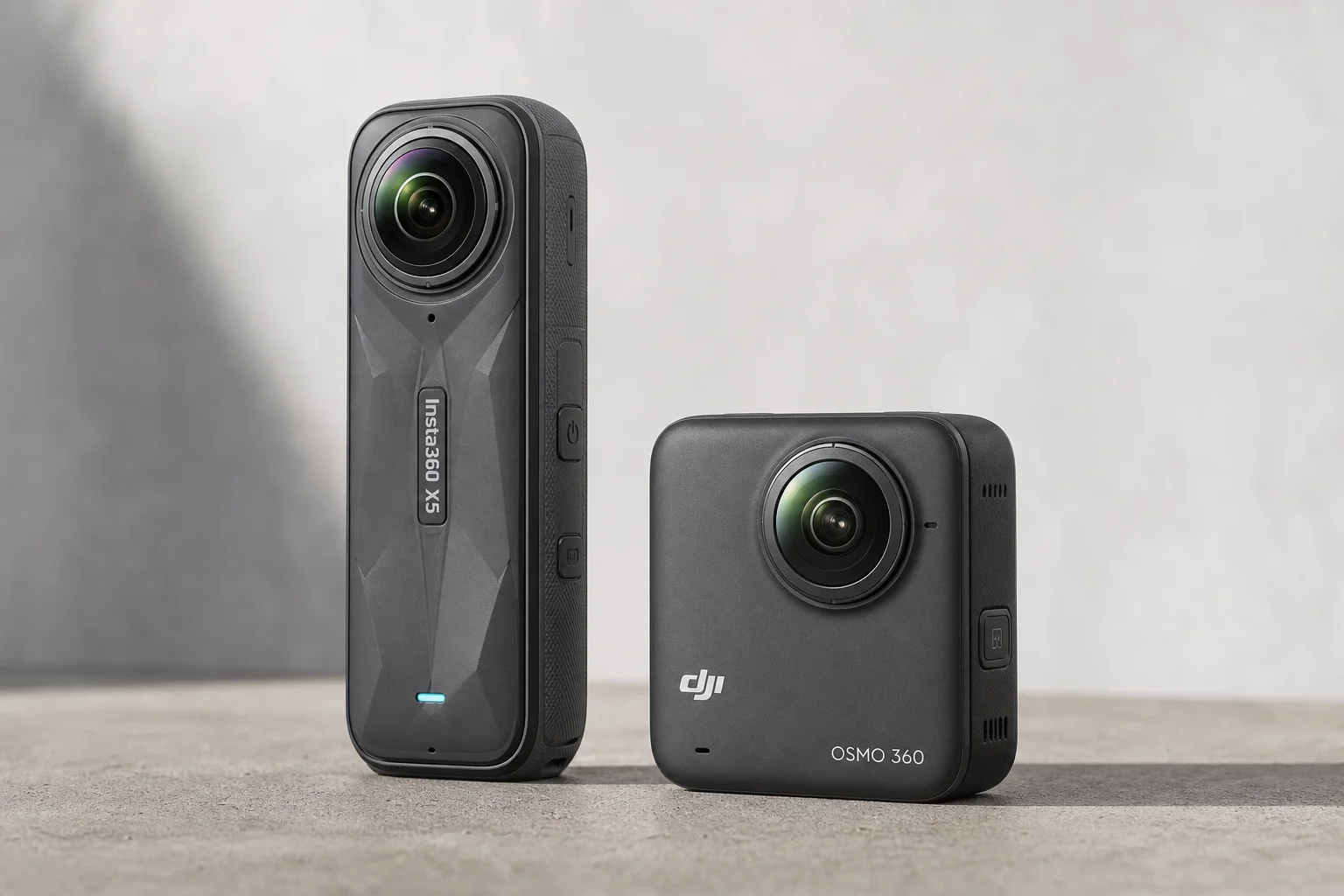
360 Cameras for Adventure Motorcycling: Insta360 X5 vs DJI Osmo 360
Two 360-degree action cameras designed for off-road and adventure riding. A detailed comparison of features, stabilization, and real-world performance for motorcycle touring.
Action Cameras
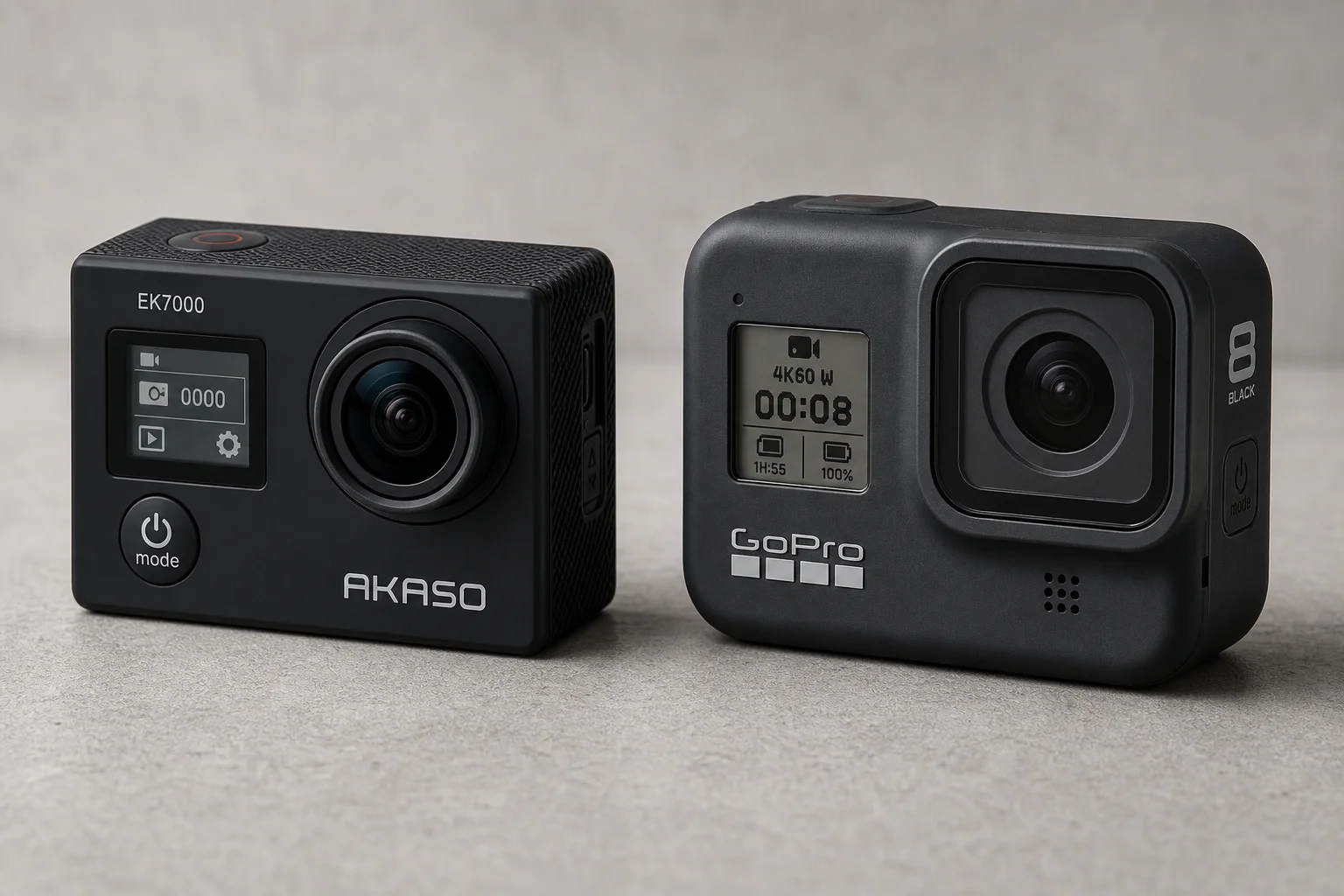
Akaso EK7000 vs GoPro Hero 8 Black: Budget Action Camera Tested
A $50 budget action camera faces off against the GoPro Hero 8 Black. Here's how the Akaso EK7000 really performs in video, audio, and photo quality.
Action Cameras
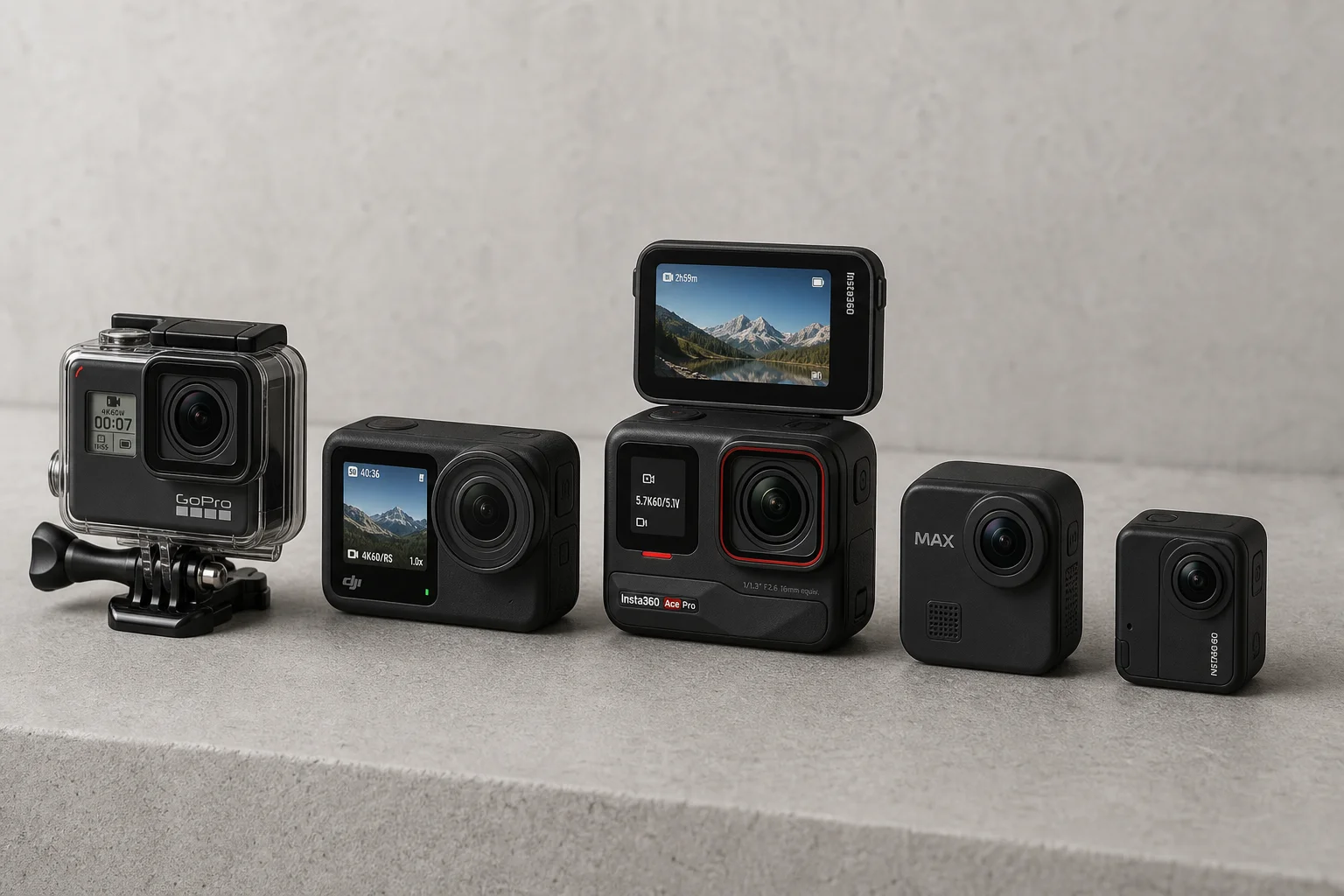
Best Action Cameras 2026: Five Top Picks Ranked
A comprehensive ranking of five action cameras from budget-friendly to premium, covering durability, video quality, stabilization, and low-light performance.