Action Cameras
GoPro Hero 4K Review: A Simple, Pocketable Action Camera That Trades Power for Ease
GoPro's budget-friendly Hero 4K shrinks the Hero 13 Black formula into a lighter, simpler camera. Here is what works, what does not, and who it is really for.
Introduction
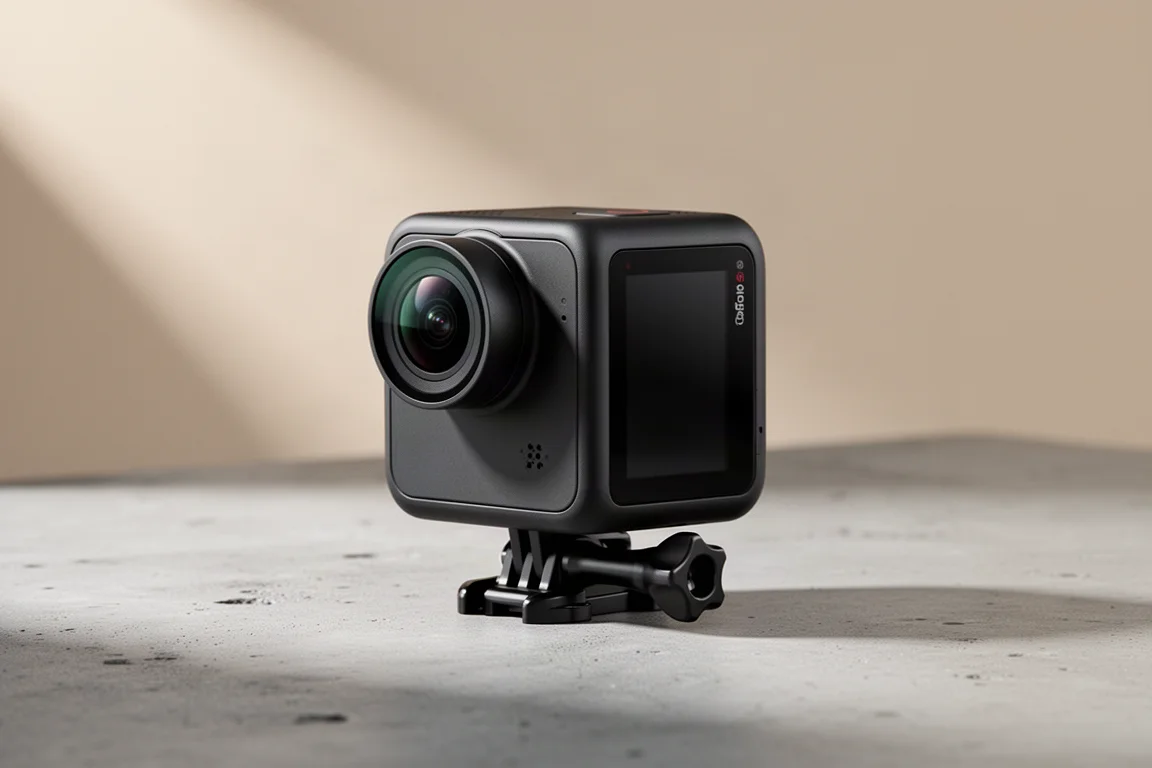
The GoPro Hero 4K is the company’s new budget-friendly, grab-and-go action camera. It keeps the price low by leaving out many of the bells and whistles of the Hero 13 Black, yet it still covers most of the basics you may need from an action camera. If you remember the Hero Session or the Hero 11 Black Mini, there are similarities here, but this is a slightly different proposition: GoPro essentially shrunk the Hero 13 Black in both size and features, then made it remarkably simple to operate. There are only three shooting modes, and that is by design.
Who This Camera Is For
The Hero 4K makes sense for two kinds of buyers. The first is anyone who is genuinely price-sensitive: at $199, it costs roughly half of the Hero 13 Black while still delivering the core capture modes most casual users actually reach for. The second is someone already living inside the GoPro ecosystem who wants a backup camera or a secondary angle. If you are already a GoPro subscriber, adding this camera makes the subscription a better deal, since you can keep using benefits like cloud upload without any additional monthly cost.
If you are more of a filmmaker who edits on a desktop, though, there is one workflow consideration you need to know about before buying, and we will get to that below.
Design and Build: Small, Light, and Drop-Tested
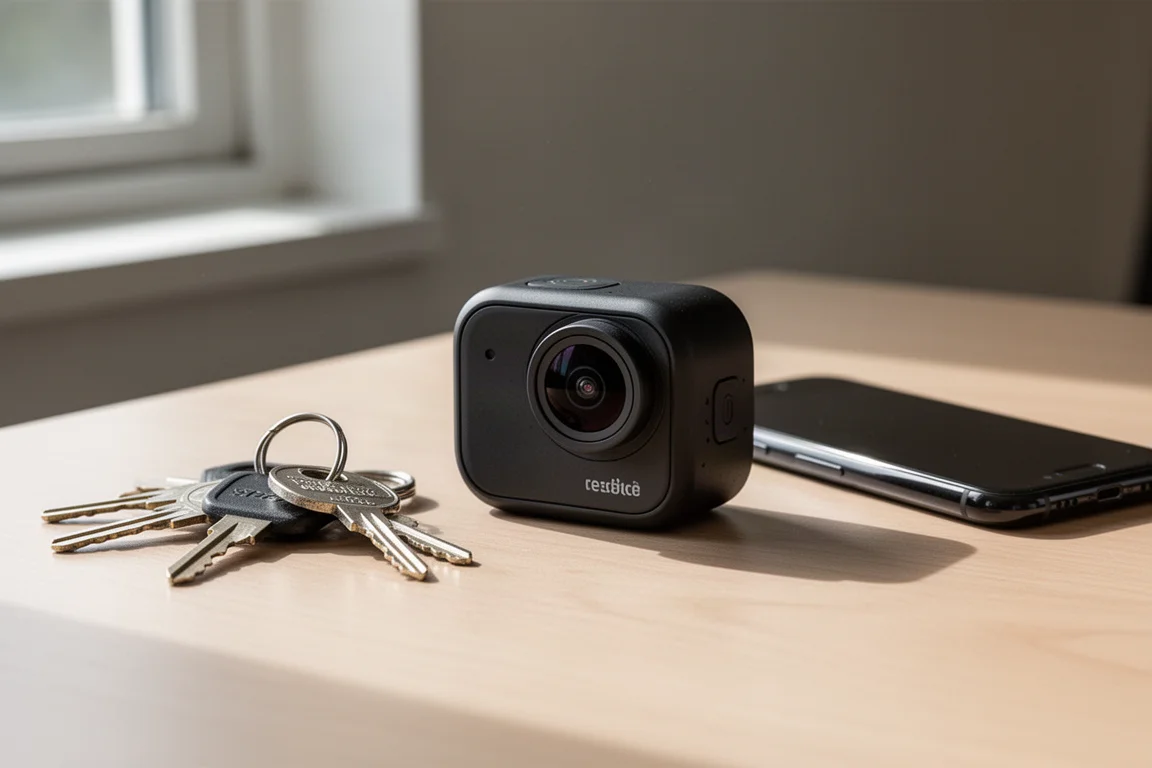
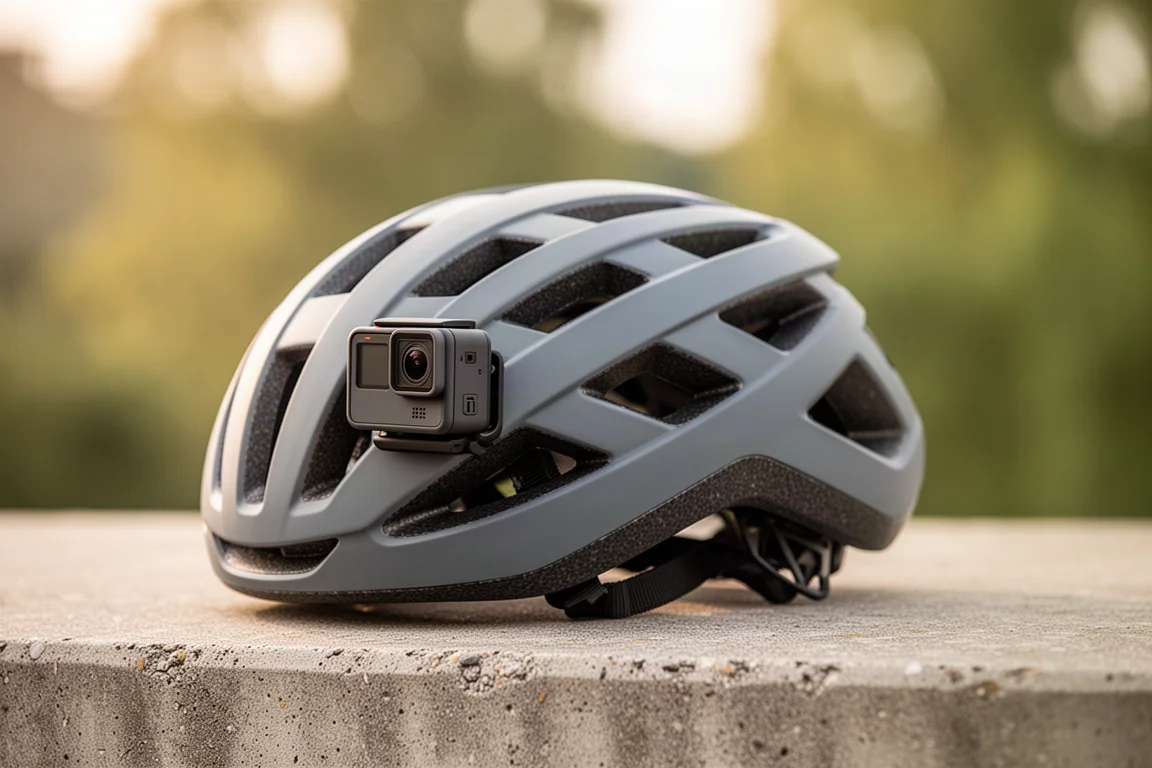
Physically, the Hero 4K looks like the Hero 13 Black shrunk by about a third. That makes it genuinely pocketable, and the weight difference is where it stands out most: it comes in at roughly half the weight of the Hero 13 Black. GoPro’s recent flagship cameras have grown a little chunky in both size and weight, and this lighter body makes a real difference when mounting, especially on a helmet. With a camera like the Hero 13 Black, that roughly 160-gram load is noticeable on the side of a helmet; with the Hero 4K, it is not a big deal at all.
On durability, the camera is water resistant down to 5 meters (16 feet), and it survived a fall off a bike during testing with no visible damage, so it can clearly take a drop.
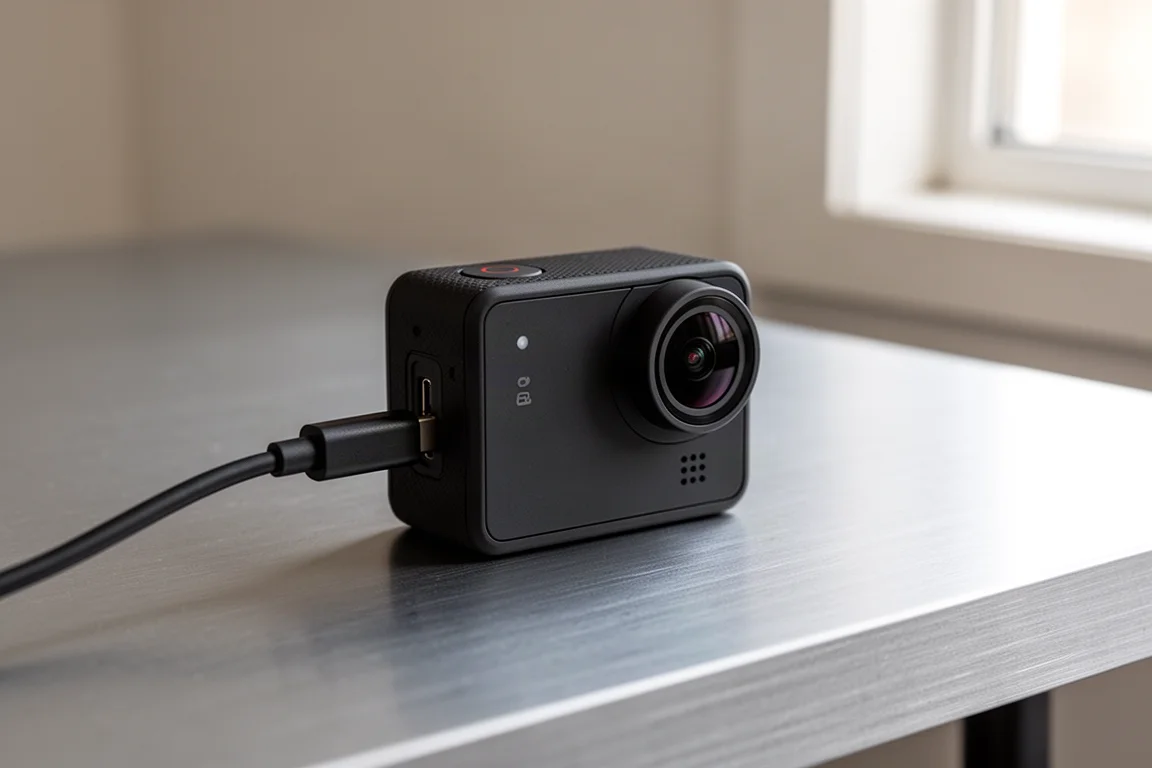
Around the body: the front lens is protected by a replaceable Gorilla Glass lens cover, though there are no lens mods available at the moment. There is no front display like on the Hero 13 Black. One side holds the power and mode button, the top has the record button, and the other side hides a door protecting the microSD slot and a USB-C port used for charging. Notably, the battery is built in and not removable, which matters more than you might think. The bottom has foldable built-in mounting fingers, also replaceable, that work with the wide range of existing GoPro accessories.
One significant omission: the camera cannot use the new magnetic latch introduced on the Hero 13 Black. For a camera whose entire identity is grab-and-go convenience, that feels like a real miss, since the magnetic latch is far more convenient than thumb screws. It is possible a future accessory will add magnetic mounting, and some third-party quick-release options may fit, but for now you are working with the traditional mounting system.
Three Modes and Nothing Else
The rear touchscreen is where everything happens. You get three modes: video at 4K and 30 frames per second, slow motion at 2.7K and 60 frames per second, and 12-megapixel photos in a 4:3 ratio. Swipe down for settings and you can toggle voice control and beeps, enable a screen saver that turns off the display while recording to save battery, lock the orientation, activate screen lock for use in water, and switch on battery saver mode, which drops video and slow motion down to 1080p.

That is essentially the whole settings surface. It is far less customizable than the Hero 13 Black, which can feel overwhelming with its options, but the flip side is that the Hero 4K is incredibly simple. If you just want to capture something quickly without fiddling with menus, this simplicity is a genuine strength rather than a compromise.
Footage Quality and Stabilization: A Catch Worth Knowing
The standard mode records 4K at 30fps in a 16:9 aspect ratio, slow motion records 2.7K at 60fps, and photos come in at 12 megapixels. The camera supports HyperSmooth stabilization, but with a caveat: the stabilization is not applied in-camera. To get stabilized footage, you have to export it through the companion app. Pull footage straight off the SD card and you get raw, unstabilized video.
For anyone doing heavier editing on a desktop, that adds an extra step of importing into the app and exporting back out. It is not a giant pain, but it is an extra step, which makes this camera a better fit for social-first posting than desktop workflows. Note also that stabilized footage is cropped in slightly, which is inherent to how software stabilization works.
As for quality itself, footage is not on par with the Hero 13 Black, which is the more powerful camera: its footage is crisper and its low-light performance is better. One reassurance for publishers: although slow motion records at 2.7K, upscaling to 4K for platforms like YouTube does not lose much noticeable detail, so that is not a major concern.
Battery Life and Charging
The built-in battery uses what GoPro describes as embedded enduro battery technology, with a claim of up to about 100 minutes of recording at 4K 30, tested in roughly a 77-degree room with little to no wind. In real testing at around 70 degrees with no wind, the camera delivered about an hour and fifteen minutes before running out. On overheating: even in a room with zero wind, the battery runs out before the camera overheats. Battery saver mode, which drops recording to 1080p, can extend that runtime further if you need it.
Charging took about 53 minutes from empty to full. The built-in battery is the main practical limitation here: if you run out of juice while out and about, you have to recharge before recording again. You can keep recording while plugged into an external power source, but that is less convenient and removes water resistance entirely.
Things to Consider Before Buying
The biggest miss is the lack of the magnetic latch system from the Hero 13 Black. This camera is all about grab-and-go convenience, and quick mounting is a big part of that convenience, so being limited to thumb screws stings. If peer convenience is your top priority, the Insta360 Go 3 is also incredibly easy to use, though it costs more and lacks expandable storage. If you want higher quality footage in a still-small form factor within the GoPro ecosystem, the Hero 11 Black Mini offers 5.7K at 60fps plus 2.7K slow motion at 240fps, but it has no touchscreen, weighs more, and is not as user friendly.
Buying Advice
Buy the Hero 4K if the price is your deciding factor at $199, or if you already own a GoPro and want a lightweight backup or second angle without extra subscription cost. Look elsewhere if you edit heavily on desktop and dislike the app-based stabilization step, if you want maximum image quality, or if quick magnetic mounting matters to you.
Conclusion
The GoPro Hero 4K is a deliberately simple camera that nails the essentials: it is light, pocketable, tough enough to survive a drop and 5 meters of water, and genuinely pleasant to use with just three modes. Trade-offs include a built-in battery with roughly 75 minutes of real-world recording, stabilization that only arrives after an app export, and no support for the newer magnetic latch. For casual creators and existing GoPro owners, it is an easy recommendation at its price; for demanding filmmakers, the Hero 13 Black or Hero 11 Black Mini remain the better tools.
Product link
View more details for GoPro Hero 4K
This product is mentioned in the review. Check the specifications, options, and compatibility before buying.
View more details for GoPro Hero 4KFurther reading
Related Reviews
Action Cameras
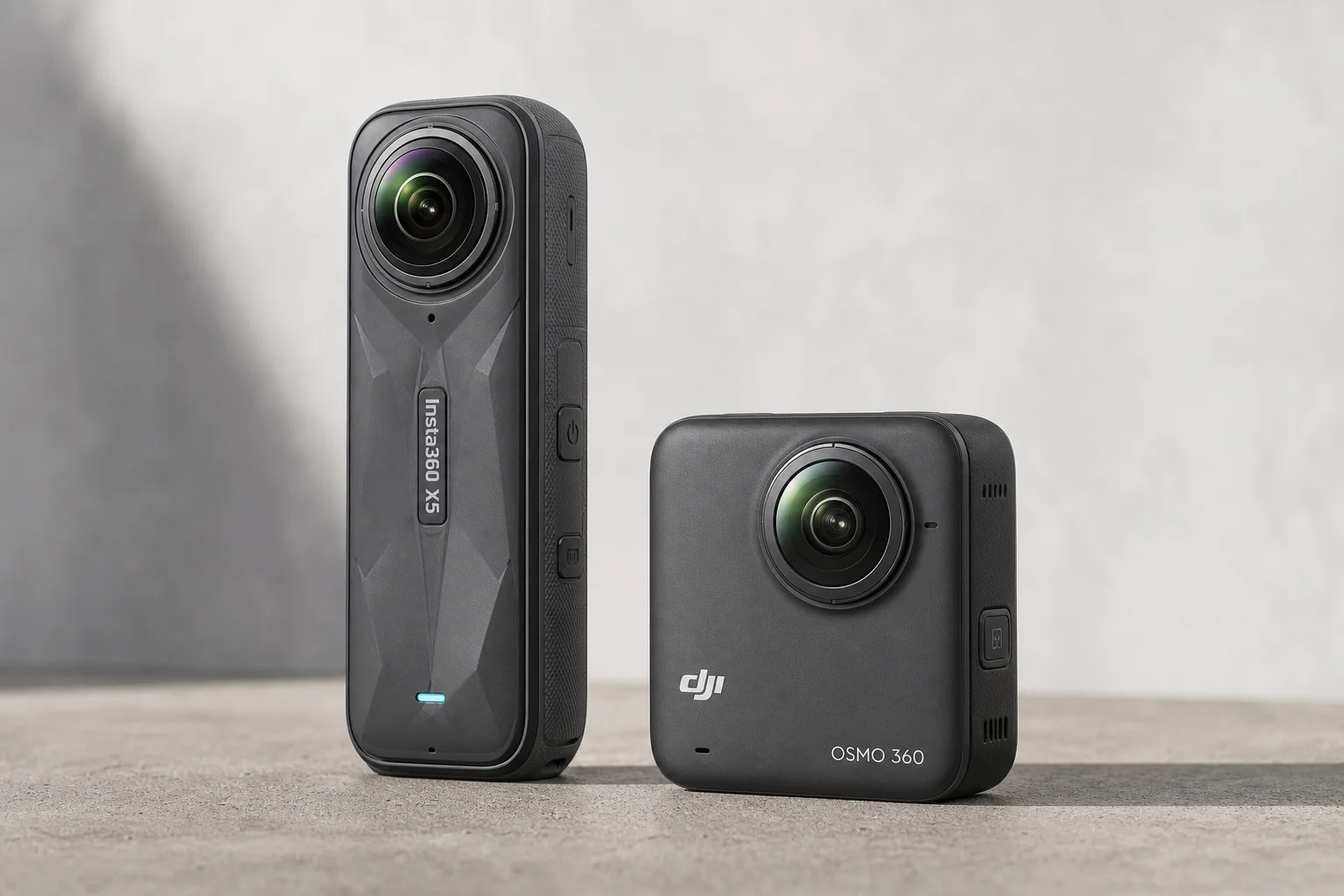
360 Cameras for Adventure Motorcycling: Insta360 X5 vs DJI Osmo 360
Two 360-degree action cameras designed for off-road and adventure riding. A detailed comparison of features, stabilization, and real-world performance for motorcycle touring.
Action Cameras
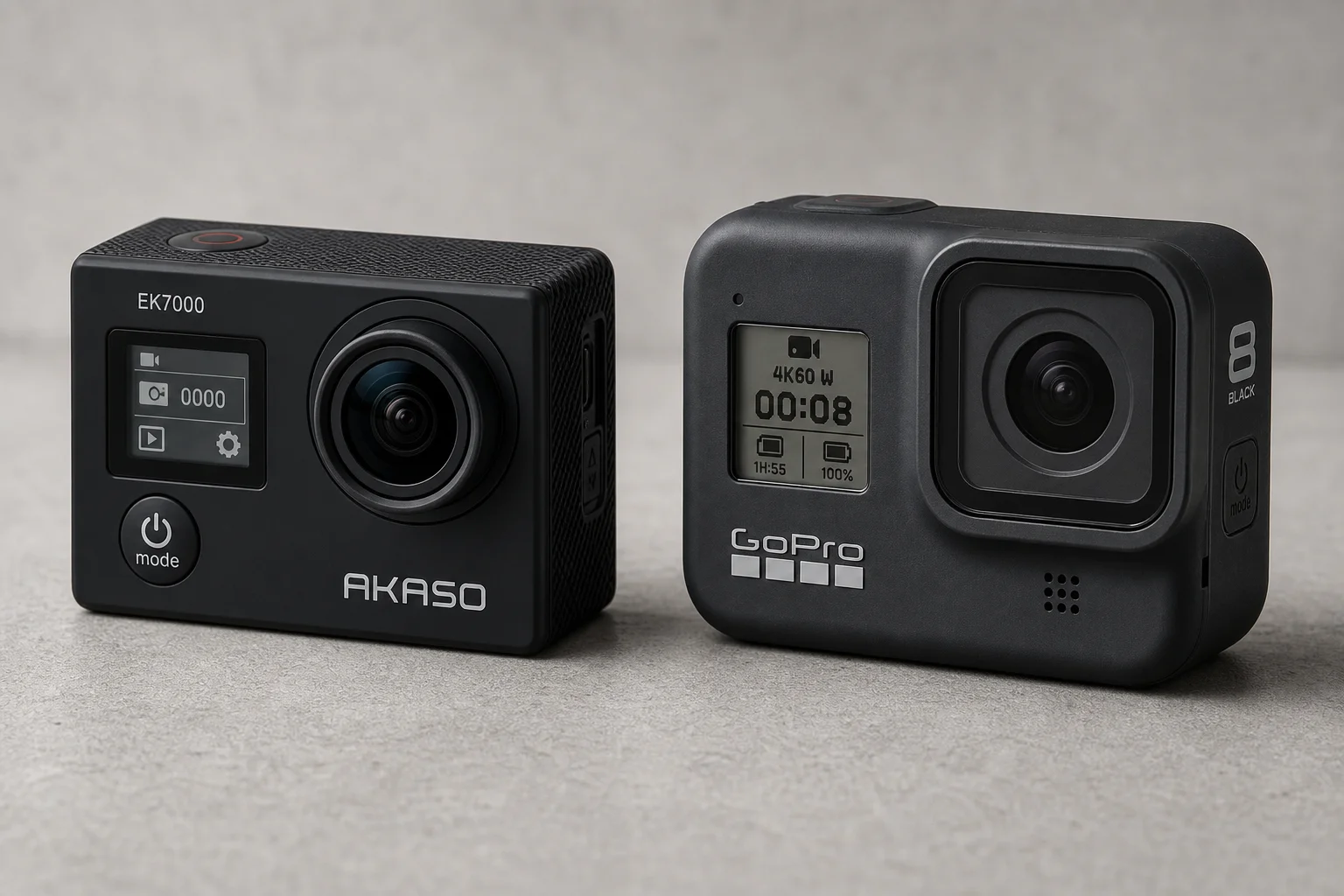
Akaso EK7000 vs GoPro Hero 8 Black: Budget Action Camera Tested
A $50 budget action camera faces off against the GoPro Hero 8 Black. Here's how the Akaso EK7000 really performs in video, audio, and photo quality.
Action Cameras
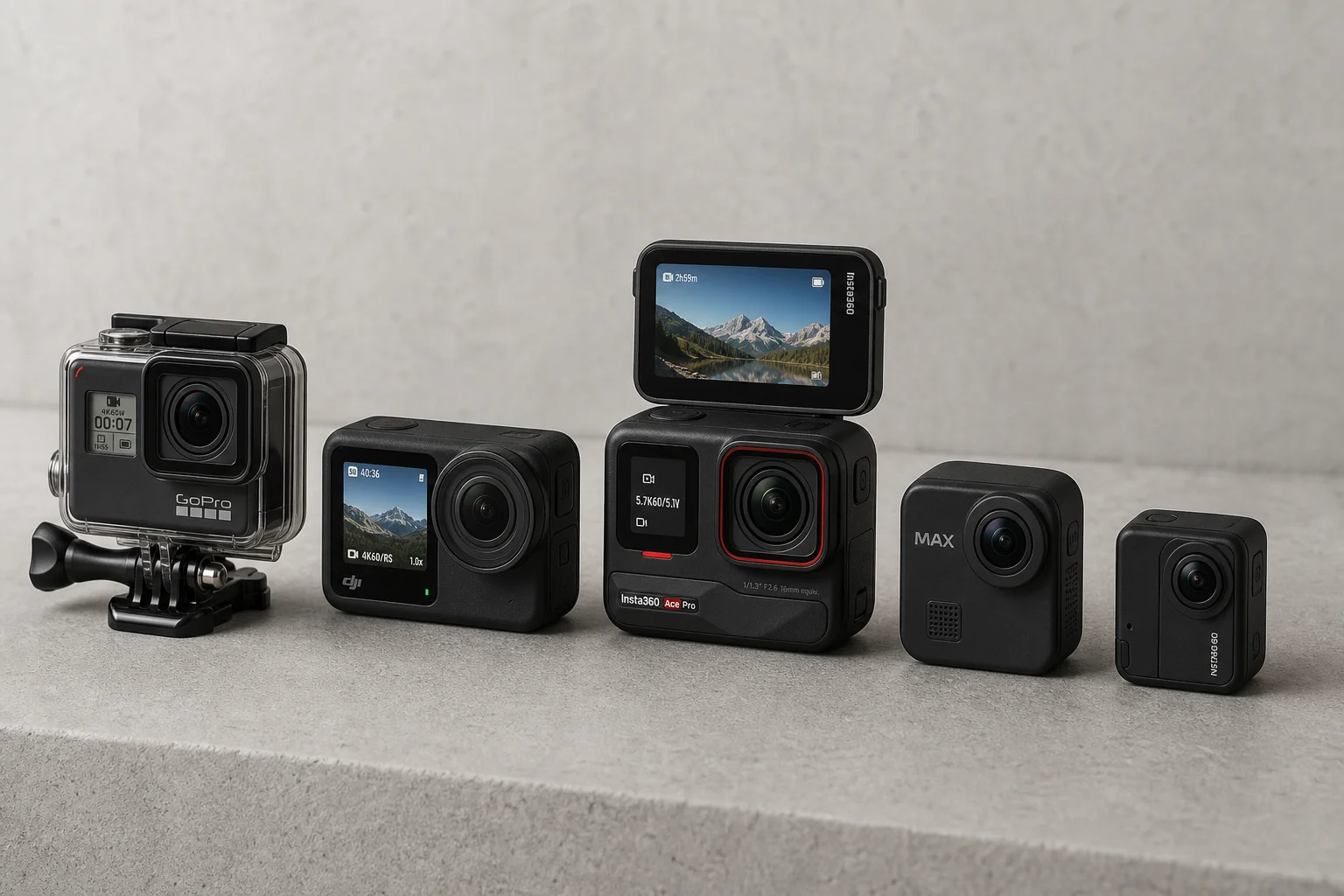
Best Action Cameras 2026: Five Top Picks Ranked
A comprehensive ranking of five action cameras from budget-friendly to premium, covering durability, video quality, stabilization, and low-light performance.