Action Cameras
GoPro Hero 12 vs DJI Action 4: Low Light Performance Compared
A dusk-to-darkness look at how the GoPro Hero 12 and DJI Action 4 handle fading light, from trail runs through twilight city streets.
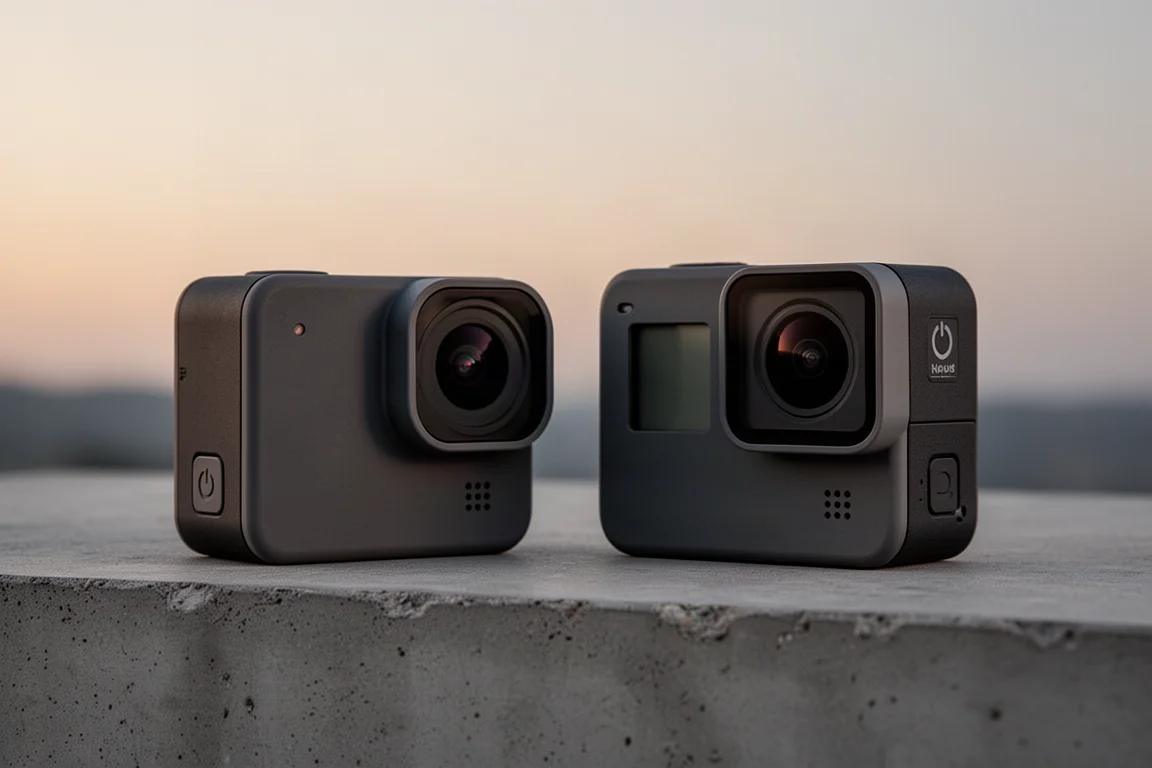
Introduction
Few comparisons matter more to action camera buyers than how each model holds up once the sun starts to drop. Good daylight footage is nearly a given at this point; the real differences appear in shade, at dusk, and after dark. To see where the GoPro Hero 12 and DJI Action 4 actually stand, both cameras were carried through a single evening ride and run around Amsterdam, starting in late afternoon shade, passing through sunset, and ending in full darkness.
The goal was simple: judge each camera on the fundamentals that make low light footage usable, including stability, exposure, micro jitters, and overall sharpness. Sensor size is part of the equation, but by 2023 it is only one component among many that determine whether an image looks good, and in most situations those other factors matter more.
Test Setup and Settings
Both cameras ran the settings their respective makers recommend for low light. The GoPro Hero 12 recorded at 4K 30 or 24 frames per second with high bitrate settings enabled. The DJI Action 4 also recorded at 4K 30 with its low light mode enabled, using standard RockSteady stabilization rather than RockSteady+, while the GoPro used standard HyperSmooth rather than Boost.
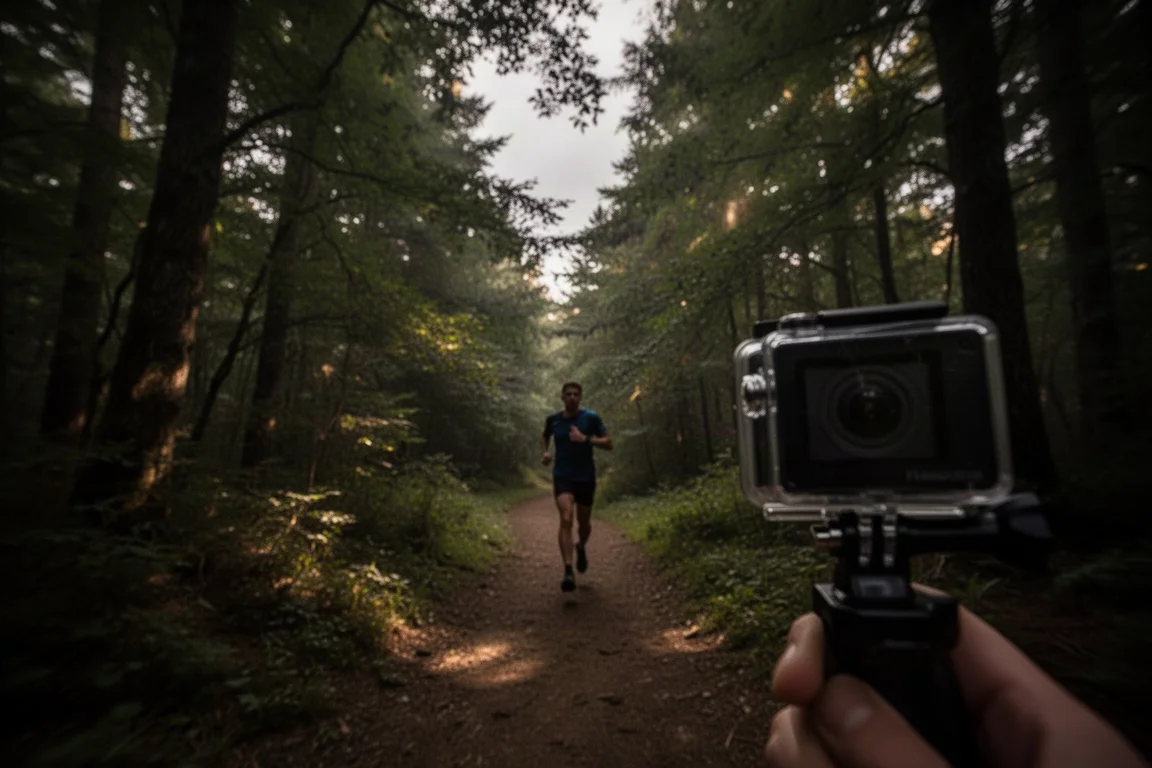
The test traced a deliberate light curve: trail running in the shade of a mountain area on an overcast late afternoon, a forest run as the sun dropped behind the trees, and then a long pedal through the city as twilight deepened into night.
Daylight and Shade: Where GoPro Leads
In the earlier portions of the test, the GoPro Hero 12 held the advantage. During the trail run and the forest segment, while the light was still workable, the Hero 12 produced better colors and stronger stabilization, including when moving through tree cover and darker patches under the canopy.
That pattern held consistently through the daylight and late-afternoon sections. If most of your shooting happens before sunset, in shade, or in overcast conditions rather than true darkness, this is the range where the Hero 12 was the stronger performer in this comparison.
Twilight in the City: The Dividing Line Emerges
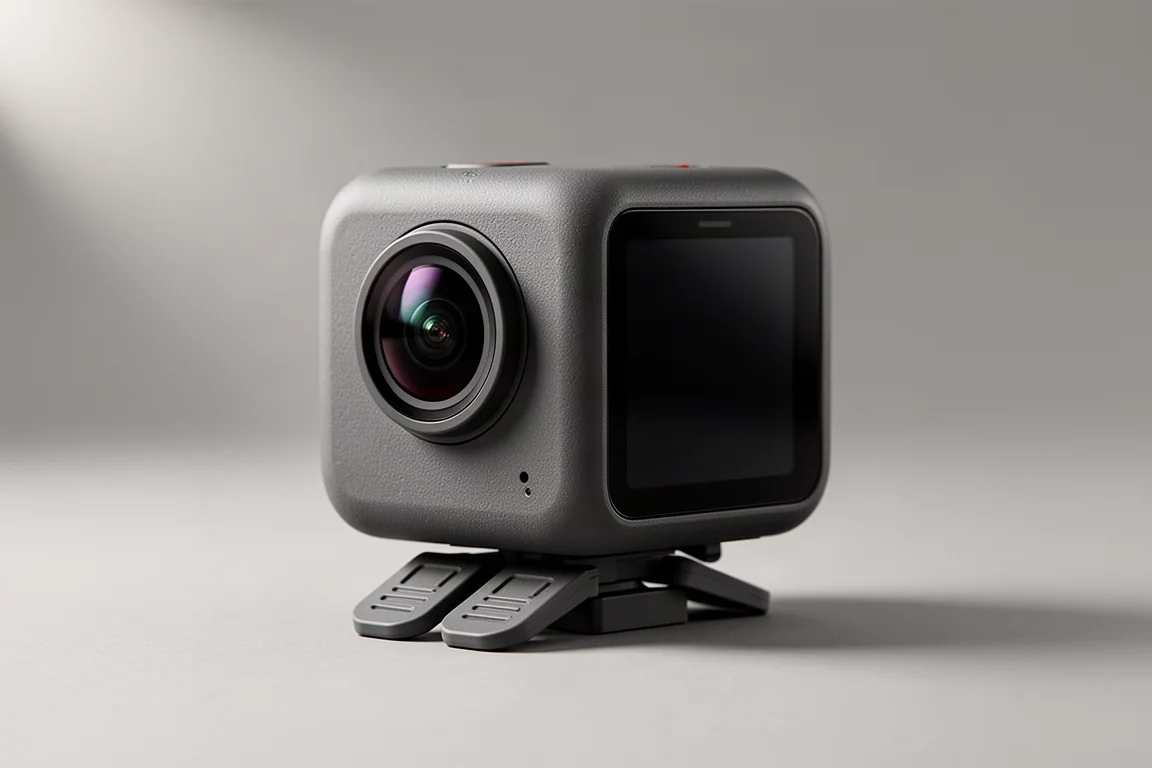
Roughly ten minutes after sunset, everything flipped. Pedaling through the city at around 25 km/h, the DJI Action 4 began winning on both exposure and stabilization. From that point onward, the dividing line stayed consistent for the rest of the test: evening and darkness favored the DJI, while daytime favored the GoPro.
Riding through a park at twilight, the Action 4 kept scenes noticeably brighter and steadier. Against lit building facades, where sign and cafe lighting color accuracy is easy to judge, the difference in how each camera rendered the scene was visible enough to make the choice come down to what you value: more light in the frame, or other qualities like stabilization and image cleanliness.
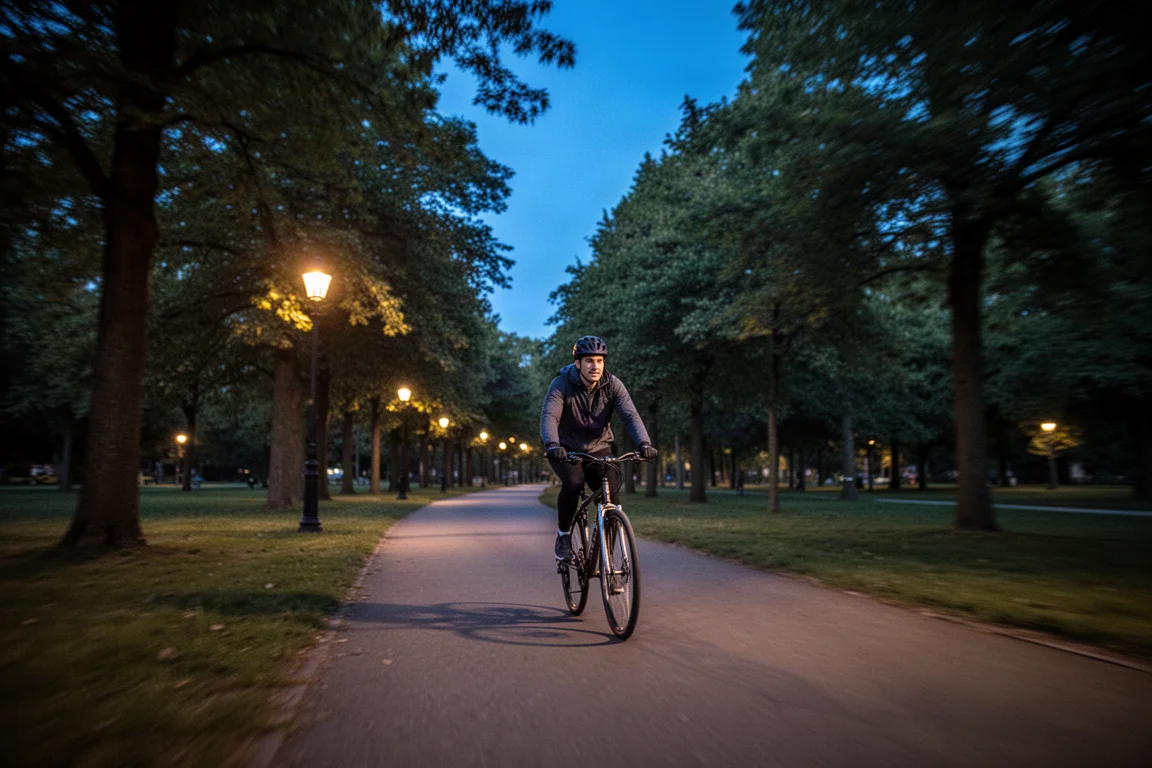
On a stretch of slightly bumpy road with audible potholes, the Action 4 also handled the small jolts well. That matters because mounted bike footage is far harsher than body-mounted footage, which acts like a natural gimbal absorbing vibration.
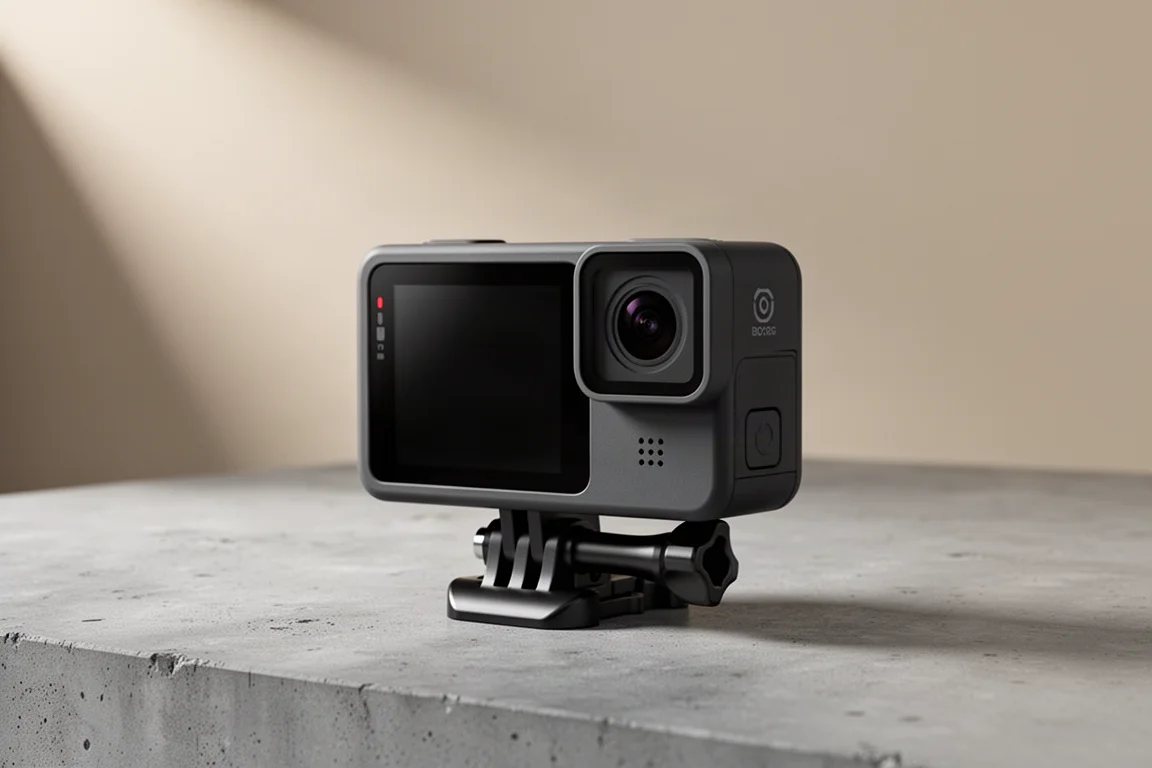
Walking and Running in Near Darkness
On foot, the gaps became even clearer. A walk-and-run test down a dark street with only a couple of street lights showed the Action 4 lighting the scene considerably better while keeping the footage stable. Turning the camera around for a selfie view showed the same pattern from the front.
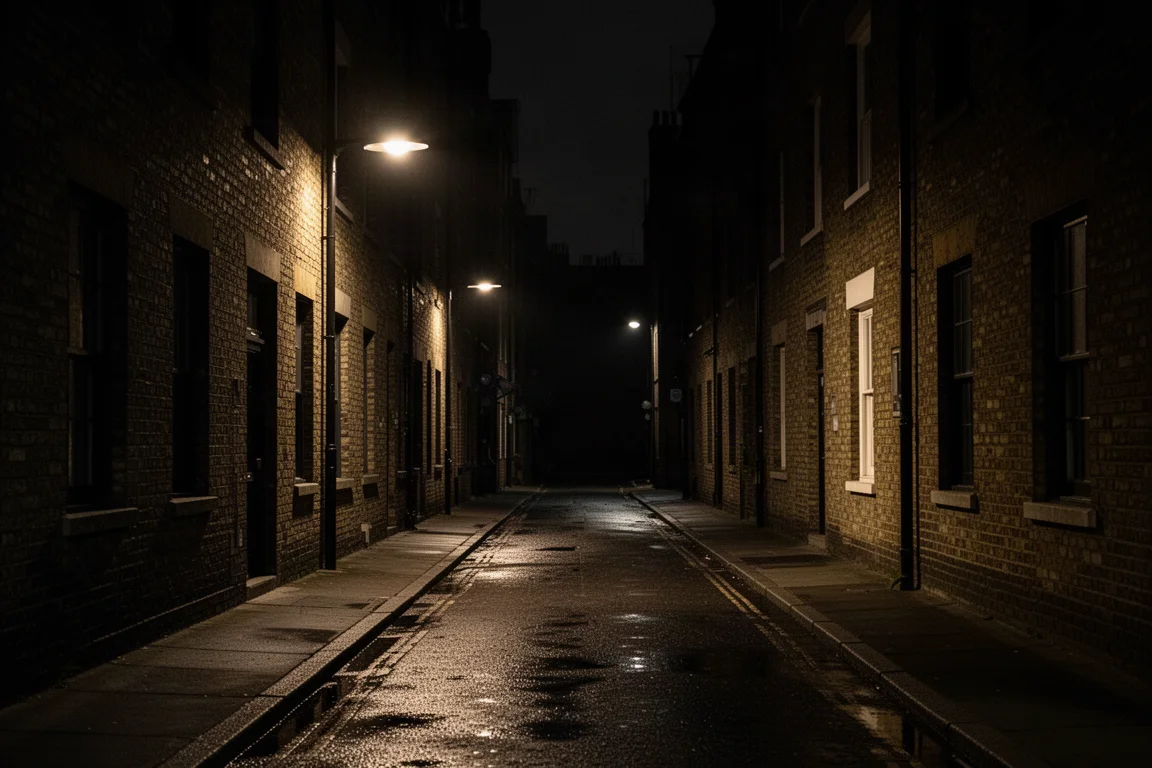
In a much brighter, well-lit shopping area, both cameras produced detailed footage, and the contrast with the darker street a few meters away made the low light differences obvious. The Action 4 also dealt well with abrupt transitions, such as moving from a brightly lit corner into a shadowed section within a single meter.
The Colorful Bike Path and the Limits of Any Action Camera
One final test pushed both cameras to their limit: a graffiti-covered bike path that changes color under artificial lighting, followed by a stop in complete darkness with no light source at all.
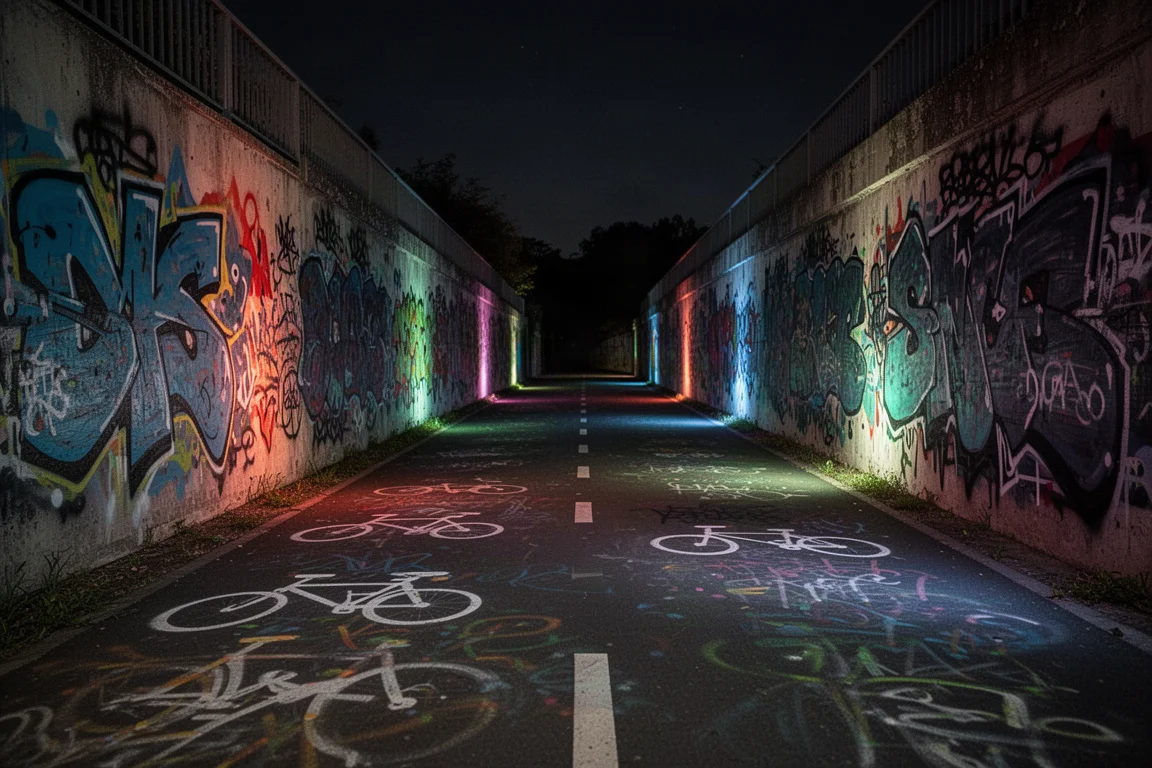
In total darkness, no action camera succeeds. There is a point where every model in this class simply fails, and the practical takeaway is knowing where that point sits for your kind of shooting. Both cameras produced enjoyable, colorful footage on the lit path, but neither should be expected to deliver usable images with zero ambient light.
Buying Advice
The pattern from this comparison is easy to summarize. If your footage leans toward daytime, shade, and early evening, the GoPro Hero 12 was the better performer on color and stabilization. If your shooting extends into true evening and night, the DJI Action 4 held up better with exposure and steadiness in the dark.
One more honest note: for static low light photos or video, a modern phone comfortably outperformed both action cameras in this test. Phones fall short once real action enters the picture, which is exactly where these cameras earn their place.
Conclusion
Neither camera wins outright; each wins a different part of the evening. The GoPro Hero 12 is the pick for daylight and shade work, while the DJI Action 4 takes over once the light genuinely drops. Match the camera to the light you actually shoot in, and either one will serve you well.
Further reading
Related Reviews
Action Cameras
360 Cameras for Adventure Motorcycling: Insta360 X5 vs DJI Osmo 360
Two 360-degree action cameras designed for off-road and adventure riding. A detailed comparison of features, stabilization, and real-world performance for motorcycle touring.
Action Cameras
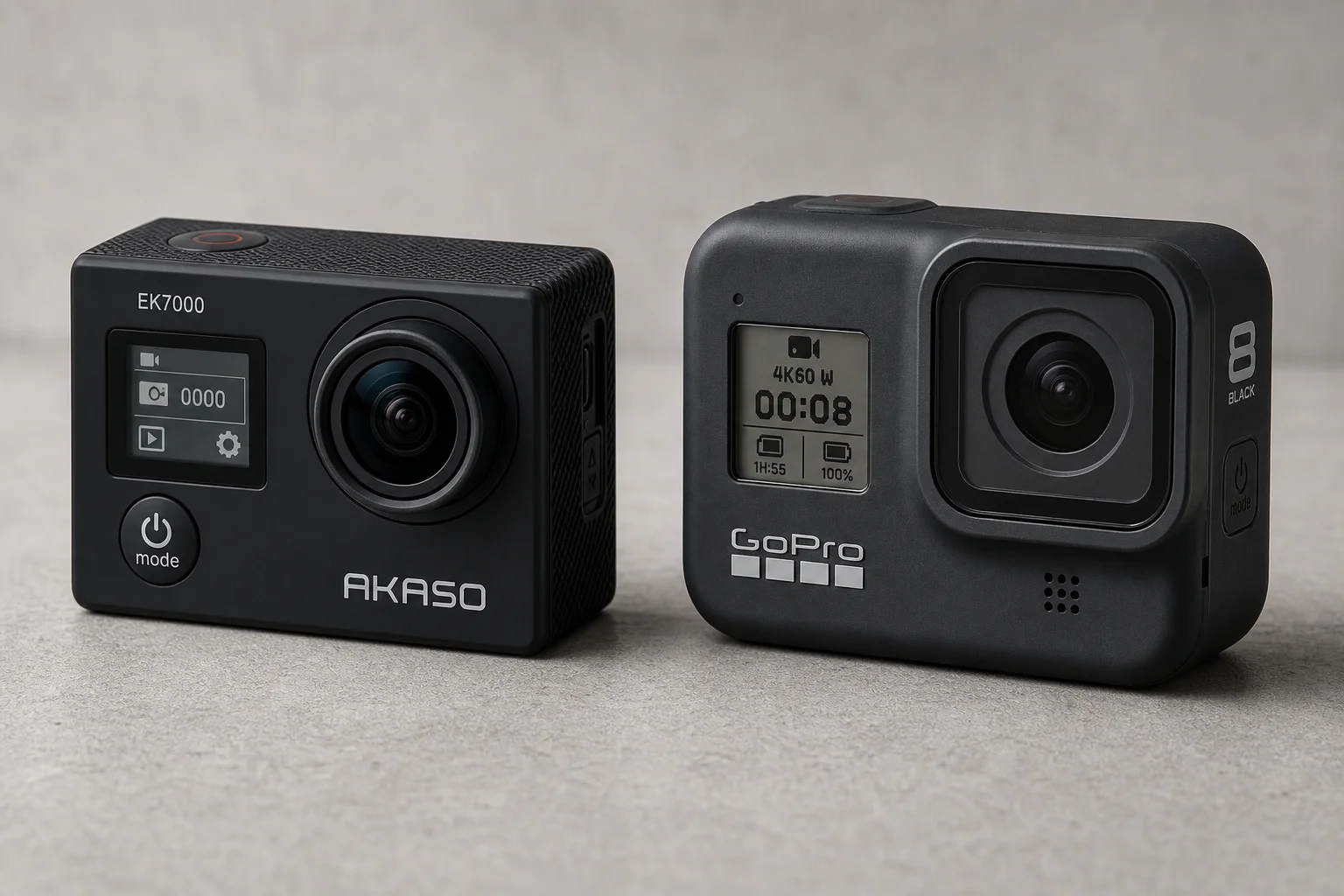
Akaso EK7000 vs GoPro Hero 8 Black: Budget Action Camera Tested
A $50 budget action camera faces off against the GoPro Hero 8 Black. Here's how the Akaso EK7000 really performs in video, audio, and photo quality.
Action Cameras
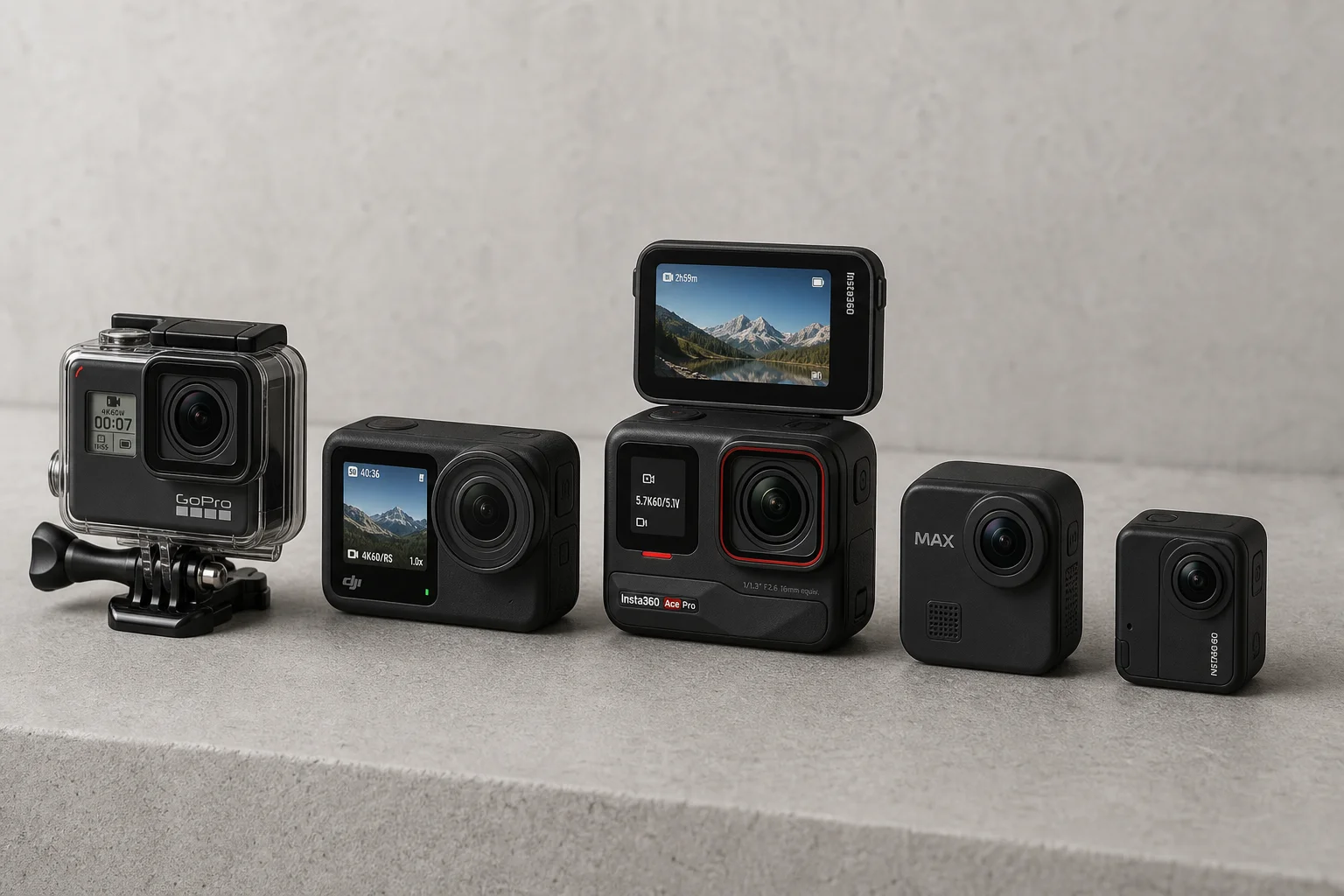
Best Action Cameras 2026: Five Top Picks Ranked
A comprehensive ranking of five action cameras from budget-friendly to premium, covering durability, video quality, stabilization, and low-light performance.