Action Cameras
GoPro Hero 12 Black Review: Real Battery Gains, Better Wide-Angle, One Big Omission
A detailed look at the Hero 12 Black and the new Max Lens Mod 2.0, covering battery life, stabilization, overheating behavior, Bluetooth audio, and the GPS removal that matters.
Introduction
The GoPro Hero 12 Black arrives at $399 with no subscription requirement, and it brings a mix of genuinely useful upgrades and one surprising removal. This review covers the new features, how they hold up in real use, and where GoPro still falls behind the competition.
Price and Subscription Changes
The Hero 12 Black costs $399 for everyone, with no GoPro subscription required to get that price. If you do have a GoPro subscription, the price drops to $299 at your next subscription renewal, which is a significant saving on top of the other subscription benefits.
Battery Life: The Headline Upgrade
Battery life improves dramatically in some modes. At 5K, GoPro claims up to 70 minutes, roughly double the previous generation. In real testing, a ride at 5K60 in 80 to 85 degree Fahrenheit heat landed 61 minutes before the battery ran out, with no overheating at all. That falls short of the 70-minute claim, but that claim is measured at a cooler 77 degrees, so the gap makes sense.
At 4K60 with simulated airflow, the camera hit its battery claim to the minute, even edging out the DJI Action 4 by about 20 seconds.
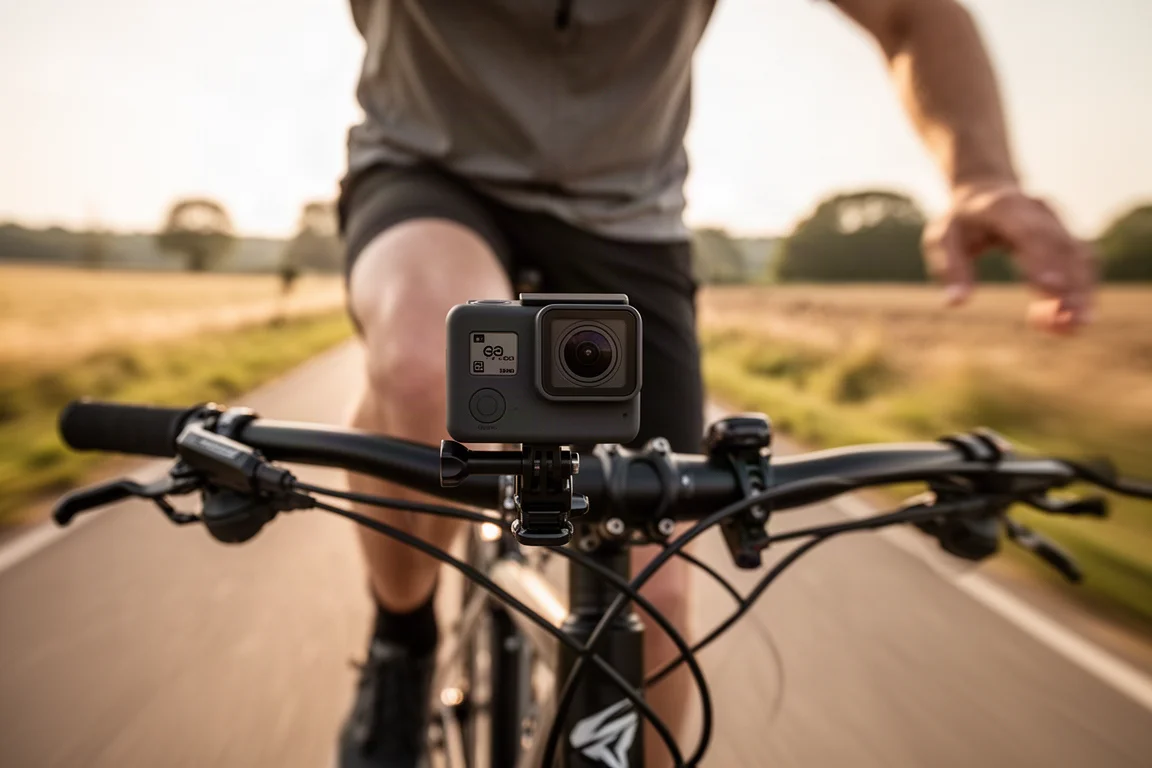
The camera uses the same Enduro battery as the Hero 11 Black, and the form factor is backwards compatible with the Hero 9, 10, and 11, so you can use those batteries interchangeably. The downside is charging: a GoPro Enduro battery takes roughly 100 minutes to charge, while a competing action camera battery reaches 80 percent in 18 minutes and full in 50.
Max Lens Mod 2.0: Insanely Wide, Now in 4K
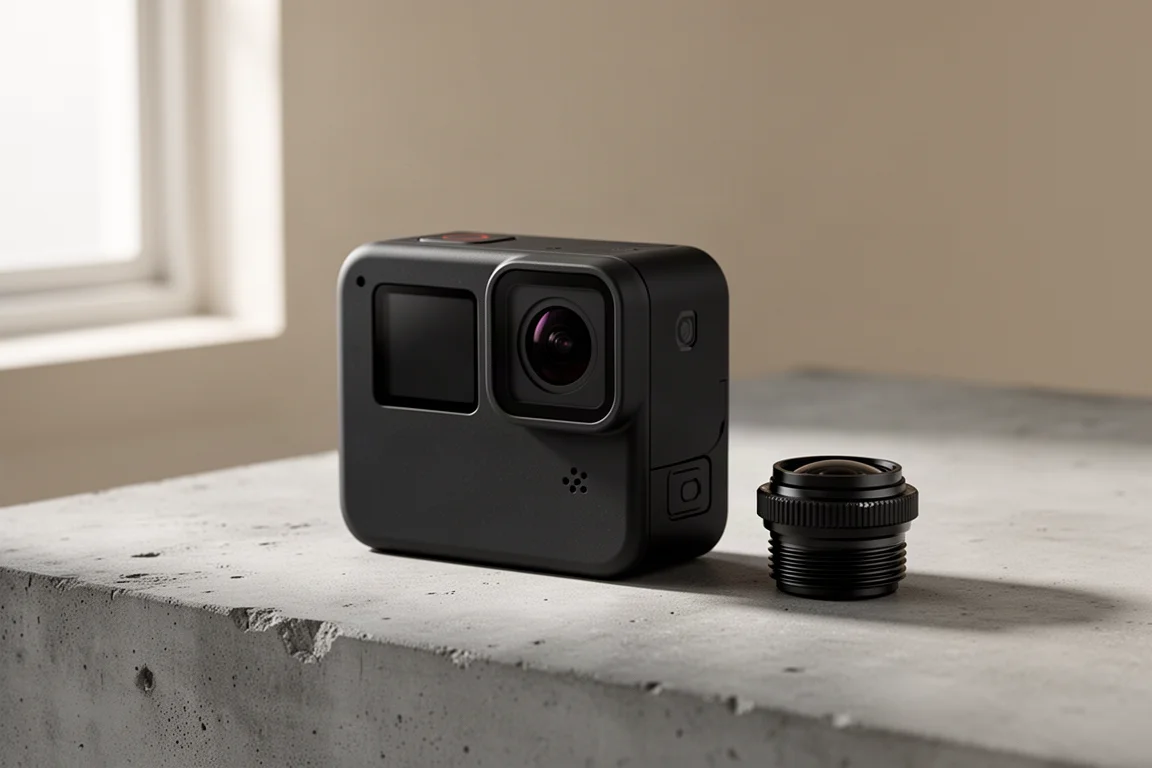
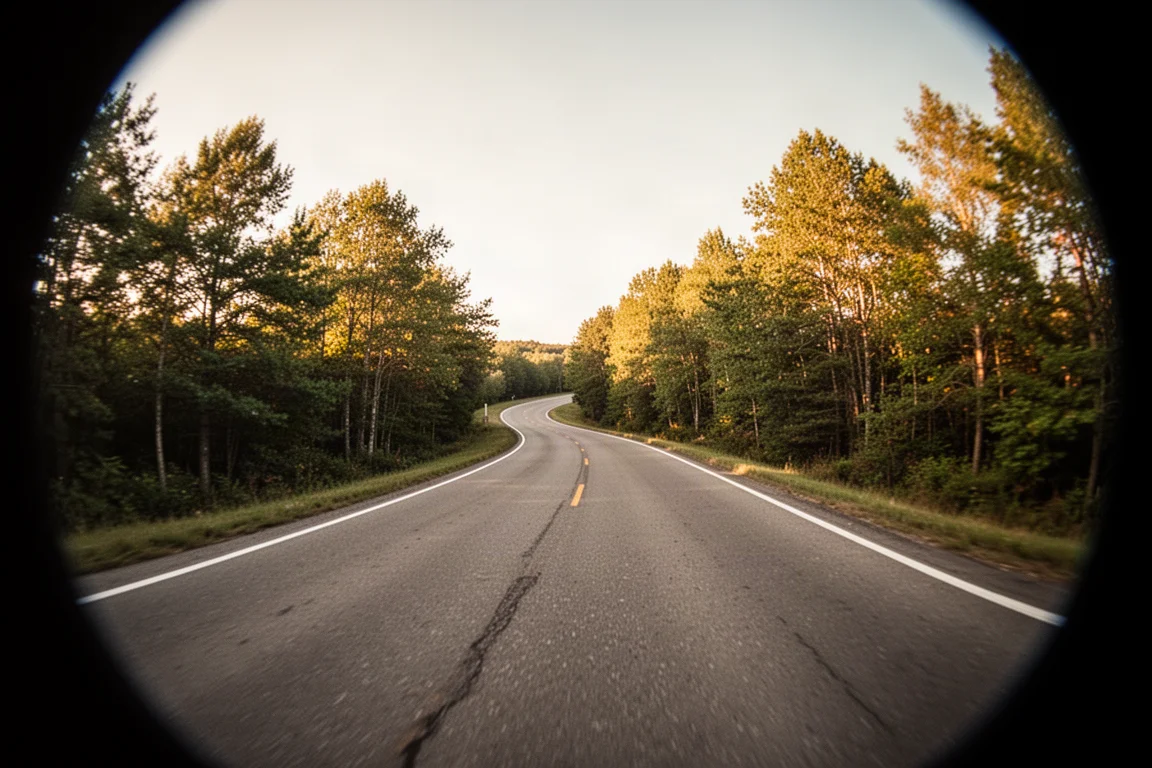
The new Max Lens Mod 2.0 pushes the field of view up to 177 degrees versus the stock 155 degrees, and it now supports 4K at up to 60 frames per second, up from 2.7K previously. The extra width is dramatic compared to the stock lens.
Expect fisheye distortion when the camera is pointed above or below the horizon; keep it level and the effect is much less noticeable. Note that the original Max Lens Mod 1.0 remains fully compatible with the Hero 12 as well.
Connectivity: Bluetooth Audio and Concurrent Pairing
You can now pair Bluetooth headphones or speakers directly to the camera. The camera uses a microphone from the Bluetooth device for audio, routes its beeps and voice prompts into that device’s speakers, and even supports voice commands through the Bluetooth mic. Audio quality depends heavily on the device you use and the scenario, so results vary. A useful detail: the camera records both its own audio and the Bluetooth mic on separate channels, so you can choose either or both in post-production.
GoPro has also increased how many Bluetooth devices can pair concurrently, so the Volta grip, the remote, and the Quick app can all be connected at once. And the phone preview screen finally stays live while recording. In previous generations, the video feed cut off the moment you hit record; that limitation is gone, with some blockiness that is still good enough for framing checks.
Mounting Improvements
A standard tripod mount has been added to the bottom of the camera, alongside the traditional dual-finger mount. If you prefer a magnetic quick-mount style system, a roughly $10 accessory adds four mount types in one: the GoPro mount, a tripod mount, a DJI-style mount, and a magnetic mount for any metal surface.
Stabilization: HyperSmooth 6.0
HyperSmooth 6.0 refines AutoBoost, which automatically adjusts the field of view to keep stabilization on point. GoPro remains the stabilization leader, and it particularly shines in non-direct-sun environments like tree cover, where the DJI Action 4 with RockSteady Plus shows micro-jitters that do not appear on the GoPro.
Field of view comparisons depend on your settings. In linear (fisheye-free) mode, the Action 4 is wider. In the widest modes with full stabilization on, GoPro’s SuperView with HyperSmooth is wider than the Action 4 with RockSteady Plus.
Low Light: No Meaningful Leap
Low-light footage shows no meaningful difference from the Hero 11, except for a small gain when shooting in Log. In a broader comparison with the DJI Action 4, both cameras struggle in low light. The Action 4 produces a brighter image, but only with reduced settings: RockSteady instead of RockSteady Plus, 30fps or lower, and the low-light setting turned off. On a small phone screen both look passable; on a computer monitor or TV, neither camera is good.
8x7 Aspect Ratio and Night Modes
The 8x7 aspect ratio, close to square, gives huge flexibility in post-production: crop vertical, horizontal, or square from the same footage. On the Hero 12, 8x7 support expands into TimeWarp modes and the night modes.
The night modes also gained a handy addition: after recording star trails, vehicle light trails, and similar effects, the camera now produces a still photo of the entire capture, so you no longer need to scrub through the video for a screenshot.
HDR Video
HDR comes to video, complementing the existing HDR photo mode. It brings out more dynamic range, exposing shadows better while keeping highlights in check.
The Missing GPS
The biggest change is a removal: there is no GPS in the Hero 12 Black. Accelerometer data remains, so FPV drone stabilizations via ReelSteady or the Quick app still work, but GPS recording and sticker overlays are gone. GoPro cites low usage of GPS overlays and the battery life gains, which also reduce overheating concerns. It still feels like a miss, especially since DJI added GPS via an accessory just weeks earlier. An optional, user-enabled GPS mode would have been the better path.
Overheating: The Ongoing Trade-Off
Overheating depends heavily on airflow. With any airflow, even water flow, these cameras almost never overheat. They also never overheat in time-lapse, TimeWarp, or photo modes. Static scenarios, like filming indoors on a windless day, are where overheating appears, and only on continuous clips of roughly 20 minutes or longer. Short clips are not a concern.

Early test results confirm the improvements: at 4K60 with no wind, the Hero 11 died at 32 minutes while the Hero 12 lasted 54. The Action 4 ran 81 minutes in the same scenario. Add even a light 5 km/h (3 mph) breeze and there was no overheating at all: the Hero 11 ran 67 minutes, the Hero 12 hit 81, and the Action 4 also reached 81, with the Hero 12 edging it out by about 20 seconds on battery. On a hot 80 to 86 degree bike ride, the Hero 12 never overheated, dying at 61 minutes from battery. On a static windless day at 85 to 88 degrees, the GoPros died sooner than the Action 4.
Pro Features: GP-Log and Timecode Sync
Two additions aimed at pros. First, a new GP-Log format enables Log recording combined with 10-bit capture and optional high bit rate, allowing better color grading with the supplied GoPro LUT. Second, native timecode sync arrives two ways: through the Quick app or with a dedicated timecode device, something that previously required GoPro Labs builds on the Hero 11.
Other Refinements
A new camera interval photo mode sits alongside the existing time-lapse interval mode. Time-lapse stabilizes light and color across the entire sequence, while the new interval photo mode dynamically adjusts exposure per shot, suiting different use cases. The vertical video modes are now clearer to enable, and the Easy Mode interface has been simplified, with resolution and settings split into friendlier terms. Pro Mode remains.
Stability has been solid in testing, with no crashes or freezes. Good quality SD cards from reputable sellers and avoiding cards loaded with hundreds of files both help prevent corruption.
Which One Should You Buy?
The Hero 12 Black is packed with genuinely useful features: dramatically better battery life in high-resolution modes, Bluetooth audio support, the wider and higher-resolution Max Lens Mod 2.0, expanded 8x7 and night modes, HDR video, and GP-Log for grading. It still trails the competition in two areas: static overheating performance and slow battery charging. But as an overall package, with 5.3K resolution, stabilization leadership, and a deep set of specialty modes, it remains the most feature-rich action camera here. The right choice depends on which of those strengths matter most to you.
Conclusion
The Hero 12 Black is a well-rounded refinement rather than a revolution. Battery life, Bluetooth audio, the new wide-angle lens option, and pro-oriented recording formats make it easy to recommend, while the GPS removal and slower charging are the trade-offs to weigh before buying.
Product link
View more details for GoPro Hero 12 Black
This product is mentioned in the review. Check the specifications, options, and compatibility before buying.
View more details for GoPro Hero 12 BlackFurther reading
Related Reviews
Action Cameras
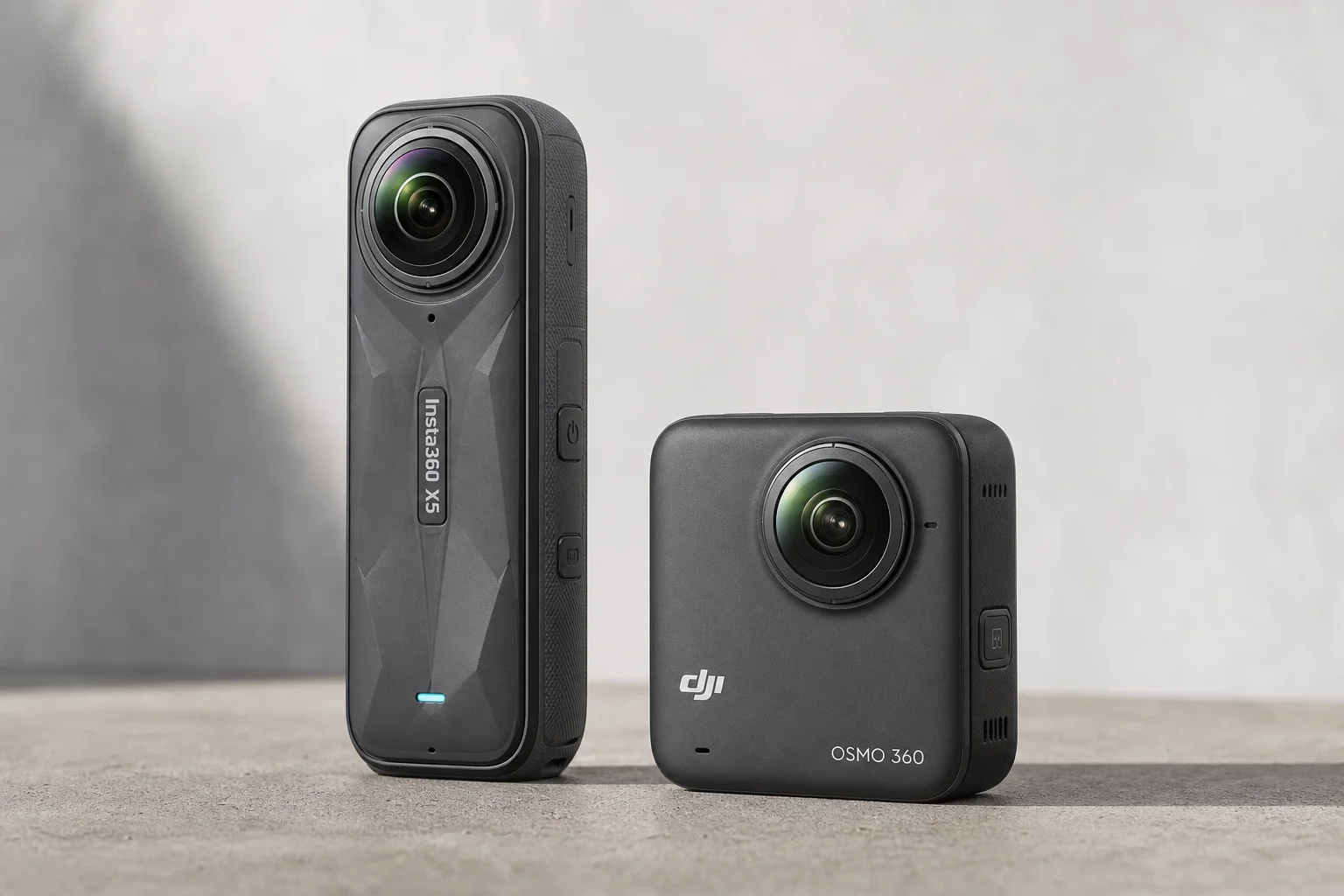
360 Cameras for Adventure Motorcycling: Insta360 X5 vs DJI Osmo 360
Two 360-degree action cameras designed for off-road and adventure riding. A detailed comparison of features, stabilization, and real-world performance for motorcycle touring.
Action Cameras
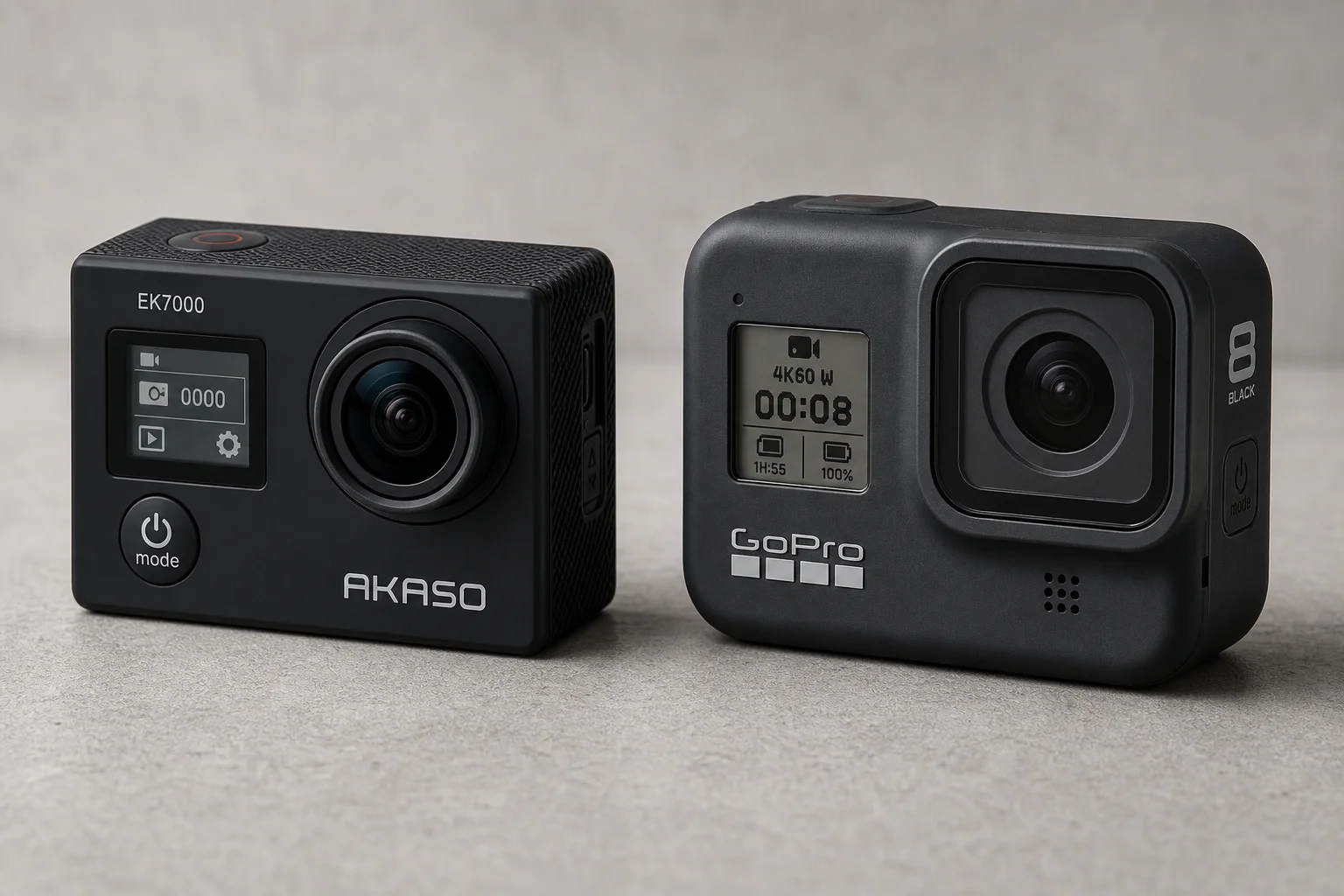
Akaso EK7000 vs GoPro Hero 8 Black: Budget Action Camera Tested
A $50 budget action camera faces off against the GoPro Hero 8 Black. Here's how the Akaso EK7000 really performs in video, audio, and photo quality.
Action Cameras
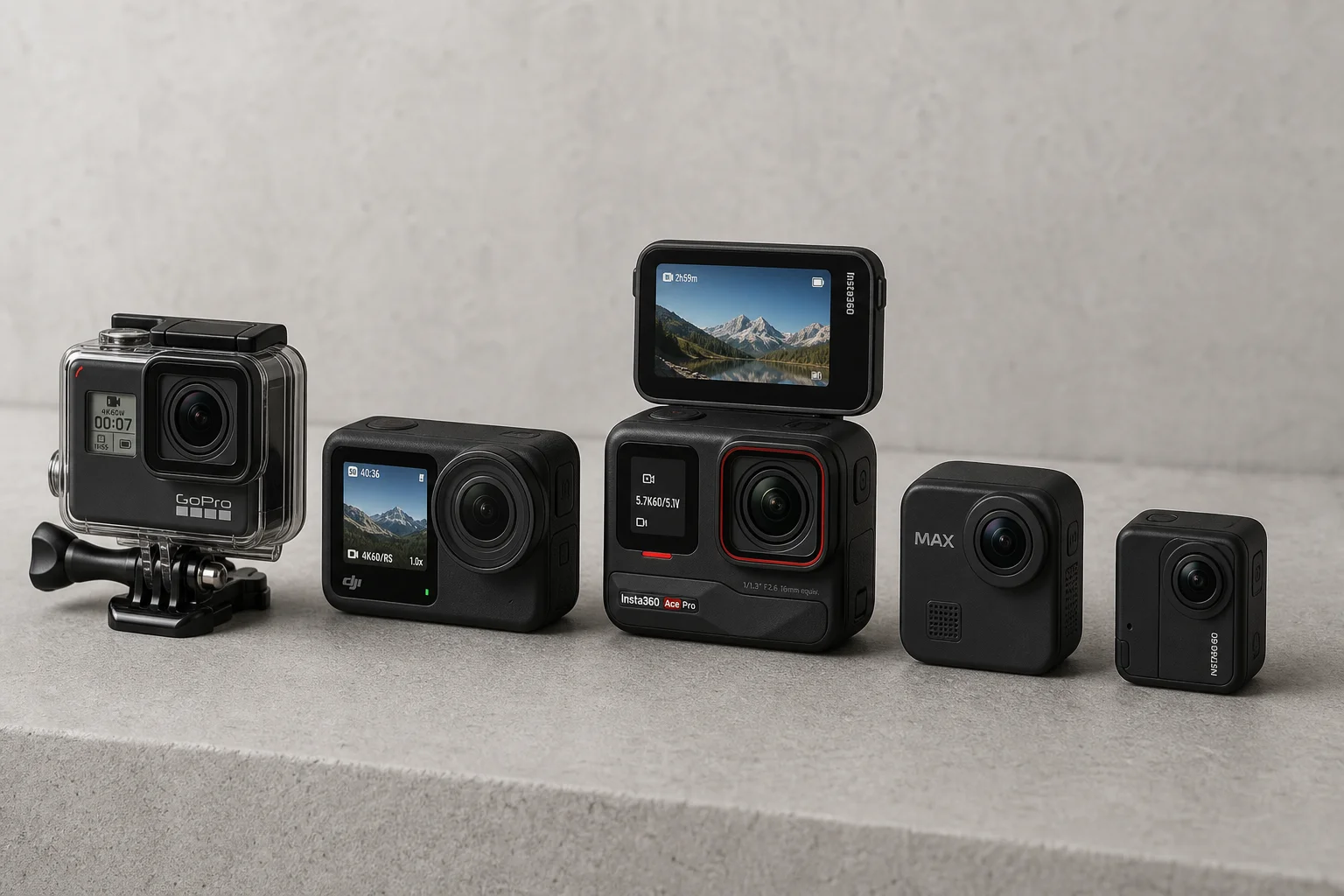
Best Action Cameras 2026: Five Top Picks Ranked
A comprehensive ranking of five action cameras from budget-friendly to premium, covering durability, video quality, stabilization, and low-light performance.