Action Cameras
GoPro Hero 11 Review: A Solid Camera That Mostly Refines the Formula
After a month of real-world running and product filming, the Hero 11 proves itself as the best GoPro yet, while raising the question of who actually needs to upgrade.
Introduction
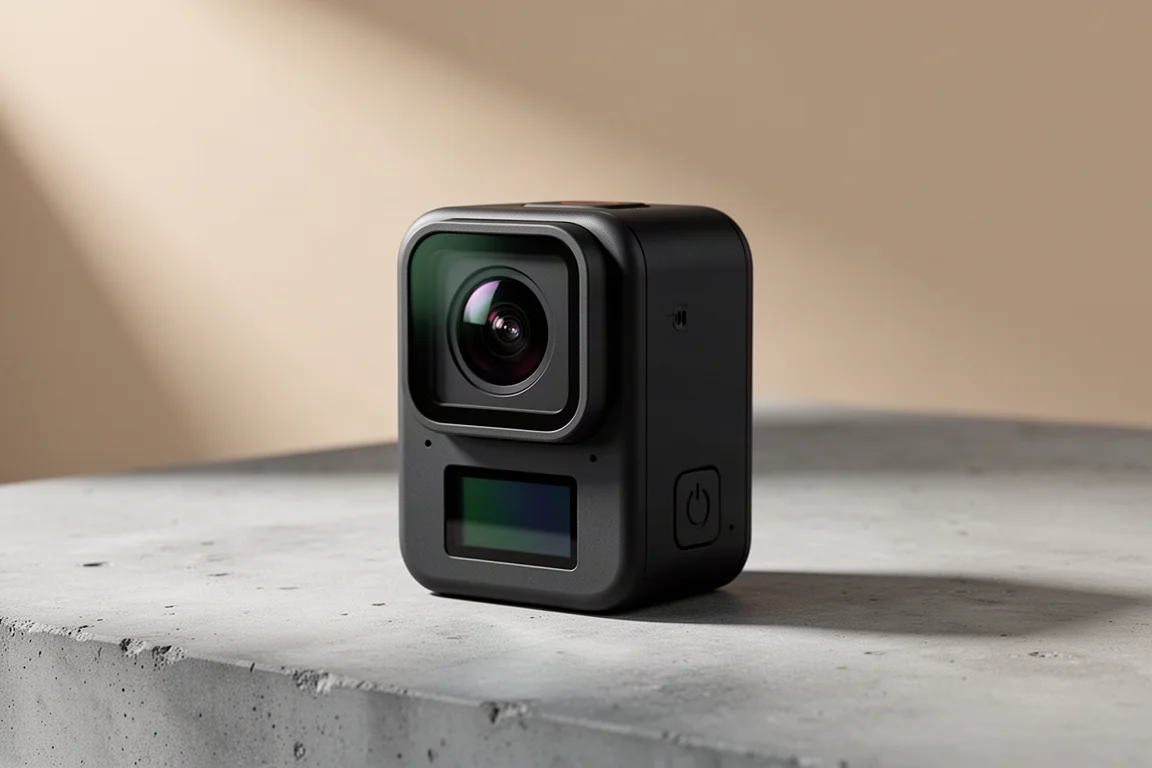
GoPro markets the Hero 11 with the claim that it “goes to 11,” and after using it for about a month in demanding situations, including race-day filming, the honest answer is that it is the best GoPro made so far, while being a refinement of the Hero 10 rather than a dramatic leap. This review breaks down what is actually new, where the improvements matter, and whether an upgrade makes sense for you.
Who This Camera Is For
The Hero 11 makes the most sense for a specific set of buyers: people who always want the latest and greatest action camera, and shooters who use features that did not exist in earlier models. The bigger new sensor unlocks a new 8:7 aspect ratio, an almost-square capture format designed to give creators more framing flexibility, letting you shoot once and decide later whether to crop to standard 16:9 horizontal video or a vertical format.

If you are a creator who works with color grading, the addition of 8-bit and 10-bit color modes is a genuinely significant feature. For someone who knows their way around footage pipelines better than a casual user, that extra bandwidth is where the Hero 11 can really pay off, regardless of which GoPro you already own.
Main Strengths
The headline change is a brand new, bigger sensor. Beyond the flexible 8:7 aspect ratio, the camera also gains HyperSmooth 5.0, the fifth generation of GoPro’s stabilization. Each generation has brought incremental improvements, and real-time trail footage is where the difference shows up most. When footage is slowed down from high frame rates, the stabilization difference between the Hero 10 and Hero 11 becomes hard to notice.
Bit depth options also expand this year, with both 8-bit and 10-bit color modes available. Combined with a higher bit rate, this gives color-focused creators more room to work. For quick-turnaround shooting that stays close to what comes out of camera, it is less of a factor.
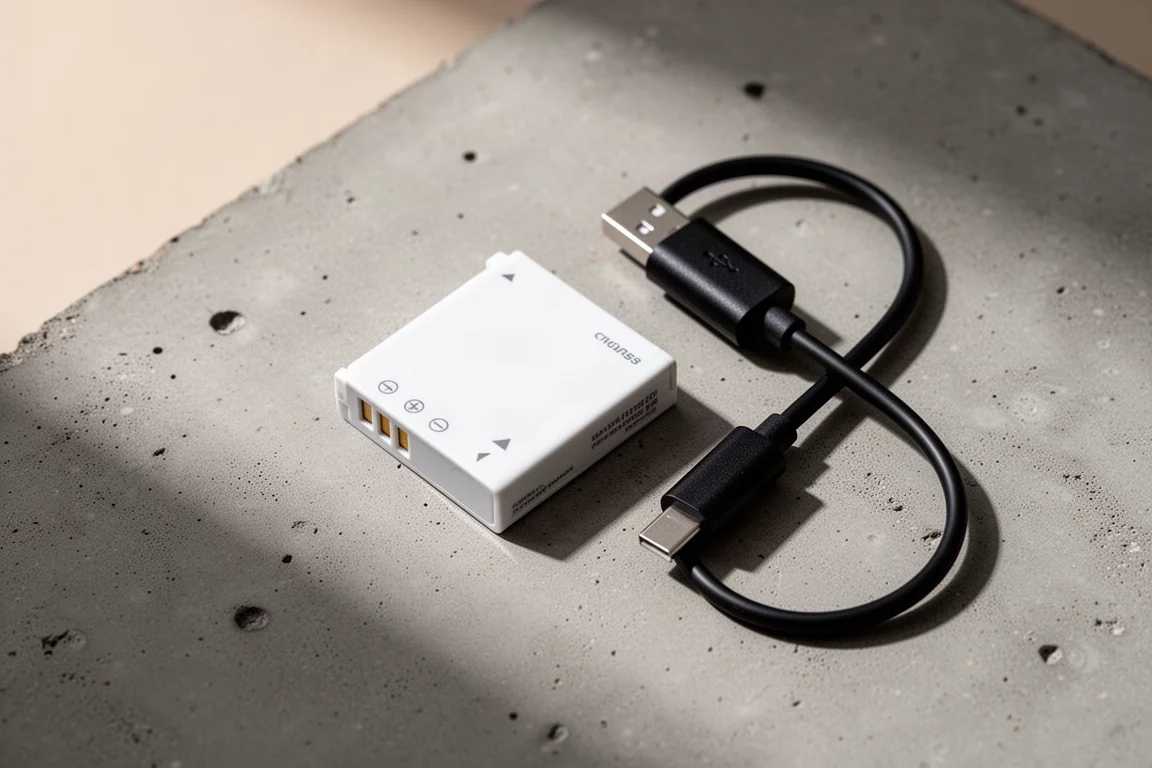
The most practical improvement is arguably the battery. The Hero 11 ships with the white Enduro battery in the box, while the Hero 10 shipped with a standard battery and sold the Enduro as an aftermarket upsell. In real use, the Enduro battery proved far more reliable: it did not overheat even in the hottest summer conditions, and it avoids the temperature-related shutdowns that plagued the standard battery in cold weather or at low charge levels.
Things to Consider Before Buying
The 8:7 aspect ratio has a real limitation: at the full-sensor 5.3K setting, you are capped at 30 frames per second. Even dropping to 4K only gets you to 60fps in that mode. For shooters who prioritize high frame rates, like 4K at 120fps in 16:9, the classic wide formats remain the better choice. The square capture mode may gain higher frame rates later, but that capability is not here yet.
The stabilization upgrade is also incremental. Switching from the Hero 10 to the Hero 11, the footage looked essentially the same to a general audience. If your workflow involves slowing down high-frame-rate footage, the practical difference between these two generations is small.
The color modes, meanwhile, may simply be more camera than most people need. If your turnaround is quick and you rely on out-of-camera results with minor brightness and shadow tweaks, the 10-bit color options are not something you will likely take advantage of.
Buying Advice
Pricing sits roughly $50 apart between tiers, with the Hero 11 at $400 after discount with a GoPro subscription, the Hero 10 at $350, and the Hero 9 at $300.
If you own a Hero 10, the clearest advice is to stay put. For most of what people want from an action camera, the Hero 10 delivers it. Switching back to it after using the Hero 11 is not something that feels like a meaningful downgrade. If you already have a Hero 9 and it is still in good shape, staying there is also a reasonable choice, though an extra $50 toward a Hero 11 is a defensible jump if you want the newest features or your current camera is showing its age.
If you have no action camera at all, the Hero 9 is a strong starting point, especially at a discount or refurbished through an authorized reseller. The image quality improvement over a phone alone makes it a worthwhile first step, and it gives you time to learn how you actually use an action camera before committing to a pricier model.
For Hero 9 owners looking for something genuinely different rather than a modest upgrade, a 360 camera is an interesting alternative direction. The Insta360 One X2 remains a favorite for high frame rate flexibility, an area where even some newer 360 models currently fall short pending firmware updates.

The bigger picture: the Hero 11 may matter less for what it delivers today and more for the headroom it creates. The new sensor and added bandwidth look like groundwork for a much more capable successor in the next generation. If you already own a GoPro you like, saving your money for next year’s release is a sensible play.
Conclusion
The Hero 11 is a well-built, genuinely capable camera, and in practical shooting it performs almost identically to the Hero 10 for most workflows. It shines brightest for creators who need the new sensor flexibility, the higher bit rate, or the 10-bit color modes, and for anyone who values the included Enduro battery. For everyone else, this is a camera worth admiring rather than rushing to buy.
Product link
View more details for GoPro Hero 11
This product is mentioned in the review. Check the specifications, options, and compatibility before buying.
View more details for GoPro Hero 11Further reading
Related Reviews
Action Cameras
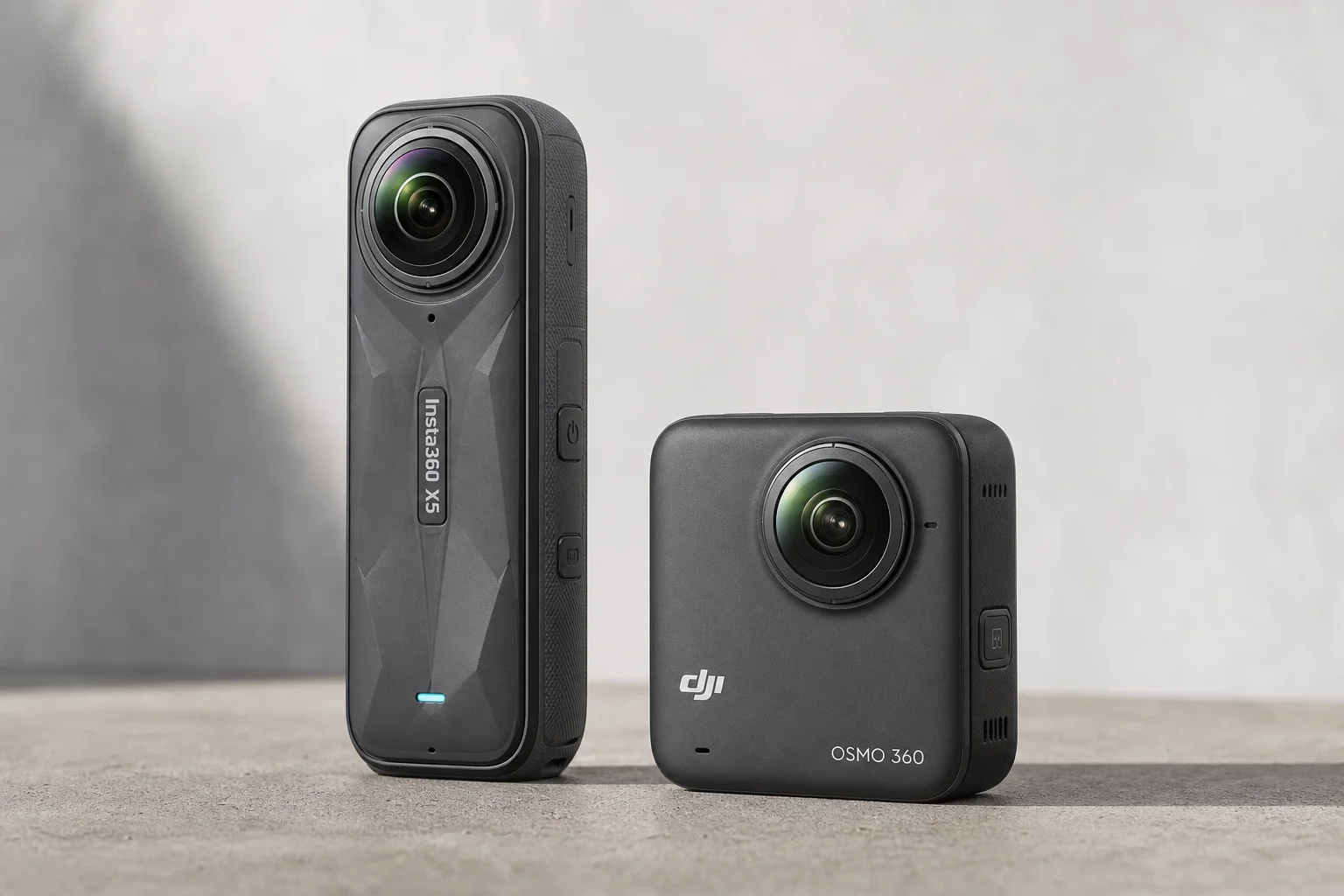
360 Cameras for Adventure Motorcycling: Insta360 X5 vs DJI Osmo 360
Two 360-degree action cameras designed for off-road and adventure riding. A detailed comparison of features, stabilization, and real-world performance for motorcycle touring.
Action Cameras
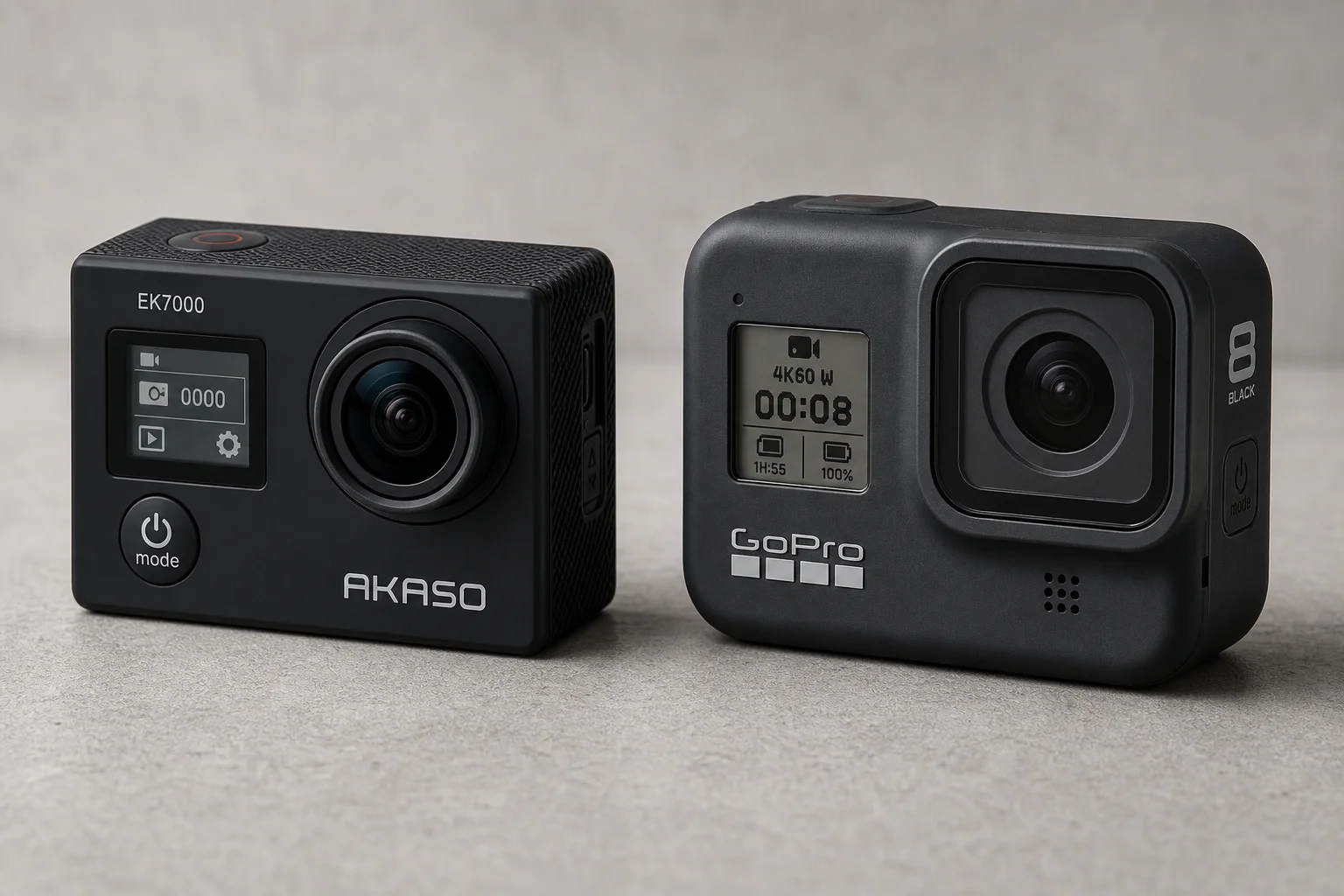
Akaso EK7000 vs GoPro Hero 8 Black: Budget Action Camera Tested
A $50 budget action camera faces off against the GoPro Hero 8 Black. Here's how the Akaso EK7000 really performs in video, audio, and photo quality.
Action Cameras
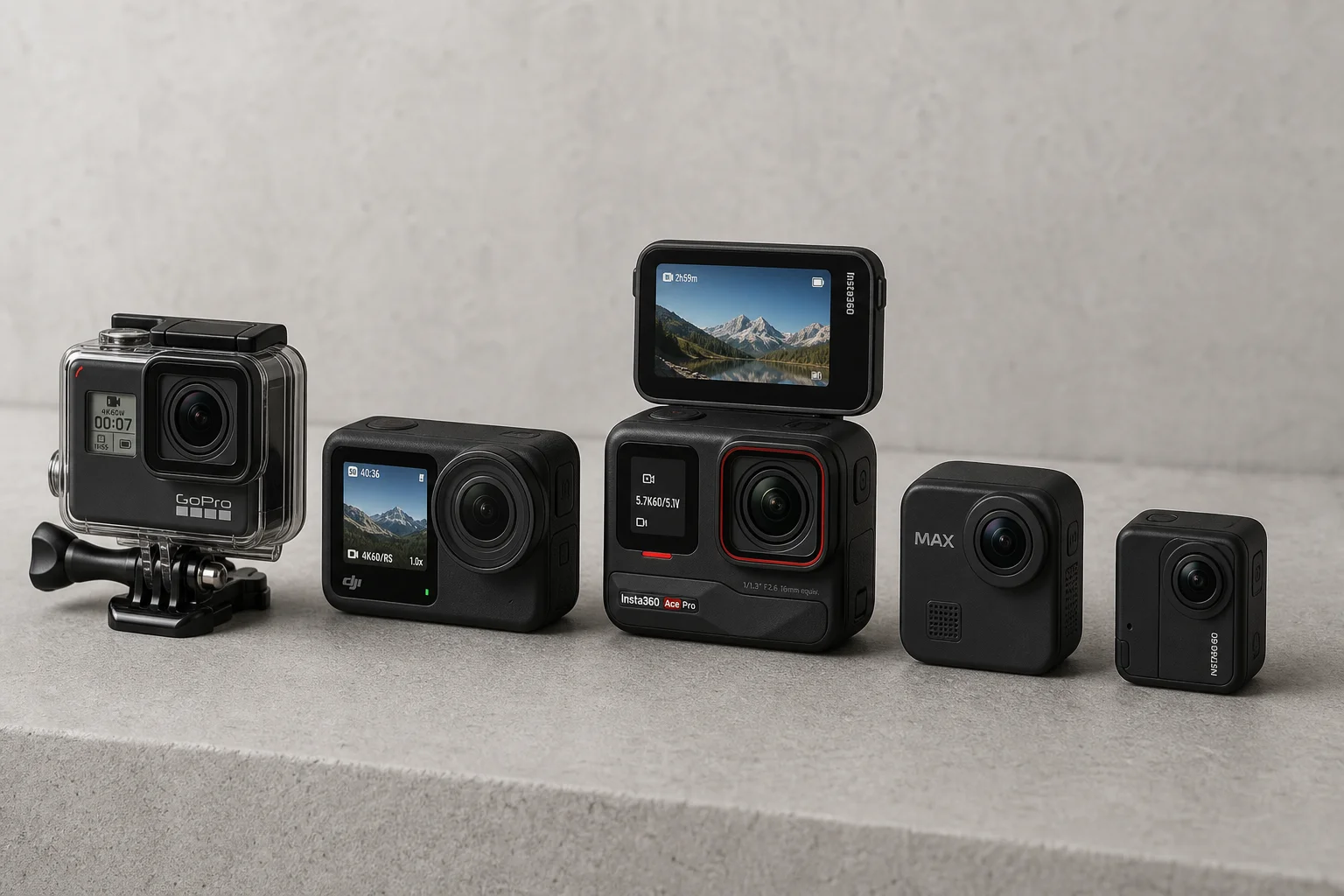
Best Action Cameras 2026: Five Top Picks Ranked
A comprehensive ranking of five action cameras from budget-friendly to premium, covering durability, video quality, stabilization, and low-light performance.