Action Cameras
GoPro Hero 10 Review: Is It Worth It for Runners and Run Vloggers?
A hands-on look at the GoPro Hero 10 for running, run vlogging, and everyday vlogging, with buying advice against the Hero 9 and Hero 8.
Introduction
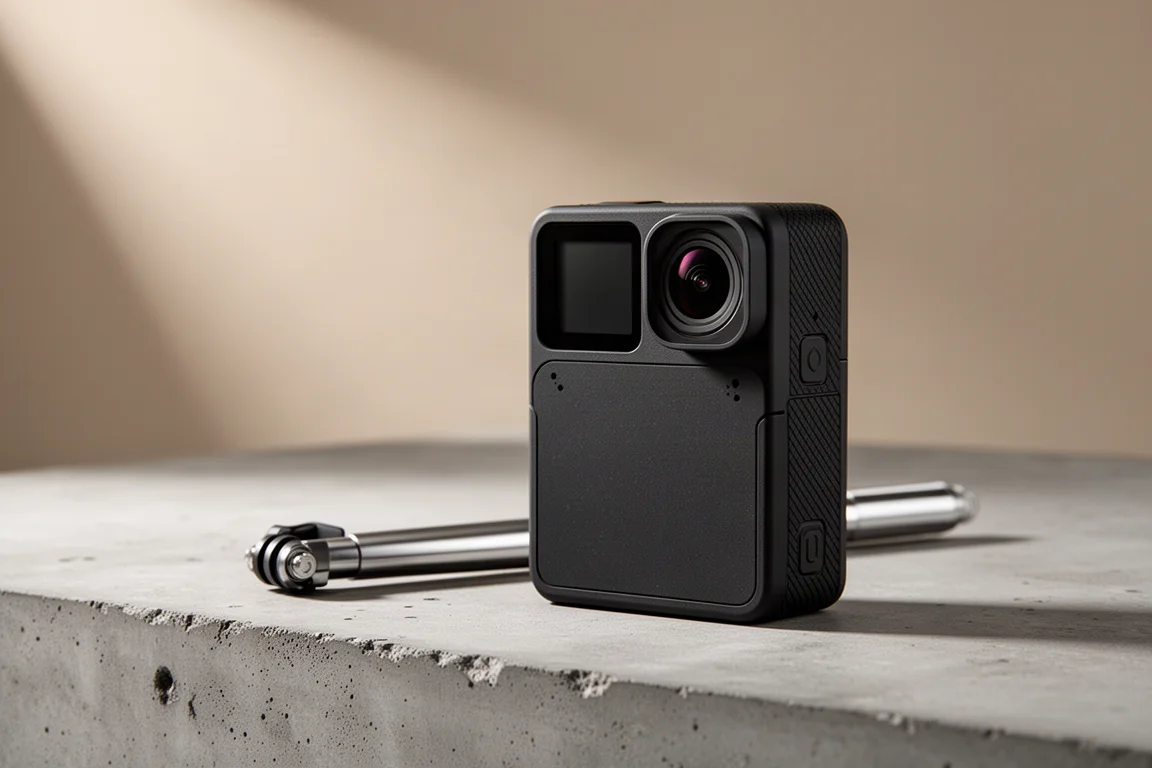
The GoPro Hero 10 can shoot more pixels at faster frame rates than any GoPro before it, but it is also bigger and heavier than earlier models. That trade-off matters if you plan to carry it on runs, so this review narrows the scope to two things: running with the camera and vlogging or run vlogging. All impressions here come from real-world use, including a threshold workout with six times six minutes at effort, an evening neighborhood vlog trip, and the Chicago Marathon.
Who This Product Is For
The Hero 10 is aimed at runners and vloggers who want to slow footage down, film themselves on a selfie stick, and edit everything at 4K. If your content lives on slow motion and you want your running footage to match 4K talking-head footage, this camera is built for exactly that workflow.
Main Strengths
The headline feature is 4K at 120 frames per second, now available across every field of view GoPro offers: super wide, wide, linear, and narrow. Shooting in linear on a selfie stick avoids the fisheye distortion that makes products look stretched, and 120 frames per second lets you drop footage to a quarter-speed slow motion at 30 frames per second. That is the core of what makes run footage feel polished.
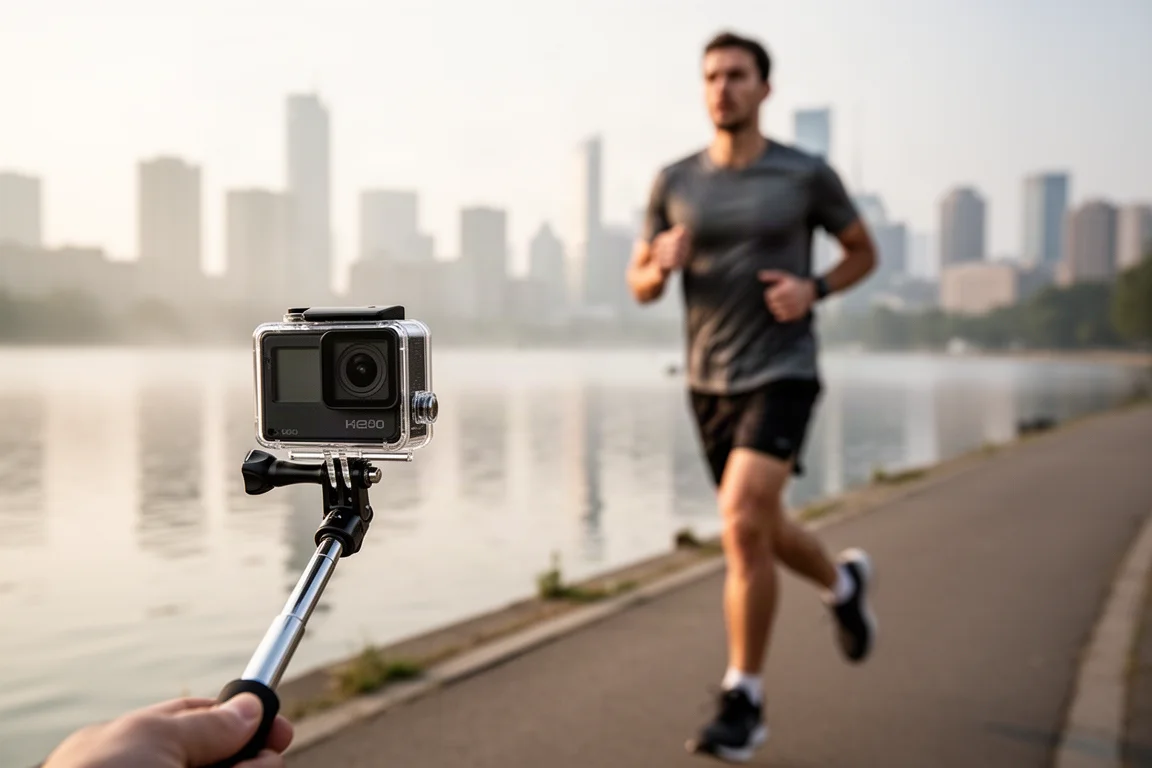
A new processor, the G2 chip, enables those spec jumps. The sensor is reportedly the same one used in the Hero 9, but the faster chip also unlocks 5.3K at 60 frames per second, a bump from the Hero 9’s 5K. In practice, 4K 120 works as a set-it-and-forget-it setting for running, while 5.3K 60 is a usable resolution and frame rate for general daily vlogging when high frame rates are not needed.
Quick capture is noticeably faster too. Instead of powering on and then hitting record, one press of the record button turns the camera on with the last-used video settings. Turn-on and turn-off times are substantially faster than a year-old Hero 9, and the new chip is likely the reason.
Vlogging and Everyday Use
Audio is frequently underrated on GoPro cameras, and wind and noise rejection remains solid on the Hero 10. Footage recorded while running beside a busy road and through a crowded, windy marathon gives a realistic sense of what the microphone handles in everyday conditions. Image quality at 5.3K, downscaled to 4K, looks very good, though the simplest workflow is still leaving the camera at 4K 120 in linear so fast-moving moments can always be slowed down later.
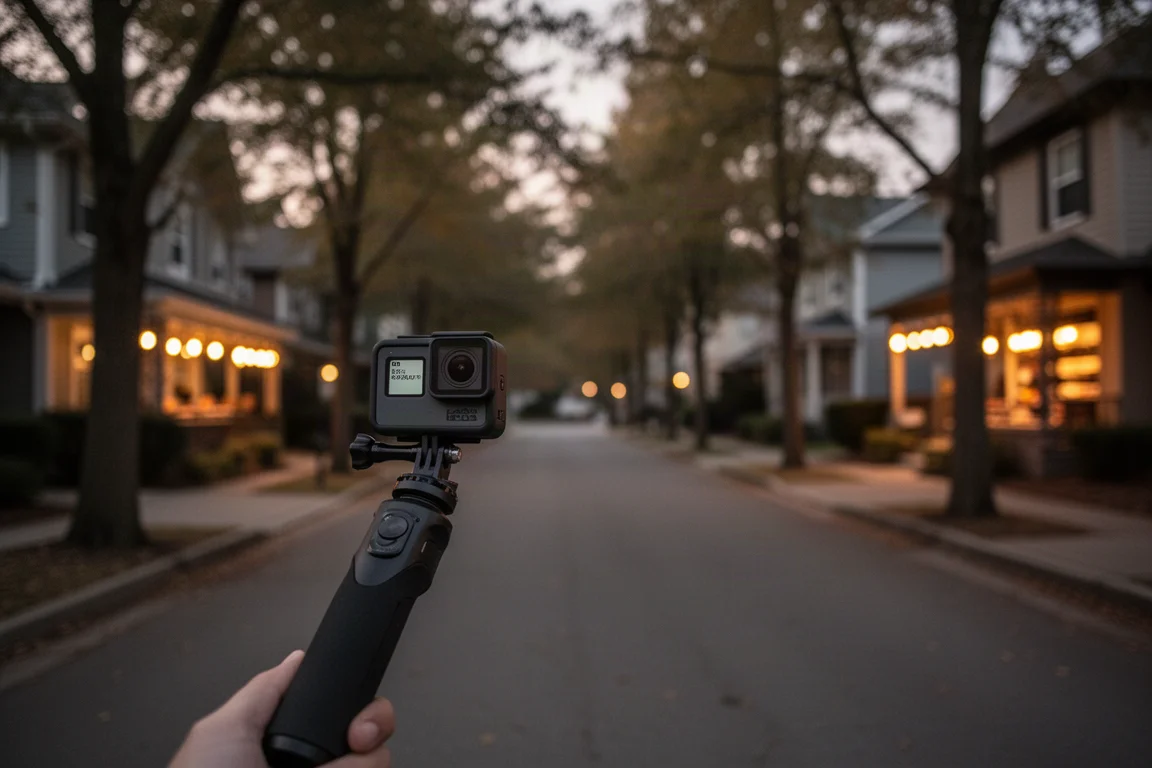
Low-light performance is better in the ordinary sense: shooting indoors, inside a car, or at a dinner table works well. Whether it is clearly better than the Hero 9 is hard to say, so low light alone is not a reason to upgrade. GoPro also claims improved cold-weather performance, though part of that appears to come from the camera running hot.
Things to Consider Before Buying
Battery life is the biggest practical downside. Pushing more pixels makes the chip work harder, and the Hero 10 with a fresh battery lasted less comfortably through a full marathon than the Hero 9 did in previous races. The finish line shot made it, but not much more, so the battery meter needs closer watching.
Overheating is a new concern. Long continuous shots have reportedly caused problems for some users, and even in normal use the camera can get very hot by the end of a session. It has not been an issue for short clips, but it is worth knowing about.

Image quality at 4K 120 is not dramatically better than 2.7K 120 downscaled, and the difference mostly shows on higher-resolution displays like TVs or tablets. Ultra-low-light performance remains poor, which is arguably a physics limit for a body this small. Stabilization is already arguably best in class, but even better stabilization and eventually optical image stabilization would be welcome future improvements.
Buying Advice
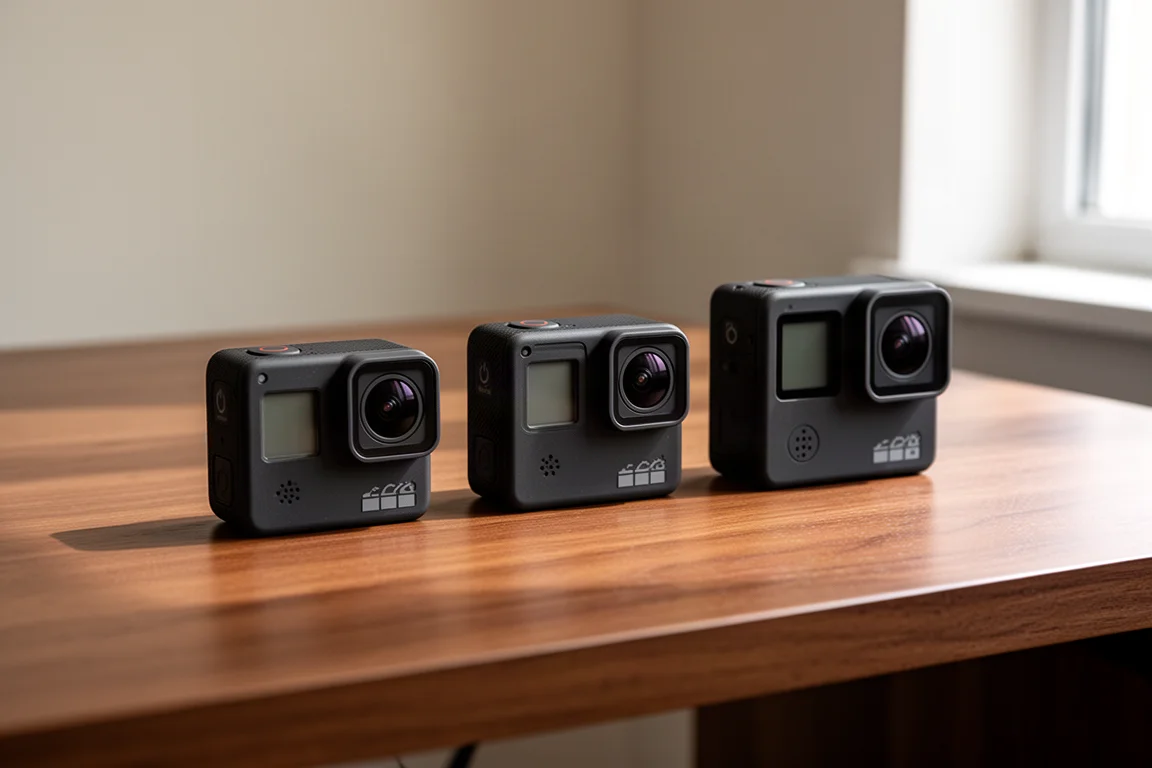
The Hero 10 costs $400, with a discount available if you sign up for a one-year GoPro subscription plan. The Hero 9 sits $50 less at $350, and the Hero 8 costs $280.
If you have no GoPro at all, the Hero 8 at $280 is a genuinely capable camera and the lightest of the three, or you can go straight to the Hero 10 for the best GoPro has made. If you own a Hero 8, it is a couple of years old and worn, so the upgrade to the Hero 10 is worthwhile. If you are choosing between a new Hero 9 and a new Hero 10, spend the extra $50 for the faster processor, quicker turn-on, and higher frame rates. If you already own a Hero 9, there is no urgent need to upgrade unless you truly need the higher resolutions and frame rates.
Conclusion
The GoPro Hero 10 is the most capable GoPro for runners and run vloggers, thanks mainly to 4K 120 in linear, the faster G2 chip, and quick capture. The compromises are shorter battery life, extra heat, and extra weight. For anyone starting fresh or upgrading from a Hero 8, it is the easy pick; Hero 9 owners can wait.
Product link
View more details for GoPro Hero 10
This product is mentioned in the review. Check the specifications, options, and compatibility before buying.
View more details for GoPro Hero 10Further reading
Related Reviews
Action Cameras
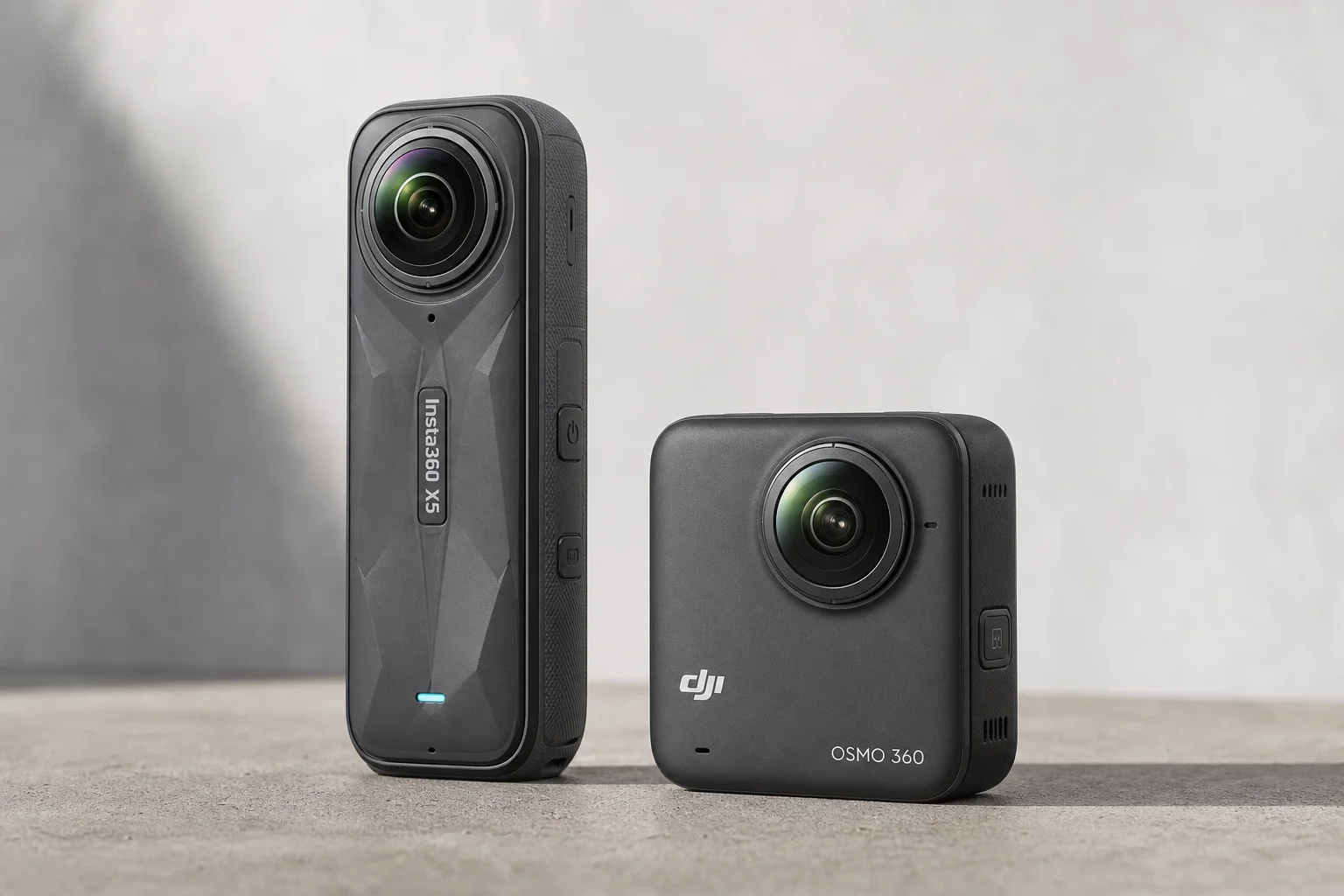
360 Cameras for Adventure Motorcycling: Insta360 X5 vs DJI Osmo 360
Two 360-degree action cameras designed for off-road and adventure riding. A detailed comparison of features, stabilization, and real-world performance for motorcycle touring.
Action Cameras
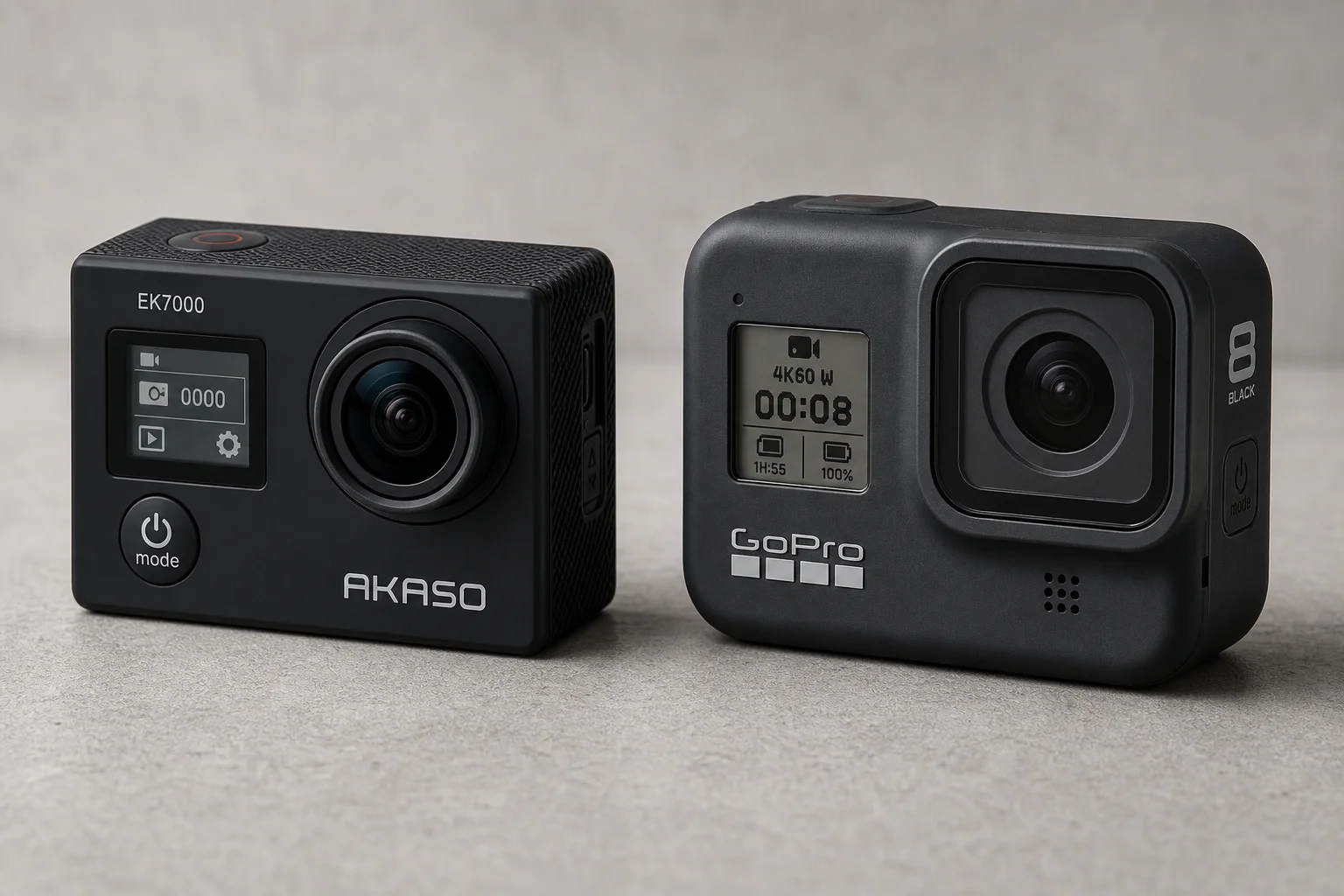
Akaso EK7000 vs GoPro Hero 8 Black: Budget Action Camera Tested
A $50 budget action camera faces off against the GoPro Hero 8 Black. Here's how the Akaso EK7000 really performs in video, audio, and photo quality.
Action Cameras
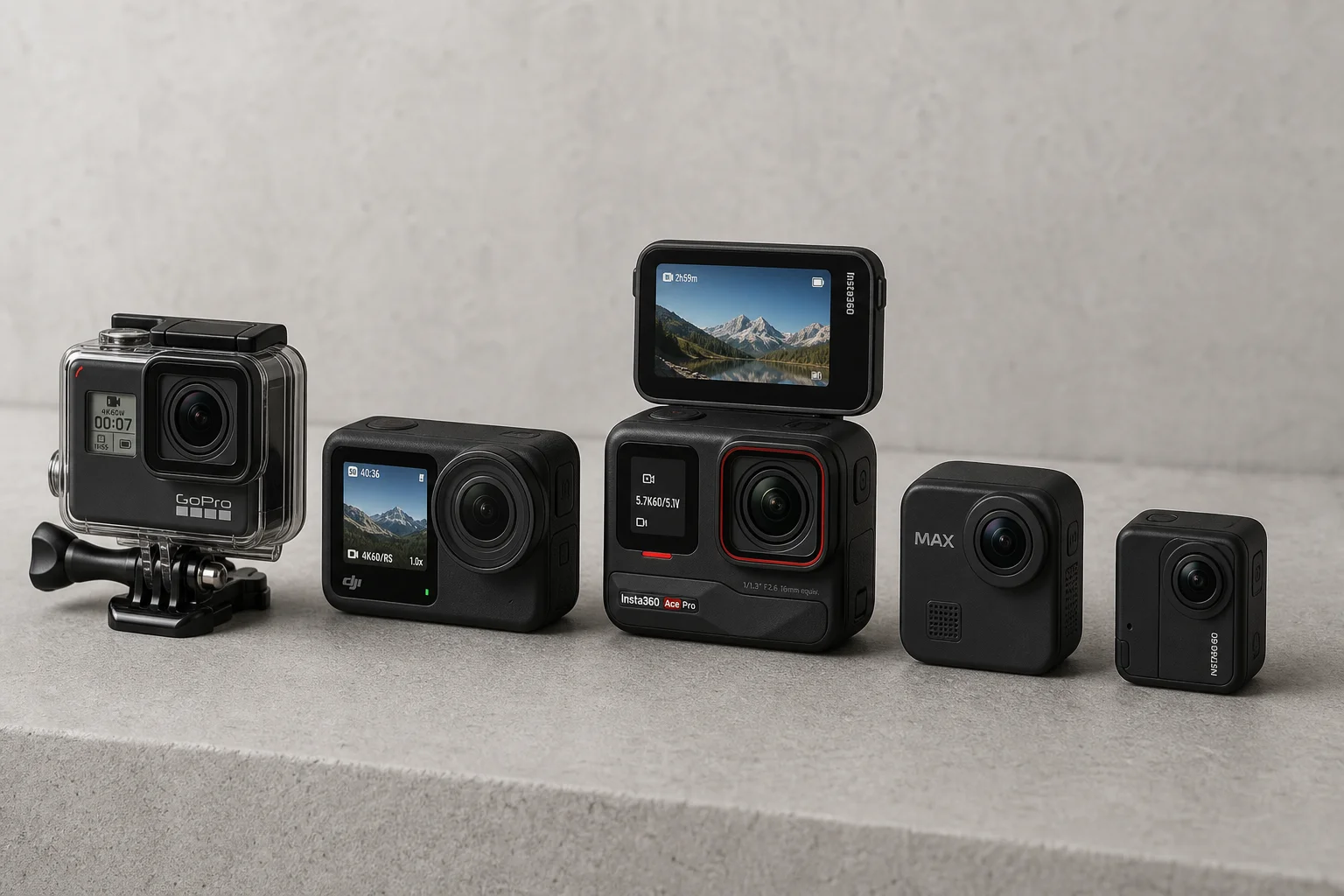
Best Action Cameras 2026: Five Top Picks Ranked
A comprehensive ranking of five action cameras from budget-friendly to premium, covering durability, video quality, stabilization, and low-light performance.