Action Cameras
GoPro Hero 10 Review: A Compact Camera for Backpacking and Outdoor Vlogging
A practical look at the GoPro Hero 10 for backpacking and outdoor vlogging, covering image quality, audio, stabilization, durability, and who it suits.
Introduction
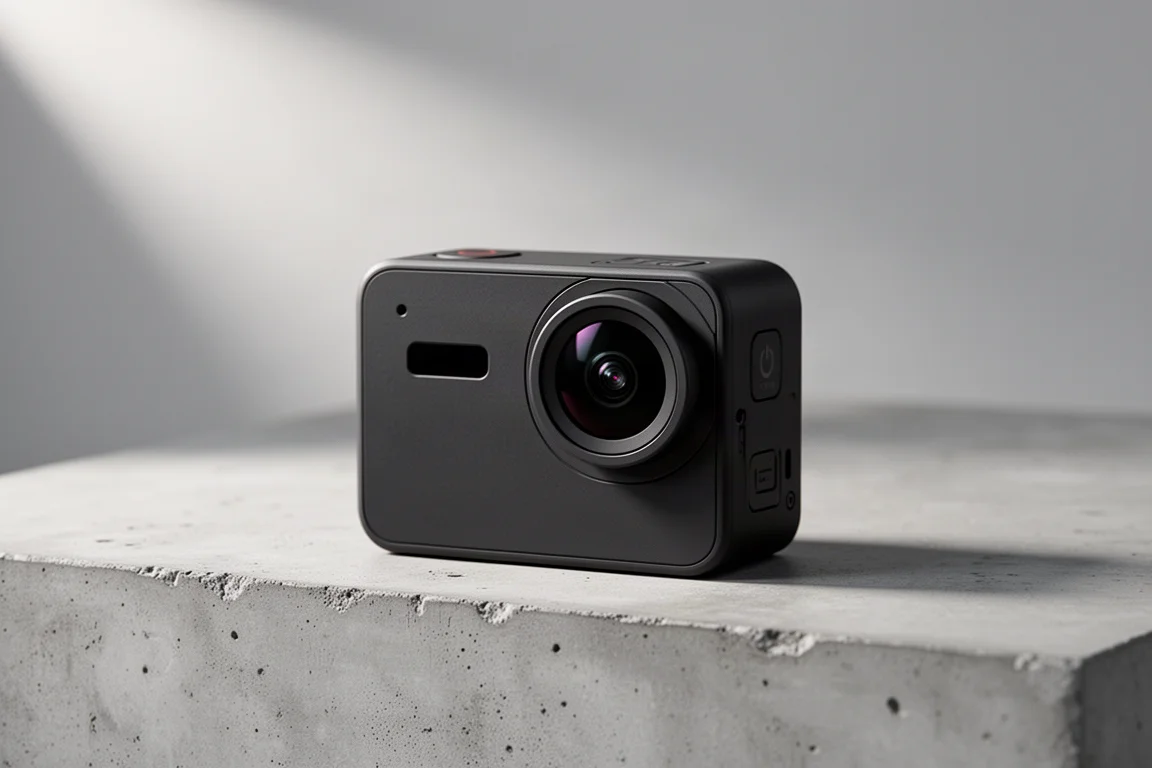
The GoPro Hero 10 is the newest member of the Hero Black family, and it arrives with a different story to the models before it. Across several generations the Hero line promised a great deal and often fell short in the field, whether through cameras freezing, footage going missing, or an interface that was slow to respond. This generation feels like the point where those complaints were addressed rather than repeated.
The result is a camera that genuinely suits backpacking and outdoor vlogging. It is small, it is quick to operate, and it keeps working in wind, rain, and water. This review covers what it does well, where it still asks for patience, and whether it deserves a place in your pack.
Who the GoPro Hero 10 Is For
The case for this camera starts with size. For backpacking, the priority is a camera that adds almost nothing to the weight of a pack and can be pulled out one-handed when something worth filming appears. A body this compact, capable of 5.3K at 60 frames per second, is hard to match.

It is an equally natural fit for outdoor vloggers who film their own movement. Because the camera can be mounted almost anywhere, from a chest harness to a tripod to a magnetic surface, it works as a hands-free second set of eyes on a climb, a descent, or a river crossing. Landscapes are the other obvious strength. Footage stays crisp edge to edge, so the view behind the subject remains part of the shot rather than a soft blur.
Buyers who mainly want a shallow, cinematic look with a blurred background will find the opposite of what they are after here. The Hero 10 keeps backgrounds sharp, which suits scenery far better than it suits portrait-style footage.
Main Strengths
Three areas matter most for outdoor filming: the image, the audio, and the ability to keep shooting when the weather turns.
Image Quality and Resolution
Everyday filming is comfortable at 4K and 30 frames per second, and the 5.3K mode leaves extra room to crop or zoom during editing without losing detail. Slow motion is available at up to 4K and 120 frames per second, which is useful for anyone filming their own stunts or fast movement. Dynamic range holds up well for a sensor of this size, so bright skies and shadowed foregrounds stay balanced within the same frame.
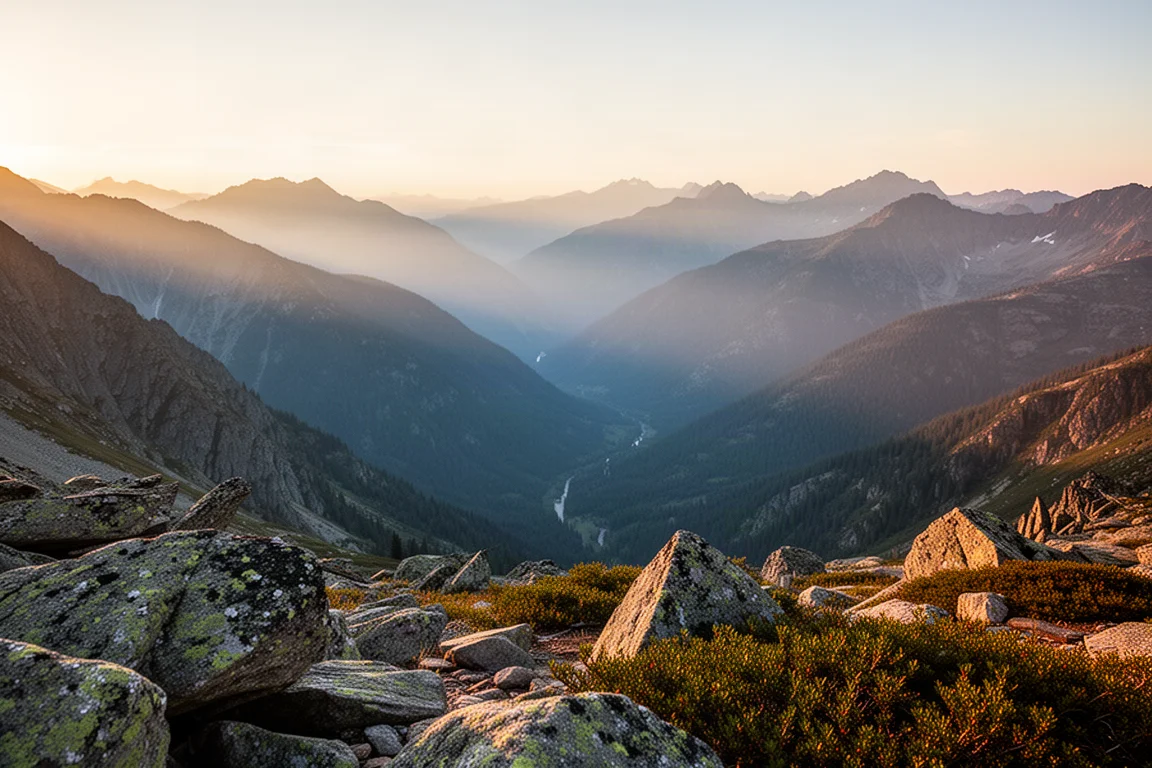
What stands out most in landscape work is clarity. Nothing in the scene is softened for effect, which means distant ridges, cloud detail, and foreground texture all read clearly. For outdoor footage, that is usually the more useful look.
Audio and Wind Handling
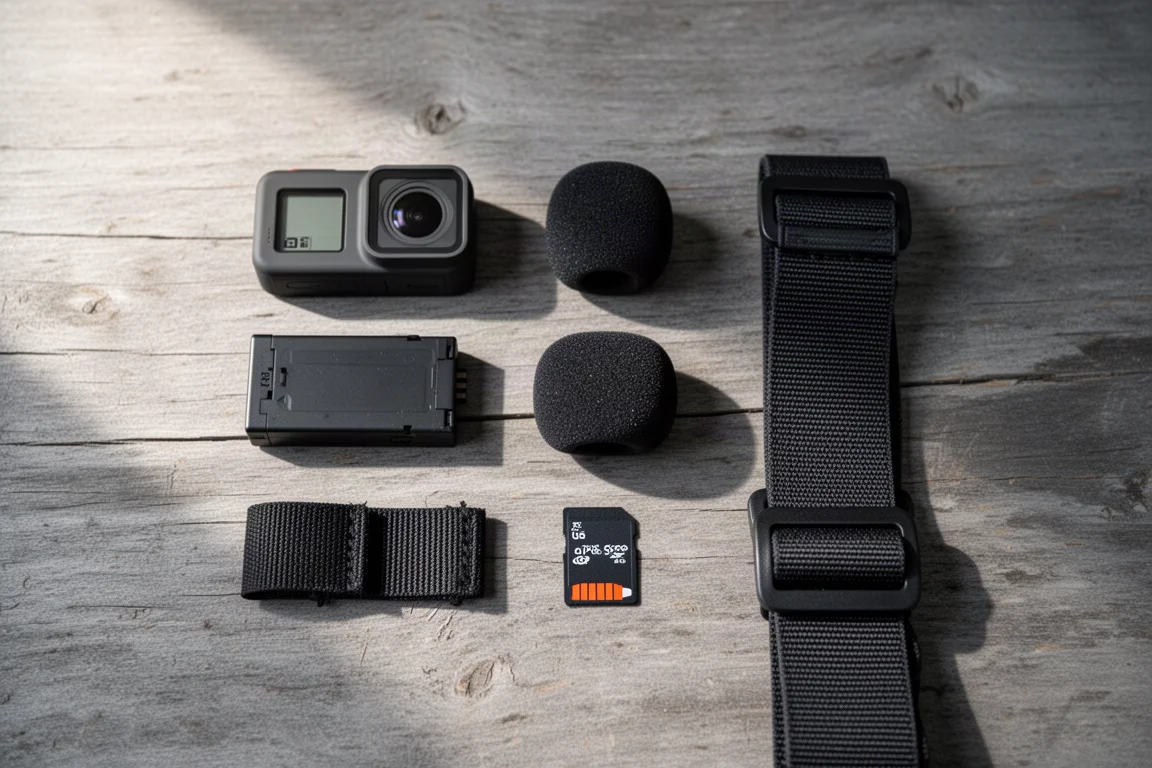
Built-in audio is more capable than the small body suggests. In strong wind the microphone still captures speech clearly enough to remain usable, and adding a foam windscreen improves it further. When the windscreen becomes soaked in heavy rain, audio quality drops, but the cover can be wrung out and refitted within moments.
External audio remains an option, but it costs convenience. A lavalier microphone paired with a separate recorder means syncing everything in post-production, while a shotgun microphone mounted through an adapter makes the setup bulkier and no longer fully waterproof. Given how often outdoor filming happens in wet weather, the built-in route is the more practical one for most trips. Audio captured with the camera in the water stays intelligible, though wind noise remains part of the mix.
Stabilization, Durability, and Mounting
HyperSmooth 4 stabilization keeps footage smooth without a gimbal, even at a run. That removes a bulky accessory from the pack and makes handheld shooting far more forgiving.
The body itself is built to be knocked about. It can be thrown into a bag, tipped off a tripod, or scraped against rock without much concern, and the lens cover is interchangeable, so a scratch is a cheap fix rather than a repair bill. The camera is also waterproof, which opens up river, rain, and coastal footage without a housing.

Mounting options are broad. The magnetic snap mount system holds firmly and makes it quick to move the camera between a tripod, a chest harness, or a metal surface such as a gate post. The same mount works on a drone for aerial shots or on a vehicle for rough-road footage. One button handles power and recording, the rear display responds quickly thanks to the newer processor, and files transfer cleanly by pulling the memory card and reading it directly on a tablet.
Things to Consider Before Buying
Wind noise is the main compromise. Without the foam windscreen, moving air is clearly audible in the recording, so the cover is close to essential for outdoor use rather than optional.
Wireless transfer through the companion app is not the fastest route for large files. Removing the memory card and connecting it directly to a tablet is quicker and more predictable for most workflows.
It is also worth noting that this is a fast-moving category. A competing action camera was expected to arrive in the months following this model, so buyers who are not in a hurry may prefer to see how the field settles before committing.
Finally, the strengths of this camera are specific. If you want a soft, cinematic background, this is not the tool for it.
Buying Advice
If your priority is a camera that disappears into a pack, survives rough handling, and produces clear, stable footage of whatever you are doing, this one earns its place. The combination of 5.3K resolution, HyperSmooth 4 stabilization, and a genuinely rugged, waterproof body covers the situations backpackers and outdoor vloggers meet most often.
The strongest case for buying is reliability. A camera that turns on when you press the button, does not freeze mid-clip, and does not lose footage is worth more on a long trip than a longer feature list. On that measure this model delivers.
The foam windscreen is the one accessory worth adding at the same time. It is inexpensive, it directly improves audio in exactly the conditions this camera is built for, and it takes up almost no space.
Conclusion
The GoPro Hero 10 is the version of the Hero formula that finally holds together. It keeps the compact, mountable, waterproof design that made the line useful outdoors, and pairs it with image quality, stabilization, and day-to-day reliability that suit backpacking and outdoor vlogging.
For anyone filming their own adventures, the practical trade-offs are clear and manageable: add a windscreen for wind, plan on card-based transfers, and accept sharp backgrounds rather than shallow ones. Within those limits, this is a camera that can be trusted to come back with the footage.
Product link
View more details for GoPro Hero 10
This product is mentioned in the review. Check the specifications, options, and compatibility before buying.
View more details for GoPro Hero 10Further reading
Related Reviews
Action Cameras
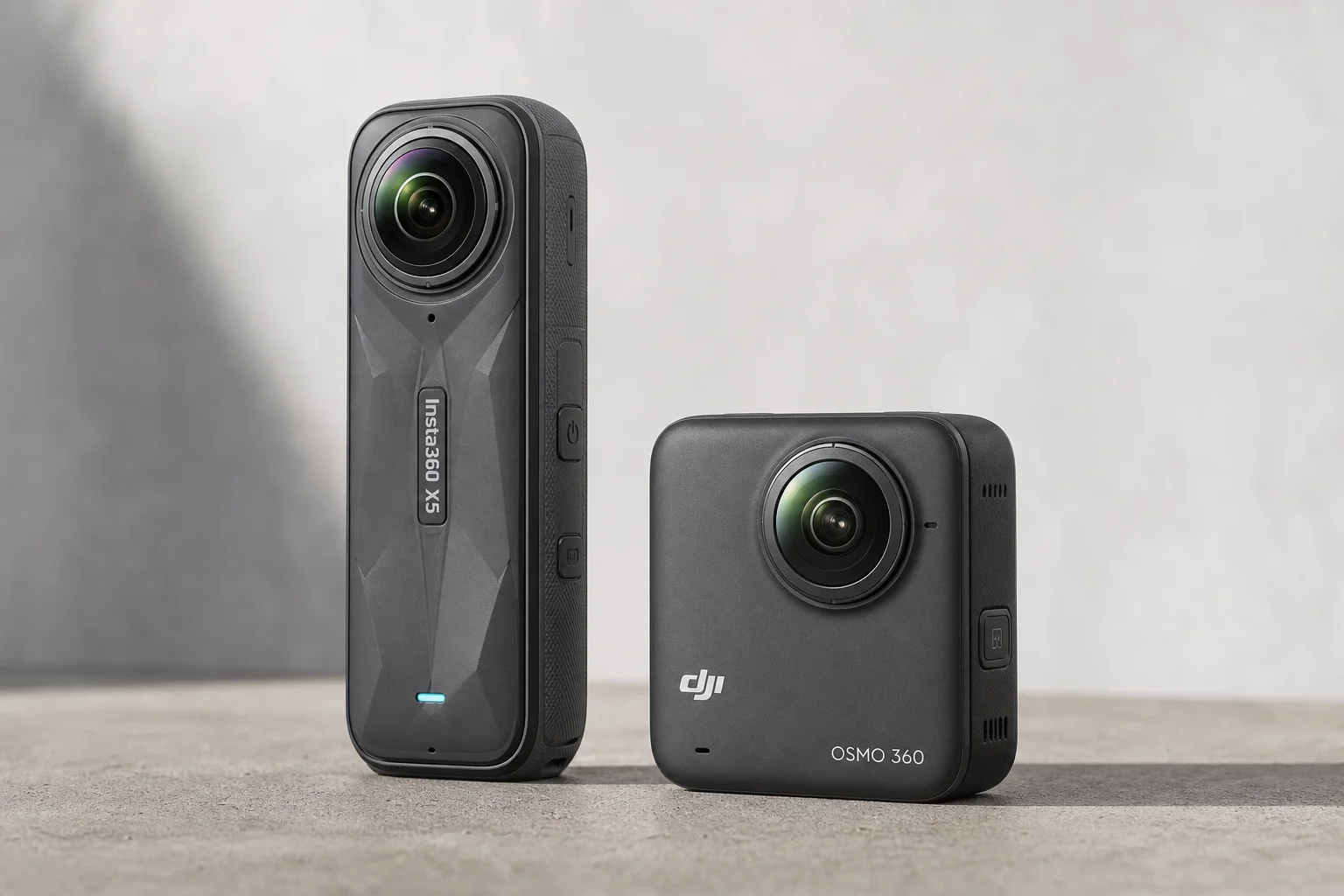
360 Cameras for Adventure Motorcycling: Insta360 X5 vs DJI Osmo 360
Two 360-degree action cameras designed for off-road and adventure riding. A detailed comparison of features, stabilization, and real-world performance for motorcycle touring.
Action Cameras
Akaso EK7000 vs GoPro Hero 8 Black: Budget Action Camera Tested
A $50 budget action camera faces off against the GoPro Hero 8 Black. Here's how the Akaso EK7000 really performs in video, audio, and photo quality.
Action Cameras
Best Action Cameras 2026: Five Top Picks Ranked
A comprehensive ranking of five action cameras from budget-friendly to premium, covering durability, video quality, stabilization, and low-light performance.