Action Cameras
GoPro Anamorphic Lens vs Max Lens Mod: Which One Actually Fits Your Shooting?
A close look at the new GoPro Anamorphic Lens and how it stacks up against the Max Lens Mod, from 21:9 footage to everyday practicality.
Introduction
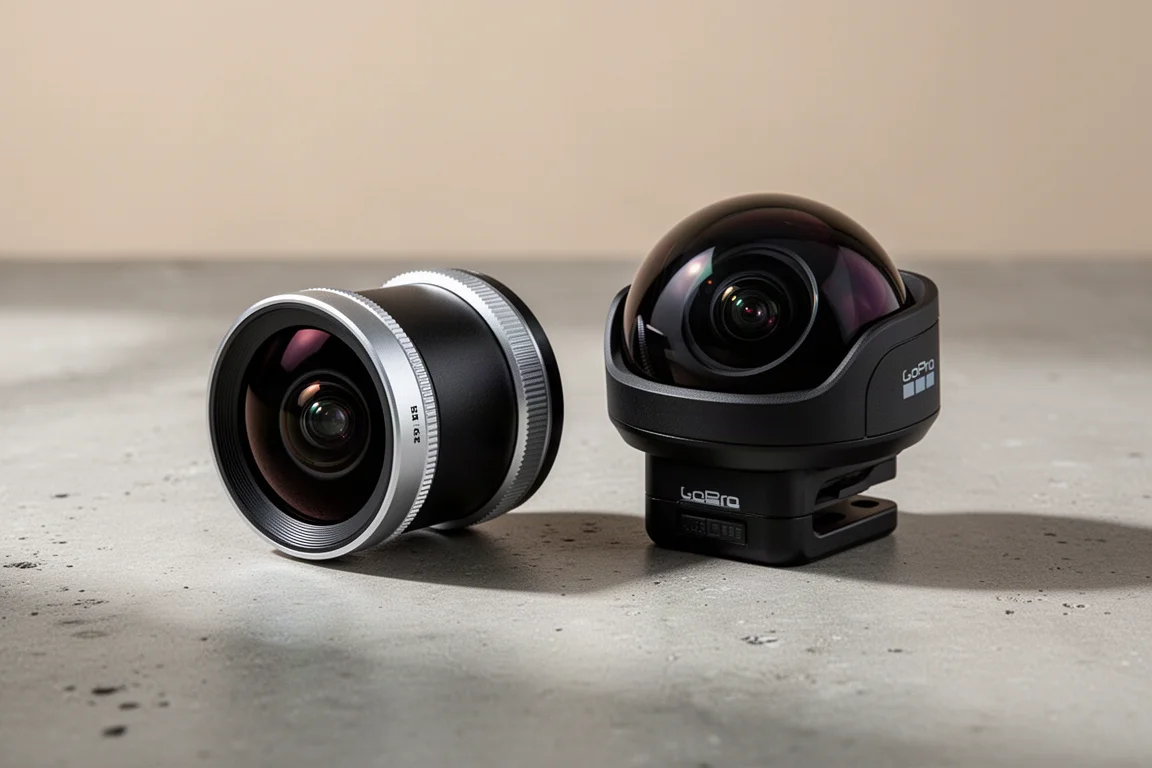
GoPro’s HB-series specialty lenses are one of the more interesting things the company has done recently. The newest addition is the Anamorphic Lens, announced in September and shipping now, built to deliver that cinematic 21:9 look with black bars on the top and bottom of the frame.
The obvious comparison is the Max Lens Mod, GoPro’s existing specialty option that focuses on delivering the widest possible field of view with a fisheye character. The two overlap far less than their price tags suggest, and choosing between them depends almost entirely on how you edit and where your footage ends up.
How the Anamorphic Lens Works
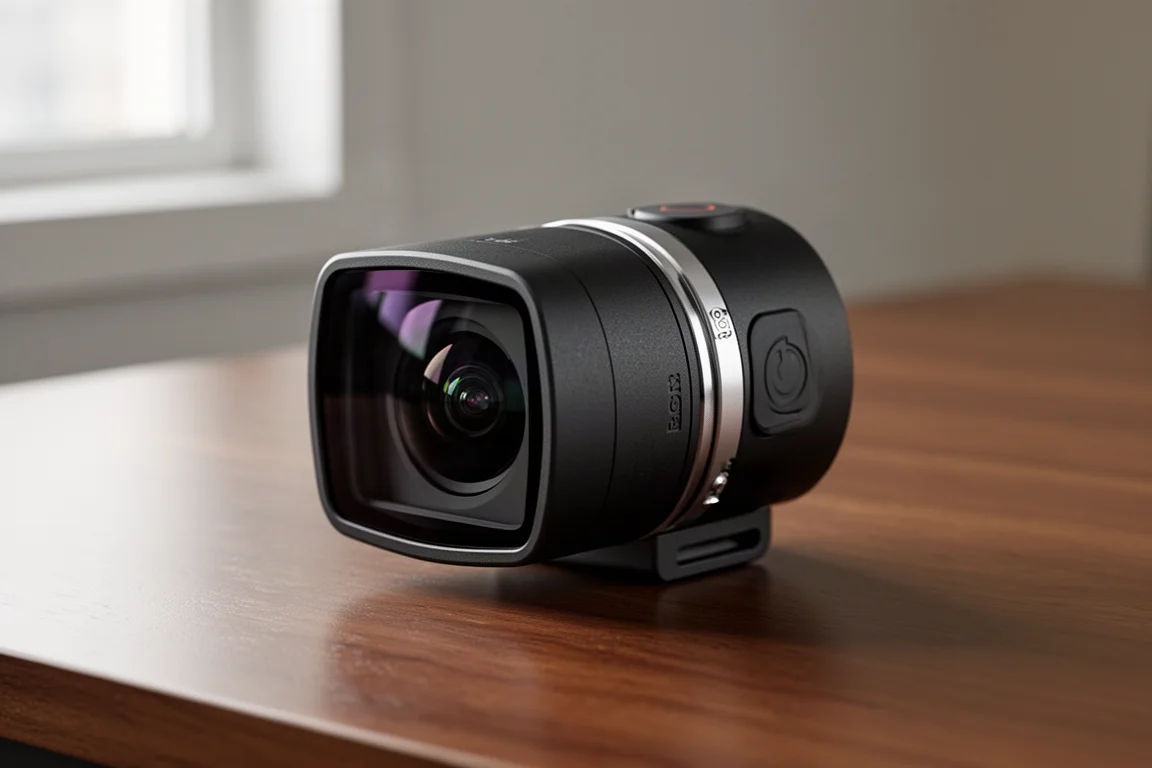
The goal of an anamorphic lens is a cinematic aspect ratio of 21:9. The key difference versus simply cropping footage is that the lens captures a much wider field of view and then conforms it to 21:9 without producing a fisheye look. It also produces lens flares, which show up as thin horizontal streaks rather than the rounder flares people might expect.
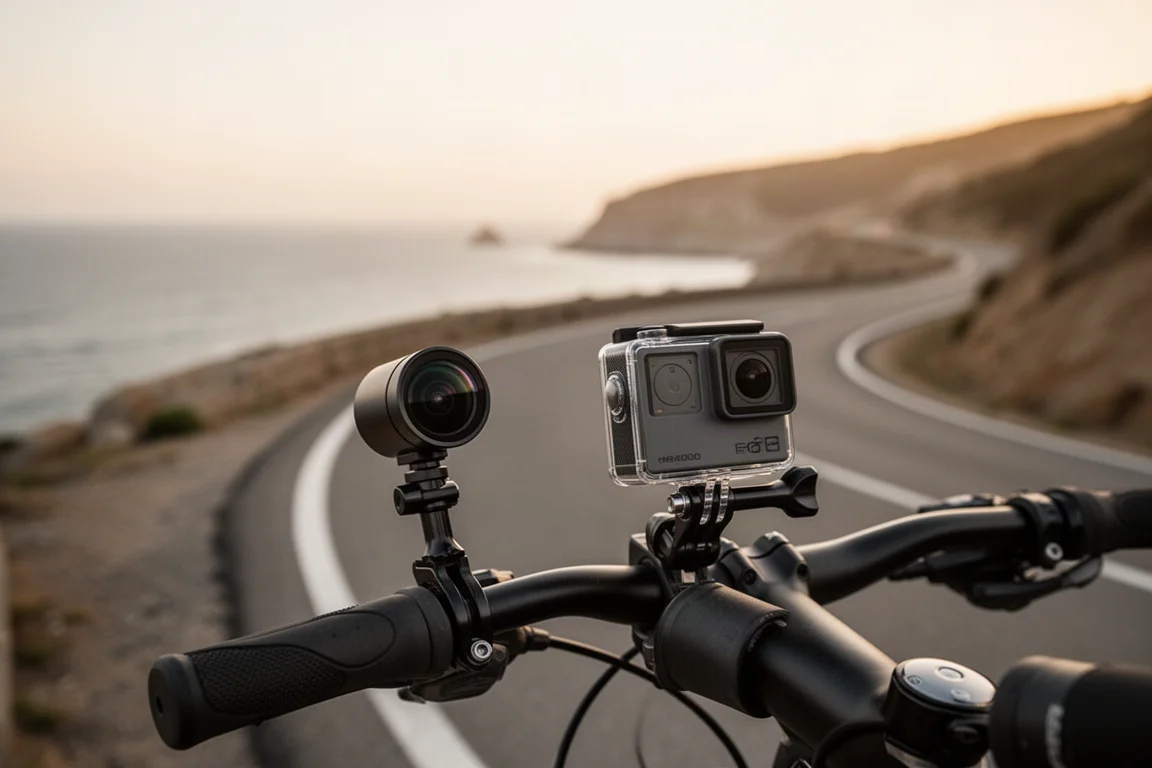
One of the most practical parts of the design is that footage records straight as 21:9 with all the desqueezing done ahead of time. No post-processing is needed. Shoot in normal mode, press stop, and you are done. That matters because many third-party anamorphic lenses require additional software processing. Log mode still needs coloring afterward, but the base workflow is remarkably simple.
Video Modes and Resolutions
Within the 21:9 aspect ratio, you get four digital lens modes: Linear, Ultra Linear, Wide, and Ultra Wide. Ultra Linear is the standout, giving you a much wider field of view with no fisheye distortion at all. Wide and Ultra Wide add progressively more field of view along with more distortion.
For video, you can shoot 5.3K in all four digital lenses at up to 60 frames per second, or 4K at up to 120 frames per second. Log mode, 10-bit, and the high bitrate option are all available across every mode with no restrictions. TimeWarp and TimeLapse work the same way, with the same resolution and digital lens choices.
Photos have one quirk: standard photo is the only option. There is no SuperPhoto and no raw photo export. Otherwise, all four digital lens modes are available for stills.
Build, Mounting and Compatibility
The lens costs $129 at retail, or $13 for GoPro subscribers. It ships with a lens cover in the box, which is worth using religiously since GoPro describes the glass as scratch resistant but provides no detailed specs on the material. The lens is waterproof to the same 10 m (33 ft) as the camera itself.
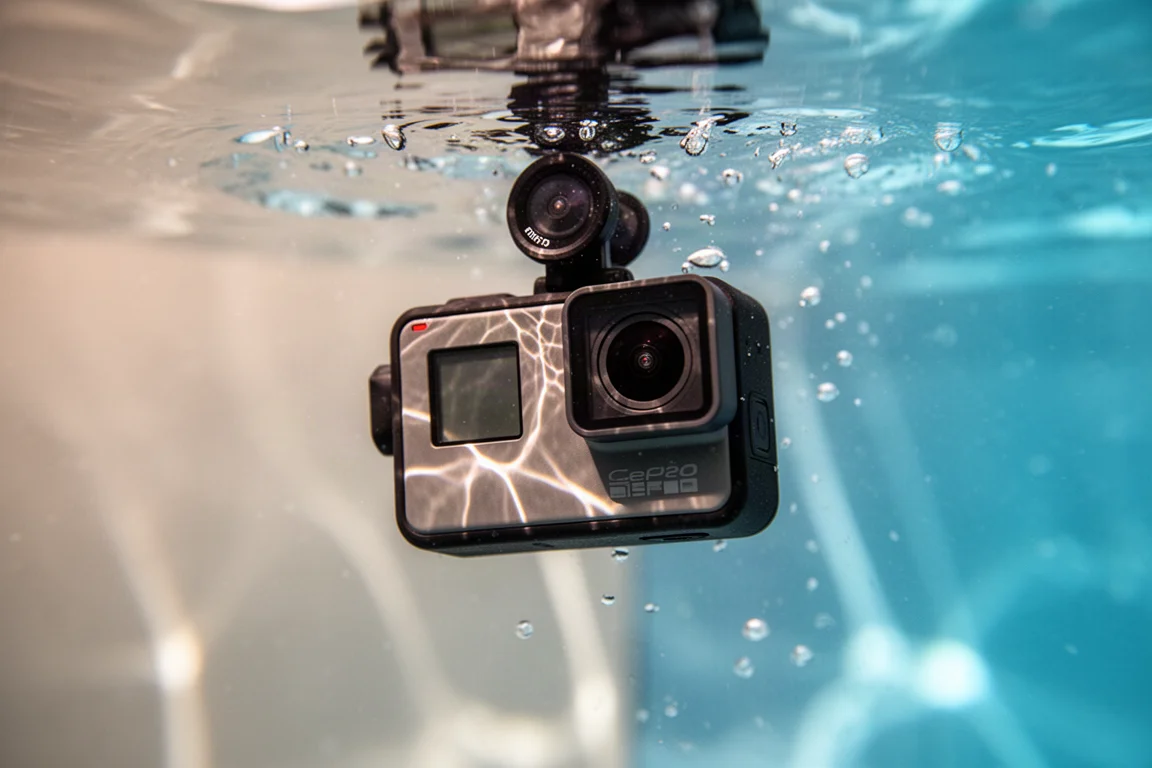
Attachment works like any other GoPro lens: rotate, pop off, and the stock lens goes back in. The Anamorphic Lens only fits one way thanks to a locking pin, and that same locking ring physically prevents it from attaching to older cameras. It is HB-series only, meaning it works with the Hero 13. The camera automatically detects the lens and configures settings accordingly. Even if the physical block were somehow bypassed, the software side would still restrict older cameras.
On the bench, it is a bit of a beefcake. It adds 43 g to the camera, taking the base 160 g to 203 g. You will not notice that on a chest mount or a selfie stick, but it is noticeable on a helmet mount, and on an FPV drone it affects battery consumption.
One caveat on longevity: HB-series lens compatibility is tied to current camera generations. GoPro will likely support these lenses for new cameras for two to three years, but there is no guarantee the Anamorphic Lens carries over indefinitely.
How It Compares to the Max Lens Mod
The core difference is simple. The Max Lens Mod is all about the widest possible perspective, fisheye and all, in modes like Ultra SuperView and Ultra HyperView. The Anamorphic Lens’s sweet spot is Ultra Linear: super wide field of view with no weird distortion.
In direct comparison, HyperView on the stock lens has roughly the same horizontal field of view as Ultra Linear on the Anamorphic Lens, except the anamorphic version keeps lines perfectly straight and clean while HyperView distorts them. Compared line-for-line, Linear on the Anamorphic Lens captures noticeably more horizontal range than Linear on the stock lens.
Notably, there is no HyperView option on the Anamorphic Lens. If you want that extreme fisheye look, the stock SuperView or the Max Lens Mod makes more sense, especially since that footage is already in 16:9 and drops straight into normal timelines.
Real-World Shooting Notes
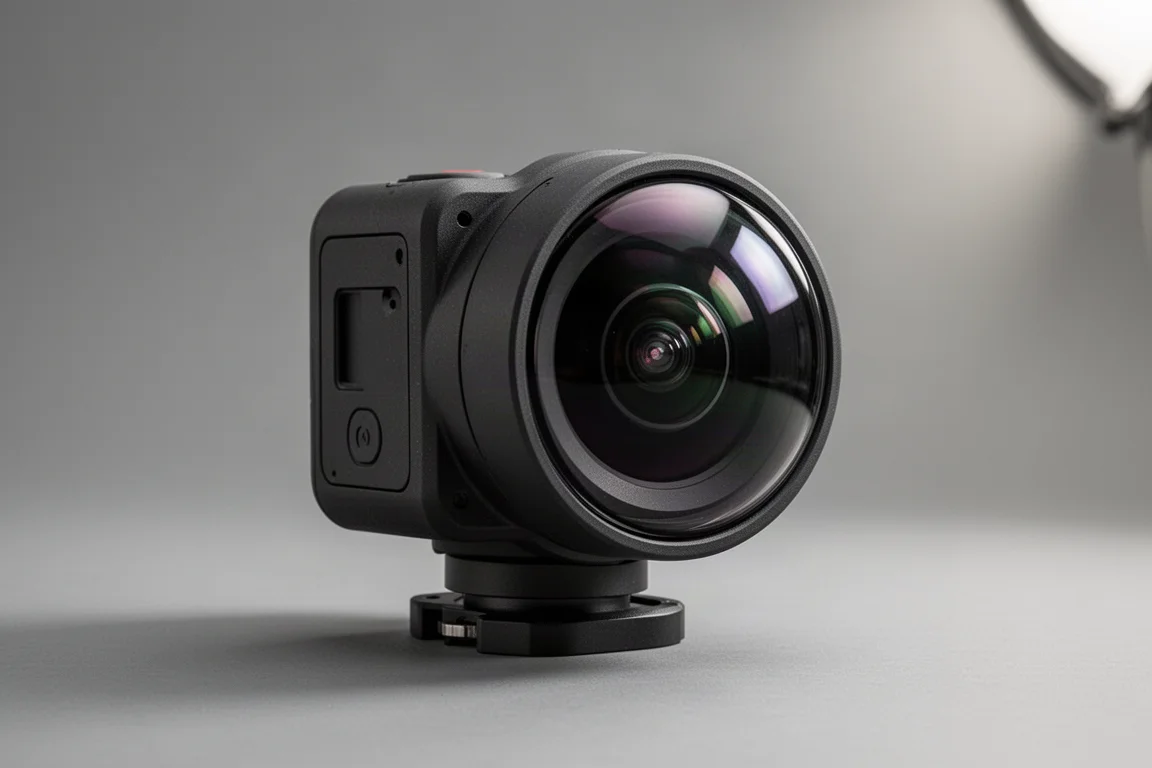
Dust and scratches are a genuine concern. Dust specks become far more visible on this lens than on a regular lens, particularly on sunny days, so you will be cleaning it constantly. Drone propellers kicking up dust was enough to leave spots in footage.

The signature lens flares are hit or miss. In some scenarios, like sweeping FPV-style corners, the streaks look fine. When the camera hits the sun dead-on, the resulting line straight across the frame is less appealing depending on your taste.
Night footage is as challenging as it has always been on a GoPro. The company still lags behind DJI and 360 cameras in low light, though with enough added light the footage becomes salvageable. A future camera generation could make better use of this lens at night.
Which One Should You Buy?
Here is the honest takeaway: the Anamorphic Lens is a specialty lens, not a daily driver. The HB-series concept is genuinely great, with automatic detection and lenses that just work. But if you shoot with the Anamorphic Lens and then try to use that footage in standard social media timelines, you will spend most of your time cropping it back in. That was one of the most eye-opening lessons of extended use.
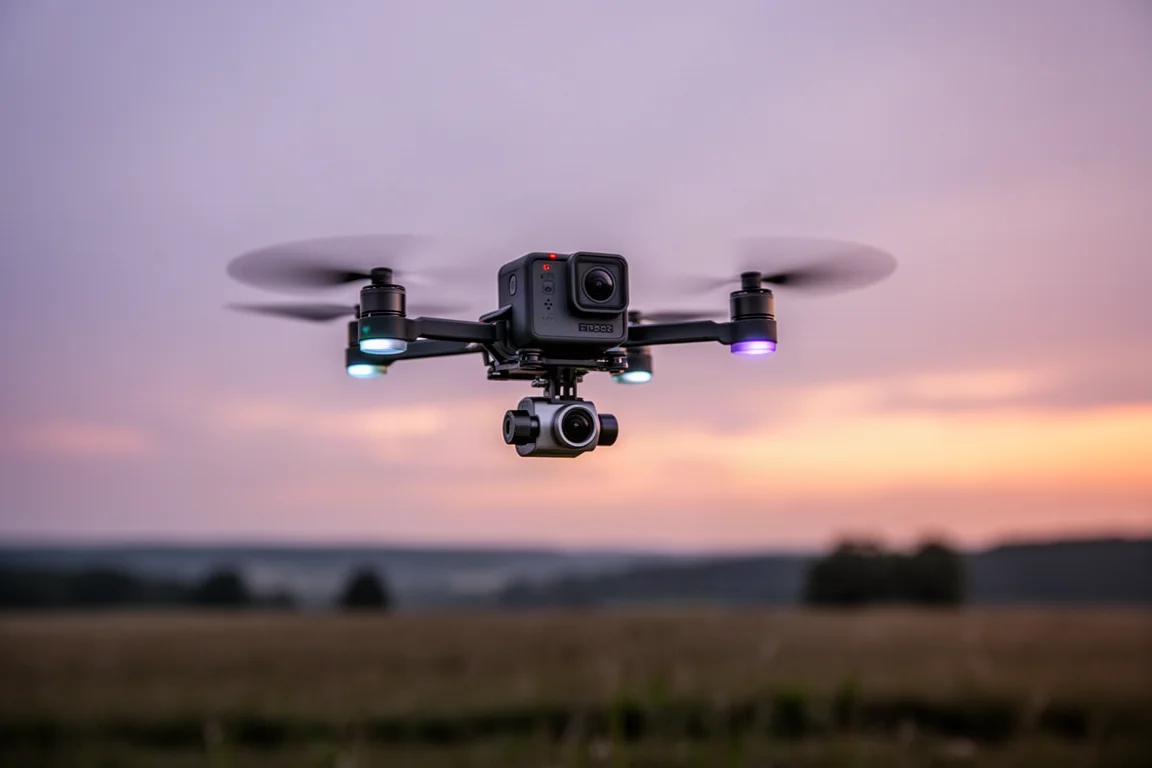
If 21:9 will be the only timeline for your project, the cinematic look with black bars is what you want, and this lens is hard to beat for the money and the footage quality. For most people, though, the Max Lens Mod or the Macro lens delivers more usable variety per dollar, with unique shots that fit any timeline without cropping.
Conclusion
The GoPro Anamorphic Lens does exactly what it promises: clean 21:9 footage with no fisheye, recorded straight in camera, at a price that undercuts traditional anamorphic glass by a wide margin. Buy it if you genuinely shoot for a 21:9 timeline. Buy the Max Lens Mod if you want maximum field of view for everyday 16:9 content. For most creators, that split is the right call.
Further reading
Related Reviews
Action Cameras
360 Cameras for Adventure Motorcycling: Insta360 X5 vs DJI Osmo 360
Two 360-degree action cameras designed for off-road and adventure riding. A detailed comparison of features, stabilization, and real-world performance for motorcycle touring.
Action Cameras
Akaso EK7000 vs GoPro Hero 8 Black: Budget Action Camera Tested
A $50 budget action camera faces off against the GoPro Hero 8 Black. Here's how the Akaso EK7000 really performs in video, audio, and photo quality.
Action Cameras
Best Action Cameras 2026: Five Top Picks Ranked
A comprehensive ranking of five action cameras from budget-friendly to premium, covering durability, video quality, stabilization, and low-light performance.