Wearables
Google Pixel Watch 5: A Serious Leap in GPS Accuracy for City Runners
Hours of testing in New York City show the Pixel Watch 5's cloud-based GPS post-processing delivers noticeably cleaner tracks than the Apple Watch Ultra 3 and Garmin Fenix 8 Pro in dense environments.
Introduction
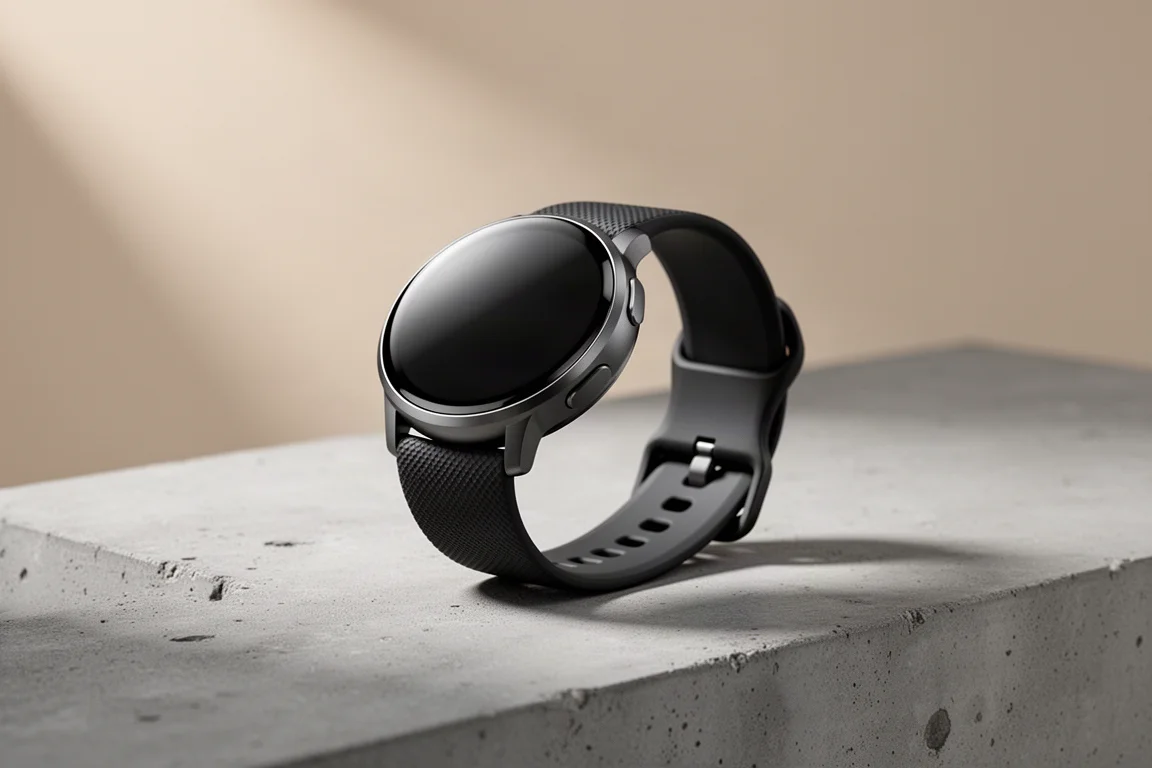
Google makes a bold claim about the Pixel Watch 5: two times more GPS accuracy in dense environments, and more accurate than the Apple Watch Ultra 3 or the Garmin Fenix 8 Pro. Those are big words, so the watch was put through hours of real-world testing in New York City, one of the harshest GPS environments there is. The headline result: for runners and cyclists in tall-building areas, this genuinely looks like a generational leap.
This piece focuses on the GPS story, then covers the other new features, pricing, and who the watch actually makes sense for.
Why GPS Accuracy in Cities Is Hard
Google set out to solve three categories of GPS problems. The first is tall building scenarios, where tracks squiggle across streets or cut straight through buildings. The culprit is usually multi-path errors: satellite signals bounce off the glass and metal of skyscrapers, which lengthens the time it takes the signal to reach your watch and confuses its position fix.

The second category is terrain issues, such as mountains and cliffs, where Google tries to use its understanding of terrain to work out your position with limited satellites available. The third is atmospheric conditions, including weather, fog, smog, rain, thunderstorms, and snow, all of which can degrade GPS accuracy.
How the Pixel Watch 5 Fixes It
The clever part is what happens after the fact. The Pixel Watch 5 leans on Google Earth data, specifically the height of buildings. When your watch is tracking dozens of satellites in a dense city, Google’s system can reason that a building 200 metres (600 feet) tall is blocking your view of certain satellites, so the signals you think you are seeing must be bouncing off nearby buildings and should not be fully trusted.
The result is a prettier, corrected GPS track produced via cloud post-processing once your activity syncs. The watch also fuses accelerometer and gyroscope data with GPS signals to clean up confusing sections. One important nuance: this is not snapping or locking to sidewalks the way Apple sometimes does. In a park test with three deliberate loops around a pergola, the processed track stayed true to what was actually run without snapping to paths.
It is also worth knowing that the processed track is what you see after finishing an activity; the raw pre-processed track resembles what you would have gotten on a Pixel Watch 4. Google has strongly hinted this post-processing will come to the Pixel Watch 4 as an update, since that watch already has multi-band GPS. For now it applies only to pedestrian and cycling sport modes, not open-water swimming or other GPS modes.
Head-to-Head Against Garmin and Apple
On New York City runs, the Pixel Watch 5 consistently stayed locked onto the correct sidewalk, while Garmin occasionally wandered to the wrong side of the street and Apple leaned heavily on snapping to sidewalks, which sometimes snapped the wrong way. On corners and crosswalks, Google was repeatedly the most precise of the three.
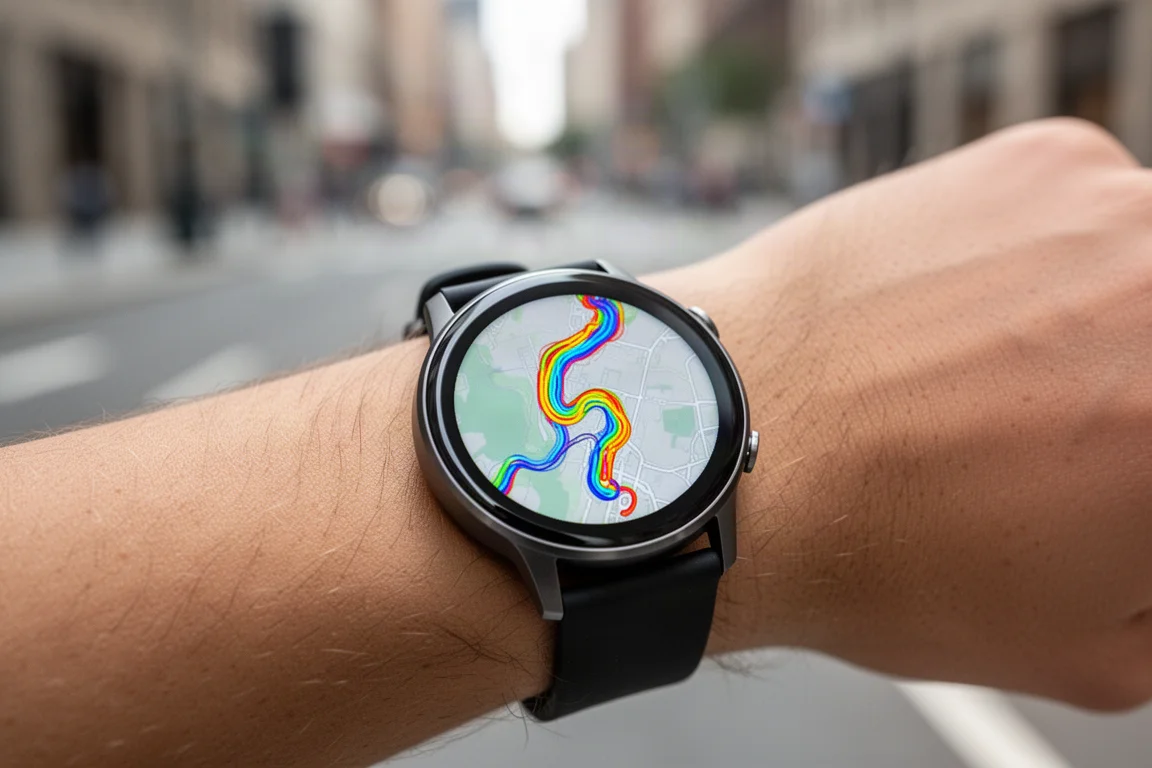
It was not flawless. In one tricky turn, reflections put the Pixel Watch on the opposite side of the street into buildings, and it could not recover that in post-processing, while Apple’s snapping happened to work out. In another section, Garmin and Apple held together while Google started to swerve into buildings and briefly lost the plot. In Times Square, Google was nearly spot-on around a building loop where Apple zigzagged through the structure.
Impressively, Google’s engineers went through the comparison tracks openly and freely acknowledged the scenarios where Apple and Garmin beat them. Those situations were rare, but they were not debated away.
Cycling Performance and the Bridge Test
At speed, GPS tends to get more accurate for all watches, and the cycling test confirmed it. Garmin and Google both kept the rider squarely in the bike lane, while Apple snapped the track onto the sidewalk, which was not correct.
Under a large metal viaduct with no sky visibility, all three watches managed to keep the track underneath it, which is impressive given the structure. On a steel bridge crossing, all three had no real issues through the metal framework, though Apple placed the rider on the correct cycling portion of the bridge while Google and Garmin put the track in the centre, where the trains run. Small differences, but worth knowing.
Everyday Features Beyond GPS
Outside of GPS, the Pixel Watch 5 brings a solid batch of new features. The new workout builder lets you create strength workouts yourself, or simply ask Gemini to generate one targeting a specific area. Strength training on the watch now includes weight and rep tracking, audio cues such as “Squat. Set one out of two. 10 reps,” and a skippable rest timer.

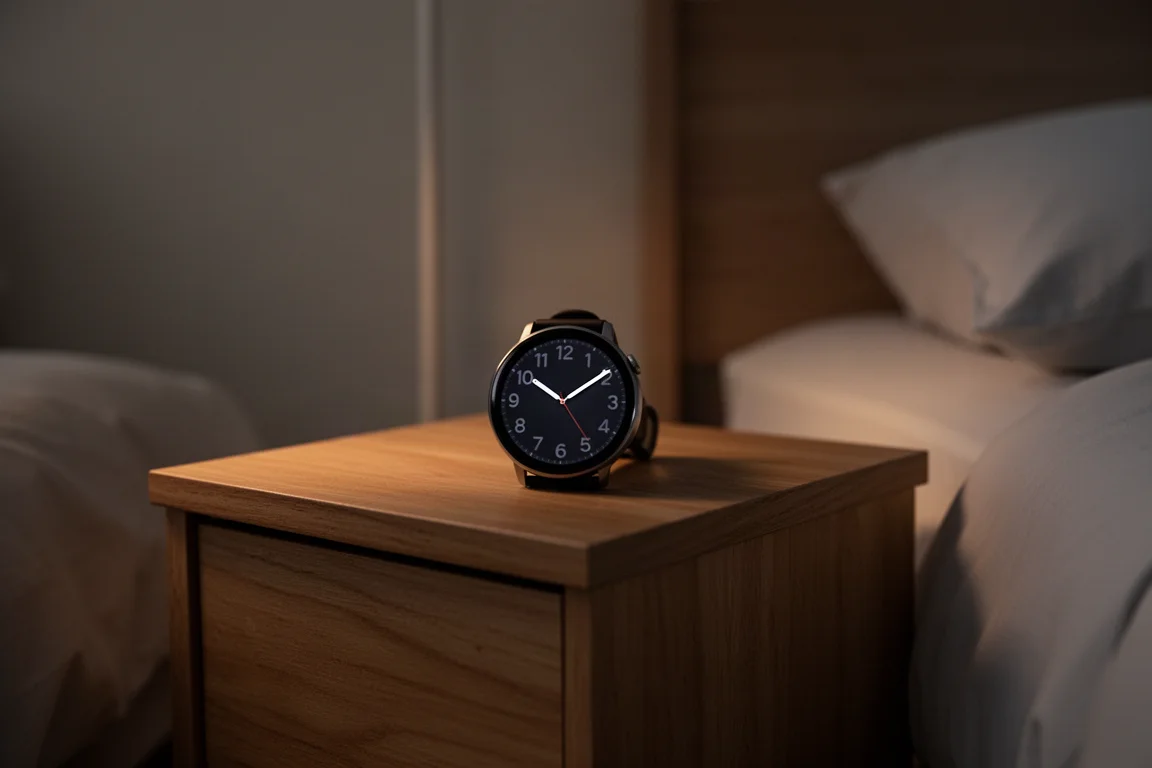
Sleep-focused additions include a dedicated bedtime mode that dims the screen to just show the time, and a smart wake alarm. Set it for 7:30 and it will definitely wake you by then, but if your sleep phases suggest 7:22 would feel better, it will wake you slightly early.
There are 11 new watch face complications, two new watch faces, and a generative watch face builder that can create a themed face on the fly; a pizza-themed face was generated in seconds with multiple options to choose from. Proactive Gemini text responses can draft tappable replies based on the information on your phone, but this requires a Pixel phone 11. Finally, a new Health Guardian umbrella feature set is rolling out, and notably it is not a subscription service.
Pricing and Availability
The Pixel Watch 5 costs 50 dollars more at the base level and 30 dollars more for LTE editions compared to the previous generation. Color options include obsidian black, canyon (a pinkish tone), olive, and fog (white). Shipping starts August 20th, except the Steph Curry band, which ships September 3rd.
Things to Consider Before Buying
A few caveats matter. First, the accuracy gains come from cloud post-processing, and some would argue, fairly, that it would be better if devices were more accurate on the ground in real time. That said, more accurate tracks in Strava and elsewhere are still a win regardless of where the fix originates. Second, Google does not post-process distance, so if the raw track cuts through or around buildings, the recorded distance can end up too short or too long; whether distance accuracy holds up is the key open question. Third, the best features are spread across requirements, from a Pixel phone 11 for Gemini replies to pedestrian and cycling modes only for the GPS upgrade.
Buying Advice
If you run or ride in a city with tall buildings and have been frustrated by messy tracks, the Pixel Watch 5 addresses exactly that problem better than anything else tested here. If you mostly train on open trails or in open water, the GPS advantage shrinks and the Garmin Fenix 8 Pro or Apple Watch Ultra 3 remain strong alternatives. And if you already own a Pixel Watch 4, it may be worth waiting to see whether the post-processing update lands before upgrading.
Conclusion
The Pixel Watch 5 delivers on a genuinely bold claim. City GPS tracks came out consistently cleaner and closer to reality than both the Apple Watch Ultra 3 and Garmin Fenix 8 Pro in hours of testing, with only occasional failures that Google itself openly acknowledged. Combined with a strong feature refresh in strength training, sleep tools, and watch faces, this is a meaningful step forward, with distance accuracy being the main remaining question for the in-depth picture.
Product link
View more details for Google Pixel Watch 5
This product is mentioned in the review. Check the specifications, options, and compatibility before buying.
View more details for Google Pixel Watch 5Further reading
Related Reviews
Wearables
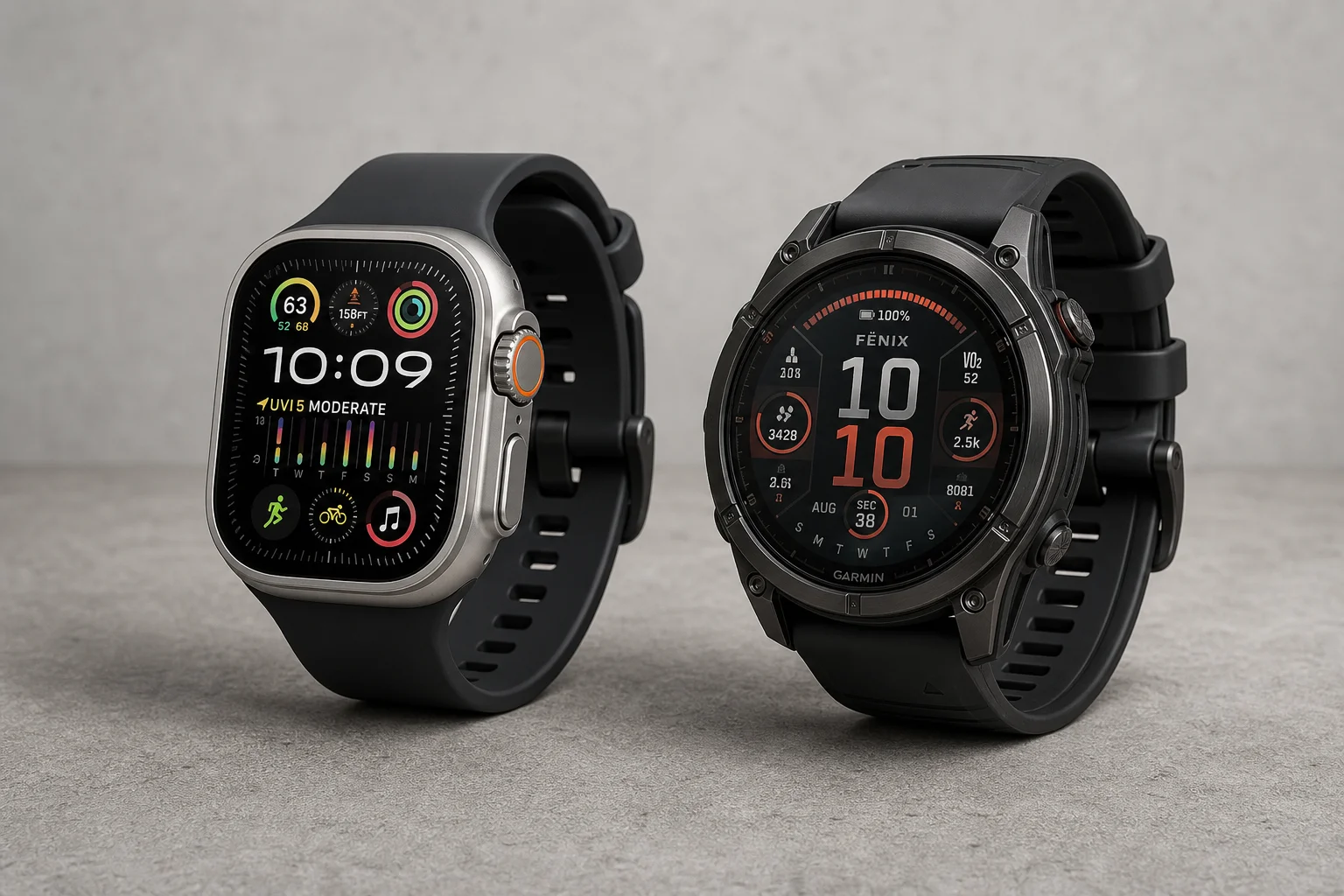
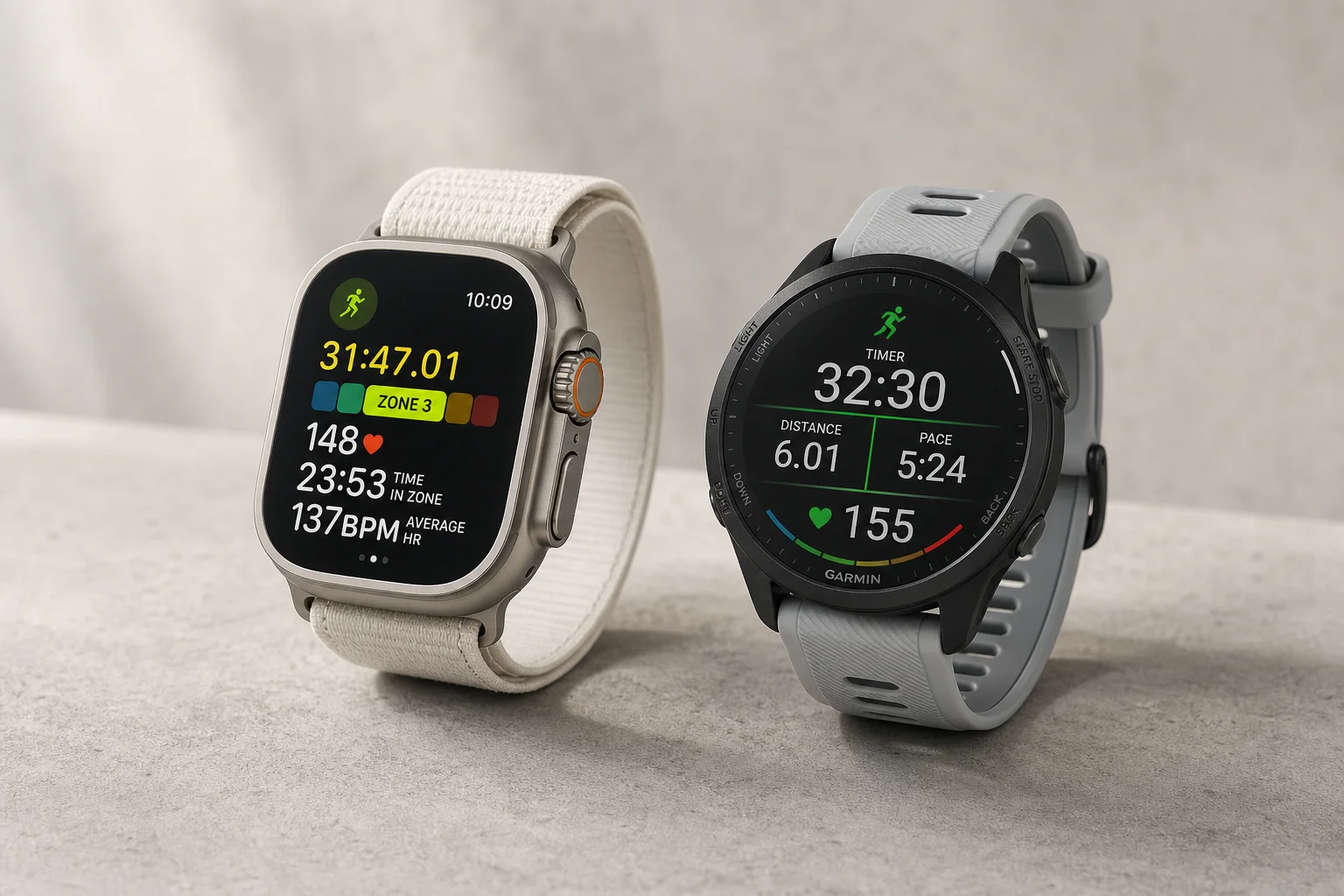
Apple Watch Ultra 3 vs Garmin: Which Training Watch Wins for Athletes
A practical head-to-head comparison of the Apple Watch Ultra 3 and Garmin for serious training, covering GPS accuracy, data tracking, usability, and recovery metrics.
Wearables
Apple Watch vs Garmin for Running: A Year of Training Compared
After a year training for marathons with both devices, here's what actually matters when choosing a running watch.
Wearables
Apple Watch Ultra 3 vs Garmin Fenix 8 Pro: Satellite Messaging Compared
A practical comparison of satellite messaging on the Apple Watch Ultra 3 and the Garmin Fenix 8 Pro, covering connection methods, messaging workflows, coverage, and running costs.