Health & Fitness Trackers
Google Fitbit Air: Why This Small Screenless Tracker Is Such a Big Deal
A $99 screenless health tracker from Google and Fitbit, launched with Steph Curry, leaning into AI, and shaking up the screenless tracking space.
Introduction
It is rare that a product this small generates this much attention before it is even officially out, but the Google Fitbit Air has managed exactly that. The level of interest feels comparable to the buzz that once surrounded the Apple Watch Ultra, and possibly on a different level entirely. At its core, the appeal is easy to see: a $99 price point, the combined weight of the Google and Fitbit names, and a form factor aimed squarely at the screenless health tracking category that Whoop has dominated for years. It looks like a genuinely disruptive product for the health and fitness space, though not one without its challenges.
What the Fitbit Air Actually Is
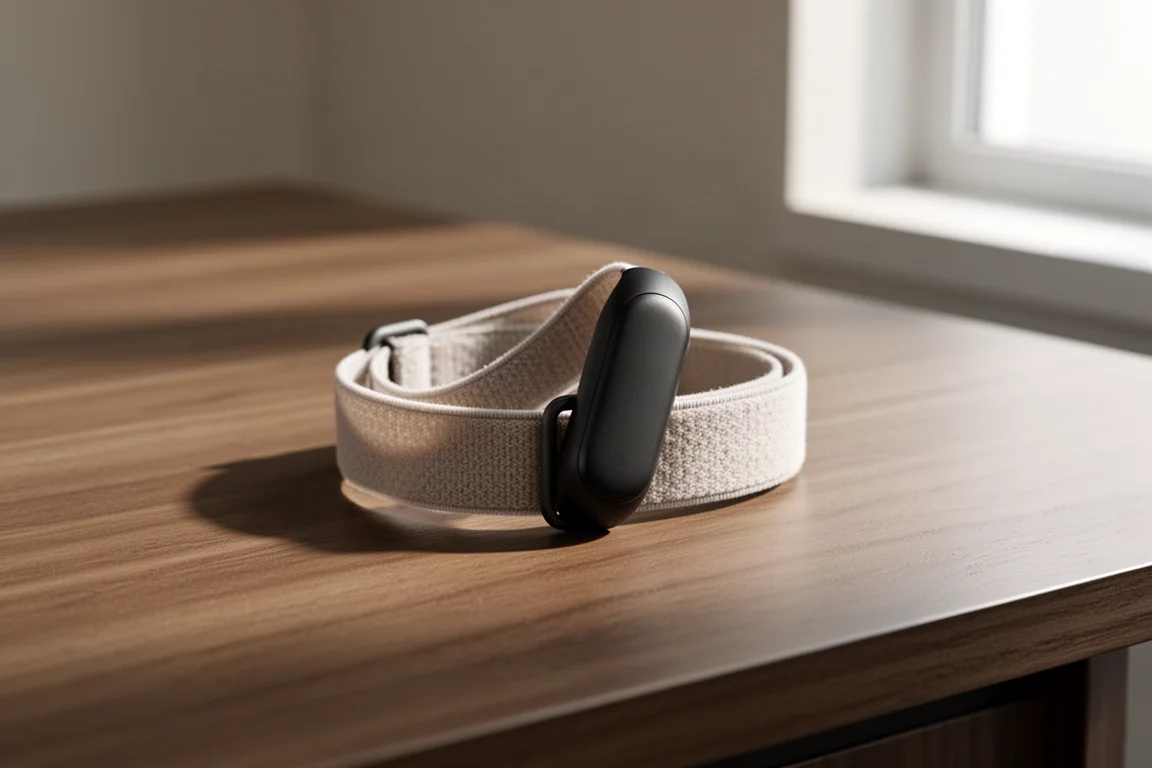
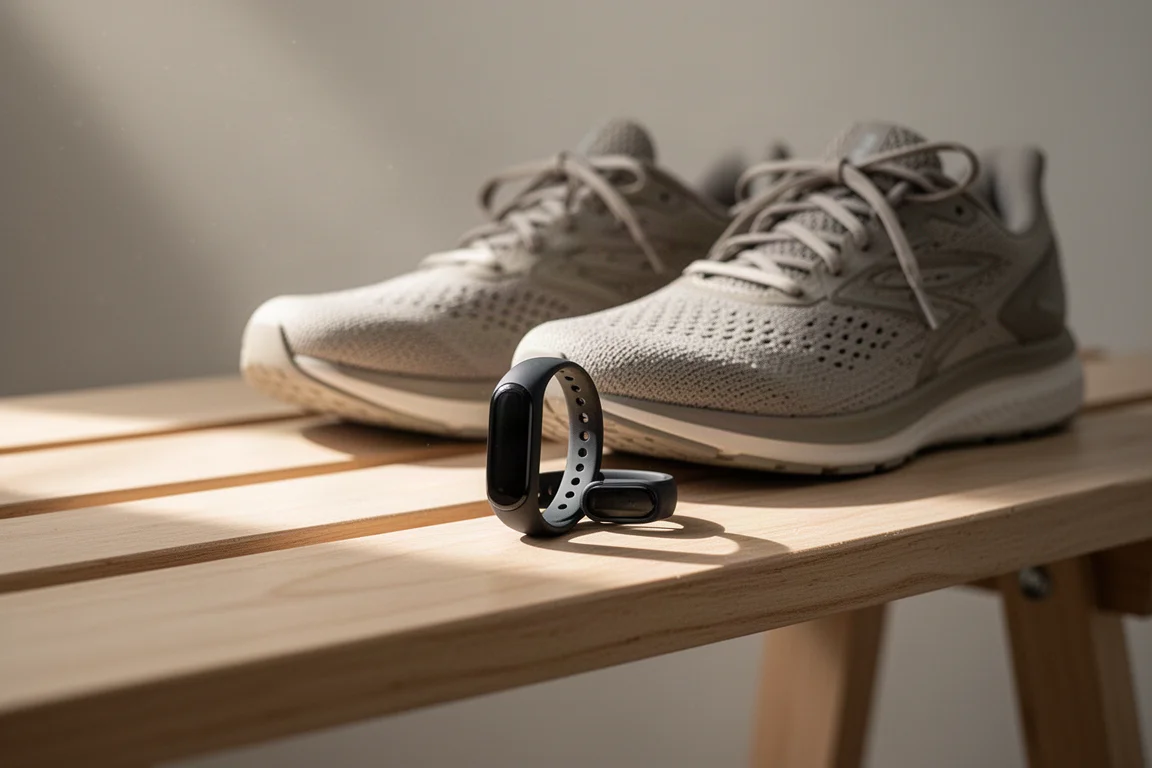
Strip away the hype and this is a remarkably simple product: essentially a heart rate sensor with a few other sensors on board. Countless similar trackers have launched before, including some from Fitbit itself, and most faded away. What makes this one different is timing and branding. Whoop proved there is a real market for screenless trackers, but its price and subscription model have been a barrier for some people. At $99, the Fitbit Air is accessible enough to land on a lot of wrists, and unlike other cheap bands, it carries the Google and Fitbit name plus the association with Steph Curry as a Google performance advisor.
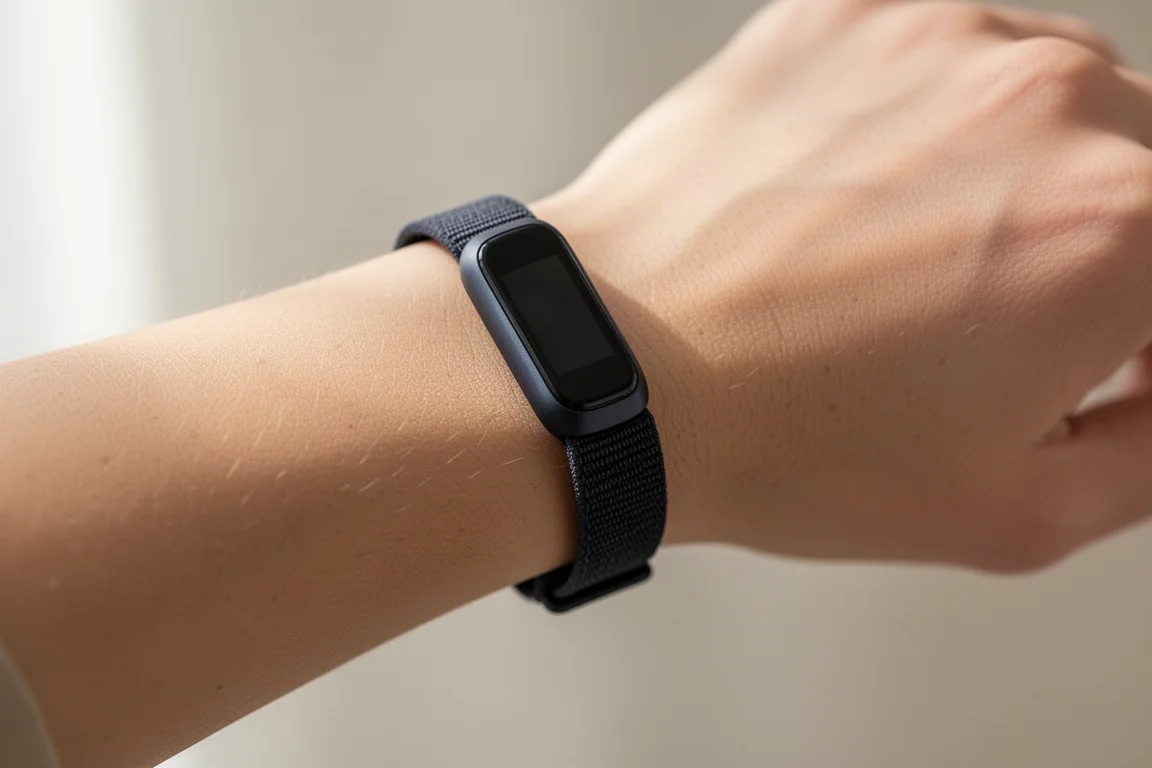
Google also did not simply copy the Whoop formula. The Air is noticeably smaller and lighter than the competition, which makes it look different and, more importantly, feel different. Comfort is a major reason people choose screenless trackers over full smartwatches, and a smaller, lighter design plays directly into that. It launched with a range of styles too, clearly borrowing a page from Whoop’s playbook of making the band feel like an expression rather than just a tool.
The App and the AI Question
A screenless tracker lives or dies by its app, and Google’s approach here is interesting. The new Google Health app leans heavily into AI rather than treating it as a bolt-on feature, and the data layout and visualization in early testing look genuinely good. There have been rough edges: in the public preview, the AI feedback was good but verbose, producing a lot of words. That feedback has apparently been addressed in the newer version of the app.
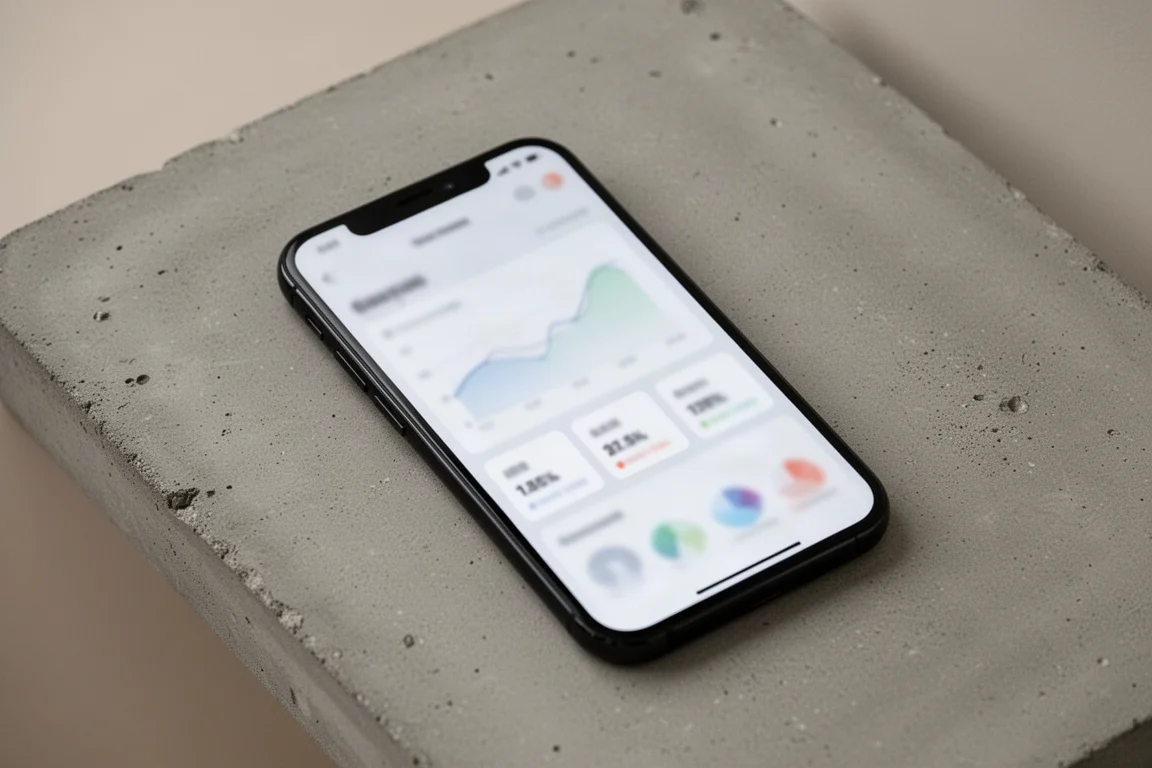
The key detail for buyers is that the AI features are optional. Without the premium subscription you get a free version that simply collects and displays your data, which many people will prefer. On top of that, Google has promised an open ecosystem: the Google Health app will be open to other apps and devices, and Apple Health access has already appeared during the public preview. Combine that with the large existing base of Fitbit users and Pixel Watch owners, and Google starts this race with an audience most challengers would envy.
Automatic Exercise Recognition Could Make or Break It
One of the main reasons people choose screenless trackers is that they disappear on the wrist. You go about your day and the device figures out what you are doing in the background. This makes automatic exercise recognition a critical feature. Whoop handles this well, accurately detecting workouts and adding them to your diary without any manual input.
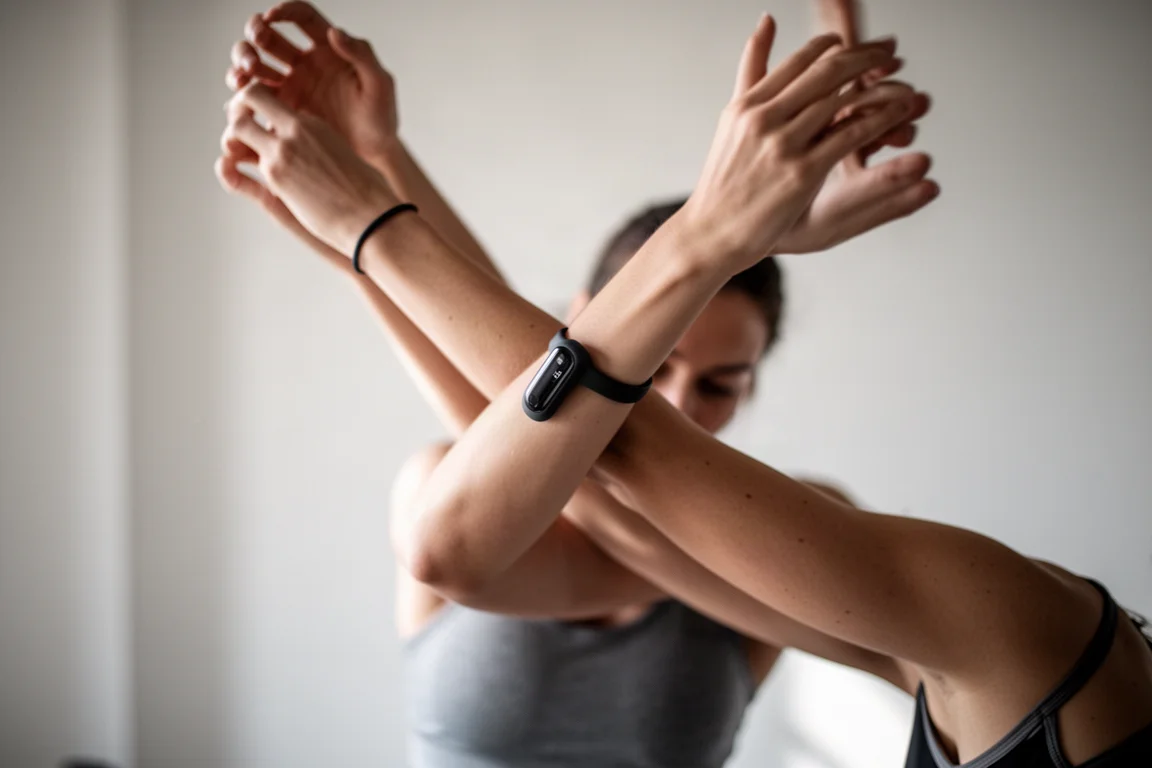
Whether the Fitbit Air can match that level of effortless accuracy is one of the biggest open questions, and it is exactly the kind of thing that deserves close testing before a final verdict. Anyone considering the Air primarily for hands-free workout logging should watch for how this performs in practice.
Privacy and the Long Game
Two concerns are worth taking seriously before buying. The first is privacy around health data. The only practical step is to read the terms and conditions, understand how you opt in or opt out, and decide whether you trust them. The second is Google’s history of discontinuing products, which has become famous enough to have its own graveyard webpage. That said, the scale of the launch effort, including press briefings with hundreds of worldwide media outlets, suggests a serious long-term commitment, and the early popularity alone makes it hard to imagine this being quietly retired.
There is also the question of whether Google can make the Air premium enough and recognizable enough to build the same kind of identity Whoop has. The slimmer-than-everyone design is a smart start, but the AI-heavy premium app is a genuine bet. Ideally, a future version would offer a toggle to turn the AI on or off within the premium tier, giving users control over how much of it they want.
Buying Advice
For anyone starting out in health and fitness tracking, the Fitbit Air is one of the most accessible entry points available, and it is equally interesting for people using another brand who want to save money. If you prefer to avoid subscriptions, the free version without AI is a legitimate way to use it. If you want AI-driven coaching, the premium tier is where the app is at its most ambitious. At $99, the price of entry is low enough that the decision mostly comes down to how much you value AI features and how confident you feel in Google’s long-term commitment.
Conclusion
The Fitbit Air is a simple product arriving at exactly the right moment, backed by big names, an aggressive price, and an open ecosystem promise. It faces real questions around exercise detection, privacy, and Google’s track record, but the combination of $99 pricing and a massive existing user base makes it one of the most significant launches this category has seen in years.
Product link
View more details for Google Fitbit Air
This product is mentioned in the review. Check the specifications, options, and compatibility before buying.
View more details for Google Fitbit AirFurther reading
Related Reviews
Smartwatch Reviews
Garmin Vivoactive 6 Review: A Fitness-First Smartwatch With Strong Battery Life
The Garmin Vivoactive 6 delivers excellent battery life and deep fitness tracking for $300, but skips a few smartwatch essentials. Here is what to consider before buying.
Smartwatches
Google Pixel Watch 3: Two Sizes, Bigger Screens, and a Serious Running Upgrade
The Pixel Watch 3 finally arrives in 41mm and 45mm sizes, with a brighter LTPO display, new running tools, cardio load tracking, and a first-of-its-kind loss of pulse feature.
Running Watches
Amazfit Active Max Review: Big Value Running Watch With Offline Maps
A feature-packed budget running watch with offline color maps, 25-day battery life and a bright 1.5-inch AMOLED display, with a few rough edges to know about first.