Smartwatches
Garmin Vivoactive 6 Review: A Comfortable Smartwatch-Style GPS Watch for Everyday Runners
After roughly a month of testing, we look at where the Vivoactive 6 shines as a compact, comfortable all-rounder, and where it falls short of dedicated running watches.
Introduction
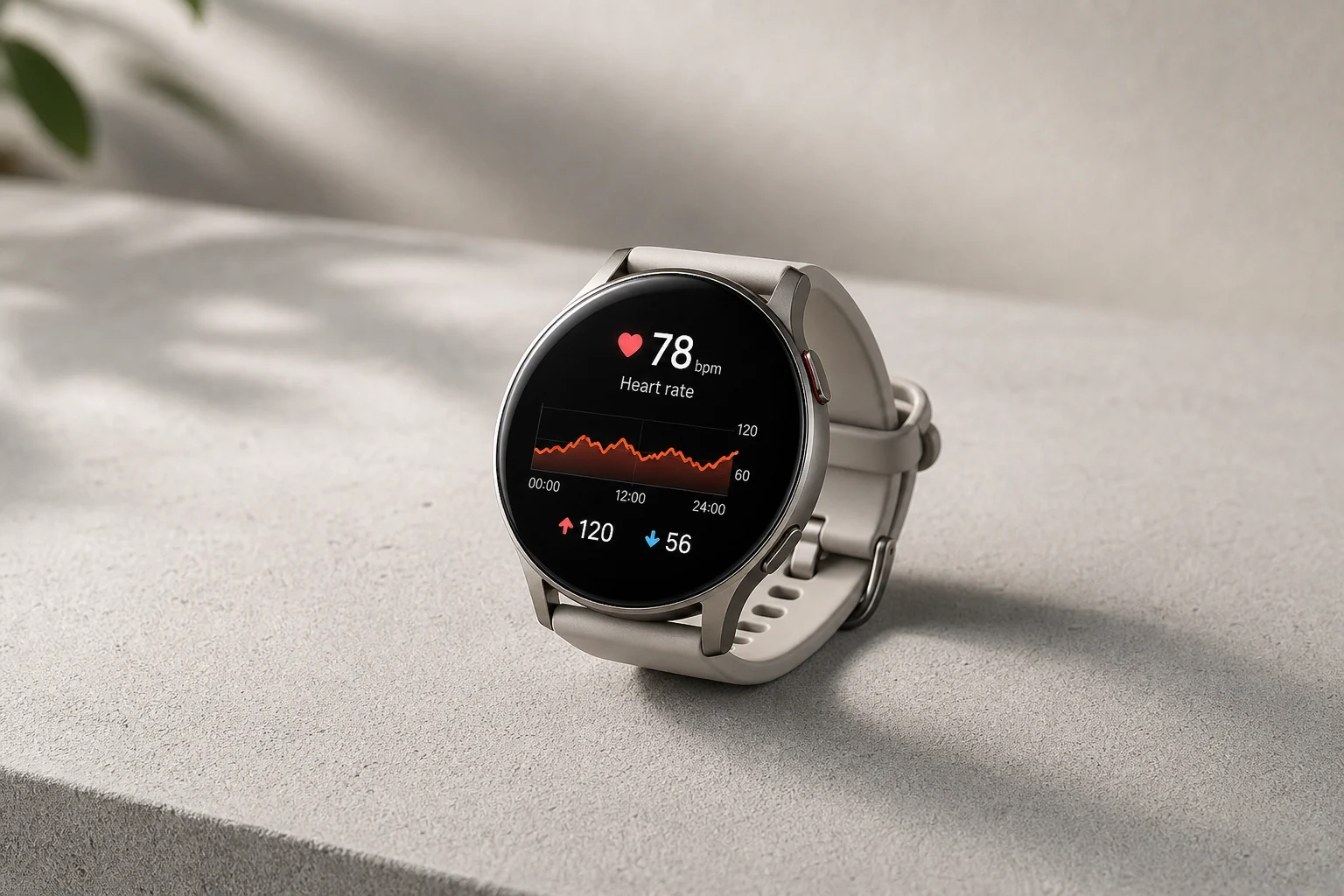
The Garmin Vivoactive 6 sits in an interesting spot in Garmin’s lineup: it is the watch that came before the Venu, and it is aimed squarely at people who like the idea of an Apple Watch or a Samsung Galaxy Watch but are not fully convinced by the tracking experience or the battery life of those devices. It also comes in cheaper than the Venu, which is naturally positioned as Garmin’s head-to-head competitor in that space.
What you get is a genuine mixture of a device. It will track your runs, give you a solid smartwatch experience, and add health and wellness features along the way, all for a little less money. After roughly a month of testing, the overall impression is largely positive: it is neat, compact, capable, and comfortable, and there is now more here for runners than before.
Who the Garmin Vivoactive 6 Is For
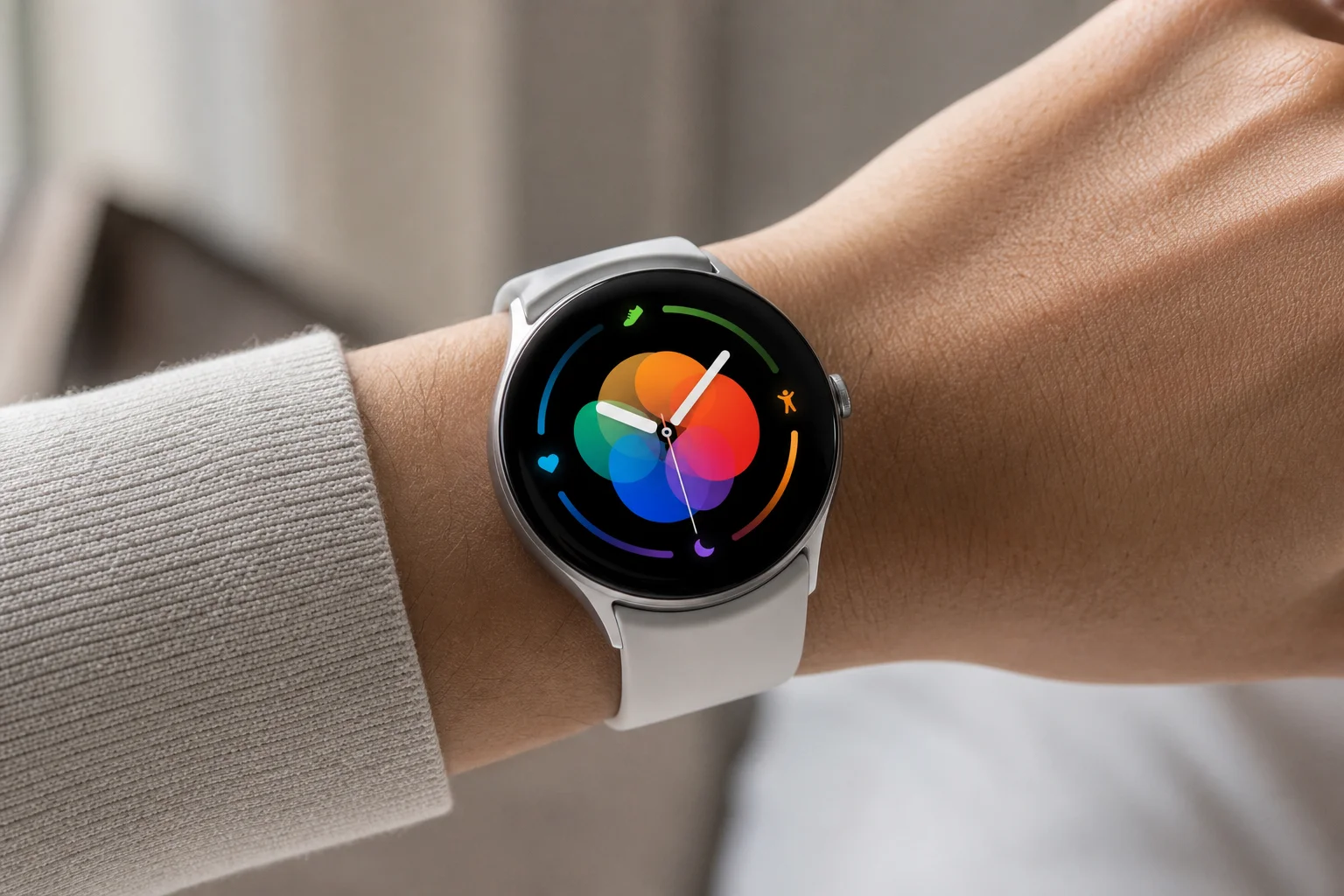
This is a watch for runners who want a balance rather than a specialist. If you are looking for a basic run tracker, a wrist-friendly design, offline music, and something compact and easy to wear 24/7, it certainly has the credentials. It suits beginners and entry-level runners especially well, offering a friendly, approachable experience that has become rare as other fitness-focused smartwatches have faded from the market.
If your priority is serious training insights, huge battery life, and nailed-on GPS accuracy, you may be better served elsewhere in Garmin’s range or by rivals such as the Coros Pace 3. But if you want one watch that straddles the line between fitness tracker, smartwatch, and sports watch, the Vivoactive 6 makes a compelling case.
Design and Comfort
The design earns an easy thumbs up. There is a subtle simplicity to it, and it avoids looking cheap even though it sits close to the entry level. It stays available in a single, fairly small 42mm case size, so if you prefer smaller watches, this is what you are getting. It is a little slimmer than the Vivoactive 5, though not as slim as an Apple Watch Series 10 or a Samsung Galaxy Watch 7.
The lightweight, compact build makes this one of the easiest watches to wear around the clock. It rivals the Apple Watch SE for comfort, to the point where you forget you have it on, which is great for unlocking the all-day health and sleep insights. The screen size and resolution carry over from the previous model and remain very visible, with an always-on display option that trades battery life for convenience.
Smartwatch Experience
As a smartwatch, the Vivoactive 6 is Garmin’s answer to mainstream rivals, and it delivers a lot of that experience even if not everything. You get notifications, direct access to the Connect IQ store from the watch, music controls, and a music player that supports offline music from streaming services like Spotify, which will be a big deal for anyone who runs with music.
The user interface has taken a clear step forward. The previous model’s software felt like Garmin was still feeling out how to blend a touchscreen-first experience with a sports watch, but here the journey between different screens works noticeably better and feels much slicker. It gets closer to feeling like a genuine smartwatch, in keeping with what you find outside Garmin’s range. What you do not get are the voice-enabled features appearing on Garmin’s more expensive watches, but the core experience is well covered.
Run Tracking and GPS Performance
The hardware underneath is largely familiar. You do not get Garmin’s latest optical sensor for heart rate and blood oxygen, nor the dual-frequency multiband GNSS of pricier watches. You do get multi-GNSS support, the same as the Vivoactive 5, with additional support for two more satellite systems, and on the software side there are more training metrics, advanced interval training support, and richer access to Garmin Coach.
In testing, GPS performance was surprisingly solid against the pricier multiband Garmin Fenix 8 and Garmin Instinct 3. Total distances stayed within an acceptable margin, and the tracks were often as reliable at snapping to known routes as those watches in their maximum accuracy modes. Locking onto a signal is generally quick, and distance tracking was fine on most runs.
Real-time pacing is the one weak spot, sometimes seeming a little generous. If you are not scrutinizing live pace too closely and mostly want accurate distances, it will do a good job, particularly on reliable routes away from tall buildings. There is no rich mapping or navigation support, but a back-to-start feature is included, which is a genuinely useful safety net for getting you home without full maps.
Battery Life in Testing
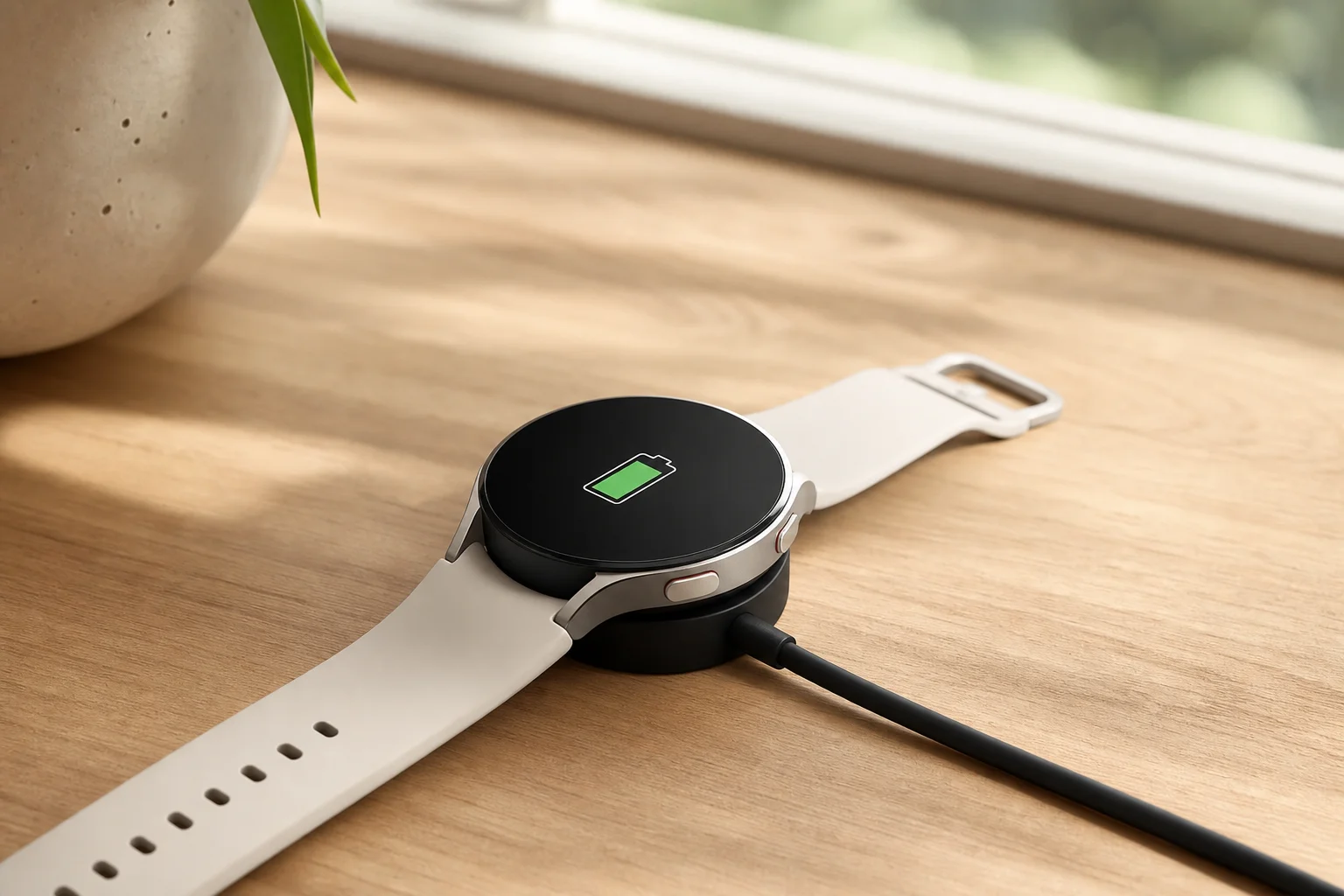
Battery life was impressive for a smaller AMOLED watch. In total, six days of general usage with around eight and a half hours of GPS training came before it needed a charge, which is significantly better than smartwatches like the Apple Watch SE, which need far more frequent charging.
With the always-on screen off and the all-systems GPS accuracy mode selected, an hour’s run burned between 6 and 7 percent on average, while a four-and-a-half-hour run burned just short of 25 percent. Extrapolating that, accounting for the faster burn near empty, it lands close to Garmin’s listed 18 hours of GPS time. A 30-minute run with all-systems GPS used 3 percent, an hour with GPS-only used 6 percent, and the average overnight burn was just 2 percent. It is also worth appreciating that Garmin keeps using the same charging cable across its watches, so there is no scrambling through drawers for the right dongle.

Runners who like to tweak their data screens get a meaningful update here too. Data fields per page have gone from four to eight, with more custom data pages available, giving you far more room and control over what you see mid-run.
Things to Consider Before Buying
There are gaps. There is no ECG, no third-party apps, Garmin’s older heart rate technology, and no dual-frequency GPS. Against fully fledged running watches and more capable smartwatches, those limitations are real, but for the price the package still feels well rounded for what it is trying to do.
The design, while comfortable, has some compromises. The bezel is quite large, so there is no edge-to-edge screen real estate, and there are fewer physical buttons than you get on the Garmin Forerunner 165 and higher-end Garmin watches. If you are used to button-based navigation, that can feel frustrating, though fans of touchscreen use may not mind.
Heart rate tracking is hit and miss. It performed well on steady runs with gradual intensity changes, but it struggled during intervals with sudden spikes and drops, and it lost the plot during a four-hour run in cold, wet conditions. The good news is that pairing an external heart rate monitor, from Garmin or Polar, is straightforward. One other oddity: suggested workouts are limited to walking unless you are following a Garmin Coach plan, which undermines the usefulness of the feature.
Finally, compared with watches like the Suunto Run and Coros Pace 3, which sit arguably below it on smartwatch polish but offer dual-band GPS and, in testing, stronger heart rate performance, the value case for pure run tracking is weaker. Compared with the Vivoactive 5, not a huge amount has changed in design or core features, and battery life is very similar rather than better.
Buying Advice
The Vivoactive 6 does a solid job of straddling fitness tracker, smartwatch, and sports watch. As an AMOLED fitness watch it offers plenty of firepower for general fitness pursuits and daily health, and there is now genuinely more for runners: better GPS than the Vivoactive 5, improved running analytics, race pace tools, and more control over data screens.
If your priority is smartwatch capability alongside running and fitness tools, it does not quite match the Apple Watch SE or Samsung Galaxy Watch 7, where the lack of third-party apps and optional cellular connectivity makes a big difference. Those devices are better all-round life tools, but they lack the staying power the Vivoactive offers, so it is swings and roundabouts.
If your priority leans toward performance, serious training insights, big battery life, and the latest heart rate tracking, look at the Garmin Forerunner 165 or the Coros Pace 3 or Pace Pro instead, as those are stronger all-round running watches. But if you want a friendlier, more balanced alternative to the Apple Watch and Galaxy Watch that still delivers dependable run tracking, the Vivoactive 6 remains well worth a look.
Conclusion
The Garmin Vivoactive 6 is not a huge upgrade over the Vivoactive 5, but the tweaks and enhancements make it a nicer watch. It is compact, comfortable, capable, and offers a rare balance of run tracking and smartwatch features at a lower price than the Venu. For beginner and entry-level runners who want one watch for training and daily life, there is still plenty to like here, even if pure running specialists will find better value elsewhere.
Product link
View more details for Garmin Vivoactive 6
This product is mentioned in the review. Check the specifications, options, and compatibility before buying.
View more details for Garmin Vivoactive 6Further reading
Related Reviews
Smartwatches
Best Budget Smartwatches 2026: Five Affordable Options That Actually Work
Five budget smartwatches tested for real daily use. From entry-level options to premium features at fraction of the cost, here's what actually delivers.
Smartwatches
Best Smartwatches on AliExpress 2026: Five Practical Options for Different Needs
Five smartwatches with strong customer feedback and competitive pricing, each suited to different priorities: premium design, battery life, outdoor durability, advanced health tracking, and sports versatility.
Smartwatches
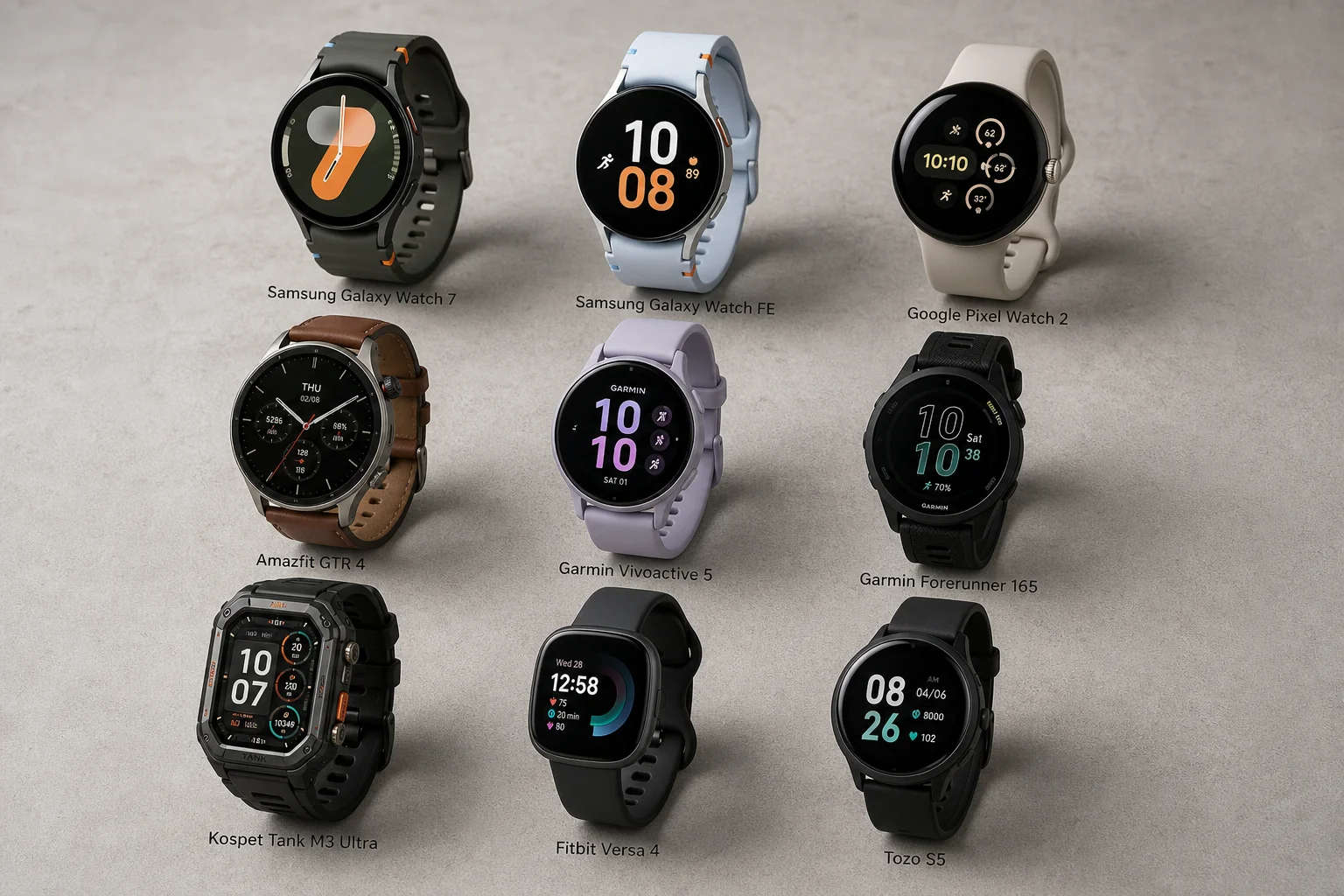
Best Smartwatches Under $300: 9 Practical Options for Every Need
A curated selection of nine smartwatches under $300, each excelling in health tracking, durability, battery life, or fitness features. Find the right match for your lifestyle.