Smartwatches
Google Pixel Watch 3: Two Sizes, Bigger Screens, and a Serious Running Upgrade
The Pixel Watch 3 finally arrives in 41mm and 45mm sizes, with a brighter LTPO display, new running tools, cardio load tracking, and a first-of-its-kind loss of pulse feature.
Introduction
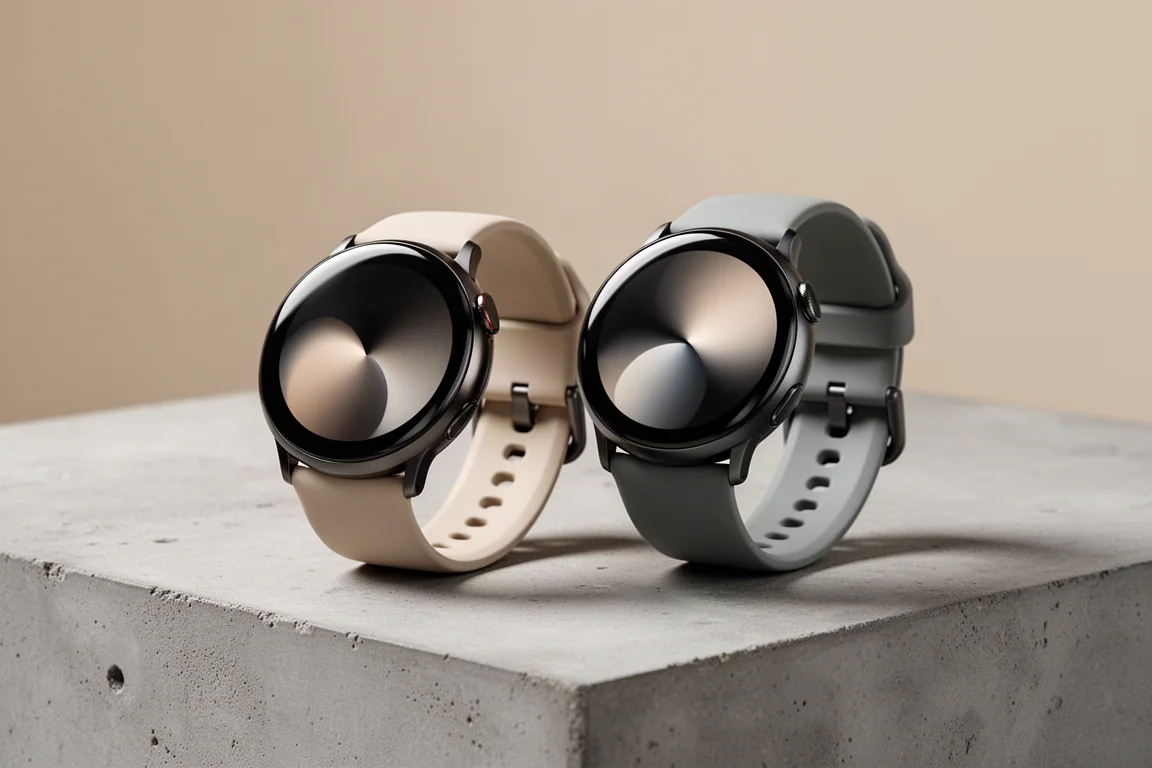
The Pixel Watch 3 is not just one watch this time around. Google has finally added a larger size, and with it comes a slate of new fitness features, especially on the running side, plus new training load and recovery tools. After spending time with both models and every feature team behind them, the picture is clear: this is the most serious fitness push Google has made on a watch yet, wrapped in a design that otherwise stays familiar.
Pricing and Availability
Pricing has stayed the same as before, at least for the smaller edition. The 41mm starts at $349 for the base model and $399 for the LTE version. The larger 45mm adds $100 to both of those prices, bringing them to $449 and $499. Pre-orders open today, with availability set for September 10.
Two Sizes, Same Design
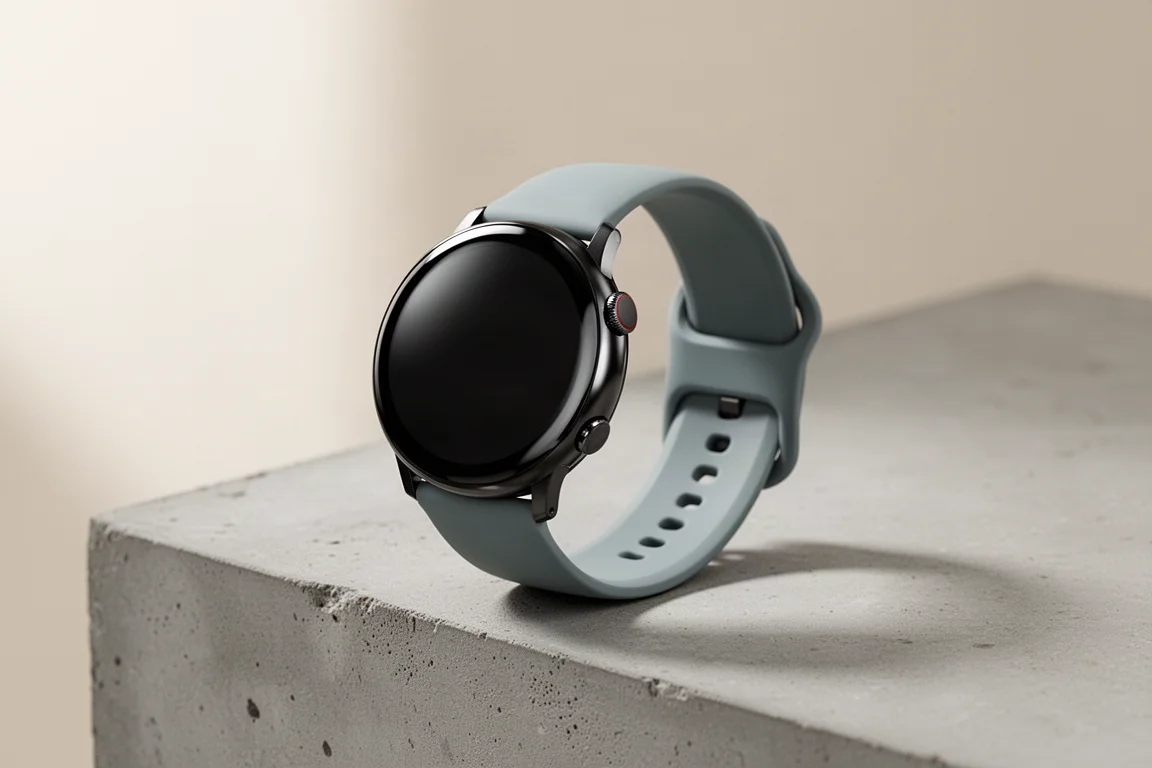
The headline hardware change is the new 45mm size. Visually, the design remains the same, so you will not notice much difference across the room. On the wrist, though, it is noticeable, and in a good way. If you have worn earlier Pixel Watches, the smaller versions simply felt small, especially on bigger wrists. The 45mm feels normal because it matches the sizing of most other smartwatches that come in roughly 41mm and 45 to 46mm options.
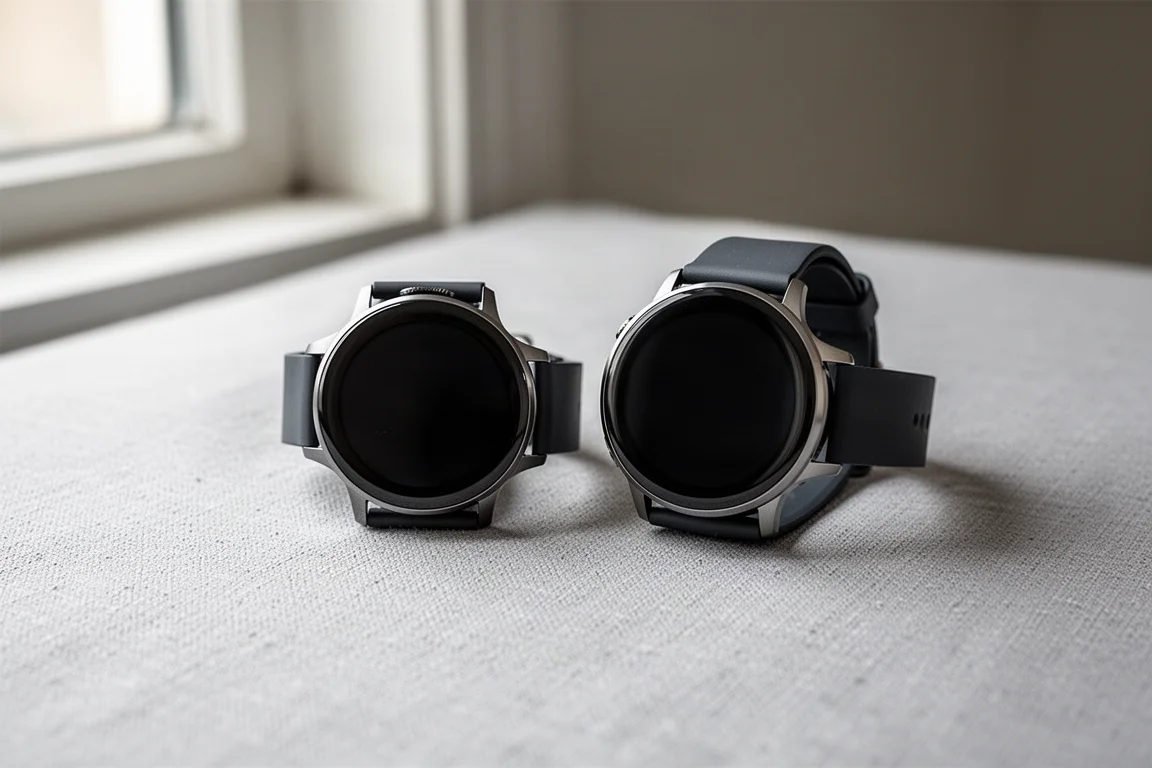
The display itself is bigger too, even on the smaller edition, with bezels reduced by 16% compared to the previous 41mm model. The 45mm now has a 40% bigger screen than the previous generation. That extra space lets Google fit more onto certain screens, such as the workout selection list and various data pages, so you get more information in one spot rather than just larger text.
Display and Battery Changes
Under the glass, the Pixel Watch 3 moves from a standard AMOLED to an AMOLED LTPO panel with a variable refresh rate, ranging from once per second up to 60 times per second. That saves a meaningful amount of battery. More visibly, peak brightness doubles to 2,000 nits from the previous 1,000, while the floor drops to just one nit for nighttime and sleep modes, which keeps the display super dim and easy on the eyes.
A new battery saver mode extends battery life up to 36 hours, compared with 24 hours for the previous always-on display behavior. Importantly, in battery saver mode your health metrics still record once per second and all safety features stay on. The display simply turns off when your wrist goes down, though gesture controls still work, and some background activity is reduced.
Wear OS 5 Under the Hood
All of this runs on Wear OS 5, the same version Samsung announced for its own watches. Rather than rehashing what Wear OS 5 brings generally, the more interesting story is what Google layered on top, particularly for running and training.
Running Features That Actually Go Deep
Running is clearly the focus of this generation. You can now create structured workouts on your phone or directly on the watch, complete with repeats and targets, as simple or complex as you like. Pushing a workout to the watch took about a second in testing, and during the run you get real-time guidance for each interval: a countdown as you approach the start, your target, alerts when you are above or below it, and a call-out when each interval ends.
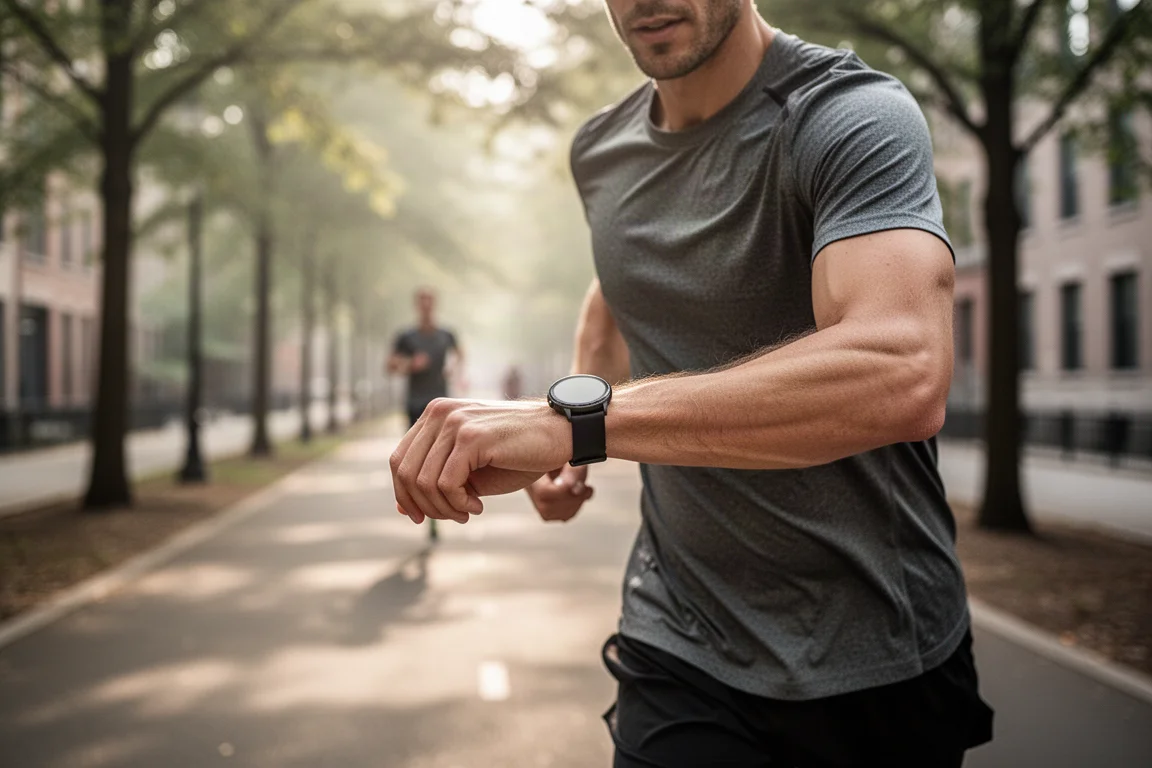
Media controls have also been added to the run loop, so you can change your music directly from the running screen instead of navigating elsewhere mid-workout.
New running efficiency metrics land here too: ground contact time, vertical oscillation, cadence, stride length, and additional form analysis. These appear in the post-run summary and in the revamped Fitbit app, which is now dramatically more running-focused than the basic activity tracker it used to be. One downside: you cannot export these running metrics outside the Fitbit app, which limits independent comparison with other platforms.
A new run dashboard in the Fitbit app gathers your PRs and lets you trend metrics over weeks, months, and years, and compare things like how your vertical oscillation changed relative to your pace. Offline Google Maps also arrives on the watch, though it remains a separate app rather than part of the workout experience.
Cardio Load, Target, and Daily Readiness
The biggest changes sit in the recovery and training load space. Daily Readiness is now free for everyone instead of being locked behind Fitbit Premium, and its components have been reworked. The score now includes HRV, two weeks of sleep weighted toward more recent nights via a sleep reservoir concept, and resting heart rate. Previous-day activity is no longer part of it, because exercise load now lives in the new cardio load metric.
Cardio load pulls in not just your button-pressed workouts but your entire daily life. No other company does this today; everyone else only counts workouts you explicitly start. If you sprinted for a bus or had a busy day walking around a city, Fitbit counts that raised heart rate as load. The system is based on a TRIMP model, shows a daily target range with six different status labels, and compares your 7-day trend against your 28-day trend. Your target takes 14 days of activity to develop.
There is also a genuinely useful toggle: you can choose whether you want to maintain fitness or improve it. Every other company in the endurance space assumes you want to improve forever, which does not fit off-season athletes or casual users switching sports. And compared with what Apple launched recently, the key difference is that Google shows actual numbers rather than abstract charts, which makes it much easier to understand how things change over time.
Google also says this is the most accurate optical heart rate setup it or Fitbit has ever built, with heavy validation work for running, both in labs and in the real world. Real-world accuracy will need independent testing to confirm.
Safety: Loss of Pulse Detection
A standout addition is loss of pulse detection, something no other smartwatch maker currently offers. If the watch confirms it is being worn through skin detection and your pulse drops out, it first checks with you to rule out a false alarm. If that fails, it notifies emergency responders, similar to how other emergency features work. It is a meaningful safety step forward.
Daily Extras and Pixel Ecosystem Perks
Beyond fitness, Google packed in a long list of integration features. Nest camera live view lets you see and talk to visitors from your watch when the doorbell rings. A Google TV remote turns the watch into a remote control. Pixel phone owners get ultra-wideband unlock, including for supported cars, plus a find my phone option. There is also the ability to pick up and hold calls, a pixel recorder app for audio notes, and revamped camera controls for your Pixel phone from the wrist.
Which Size Should You Buy?
If you have found previous Pixel Watches too small, the 45mm is the answer you have been waiting for, and it matches what most two-size smartwatch lineups offer. If you prefer a compact watch or have smaller wrists, the 41mm now benefits from the same slimmer bezels, brighter display, and full feature set. Since every software feature is identical across both sizes, the decision comes down almost entirely to wrist fit and the $100 price difference.
Conclusion
The Pixel Watch 3 is the most substantial update the lineup has seen: two proper sizes, a much better and brighter display with smarter battery behavior, and a genuinely deep running and training load platform that finally puts real numbers in front of you. The lack of metric export and the unchanged pricing are worth noting, but for Pixel phone owners and runners alike, this is the most compelling Pixel Watch yet.
Further reading
Related Reviews
Smartwatches
Best Budget Smartwatches 2026: Five Affordable Options That Actually Work
Five budget smartwatches tested for real daily use. From entry-level options to premium features at fraction of the cost, here's what actually delivers.
Smartwatches
Best Smartwatches on AliExpress 2026: Five Practical Options for Different Needs
Five smartwatches with strong customer feedback and competitive pricing, each suited to different priorities: premium design, battery life, outdoor durability, advanced health tracking, and sports versatility.
Smartwatches
Best Smartwatches Under $300: 9 Practical Options for Every Need
A curated selection of nine smartwatches under $300, each excelling in health tracking, durability, battery life, or fitness features. Find the right match for your lifestyle.