Cookbooks
Good Things vs Salt Fat Acid Heat: Which Samin Nosrat Cookbook Deserves Your Shelf Space?
We cooked three recipes from Good Things and compared it against the beloved Salt Fat Acid Heat to see where each book shines and where it falls short.
Introduction
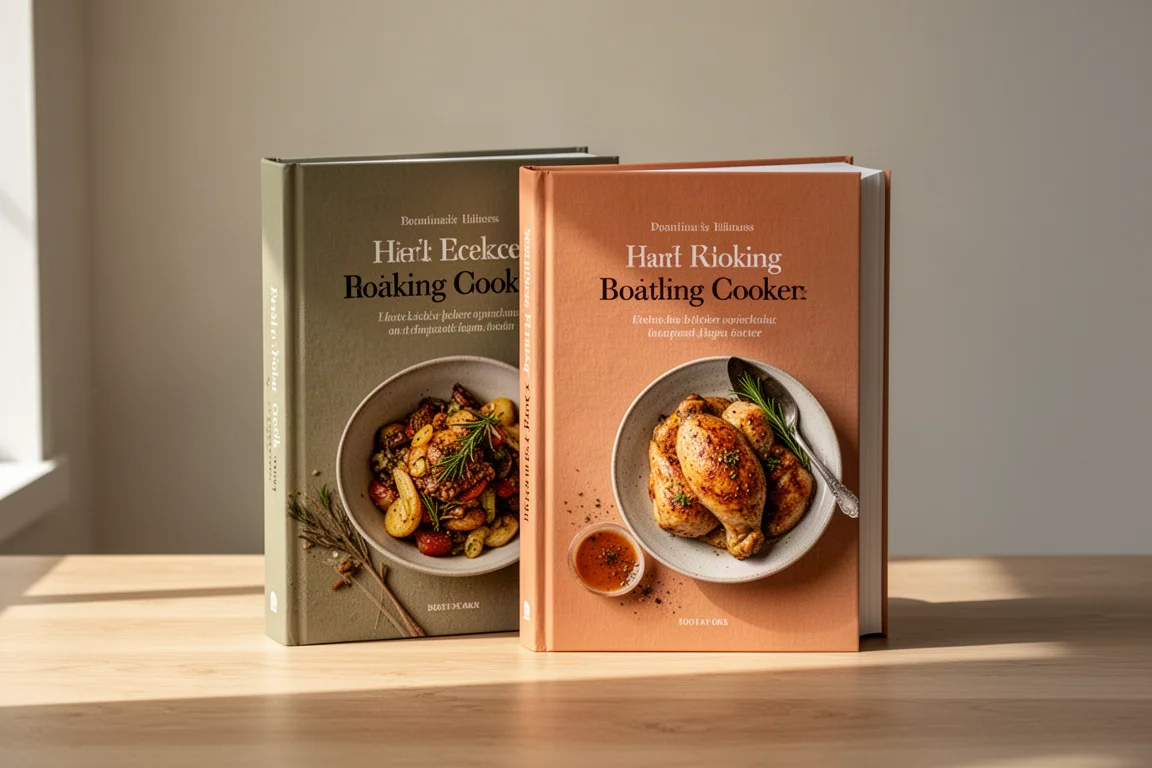
Samin Nosrat built a devoted following with Salt Fat Acid Heat, a book many cooks treat as a foundational resource. Good Things, her follow-up, arrived with high expectations. After reading both cover to cover and cooking several dishes from the newer title, we have a clear picture of who each book serves and where they diverge.
Evaluation Criteria
We applied the same three steps to both books: read each one in full, cook a small set of recipes, and form initial impressions based on clarity, practicality, and how enjoyable the results were to make and eat.
First Impressions of Good Things
Good Things is framed as the author’s personal collection of favorite recipes and everyday tips, compared in the introduction to a child’s cigar box of treasures. That framing explains the structure: a wide, loosely organized sweep of condiments, hostess dishes, dressings, seasonal produce guidance, chicken recipes, breads, and desserts.
The catch is that the book asks for a lot. The headnotes carry heavy emotional weight, discussing depression, loss, and the pandemic, and the tone treats cooking as something sacred and ritualistic. That sits awkwardly against the promise of a relaxed grab-bag of favorites, and the two impulses pull against each other throughout.
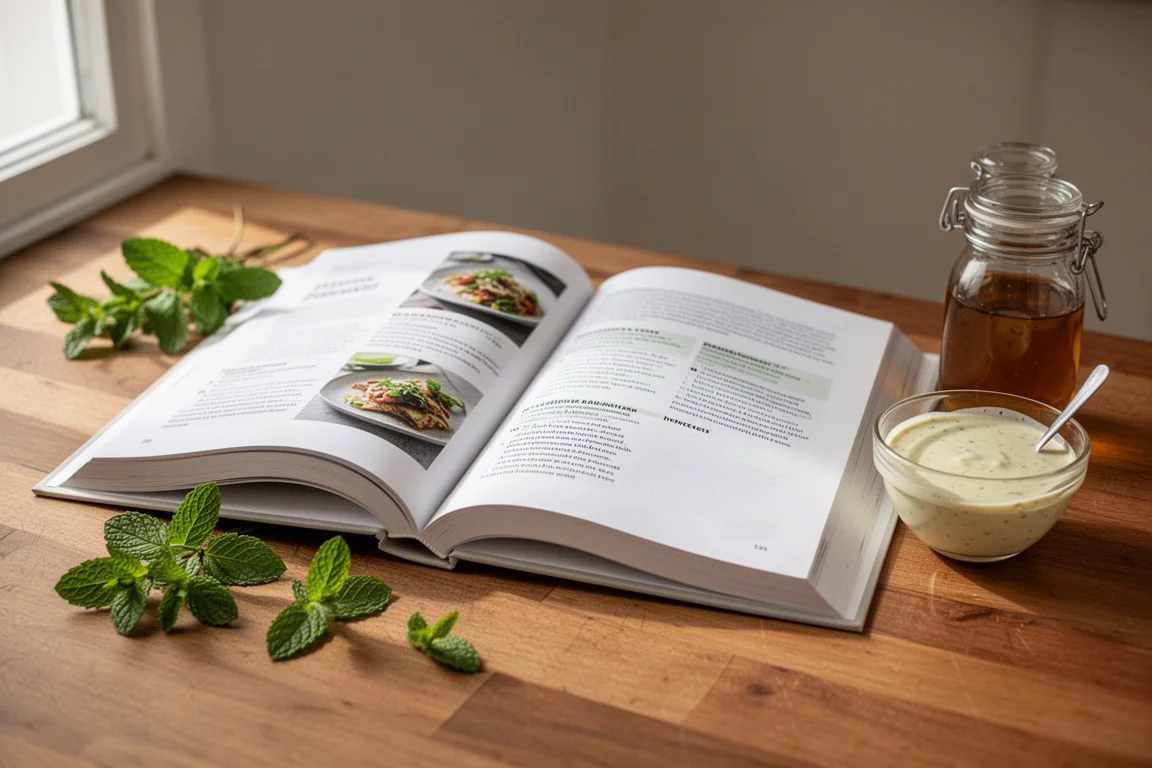
It is also a big, dense book. Categories like “Good Things Come in Small Packages” (condiments and toppings such as crispy fried shallots, Calabrian chili crisp, and cardamom ghee) or “Good Things Come in Threes” (dressings, including a house dressing and a creamy lemon miso dressing, each with three use cases) read as charming titles that still need a second line of explanation. Standard meal- or ingredient-based groupings would have been simpler.
Where Salt Fat Acid Heat Still Shines
Salt Fat Acid Heat remains the stronger recommendation for most home cooks. It explains how salt, fat, acid, and heat work in the food you make, and understanding those four elements genuinely unlocks the ability to improvise. Ideas like salting to taste and treating fat as both the cooking vessel and the conveyance for heat changed how many readers approach everyday cooking.
It is a resource book in the best sense: concept-driven, repeatable, and free of the fussiness that weighs down the newer title. If you are choosing between the two, this is the one that teaches you something you will use every week.
Cooking Three Recipes: What We Made
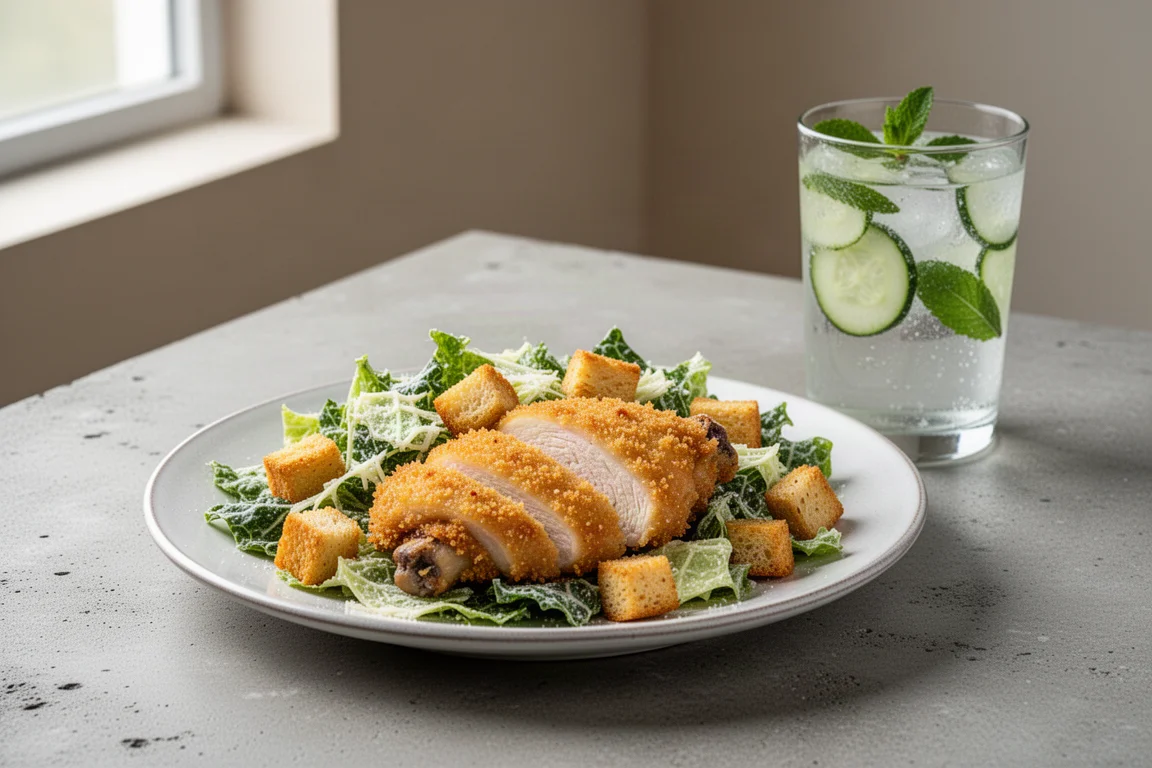
From Good Things we cooked the Sekanjabin, a sweet and sour mint shrub drink; the chicken thigh schnitzel; and the Favas Caesar, an aquafaba-based Caesar variation named after the author’s dog, served here with spicy gem lettuce and golden panko croutons.
The recipes are fussy, but not in a restaurant sense. Instructions count out exact quantities like three-quarters of a cup of mint leaves plus a handful more rather than offering a packed cup or a weight in grams, and dressing steps ask you to stream oil in and blitz components in separate stages when a single immersion-blender container would do. Ingredient substitutions exist, but they are collected in the front of the book rather than in the recipes themselves, which makes them easy to miss.
How the Food Tasted
The schnitzel was the clear winner: crispy fried chicken thigh over a Caesar-style salad is a genuinely tasty combination. The dressing, however, leaned heavily on anchovies, giving it a strong fishy note that needed more lemon and acid to balance. The shrub drink, served with cucumber, was refreshing and easy to like. Overall the plate read as competent New American cooking: good, but unsurprising.
Overall Buying Advice
Good Things may still appeal to readers who connect with its reflective, ritual-heavy tone and want a generous collection of personal favorites. Its contradictions are real, though: it asks cooking to feel loose and spontaneous while simultaneously demanding fussy measurements and emotional seriousness. Salt Fat Acid Heat, by contrast, stays focused, practical, and genuinely formative.

Conclusion
For most buyers, Salt Fat Acid Heat is the better investment and the book we recommend as a lasting kitchen resource. Good Things is a more personal, more sprawling follow-up that some readers will love, but it did not come together for us in the kitchen. Choose based on which voice you want cooking next to you.
Product link
View more details for Good Things
This product is mentioned in the review. Check the specifications, options, and compatibility before buying.
View more details for Good ThingsFurther reading
Related Reviews
Cookbooks
Africana Cookbook Review: A Pan-African Journey Worth Cooking Through
We cooked 13 dishes from Africana by Llorado Umashayor over one week. Here is what worked, what stumbled, and who this beautiful cookbook is really for.
Cookbooks
By Heart by Haley Catalano: First Look at a Calm, Practical Cookbook
We cooked two recipes from By Heart by Haley Catalano, including a tomato-based sandwich and chicken fat mashed potatoes, to see if the book's calm, detail-first approach holds up in a real kitchen.
Cookbooks
Charred by Genevieve Taylor Review: Vegetable Grilling Beyond Corn and Halloumi
We cooked 11 recipes from Charred over four days. Here is what works, what falls flat, and whether the book earns a spot on your shelf.