Floorstanding Speakers
GoldenEar T66 Review: A Slim Floorstanding Speaker With Powered Bass
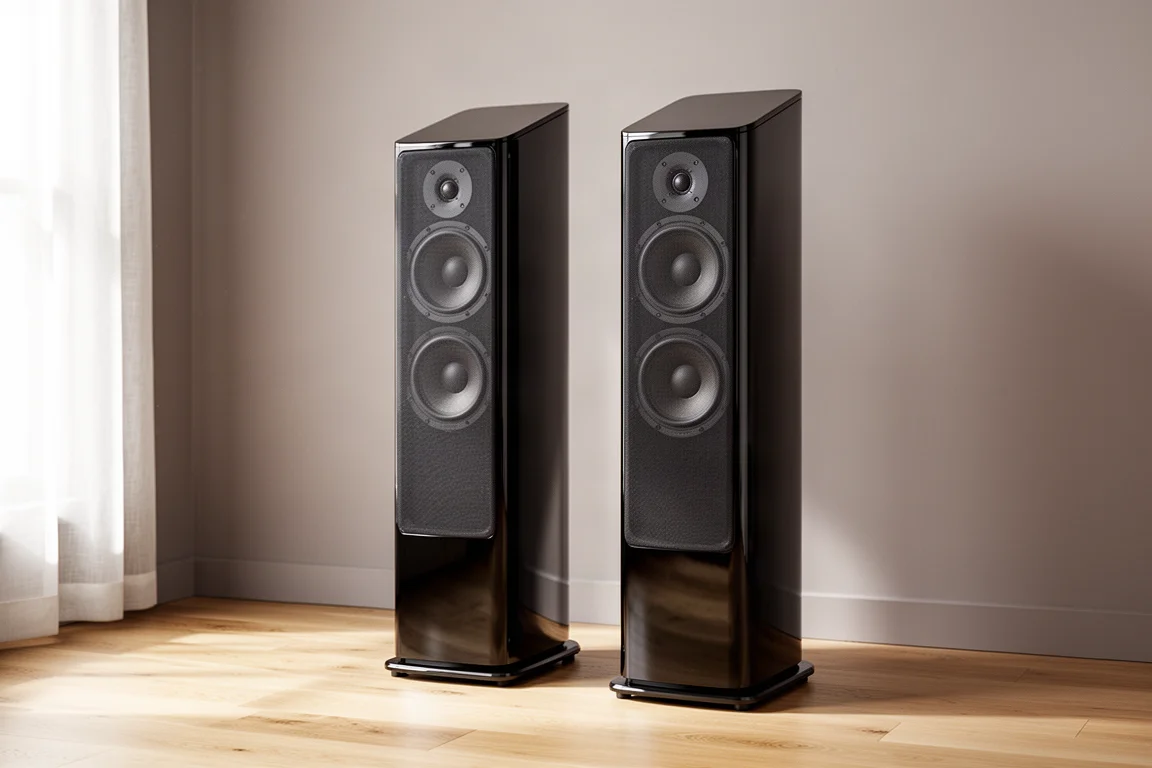
The GoldenEar T66 pairs a Triton Reference ribbon tweeter and a powered bass section with rigid new cabinets, dual binding posts, and a choice of gloss black or gloss red finishes.
Introduction
GoldenEar has built its reputation on floorstanding speakers that deliver big-system dynamics without demanding a dedicated listening room. The T66 is the company’s first new speaker since AudioQuest acquired GoldenEar in 2020, and it is also the first model not designed by founder Sandy Gross. It carries forward the design philosophy he established in 2010, including a powered bass section that lets the speaker work as comfortably with low-powered tube amplifiers as with high-powered solid state designs.
Who the GoldenEar T66 Is For
The T66 is aimed at listeners who want the scale of a large floorstanding speaker and the imaging of a small stand-mount model in a single cabinet. With 91 dB sensitivity, it can be driven by as little as 20 watts of tube power or by as much as 500 watts of solid state amplification, which makes it unusually flexible about the amplifier sitting in front of it.
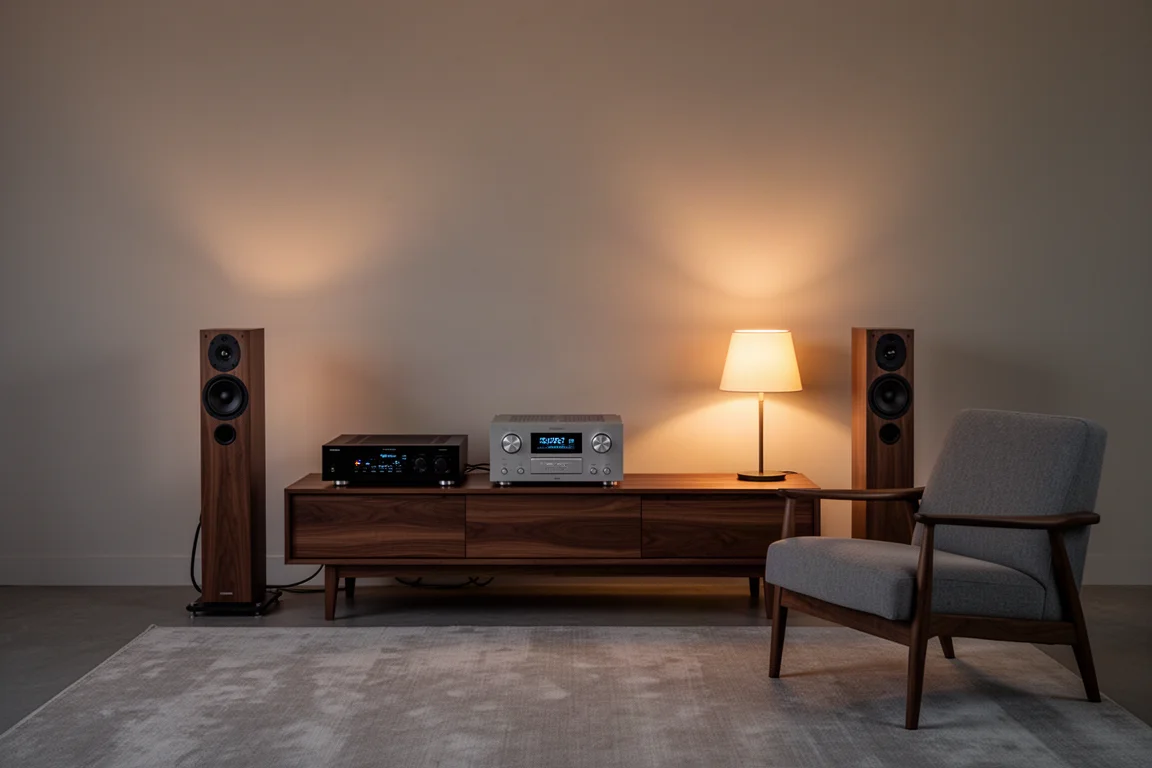
Each speaker has its own bass level control, so a room that is not symmetrical or ideal for audio playback can still be dialed in without introducing obvious bass anomalies. The LF RCA input lets the powered bass section act as a dedicated subwoofer when connected to a theater processor or AVR, a practical detail for households where one system handles both music and movies.
Main Strengths
GoldenEar’s accumulated development work shows up in the T66 through redesigned cabinets, improved midrange drivers, and more refined crossovers, all while keeping the tonal approach the brand is known for.
Cabinet Design, Finishes, and Connectivity
The cabinets are rigid and well finished, with 50 percent more bracing than earlier designs to reduce cabinet distortion. For the first time in the company’s history, buyers can choose between the familiar gloss black and a gloss red finish, which gives listeners an option other than the black that most brands settle on. New mesh grilles protect the drivers while leaving them fully visible, adding an upscale appearance without any negative impact on sound quality.
The T66 is also the first GoldenEar speaker with dual binding posts. That supports either a single set of speaker cables or a bi-wired setup, and the posts accept banana plugs or spades, so most existing cables can be used. AudioQuest jumpers connect the posts, and a subwoofer LF connection and level control sit right beside them, letting the powered bass section be adjusted on each individual speaker for the best level match to the rest of the system.
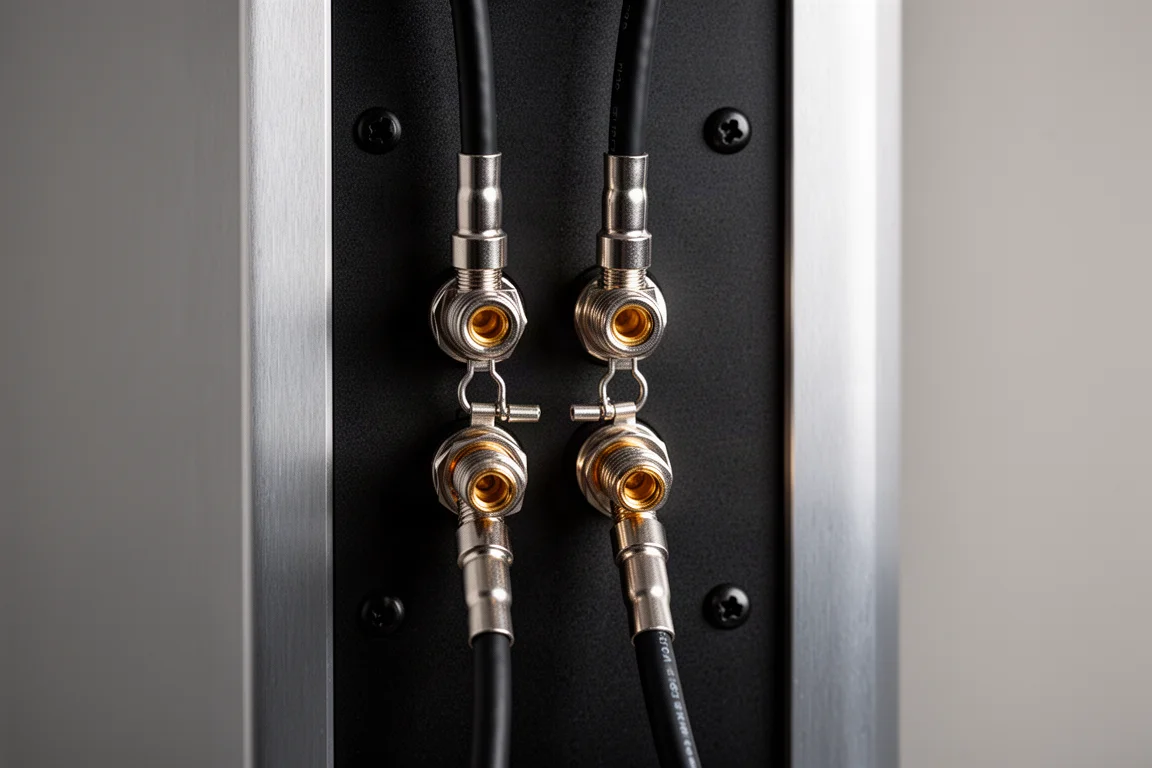
Between the finish options, the accessible grille design, and the wiring flexibility, the T66 is easier to integrate into an existing setup than earlier GoldenEar towers.
Tweeter and Midrange Driver Design
The tweeter is the same folded ribbon AMT unit used in the Triton Reference and is the company’s best tweeter to date. Wool felt is placed strategically on the tweeter mounting plate to minimize diffraction from the cabinet edges, which contributes to cleaner and smoother treble reproduction.
The 4.5-inch cast basket mid-bass drivers follow the midrange approach GoldenEar is known for, with two specific improvements. A revised yoke assembly reduces distortion, and a multi-vaned phase plug improves off-axis response, so the speaker holds together for listeners sitting away from the center seat. The crossovers have also been augmented with AudioQuest’s capacitor burn-in process, targeting reduced dielectric noise and wide bandwidth linearity, and AudioQuest cabling is used throughout the speaker.
Powered Bass Section and Room Tuning
Bass comes from two 5 by 9 inch quadratic subwoofers, the same drivers used in the Triton series, mounted one high and one low in the cabinet so they couple effectively with a pair of 8 by 12 inch quadratic infrasonic radiators. That arrangement allows the bass section to reach down to 29 Hz, giving the tower genuine low-frequency weight rather than relying on the mid-bass drivers alone.
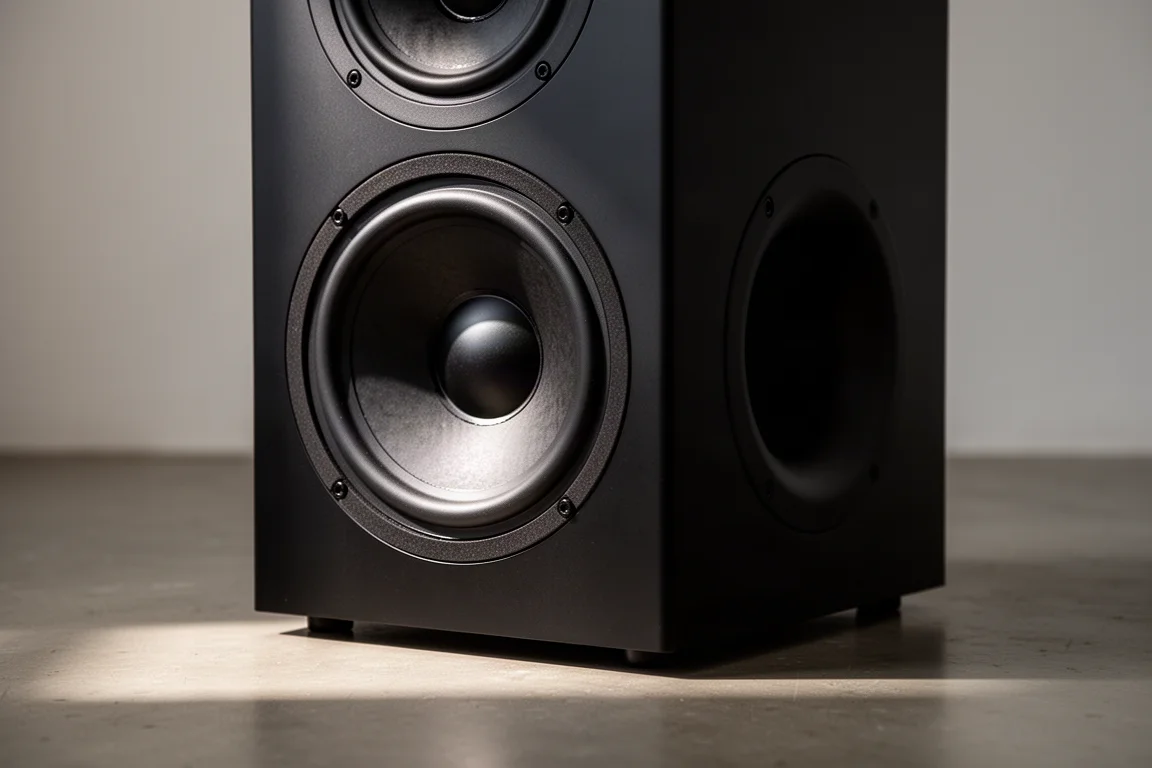
An Analog Devices 56-bit DSP chip in each subwoofer amplifier keeps the powered bass section in line with the midrange and high frequencies, so the handoff between drivers stays coherent. Individual volume controls for each speaker’s bass section then make it possible to match the low end to the room rather than the other way around.
Listening Notes
With jazz recordings, the T66 demonstrated both the resolution of its midrange and bass drivers and the quality of the integration between them. On Oscar Peterson’s We Get Requests, the double bass sat stage right, the piano held center stage behind the other players, and the drums were staged left, with enough detail to catch the texture of brushes on drum heads and cymbals. On Julian Lage’s 2022 album View with a Room, each guitarist occupied their own space with drums and bass behind them, and the speaker handled the album’s dynamic swings and stage placement without sounding strained. Soundstaging, imaging, and dynamics were all strong, with only larger horn-type speakers clearly ahead on pure dynamics.
Things to Consider Before Buying
The clearest trade-off is stage depth. The T66 does not project as deeply as some other speakers, although the detail and layering within the depth it does provide are excellent. The likely cause is the powered bass section built into the cabinet itself, which encourages placement closer to room boundaries for the best low-frequency response and leaves less freedom to pull the speakers far out into the room. Placement therefore matters more than usual, and a room that allows only a shallow setup will not show the speaker at its best.
It is also worth setting expectations on price. These are not inexpensive speakers, though they are much less expensive than many floorstanding models that perform at a similar level. Buyers who prioritize the very deepest soundstage above everything else should compare carefully before committing.
Buying Advice
For listeners who want one pair of towers to handle both music and film, the T66 covers a lot of ground. Dual binding posts allow a single-cable or bi-wired connection, the per-speaker bass level controls let you tune the low end to a room that is not perfectly symmetrical, and the LF RCA input lets the powered bass section serve as a dedicated subwoofer when the system is anchored by a theater processor or AVR. If you run low-power tube amplification, the 91 dB sensitivity and powered bass section mean you do not need a large amplifier to get full-range sound.
After the speakers are in place, spend time adjusting the bass level on each cabinet individually. That control is the main tool for matching the T66 to a room, and it is what allows the speaker to sound balanced in spaces that would otherwise be difficult. If maximum stage depth is your priority, audition the T66 against alternatives before deciding, since that is where it concedes the most ground.
Conclusion
The GoldenEar T66 is a slim, attractive floorstanding speaker that combines rigid new cabinets, a proven ribbon tweeter, and a powered bass section reaching down to 29 Hz. Its strengths are detail, imaging, and dynamics, along with the flexibility to serve in stereo and home theater systems alike. Buyers who need the deepest possible soundstage may want to compare options, but for most listeners the T66 delivers a great deal of performance in a cabinet that fits comfortably into a normal living room.
Product link
View more details for GoldenEar T66
This product is mentioned in the review. Check the specifications, options, and compatibility before buying.
View more details for GoldenEar T66Further reading
Related Reviews
Floorstanding Speakers
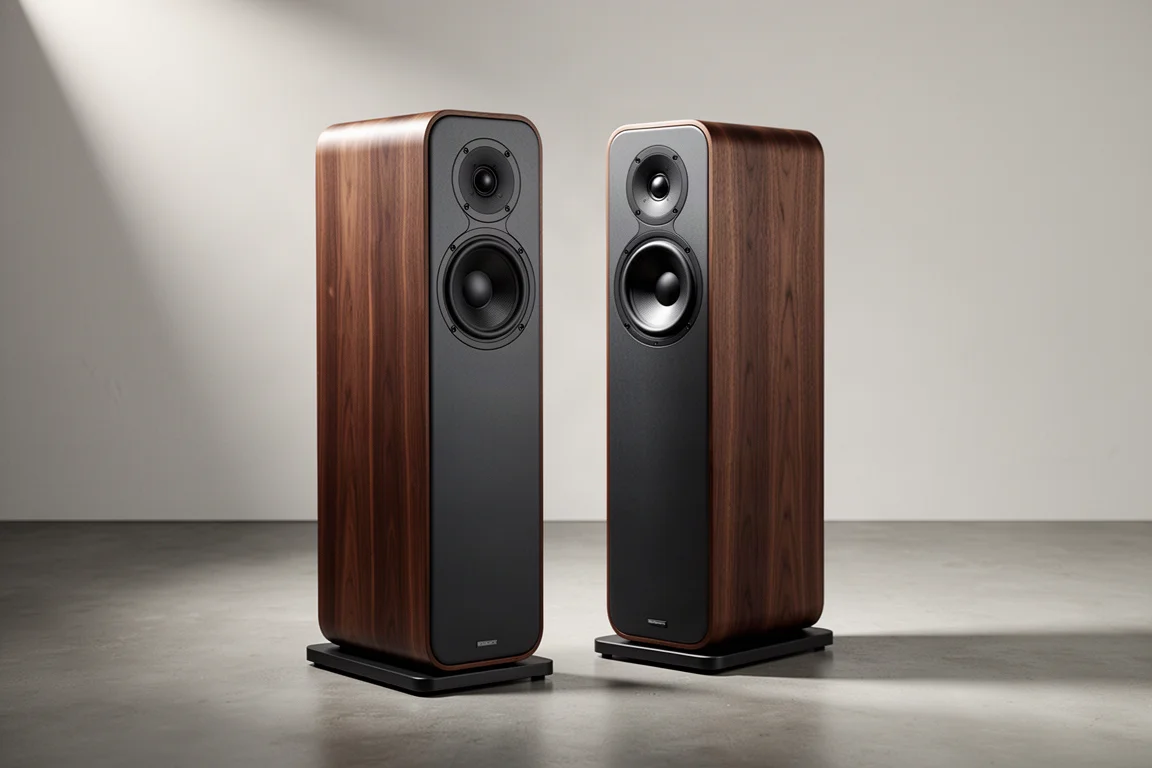
Acoustic Energy AE109 Mark II Review: A Refined Floorstander at £699
The Acoustic Energy AE109 Mark II is a slim, warm sounding floorstander that delivers clarity, midrange body and strong imaging in small to medium rooms.
Floorstanding Speakers
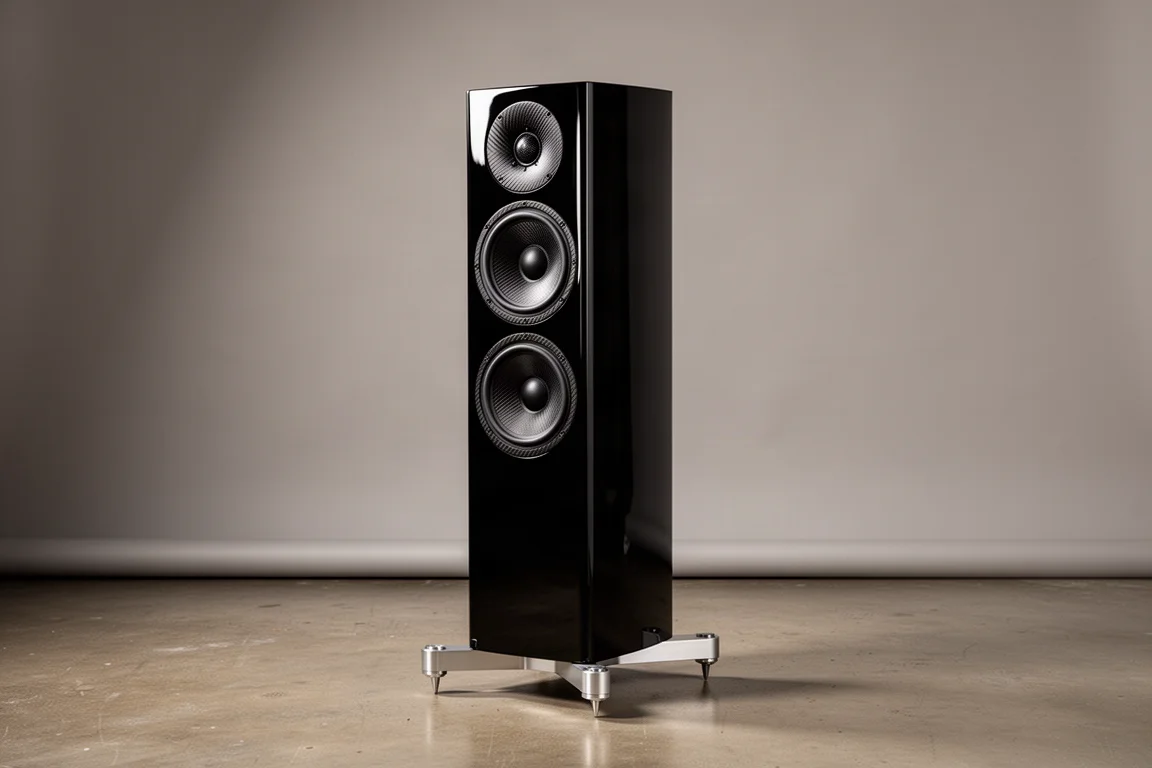
Acoustic Energy AE509 Review: A Slim Floorstander With Deep, Defined Bass
A practical look at the Acoustic Energy AE509, a slim floorstanding speaker with carbon fibre drivers, deep and well-defined bass, and an easy-going character that rewards careful system matching.
Floorstanding Speakers
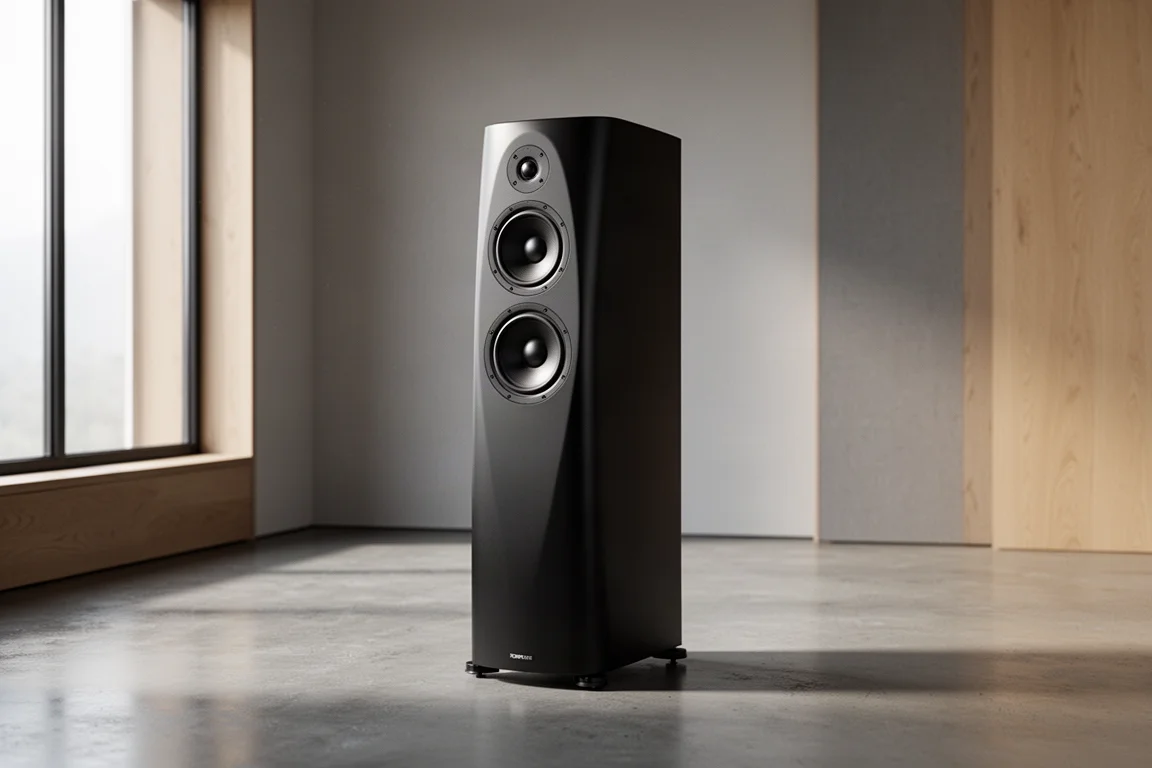
Arendal 1528 Tower 8 Review: Reference Neutrality With Real Demands
A close look at the Arendal 1528 Tower 8, a nearly five-foot, 200-pound floorstander that rewards generous space, serious power, and high listening levels with reference-grade neutrality.