Camping Lanterns
Goal Zero Lighthouse Mini Review: A Tiny Rechargeable Lantern With Weeks of Runtime
A compact rechargeable lantern with nine built-in features, measured output well above its printed spec, and more than 600 hours of runtime at its dimmest setting.
Introduction
A compact rechargeable lantern earns its place in a pack only when it is genuinely small, genuinely bright, and genuinely long-lasting. The Goal Zero Lighthouse Mini makes a strong case on all three counts, and it does so while carrying a longer feature list than the larger lantern in the same family.
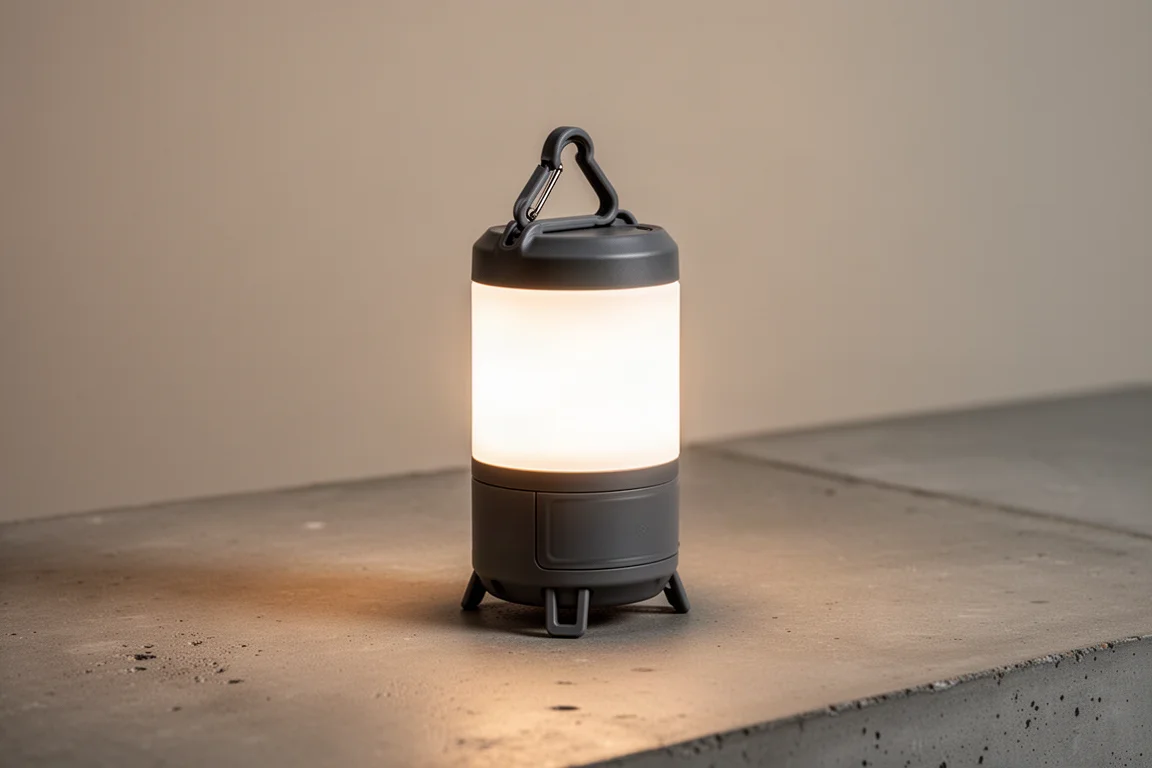
At 8.04 oz (228 g) and roughly 2.9 by 2.9 by 4 inches (7.4 by 7.4 by 10.2 cm), the Lighthouse Mini sits comfortably in one hand. It recharges over USB, doubles as a small power bank for a phone, and offers enough mounting options to cover tents, packs, tripods, and metal surfaces. It is a personal light rather than a basecamp floodlight, and that is exactly the niche it fills well.
Who the Lighthouse Mini Is For
The Mini suits campers who want a tent light that disappears into a pack, travellers who need a nightlight in a hostel or a van, and anyone building an emergency kit around USB charging. Its dimmest setting measured 0 lumens, which makes it genuinely useful beside a sleeping bag, while the brightest setting is enough to light a six person tent for reading, cards, or sorting gear.
It is also a sensible pick for anyone who wants one small device that both lights a space and tops up a phone. The built-in 3200 mAh battery delivered a useful partial charge to a phone during testing, which makes the lantern a reasonable backup power source on short trips.

It is less suited to group camping where a single light has to cover a large area, and it is not the right choice for anyone who expects to use a lantern in sustained rain, since it carries no IP rating.
What Stands Out in Daily Use
Most of what makes the Mini pleasant to live with comes down to two things: a feature set that covers almost every mounting scenario, and light output that exceeded the printed specification.
Feature Set and Physical Design
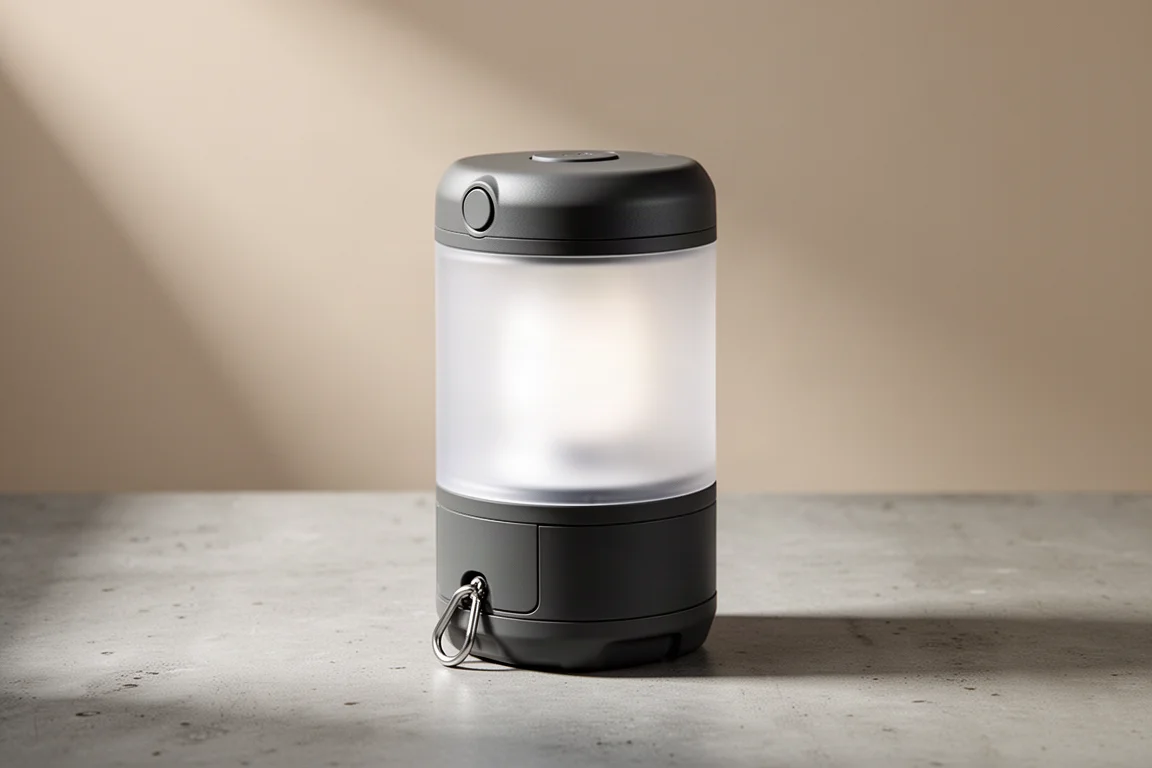
Nine features are visible on the body: a hanger at the top, a carabiner loop, a pre-attached USB charging cable, a light adjustment knob, a battery level indicator, a USB output, collapsible legs, a tripod thread, and a magnetic base.
The top hanger is a three-quarter design that slides easily into the lantern loops found at the top of most tents, and it clicks into place when not in use. Because it is not a closed loop, it is not the most secure option for hanging from a pack, which is where the separate carabiner loop comes in. That loop has just enough room for a standard carabiner and holds far more securely.
Two collapsible legs lift the lantern off the ground for a wider spread of light and help it sit level on uneven terrain. They can also be folded together to hang the lantern upside down. The base includes a quarter inch, 20 threads per inch tripod thread, the standard size found on most tripods and clamps, so the Mini can be raised well above ground level. A single magnet on the base holds the lantern upright, upside down, or on its side, and it grips noticeably better on a car body.
Brightness and Runtime
The specification printed on the base lists a maximum output of 210 lumens. Measured output came in far higher, at roughly 530 lumens at the brightest setting, settling around 500 lumens once the reading was held. Minimum output measured 0 lumens, which is what makes the nightlight setting work.
Reach is the other half of the picture. The light was still detectable out to about 7 ft, or 84 inches (roughly 2.1 m), which is a realistic figure for a lantern of this size.
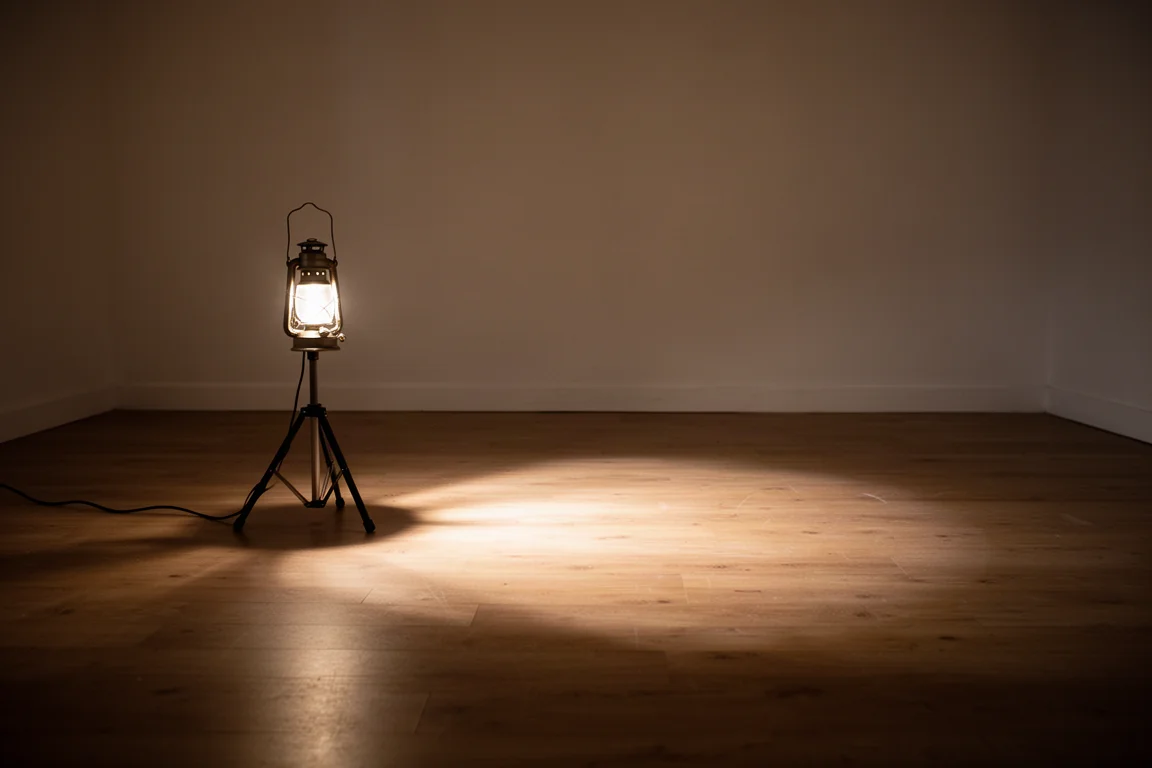
Runtime is where the Mini stands out most. On the dimmest setting with half the lantern lit, the specification promises more than 500 hours. In practice it ran for 616 hours, with the battery indicator dropping to three lights at around 240 hours, two lights at 360 hours, and one light at 500 hours. That is more than 25 days of continuous light, and it only takes nudging the knob to the very edge of its travel to reach that setting.
On the brightest setting with the full lantern lit, the specification promises 4 hours. The lantern ran for about three and a half hours before going flat, still enough to light a small room or a six person tent. Light colour sits at 3500 K, a little on the warmer side, and the frosted globe diffuses it reasonably well, although the two internal LEDs remain faintly visible at full brightness and the light is a touch glaring up close.
Battery Indicator and Device Charging
Four blue lights form the battery indicator. During charging from empty they progressed steadily: two lights at about one and a half hours, three lights around two and a half hours, four lights close to three hours and 45 minutes, and a complete charge at about five hours. The indicator tracked the brightest runtime setting accurately, and was less precise on the dimmest setting.
The USB output is rated at 5 V 1 A, so it is intended for phones and other small devices rather than laptops. Charging a phone from 17 percent, the lantern brought it to 91 percent in about two hours, at which point the lantern was flat and no light modes were available. The indicator fell from two lights to none in roughly 30 minutes during that charge, so it overstates remaining capacity while the USB output is in use.
Things to Consider Before Buying
The Mini gets most things right, but a few design decisions are worth knowing about before you buy.
Controls, Legs, and Mounting
The adjustment knob is a little stiff, and turning the lantern on with one hand takes some effort. Its range of motion is also narrow, running from off to maximum brightness over a short arc, which leaves less room for fine tuning than a wider sweep would allow. The legs are not the most rigid available and can feel flimsy compared with three legged designs, though they still beat having no legs at all as long as the lantern is not knocked around. The magnet is mid strength: reliable on a car body, less so on a rough surface.
Waterproofing and the Attached Cable
The Mini has no IP rating. The pre-attached USB cable is always exposed, and the USB output sits behind an open port rather than a sealed flap. In wet conditions that is a real limitation, and a lantern with an IP rating and covered ports is the safer choice for trips where bad weather is likely.

The cable itself is another long term consideration. It measures exactly 10 inches, loops neatly around the body, and a small magnetic strip holds the USB head in place when stowed. Because it is permanently attached, cable wear becomes a permanent problem: if the cable frays, the lantern can no longer be charged. Stowing the cable before packing the lantern away and avoiding strain on the connector are the practical ways to protect it.
Battery Replacement and Warranty
The previous version of this lantern allowed the internal cell to be swapped out through a latch in the base, which is a useful feature for long term ownership. That latch is gone on the current model, so the battery is no longer user replaceable. The trade-off is a slightly larger cell, up from 3000 mAh to 3200 mAh.
Build quality held up in a drop test from hand height, and the lantern carries a two year warranty. Note that the lantern ships in a demo mode: plugging it into any powered USB port takes it out of that mode, and if it is left in demo mode the light switches itself off after about 10 seconds.
Buying Advice
The Lighthouse Mini is a strong choice if portability and runtime matter more than weather sealing. Its measured output is well above the printed specification, its dimmest setting runs for weeks on a charge, and the mounting options cover tents, tripods, magnets, and packs. For a personal light that lives in a bag and comes out at night, it is hard to fault.

Buy it with realistic expectations about two things. First, keep it out of sustained rain, or pair it with a sealed lantern for wet trips. Second, treat the attached cable gently, since it is the one component that cannot be replaced. For everything else, the Mini delivers more than its size suggests.
Conclusion
The Goal Zero Lighthouse Mini packs nine features, measured output above spec, and more than 600 hours of runtime at its dimmest setting into a lantern that weighs 228 g and fits in a palm. The lack of an IP rating and the loss of the swappable battery are the compromises. For campers, travellers, and emergency kits, those are easy trade-offs to accept.
Product link
View more details for Goal Zero Lighthouse Mini
This product is mentioned in the review. Check the specifications, options, and compatibility before buying.
View more details for Goal Zero Lighthouse MiniFurther reading
Related Reviews
Camping Lanterns
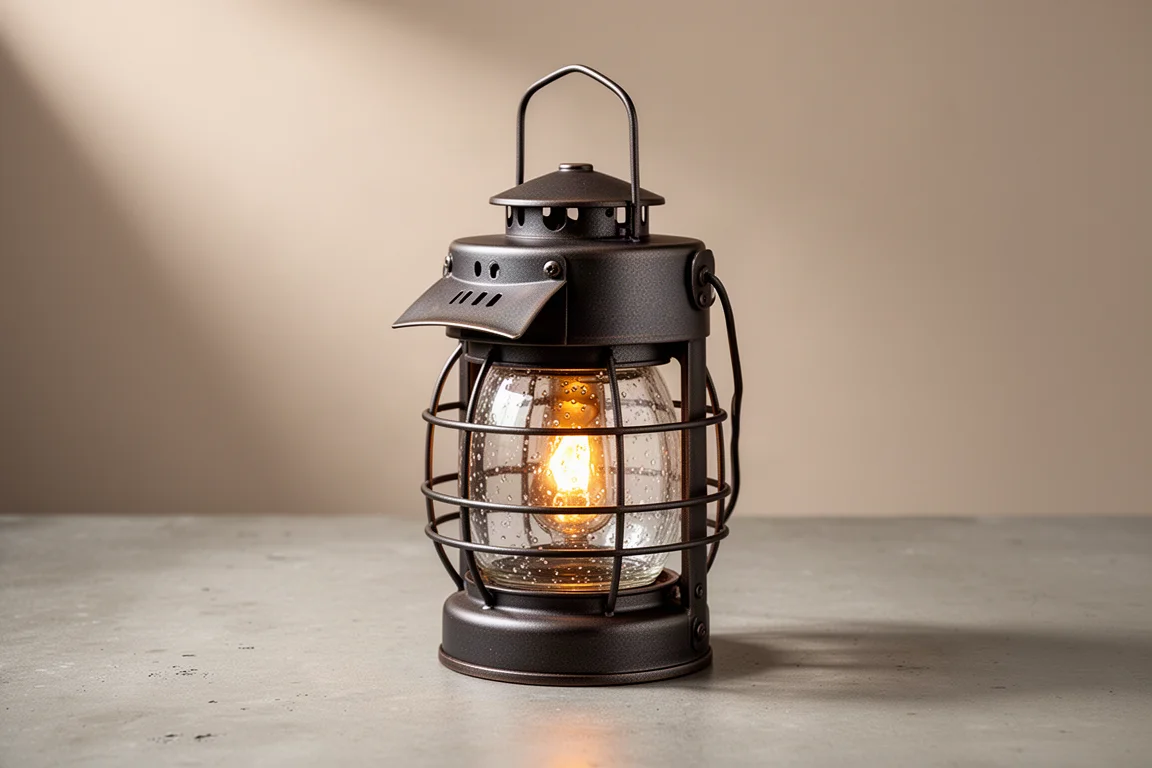
Barebones Railroad Lantern Review: A Vintage-Style Lantern That Beats Its Own Specs
A detailed look at the Barebones Railroad Lantern, covering measured brightness and runtime, charging behavior, weather resistance, and what to know before buying.
Camping Lanterns
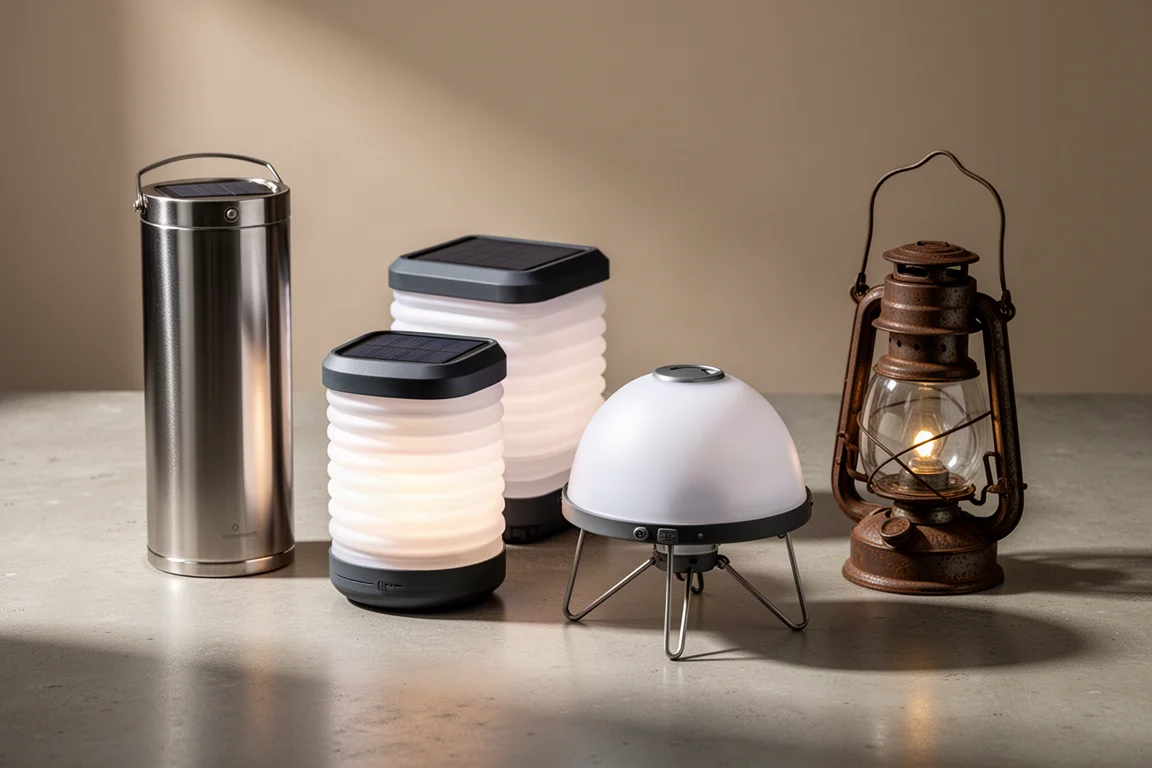
Best Rechargeable LED Camping Lanterns 2026: 12 Lanterns Compared
Twelve rechargeable LED camping lanterns measured for brightness, run time, features, ease of use, durability, and portability, with clear picks for every kind of camper.
Camping Lanterns
BioLite AlpenGlow 500 Review: A Versatile Rechargeable Camping Lantern
A rechargeable camping lantern with thirteen lighting modes, a 6,400 mAh power bank, and long measured runtimes, plus the warranty and safety trade-offs worth weighing first.