Camping Lanterns
Goal Zero Lighthouse 600 Review: Big Brightness, One Notable Trade-Off
A practical look at the Goal Zero Lighthouse 600 camping lantern, covering measured brightness, real runtimes, phone charging, build quality, and the feature that did not deliver.
Introduction
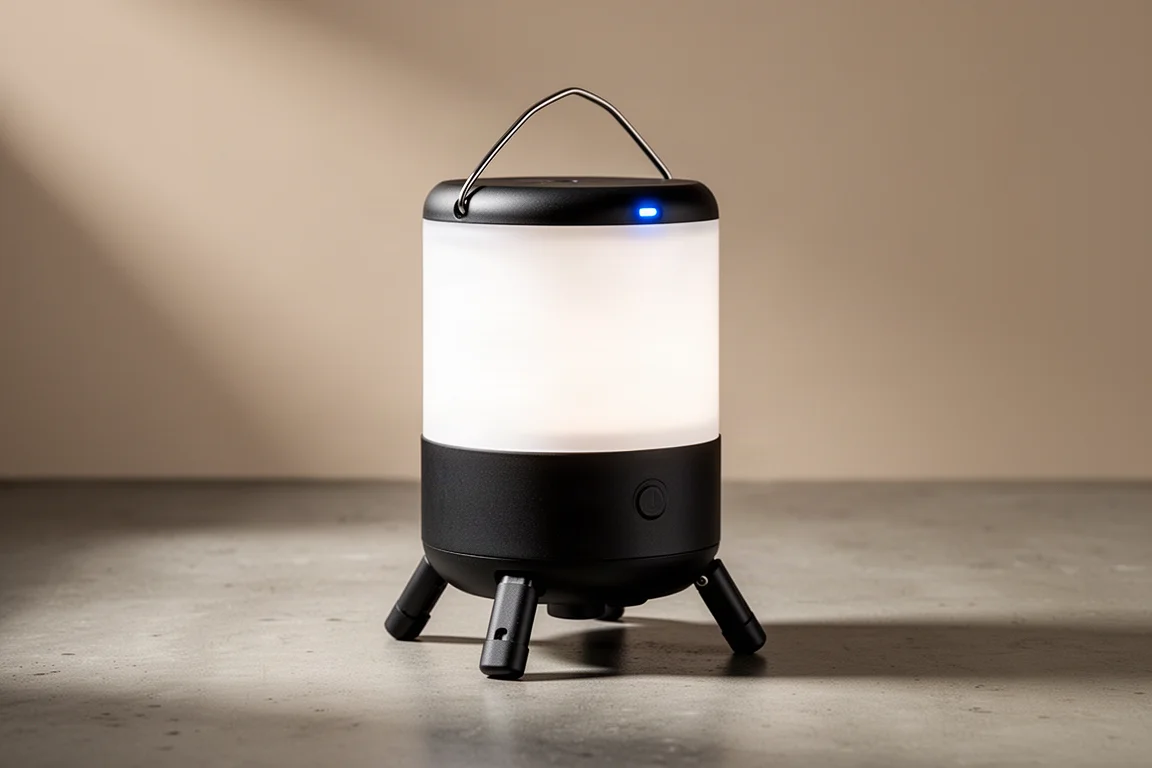
The Goal Zero Lighthouse 600 is a rechargeable camping lantern that pairs a 600 lumen rating with a dynamo hand crank, red emergency lighting, a light adjustment knob, collapsible legs, and a USB output for topping up a phone. At full price it sold for around $70.
Its feature list is longer than most lanterns in its class, and much of it holds up in practice. The headline brightness figure does not. On its highest setting the lantern measured 985 lumens, well above the number printed on the base, which changes how much of a tent it can fill.
Runtime, charging behavior, and the hand crank matter just as much as peak brightness when you are deciding whether a lantern earns a permanent place in your kit. The sections below cover measured brightness, real runtimes, power sharing, build quality, and the one feature that did not work as advertised.
Who This Lantern Is For
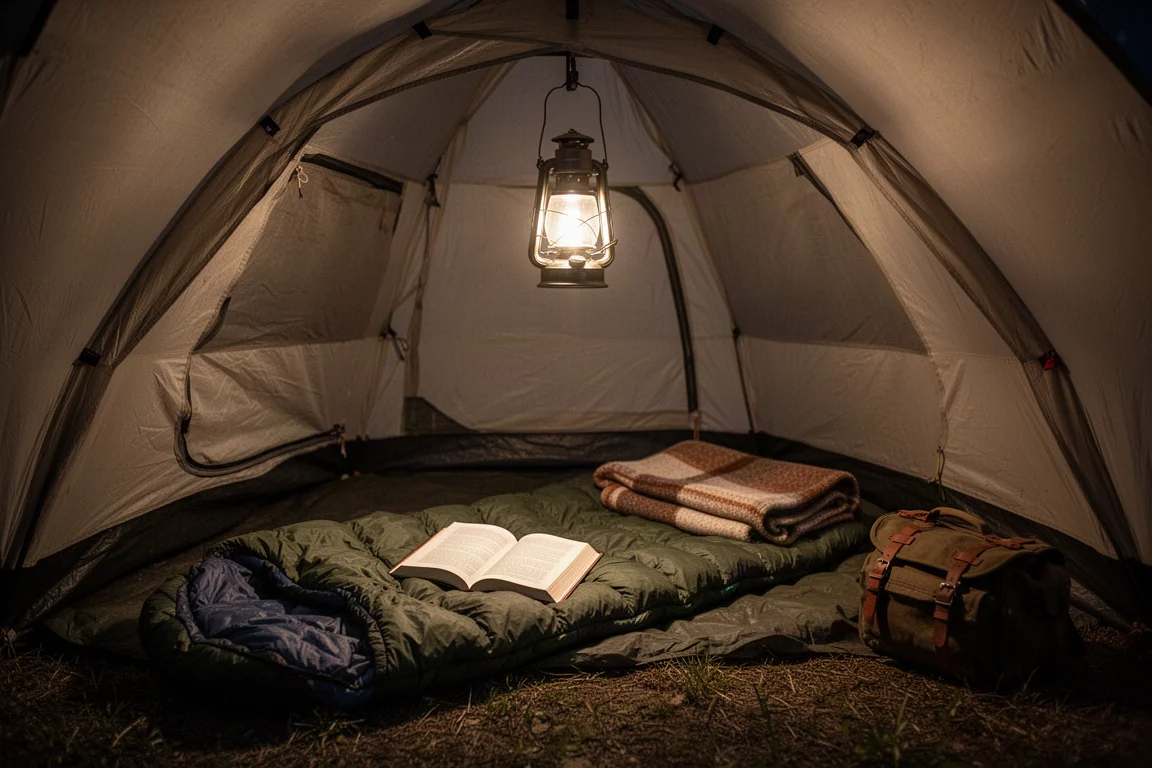
This is a lantern for campers who want a lot of light and a lot of control over it. Hung from the top of a six person dome tent on its highest setting, it lit the entire interior brightly enough to read by. Dropped to a low setting, it becomes a dim night light for sitting around after dark. Output also spills outside the tent, and the lantern can comfortably cover an eight to ten person tent.
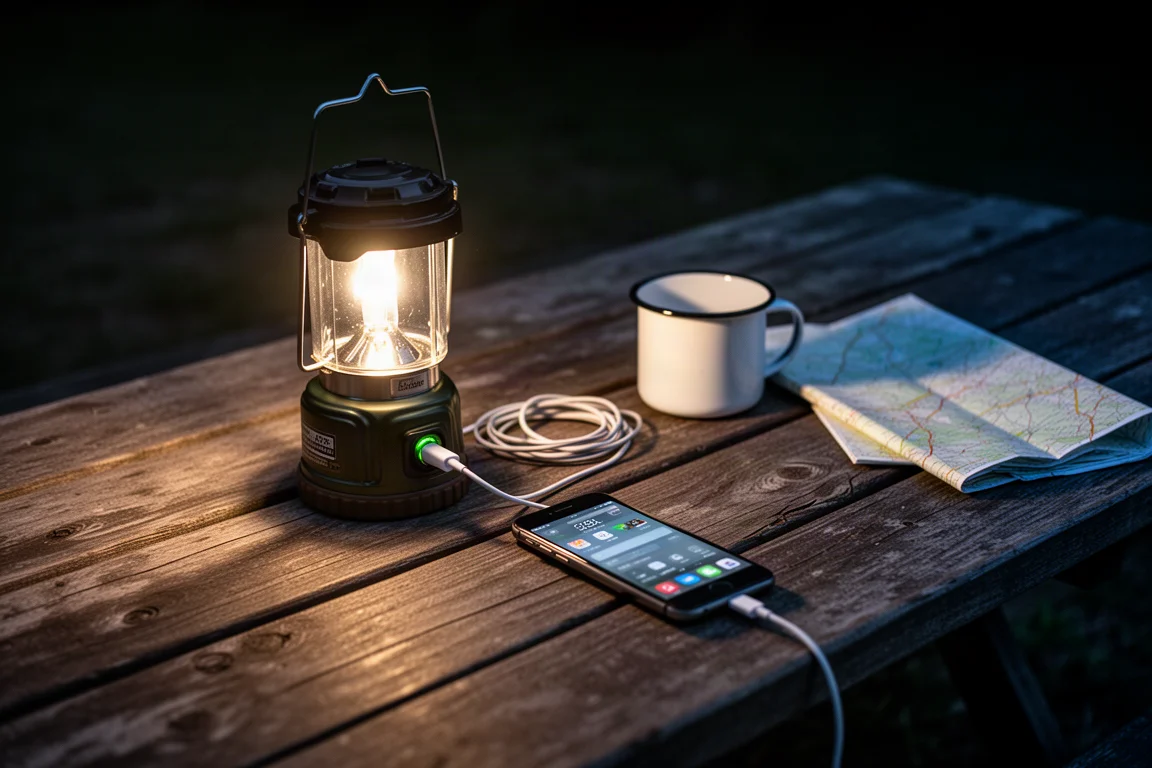
It is also a sensible pick for anyone who wants a lantern that doubles as a small power bank. The USB output is rated at 5 volts and 1.5 amps with a 5200 mAh capacity, which is enough to charge a phone more than once.
It is not the right choice for someone who wants the smallest and lightest lantern available. It is noticeably larger and heavier than the smaller lanterns in the same family, and it is not built for rain exposure.
Main Strengths: Brightness and Light Control
The brightness range is the standout. Measured output ran from roughly 2 lumens at the lowest setting up to 985 lumens at the top, covering everything from a faint night light to full campsite illumination from a single unit.
The control knob is what makes that range usable. Turned to the left it lights only the front half of the lantern. Turned to the right it lights the full globe. The knob rotates close to 180 degrees in either direction, so dialing in a specific brightness is straightforward, and pushing it back to the middle switches the lantern off. Because the knob protrudes from the body, it is easy to find by feel in the dark.
Half-lantern mode is more than a novelty. It roughly doubles runtime at the same brightness, which makes it a practical way to stretch battery when full output is not needed.
Light color sits at 3200 kelvin, a warm tone that suits tent interiors rather than a harsh white beam.
The lantern also throws light further than its size suggests. Walking away from it on the highest setting, the reading dropped to zero at around 13.3 feet, or slightly over 4 meters.
Main Strengths: Runtime and Power Sharing
Runtime is strong across the range. At the brightest setting the full lantern ran for just under 3 hours. Switch to half the lantern at the same brightness and that figure roughly doubles to about 5.5 hours. At the dimmest setting the half lantern is rated for 320 hours and ran for about 355 hours in practice, roughly 10 percent longer than advertised, while the full lantern at its dimmest setting ran for under 200 hours.
Charging from empty follows a predictable pattern. One indicator light blinks at the start, a second joins at 1 hour 45 minutes, a third at 3.5 hours, and a fourth at 5 hours 15 minutes. All lights stop blinking at 6.5 hours, which signals a full charge. Goal Zero lists a 7 hour charge time.
The four blue battery indicator lights are accurate during charging and on the brightest setting. On long low-power runs they drift. After roughly half the battery was drained the indicator still showed three of four lights, and the final light represented less than 10 percent remaining rather than the quarter charge it implies.
Power sharing works, with realistic expectations. The 5200 mAh battery took a phone from 13 percent to 95 percent in 2 hours 15 minutes. A second top-up starting at 9 percent ended when the lantern shut off after an hour with the phone at 52 percent. In total that works out to roughly 1.5 phone charges, and the output is stronger than the smaller lanterns in the same line, which are limited to 1 amp.
Build, Portability, and Durability
The wire handle at the top is removable and can be refitted, though the first removal is stiff and repeated removal scratches the housing slightly. Leaving it in place and clipping a carabiner through it avoids that entirely. The handle opening is small, with just enough room for fingers.
The collapsible legs are one of the better design choices here. They splay outward to give the lantern a wider, more stable base than the smaller models, and they work on uneven ground. They can also be hooked around a tree branch, with the rubberized sections gripping the bark, though the hang is not especially secure and a little pressure will send the lantern to the ground.
The globe looks like glass but is hard plastic. It survived drops without breaking, and the lantern kept working, with only scuffs on the base plastic. Weather protection is the weak point. There is no IPX rating and no waterproofing, because the cable and USB port sit exposed. Water that gets inside cannot drain out. Coverage runs for two years.
Size and weight are worth checking against your setup. Packed dimensions are about 4.75 by 4.25 by 6.25 inches, or 12.1 by 10.8 by 15.9 cm, and the lantern weighs about 19.75 ounces, or 560 grams. The pre-attached charging cable loops around the body and measures slightly under 9 inches, shorter than the roughly 10 inches on the smaller model and 13 inches on the larger sibling. It is fixed in place and cannot be swapped out if it fails.

Things to Consider Before Buying
The hand crank is the most distinctive feature on the spec sheet and the weakest in real use. The claim is that one minute of cranking at around 120 revolutions per minute delivers ten minutes of light on low power. In practice, several minutes of steady cranking produced no light at all. Even when the system works as designed, holding that cadence for a full minute is physically demanding, and a couple of minutes is enough to feel tiring. If crank-powered light is the reason you are interested, this is the detail to weigh most heavily.
Glare is the second trade-off. The inner globe is barely frosted, and the internal partition, wiring, and two LEDs are all visible through it. Up close and on brighter settings the light reads as harsh rather than diffused.
The red emergency lights are a nice safety extra rather than a signaling tool. Six red LEDs, three on each side, activate with the red triangle button and blink continuously. Visibility falls off quickly with distance, and at around 30 feet away the blinking red light is barely visible. A bright white light does far more to attract attention from afar.
Two more practical points. The lantern is not waterproof, so it needs shelter in wet weather. And setup is worth verifying early, because the unit ships in demo mode with a sticker and instructions on top. Turning the hand crank several times is what takes it out of demo mode, so a first charge and a functioning crank are the two things to confirm right away.
Buying Advice
At around $70 full price, the Lighthouse 600 sits above many rechargeable camping lanterns. What that buys is a wide brightness range from about 2 lumens to a measured 985 lumens, a control knob that makes the range genuinely usable, long runtimes at low settings, enough output to fill an eight to ten person tent, stable collapsible legs, and a USB port that can charge a phone about 1.5 times.
That combination makes it an easy recommendation for car campers and tent campers who want one lantern to handle both reading light and campsite light, and who will value the phone charging on longer trips. Look elsewhere if you need something compact and light for backpacking, if rain exposure is likely, or if you specifically want a lantern you can power by hand. On that last point, treat the dynamo crank as a bonus rather than a reason to buy.
Conclusion
The Goal Zero Lighthouse 600 delivers more than its rating suggests in almost every area that matters for camping: brightness, brightness control, runtime, tent coverage, and power sharing. Its measured 985 lumen peak and roughly 2 lumen floor give it a flexibility that few lanterns in this price bracket match, and the half-lantern mode is a genuinely useful way to extend runtime.
The caveats are specific rather than disqualifying. The hand crank did not produce usable light, the globe is under-frosted and glares up close, the battery indicator is optimistic on long low-power runs, and the lantern is neither waterproof nor especially small. Buyers who want maximum light output and control from a lantern that can also charge a phone will find plenty to like here. Buyers who want hand-cranked light or all-weather durability should keep looking.
Product link
View more details for Goal Zero Lighthouse 600
This product is mentioned in the review. Check the specifications, options, and compatibility before buying.
View more details for Goal Zero Lighthouse 600Further reading
Related Reviews
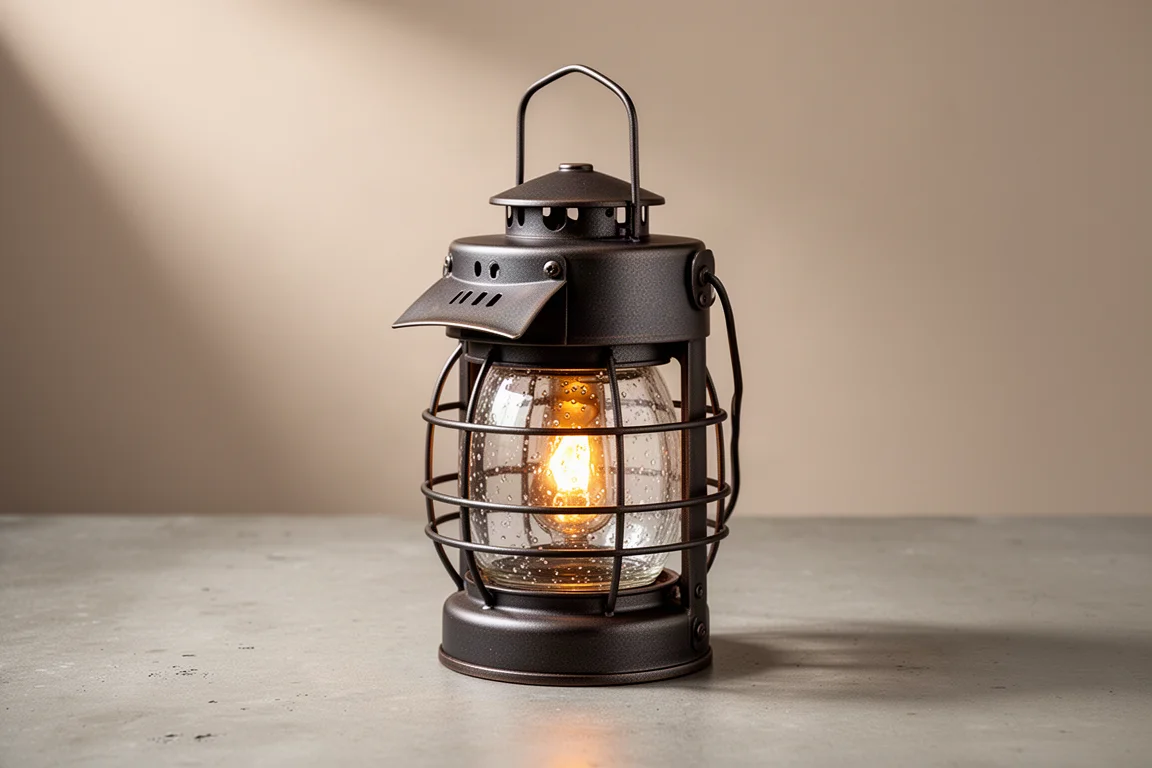
Camping Lanterns
Barebones Railroad Lantern Review: A Vintage-Style Lantern That Beats Its Own Specs
A detailed look at the Barebones Railroad Lantern, covering measured brightness and runtime, charging behavior, weather resistance, and what to know before buying.
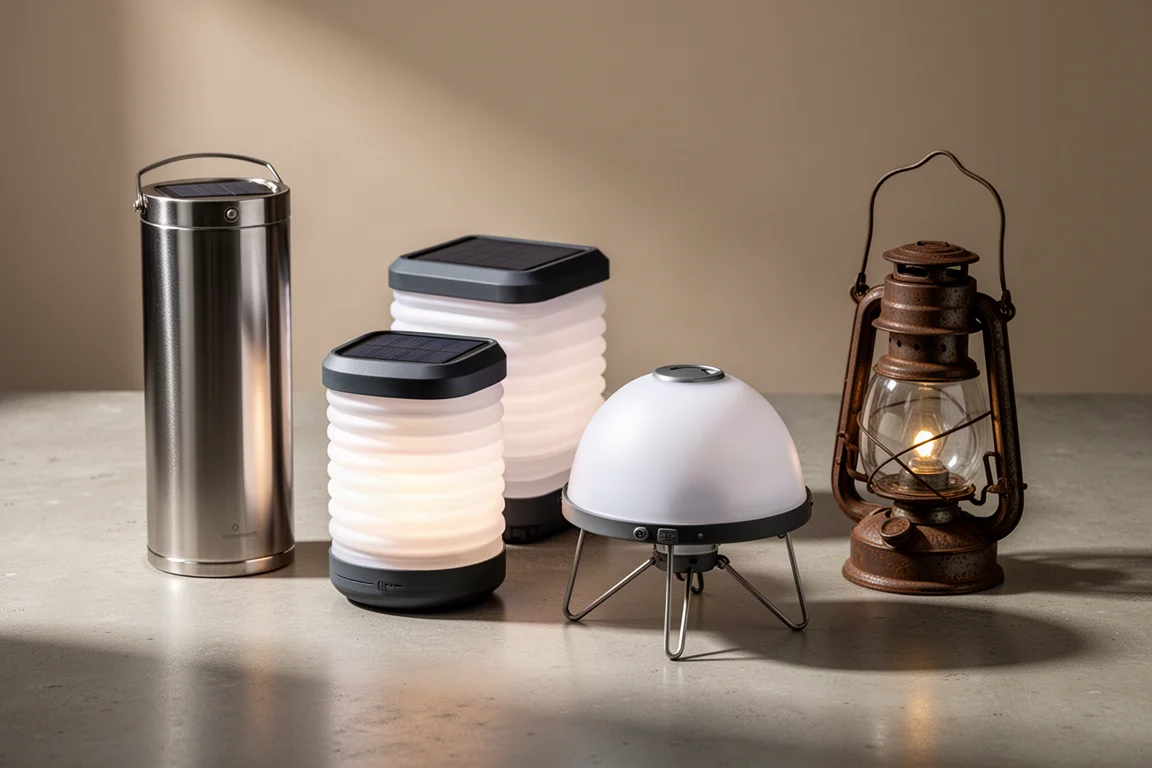
Camping Lanterns
Best Rechargeable LED Camping Lanterns 2026: 12 Lanterns Compared
Twelve rechargeable LED camping lanterns measured for brightness, run time, features, ease of use, durability, and portability, with clear picks for every kind of camper.
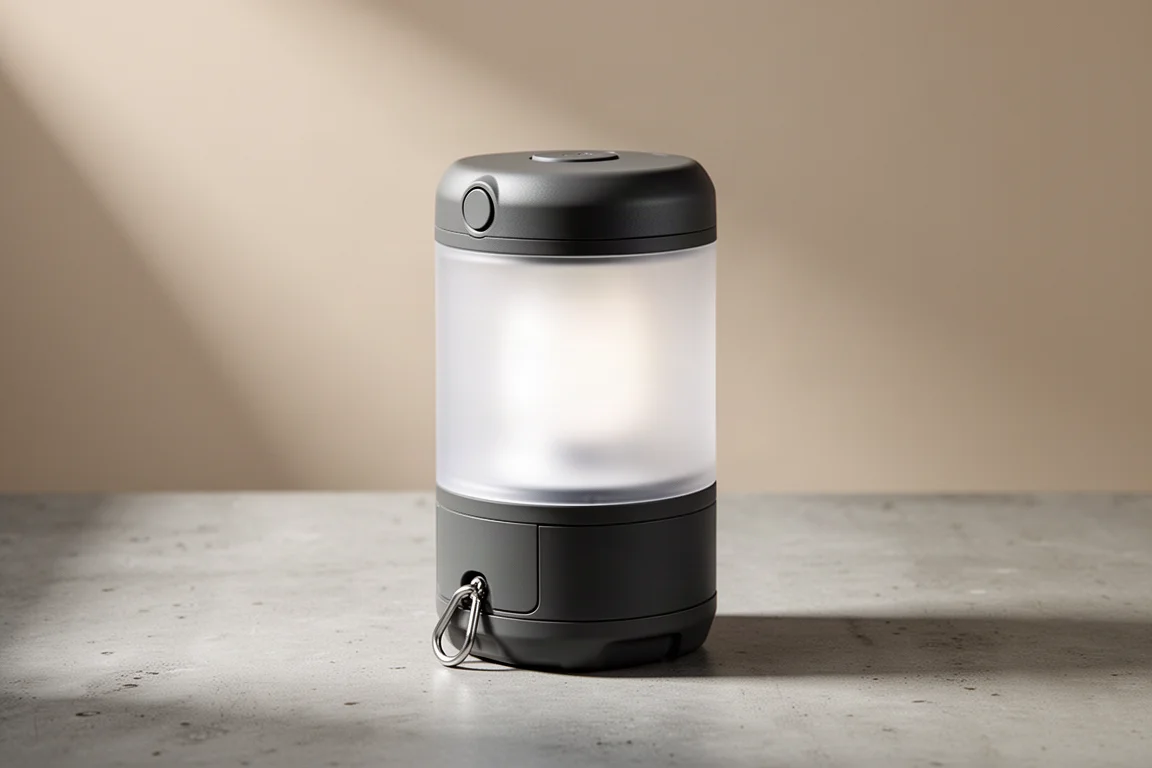
Camping Lanterns
BioLite AlpenGlow 500 Review: A Versatile Rechargeable Camping Lantern
A rechargeable camping lantern with thirteen lighting modes, a 6,400 mAh power bank, and long measured runtimes, plus the warranty and safety trade-offs worth weighing first.