Audio Gear
Gifts for Musicians and Audio Engineers: 10 Practical Ideas
A practical gift guide for musicians, producers, and audio engineers, covering hearing protection, microphones, headphones, direct boxes, and everyday studio staples.
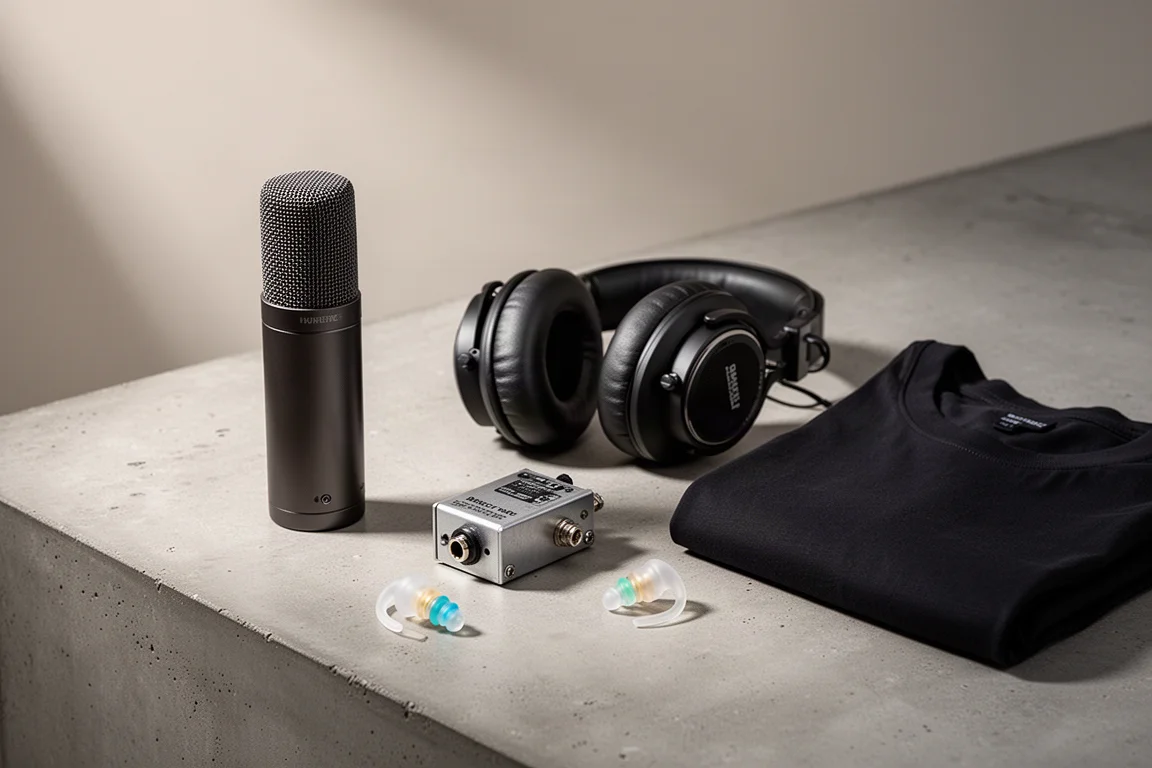
Introduction
Buying a gift for a musician or an audio engineer can feel like a guessing game, especially if you are not an audio person yourself. The good news is that this group is unusually easy to shop for, because the tools they rely on every day are well known, widely available, and genuinely welcome in multiples. Nobody in a studio complains about receiving a second microphone or a spare cable.
The ideas below cover several price points, from small stocking stuffers to serious upgrades. Each one solves a real problem: protecting hearing, capturing sound, recording an instrument cleanly, or simply keeping a workspace organized.
What to Look For in a Gift for a Musician or Audio Engineer
The best gifts in this category share a few traits. They get used constantly rather than sitting on a shelf, they hold up to heavy handling, and they do not force the recipient to learn an entirely new workflow. Consumables and spares are especially welcome, because working audio people go through cables, adapters, and markers faster than anyone expects.
It also helps to match the gift to what your friend actually does. Someone who runs live sound has different daily needs from a producer who works entirely in a home studio, and a guitarist has different priorities from a singer. When you are unsure, a gift card to a music retailer is a perfectly good answer. It arrives instantly without shipping delays, and it lets your friend choose exactly what they need.
Durability matters more than feature lists here. A well-built item that survives years of gigs and sessions will be valued far more than a novelty gadget, no matter how clever that gadget looks on paper.
Hearing Protection: Etymotic Research ER20s
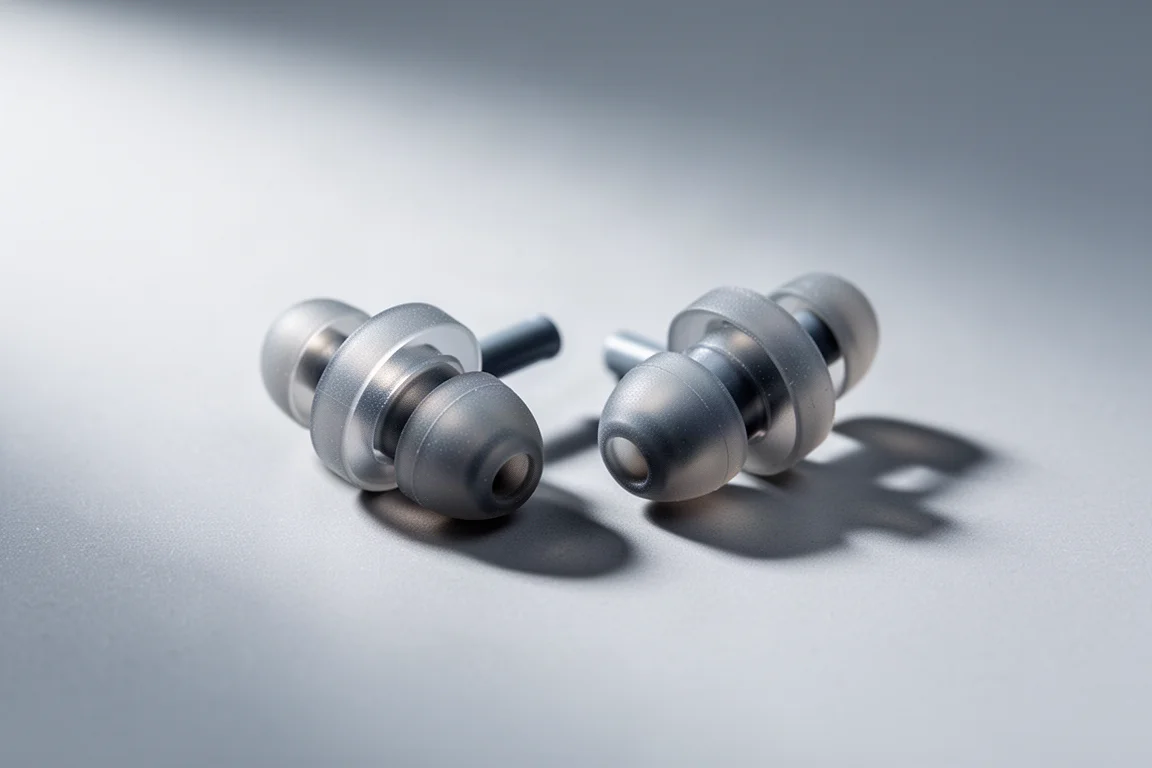
Hearing is the single most valuable asset a musician or audio engineer has, and it is also the one most often taken for granted. Hearing loss tends to creep in gradually, which is why protection so often gets postponed until it is too late. A pair of earplugs is therefore one of the most thoughtful gifts you can give, even if it does not look glamorous in a box.
Standard foam earplugs are the usual first attempt, and they are the reason many audio people give up on protection altogether. Foam plugs reduce volume, but they do so unevenly, making everything sound dull and muffled. Musician’s earplugs are designed to lower the level while keeping the balance of the sound intact, so your friend can still hear what is happening on stage or in the room.
The Etymotic Research ER20s are a straightforward, well-established option in this category. They are small, easy to keep in a gig bag, and easy to explain as a gift: you are helping protect the ears they depend on for a living.
Shure SM57: The Versatile Dynamic Microphone
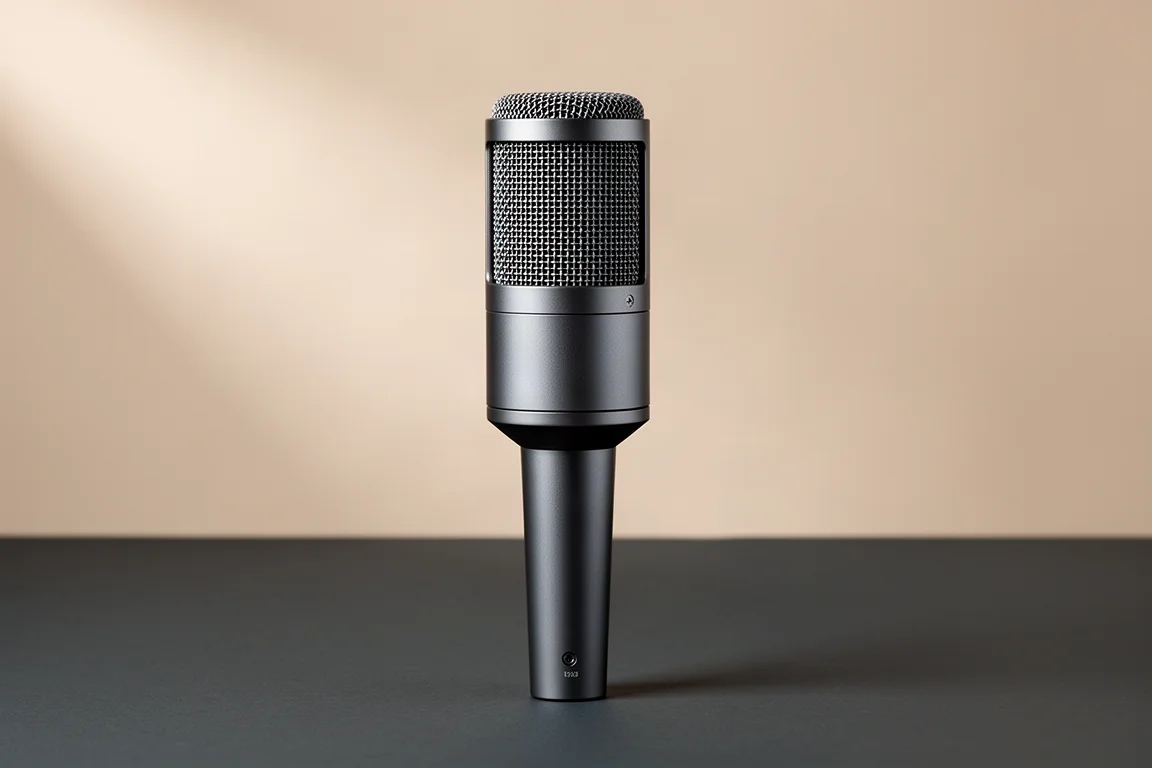
Microphones span an enormous range, from roughly $50 at the entry level to $10,000 and beyond for specialist studio models. That spread makes them intimidating to shop for, but there is a comfortable middle ground where a single microphone earns its place in almost any collection.
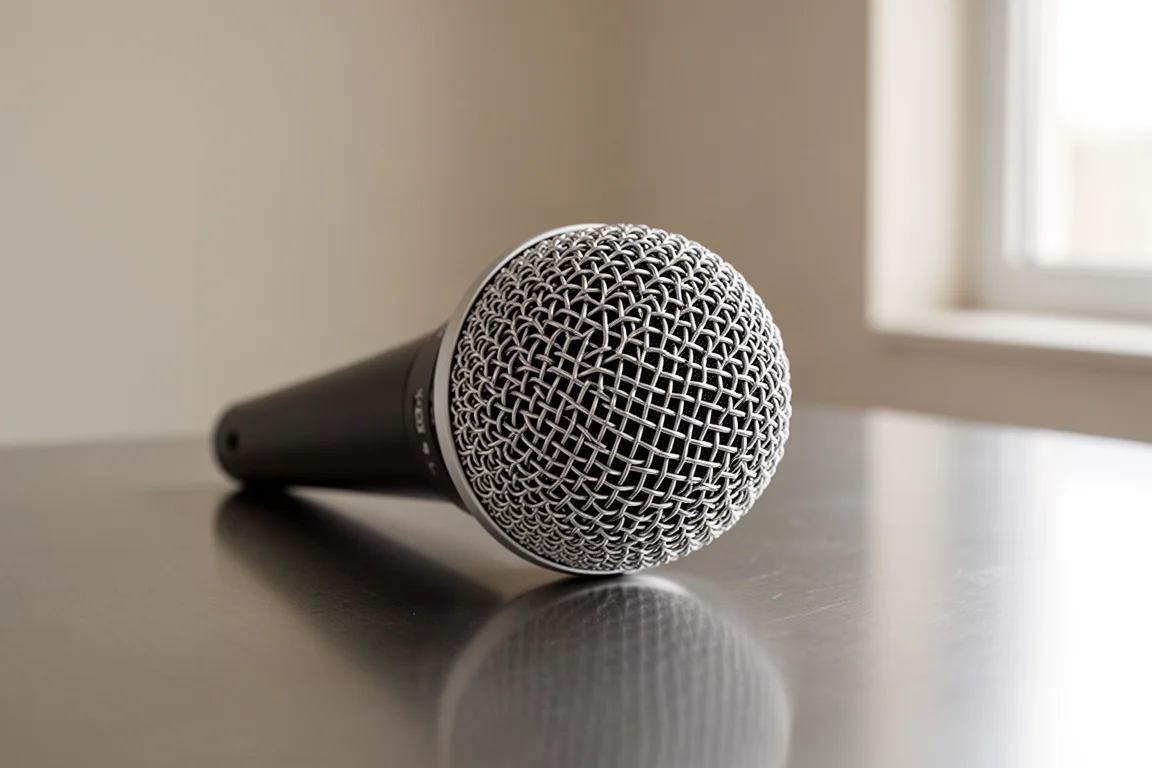
The Shure SM57 sits at around $100, and its reputation rests on versatility. It handles instruments, amplifiers, drums, and plenty of other sources without fuss, which is why it turns up on live stages and in studios around the world. It is also the rare gift that works even if your friend already owns one, because a second unit is genuinely useful rather than redundant.
Shure SM58: A Vocal Microphone Built for the Stage
For singers and vocalists specifically, the Shure SM58 is the natural companion to the SM57. The two microphones are closely related, share the same rugged character, and are both relatively affordable despite being standard equipment in professional settings.
Like the SM57, the SM58 is a safe choice because it is so widely used. Musicians and audio engineers can never have too many microphones, so a spare vocal mic is welcome in a rehearsal room, a home studio, or a live rig.
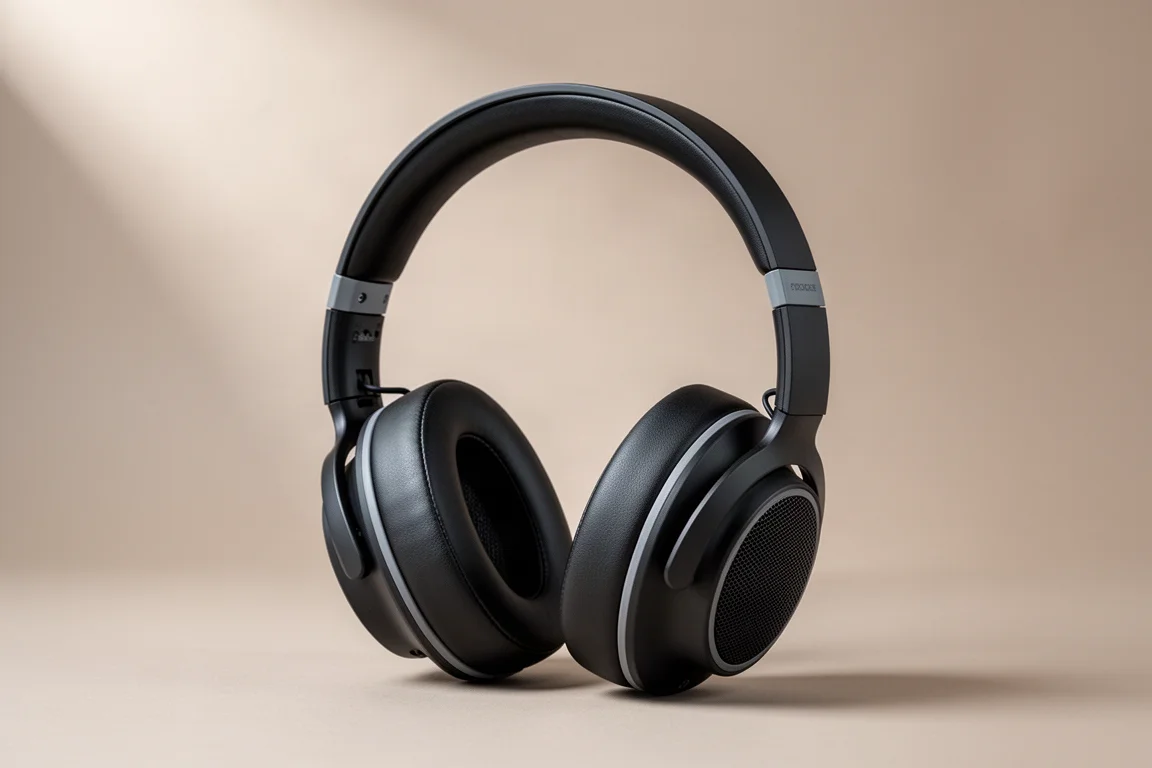
Direct Sound EX29s: Isolation Headphones for Recording
Isolation headphones are a different tool from everyday listening headphones, and they solve a specific problem in the studio. The Direct Sound EX29s are built to keep outside noise out and monitored sound in, which makes them well suited to tracking instruments while a microphone is live in the room.
That combination is why isolation headphones are such a useful addition to a studio. They let a performer hear a click track or a backing mix without that sound bleeding into the recording. Even a friend who already owns a favorite pair of headphones for daily use will find a place for these.
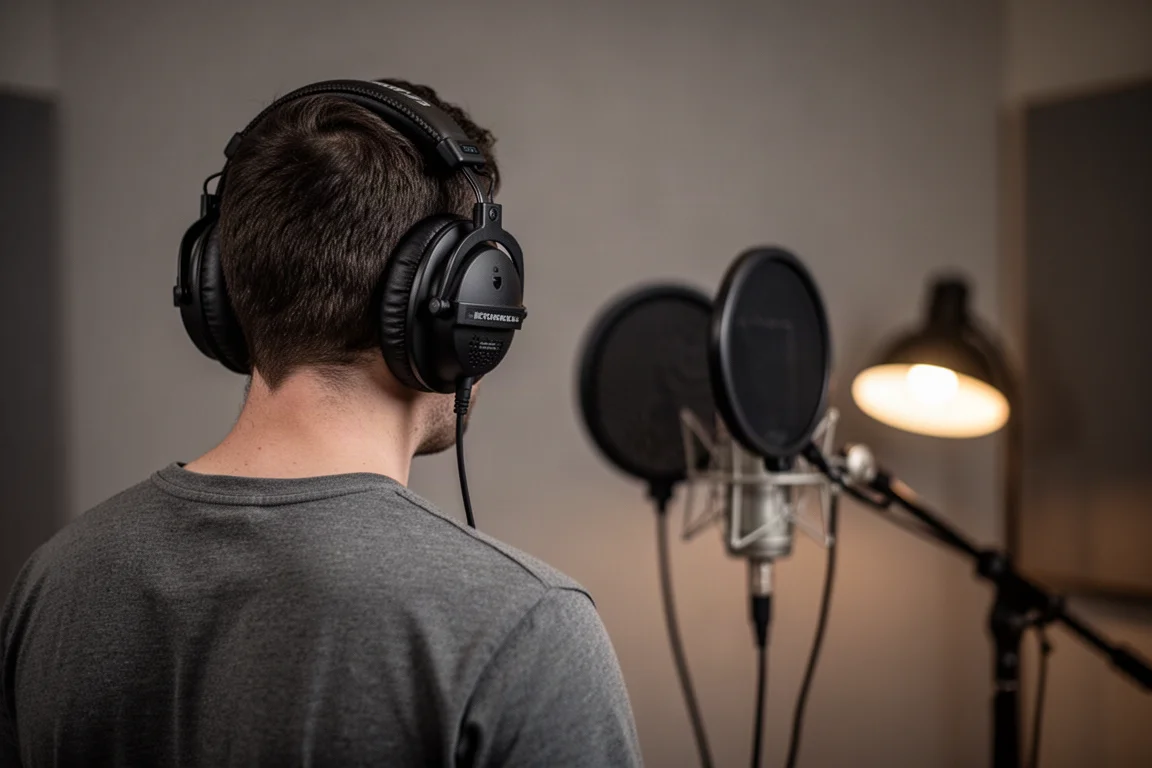
For anyone building a recording setup piece by piece, isolation headphones are the kind of purchase that quietly improves every session rather than standing out on a specification sheet.
Audio Technica ATH-M50X: Studio Headphones Around $150
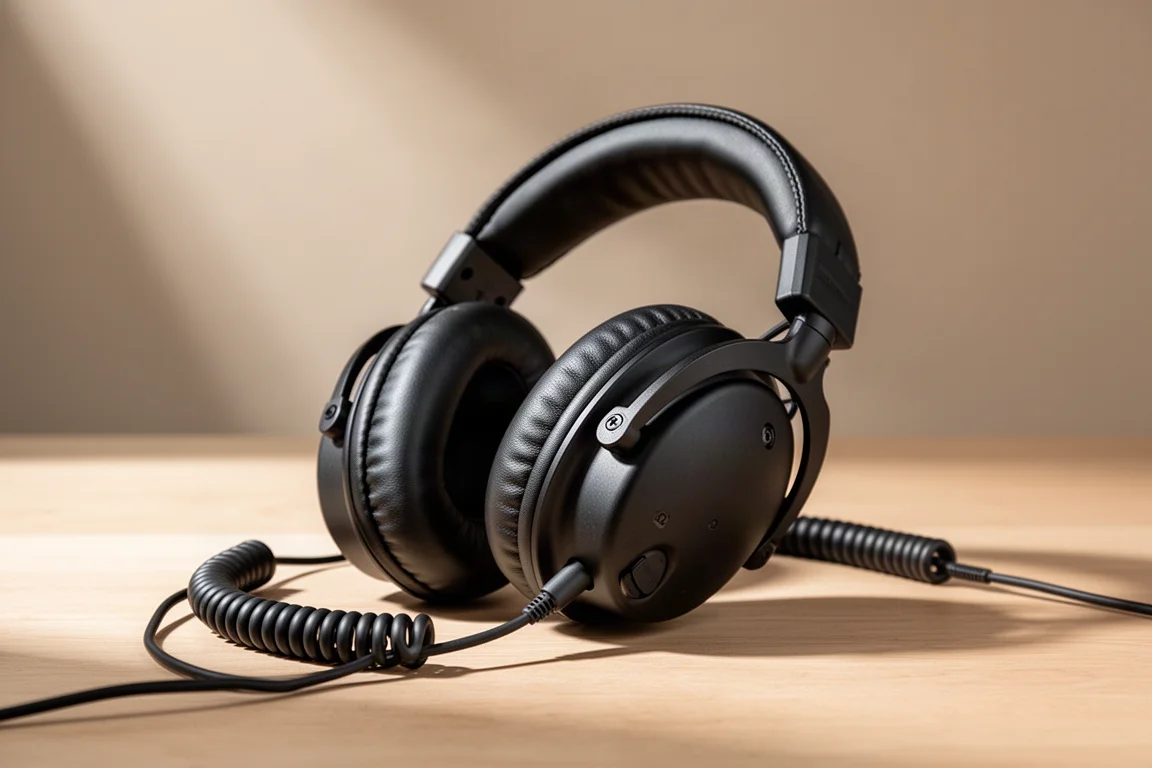
If your friend does not yet own a proper pair of studio headphones, the Audio Technica ATH-M50X is one of the strongest options in the roughly $150 range. Studio headphones are a foundational tool for tracking, editing, and checking a mix, so this is a gift that gets used on essentially every project.
It is also an easy recommendation for someone outside the audio world to make, because the use case is simple to explain: better monitoring, in a form factor that works with interfaces, laptops, and phones alike.
Sennheiser HD490 Pro: A Step-Up Headphone Gift
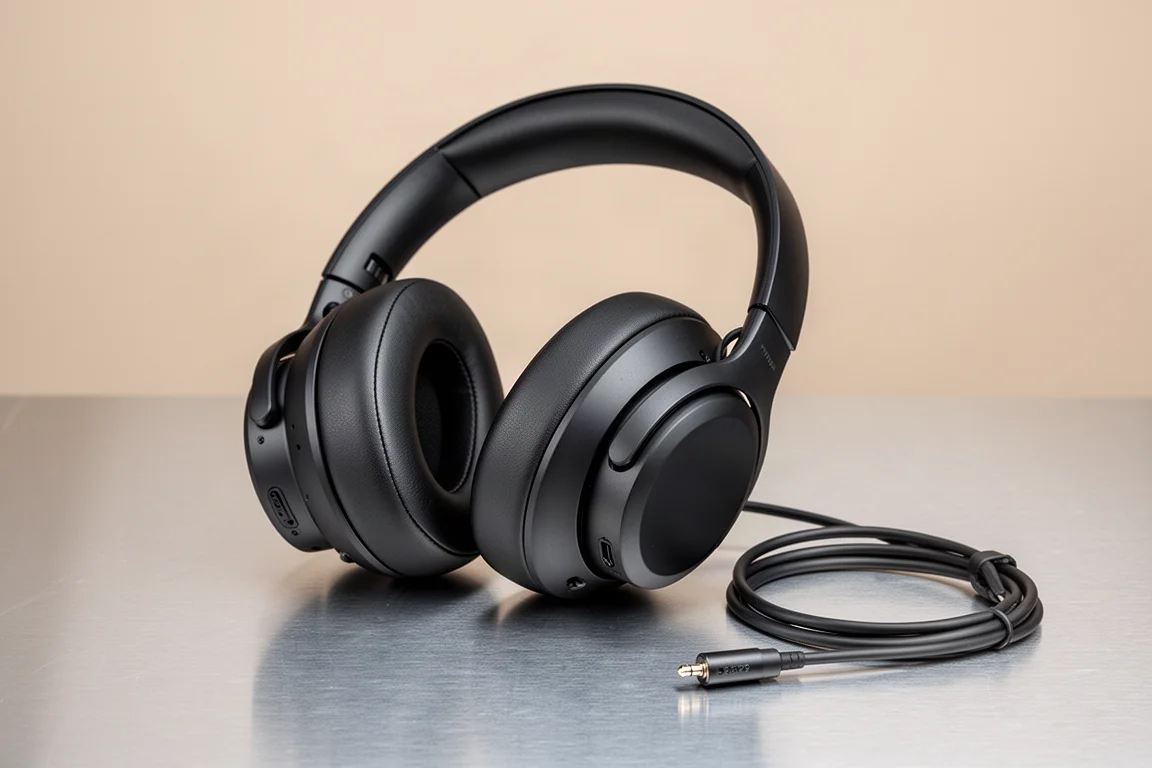
When you want to make a real impression, a step-up pair of headphones is the way to do it. The Sennheiser HD490 Pro sits above the entry-level studio options and makes sense for a friend who already has the basics covered and would appreciate a more serious listening and monitoring tool.
This is the category of gift to consider when the budget allows something more ambitious than a spare cable or a set of earplugs, and when you know headphones are central to how your friend works.
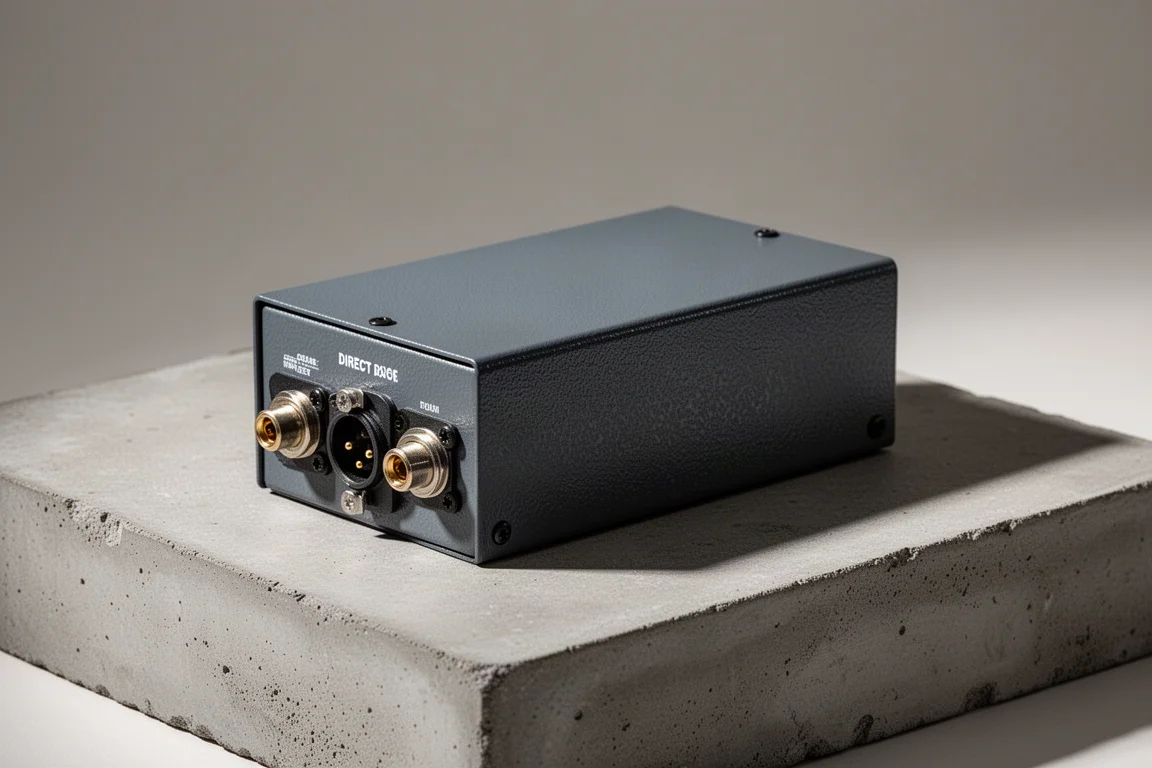
Radial Pro DI: A Rugged Direct Box
A DI box is one of those tools that is hard to appreciate until you need one. It lets you record an instrument directly, without an amplifier, which makes it valuable for anyone running sound at live events or playing keyboard, guitar, or bass.
The Radial Pro DI is a rugged, reliable option in this category. It is the sort of item that lives in a gig bag permanently and gets pulled out whenever a clean direct signal is required.
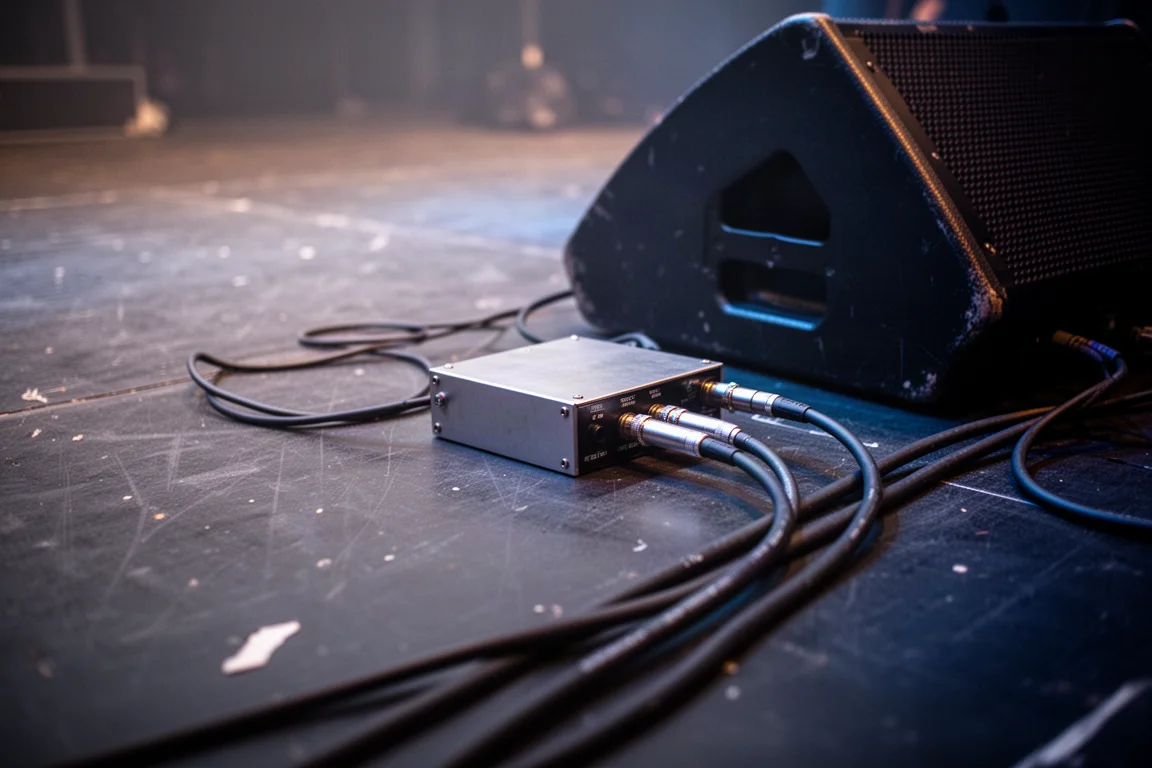
Whirlwind M2: Another Reliable Direct Box
The Whirlwind M2 covers the same ground as the Radial Pro DI and is another dependable choice for the same set of users. Two well-built direct boxes in a studio is not a luxury, it is convenience, since sessions rarely need only one at a time.
If your friend plays multiple instruments or works with visiting musicians, a second direct box is a practical gift that will be used rather than stored.
Direct boxes are also a good fit for guitarists and bass players who record at home, where capturing a clean signal is often the first step in a larger production.
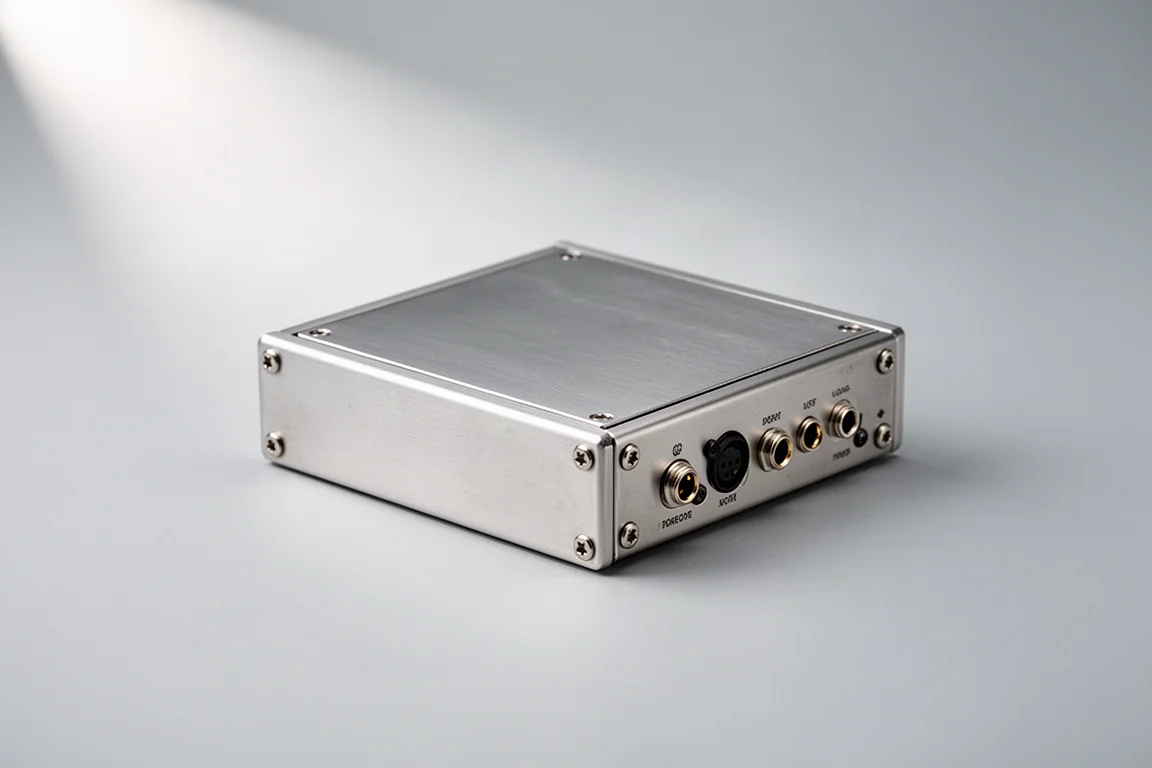
Rupert Neve RNDI: A Direct Box for Guitarists
For a guitarist on your list, the Rupert Neve RNDI is a more specialized take on the direct box idea. It serves the same core purpose, sending an instrument signal straight into a recording chain without an amplifier, while offering something a little more distinctive for players who care about their tone.
This is a gift for someone who already has the essentials and would appreciate a piece of gear aimed specifically at guitarists.
True Classic Tees: The Unofficial Uniform of Audio Work
There is an unofficial uniform in the audio world, and it is a plain black t-shirt. It works for sessions, gigs, and load-ins, and it never looks out of place behind a mixing desk.
True Classic Tees are a practical version of that staple. They keep a good shape even after being washed and dried in a machine, which matters for a garment that will be worn constantly. As a gift, a set of well-fitting black tees is the rare item that gets used every single week.
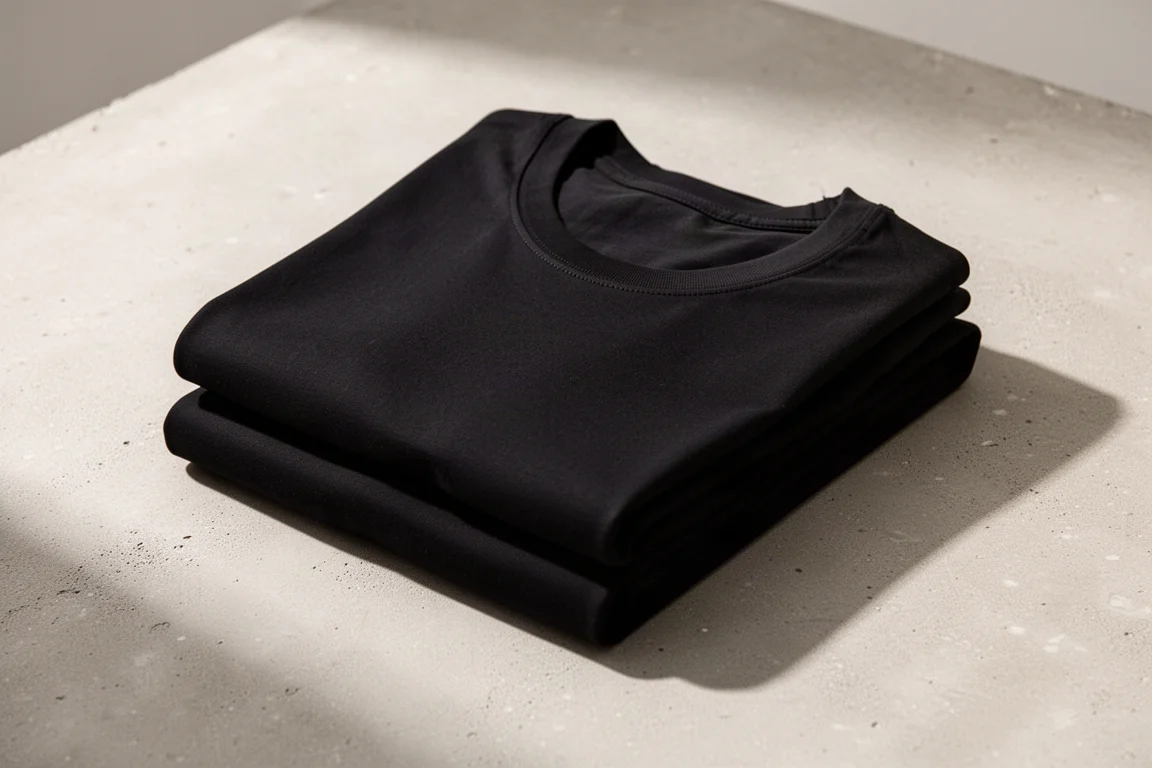
Small Accessories and Stocking Stuffers
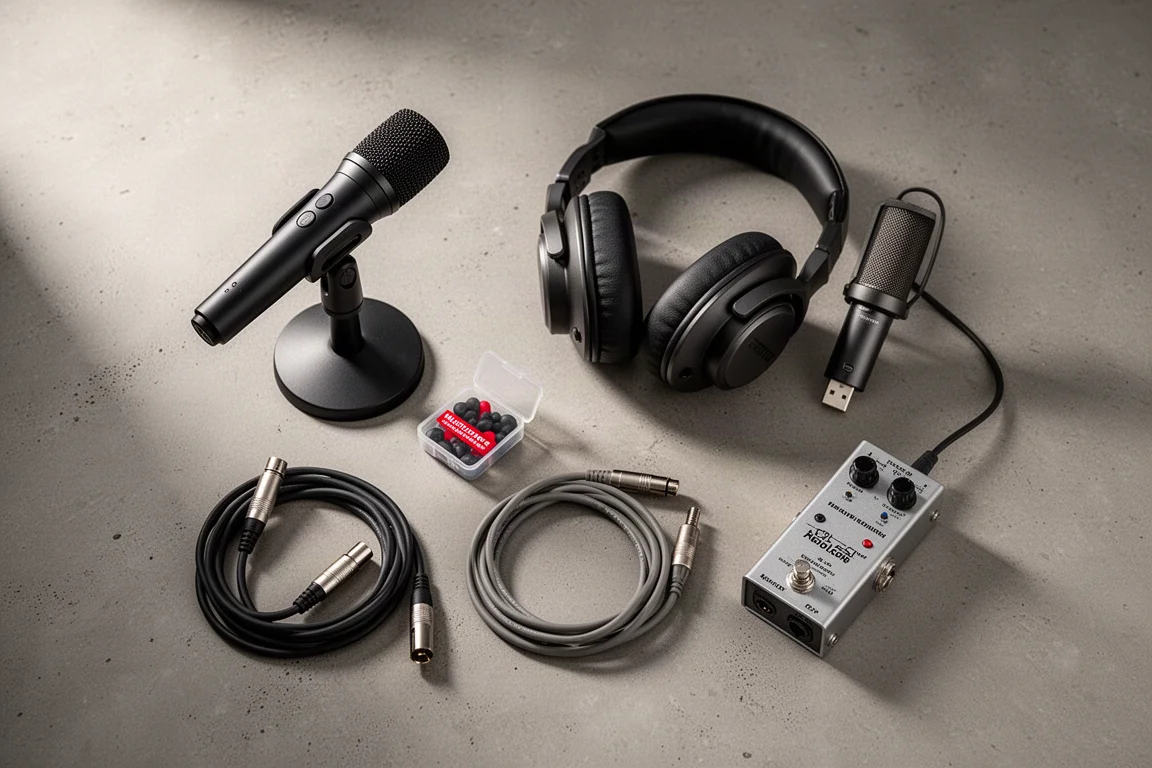
Some of the most appreciated gifts in this world are small, inexpensive, and endlessly consumable. Cables are the classic example. XLR microphone cables are always in demand, and a 20 to 50 foot length fitted with a Neutrik connector is the kind of thing every studio can use more of. Instrument cables for guitarists, bassists, and keyboardists are just as welcome.
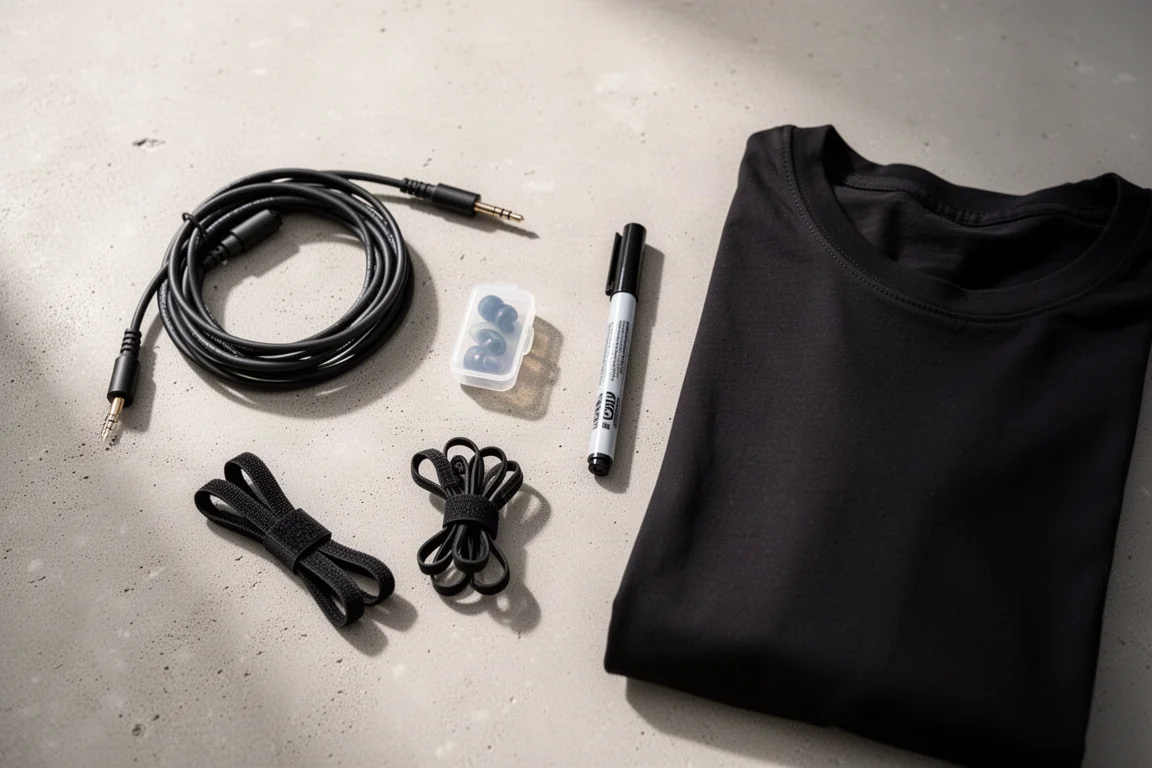
Beyond cables, adapters disappear constantly, so a small assortment is always useful. Fine-tip markers are a genuine staple of audio production and they always seem to go missing, which makes them ideal stocking stuffers. Hook-and-loop cable ties keep a studio or a stage tidy and cost almost nothing.
A sturdy microphone stand is another underrated upgrade, since cheap stands cause constant frustration by failing to hold a microphone where it is needed. For a friend who creates content at a desk, a boom arm that clamps to the desk is a thoughtful alternative. And for anyone who troubleshoots gear regularly, a tester, whether a digital multimeter or a simple cable tester, earns its place in the toolkit.
Buying Advice
Start by identifying which part of your friend’s work you want to support. If they perform live, hearing protection and microphones are the most direct wins. If they record at home, studio headphones, isolation headphones, and direct boxes will slot straight into their setup. If they are a guitarist or bassist, cables, adapters, and direct boxes are almost guaranteed to get used.
Price matters less than fit. A $100 microphone that gets used on every session is a better gift than an expensive item that duplicates something already sitting on the shelf. And if you are still unsure after reading this list, a gift card to a music retailer removes the risk entirely. It is instant, and it lets your friend pick the exact piece of gear they have been waiting to buy.
One last thought: spares are never a disappointment. Most audio people would rather receive a second cable, a second microphone, or a second direct box than a novelty item they will never unbox.
Conclusion
Gifts for musicians and audio engineers do not have to be complicated. Earplugs protect the thing they depend on most, microphones and headphones get used every day, direct boxes solve a specific recording problem, and a set of well-fitting black t-shirts will never go out of rotation. Pick the idea that matches how your friend actually works, and you will land on something they keep using long after the wrapping paper is gone.
Further reading
Related Reviews
Audio Gear
Best Budget Audio Gear 2022: Award-Winning Speakers, Amps, DACs, and Streamers
A rundown of the standout budget audio products of 2022, including award winners and honorable mentions across speakers, amplifiers, DACs, and streamers.
Audio Gear
Best Gifts for Audio Engineers and Musicians: 10 Practical Ideas
Ten practical gift ideas for audio engineers and musicians, from hearing protection and microphones to headphones, DI boxes, and the small studio accessories that get used every session.
Audio Gear
Best Value Audio Gear: Four Standout Picks for Streaming, Speakers, and DACs
Four audio products that reset expectations for what a given budget can buy, from a compact network streamer to a sub-$1,000 DAC.