Road Bikes
Giant TCR vs Canyon Ultimate: Which Lightweight Race Bike Makes More Sense?
A head-to-head look at the Giant TCR and Canyon Ultimate, covering weight, wheels, tyres, cockpit design, and which build offers better value.
Introduction
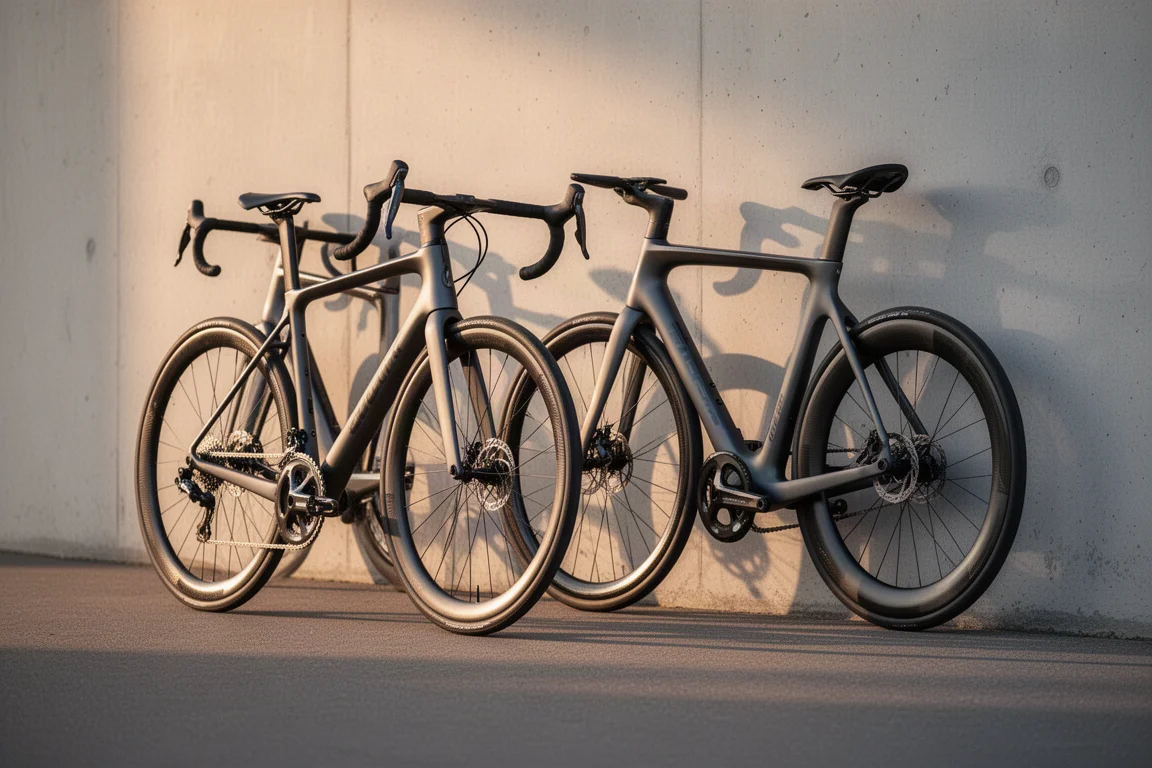
The Giant TCR and the Canyon Ultimate sit at the sharp end of the lightweight race bike category, and they are aimed at the same rider: someone who wants a bike that climbs quickly without giving up too much aerodynamic efficiency on flatter roads.
Both bikes run the same groupset family, both hide their brake hoses at the front end for a clean look, and both now include a power meter as standard equipment rather than as a costly add-on. From there, the two brands take noticeably different routes.
This comparison covers weight, wheels and tyres, cockpit design, power measurement, and pricing, so you can see where the TCR pulls ahead, where the Ultimate answers back, and which one is likely to suit your riding.
What Matters in a Lightweight Race Bike
The obvious starting point is weight. A lightweight race bike is expected to be light, and the two bikes here were measured without pedals: 7.2 kg for the TCR in a size medium, and 7.56 kg for the Ultimate in a size small. That is a 360 g gap between two bikes that sit in the same category.
Both bikes use the same groupset, so the difference comes from elsewhere in the build. The TCR runs a wider 11-34 tooth cassette while the Ultimate uses an 11-30, and the Canyon’s deeper DT Swiss ARC 1400 wheels add rotating mass compared with the shallower rims on the Giant.
Aerodynamic claims are harder to compare directly. Giant states that the current TCR is 4.19 W more efficient than the 2021 version at 40 km/h, while Canyon claims the Ultimate saves 5 W over the previous model at 45 km/h. Both are small margins measured at high speeds, and neither figure tells you how the two bikes compare against each other, so these numbers are useful context rather than a deciding factor.
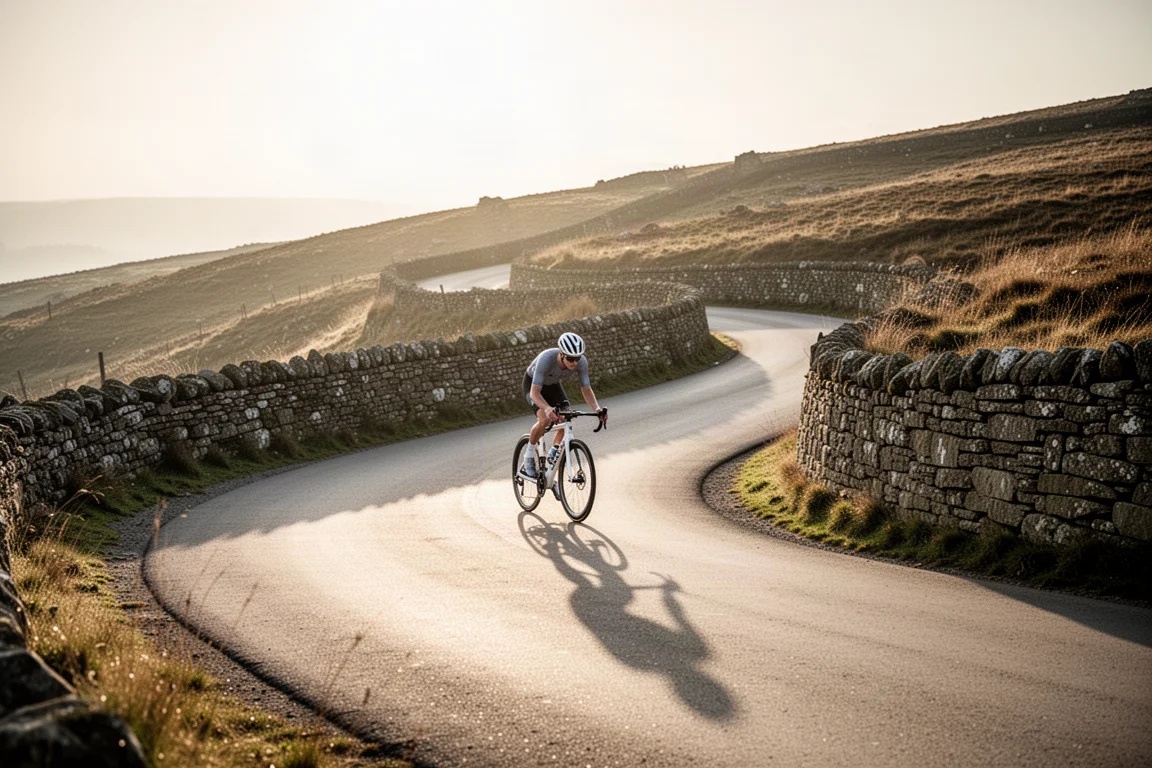
On the shared details, the two bikes are closer than the headline differences suggest. Both use Shimano’s press-fit BB86 bottom bracket standard, both use their own D-shaped seatpost, and both come with well regarded saddles: Canyon supplies the Selle Italia SLR Boost Superflow with titanium rails, while Giant fits its own Fleet SL. Integrated front ends on both bikes keep the hoses out of the wind, and the framesets themselves are close enough to call a draw.
Giant TCR: The Lighter Option
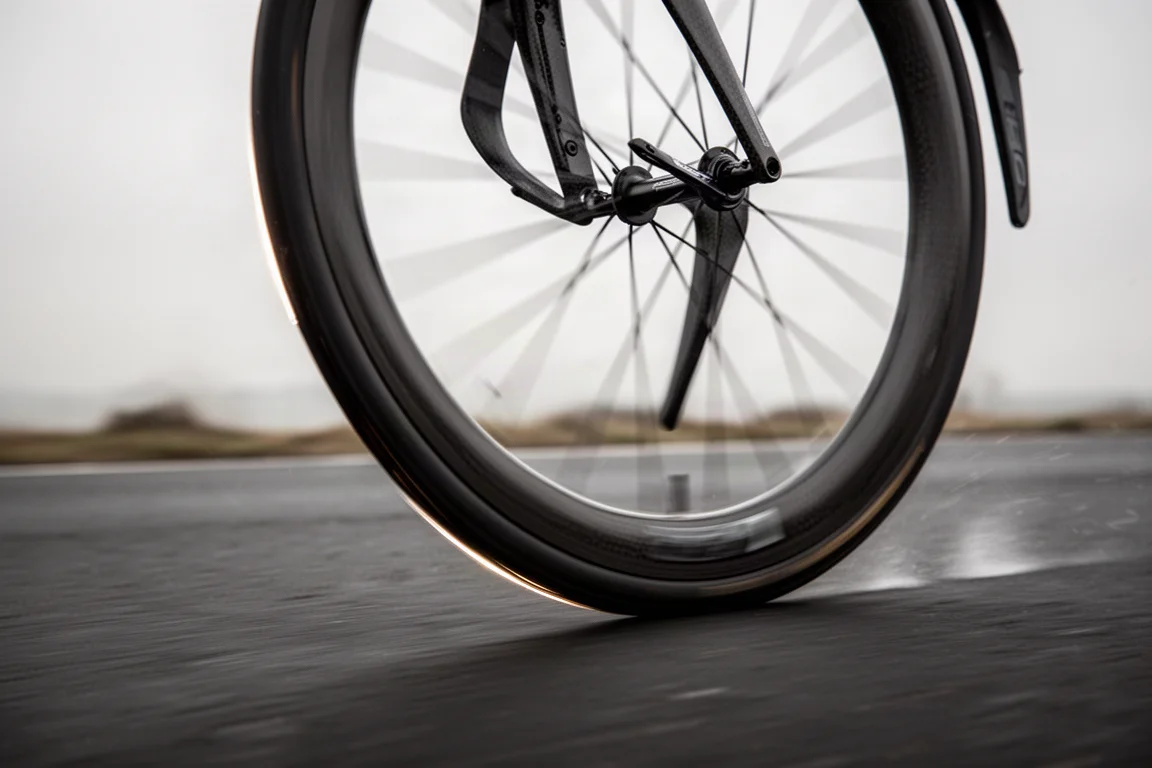
At 7.2 kg without pedals in a size medium, the TCR is the lighter of the two builds, and it is the bike to choose if weight is your primary concern. Some of that advantage comes from the wheels: the SLR 04 wheelset uses a hookless rim and a claimed weight of 1,339 g, and it is built with carbon spokes.
The rim profile is shallower than the 50 mm DT Swiss wheels on the Ultimate, and that combination of lower height and lower weight is what helps the TCR feel more sprightly on steep climbs. A shallower rim also catches less crosswind, which matters if you are a lighter rider who notices side gusts.
Tyres are 28 mm at both ends, using Giant’s in-house Cadex Race GC model, which is a sensible width for real road surfaces.
Up front, Giant uses a two-piece cockpit rather than a one-piece design. The carbon bar has a slightly flattened top section and flare drops, and on a size medium it measures 42 cm at the drops, which works out to roughly 38 cm at the hoods. The stem is carbon and includes a channel underneath for the brake hoses, so it can be removed without disconnecting them. Giant indicates a dealer may be able to swap the bar or stem at the point of purchase, but that is a conversation worth having before you commit to the bike.
Power measurement is handled by a dual-sided unit, which can show left and right balance and can give a more complete picture of total output than a single-sided estimate.
Canyon Ultimate: Integration and Aero
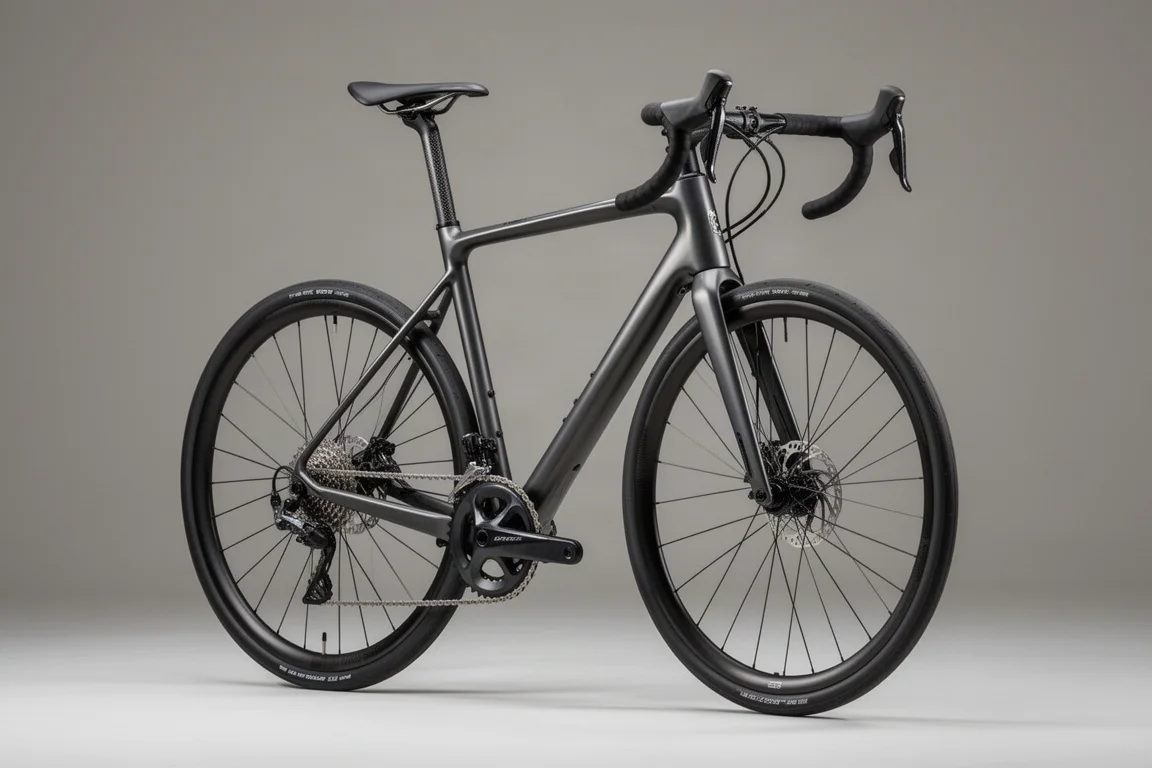
The Ultimate is the heavier build at 7.56 kg without pedals in a size small, and part of that comes from its deeper wheels. The DT Swiss ARC 1400 wheelset uses 50 mm deep rims with a 20 mm wide hooked internal profile, a claimed weight of 1,552 g, and a shape suited to tyres between 25 and 28 mm.
Tyre choice is where the Canyon build becomes more of a compromise. It uses the well regarded Schwalbe Pro One, but in a mixed setup with 25 mm at the front and 28 mm at the rear. That combination trims a little weight and may help aerodynamically, yet it is a step away from the wider rubber many riders now prefer on rough tarmac.
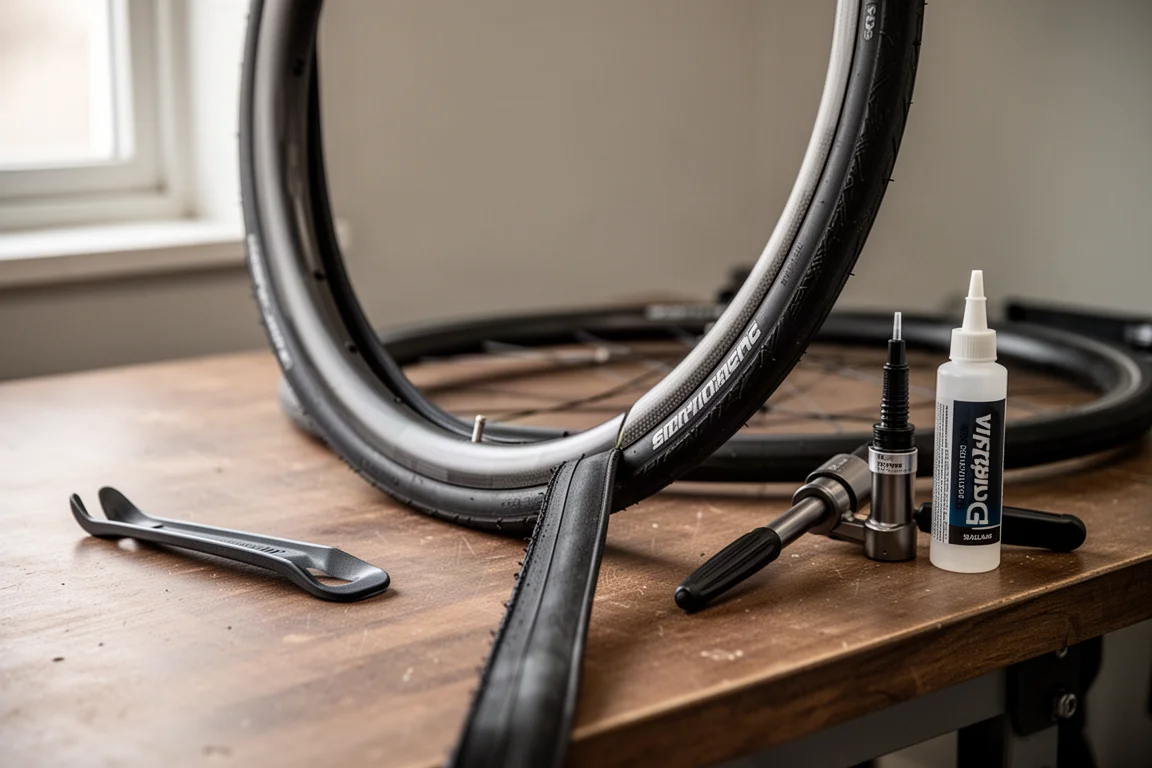
The cockpit is the most interesting part of the Ultimate. The CP0018 one-piece design can be adjusted in width, so you do not have to buy a new bar simply to go narrower, and it can be adjusted in height without cutting the steerer tube. For anyone who works on their own bike, that is a genuinely useful feature.
The trade-off is significant, though. If the stem length is wrong for you, it cannot be changed at the point of purchase, and a replacement stem section is not available separately. That makes a professional fit before buying far more important than it would be on a bike with a conventional two-piece setup.
Power comes from a single-sided 4iiii Precision unit. If your pedalling is reasonably balanced, a left-side measurement works well, but it remains an estimate of total output rather than a direct measure of both legs.
Wheels, Tyres, and the Hookless Question
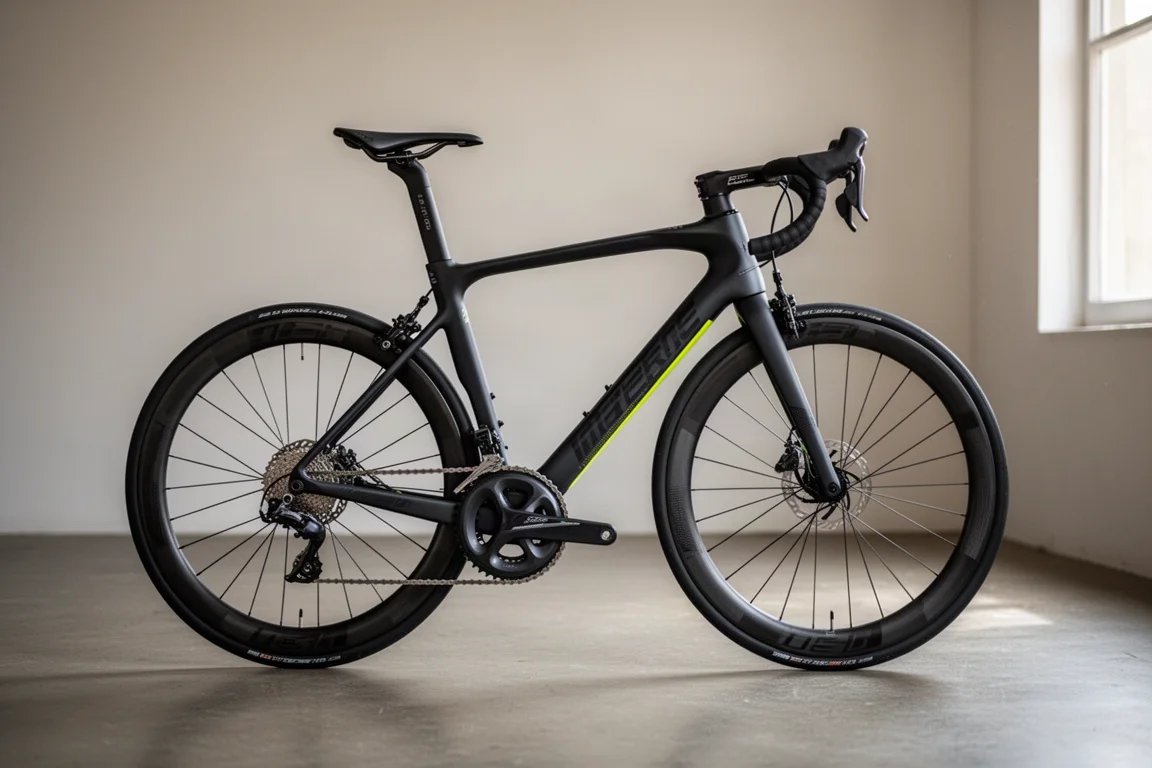
Wheel choice is one of the clearest points of difference between these two bikes. The Giant SLR 04 wheelset is lighter at a claimed 1,339 g and uses carbon spokes and a hookless rim. The DT Swiss ARC 1400 wheelset on the Canyon is deeper at 50 mm, uses a hooked rim, and is claimed at 1,552 g.
Both wheelsets perform well in use, but the direction of travel for a bike in this class points toward the lower rim height and lower weight of the Giant setup, particularly for riders who spend a lot of time on steep climbs or who feel crosswinds.
Hookless rims deserve a mention because they attract strong opinions. The concern is that a tyre could come away from a hookless rim in a crash, and there have been high-profile tubeless failures in racing. It is worth keeping that in perspective: tyres have also come away from hooked rims, tubular tyres can roll off, and a tubed clincher will not stay seated through every puncture either. Manufacturers point to lighter rims, improved aerodynamics, and easier production as the benefits of hookless designs, and many riders use hookless rims and tubeless tyres without problems.
That does not settle the safety question. Industry standards have been criticised as insufficient, and major wheel manufacturers, along with the relevant standards bodies, have at times given customers conflicting compatibility information. Until that is clearer, the practical position is straightforward: if you see hookless rims as a risk, do not buy a bike that uses them.
Buying Advice: Where the Money Goes Furthest
Both of these bikes are excellent, and both are expensive. The more useful question is whether the newest version of either is the version you should buy.
For the TCR, the 2023 Ultegra Di2 model was still available at a discounted £4,639 at the time of writing, and it is a very similar bike to the current one. It does without the fully integrated front end, and the SLR 1 wheels on that build use metal spokes rather than carbon, but it costs around £1,860 less than the new model. For most recreational riders, that saving is likely to be worth more than the refinements.
The Canyon story is similar. The Ultimate CF SL8 Aero uses a lower-spec frame that raises the weight to 7.8 kg, but it still comes with deep-section DT Swiss wheels, the latest Ultegra Di2, and the same style of front end. It costs around £1,400 less than the version compared here.
Terrain is the other factor worth thinking through before spending. Low weight helps on steep climbs, but most riders spend far more of a ride on flat and rolling roads than on a long ascent, and the same logic applies in racing: optimising for the majority of a course will usually make you faster than optimising for one or two climbs. Both brands also offer full aerodynamic race bikes that are around £200 cheaper than the equivalent lightweight aero build, and the weight penalty is not dramatic.
Whatever you choose, a pre-purchase fit is the single best protection against an expensive component swap later, especially on the Canyon, where the one-piece cockpit locks you into the stem length that comes with the bike.
Conclusion
The Giant TCR and the Canyon Ultimate both deliver on the lightweight race bike brief, and the choice between them comes down to priorities rather than outright quality. The TCR is the lighter of the two, uses a shallower and lighter wheelset, runs 28 mm tyres at both ends, and offers a dual-sided power meter plus a two-piece cockpit that is easy to adjust and swap. The Ultimate counters with deeper 50 mm wheels, a width and height adjustable one-piece cockpit, and a mixed tyre setup that favours aerodynamics over outright comfort.
For most riders, though, the strongest argument is not between these two models at all. It is between the newest version and the well-equipped previous generation of either bike, which delivers most of the experience for considerably less money.
Further reading
Related Reviews

Road Bikes
10 New Road Bikes Worth Watching: Aero, Titanium, Steel and Endurance Standouts
A practical roundup of 10 new road bikes, from aero flagships chasing single-watt gains to titanium, steel and endurance platforms built for real roads.
Road Bikes
2026 Tour de France Road Bikes: Six Race Machines Worth a Closer Look
Six race bikes from the 2026 Tour de France grid, reviewed for paint, silhouette, wheels and the specification details that matter to buyers.
Road Bikes
3T Strada Italia Review: A Radical Aero Road Bike That Rides Smooth
A made in Italy carbon aero road bike with a deep head tube, wide tire clearance and a genuinely comfortable ride. Here is what to know before buying.