Cycling
Giant TCR vs Canyon Ultimate CFR: Two Climbing Bikes Compared
A close look at the tenth-generation Giant TCR and the Canyon Ultimate CFR, covering weight, stiffness, ride feel, cockpit design, and value across the range.
Introduction
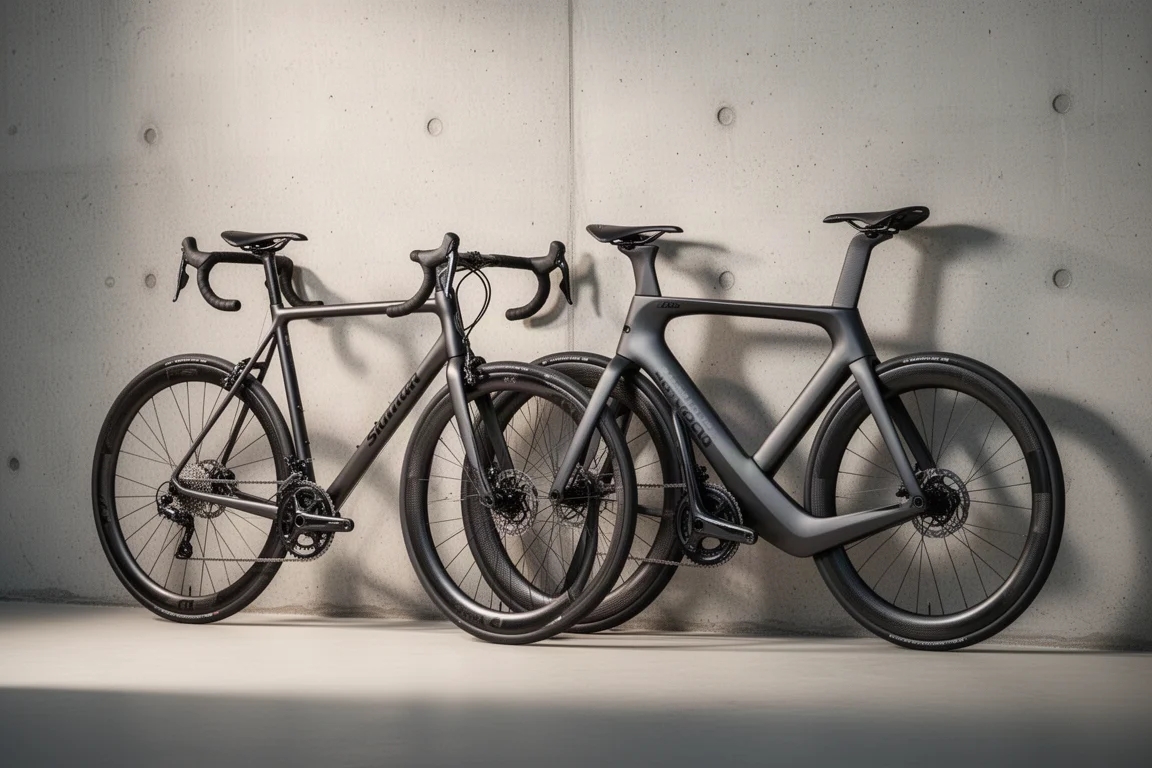
Climbing bikes have a reputation for handling that few other categories can match, and two models have shaped that reputation over recent seasons. The Canyon Ultimate CFR has been regarded as one of the best climbing bikes on the market, while the Giant TCR has been a benchmark since the first generation arrived in 1997. With the tenth generation of the TCR now here, it is a good moment to compare the two directly and work out which one suits a particular rider and budget.
Both are light, both are stiff, and both are built to go uphill quickly. The meaningful differences show up in geometry, cockpit design, and the way each brand structures its pricing.
What the Giant TCR and Canyon Ultimate CFR Have in Common
Both bikes sit comfortably under the UCI minimum weight limit of 6.8 kg, and both are designed for the same job: climbing quickly without giving away too much on the flat or through a corner. The Giant TCR has been through a long evolution, moving from alloy to carbon in 2002 and adopting disc brakes in 2016. The Canyon Ultimate CFR arrived in September 2022 and has since been raced at World Tour level by teams including Alpecin-Deceuninck and Canyon-SRAM.
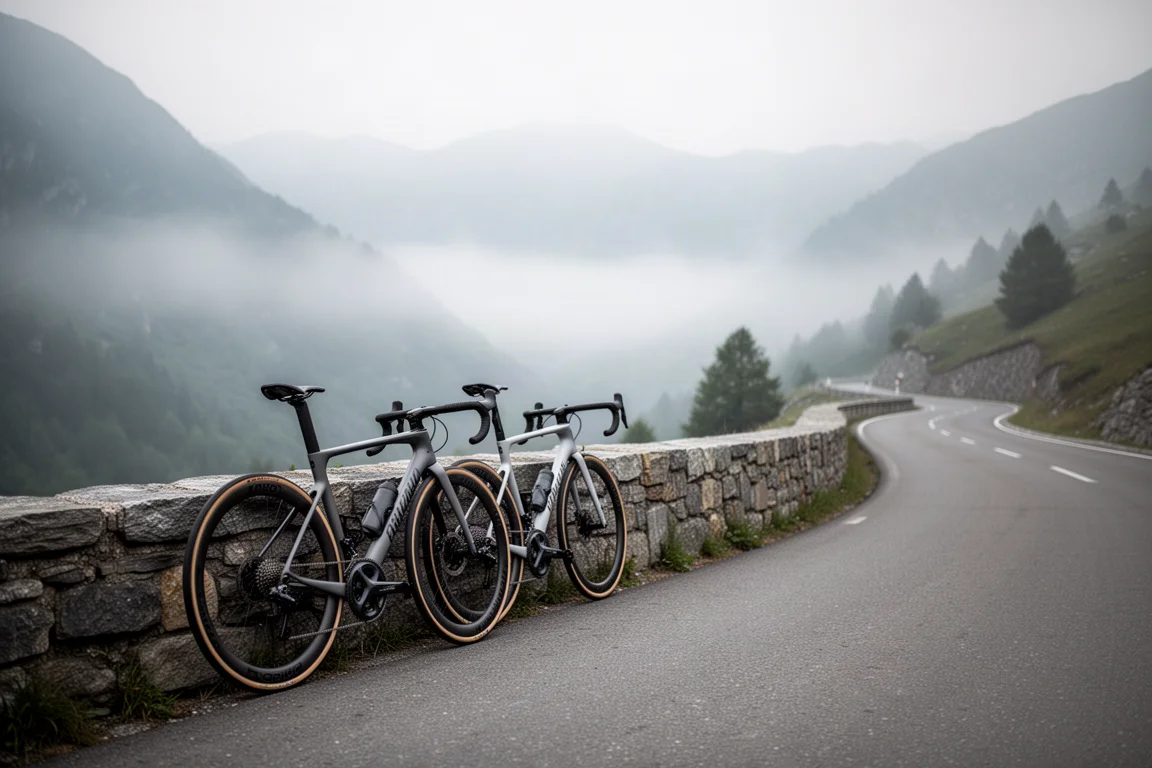
The two brands also reach the market in different ways. Giant owns its own factory and produces frames for other companies as well, which helps keep costs down. Canyon sells directly to consumers through its own website, cutting out the dealer middleman and trimming cost that way.
Giant TCR: Lighter Weight and Sharper Handling
The tenth-generation TCR is not a radical departure from the previous version, but it carries a long list of detail updates. Giant uses cold blade cutting to cut its carbon sheets, which reduces deformation caused by excess heat and allows a frame with lower weight and higher stiffness. The front triangle is formed from a single sheet of carbon, and eliminating joints between tubes saves a total of 75 g compared with the previous generation. A size 56 frame weighs a claimed 690 g without paint.
The integrated seat mast returns, and it looks neat once saddle height is known, while removing the seat clamp that many race bikes still rely on. Giant also claims the new TCR is 5 watts faster than the previous generation, rising to 12 watts when the frame is considered alongside the new Cadex Max 40 wheels. Fully internal cable routing up front contributes to that gain.
Giant TCR: Stiffness and Ride Feel
Stiffness is where the TCR makes its strongest case. The bottom bracket is stiff, though not quite as harsh as some dedicated aero bikes, and the head tube is very stiff, which gives the front end a confident and poised feel. That matters most on descents and in corners, and it is a genuine advantage in a race. The compact geometry Giant has used for years makes the bike feel agile and planted at the same time, and short chain stays plus low wheel weight let it change direction almost instantly.
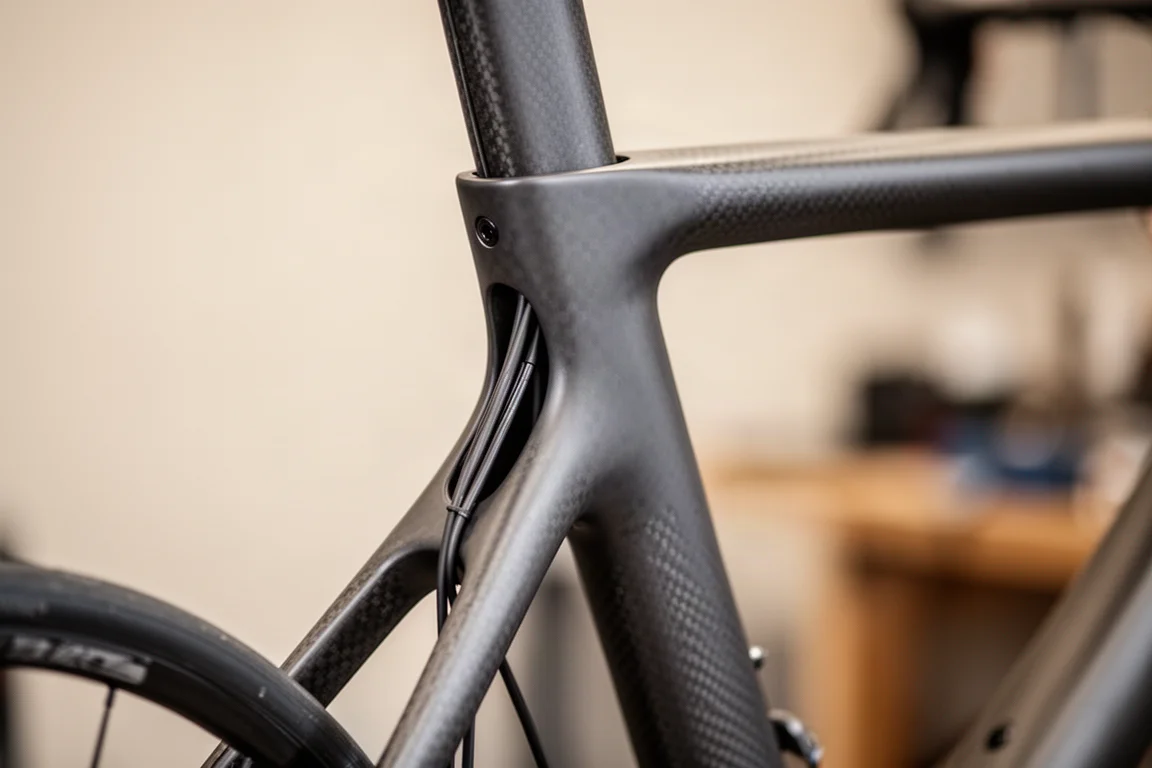
The cockpit is the one area that holds the bike back slightly. The handlebars feel a touch flexy in a sprint on the drops, and the same sensation appears when pulling on the hoods while climbing. The very stiff head tube keeps the bike from feeling underconfident, but stiffer bars would be welcome. On the flat the TCR still feels quick, helped by the Cadex Max 40 wheelset, which weighs around 1,250 g and uses carbon hub flanges, carbon spokes, and Giant-designed tires with a short sidewall aimed at improving cornering grip. Comfort is better than the race-bike norm thanks to dropped seat stays and a slim seat post, and the build shown here weighs 6.4 kg. Even the top model uses a two-piece cockpit rather than an integrated one, which costs a little stiffness and aerodynamic efficiency but makes the bike easier to live with day to day.
Canyon Ultimate CFR: Aerodynamics and a Comfortable Ride
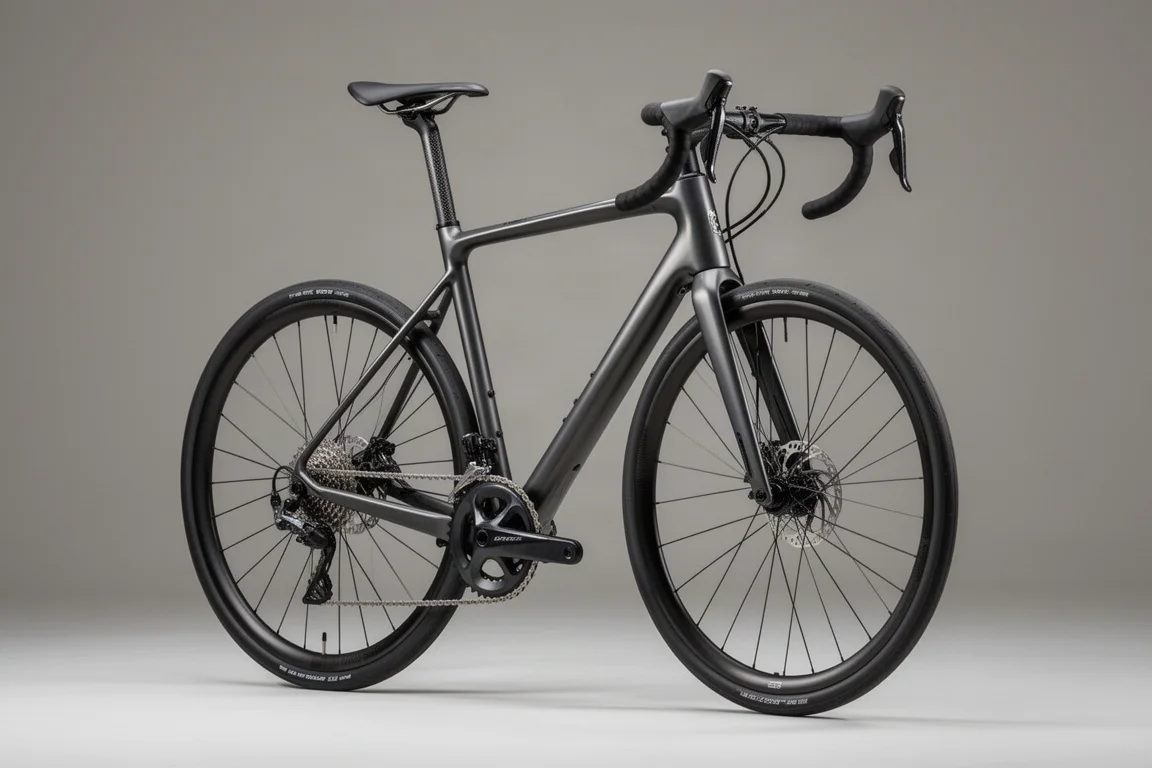
The Canyon Ultimate CFR is the older design of the two, but it remains one of the best climbing bikes available. Its latest iteration borrows aerodynamic thinking from the Canyon Aeroad, with a D-shaped seat post, an aggressive front fork, and the CP18 cockpit taken from the Aeroad. That cockpit is a highlight because it is adjustable: width can be set between 38 cm and 42 cm, although stem length cannot be changed.
Dropped seat stays and clearance for 32 mm tires make the Ultimate CFR genuinely comfortable, not just by race bike standards. The build weight sits at 6.67 kg, so it is no slouch on the scales either.
Canyon Ultimate CFR: Stability and Ride Feel
The Ultimate CFR uses the same geometry as the Canyon Aeroad, and that shapes its character. Chain stays are around 5 mm longer than the TCR’s, which slows the handling slightly and makes the bike more stable, and that stability makes technical sections a little easier to manage. Stiffness is comparable to the TCR, with the bottom bracket feeling a touch more rigid and the head tube equally stiff.
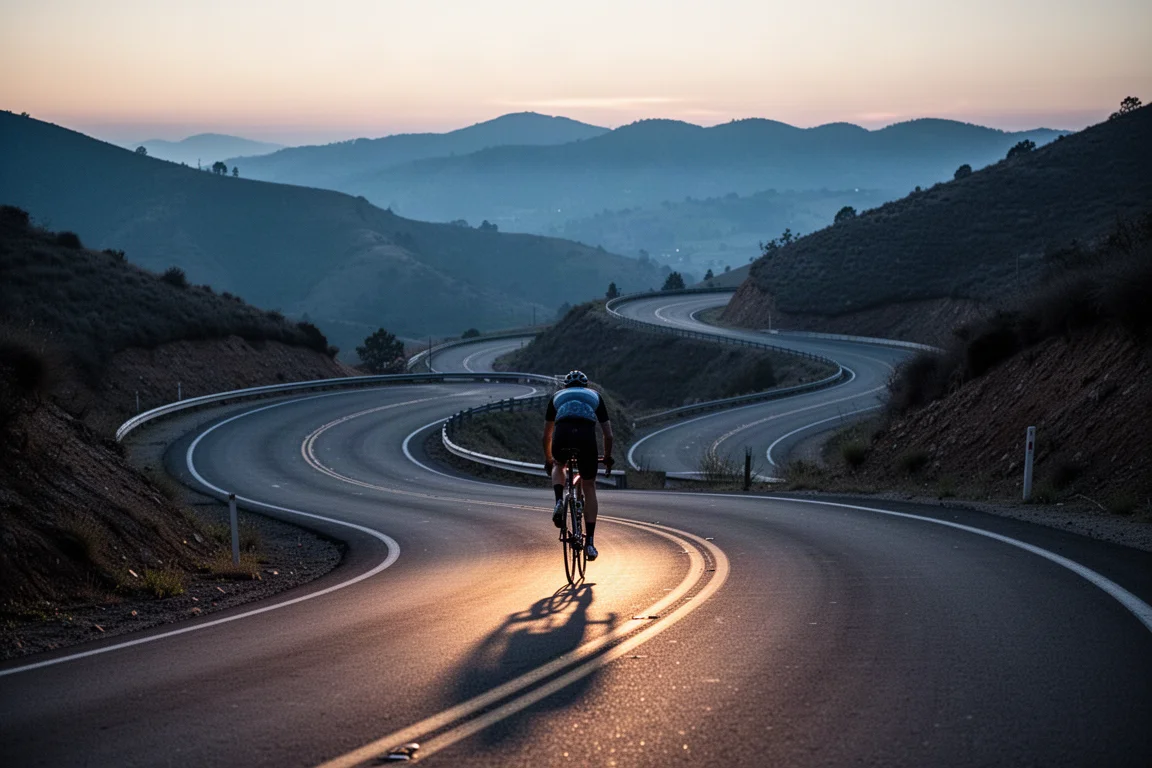
Where the Ultimate CFR pulls ahead is the one-piece handlebar and stem. The extra rigidity in the drops gives more confidence in a sprint, though it can cost some comfort over long rides. The frame damps vibrations well, and the overall package is quick uphill, stable on descents, and fast on the flat.
Weight, Stiffness, and Comfort Compared
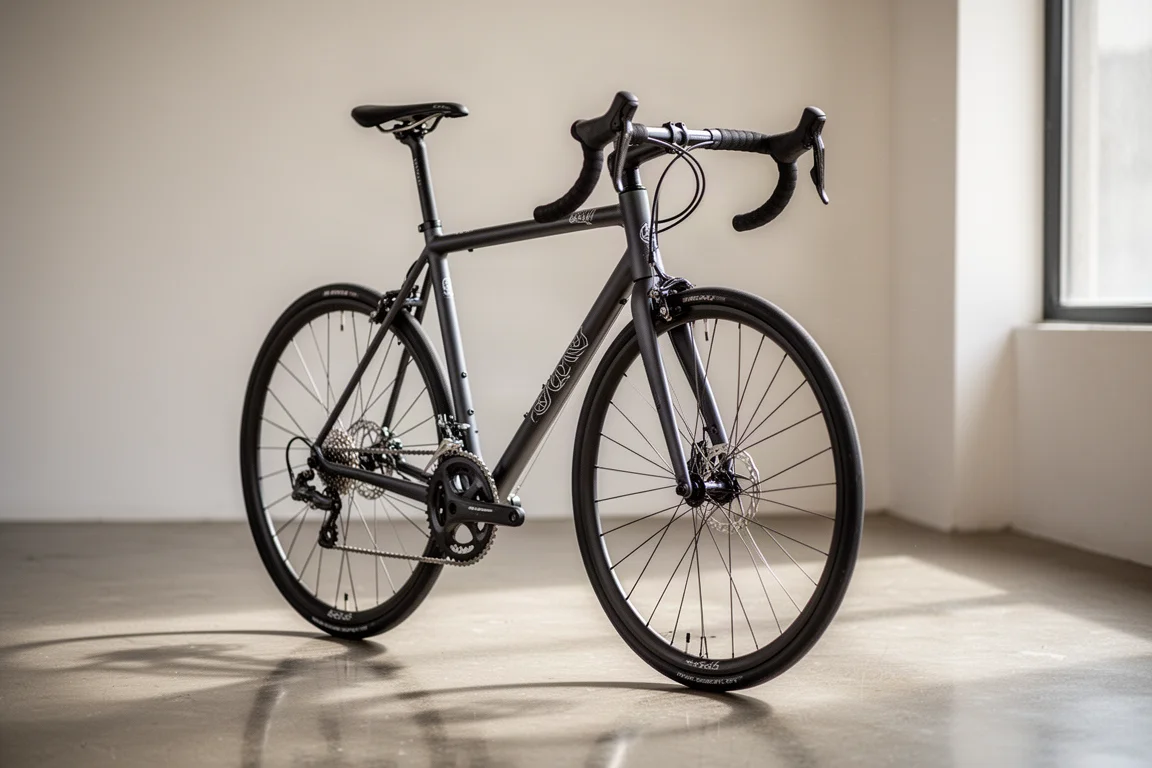
Both bikes sit well under the 6.8 kg UCI limit, and the gap between them is small: 6.4 kg for the TCR build and 6.67 kg for the Ultimate CFR. Ride data suggests that weight matters less for most riders than aerodynamic gains, but low weight still shows up in ride feel, and that is where the TCR’s advantage is most noticeable. On stiffness the two are close, with the Canyon offering a marginally more rigid bottom bracket and the Giant standing out for the way its stiff head tube and compact geometry combine into a livelier, more exciting ride. On comfort, the Canyon’s dropped seat stays, 32 mm tire clearance, and vibration damping give it the edge, while the Giant counters with a slim seat post and dropped stays of its own.
Pricing and Value Across the Range
At the top of each range, the Giant TCR with Dura-Ace Di2 and the new Cadex Max 40 wheels is priced at around £11,999. Canyon’s most expensive Ultimate CFR models, available with Shimano Ultegra Di2 and SRAM Red, top out at around £9,499, roughly £2,000 less. The Giant does include the more advanced Cadex Max 40 wheelset, while the Canyon includes an integrated cockpit, so the comparison is not purely about the final figure.
Lower down the range, Canyon is the stronger value proposition. Around £2,399 buys a full carbon bike with a 105 12-speed mechanical groupset, DT Swiss wheels, and a carbon cockpit. The equivalent Giant TCR 2 is priced at around £2,699 and still does not include an integrated carbon cockpit.
Which Climbing Bike Should You Choose?
At the top of the market, the Giant TCR is the more compelling ride. Its geometry is more responsive, and the bike simply feels more exciting, which is exactly what many riders want from a race bike. The trade-offs are the higher price and the two-piece cockpit.
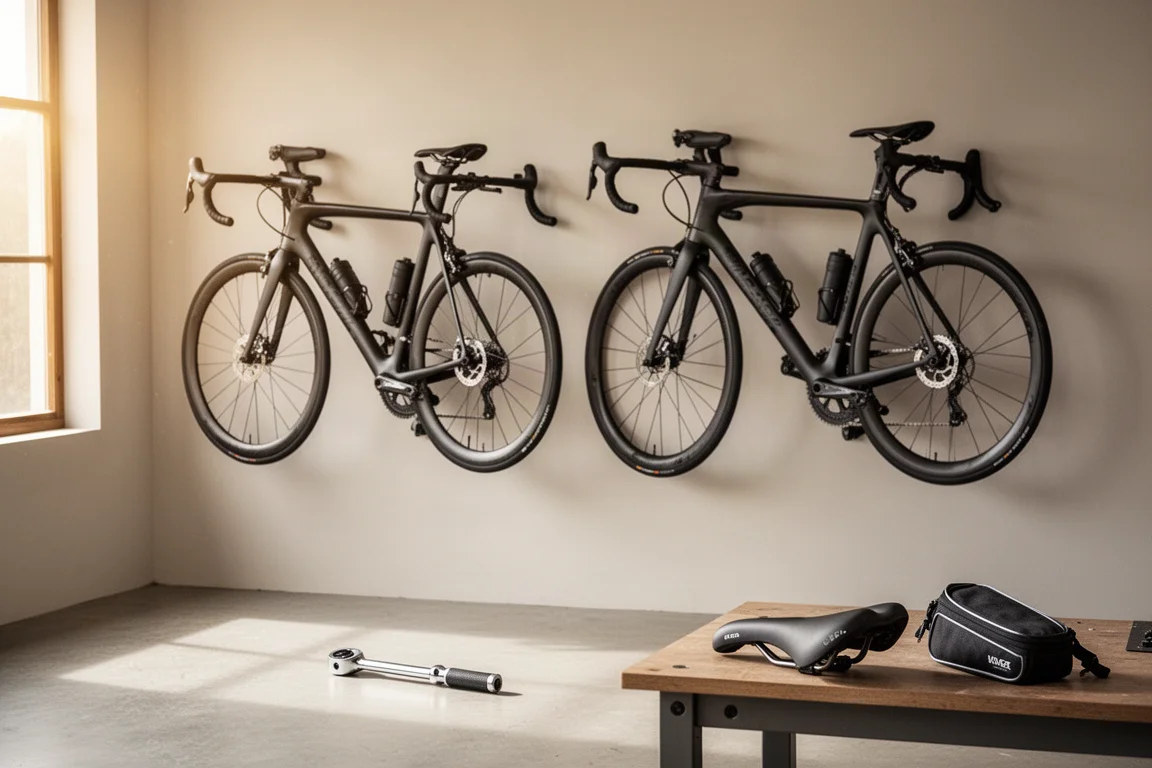
For most buyers, though, the Canyon Ultimate CFR makes more sense. It is cheaper across the range, particularly at the lower end, and the money goes further in terms of frame, groupset, and cockpit. Riders who value stability and comfort over the sharpest possible handling will also prefer the Canyon’s calmer geometry. Choose the TCR if budget allows and ride character matters most; choose the Ultimate CFR if value and all-round competence come first.
Conclusion
The Giant TCR and the Canyon Ultimate CFR are both excellent climbing bikes, and neither is a bad choice. The TCR is lighter, sharper, and more engaging at the top of the range, while the Ultimate CFR is more stable, more comfortable, and considerably better value further down the price ladder. Matching the bike to the budget and to the kind of riding on offer matters more than any single specification.
Further reading
Related Reviews
Cycling
2026 Bike of the Year and the Cycling Gear Worth Watching
A drop bar roundup for 2026 covering the Ridley Kanzo Fast 2.0, Shimano Dura-Ace Di2 R9300, Trek Checkpoint ALR Gen 3, Specialized Tarmac SL9, Garmin Fenix 9 and Insta360 X6.
Cycling
Best All-Road Bikes 2026: Six Versatile Endurance Road Bikes Worth Considering
A practical look at six all-road and endurance road bikes, from lightweight carbon speed machines to steel all-rounders and comfort-focused mile eaters.
Cycling
Best All-Road Bikes 2026: 8 Endurance Bikes for Road and Light Gravel
Eight all-road bikes that blur the line between endurance road and light gravel, compared on tire clearance, ride character, practicality, and value.