Road Bikes
Giant TCR Advanced SL, Cadex Max 40 and Cadex Race GC: 2026 Launch Roundup
A practical look at Giant's tenth-generation TCR Advanced SL, plus the Cadex Max 40 wheelset and Race GC tubeless tire launched alongside it.
Introduction
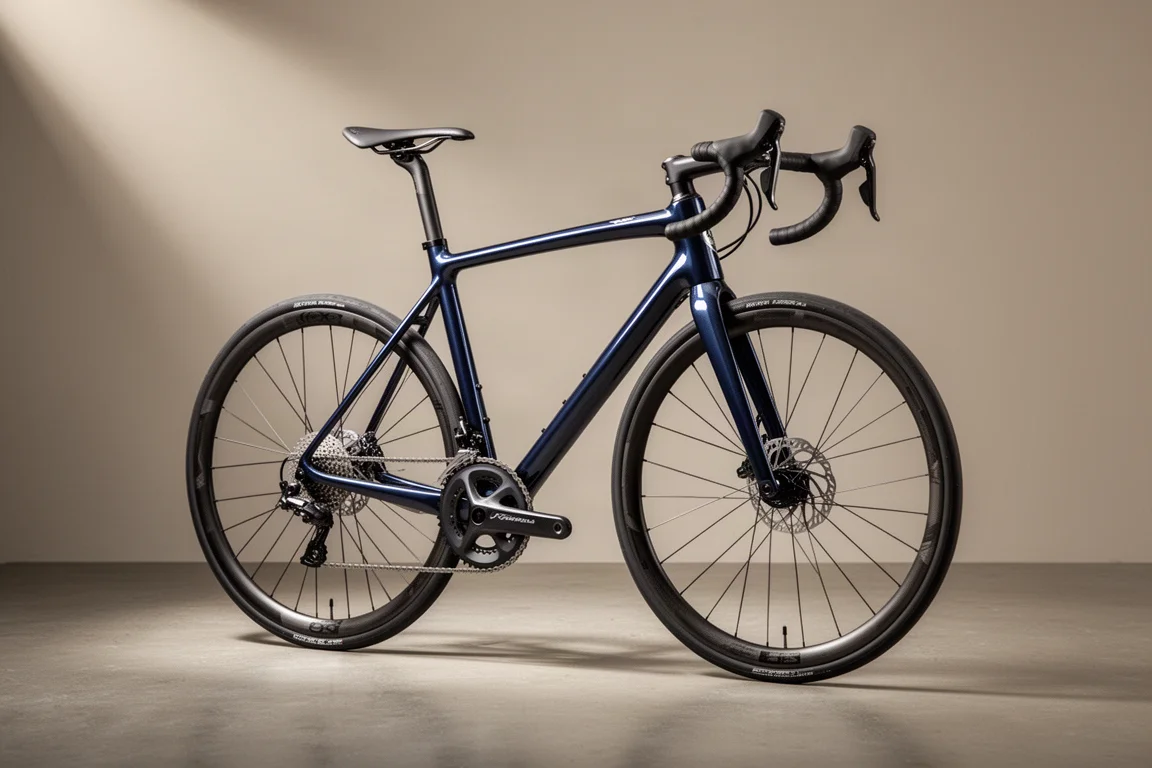
Giant’s TCR platform is 28 years old, and the 2026 model is the tenth generation. It stays true to the formula that made the bike recognisable: a classic silhouette, non-dropped rear stays and an all-rounder positioning that Giant calls a total race bike. The changes sit underneath the paint, and they are more extensive than the familiar shape suggests.
Alongside the frameset, Giant has introduced two Cadex components that launch with the range-topping bike: the Max 40 wheelset and the Race GC tubeless tire. Together they show how much of the performance story now depends on the whole system rather than the frame alone.
This roundup covers what is new on the TCR, what the new wheels and tire bring, how the bike feels on the road, and which details are worth weighing before you buy.
What Changed on the 2026 Giant TCR
The headline numbers are weight and stiffness. The top-level Advanced SL frame is claimed at 690g, down from 765g on the previous generation, and a complete bike is claimed at 6.4kg, down from 6.7kg. Giant also describes it as the stiffest TCR yet produced, with new tube profiles for both the frame and the handlebar.
Aerodynamics has moved forward as well, though more modestly. In wind tunnel testing at 40 km/h with a moving dummy, Giant claims a 2.2 watt saving for the frame and just over 4 watts for the complete bike. Those are small margins, and they place the TCR in the conversation with the fastest all-round race bikes rather than clearly ahead of them.
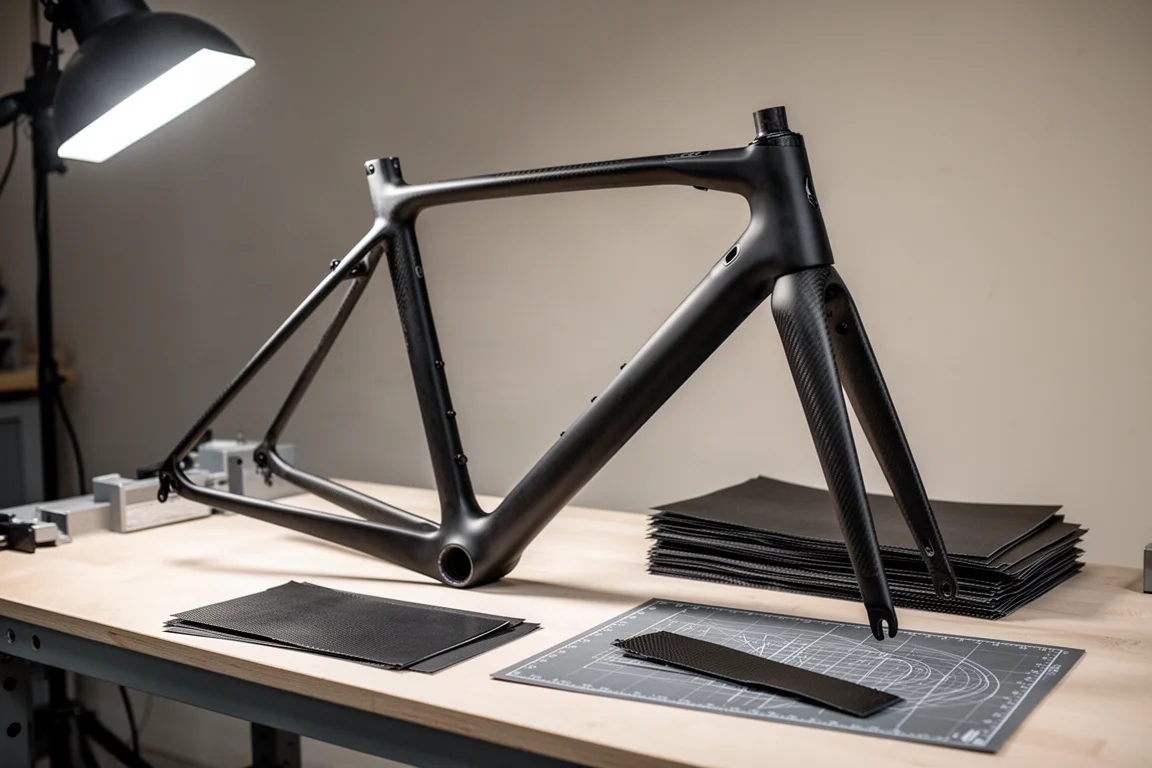
Routing is now fully internal. Brake hoses run underneath the stem and into the frame through a D-shaped steerer tube, a layout already used on the Propel and the Defy. The seat mast remains, but only on the range-topping SL, while lower tiers use a conventional seatpost. The bike is disc brake only, and tire clearance is broadly unchanged from the previous generation.
Giant TCR Advanced SL: Carbon Manufacturing and Model Tiers
Much of the weight saving comes from how the frame is built. Giant uses a new cutting process called cold blade, which improves the accuracy of each cut. That precision allows more complex shapes and fewer individual carbon pieces: the new SL frame is made up of 270 pieces of carbon, compared with 330 before. The front half of the frame is also molded as a single piece, using one bladder instead of three, and a revised paint process trims further weight.
The range is split into three levels. The SL uses Advanced SL grade carbon in both frame and fork. The Pro uses an Advanced grade carbon frame with the same SL fork as the top model. The entry-level Advanced keeps the Advanced grade frame but pairs it with a non-SL fork. Pricing starts from around £2,700 for the range, with the range-topping SL build in the region of £12,000.
Cadex Max 40: Lightweight Wheels for GC Riders
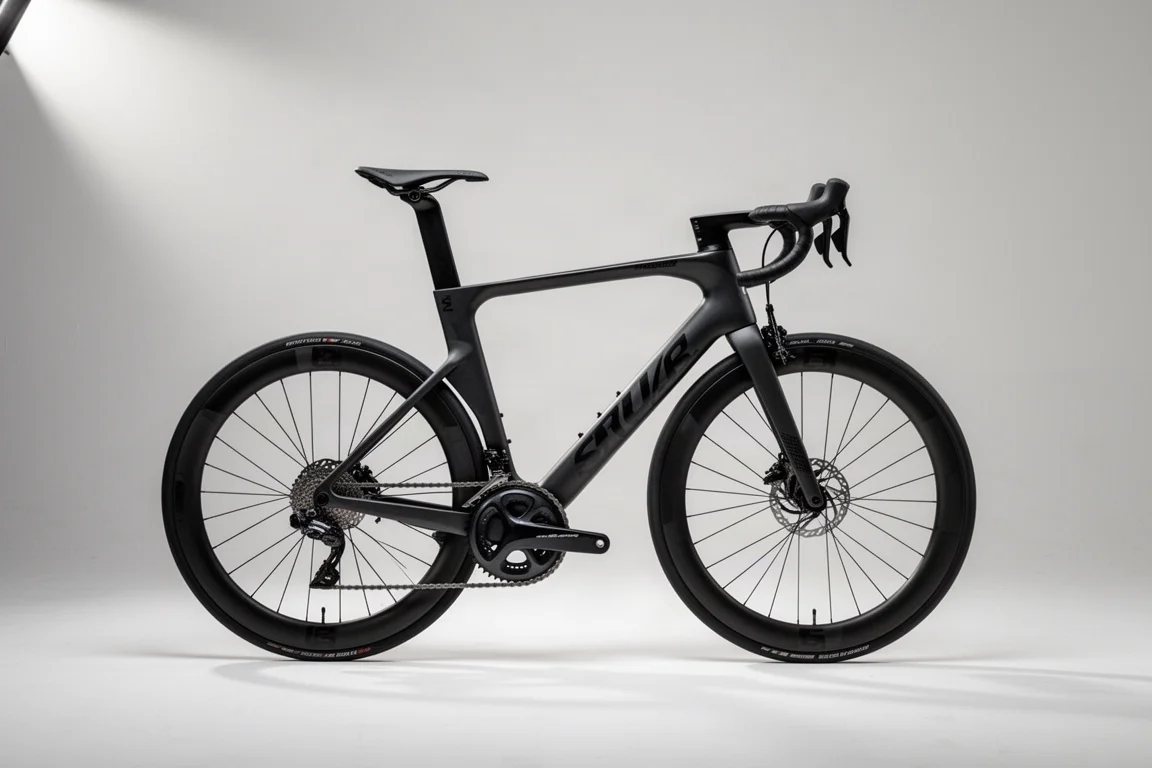
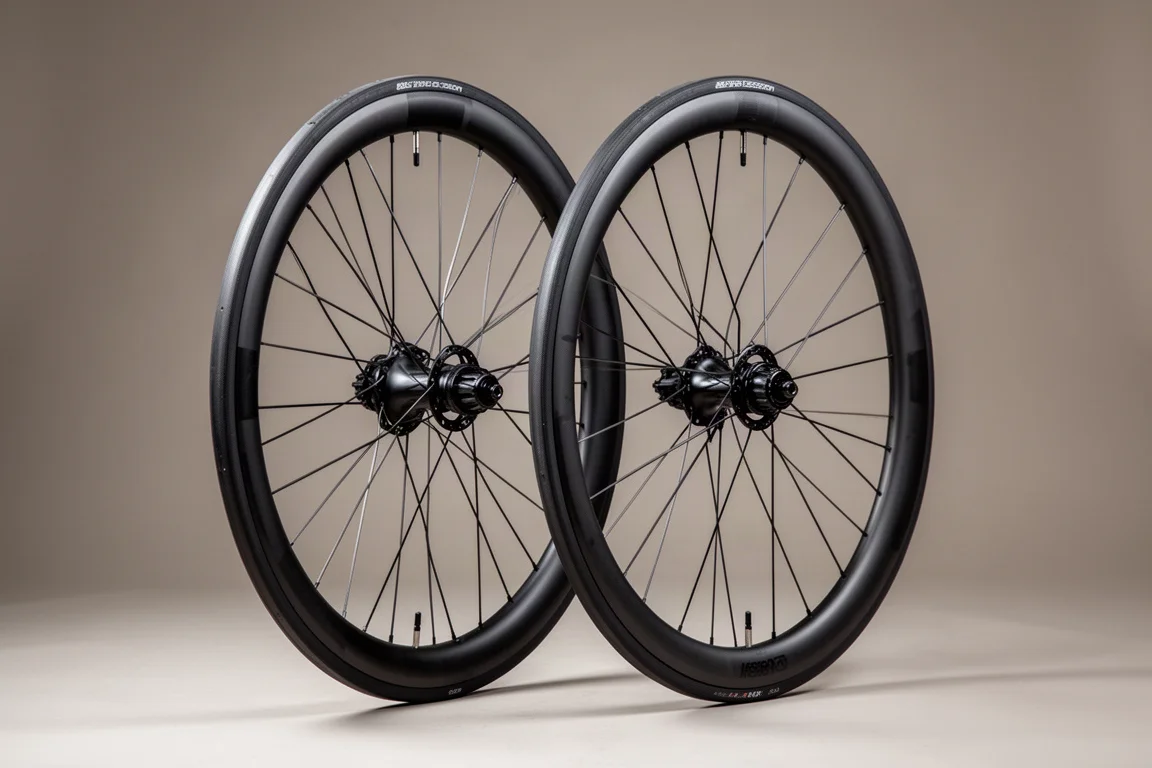
Cadex launched its first wheel range in 2019, and the Max 40 is the newest addition, fitted to the range-topping TCR Advanced SL. It is designed with the general classification rider in mind: the rim gives away some aerodynamic performance in exchange for low weight and stability in crosswinds.
The claimed weight is 1,249g for the set, which puts it in the same territory as other recently launched lightweight race wheels. The build uses thin carbon spokes integrated into slim carbon flanges, a design intended to maximise power transfer.
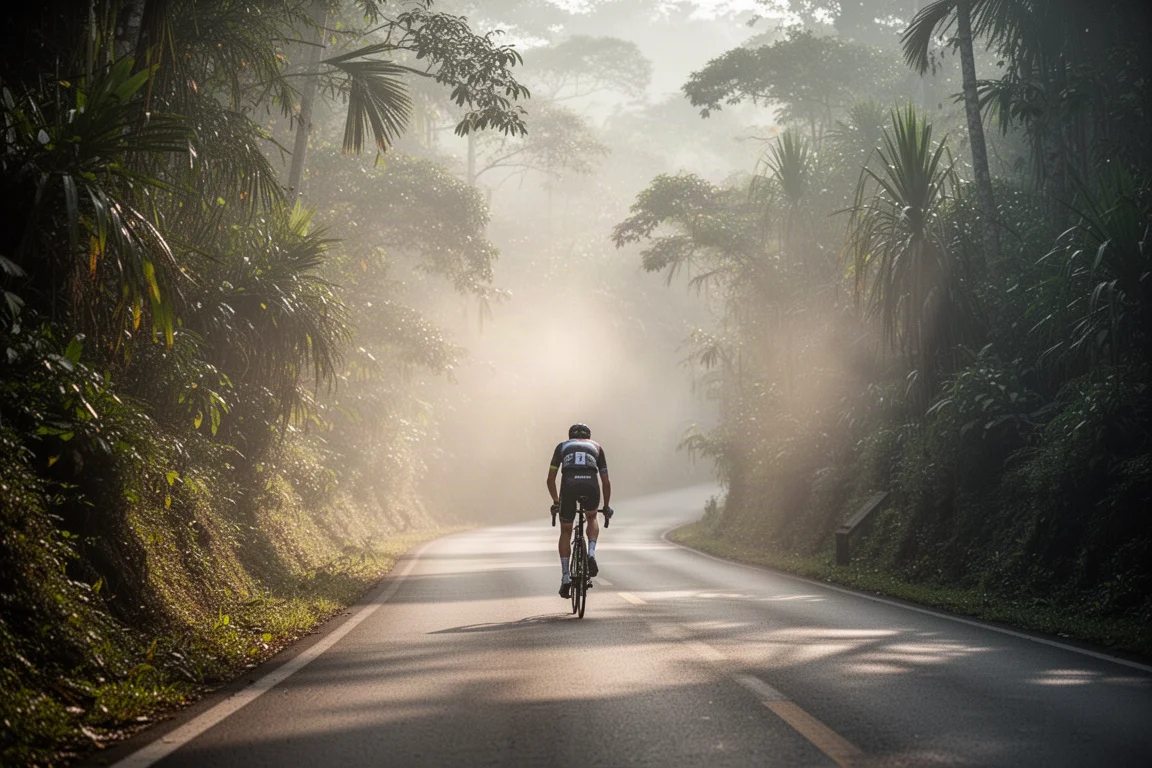
Stiffness is a defining characteristic here. The wheels feel notably rigid under load, and that rigidity shapes the character of the complete bike more than you might expect from a component change alone.
Cadex Race GC: A New Tubeless Race Tire
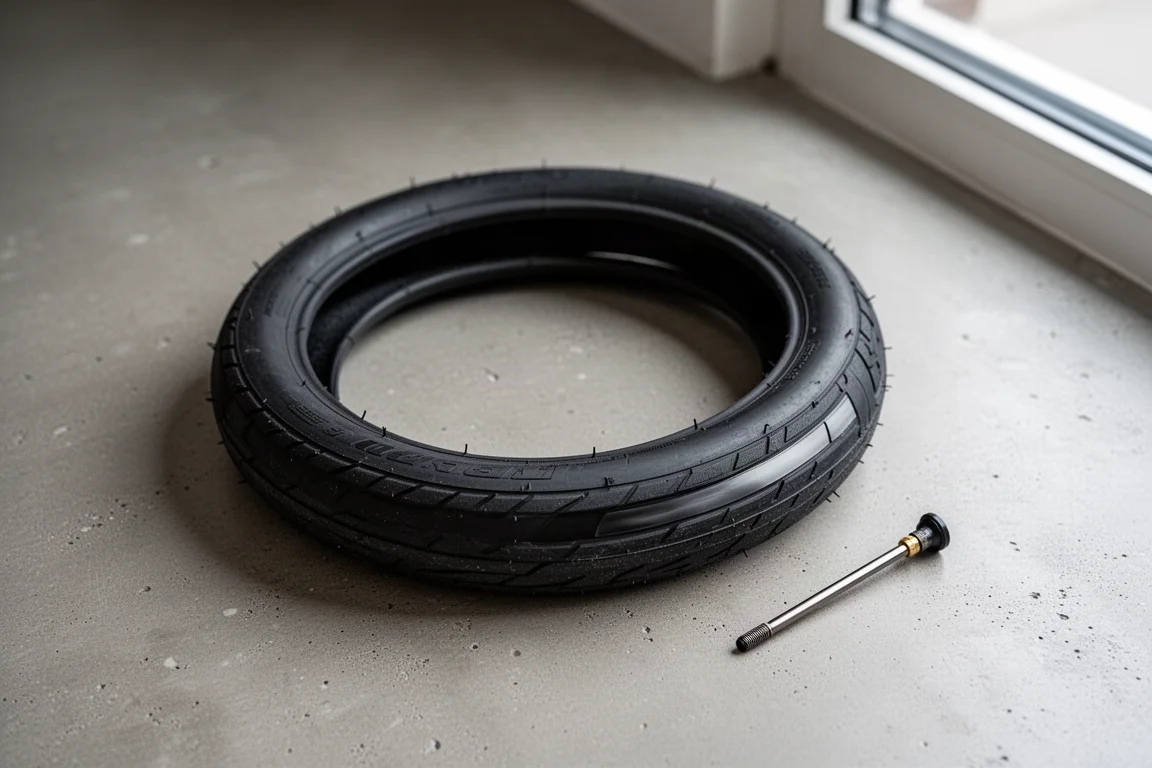
The Race GC is tubeless only and uses a 240 TPI construction. Giant claims the new tire improves rolling efficiency by 6.6 watts compared with the tires fitted to the previous generation TCR. That figure is a manufacturer claim, and independent rolling resistance data is still to come.
On the road, the tire gives a secure, planted feeling through corners and under hard braking on descents, which matters more than a rolling resistance number when you are riding unfamiliar roads at speed.
Ride Feel: Stiffness, Handling and Comfort
The weight claim translates into something you notice straight away. A size ML build comes in at just under 6.8kg with pedals, bar tape and a computer fitted, and the bike carries that lack of mass into sprints and climbs.
Stiffness is the other standout. The frame, fork and handlebar are all stiffer than before, and the wheels add to the sensation. The result is a very direct ride with quick response, closer in feel to the lightest all-round race bikes than to the previous generation.
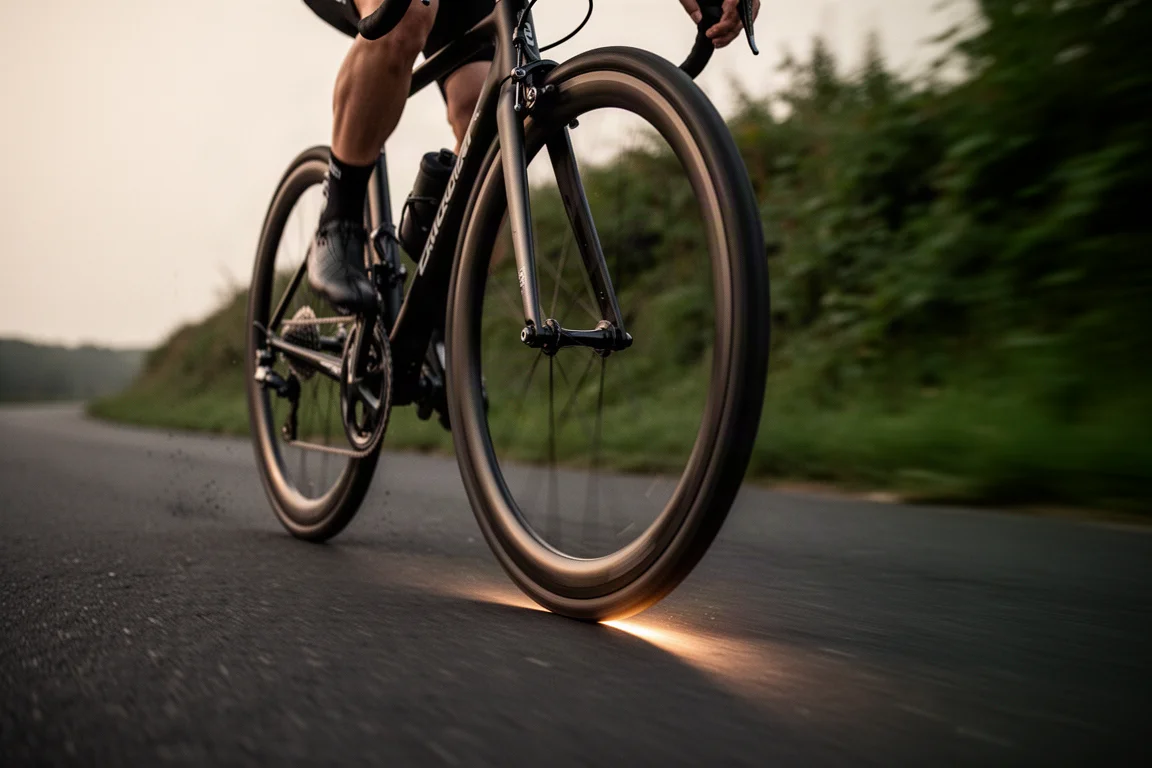
Handling stays faithful to the TCR formula. The geometry, stack, reach and trail numbers work well together, and the steering is quick and race-oriented without being difficult to live with if you do not race. Comfort has not been an issue on smooth roads, and the bike shrugs off the occasional cracked or broken surface without complaint. The fit suited a 181cm rider on a size ML.
Trade-Offs to Weigh Before Buying
Tire clearance is largely unchanged, which may disappoint riders hoping to run wider rubber. Riders who want more volume are pointed toward the Defy, which accepts tires up to 38mm.
The range-topping bike uses a carbon handlebar and a separate stem rather than a one-piece Cadex carbon bar and stem. A two-piece setup makes it easier to change stem length and bar width, but it forgoes a small aerodynamic gain, and buyers at this price point may reasonably expect an integrated cockpit.
The freehub is loud, which is a matter of taste rather than performance. And the aerodynamic gains, at just over 4 watts claimed for the complete bike, are modest next to rivals that have pushed harder in this area.
Buying Advice: Which Build Makes Sense
Giant has taken a system approach rather than chasing a single headline improvement. Frame, fork, handlebar, wheels and tires were developed together, and the combination of lower linear drag, rotational drag savings from the new wheels and the lower rolling resistance of the new tires is claimed to add up to 12 watts.
The TCR also sits alongside the Propel in Giant’s range, and the two ride very differently. A Propel in the same top-end trim weighs 6.9kg, so not much more, but it offers considerably more aerodynamic performance. The TCR is the sharper, more agile and more lively of the two, and it climbs better. The Propel feels more purposeful than playful.
That makes the TCR a strong choice for riders who want a light, stiff race bike with classic handling and a broad spread of build options. If outright aerodynamic performance on exposed roads is the priority, the Propel is the more logical pick. Riders who want a more forgiving ride and wider tire clearance should look at the Defy.
Conclusion
The 2026 Giant TCR Advanced SL is an evolution rather than a revolution, and it is a well-executed one. Weight is down, stiffness is up, routing is cleaner, and the new Cadex Max 40 wheels and Race GC tire round out a package that feels fast and direct on the road. The aerodynamic gains are modest, tire clearance is unchanged and the cockpit is a two-piece design, so it is worth matching the bike to your own priorities. For riders who value low weight, sharp handling and a wide range of price points, it is an easy bike to recommend.
Further reading
Related Reviews

Road Bikes
10 New Road Bikes Worth Watching: Aero, Titanium, Steel and Endurance Standouts
A practical roundup of 10 new road bikes, from aero flagships chasing single-watt gains to titanium, steel and endurance platforms built for real roads.
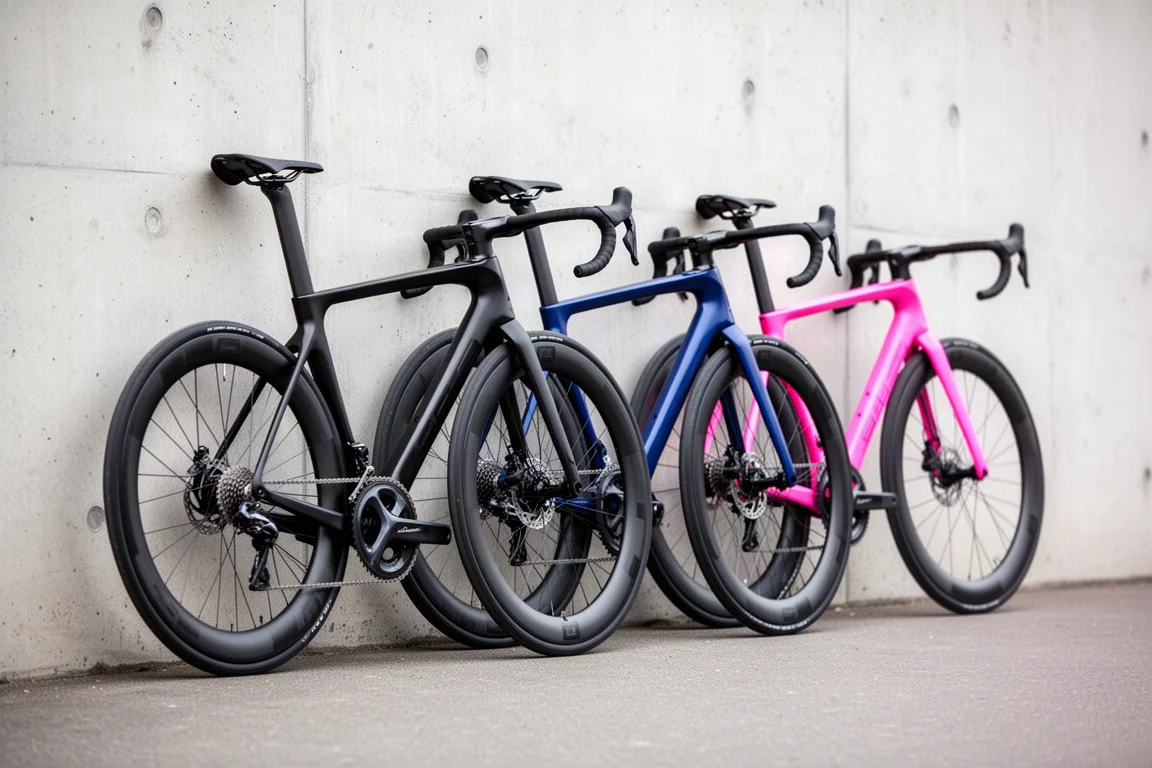
Road Bikes
2026 Tour de France Road Bikes: Six Race Machines Worth a Closer Look
Six race bikes from the 2026 Tour de France grid, reviewed for paint, silhouette, wheels and the specification details that matter to buyers.
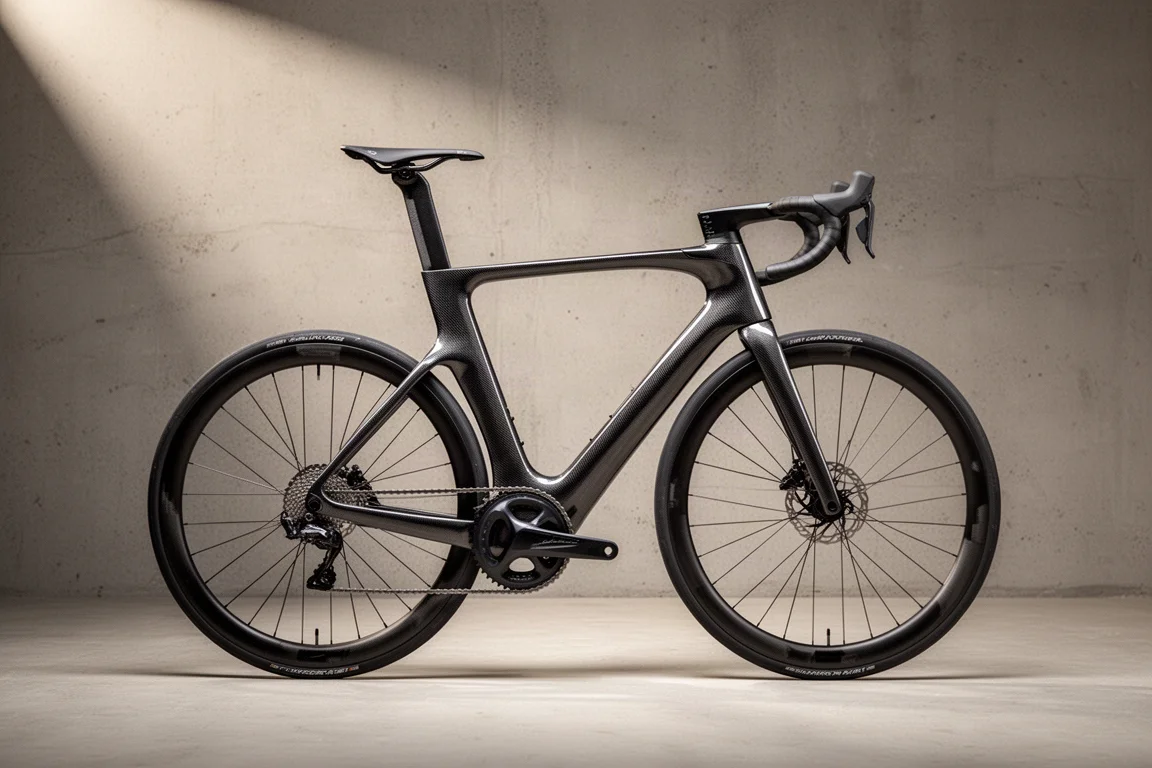
Road Bikes
3T Strada Italia Review: A Radical Aero Road Bike That Rides Smooth
A made in Italy carbon aero road bike with a deep head tube, wide tire clearance and a genuinely comfortable ride. Here is what to know before buying.