Climbing Bikes
Giant TCR Advanced SL 0 Review: A Climbing Bike Built for Steep Gradients
The Giant TCR Advanced SL 0 took the top spot in a 2024 climbing bike comparison. Here is what makes it engaging on steep gradients and what to weigh before buying.
Introduction
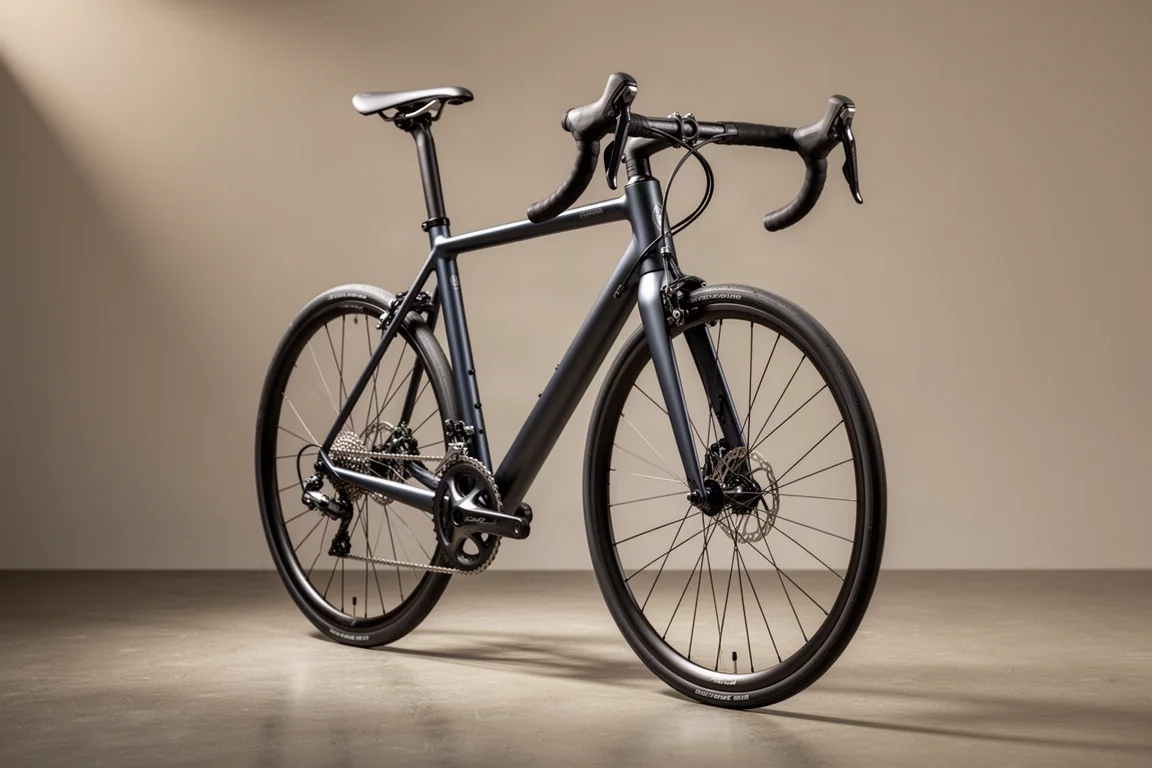
The Giant TCR Advanced SL 0 took the top spot in a 2024 comparison of climbing bikes, and the reasoning behind that result is easy to follow. Climbing bikes still have a place in a market obsessed with aerodynamic efficiency, because a light, sharp-handling machine can be genuinely fun and engaging to own, particularly for riders who do not want to go all in on aero gains.
The TCR is also one of the most historically significant race platforms in road cycling. The original compact geometry arrived in the early 2000s, adapted from mountain bike design, and it reshaped how road frames were sized and built. This is the tenth iteration of the TCR, and it may well be the last one, which gives the Advanced SL 0 a slightly unusual status: a mature, heavily refined design that represents the end of a long line.
Who This Bike Is For
The Advanced SL 0 is aimed at riders whose priorities sit on gradients rather than on flat, exposed roads. If your riding revolves around long climbs, repeated steep pitches and technical descents, a climbing-focused frame tends to reward you in ways that an aerodynamic all-rounder does not.
Geometry is the reason. Depending on how the stack and the rest of the fit numbers come together, two bikes of similar weight can feel completely different once the road tilts upward. Some feel lively and immediate when you stand on the pedals, and they encourage you to attack a steep ramp rather than settle into a rhythm. Others feel a touch slower to respond, which is not a flaw so much as a different character. The TCR Advanced SL 0 sits firmly in the first camp, and that responsiveness is the core of its appeal.
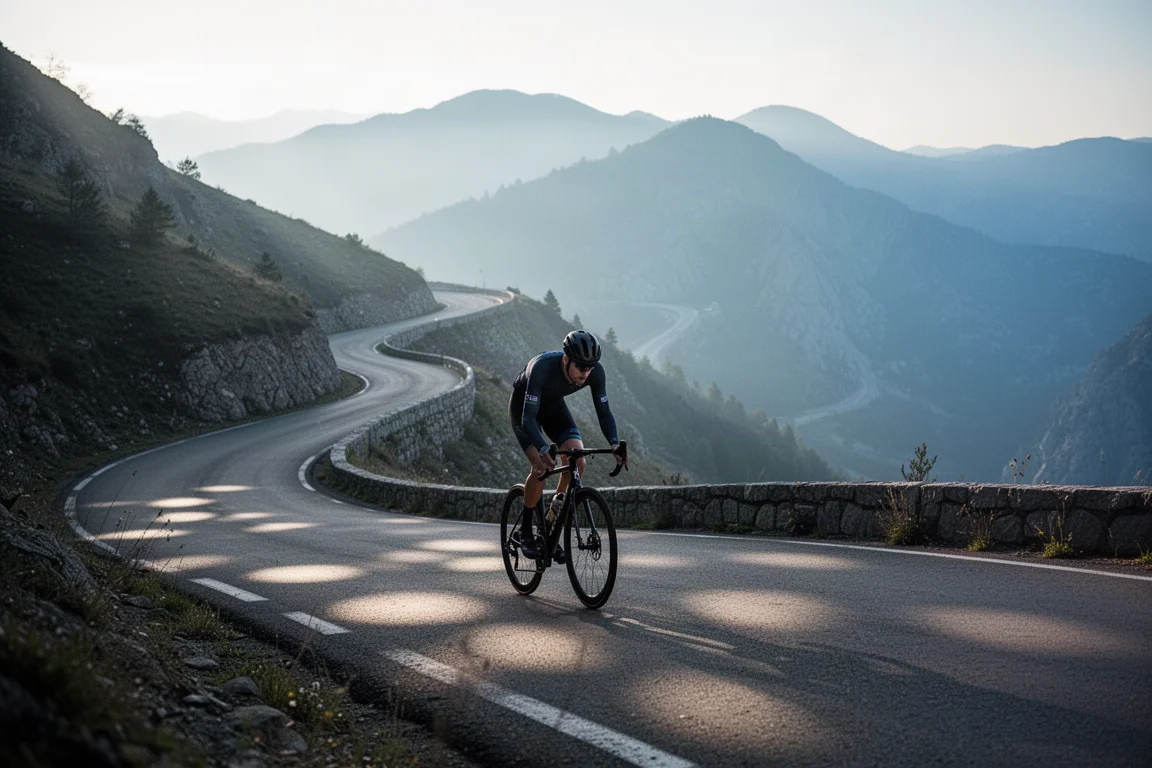
It also suits riders who value a bike that feels enjoyable on every ride, not only on the days they are chasing a personal best. Climbing frames of this type tend to feel direct and communicative under power, and that quality shows up on rolling terrain as much as on a mountain pass.
Main Strengths
The strongest argument for the TCR Advanced SL 0 is how good it feels to ride. It is a bike that invites hard efforts, and it responds in a way that makes steep gradients feel like an opportunity rather than a chore. Riders who prefer standing on the pedals on a sharp incline will find the character here particularly satisfying.
That behaviour is not accidental. Chainstay length and the rest of the rear-end geometry have a large influence on how a bike transfers power and how it feels when you lift out of the saddle, and the TCR line has been tuned around those characteristics across ten generations. Decades of refinement have produced a frame that feels settled at speed while still feeling eager when the road ramps up.
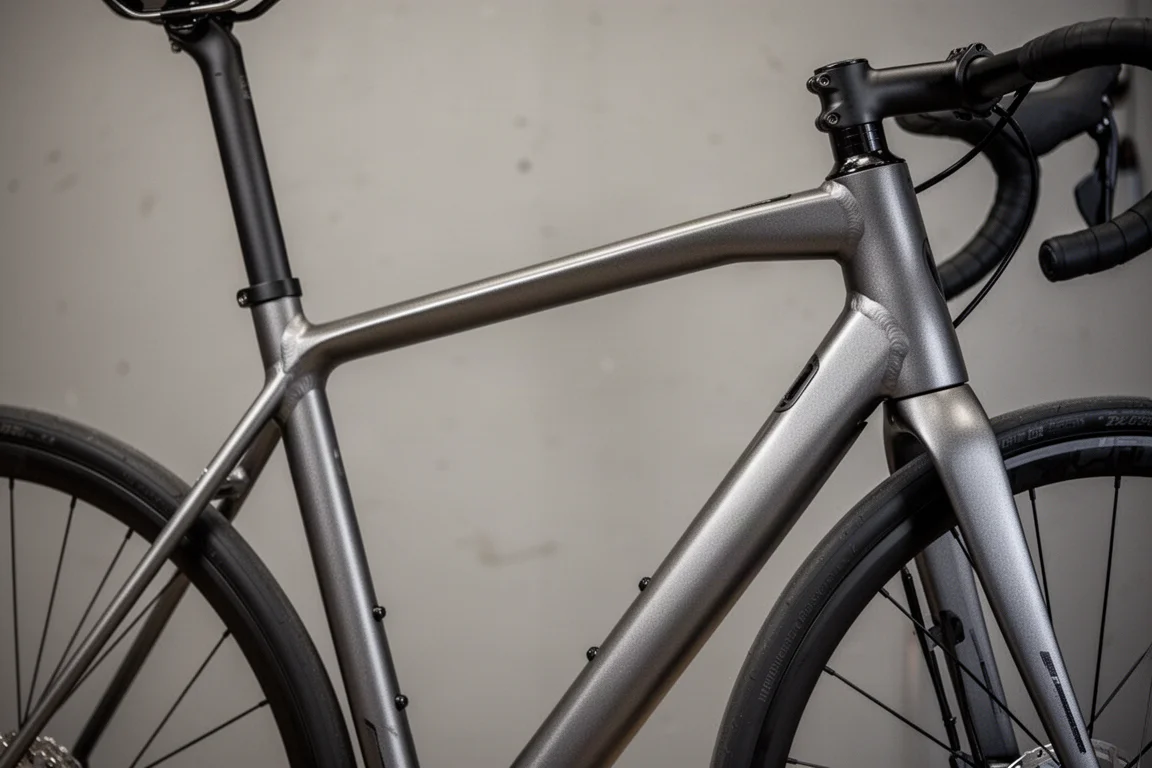
The compact geometry heritage matters here too. What began as a mountain bike idea adapted for the road has been honed over many years, and the result is a frame that balances a low, efficient riding position with handling that stays predictable when you are pushing hard on unfamiliar climbs.
Things to Consider Before Buying
The most important thing to understand is that this is a climbing bike, not an aerodynamic one. If your riding is dominated by flat roads, long solo efforts into the wind or high-speed group riding, a frame designed first for low weight and climbing response may not be the most efficient tool for that job. That is a trade-off rather than a shortcoming, and it is worth being honest about which kind of rider you are.
Fit and feel are also personal. Because geometry has such a strong effect on how a bike behaves on a gradient, two riders can have very different impressions of the same frame. The numbers that make one rider feel instantly at home can make another feel slightly out of place, so treat any geometry chart as a starting point rather than a verdict.

There is also the question of timing. This is the tenth iteration of the TCR and possibly the final one, which is worth thinking about if you like to buy into a platform with a long future ahead of it. For riders who simply want a highly developed climbing bike, that same fact can be a positive: the design has had years of iteration behind it.
Buying Advice
Start with your terrain and your riding style rather than the spec sheet. If your best days involve climbing, the TCR Advanced SL 0 is a coherent choice, because everything about the platform is pointed at that experience. If your routes are flatter and more exposed, an aerodynamic-leaning bike will likely serve you better, and no amount of climbing pedigree will change that.
Next, think about how you want the bike to feel when you stand on the pedals. Responsiveness on steep gradients is the quality this bike is known for, and it is the reason it stood out in a 2024 climbing bike comparison. Riders who enjoy that immediate, engaging character will get more from it than riders who prefer a steadier, more planted feel.
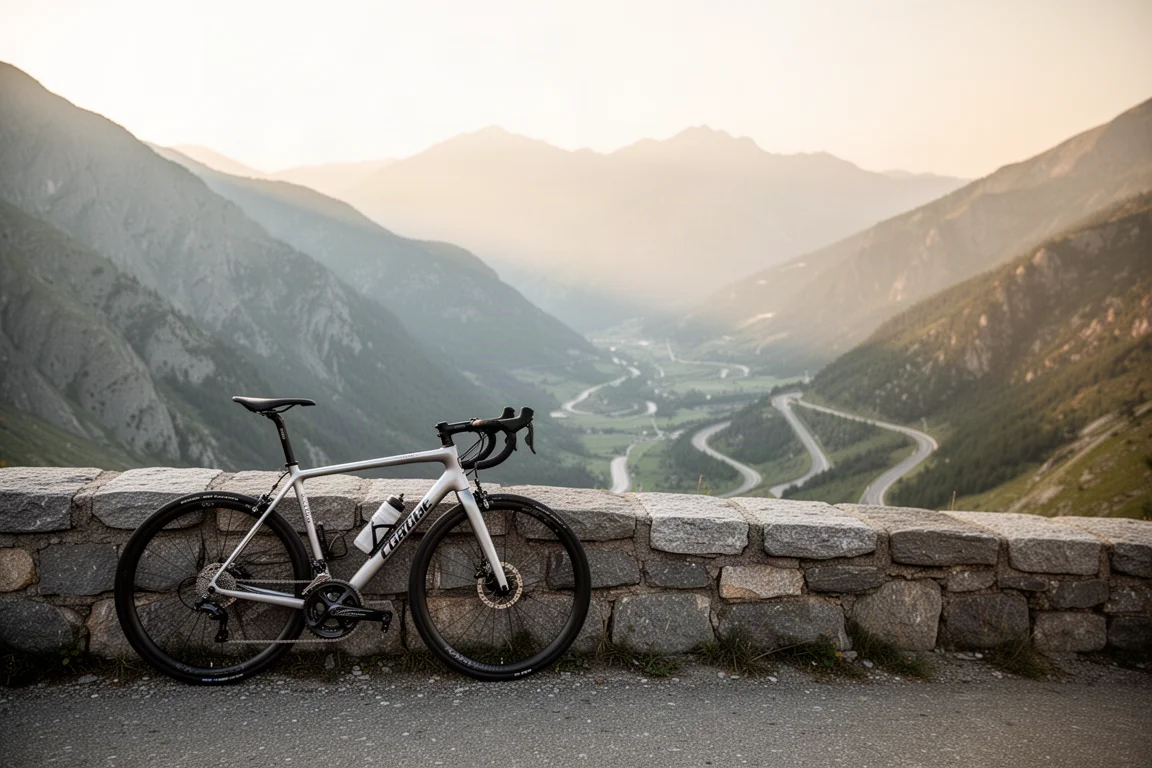
Finally, treat fit as part of the purchase rather than an afterthought. A climbing bike rewards a position you can hold comfortably on a long ascent, and small adjustments to reach and saddle height often make a bigger difference to how the bike feels on a gradient than any component change. Get the fit right and the rest of the platform does its job.
Conclusion
The Giant TCR Advanced SL 0 earns its reputation the straightforward way: it is a climbing bike that is genuinely enjoyable to ride, with the kind of out-of-the-saddle response that makes steep gradients feel rewarding. Its compact geometry lineage, refined across ten generations, gives it a level of maturity that few platforms can match, even if this turns out to be the last chapter in the story.
It is not the right bike for every rider. Anyone who prioritises aerodynamic efficiency on flat, exposed roads should look elsewhere. But for riders who measure a good ride in elevation gained and who want a machine that feels alive when the road goes up, the TCR Advanced SL 0 makes a strong and well-justified case for itself.
Product link
View more details for Giant TCR Advanced SL 0
This product is mentioned in the review. Check the specifications, options, and compatibility before buying.
View more details for Giant TCR Advanced SL 0Further reading
Related Reviews
Gravel Bikes
3T RaceMax 2 Italia Review: A Faster, Smoother Aero Gravel Race Bike
A detailed look at the second-generation 3T RaceMax 2 Italia, a fast aero gravel race bike with a smoother ride, integrated frame storage and a few trade-offs worth weighing first.
Cycling Gear
8 Cycling Products Riders Keep Coming Back To
Eight cycling components and accessories with clear strengths, honest trade-offs and long-standing reputations among riders and mechanics.
Cycling Helmets
ABUS AirBreaker 2 Review: A Climbing Helmet Rebuilt Around Airflow
The ABUS AirBreaker 2 keeps its aero profile and reworks ventilation with wider vents, added side intakes, an internal chimney, ActiCage and MIPS Air Node Pro.