Gravel Bikes
3T RaceMax 2 Italia Review: A Faster, Smoother Aero Gravel Race Bike
A detailed look at the second-generation 3T RaceMax 2 Italia, a fast aero gravel race bike with a smoother ride, integrated frame storage and a few trade-offs worth weighing first.
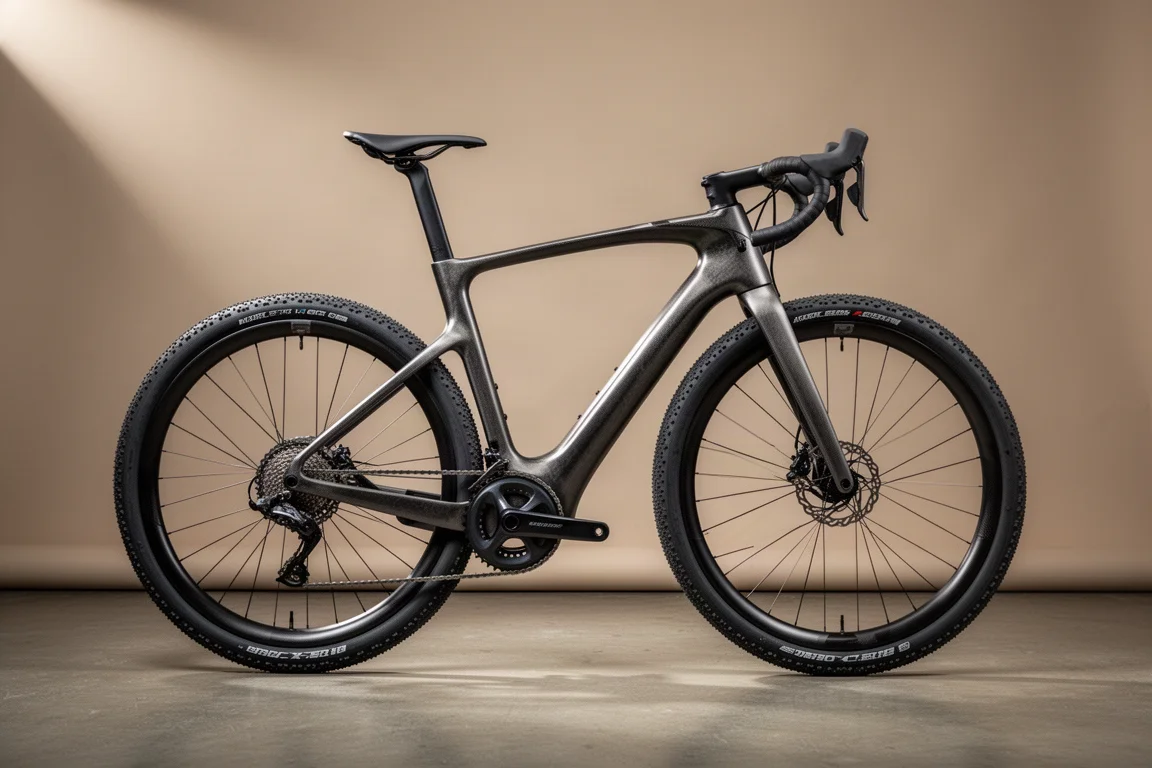
Introduction
Gravel bikes have changed a great deal in a short time. When 3T introduced the Exploro in 2016, it was pitched as the first aero gravel race bike, and plenty of riders questioned whether aerodynamics could matter on loose surfaces. A decade of wide rims, aero tube shapes and race-focused kit later, that idea looks far less contrarian.
The Exploro evolved into the RaceMax in 2020, and 3T has now introduced the second-generation RaceMax 2. The bike covered here is the Italia version, ridden for several weeks on local trails, on fast gravel and on tarmac. It is a deliberate evolution rather than a reinvention, and that shapes both what it does well and what it asks of a buyer.
Who the 3T RaceMax 2 Italia Is For
This is a race gravel bike in the truest sense. It is built around speed on fast, open gravel, and it is just as comfortable being ridden on the road, which makes it a strong option for riders who cover long distances across mixed surfaces and want one bike to do both well. The steep seat tube angle and forward saddle position suit riders who spend long stretches crouched low on the hoods chasing average power on big, open courses.

It is less suited to riders who want a playful, short-stem feel on tight woodland singletrack, or who plan to spend much of their time on rough, mountain-bike-style descents. That distinction matters more than the spec sheet suggests, because the frame’s geometry and the long stem both push the bike toward open, fast terrain.
Frame Design and Aerodynamic Updates
Side by side with the first-generation RaceMax, the new frame is hard to tell apart. The blueprint carries over, including the distinctive down tube, which measures 54 mm across at the front wheel before flaring out to 75 mm around the water bottle to shield airflow in that area.
Up front, the head tube gains a nose cone profile, and both the head tube and the fork blades are narrower, with a low-profile fork crown. Together these changes contribute to a claimed 1.5 percent aerodynamic improvement. The seat tube still curves around the rear wheel, the rear stays are dropped and skinny, and the chainstays are dropped as well. A universal derailleur hanger is part of the package.
Main Strengths: Ride Quality and Real-World Speed
The most noticeable change out on the trail is smoothness. Earlier RaceMax models have never been the most supple bikes over rough surfaces, and tire size did much of the work. The test bike runs 45 mm tires that measure 46 mm on its wide rims, and the result is a noticeably smoother ride than before.
That said, it is not the plushest gravel bike around. Comfort-focused models such as the Specialized Diverge and the Giant Revolt still ride more softly. What the RaceMax 2 delivers instead is pace. On fast gravel it feels rapid, in the same ballpark as a Canyon Grail, and the 1.5 percent aerodynamic claim is not something a rider will feel on a real trail.
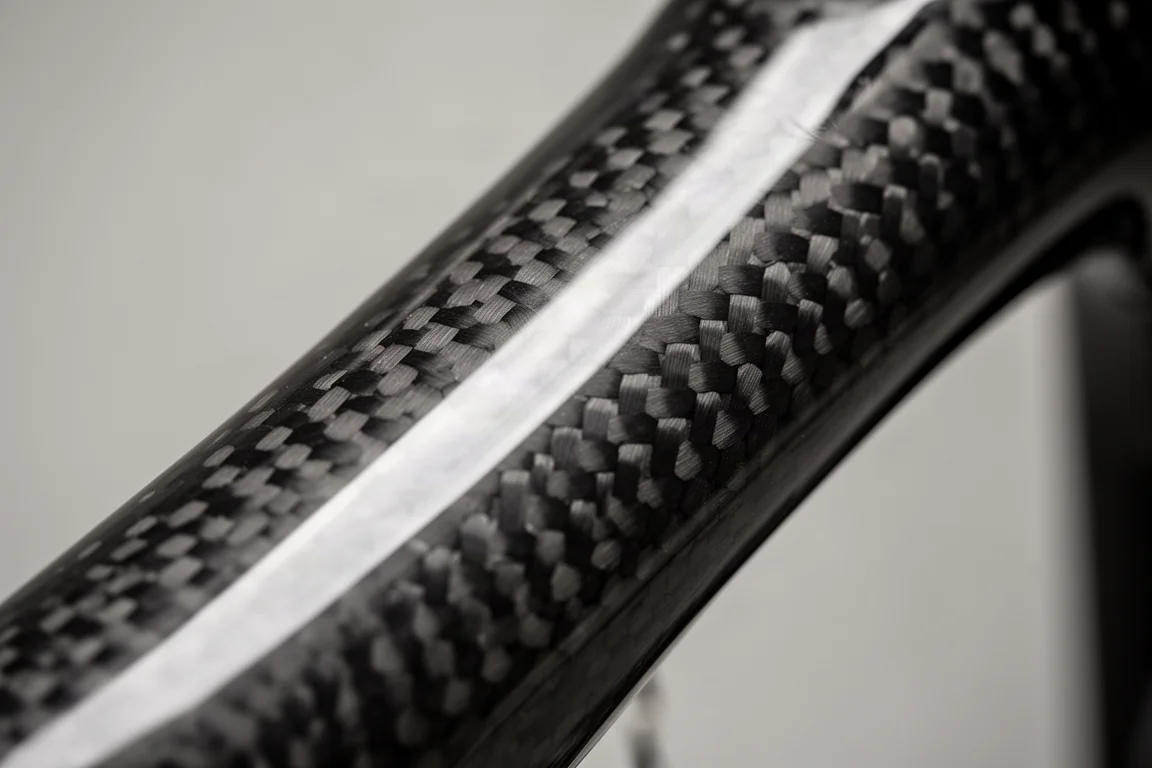
The component choices are a genuine strength. SRAM’s Force Explorer groupset performs well, the saddle stays comfortable over long rides, the flared handlebar works nicely, and 3T’s own carbon Discus wheels use a 29 mm internal and 40 mm external rim width with Scope hubs and Sapim spokes, at a claimed weight of just over 1,400 g. The complete bike weighed 9.2 kg without pedals, with two bottle cages and a computer mount fitted, which is roughly a kilo more than a Giant Revolt.
Frame Storage and the Integrated Rear Light
Internal frame storage appears on a 3T for the first time here, and it is a genuinely useful feature: tools and spares stay inside the frame, out of the weather, and the space freed up on the seat post is used for a built-in rear light. That light puts out 25 lumens across five modes and can be removed in favour of a blanking plate if you would rather run your own.
The execution is the weak point. The access hole is small, the neoprene bag inside holds less than comparable systems, and the finish around the opening is rough, with sharp edges and some excess carbon. It does not feel as mature as the neatest storage systems on the market, even though the lid itself locks down securely once the metal tab is pushed into place.
Tire Clearance and Mud Clearance
Tire clearance has improved. With a single chainring the frame accepts tires from 41 mm to 51 mm as measured width, and fitting a front derailleur for a two-by setup reduces that maximum to 48 mm. The test bike’s 45 mm tires sit with very little room to spare, front and rear, and after a wet week the mud clearance becomes a real limitation rather than a theoretical one.
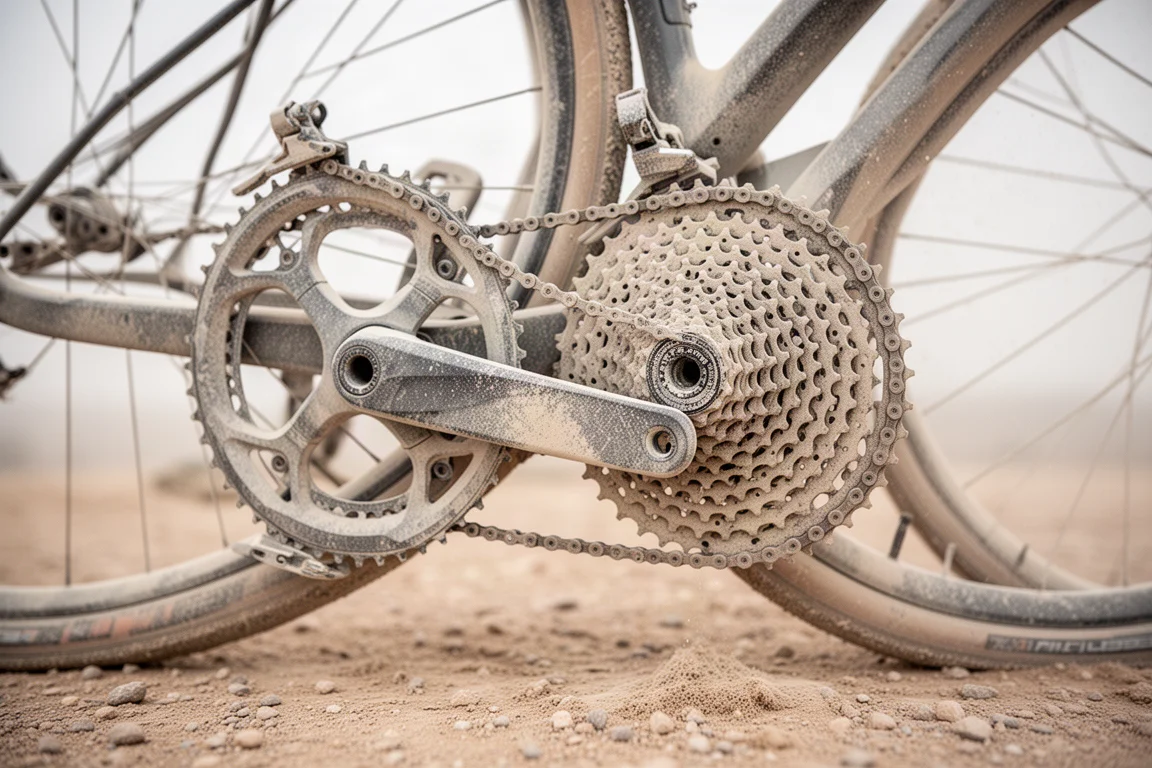
Wider clearance is available elsewhere, with some gravel frames now accommodating tires in the 53 mm to 58 mm range, and mountain bike tires have become common in US gravel racing. The increase here is a step in the right direction, but a modest one.
Things to Consider Before Buying
The stem is the most immediate talking point. The size large frame tested, a 56 cm, came with a 130 mm stem, which is longer than many riders would choose for off-road control. Because 3T uses its own internal routing system for the brake hoses, replacing it means using a 3T stem, which limits how far you can tune the fit and the steering feel with aftermarket parts. The computer mount that integrates into the stem is a K-Edge design and holds a computer, light or camera very securely.
Geometry has moved in a racier direction rather than a more relaxed one. The head tube angle is steeper at 71.5 degrees, the fork offset has been revised for quicker handling, the bottom bracket sits lower to offset taller tires, and the chainstays remain very short at 420 mm, tighter than the 425 mm common on comparable bikes. In practice the bike is agile, but it does not have the planted, slack-front-end feel that some rough-terrain gravel bikes offer.
Two other points are worth weighing. The frame is made in Italy, which is a meaningful draw for some buyers, and frameset pricing sits in a similar region to a comparable Specialized Crux frameset that is produced in Taiwan. And if the look of the RaceMax never appealed to you, this update is unlikely to change your mind, because the design language is largely unchanged.
Buying Advice
Complete bikes start from around £7,300, and the SRAM Force Explorer build tested here, fitted with 3T’s own carbon wheels, comes in close to £12,000. That is not budget territory, but it is comparable with other premium race gravel bikes rather than an outlier.

The RaceMax 2 Italia makes the most sense for riders whose priority is speed across fast gravel and tarmac, who want a single bike for both, and who value the made-in-Italy frame along with the clean integrated details. Riders who want maximum tire clearance, generous mud room, a shorter stem and a slacker front end for rough descents will find better matches elsewhere.
Conclusion
The 3T RaceMax 2 Italia is a fast, well-equipped aero gravel race bike that has become noticeably smoother without losing its pace. Its component choices are hard to fault, and the integrated storage and rear light are welcome additions. The trade-offs are a modest increase in tire clearance, tight mud room, a long proprietary stem and a frame storage solution that does not feel fully refined. For the right rider, those are acceptable costs for a bike that is quick wherever it is pointed.
Product link
View more details for 3T RaceMax 2 Italia
This product is mentioned in the review. Check the specifications, options, and compatibility before buying.
View more details for 3T RaceMax 2 ItaliaFurther reading
Related Reviews
Gravel Bikes
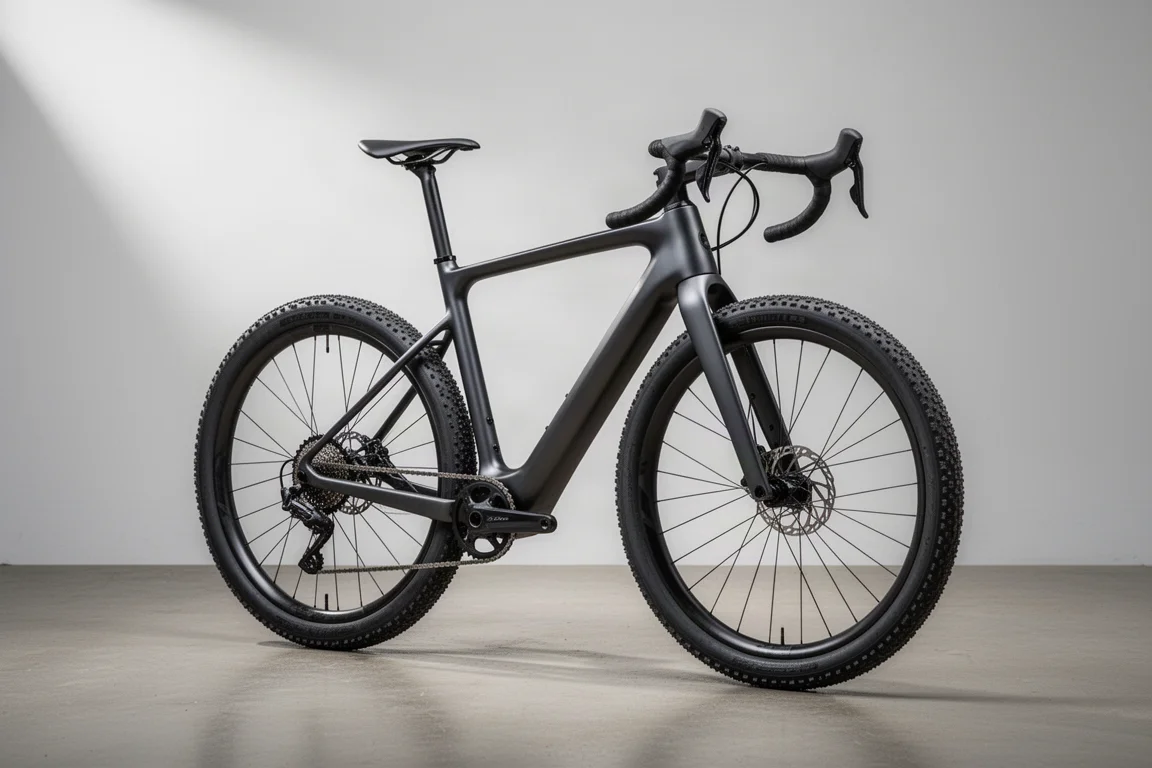
3T Exploro Ultra Review: A Fast Gravel Bike Built for Big Tyres
A close look at the 3T Exploro Ultra, an aero carbon gravel bike designed around wide tyres, with road-like handling, a 980 g frame and genuine rough-terrain capability.
Gravel Bikes
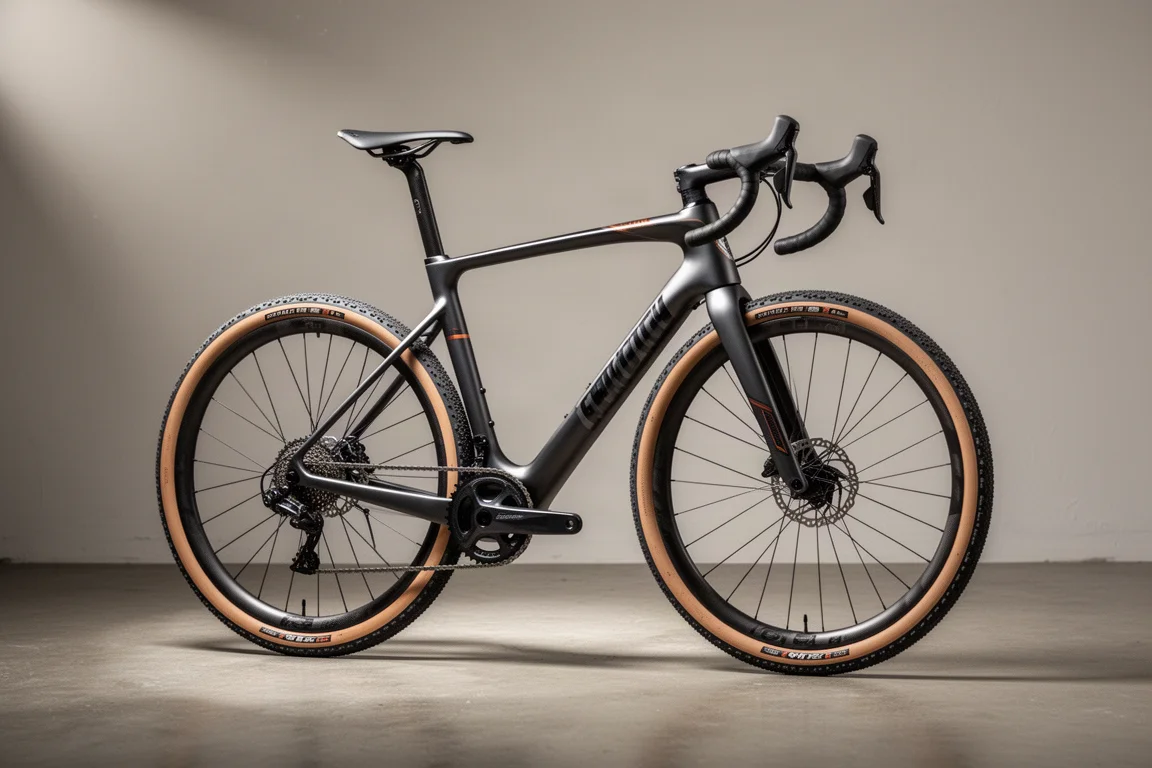
3T Extrema Italia Review: Aero Gravel Speed With Room for 57 mm Tires
The 3T Extrema Italia pairs an aero frame with huge tire clearance, Italian-made carbon and a more comfortable ride than the RaceMax. Here is what to know before buying.
Gravel Bikes
3T Race Max 2 Italia Review: An Aero Gravel Race Bike Made in Italy
A closer look at the second-generation 3T Race Max 2 Italia, covering its aero updates, ride character, tire clearance, internal storage and who it suits.