Road Bikes
Giant TCR Advanced Review: What a 10-Year-Old Road Bike Still Gets Right
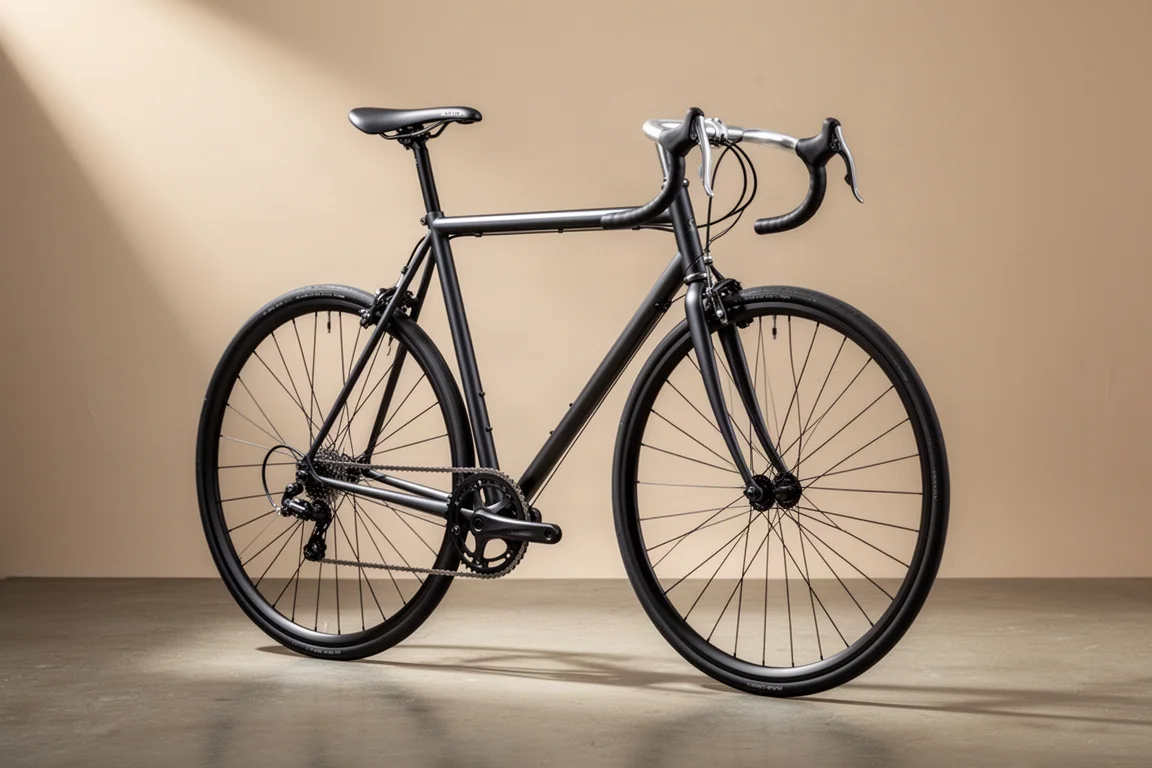
A used Giant TCR Advanced with a third-tier carbon frame, mechanical Ultegra, rim brakes, and shallow alloy wheels shows what modern road bikes traded away.
Introduction
Modern road bikes have spent the past decade chasing aerodynamics, cable integration, and marginal gains, and most of that work has genuinely made bikes faster. It has also quietly removed a set of qualities that plenty of riders still value: easy servicing at home, simple fit changes, light weight at a reasonable price, and the ability to fix things yourself with basic tools.
A ten-year-old Giant TCR Advanced makes that trade-off unusually clear. This is an unremarkable bike on paper, with a third-tier carbon frame, a Shimano Ultegra mechanical groupset, and plain alloy wheels, yet it rides remarkably light and asks almost nothing of its owner in terms of maintenance complexity. It is a useful reference point for anyone weighing a modern machine against a well-kept older one.
Who This Bike Is For
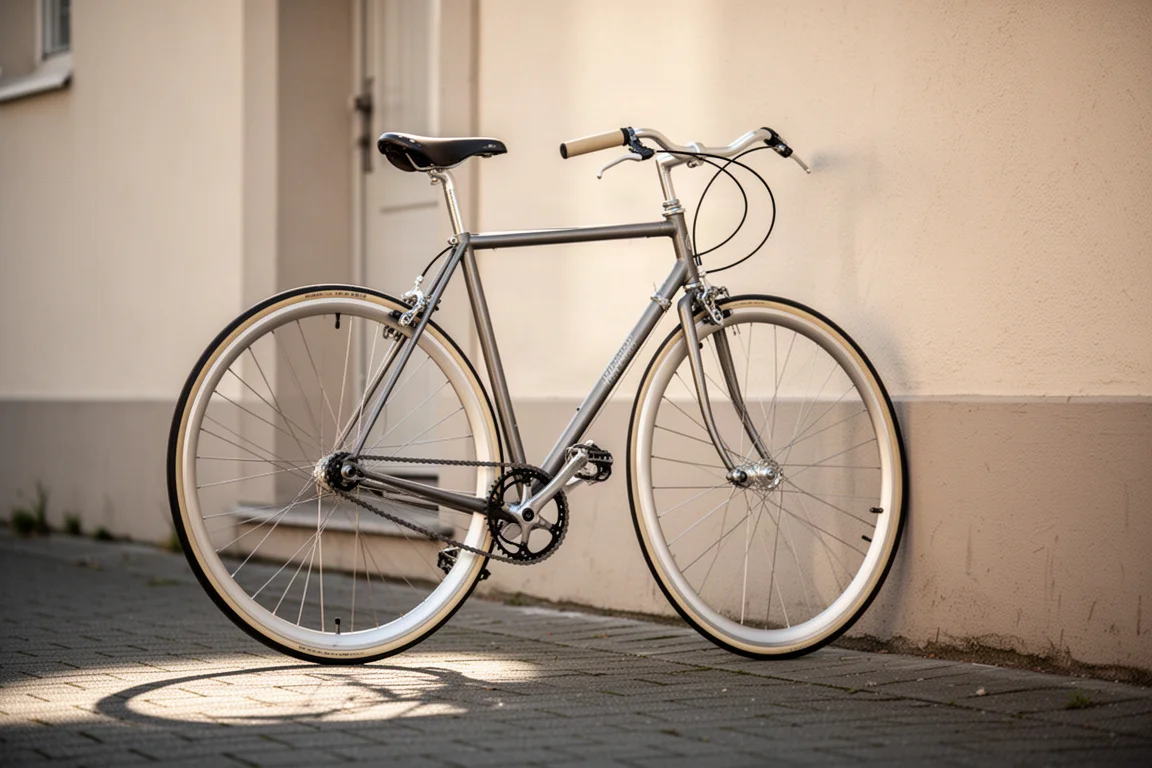
This bike suits riders who do their own maintenance and would rather spend an evening with hand tools than book a workshop appointment for routine work. It also appeals to riders who want a genuinely light road bike without paying the premium that current lightweight models command.
It is a less obvious fit for riders who prioritize aerodynamics above everything else, who want the widest possible tire clearance, or who prefer the shifting consistency and app-based tuning of an electronic groupset. Those riders are better served by something newer.
Frame, Weight, and Climbing Feel
The frame here is a third-tier carbon construction, paired with a Shimano Ultegra groupset and alloy wheels. Nothing about that specification sounds special, and yet the complete bike is as light as models costing considerably more that carry the latest technology and the marketing claims that come with it.
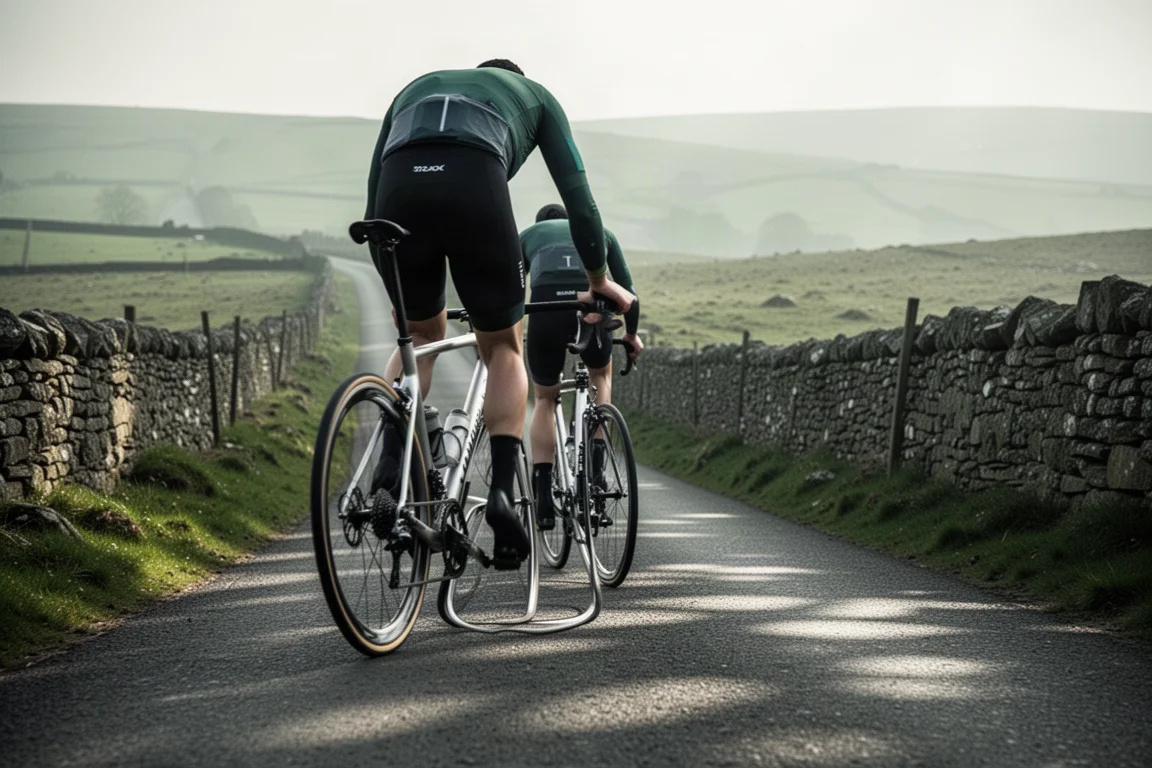
That lightness is the most immediate thing you notice. A bike like this lifts easily on a single finger and feels eager under acceleration, which matters far more on real rides than a wind-tunnel number. Modern bikes may be better in several measurable ways, but they are also heavier, and matching this weight today generally means spending a substantial amount of money.
External Routing and Home Maintenance
External cable routing is one of the clearest practical advantages of this generation of road bike. Because the cables run outside the bar and stem, replacing headset bearings is a straightforward job: remove the stem, undo a bolt, and swap the bearings. On a fully integrated modern bike, the same task can run to several hours of work involving brake bleeding, internal routing, and a great deal of patience.
Fit changes are equally simple. If a stem is the wrong length, it can be swapped. Changing to a narrower, wider, flared, or differently shaped handlebar is a realistic at-home task rather than a workshop project. Wrapping fresh bar tape is tedious on any bike, integrated cockpit or not, so nothing is lost there. For riders who adjust their position often or ride enough to wear out consumable parts, this ease of access is a genuine long-term benefit.
Mechanical Groupsets and Simplicity
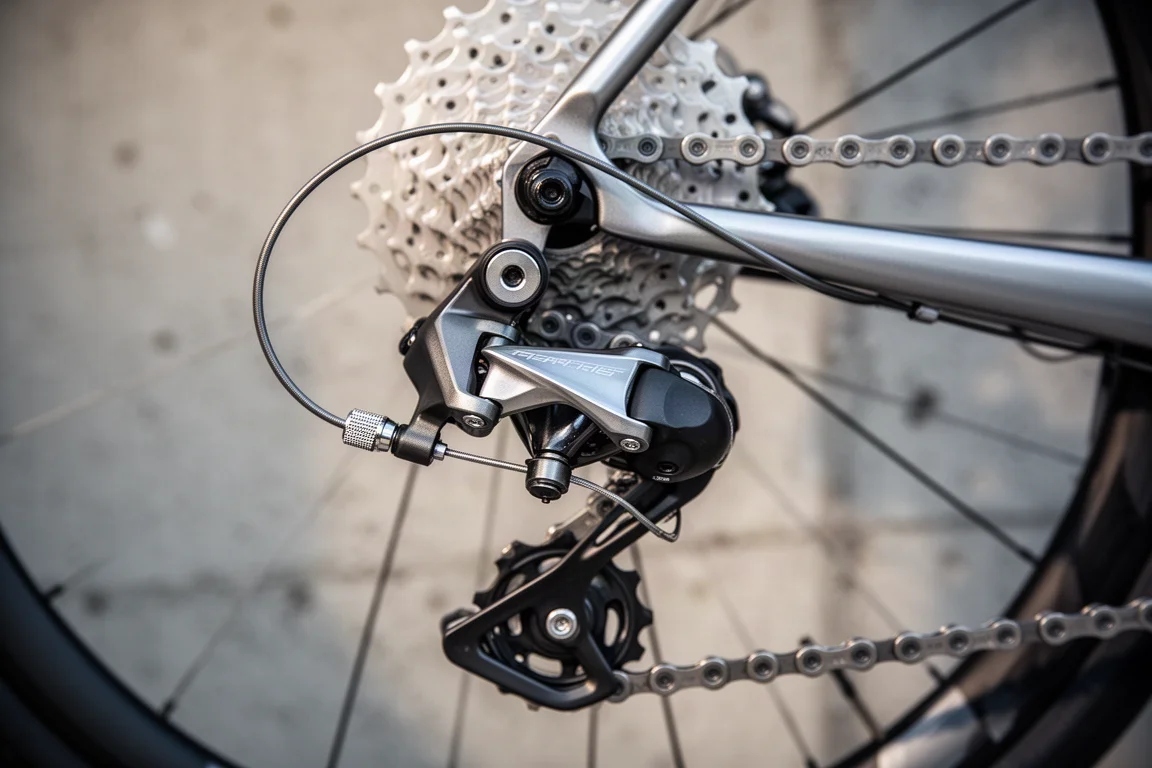
A mechanical groupset brings an appealing kind of simplicity. There are no batteries to charge and no motors that can fail, and indexing the gears is a matter of turning a small barrel adjuster. An electronic groupset, by contrast, typically requires pairing with a smartphone app over Bluetooth before you can configure it.
Mechanical systems also hold an advantage on weight, since they carry neither batteries nor motors, and they remain the benchmark for a lightweight setup. That combination of low mass, no charging routine, and tool-free adjustment is a large part of why this bike still feels so easy to live with.
Rim Brakes and Alloy Wheels
Rim brakes have real strengths. Setting pad clearance against the rim is far simpler than centering a rotor between two calipers, where the tolerance is very tight. Rim brakes are also quiet, free of the squealing and howling that disc rotors and pads can produce when contaminated with oil or road grit, and less prone to noise in the rain.
Servicing follows the same pattern. Brake blocks are easy to replace, including swapping to carbon-specific pads if you run carbon wheels, and clearance can be adjusted with a barrel adjuster. Disc brakes are powerful and reliable in all weather, but they demand more attention: bleeding, spongy levers, and rotors that bend easily during travel are all familiar frustrations.
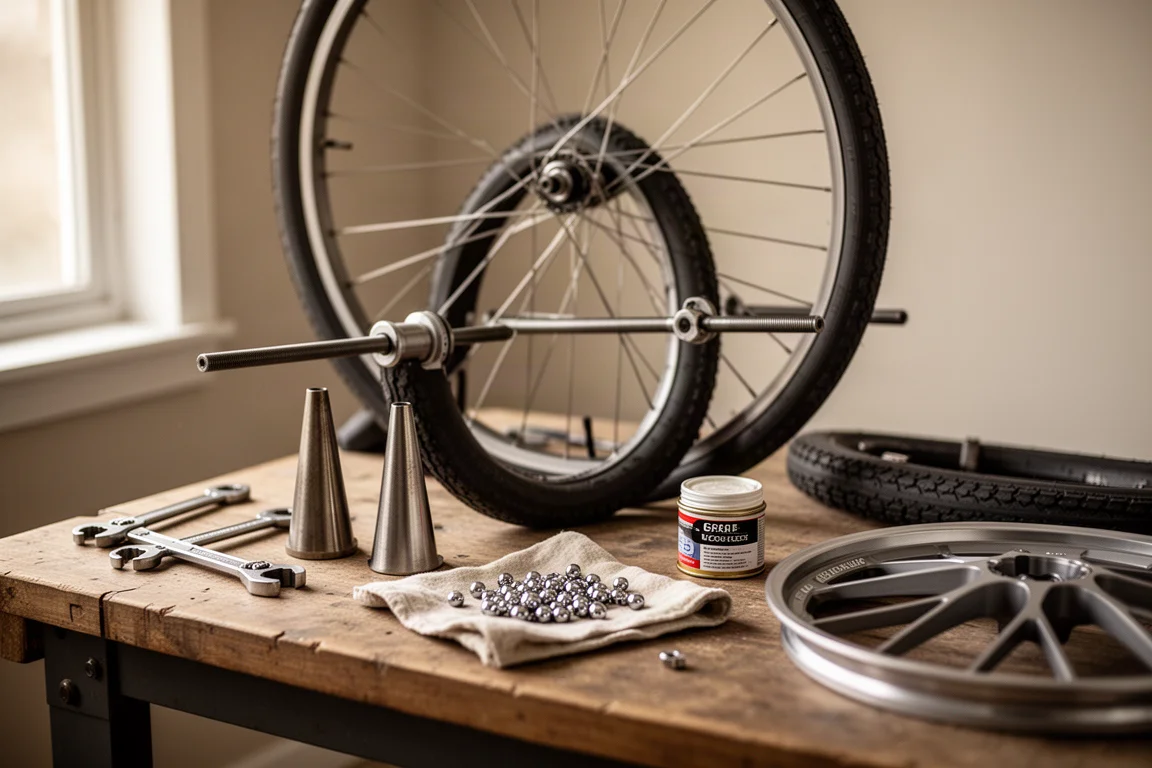
The wheelset reinforces the theme. Shallow box-section alloy rims with a modest spoke count are relatively light precisely because there is so little material in them, and simple cup-and-cone bearings are easy to service at home. With rim brakes, alloy braking surfaces also perform very well, with plenty of power. The trade-offs are real, though: rim brake surfaces eventually wear out, and rim brakes limit how wide a tire you can fit.
Things to Consider Before Buying
The limitations are worth weighing honestly rather than dismissing. Tire clearance is the big one, and it rules out the wide, comfortable rubber that many riders now prefer. The rim braking surface is a wear item, so on an older frameset it is worth checking condition carefully. Wheel and frame standards from a decade ago also mean fewer easy upgrade paths than a current platform offers.
On the plus side, this generation of bike is simple to inspect. External cables, exposed bearings, and standard components make it easier to judge condition before you commit, and there is far less hidden hardware to worry about.
Buying Advice
A bike like this makes most sense if you value light weight, simple maintenance, and a low entry cost over aerodynamic optimisation. Check the brake tracks on the rims, the condition of the headset and wheel bearings, and the state of the drivetrain before buying, since those are the parts that decide whether a cheap purchase stays cheap.
If your priorities are wide tires, disc braking in all conditions, and fully integrated cable routing, a modern bike is the better answer and worth the extra outlay. If your priorities are a light, repairable, mechanically straightforward road bike that you can maintain yourself, this is exactly the kind of machine that still delivers.
Conclusion
The Giant TCR Advanced shows that the gains of the past decade came with genuine costs. It is not more aerodynamic and it will not accept the widest tires, but it is light, easy to adjust, quiet under braking, and serviceable with basic tools. For riders who prize those qualities, an older road bike like this remains a confident and rewarding choice.
Product link
View more details for Giant TCR Advanced
This product is mentioned in the review. Check the specifications, options, and compatibility before buying.
View more details for Giant TCR AdvancedFurther reading
Related Reviews

Road Bikes
10 New Road Bikes Worth Watching: Aero, Titanium, Steel and Endurance Standouts
A practical roundup of 10 new road bikes, from aero flagships chasing single-watt gains to titanium, steel and endurance platforms built for real roads.
Road Bikes
2026 Tour de France Road Bikes: Six Race Machines Worth a Closer Look
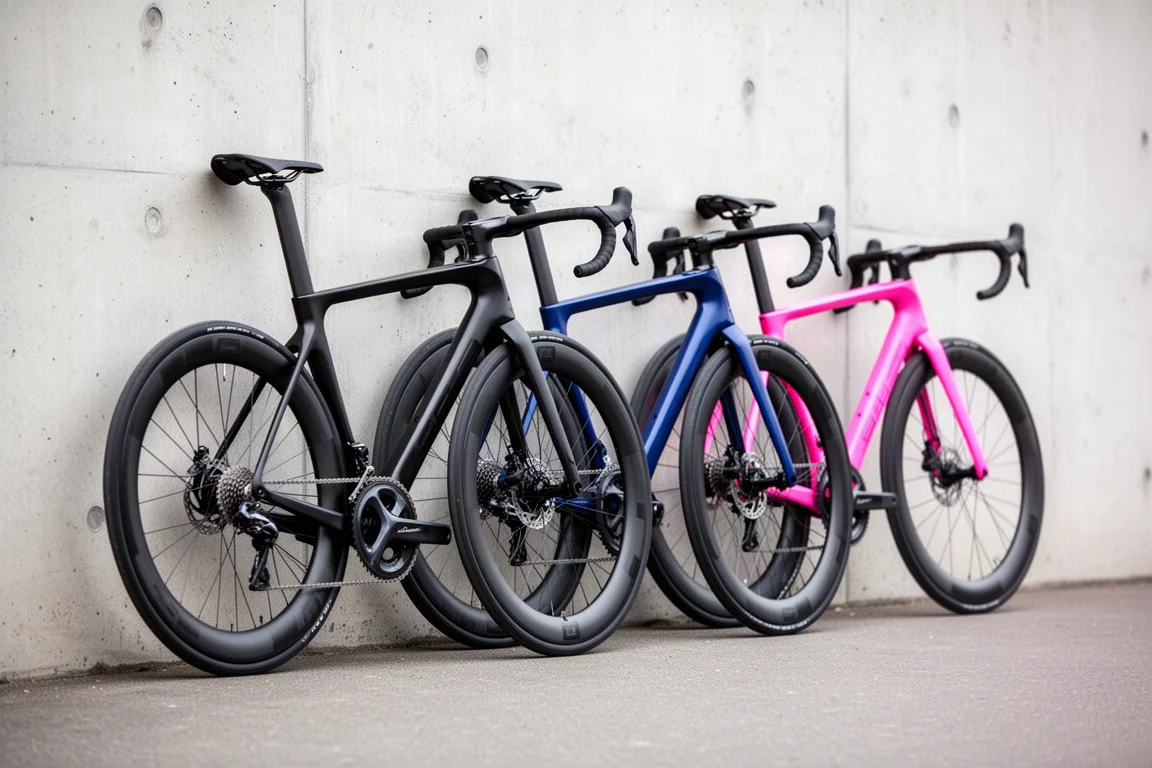
Six race bikes from the 2026 Tour de France grid, reviewed for paint, silhouette, wheels and the specification details that matter to buyers.
Road Bikes
3T Strada Italia Review: A Radical Aero Road Bike That Rides Smooth
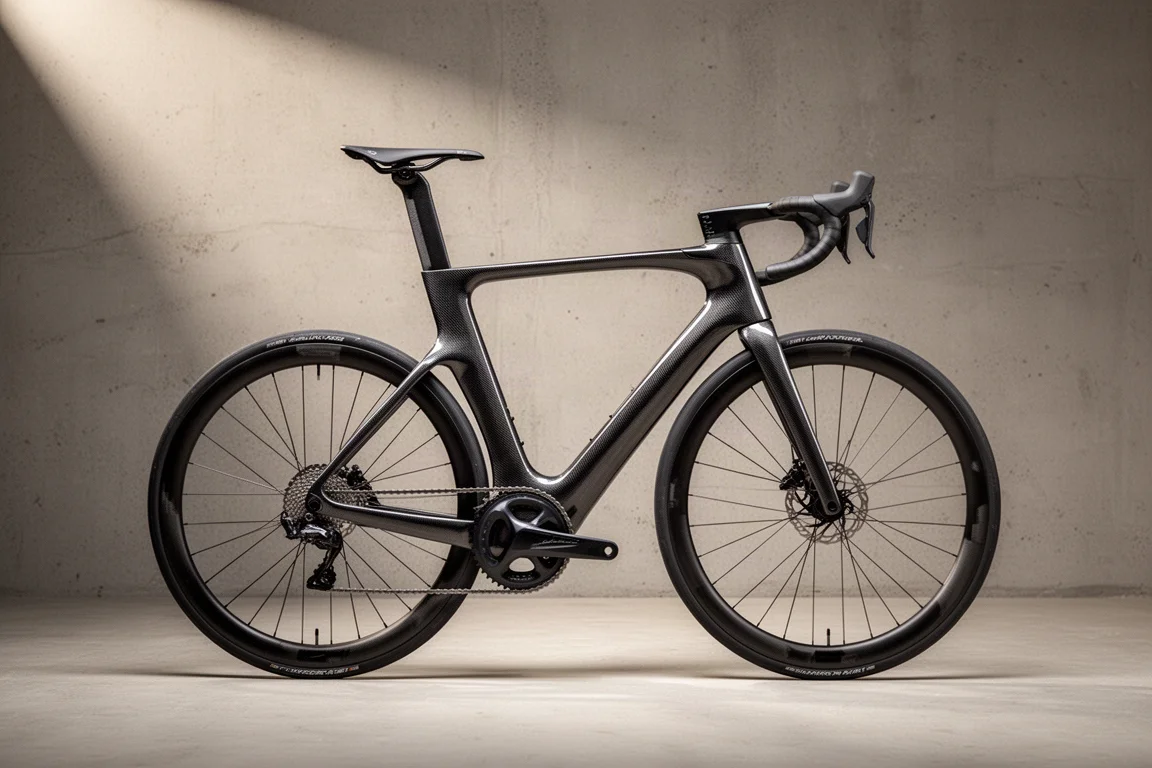
A made in Italy carbon aero road bike with a deep head tube, wide tire clearance and a genuinely comfortable ride. Here is what to know before buying.