Road Bikes
Giant TCR Advanced Pro: Two Years of Ownership
A two-year ownership account of the Giant TCR Advanced Pro, covering frame value, groupset reliability, component wear, and whether the newer TCR SL is worth upgrading to.
Introduction
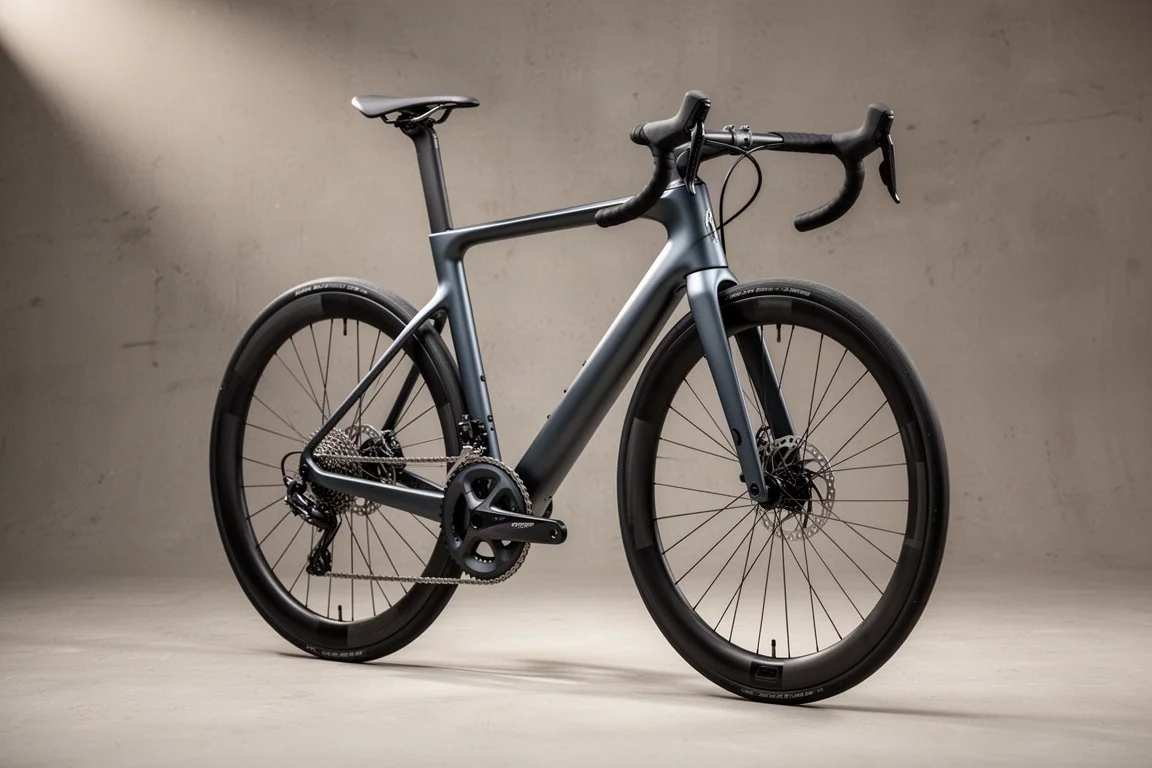
The Giant TCR Advanced Pro has been in regular use for around two years, built up from a frameset rather than bought complete. In that time it has covered rough local lanes and, more recently, far smoother roads in Taiwan. A newer TCR SL has since arrived, lighter, stiffer and more aero. That raises an obvious question for anyone who already owns a good road bike: is a newer version worth replacing a bike that has been close to faultless?
The newer bike is better by every measure that matters on paper, yet the improvements land as marginal gains rather than a step change. That is less a criticism of the new model than a reflection of where road bikes already are. Modern frames have been very good for several years, and expecting large leaps in weight or aerodynamics from one generation to the next is optimistic. It is also worth being clear about what any comparison can show. Riding a top-of-the-range build with premium wheels on exceptionally smooth roads abroad is not a like-for-like test against a Pro-level bike on coarse, wet local tarmac. Different roads, weather and specifications all shape the impression.

What follows is a long-term ownership account of the TCR Advanced Pro rather than a first-ride impression: how the frame has held up, which component choices have worked, the one small irritation that has appeared, and how to decide whether this bike still makes sense for you.
Who the Giant TCR Advanced Pro Is For
This is a bike for riders who care about frame value rather than owning the absolute lightest or most aero machine in the range. The Pro level offers a strong weight-to-price ratio compared with other brands, where mid-range frames are often noticeably heavier. Top-tier models with sub-700g frames exist, but the Pro is the more realistic purchase for most riders and, in the UK at least, the core of the range.
It also suits riders who like to build a bike around a frameset and choose their own components, and riders whose local roads are rough. Over two years it has been easy to live with, with no creaks from the press-fit bottom bracket and original headset bearings still in good condition.
It is less suited to riders who consider external cable routing a deal breaker, or who want the newest aero and weight figures regardless of cost. Those riders will be looking at the newer TCR SL.
Main Strengths After Two Years of Riding
The strongest argument for the Pro is the frame itself. Weight for the price is where it scores, and after two years the bike still feels like a sensible platform rather than a compromise. It is not the lightest bike available, but weight has never been the limiting factor on climbs. That has been the legs.
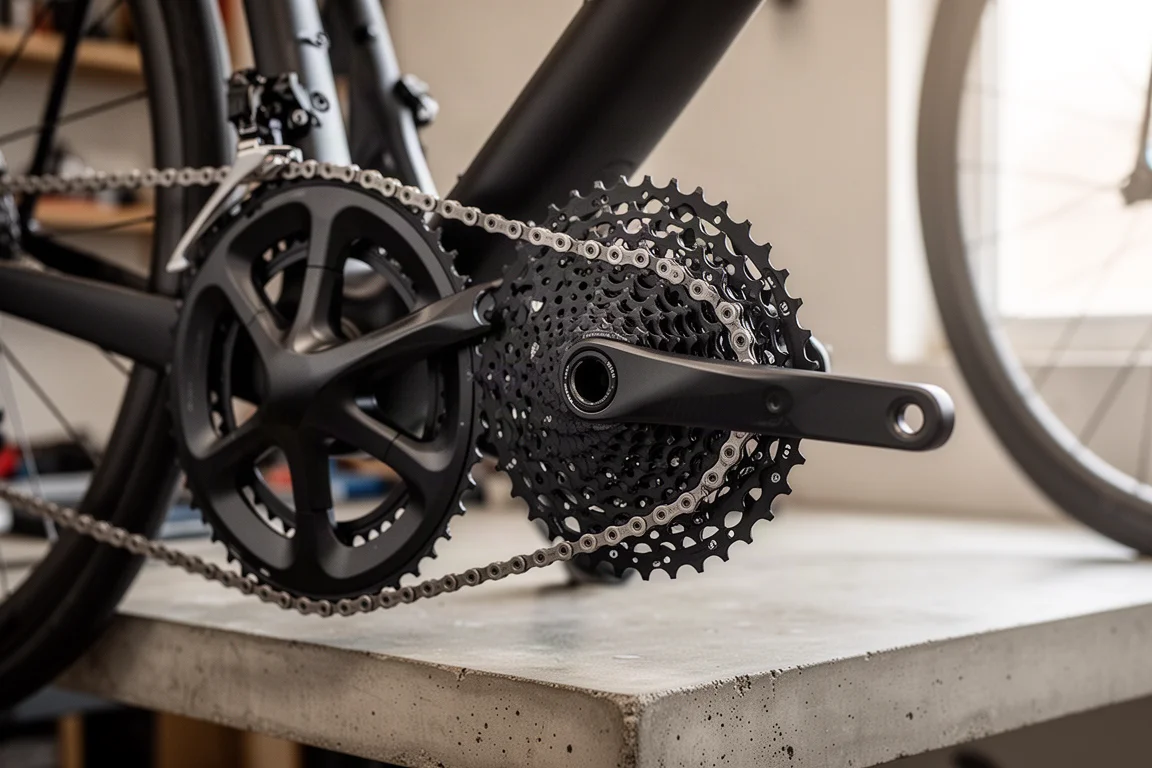
The groupset, a SRAM Rival AXS build fitted from new, has been faultless across most of the two years. Durability, reliability and performance have all been very good, and the gear ratios suit the riding. The bottom bracket area, often a source of noise on press-fit frames, has stayed silent, and the ceramic bottom bracket fitted to the bike spins smoothly.
Ride quality has held up too. The bike feels a little more docile and less urgent than the newest TCR SL, which is snappy and reactive in a way that is immediately noticeable. Some of that difference comes down to wheels as much as frame, since the wheels on a premium build contribute a large part of how lively a bike feels.
Build Details and Long-Term Durability
For the last six months the bike has been running a 1x setup as an experiment, with a 10-44 cassette and matching rear derailleur paired to a 46-tooth chainring. The 10-44 cassette has been in place for the final three months of that period. This is a personal configuration rather than a factory specification, and the trade-offs of a 1x road setup are worth treating as a separate question.
The bike has rolled on several wheelsets over the two years. It currently runs Zipp 303S wheels, first launched in 2020, which have stayed strong throughout. Bearings and the rear hub have been replaced; beyond that they have needed nothing. Tyres are currently 28mm with more durability and puncture protection than lighter race options, a sensible choice for winter roads that are grittier and slipperier.
Contact points have aged well. The saddle is a Specialized Romin Mirror, worn along the side but still comfortable and intact. The handlebar, stem and bar tape are unchanged, with the bar tape holding up well after two years of use.
Things to Consider Before Buying
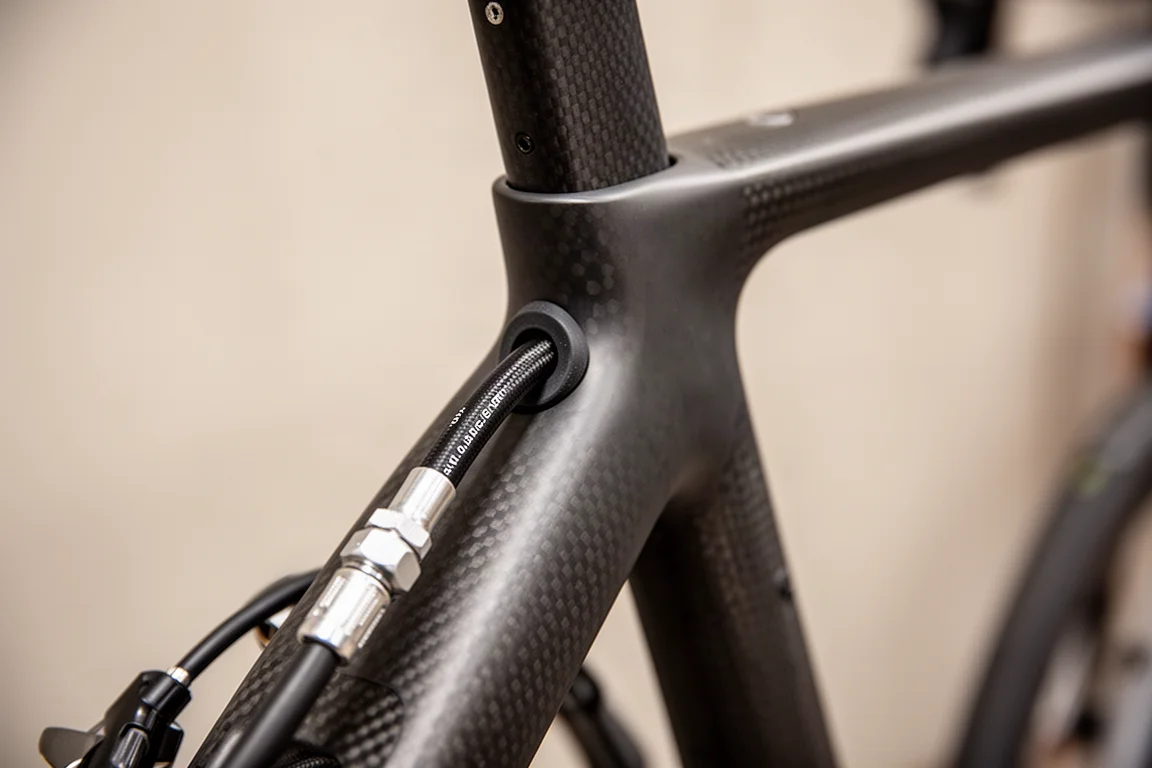
The most consistent criticism of this generation is its external cable routing, and it is fair to weigh that before buying. In use, the routing has not been a problem, but the lack of internal routing has clearly been a deal breaker for plenty of riders, which is why the newer model moves to full internal routing.
There is one genuine niggle worth flagging. A small rubber grommet that secures the brake hose into the down tube keeps working loose and falling out. It is a cheap, easily replaced part rather than a structural concern, but after two years it is the only fault that stands out.
Weight and feel are the other points to consider. Compared with the newest TCR SL, this bike is heavier and less urgent, and on rough local tarmac the road surface itself takes speed and power out of the ride. Part of the difference is wheels and specification rather than frame alone, so riders chasing the sharpest possible response should think about wheels as well as the frame.
Weighing an Upgrade Against a Proven Bike
The newer TCR SL is lighter, stiffer and more aero, so by any conventional measure it is the better bike. The honest assessment, though, is that the improvements are marginal gains at their most marginal, and that expecting a large step forward from one generation to the next is probably unrealistic at this point in road bike development.
Some of the difference in feel comes down to specification. The newest bike was ridden in its top-of-the-range form with premium wheels, in hot, humid conditions on exceptionally smooth roads. The Pro here runs a more modest groupset and heavier components on coarse, wet tarmac. Those variables make a direct verdict difficult, and the fairest way to judge the generational change would be a like-for-like comparison between an older Pro and the new Pro version.
The pragmatic conclusion after two years is straightforward. A bike that has been reliable, comfortable and free of creaks does not become obsolete because a marginally faster version exists. Riders who enjoy new technology may still want the upgrade; riders spending their own money may reasonably wait.
Buying Advice
The TCR Advanced Pro still makes a great deal of sense for value-focused riders. Frame weight for the price remains its strongest card, and a two-year record of faultless groupset performance, a silent bottom bracket and healthy headset bearings is a good indication of what ownership looks like.
If the newest TCR SL’s lighter frame, extra stiffness and internal routing matter to you, the newer model is the one to consider, accepting that the gains over a well-sorted Pro are small. If your priority is a dependable, easy to live with road bike with a strong frameset for the money, keeping or buying the Pro is a defensible choice. Either way, wheels deserve attention, because they shape how a bike feels at least as much as small frame changes do.
Conclusion
Two years on, the Giant TCR Advanced Pro has been close to faultless: strong frame value, a reliable groupset, no bottom bracket noise and only one minor grommet niggle. The newer TCR SL is genuinely better on paper, but the margin is small enough that upgrading is a personal choice rather than an obvious necessity. Riders who value the newest aero and weight figures have a clear reason to move on, while riders who simply want a fast, dependable road bike have a strong case for staying put.
Product link
View more details for Giant TCR Advanced Pro
This product is mentioned in the review. Check the specifications, options, and compatibility before buying.
View more details for Giant TCR Advanced ProFurther reading
Related Reviews
Road Bikes
10 New Road Bikes Worth Watching: Aero, Titanium, Steel and Endurance Standouts
A practical roundup of 10 new road bikes, from aero flagships chasing single-watt gains to titanium, steel and endurance platforms built for real roads.
Road Bikes
2026 Tour de France Road Bikes: Six Race Machines Worth a Closer Look
Six race bikes from the 2026 Tour de France grid, reviewed for paint, silhouette, wheels and the specification details that matter to buyers.
Road Bikes
3T Strada Italia Review: A Radical Aero Road Bike That Rides Smooth
A made in Italy carbon aero road bike with a deep head tube, wide tire clearance and a genuinely comfortable ride. Here is what to know before buying.