Road Bikes
Giant TCR Advanced Pro Review: Is the Tenth-Generation TCR Still Worth Buying?
A close look at the tenth-generation Giant TCR Advanced Pro with Shimano Ultegra Di2, covering its sharp climbing feel, firmer ride, pricing and closest rivals.
Introduction
The Giant TCR has been part of the road bike landscape since the late 1990s and early 2000s, when its compact frame design, borrowed from mountain bikes, changed the way riders were fitted to road bikes. Instead of the eleven or twelve seat-tube sizes that Italian brands offered at the time, the TCR used a small number of frame sizes with a sloping top tube, relying on stem length and seatpost extension to achieve the right fit. That approach helped make the TCR one of the best-selling road bikes in the world and a permanent fixture in Giant’s range.
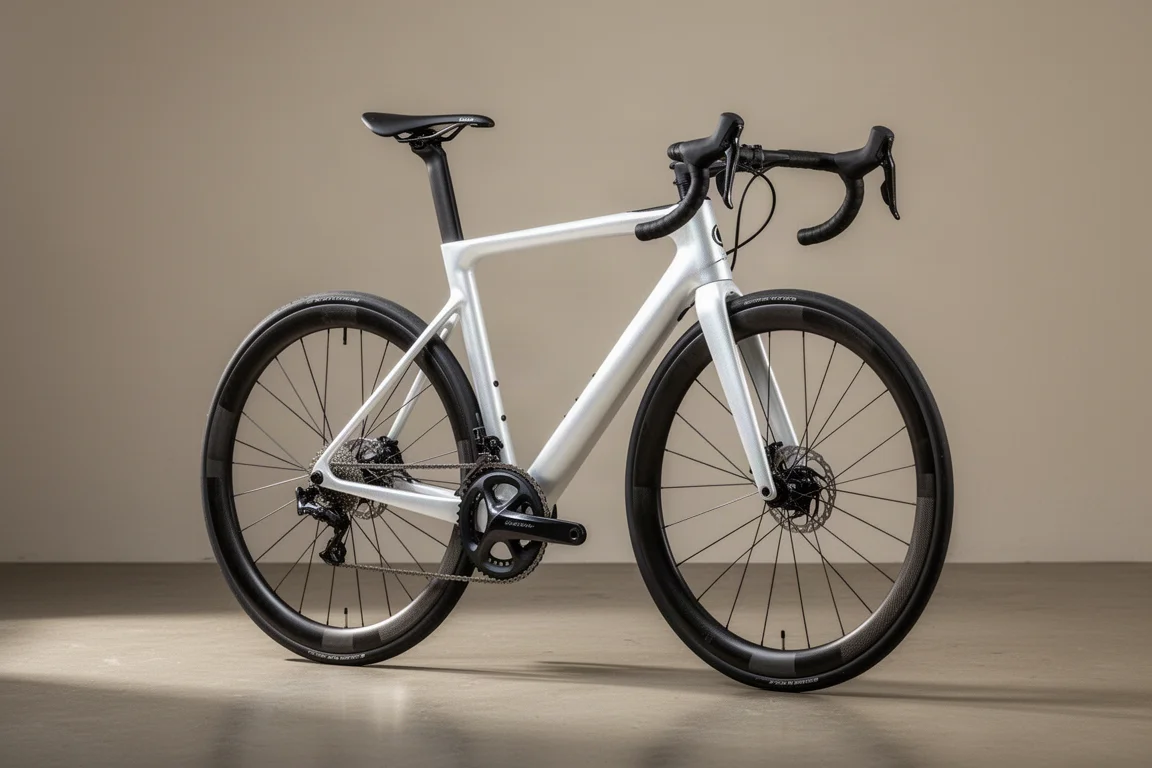
This is the tenth generation of the bike, the 2025 TCR Advanced Pro, tested here with a Shimano Ultegra Di2 groupset. In the UK the TCR line-up runs from roughly £2,700 to £12,000, and this mid-range Advanced Pro build sits at £6,500, placing it squarely in the heart of the carbon road bike market.
Who the Giant TCR Advanced Pro Is For
Giant has deliberately kept the TCR as its lightweight all-round road bike rather than merging it with the Propel, its dedicated aero model. That decision suits riders who want a classic road bike that is light enough, fast enough, aero enough and comfortable enough for most of the riding most people actually do.
Anyone familiar with an earlier TCR will feel at home immediately. The fit and geometry retain the same character, and the handling through corners remains a standout. The size ML frame tested here suits a rider around 181 cm with a 110 mm stem and a 38 cm handlebar, which flares slightly in the drops. That narrower bar makes it easier to tuck your elbows in than a wider cockpit would, a detail that matters more in real conditions than small aerodynamic claims.
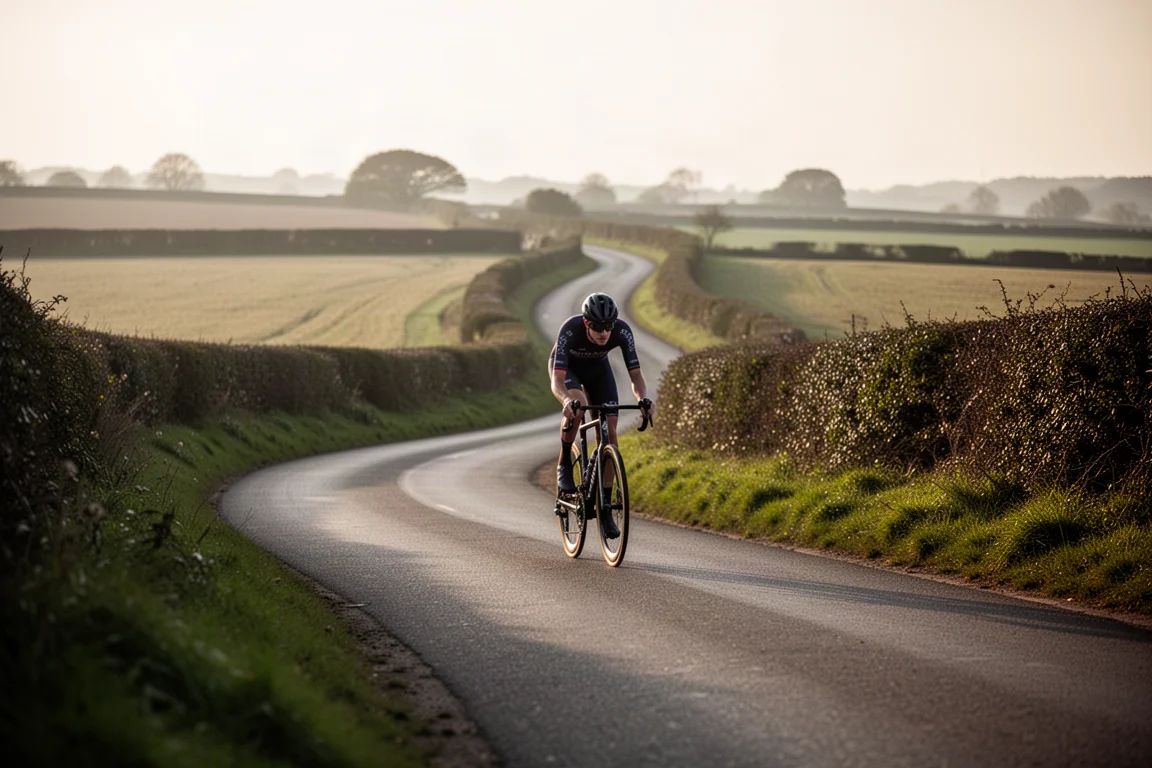
Riders who are not racing, and who want a bike that handles long climbs, rolling roads and everything in between without a specialist brief, are the natural audience here.
Main Strengths: Stiffness, Handling, and Climbing Feel
The TCR Advanced Pro uses the same lightweight fork as the range-topping TCR SL, and the frame is a little lighter than the previous generation with a small increase in stiffness. On the road that translates into a direct, immediate feel, particularly on climbs.
The new SLR 040 carbon wheels deserve much of the credit. Their carbon spokes and very stiff construction make the bike feel explosive under acceleration, and climbing becomes genuinely rewarding. The size ML bike weighed 7.3 kg without pedals, which is competitive rather than exceptional for an Ultegra-equipped carbon race bike, yet the ride feels quicker than that number suggests.
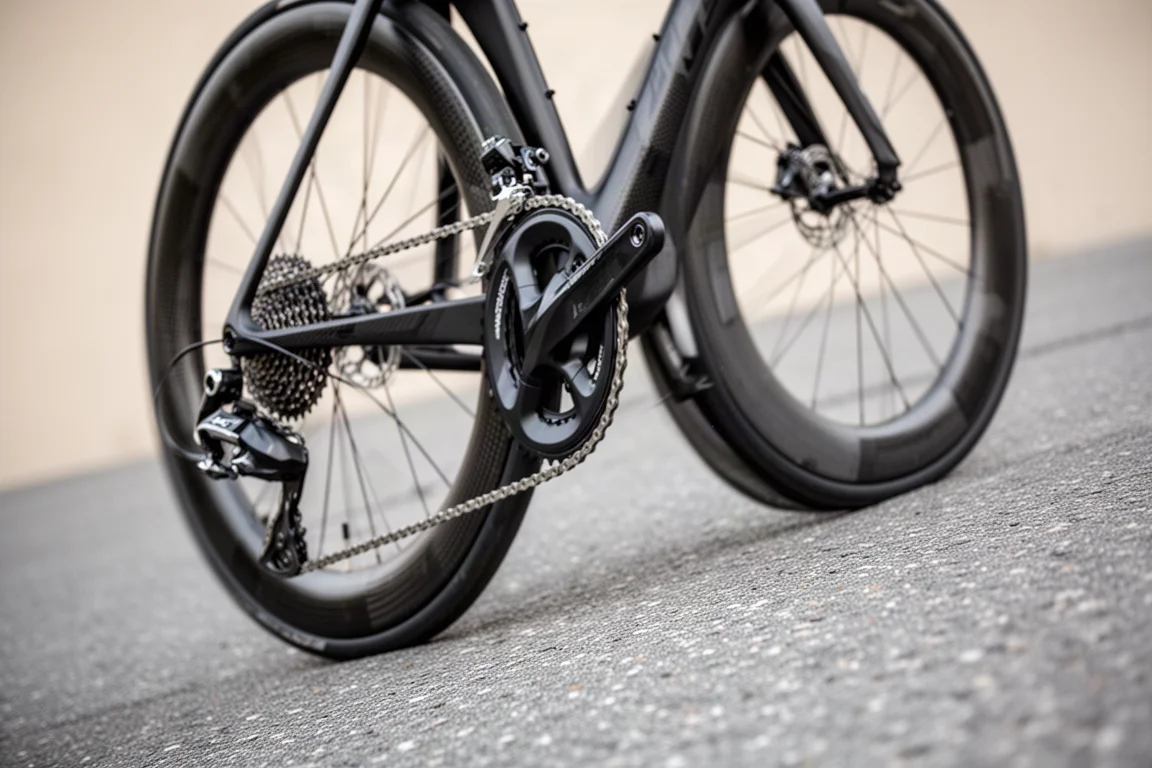
Handling is another strong point. The bike turns in confidently and stays composed at speed, and the full internal cable routing, shared with the Defy and Propel, keeps the front end clean. Aero gains are quoted at around four watts over the previous bike, a difference that is effectively impossible to notice in normal riding. On a measured test lap at 32 km/h the bike averaged 195 watts, one watt behind a comparable aero-focused rival, which suggests the practical gap between the two categories is smaller than the marketing implies.
Things to Consider Before Buying
Comfort is the main trade-off. Earlier TCR models were known for a supple, composed ride, and this generation feels firmer and edgier over rough tarmac. Swapping to a different wheelset with wider tyres produced a noticeably smoother ride, which points to the stiff carbon-spoke wheels as the main cause rather than the frame itself.
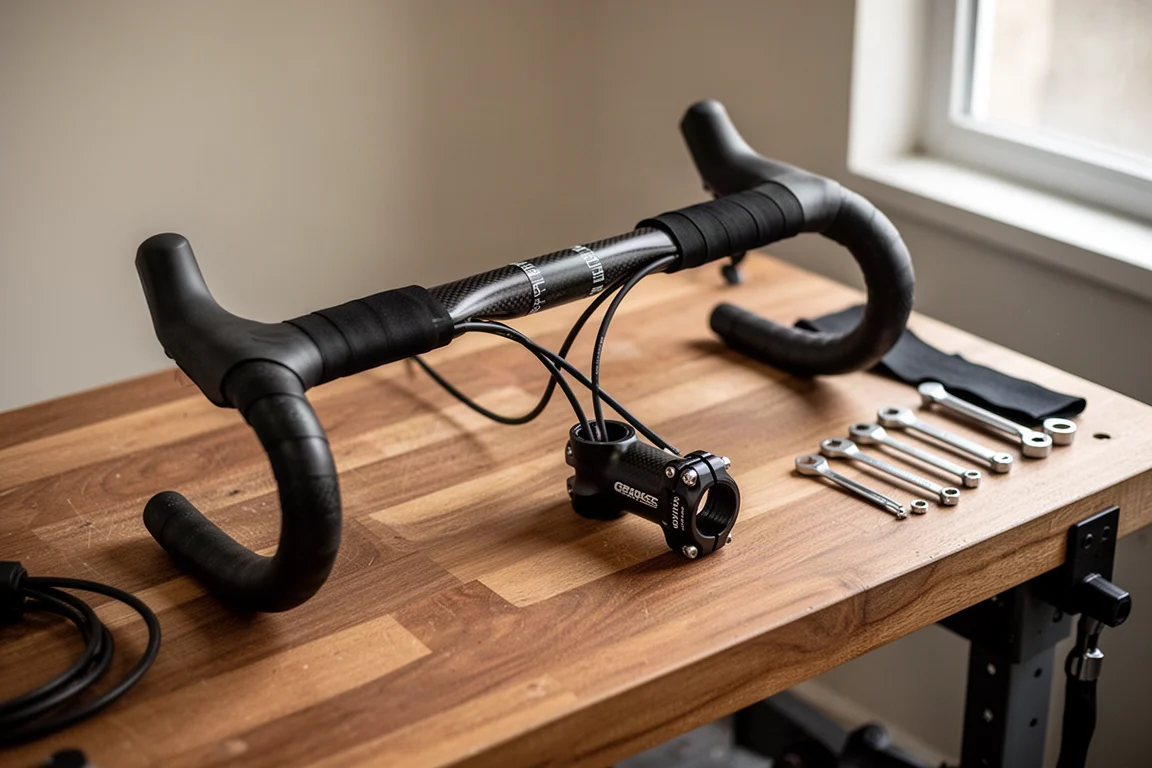
The cockpit is another consideration. There is no one-piece carbon bar and stem here, so the bike keeps a two-piece setup. That is arguably an advantage for bike fit, since stem length and handlebar width can be changed freely, but the D-shaped steerer tube does limit which aftermarket stems will fit. Giant offers a wide range of its own options, and some other brands now make compatible one-piece handlebars.
The wheels are hookless, a design that still divides opinion. Long-term experience with hookless rims across several brands has been trouble-free, with no blowouts and straightforward tubeless tyre installation, but riders who prefer hooked rims should factor that into their decision. The two-piece cockpit and the brand’s perceived desirability are the points most likely to sway a buyer one way or the other, even though the pearlescent paint finish and silver logo look genuinely sharp in person.
How It Compares With Other Bikes at This Price
At £6,500 there is no shortage of competition. The Scott Addict RC costs about the same, uses a one-piece carbon aero bar and stem, and weighs around 7 kg, although that integrated cockpit makes changing bar width or stem length harder. The Canyon Ultimate CF SLX also uses a one-piece bar and stem and matches this bike’s weight while costing around £1,000 less, but it is sold direct, which means the bike arrives in a box rather than being collected from a local dealer.
For lower weight there is the Specialized Aethos at around £8,000 with an Ultegra Di2 groupset and external cables, a significant step up in price. At the other end, the Boardman SLR pairs the same groupset with Zipp 303S wheels for roughly £3,500, and the Van Rysel RCR Pro offers a more aero package with an Ultegra groupset for about £6,000. All of these bikes are close in intent, yet each answers a slightly different set of priorities.
Buying Advice
If you race and care about aerodynamic performance, lightweight aero all-rounders from other brands are more compelling choices and will give you more speed for your power. If you do not race and are not chasing small aero gains, the TCR remains an easy bike to recommend: it is still fast, still light, and the difference between it and a more aero rival over a typical ride is measured in seconds rather than anything meaningful.
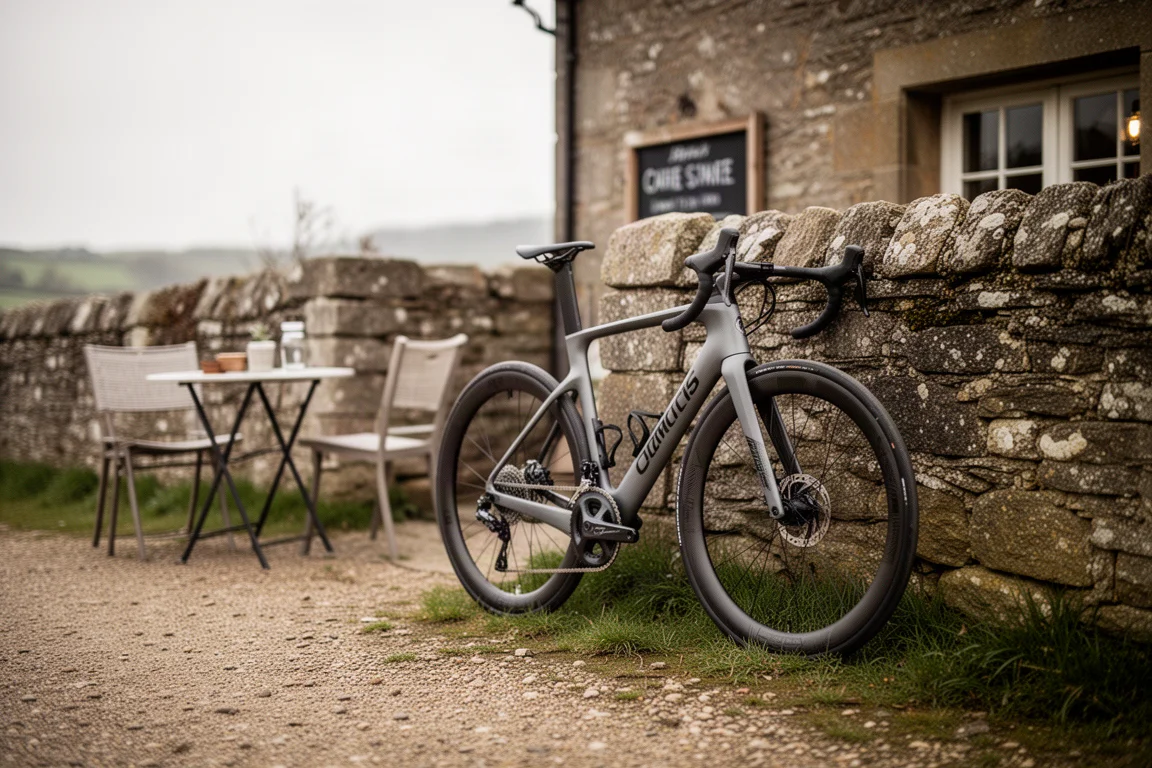
On the question of upgrading, the honest answer is that this generation is not a big enough step forward to justify replacing an older TCR that still rides well. It is lighter and stiffer, and the internal routing is a genuine improvement, but the older bike remains extremely capable. Buyers coming to the TCR for the first time, or replacing a much older machine, get a well-equipped package with the same fork as the range-topping SL, a fit that can be adjusted without swapping a one-piece cockpit, and support from a large dealer network.
Conclusion
The tenth-generation Giant TCR Advanced Pro keeps the qualities that made the name so popular: familiar geometry, confident handling, sharp climbing response and strong value within a wide-ranging line-up. Its firmer ride and lack of an integrated aero cockpit are the main compromises, and riders focused on outright speed may prefer a lightweight aero alternative. For everyone else, it remains a sensible, capable and genuinely enjoyable road bike.
Product link
View more details for Giant TCR Advanced Pro
This product is mentioned in the review. Check the specifications, options, and compatibility before buying.
View more details for Giant TCR Advanced ProFurther reading
Related Reviews

Road Bikes
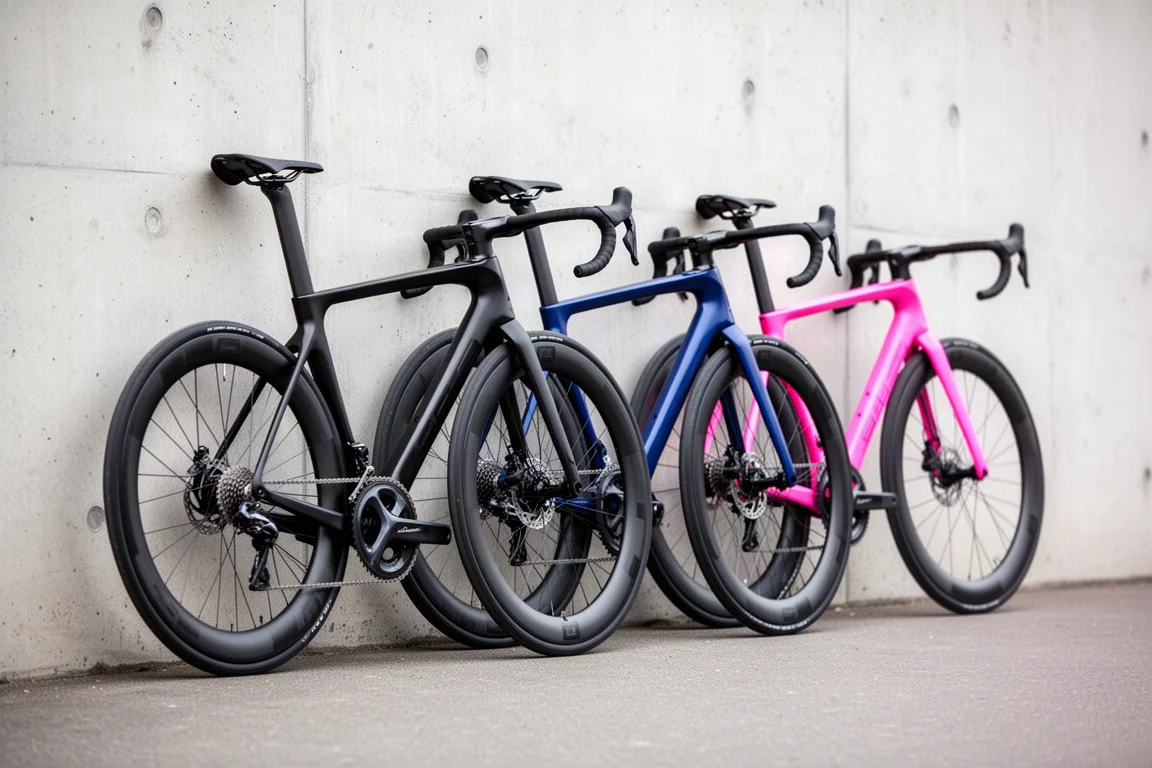
10 New Road Bikes Worth Watching: Aero, Titanium, Steel and Endurance Standouts
A practical roundup of 10 new road bikes, from aero flagships chasing single-watt gains to titanium, steel and endurance platforms built for real roads.
Road Bikes
2026 Tour de France Road Bikes: Six Race Machines Worth a Closer Look
Six race bikes from the 2026 Tour de France grid, reviewed for paint, silhouette, wheels and the specification details that matter to buyers.
Road Bikes
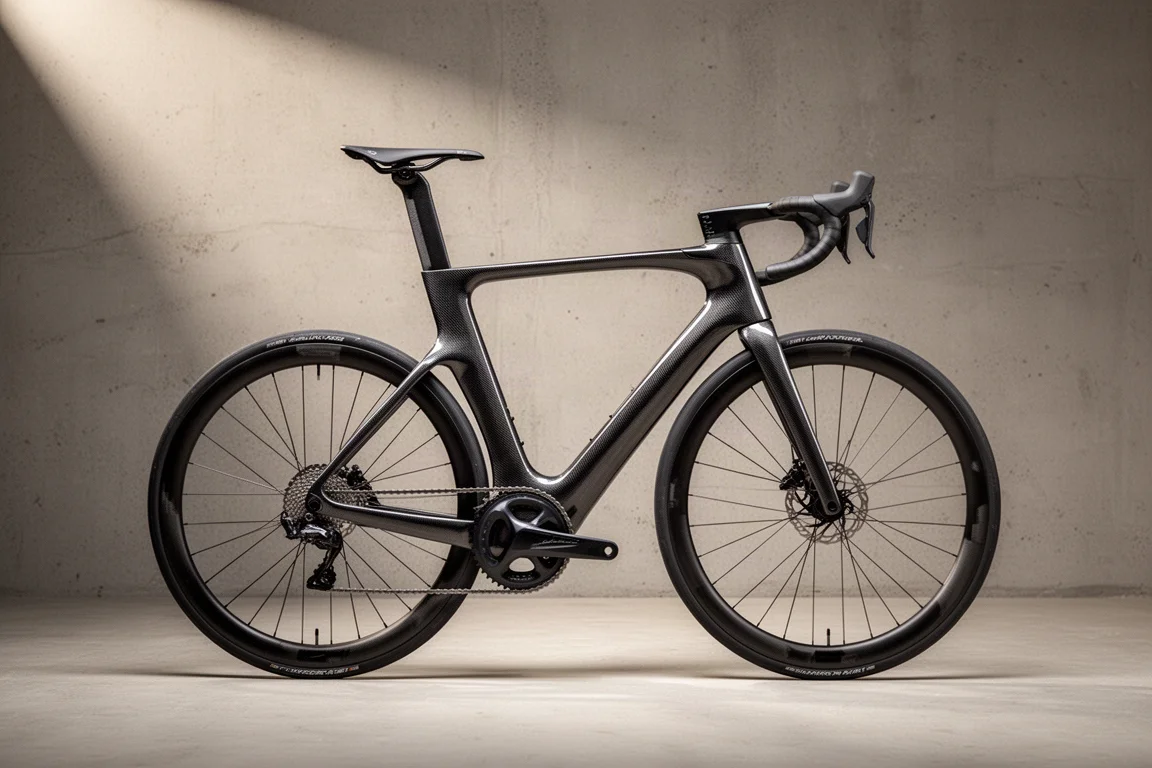
3T Strada Italia Review: A Radical Aero Road Bike That Rides Smooth
A made in Italy carbon aero road bike with a deep head tube, wide tire clearance and a genuinely comfortable ride. Here is what to know before buying.