Road Bikes
Giant TCR Advanced Pro 0 Review: Lighter, Stiffer and Fully Integrated
The updated Giant TCR trims weight, adds a fully integrated front end and keeps its balanced race feel. Here is what changed, what it costs and who it suits.
Introduction
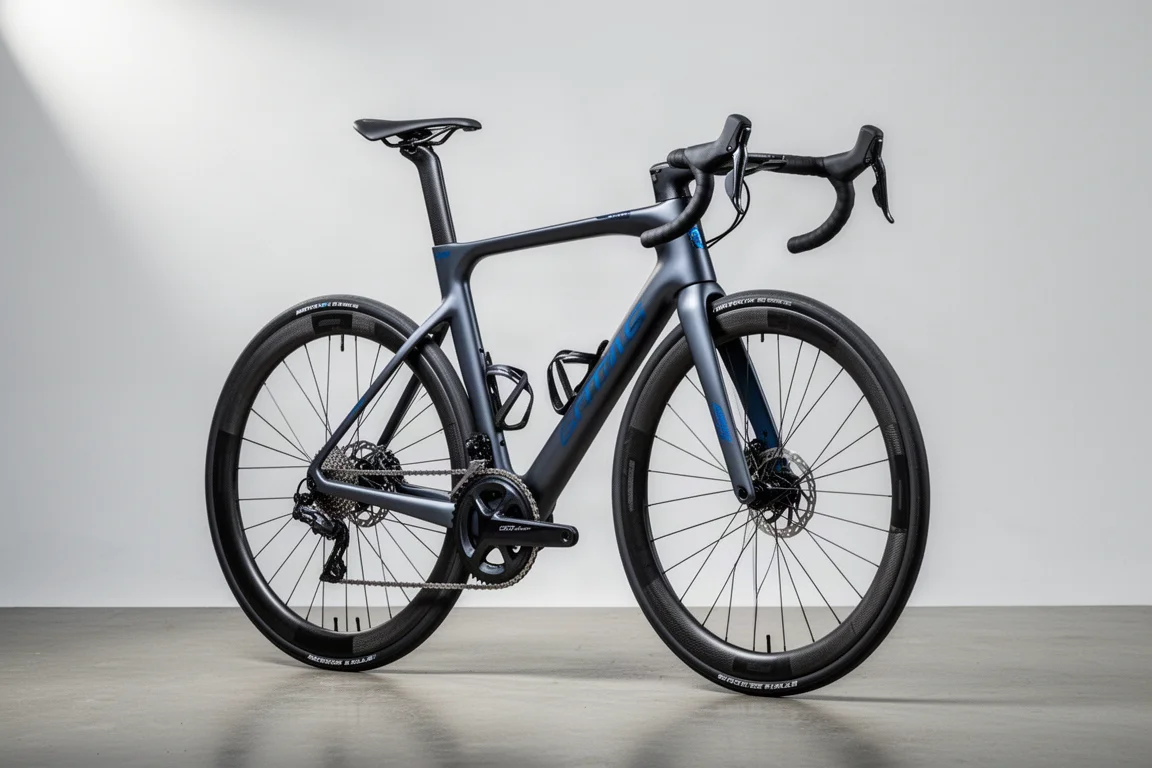
Giant has refreshed its lightweight TCR race bike with three headline changes: a lower claimed weight, a stiffer chassis and a fully integrated front end that leaves no cables on show. There is also a new fork and new wheels, and the aerodynamic profile has been reworked across the frame.
On paper, the update reads like a set of marginal gains rather than a reinvention. That is not necessarily a bad thing. The TCR has spent years as one of the most popular race bikes in the Giant range, largely because it offers a lot of performance for the money. The question worth answering is whether these refinements change who the bike is for, or simply sharpen what was already there.
This review focuses on the TCR Advanced Pro 0, the model ridden during the launch period, although the changes run across the range.
Who the New Giant TCR Is For
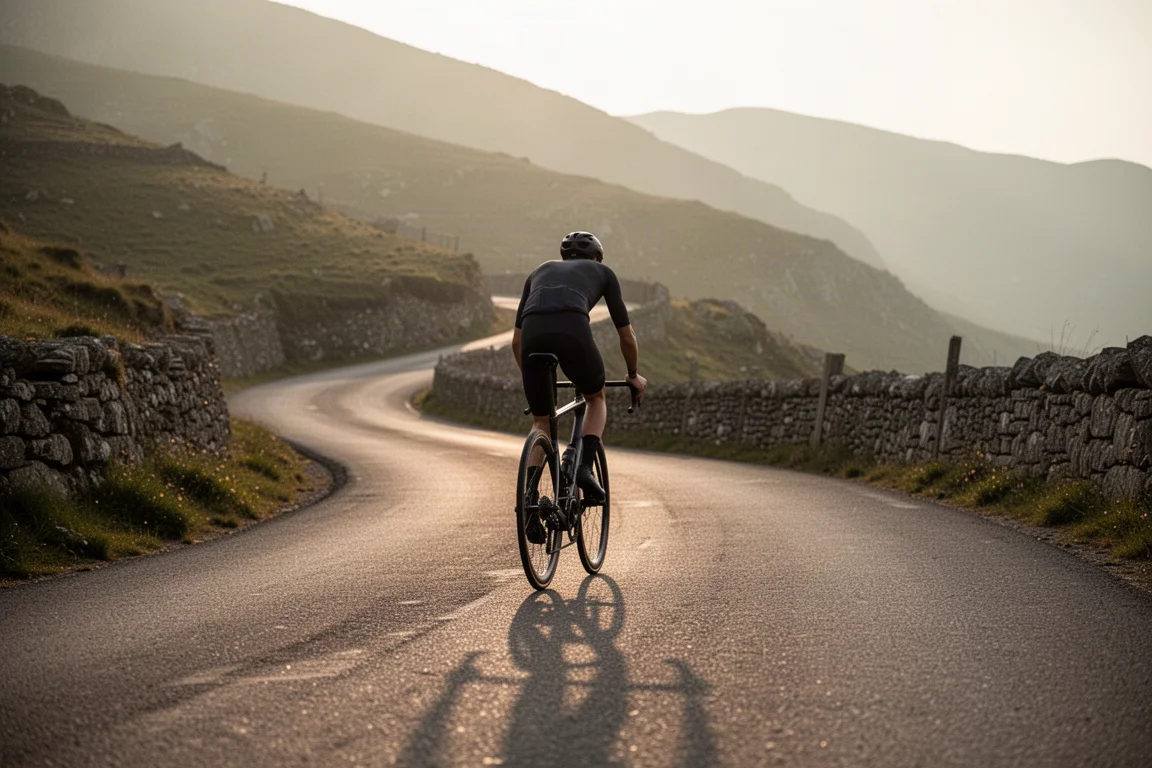
The TCR remains a race bike first. It suits riders who want a light, stiff, quick-handling machine for fast group rides, racing and long days on good tarmac. If you value a bike that responds immediately when you push on the pedals and holds a line confidently through corners, this is exactly the category the TCR was built for.
It also suits riders who care about the complete package rather than one headline number. The update touches the frameset, the cockpit, the fork and the wheels together, so the bike is designed to feel coherent rather than fast in a single area.
Where it fits less comfortably is with riders who want maximum aerodynamic advantage above all else. Giant’s Propel remains the dedicated aero race bike in the range, a faster machine that sits close to the 6.8 kg minimum weight limit used in racing. That leaves the TCR positioned between a quicker aero option and a weight ceiling that limits how light a race bike can legally go. Riders chasing every last watt may look past the TCR. Riders who want balance, low weight and a lively ride will not.
Main Strengths: Weight and Stiffness
Weight is the headline. The top-tier TCR Advanced SL frameset is claimed at 1,358 g including its integrated seatpost, a claimed reduction over the 2021 model. Giant attributes the saving to new production methods rather than a change in the material story. An ultra-precise cold blade cutting process replaces laser cutting on SL frames, which is said to reduce the number of pieces required and make each one more precise. A single inner bladder then replaces the previous three, forming a one-piece front triangle that Giant claims minimises weight without giving up stiffness or aerodynamic performance.
Stiffness has been addressed at the same time. Most of the gains come from reworked sections of the head tube, down tube and bottom bracket area. Giant’s own figures put the improvement at 0.53% for frame, fork and pedalling stiffness on the SL model compared with the 2021 SL. That is a small number by any measure, and it is worth treating as refinement rather than transformation.
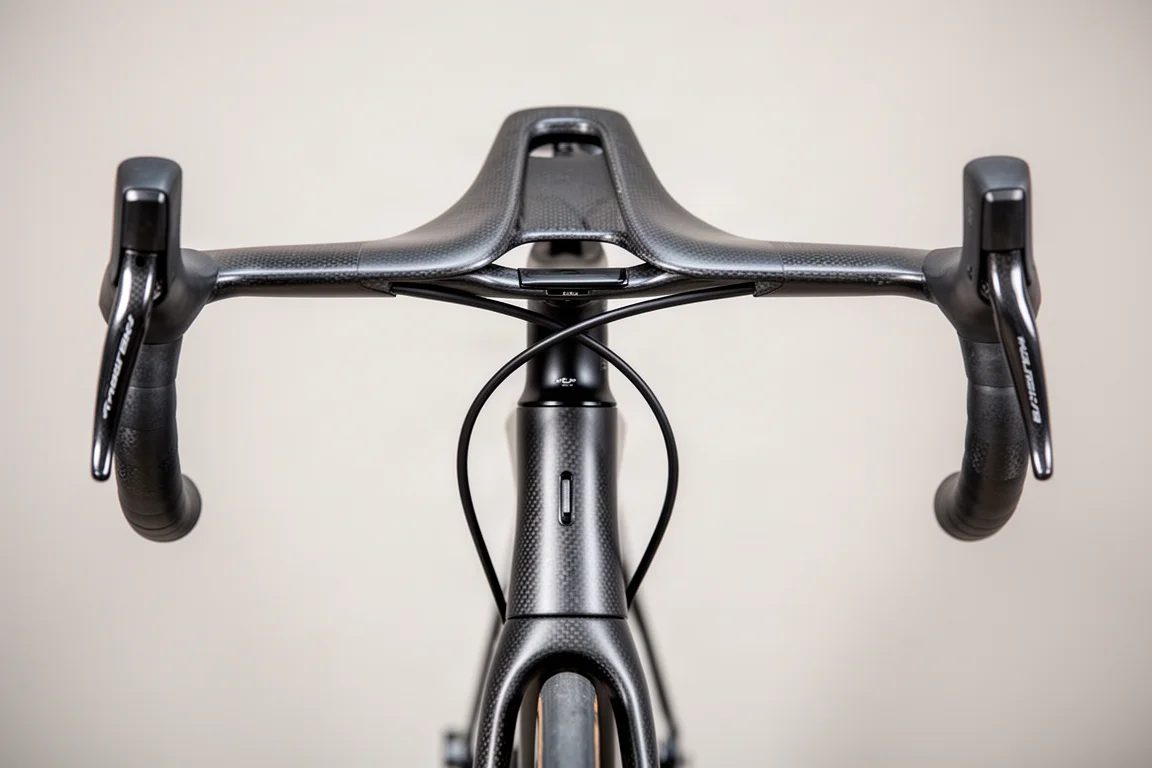
The component package follows the same theme. The Contact SLR Aero Light stem fitted to higher-end models is claimed at 123 g in a 100 mm length, while the aluminium Contact SL stem is claimed at 161 g.
A Cleaner Front End and Aerodynamic Refinements
The most visible change is at the front. Cable routing is semi-integrated through the new Contact SLR Aero Light stem and a 160 g Contact SLR handlebar, and the result is a cockpit with no cables on show. Giant also points out that the design leaves extra cable length during assembly, which makes it easier to adjust handlebar height using headset spacers.
The fork is new as well. It uses a D-shaped steerer tube that first appeared on the Propel, along with a new crown and an aerodynamic leg shape developed alongside the down tube. That down tube now uses a truncated ellipse profile for improved airflow, and Giant says every tube shape was developed using computational fluid dynamics. The resulting airfoil sections are claimed to lower drag coefficient across a wider range of yaw angles than traditional teardrop shaping.
Aerodynamic testing took place at the GST wind tunnel in Germany using a dynamic dummy, with spinning wheels and a moving drivetrain rather than static components. Giant says the flow around the down tube was designed with 500 ml bottles fitted. The overall claim is that the new TCR is 4.19 watts more efficient than the 2021 model at 40 km/h.
The wheels change too. Advanced SL builds get the Cadex Max 40 wheelset at a claimed 1,249 g with carbon spokes and aero hub flanges, while lower models get the new Giant SLR 40 wheelset, also with carbon spokes, a similar rim profile and a claimed 1,339 g. Both use a redesigned hookless rim profile that is 22.4 mm wide internally, which Giant says creates a seamless interface between the rim wall and the sidewall of a 28 mm tire, the size the wheels are optimised for. No external rim width is stated, and no aerodynamic claims are attached to the wheels themselves. Tire clearance grows to 33 mm, up from 32 mm.
Things to Consider Before Buying
A few details matter before committing, especially if you maintain your own bikes.
Integration cuts both ways. Hidden cable routing looks cleaner and is claimed to be more aerodynamic, but it adds complexity to routine work such as changing a stem or replacing cables. The TCR also keeps a press-fit bottom bracket, a system some riders prefer to avoid in favour of threaded designs. Neither is a fault, but both are worth knowing if you like to work on your own equipment.
The performance gains are measured in small percentages. A 0.53% stiffness improvement and a 4.19 watt aerodynamic gain at 40 km/h are real figures, but they will not transform the ride. This update refines an already strong platform rather than rebuilding it.
Seatpost design differs across the range. The Advanced SL uses an integrated seatpost, while the Advanced and Advanced Pro models use a more conventional two-piece system. Riders who travel with their bike or who like to change saddle height easily may prefer the two-piece arrangement.
Finally, the wheels carry no aerodynamic claims and no external rim width is published. The internal width and the tire interface are the details Giant highlights, and they are the ones worth focusing on when comparing builds.
What the New TCR Feels Like to Ride
Ride quality is where the update lands best. The Advanced Pro 0 was a delight on the road, and a large test build with two bottle cages and an out-front mount weighed 6.42 kg on the scales. Adding pedals brought that to 6.68 kg, which is genuinely light for a complete race bike.
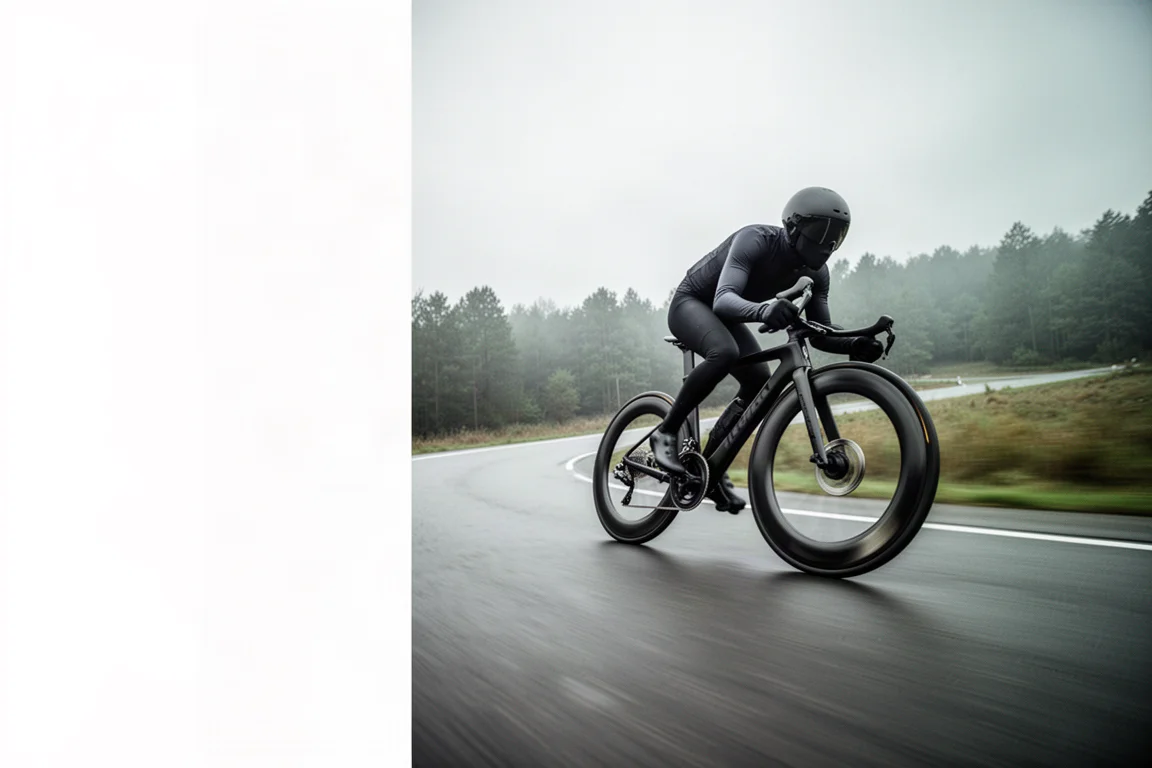
Handling is perfectly balanced. Cornering is very direct, and the bike responds with the willingness that only comes from a very stiff frameset, yet it stays impeccably comfortable on smooth tarmac. That combination is the TCR’s long-standing character, and the new version does not disturb it.
The important caveat is that this is not a sea change in performance. The TCR was already a benchmark race bike, and the new model refines and polishes what was good about the design rather than moving the bar dramatically. On the evidence so far, it is the best TCR to date, but it earns that title through accumulated detail rather than a single leap.
Buying Advice
Pricing is a mixed bag depending on where you are and which model you choose. At the entry point, the TCR Advanced 2 holds at £2,699 in the UK but is up by $200 to $3,200 in the US. The Advanced Pro 0 covered here sits at around $6,200, roughly $250 more than the previous version. The range-topping Advanced SL 0 with Dura-Ace sits well above it at the top of the lineup.
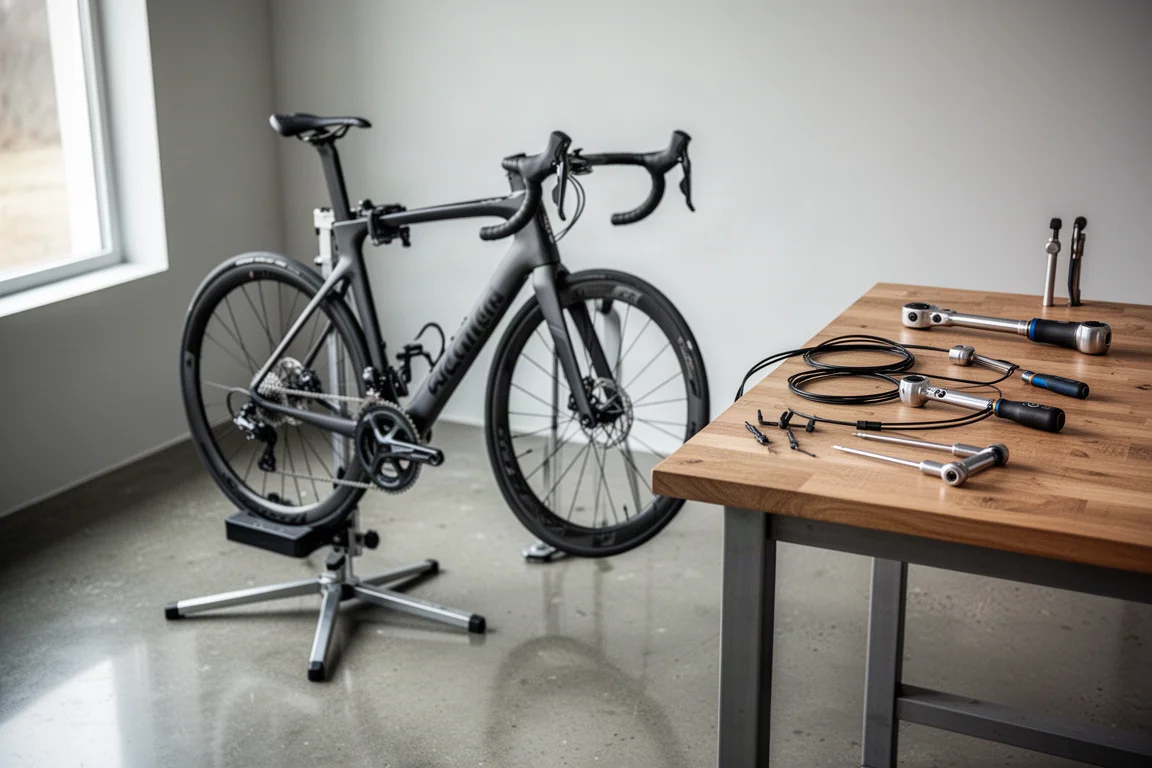
If you want the lightest frameset, the integrated seatpost and the Cadex Max 40 wheels, the Advanced SL models are the ones to look at. If you prefer a conventional two-piece seatpost while still getting the new frame, fork and integrated front end, the Advanced and Advanced Pro models deliver most of the update for less. The Advanced Pro 0 is a sensible middle ground for riders who want the new cockpit and wheels without stepping up to the SL tier.
If aerodynamic speed is the single priority, the Propel remains the faster choice within the Giant range. The TCR makes more sense for riders who want a light, balanced race bike that stays comfortable on good roads, with a component package that matches the frameset.
Existing TCR owners have a straightforward decision. The gains are incremental, so upgrading only makes sense if the integrated front end, the slightly lower weight and the wider tire clearance matter to you. First-time buyers get a well-rounded race bike that carries the range’s reputation for value, particularly at the lower end of the lineup.
Conclusion
The updated Giant TCR is a careful, well-executed evolution. It is lighter, it is fully integrated at the front, it takes wider tires and it keeps the balanced, direct handling that made the platform popular in the first place. The stiffness and aerodynamic improvements are small on paper, and riders expecting a dramatic step forward should temper those expectations.
What the TCR delivers instead is a polished race bike with no obvious weak points, available across a wide spread of prices. If you want a light, comfortable and confidence-inspiring race bike and you value the package as a whole, the new TCR is easy to recommend. If outright aerodynamic speed is your priority, the Propel in the same range deserves a look first.
Product link
View more details for Giant TCR Advanced Pro 0
This product is mentioned in the review. Check the specifications, options, and compatibility before buying.
View more details for Giant TCR Advanced Pro 0Further reading
Related Reviews

Road Bikes
10 New Road Bikes Worth Watching: Aero, Titanium, Steel and Endurance Standouts
A practical roundup of 10 new road bikes, from aero flagships chasing single-watt gains to titanium, steel and endurance platforms built for real roads.
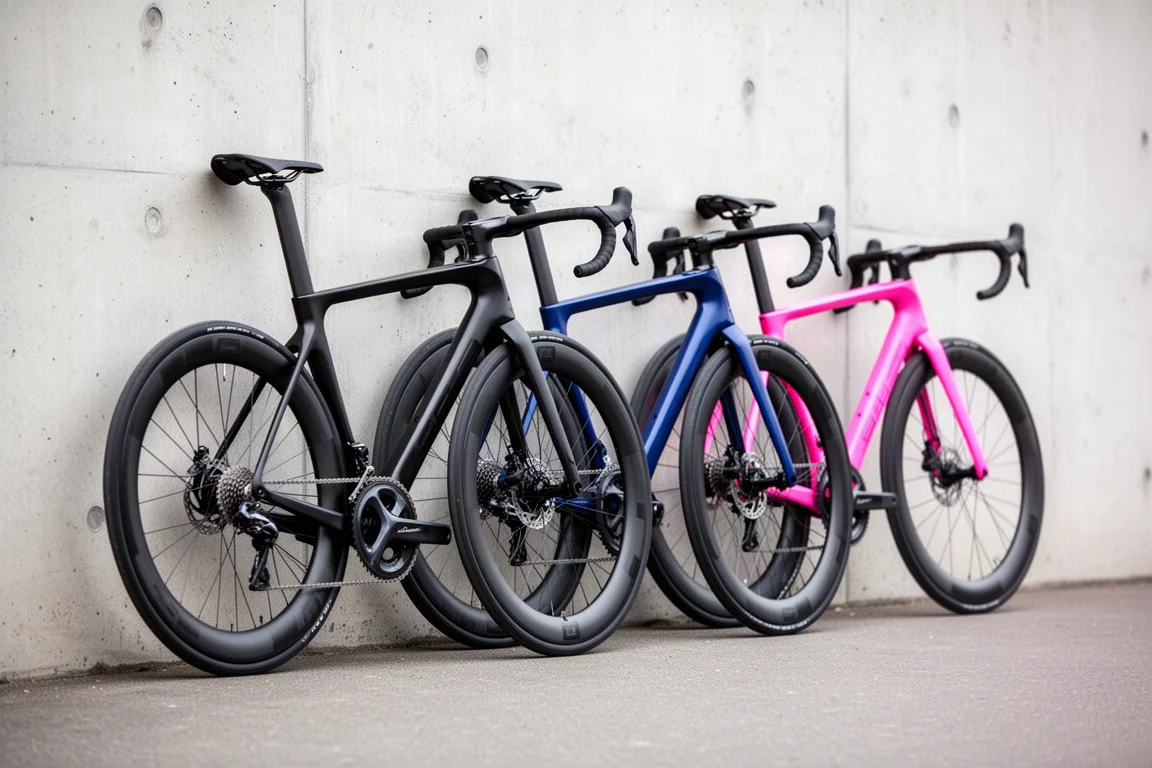
Road Bikes
2026 Tour de France Road Bikes: Six Race Machines Worth a Closer Look
Six race bikes from the 2026 Tour de France grid, reviewed for paint, silhouette, wheels and the specification details that matter to buyers.
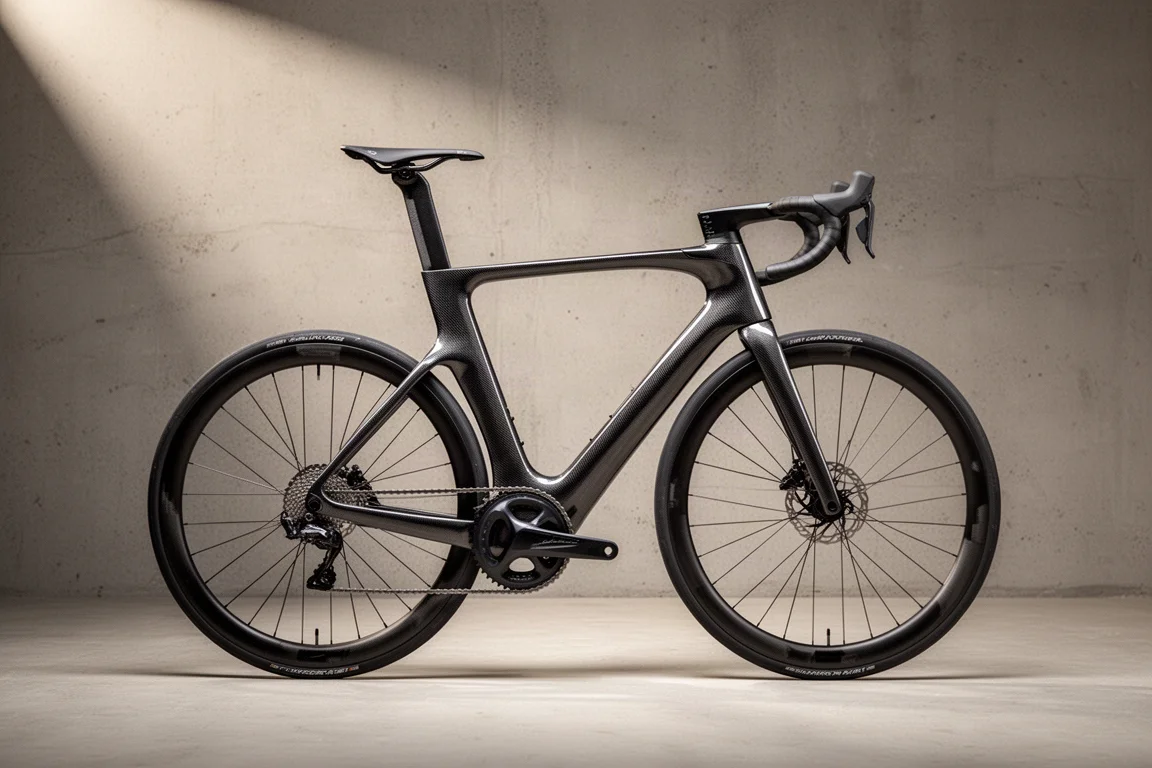
Road Bikes
3T Strada Italia Review: A Radical Aero Road Bike That Rides Smooth
A made in Italy carbon aero road bike with a deep head tube, wide tire clearance and a genuinely comfortable ride. Here is what to know before buying.