Road Bikes
Giant Propel Review: A Complete-System Aero Race Bike Built for Value
Giant's new Propel aero race bike claims 18.44 watts of total savings, a lighter frame, a first one-piece carbon cockpit and a specification sheet that stays competitive on price.
Introduction
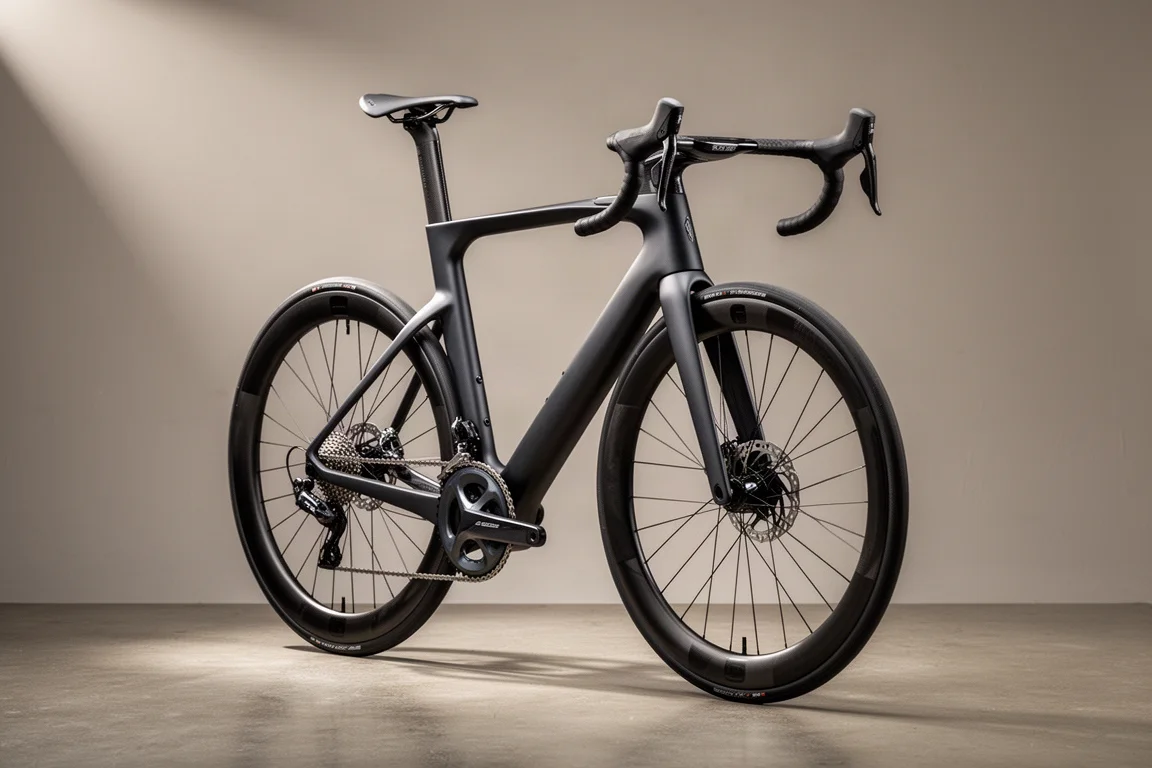
Giant’s aero race platform has been rebuilt around a single idea: treat the whole bike as one aerodynamic system rather than a frame and fork alone. The new Propel arrives with a lighter frame, its first one-piece carbon fiber handlebar and stem, new Cadex Max 50 wheels, more tire clearance, more compliance and more stiffness. Giant claims the package is 18.44 watts better overall than the bike it replaces, a figure that combines reduced wind drag with lower rolling resistance.
That mix of measurable gains and a specification sheet that stays competitive on price is what makes the new Propel interesting. It is not a radical redesign, but it is a careful one, and the value story at the lower end of the range may matter more to most riders than the wind tunnel numbers.
Who This Bike Is For
Giant continues to run three separate road platforms: the TCR as the lightweight climbing bike, the Propel as the aero race bike, and the Defy as the endurance option. That is a deliberate choice at a time when several brands have merged their aero and lightweight models into a single platform.
The gap between the TCR and the Propel has narrowed with this update, because the new Propel is lighter than before, but Giant still sees a clear enough distinction to keep both. If going fast and racing is the priority, the Propel is the bike in the range to choose. If you are chasing the lowest possible weight, prefer the ride quality of a lighter package, or simply prefer how a lightweight bike looks, the TCR remains a valid option, though it will not match the Propel in the wind tunnel.

Riders coming from an entry-level road bike will also find the Propel range more approachable than its race bike label suggests, since the entry models share the same frame as the mid-range tier. That makes the platform relevant to anyone moving toward faster group rides, road racing, or multi-sport events where a road bike with clip-on bars is a practical choice.
What Is New on the New Propel
Visually, the new Propel stays very close to the bike it replaces. This is a refinement of a proven design rather than a clean-sheet rethink, and the changes are only obvious to anyone who knows the previous generation well. The frame is more aerodynamic where it matters most, at the front, while the rear of the frame prioritises weight saving and comfort, where aerodynamic drag matters less.
Giant’s complete system approach covers the frame, fork, handlebar, wheels and tires together. In Giant’s own testing, the new bike reduces wind drag by more than 12 watts compared with the previous model using the same wheels, tires and testing parameters. Rolling resistance with the new wheels and tires drops by 5.6 watts, with a further half watt from wheel rotating drag. Giant’s claimed total energy saving is 18.44 watts.
Up front there is a new OverDrive Aero head tube, slim and tapered, with a D-shaped steerer tube that creates room for brake hoses to run inside the frame and fork. At the rear, the seat tube, chainstays and seatpost have been redesigned for a claimed 25 percent improvement in compliance. The range-topping SL keeps its seat mast, which Giant says is lighter and offers more tuned compliance. Tire clearance grows to 32 mm, and the rear dropout moves to the UDH standard, which future-proofs the frame for SRAM AXS drivetrains and whatever comes next. Giant has kept its press-fit bottom bracket.
Main Strengths: Weight, Compliance and Tire Clearance
Weight has come down across the range. Giant claims 800 g for the Propel Advanced SL frame and 863 g for the Advanced and Advanced Pro frames, which are shared. Frameset weight is down by nearly 40 g on the SL and 85 g on the Pro. Once the handlebar, wheels and tires are included, the complete system weight falls by more than 335 g on the SL and 100 g on the Pro, while the entry-level Advanced records the largest saving of all at nearly 700 g.
The one-piece carbon fiber Contact SLR Aero handlebar and stem is used on the SL and Pro models, and Giant claims a 12.8 percent improvement in compliance over the previous two-piece setup on the SL. That, together with the redesigned rear end and the wider tire clearance, points to a bike that should be smoother over rough surfaces than its predecessor without giving up any speed.
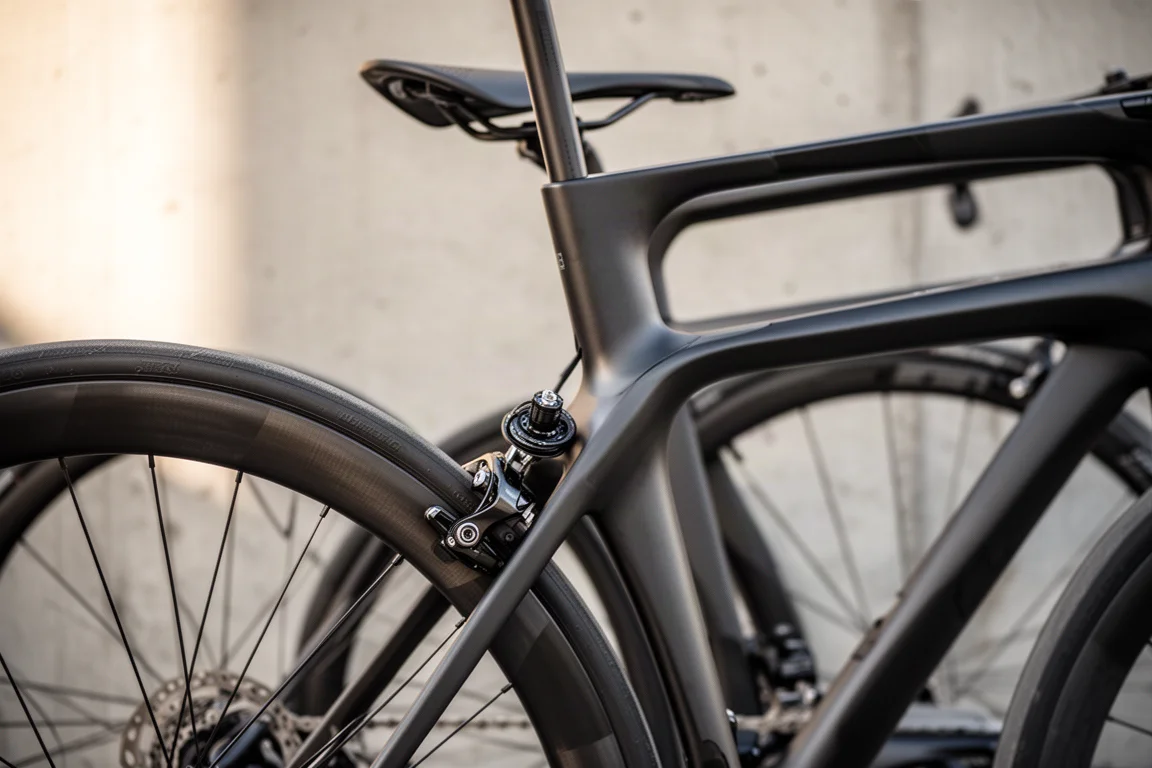
An Advanced Pro fitted with a SRAM Force AXS groupset in size medium, weighed without pedals, came in at a figure that is genuinely impressive for a model that is not the top of the range. That is a useful signal: the performance-per-pound argument at the middle of the range looks strong, and the lighter chassis narrows the gap not only to the TCR but to other bikes in the aero category.
Cockpit and Fit Details
The new one-piece handlebar and stem is a significant change. On the size ML frame, the bar measures 37 cm at the hoods, in line with what other brands offer, with slightly flared hoods and flared drops for extra width in the lower position. The tops use a slimmer profile rather than a deep aero shape, which should suit riders who spend time climbing or cruising on the tops. There is also a sturdy out-front mount for a computer.
One-piece cockpits do have a trade-off. Stem length and bar width are fixed, and adjustment is limited, so an accurate fit matters more than it does with a two-piece setup. On the plus side, the entry-level Advanced models use a two-piece handlebar and stem, which keeps fit adjustment simpler and replacement parts cheaper.
It is also worth noting that the medium and medium-large bikes in the range are specced with 170 mm cranks, a nod toward the trend of shorter cranks that has been spreading through modern road bikes without going to extremes.
Things to Consider Before Buying
The aero and weight figures quoted for the new Propel come from Giant’s own testing, so they are best read as manufacturer claims rather than independent measurements. The direction of travel is credible given the complete system approach, but the exact watt savings will vary with rider, position and conditions.
Paint finishes are the most obvious weak point. Each frame comes in a single color option, and the palette is conservative, which does little to counter the long-standing criticism that Giant’s bikes look plain next to more flamboyant rivals. The bikes deliver on price, specification and speed, but they do not have the visual drama of some competitors.
A smaller detail: the rear dropouts and fork do not use the closed, smoothed-over through-axle design seen on some newer bikes, so the drive side looks slightly less tidy. Riders who care about that level of finish should look closely at the frame in person.
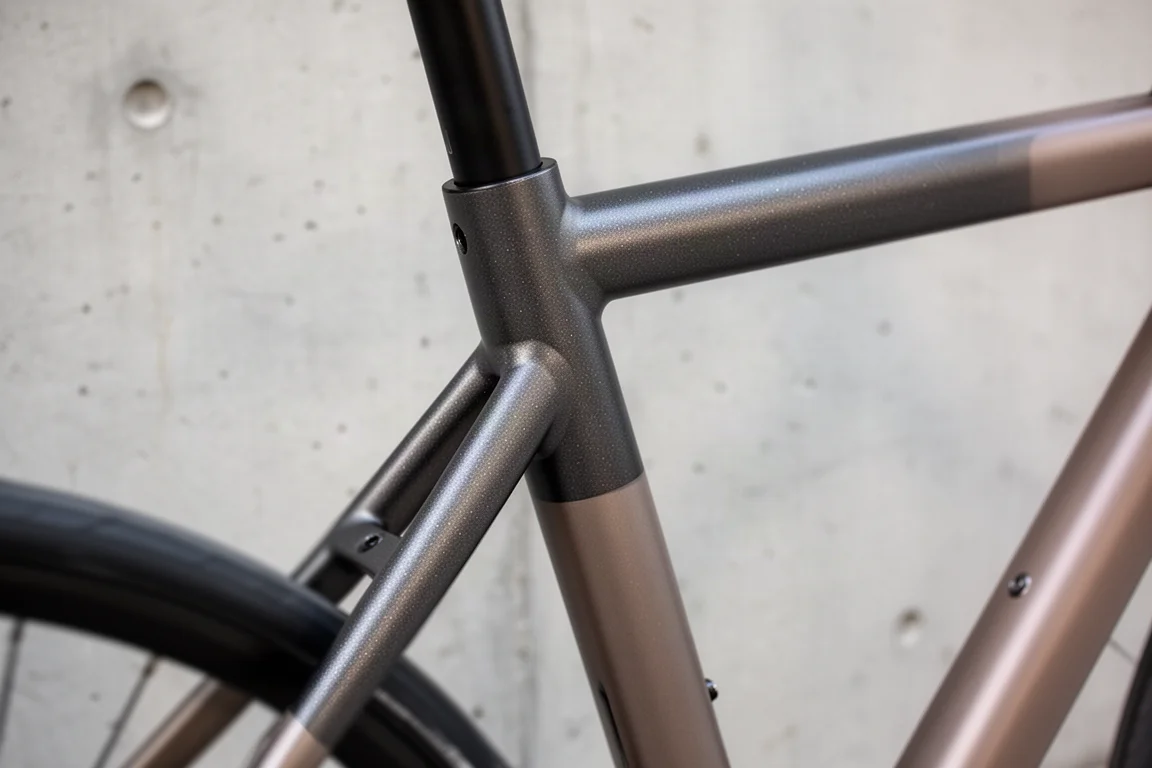
Budget-minded buyers should also weigh the entry models carefully. The cheapest bike in the range uses deep-section alloy wheels rather than carbon, and it will not be the lightest option available, so the savings show up in the price rather than on the scales.
Buying Advice: Which Propel Trim Makes Sense
Giant splits the range into three tiers built from two frames and two forks. The Advanced uses the Advanced frame and fork. The Advanced Pro pairs the Advanced frame with the SL fork. The Advanced SL uses both the SL frame and the SL fork. In the UK the range runs from £2,500 to £10,500.
The £2,500 model is the standout value pick. It brings a full carbon frame and fork, deep-section alloy wheels, Shimano’s 12-speed 105 mechanical groupset with hydraulic disc brakes, and Giant’s own two-piece handlebar and stem. It will not be the lightest bike on the start line, but the performance-per-pound equation looks excellent, and it is a sensible step up for anyone moving from a cheaper entry-level bike toward racing, faster group rides or triathlon.
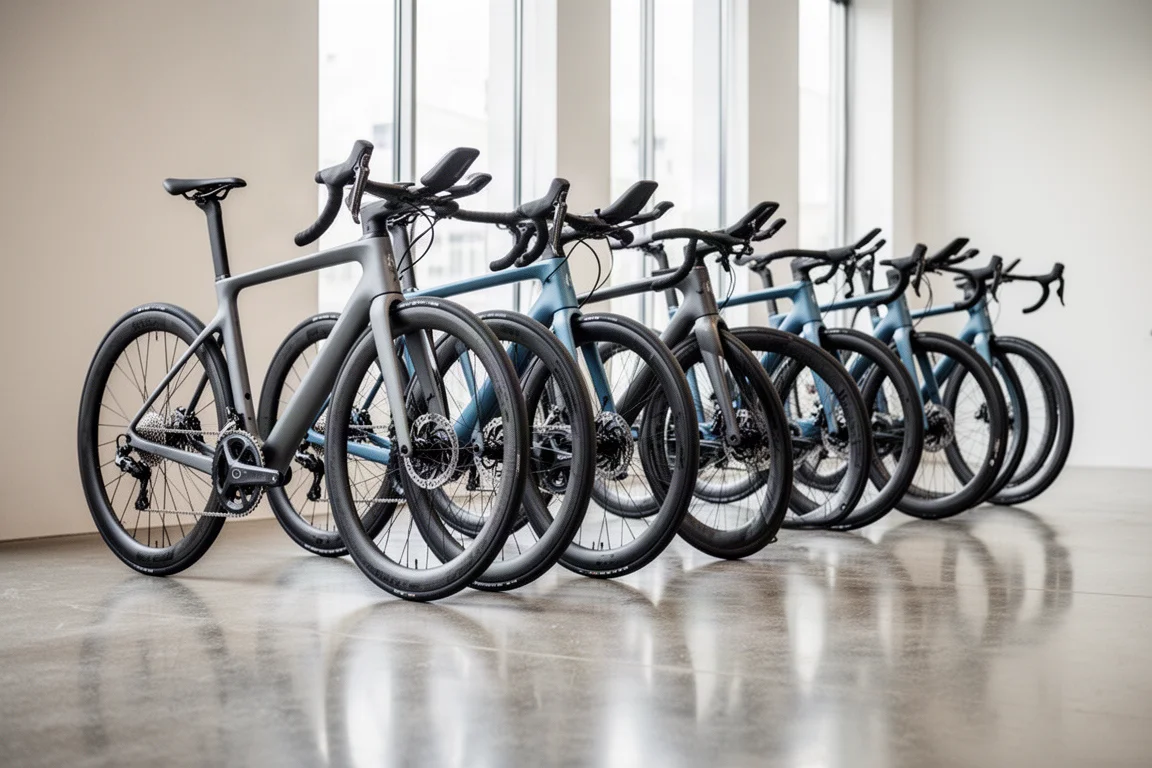
At £6,000, the Advanced Pro with a SRAM Force AXS groupset is the model that covers everything most riders actually need. It gets the full carbon frame, the one-piece carbon fiber handlebar and stem, carbon deep-section wheels with carbon spokes, and SRAM’s latest mid-range wireless electronic groupset. It arrives ready to race, ready for a sportive and ready for fast group rides, with nothing that obviously needs changing.
The £10,500 top model only makes sense for riders who want the lightest possible build or simply want the flagship. Across the lineup the specification story also includes short cranks, narrow handlebars and power meters. For most buyers, the middle of the range offers all the performance the platform can deliver in practice. Prices and specifications vary by market, so it is worth checking the local lineup and availability before deciding.
Conclusion
The new Giant Propel is an evolution rather than a reinvention, and that is fine. Giant took a fast, well-established aero platform and found real gains in weight, compliance, tire clearance and cockpit design, while treating the frame, fork, bar, wheels and tires as one system. The claimed 18.44 watt total saving is a manufacturer figure, but the engineering behind it is coherent.
What makes the Propel compelling is the value across the range. The entry model brings a carbon frame at a price few aero race bikes can match, the mid-range Advanced Pro delivers a genuinely race-ready build, and the top model exists for riders who want the lightest possible package. If you can live with the restrained paint options, the Propel makes a strong case as one of the most sensible ways to buy speed this year.
Product link
View more details for Giant Propel
This product is mentioned in the review. Check the specifications, options, and compatibility before buying.
View more details for Giant PropelFurther reading
Related Reviews

Road Bikes
10 New Road Bikes Worth Watching: Aero, Titanium, Steel and Endurance Standouts
A practical roundup of 10 new road bikes, from aero flagships chasing single-watt gains to titanium, steel and endurance platforms built for real roads.
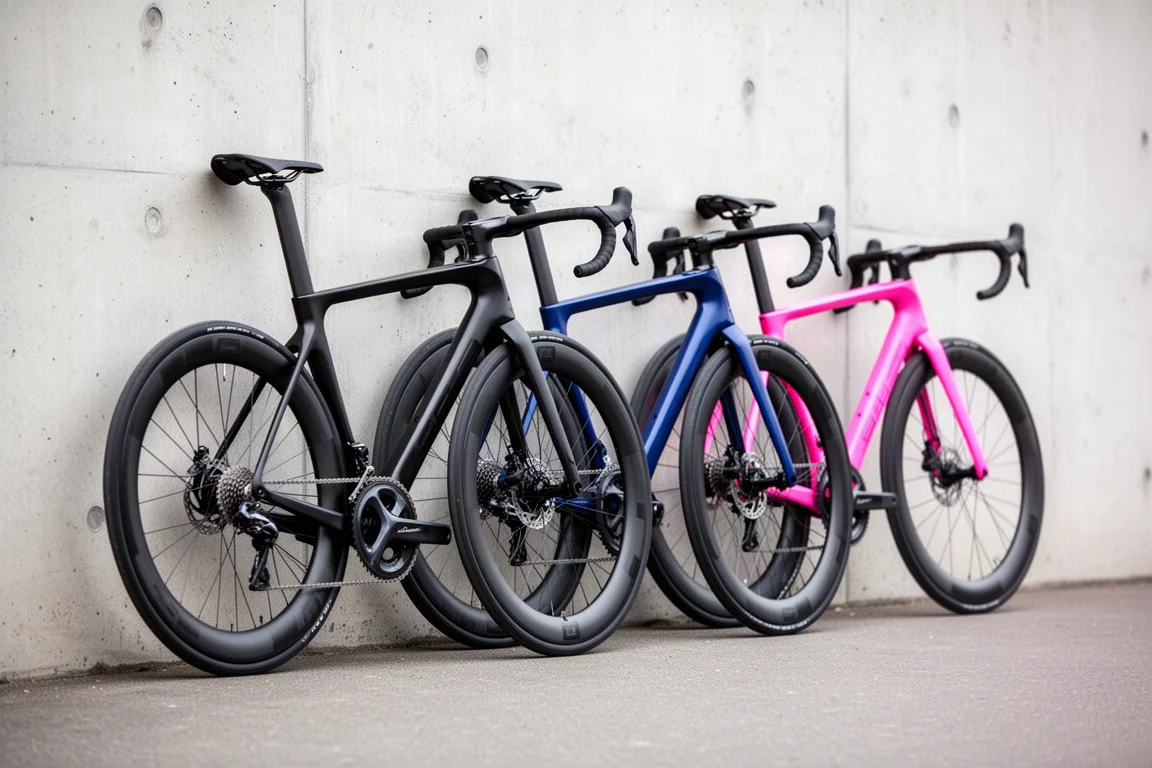
Road Bikes
2026 Tour de France Road Bikes: Six Race Machines Worth a Closer Look
Six race bikes from the 2026 Tour de France grid, reviewed for paint, silhouette, wheels and the specification details that matter to buyers.
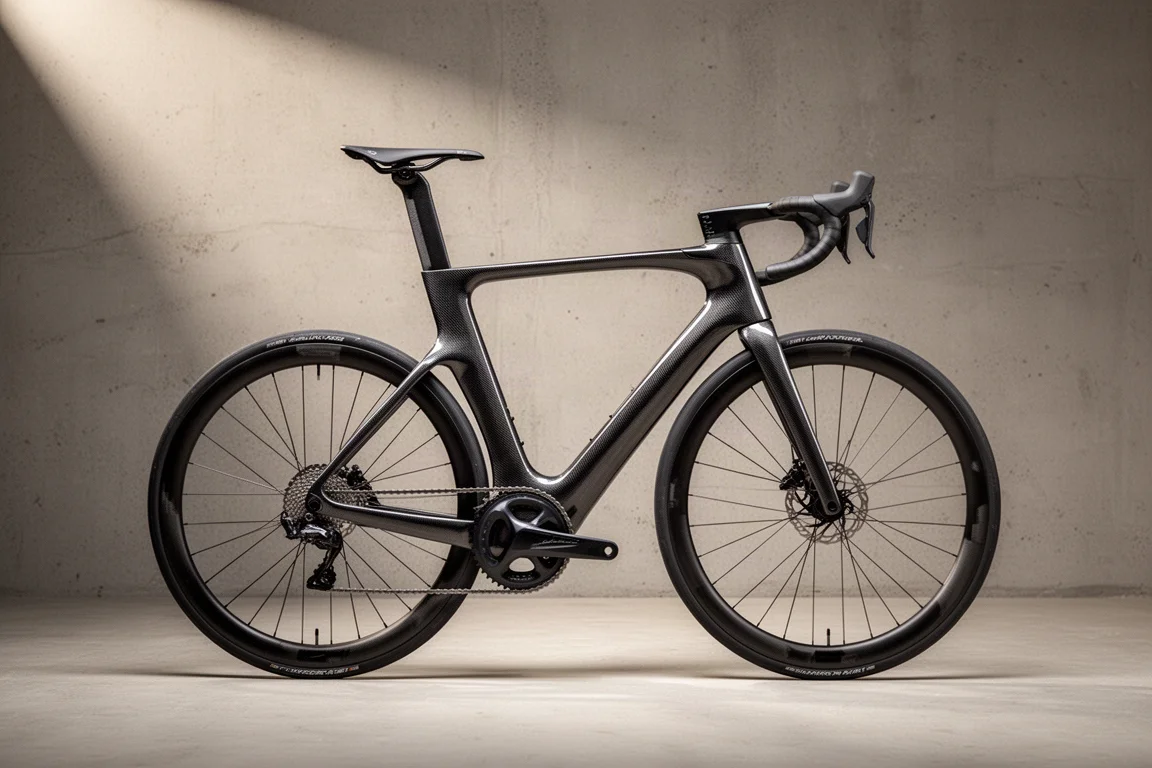
Road Bikes
3T Strada Italia Review: A Radical Aero Road Bike That Rides Smooth
A made in Italy carbon aero road bike with a deep head tube, wide tire clearance and a genuinely comfortable ride. Here is what to know before buying.