Aero Road Bikes
Giant Propel Advanced SL Review: A Lighter, Faster Aero Road Bike
Giant's refreshed aero road flagship claims 327 grams less weight, 6.2 watts more aero efficiency, and a cockpit that is genuinely easier to live with.
Introduction
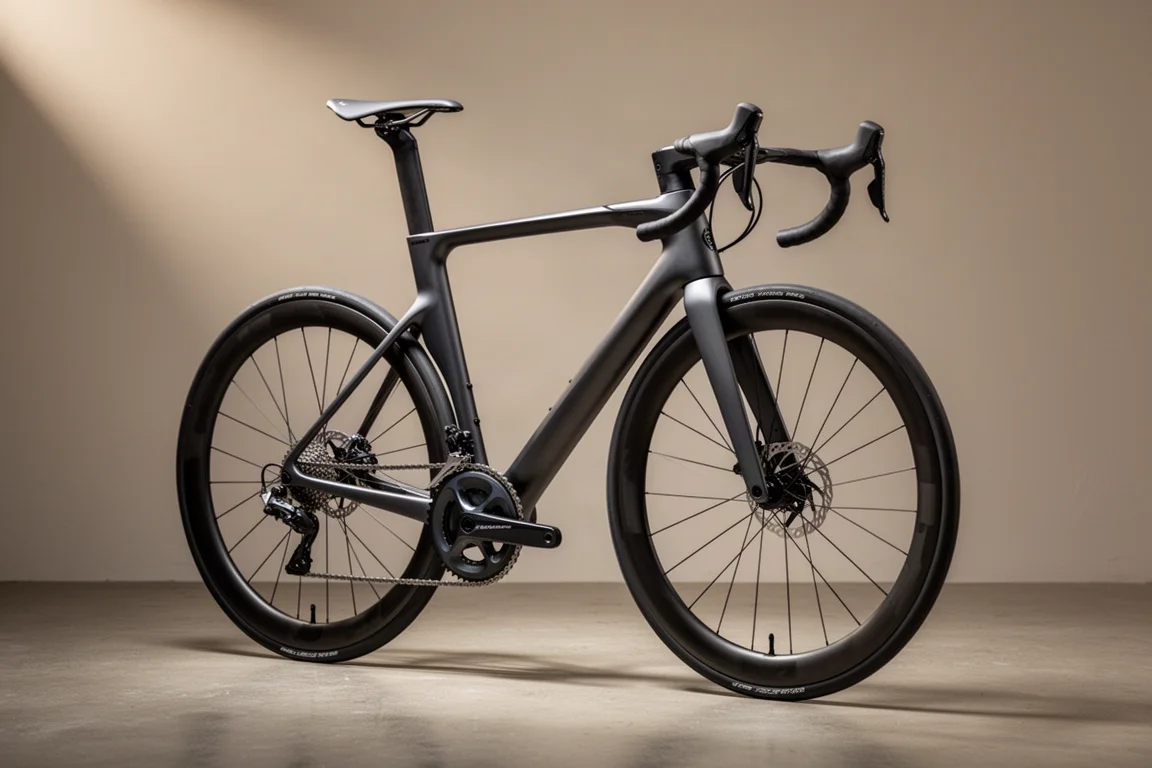
Giant’s Propel has been the brand’s aero road platform for around four years, which makes a refresh timely. The new Propel Advanced SL arrives with the familiar trio of promises that every aero flagship makes: lighter, stiffer, and more aerodynamic. What makes this one worth a closer look is that the numbers behind those claims are unusually specific.
The headline figures are a 327 gram weight reduction over the previous model and a claimed 6.2 watt aerodynamic gain. Those are meaningful numbers in a category where improvements are often measured in single grams and fractions of a watt, and they come alongside a redesigned cockpit that addresses one of the more annoying realities of modern integrated road bikes: maintenance.
This review covers what changed, who the Advanced SL actually suits, and what to weigh up before committing to a build that is likely to sit in the five-figure bracket.
Who This Bike Is For
The Propel Advanced SL is aimed at riders who treat speed as the primary brief. It is an aero road bike in the classic sense: truncated tube profiles, an integrated cockpit, and a frame built around racing rather than all-day comfort.
It also suits riders who care about fit flexibility. Giant has put real thought into how the bike can be adjusted after the fact, from shims that extend the usable saddle height range to a flippable saddle cradle that offers two offset positions. That matters for anyone who plans to keep the bike for years, or who might eventually sell it on.
Worth knowing: only the Advanced SL uses the integrated seat post design. Other models in the Propel range use a more conventional seat tube arrangement, so riders who prefer a traditional setup have alternatives within the same family.
Main Strengths
Weight Savings and Frame Refinements
The 327 gram saving is split across two areas. The cockpit, meaning the stem and handlebar, accounts for 102 grams. The frameset accounts for the remaining 225 grams, which is the more significant of the two given how much material a frame carries.
Giant did not chase weight alone. The seat tube has been engineered to be lighter while also building in more compliance, which in theory should translate to a more comfortable ride over rough surfaces.
The saddle area is where the practical thinking shows. The saddle clamp that joins saddle to frame can be stacked with 25 millimetres of shims for fine height adjustments later on, and a second clamp in the box extends that range to 45 millimetres. That gives future owners room to adjust for a different rider height rather than facing a cut-too-short problem. The saddle cradle itself also flips, offering either zero millimetres or 20 millimetres of saddle offset.
For anyone who has owned a bike with an integrated seat mast, this level of adjustment range is a genuinely reassuring detail rather than a marketing line.
Aerodynamics and the Integrated Cockpit
The 6.2 watt improvement comes from a set of changes rather than one dramatic redesign. Giant’s truncated aerofoil approach appears throughout: the back of the down tube, the seat stays, and the back of the forks all use flat sections, and the bridge at the rear is both flat and horizontal. The bottle cages are shaped specifically for their mounting position and are designed around round bottles, which is what most riders actually use.
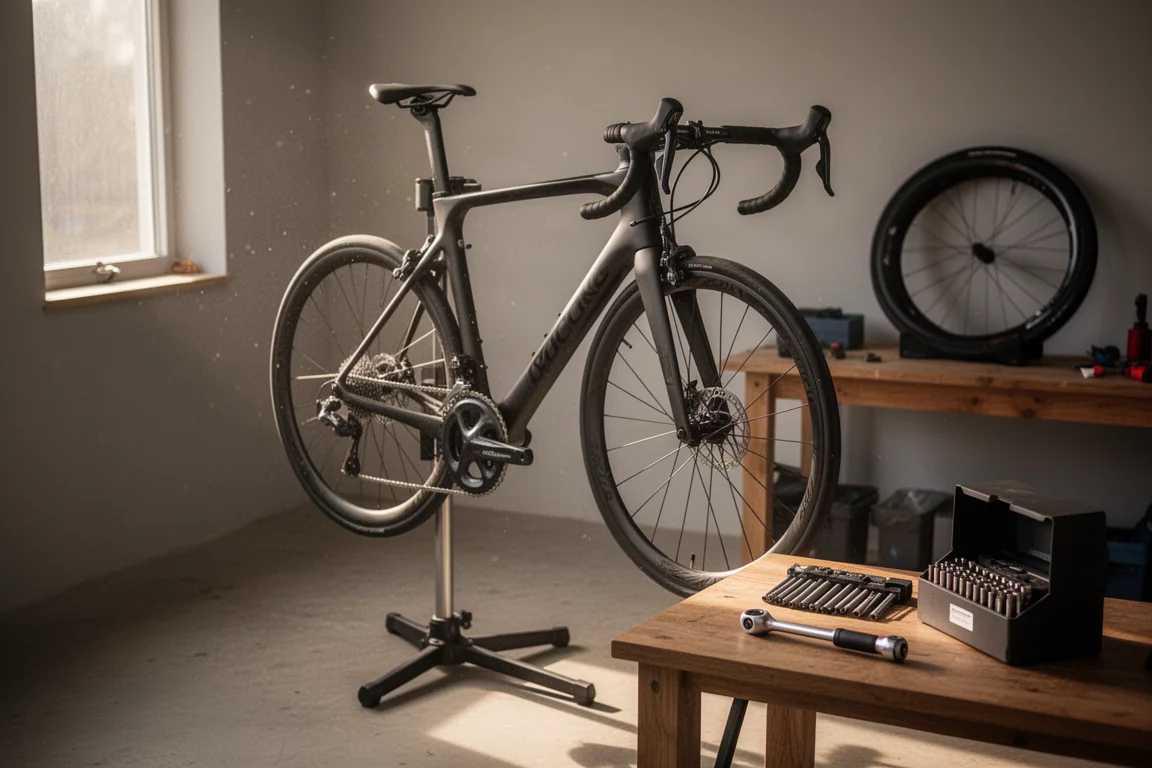
The cockpit is the more interesting story. Brake hoses no longer pass through the stem. They run through the bars, exit at the back, pass beneath the stem through a hollowed channel, and continue down the head tube. Because the hoses remain visible underneath, they are far more accessible. Adjustments that would normally mean a full brake bleed to remove a spacer become a much simpler job. The headset spacers are also split, so they can be removed without dismantling everything above them.
There is one structural trade-off: a D-shaped steerer. That design locks owners into Giant’s own stems, available in a carbon version as fitted here and a more budget-friendly aluminium option. Handlebar choice stays open, since the clamp remains 31.8 millimetres, and integrated bars can be routed either underneath the stem or out the back in the same manner as the stock setup.
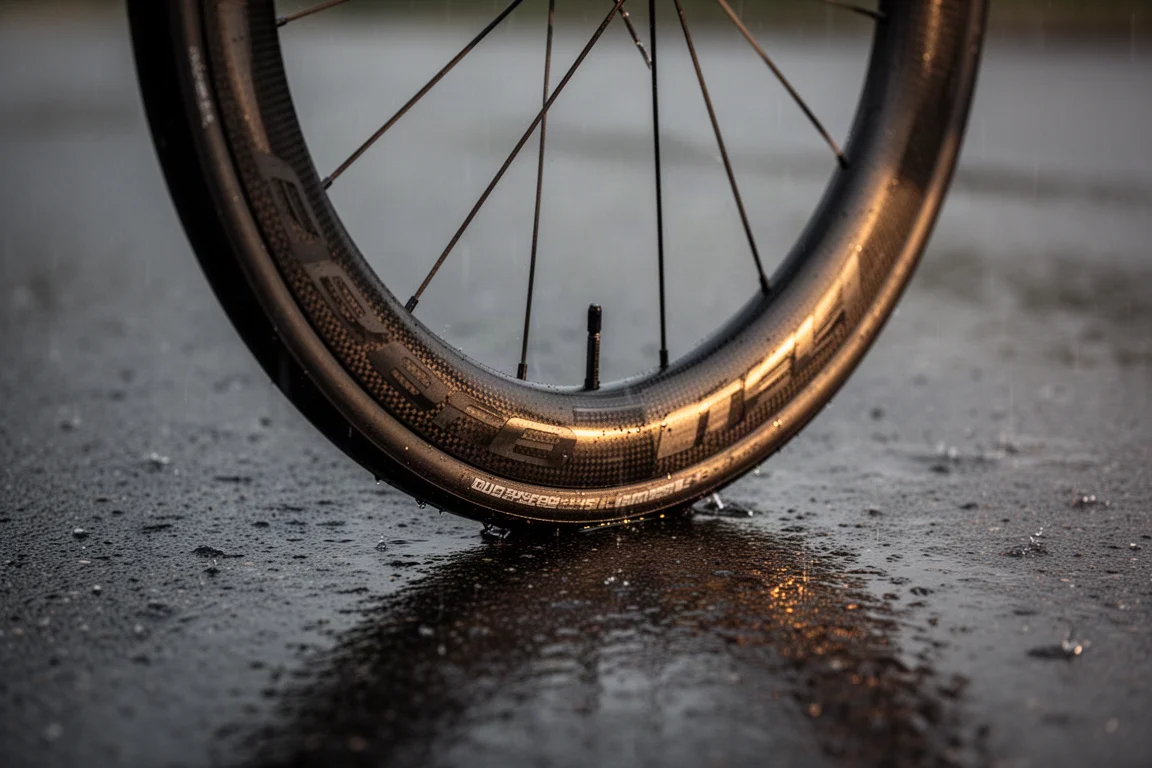
The wheels deserve their own mention. The bike rolls on CADEX 50 Ultra wheels paired with new CADEX tyres, developed alongside the frame as a single aerodynamic package. The spec includes ceramic bearings, carbon fibre straight-pull spokes, and hookless rims measuring 22.4 millimetres internally. Giant tested the bike against popular wheelsets from Enve, Zipp, and DT Swiss, and this combination came out fastest. The wheelset is also sold separately, reported at around £2,750, though that figure was still to be confirmed.
Fit and Finish
One honest observation: in silhouette, the new Propel could be difficult to pick out from a lineup of the ten most popular aero road bikes. That is less a criticism of this bike than a sign that aero design across the industry has converged on similar shapes. Buyers drawn to a distinctive-looking machine may find this one blends in.
Things to Consider Before Buying
Stem Compatibility and Fit Adjustments
The D-shaped steerer is the main constraint. If you like swapping stems between brands, or you have a favourite aftermarket stem, this bike will not accommodate it. Giant’s carbon and aluminium options cover the range, but third-party stems are off the table.
Handlebar freedom largely compensates. A standard 31.8 millimetre clamp means most bars will fit, and integrated bar options exist for riders who want a fully clean front end.
It is a reasonable trade for the improved hose routing, but it is worth deciding up front whether stem lock-in bothers you.
Pricing and Availability
Pricing was not confirmed at launch. The bike was expected to arrive around November 2022, and with the build shown here it was reasonable to expect a five-figure cost. Prices for the other Propel models were also still to be confirmed. The wheelset alone was reported at roughly £2,750, again still to be confirmed.
Because pricing and availability details were unresolved at the time of launch, buyers should confirm current figures rather than relying on early estimates.
Weight Check
The complete build weighed in at 6.79 kilograms. That is a strong figure for an aero road bike with deep-section wheels, and it supports the claim that this generation is a genuine step forward rather than a cosmetic update.
Buying Advice
The Propel Advanced SL makes the most sense for riders who want an aero race bike and are willing to accept the integrated seat post and the Giant-only stem ecosystem in exchange for easier maintenance and a wide fit adjustment range.
If the integrated seat post gives you pause, the rest of the Propel range uses a conventional seat tube and may suit you better. If your priority is outright speed with a comfortable setup window, the Advanced SL is the version to look at.
The wheels may be the most compelling part of the package. They were developed specifically for this frame and tyre combination, they are available separately if you already own a compatible bike, and they carry a spec list that holds up on its own terms.

Budget expectations matter here. With pricing unconfirmed at launch and a likely five-figure total, this is a considered purchase rather than an impulse upgrade, and it is worth waiting for firm numbers before deciding.
Conclusion
The new Propel Advanced SL delivers on its core claims with specific, checkable numbers: 327 grams saved, 6.2 watts gained, and a 6.79 kilogram complete build. More importantly, it fixes a real ownership problem by making the cockpit easier to service, and it adds fit flexibility that integrated designs often lack.
The caveats are straightforward. The D-shaped steerer limits stem choice, the silhouette is not distinctive, and pricing was unresolved at launch. Riders who can live with those points will find a fast, light aero road bike with a thoughtfully engineered front end and a wheel package that may prove the highlight of the build.
Product link
View more details for Giant Propel Advanced SL
This product is mentioned in the review. Check the specifications, options, and compatibility before buying.
View more details for Giant Propel Advanced SLFurther reading
Related Reviews
Aero Road Bikes
Best Aero Bikes 2026: Six Picks for Speed, Value and All-Round Performance
A practical guide to the best aero road bikes for 2026, covering outright speed, stability, all-round balance and the strongest value options.
Aero Road Bikes
Best Aero Road Bikes From the 2025 Tour: Five Race Machines Compared
Five aero road bikes raced at the 2025 Tour de France Grand Départ, compared on build weight, measured tyre width and cockpit design.
Aero Road Bikes
Best Aero Road Bikes 2025: Five Race-Proven Platforms
Five aero road bikes that shaped the category, from a team favourite with a distinctive front end to designs that blur the line between aero and all-round race machines.