Aero Road Bikes
Giant Propel Advanced Review: An Aero Race Bike That Finally Adds Comfort
A lighter, stiffer and more aerodynamic Propel Advanced with a genuinely improved ride, plus a few component choices worth changing early.
Introduction
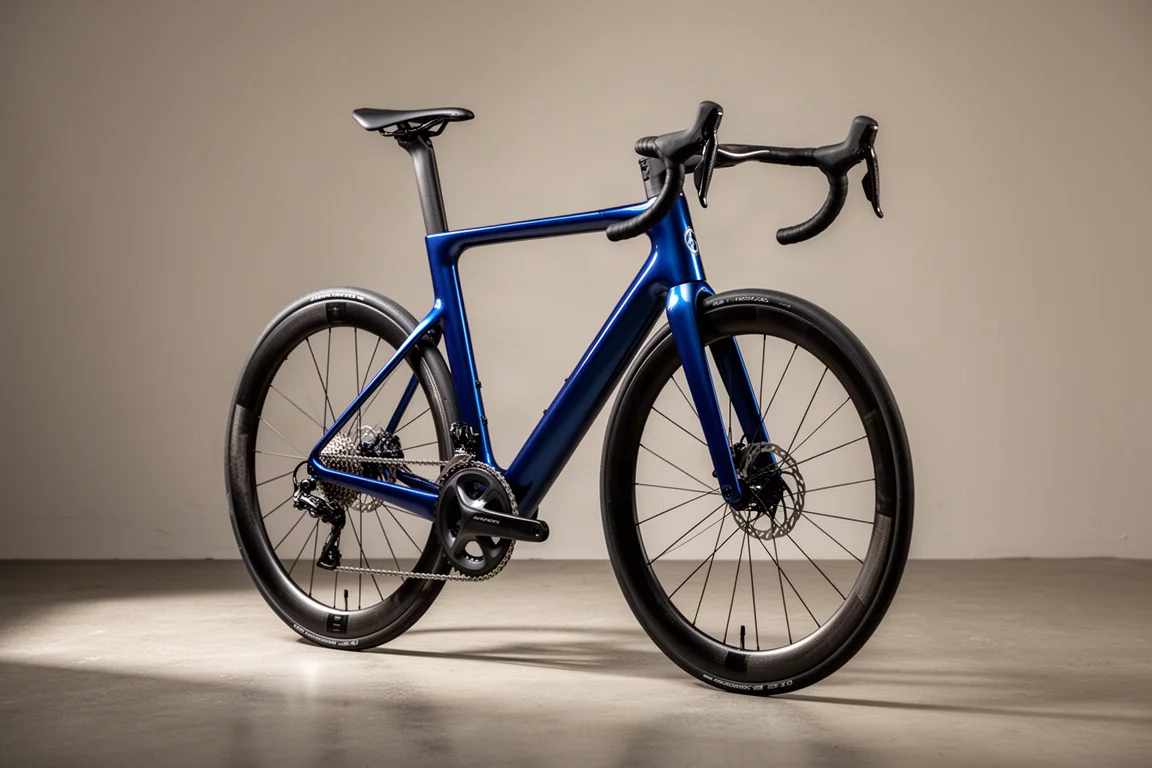
The Propel Advanced is Giant’s aerodynamic road platform, and this generation has been reworked rather than refreshed. The frame is lighter, stiffer and more slippery through the air than the model it replaces, and ride comfort has finally been given serious attention. A complete bike built with deep carbon wheels and a SRAM Force AXS groupset weighed 7.8 kg on our scales, which is a solid figure for an aero race bike carrying deep-section wheels at this price.
Giant claims a 6.2 watt aerodynamic saving at 40 km/h, a 9.2 percent improvement in overall frame stiffness and an 85 percent gain in compliance. Those are large numbers on a spec sheet, and the useful question is what they amount to once you are on a real road.
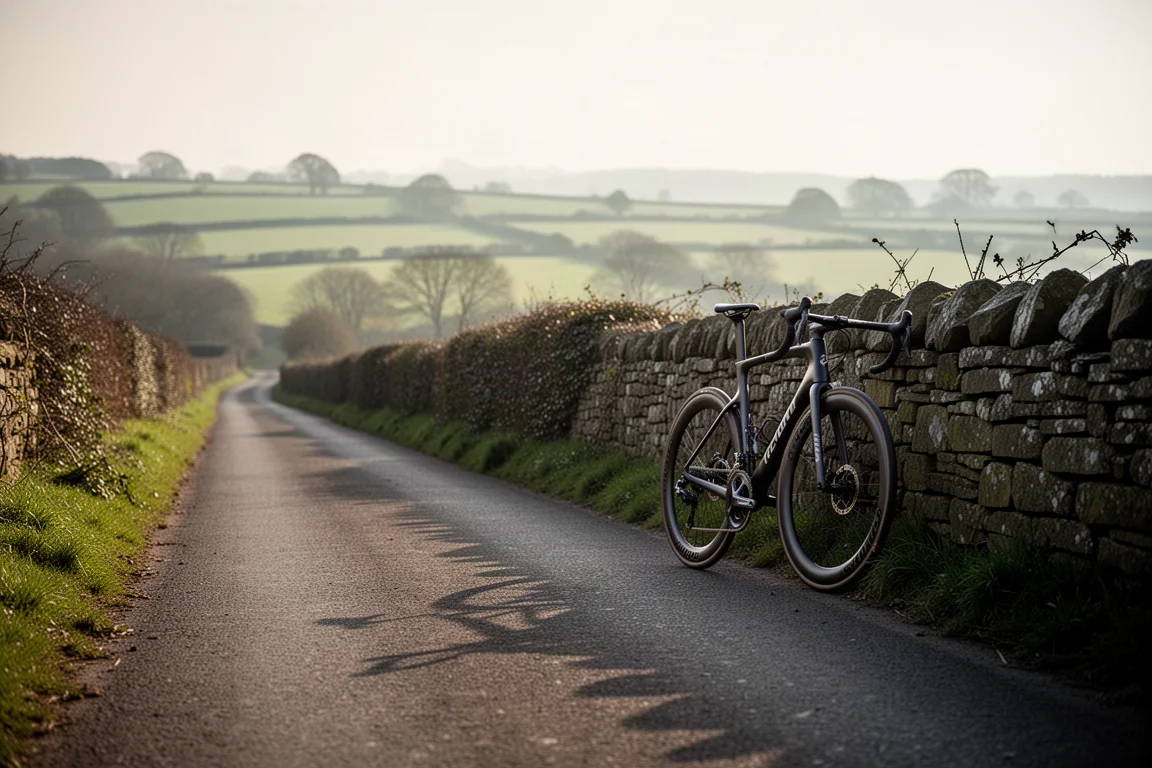
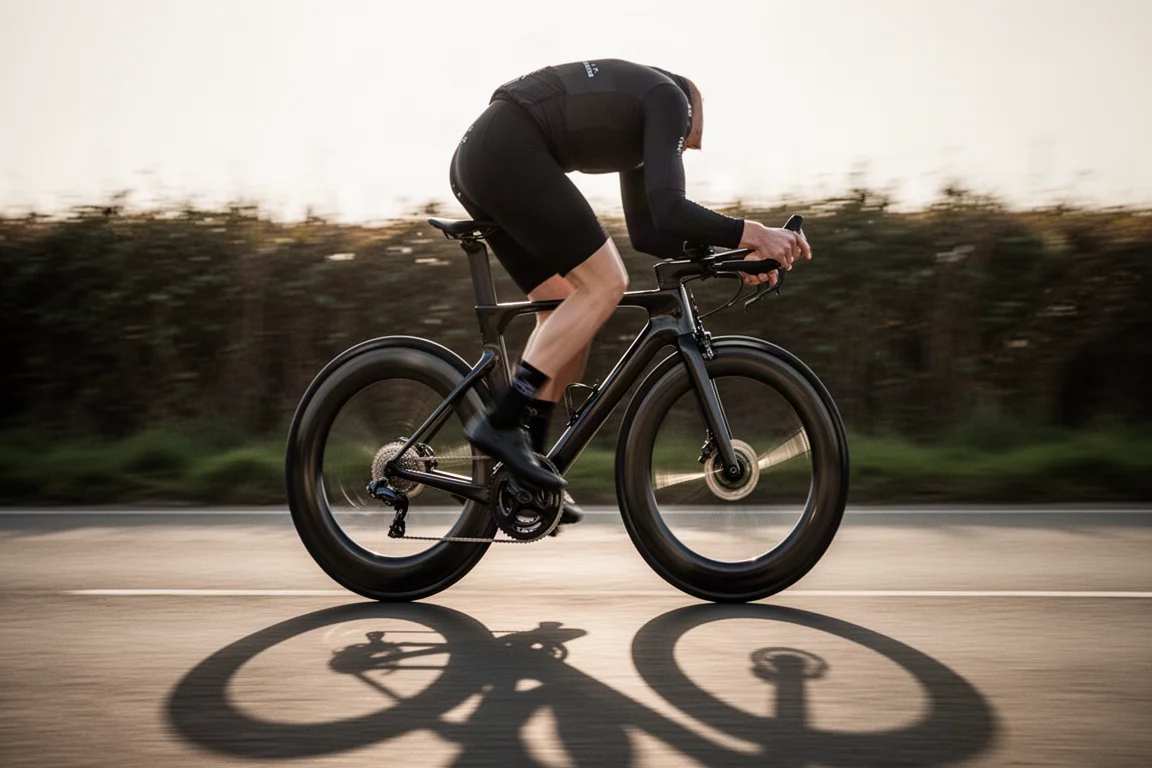
The short answer is that this is a fast bike in the way it looks, and it holds a high cruising speed on flat roads without demanding everything you have. With a power meter fitted, less power is required to maintain the same speed than on a lighter all-round race frame, and the weight saving helps that speed carry over onto climbs as well.
Who This Bike Is For
This is a bike for riders whose priority is outright speed. If you race, or you ride in a group where holding a high average speed matters more than anything else, the Propel Advanced is aimed squarely at you. The frame’s stiffness and the cockpit design are both built around efficiency at speed rather than all-day relaxation.
It also suits riders who already own a Giant TCR or a similar all-round race bike and want a second, faster option that shares familiar geometry. Because the new Propel now uses geometry in line with the TCR, switching between the two is straightforward, and existing TCR owners will feel at home almost immediately.
It is a less obvious fit for riders who buy one bike to do everything. The Propel can be ridden comfortably and used far beyond race day, but a few of its component choices work against that broader role, and those are covered below.
Main Strengths
Aerodynamics is the headline. The claimed 6.2 watt saving at 40 km/h comes largely from a redesigned cockpit, and a meaningful part of it comes from the new handlebar and stem rather than the frame alone. That is consistent with where aero gains are being found across the category, and it makes the front end of the bike the most significant change here.
Cable and hose routing has been substantially cleaned up. The previous system sent hoses over the stem and into the top tube beneath a bulky cover. The new arrangement runs the brake hoses under a carbon aero handlebar, through the stem and into a D-shaped steerer tube, which creates more room for the hoses at the front while looking considerably tidier and reducing drag.
The frame itself is impressively stiff under power. Climbing hard or sprinting, the bottom half of the frame feels like an efficient power transfer machine, and every bit of effort you put in seems to translate into forward motion. That stiffness is combined with better compliance than before, which is a difficult balance to strike and one Giant appears to have managed.
There are several thoughtful details that add real value. The bike ships with a power meter built into the SRAM crank, measuring left and right from the spindle, which makes a lot of sense on a bike designed for racing. Two bottle cages are included, and they are aero-optimised to match the profile of the down tube and seat tube, with strong retention and no rattling. The out-front computer mount sits flush with the stem, is solid in use, adjusts for angle and fits both Wahoo and Garmin computers.
There is also generous tyre clearance for a race bike, with room for tyres up to 30 mm wide. That matters because many riders buy a bike like this for fast local riding rather than racing, and wider rubber makes a genuine difference on rough surfaces.
Comfort, Stiffness, and Real-World Ride Quality
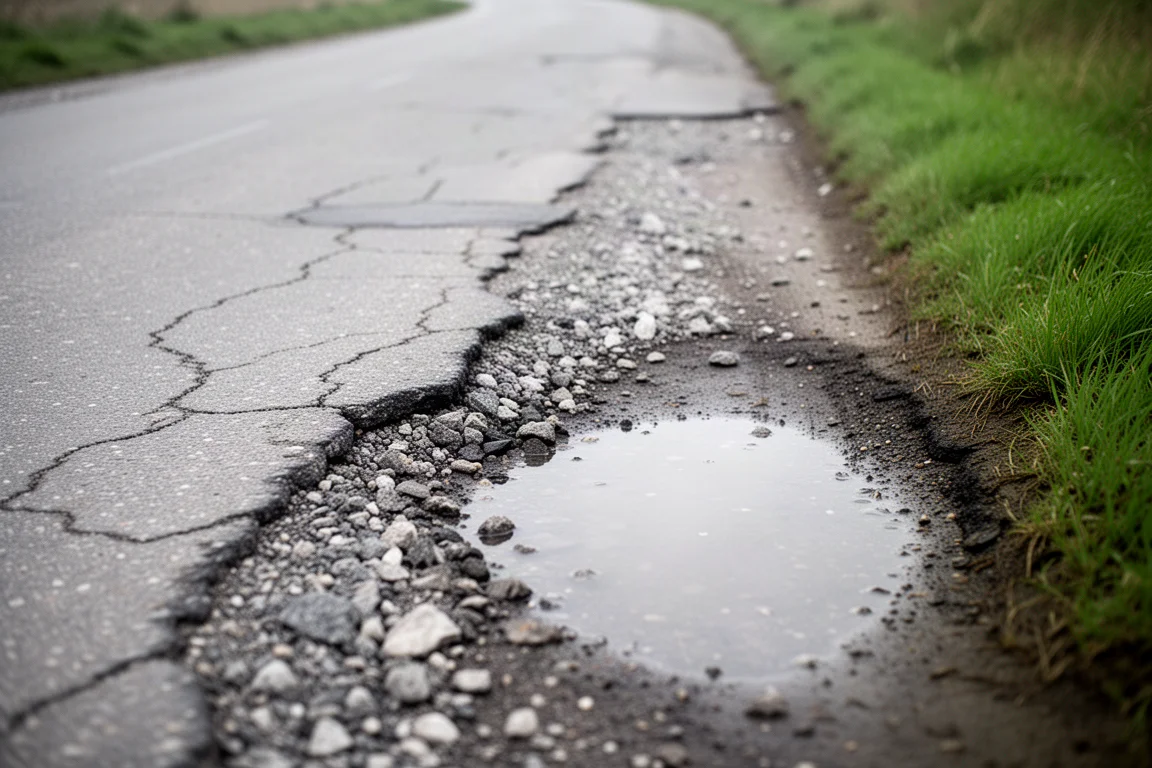
The old Propel had a reputation for a hard ride, and this version goes a long way toward fixing that. Skinnier rear stays, a slimmer seat tube and a smaller-profile seat post all contribute, and the 85 percent compliance gain is noticeable in practice. On broken tarmac, gravel-strewn lanes and potholed back roads, the bike is a clear step forward over the model it replaces, with far more smoothness and a much less punishing ride.
It is not, however, a soft bike. You still feel a good amount of road surface through the contact points, and the frame remains very direct. That stiffness is present in every situation, from climbing to sprinting, and it is the reason the bike feels so efficient. The upside is a frame with no jagged edges to its comfort; the downside is that it will never be the plush option in this class.
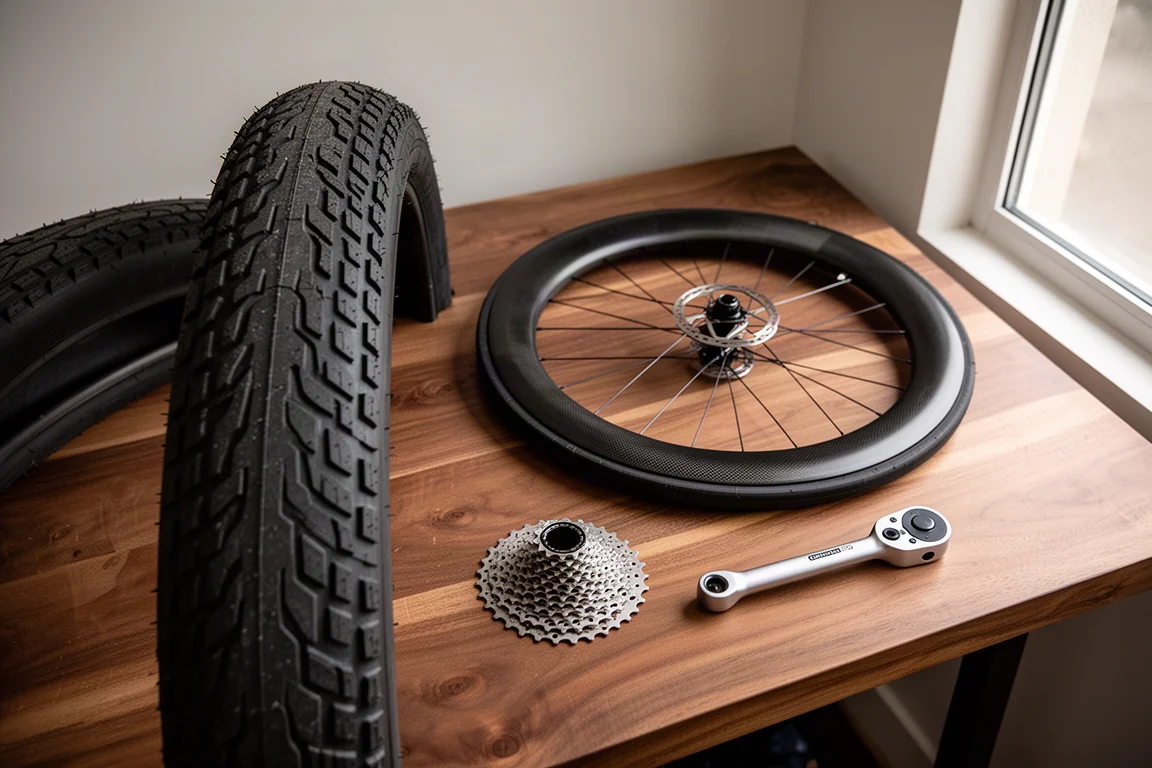
A significant part of that firmness comes from the tyres rather than the frame. The bike is supplied with 25 mm rubber, which is narrower than the trend across the category, where even professional riders are moving to 28 mm and wider. A swap to quality 28 mm tyres transforms the ride, filtering out the harshness generated by poorly maintained roads and improving comfort substantially without any real cost in speed or rolling resistance. The wheels themselves are fine, so a tyre change is the single most effective early upgrade.
Things to Consider Before Buying
The 25 mm tyres are the most obvious compromise. They may test well in a wind tunnel, but on real roads they hold back the comfort the frame is capable of delivering, and wider tyres are almost universally faster in practice once surface roughness is taken into account.
The 10-33 cassette is a genuine limitation. With the lower weight and improved comfort, this bike could serve as an all-rounder and possibly an only bike for a lot of riders, and that usually means hills. A small-ratio cassette restricts that ambition more than it needs to.
The handlebar is wide for a bike whose entire purpose is minimising drag. Narrower bars are proven to be faster, and other aero platforms in this category have moved in that direction, so the width here is a curious choice that riders may want to address.
The two-piece handlebar and stem design is welcome in principle, since it allows fit changes and customisation. In practice it limits stem options to Giant’s own range, so you cannot fit a stem from another brand if your position needs it. Giant does offer a broad selection, and the 110 mm stem on a size ML frame suited a 181 cm rider well, but the constraint is worth knowing about in advance.
One further point to keep in mind is the D-shaped steerer tube. It is what makes the cleaner front-end routing possible, but it is a less common standard than the round steerer tubes used by most brands, so it is worth considering how that might affect long-term servicing and parts availability where you ride.
Buying Advice
This mid-range Propel Advanced costs £6,400 and represents strong value for an aero race bike, particularly given the included power meter. The range stretches from around £3,000 at the entry point, which is impressive for the aerodynamic performance on offer, all the way up to roughly £12,000 for the SL with a Dura-Ace groupset, a build that weighs just 6.9 kg. There are effectively three tiers of frame and build to match different budgets and requirements.
The one caveat on the mid-tier build is the groupset generation. The SRAM Force AXS fitted here is the previous generation, which works the same but uses larger hoods and older-looking crank components that are less refined than the newer, smaller-hood design. It is a cosmetic and ergonomic difference rather than a functional one.
If you are choosing this bike, budget for a tyre change from the start. Fitting 28 mm tyres and then riding it as it deserves to be ridden is the fastest route to the bike the frame was designed to be, and it costs far less than any other upgrade you could make.
Compared with its closest rivals, the Propel holds up well. It is not quite the fastest aero bike on the market, and a very narrow-barred competitor still edges it on pure drag, but it matches the better-known aero platforms in this class and beats a lighter all-round race frame on efficiency. If outright speed is the goal and you want it without giving up everything in comfort, handling and weight, this is a legitimate contender for the money.
Conclusion
The new Propel Advanced is a genuinely fast aero race bike that has addressed the biggest weakness of the model it replaces. It is lighter, stiffer, more aerodynamic and, most importantly, far more comfortable, and the included power meter and aero bottle cages show that Giant understands how these bikes are actually used.
The reservations are real but manageable. Change the tyres, look carefully at the cassette and handlebar width if your riding includes hills, and go in knowing the stem and steerer standards are proprietary. Do that, and the Propel Advanced is one of the more sensible ways to buy serious aerodynamic speed this year.
Product link
View more details for Giant Propel Advanced
This product is mentioned in the review. Check the specifications, options, and compatibility before buying.
View more details for Giant Propel AdvancedFurther reading
Related Reviews
Aero Road Bikes
Best Aero Bikes 2026: Six Picks for Speed, Value and All-Round Performance
A practical guide to the best aero road bikes for 2026, covering outright speed, stability, all-round balance and the strongest value options.
Aero Road Bikes
Best Aero Road Bikes From the 2025 Tour: Five Race Machines Compared
Five aero road bikes raced at the 2025 Tour de France Grand Départ, compared on build weight, measured tyre width and cockpit design.
Aero Road Bikes
Best Aero Road Bikes 2025: Five Race-Proven Platforms
Five aero road bikes that shaped the category, from a team favourite with a distinctive front end to designs that blur the line between aero and all-round race machines.