Road Bikes
Giant Propel 2026 Review: A Measured Aero Update With Serious Value
The new Giant Propel brings a lighter frame, a one-piece carbon cockpit, and wider tire clearance, with claimed system-wide savings of 18.44 watts.
Introduction
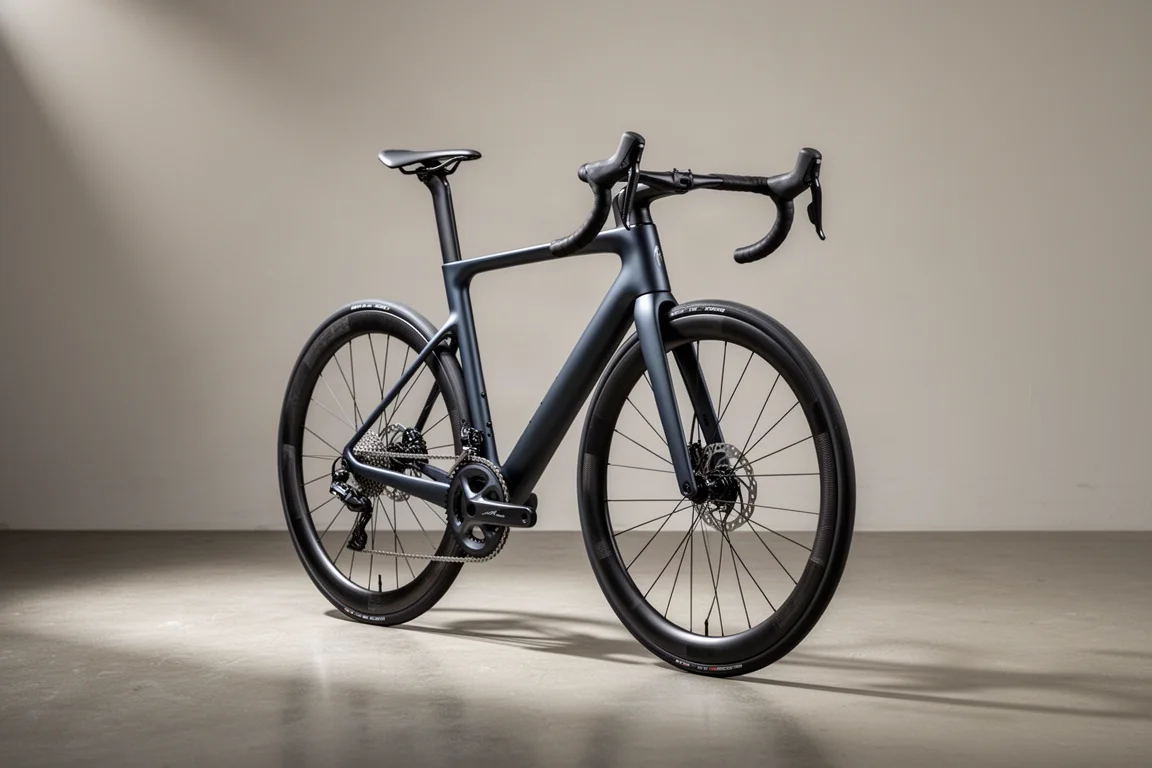
The Giant Propel has never been the loudest bike in the aero category. It does not chase wild tube shapes or futuristic silhouettes. Instead, Giant has kept the same proven blueprint and refined it, and the result is a claimed improvement of 18.44 watts over the bike it replaces.
That number covers more than the frame. Giant’s own testing, which is worth treating with appropriate caution, breaks the total down into just over 12 watts of reduced wind drag with the same wheels and tires, 5.6 watts from lower rolling resistance, and half a watt from reduced wheel rotating drag. The point is that the savings come from the whole system rather than the frame alone.
The frame has been made more aero where it matters most, at the front, while the rear of the bike has been redesigned to save weight and improve comfort, where aero gains matter less. It adds up to a modest but meaningful update rather than a radical redesign.
Who the Giant Propel Is For
Giant continues to run three distinct road platforms: the TCR as the lightweight climbing bike, the Propel as the aero race bike, and the Defy as the endurance option. The gap between the TCR and the Propel has narrowed with this update, because the new Propel is lighter than before and edges closer to a lightweight package. Even so, the distinction holds.
If racing and outright speed are the priority, the Propel remains the bike to choose. If you want a lightweight bike for climbing, care about every gram, or simply prefer the ride quality and look of a lighter build, the TCR is still a legitimate option, though it will not match the Propel in the wind tunnel.

The Propel also makes sense for riders moving up from a basic entry-level road bike into something more speed-focused. It suits road racing, sportives, chain gangs, and multi-sport use such as triathlon or Ironman events with clip-on bars.
Main Strengths: Aero Gains Across the Whole System
The most interesting part of this update is the complete system approach. Rather than optimizing only the frame and fork, Giant has treated the frame, fork, integrated handlebar, wheels, and tires as one package. The result is a claimed reduction of more than 12 watts of drag compared with the previous bike under the same testing conditions, before any contribution from the new wheels and tires.
That holistic thinking is becoming more common, with brands increasingly designing their own handlebars, wheels, and tires to control how every component interacts. The claimed rolling resistance saving of 5.6 watts is a good illustration: on paper it comes from the tires, but it is only realized when the wheels and tires are developed together.
Worth noting is that the visual changes are subtle. This is very much a case of refining a proven design, similar in spirit to how other brands have recently evolved longstanding aero models. If you want something visually extreme, the Propel is not that bike. If you want a fast bike that has been quietly made faster, it is.
Frame, Cockpit, and Comfort Improvements
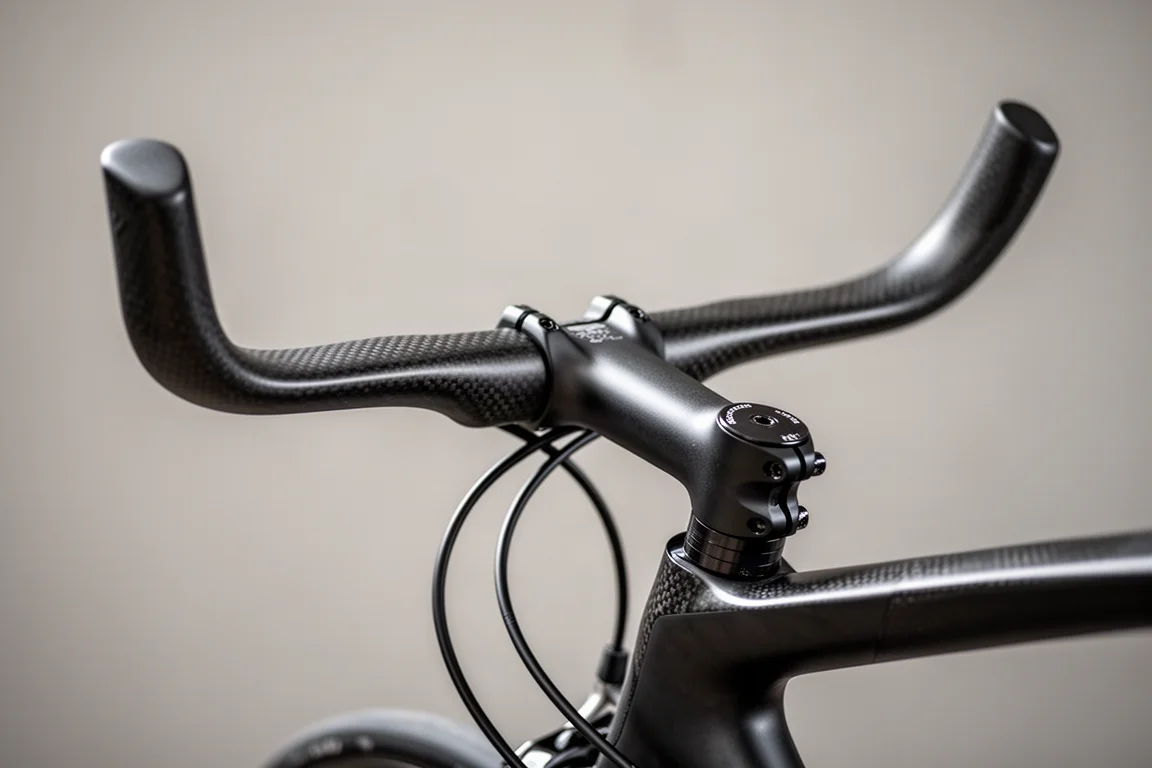
Up front, there is a new slim, tapered aero head tube with a D-shaped steerer tube that creates room for brake hoses to run inside the frame and fork. The bigger news is the Contact SLR Aero, the first one-piece carbon fiber handlebar and stem on the Propel. It is fitted to the range-topping SL and mid-range Pro models, while the entry-level Advanced bikes use a two-piece handlebar and stem.
The one-piece cockpit is also designed to smooth out road buzz, with a claimed 12.8 percent improvement in compliance over the previous two-piece setup on the SL. The shape is worth a mention on its own: narrow at the hoods, flared at the drops, with a slimmer top section that is friendlier to hands than a deep aero profile. The narrowest position is as narrow as the rules allow.
At the rear, the seat tube, chainstays, and seatpost have been reworked for a claimed 25 percent improvement in compliance, which should make the new Propel noticeably smoother than before. The range-topping SL keeps a seat mast, which Giant says is lighter and offers more tunable compliance.
A few practical details stand out. Tire clearance is now up to 32 mm, bringing the Propel in line with other race bikes. The rear uses a UDH dropout, which future-proofs the frame for newer SRAM and Shimano groupsets. Giant has stuck with a press-fit bottom bracket, citing a strong reliability record and its own manufacturing setup. One small quirk is that the rear through-axle dropouts are not smoothed over in the way some rival bikes now do, which leaves a slightly less clean look from the drive side.
Weight, Wheels, and Tire Clearance
The previous Propel, in top-end SL form with Shimano Dura-Ace Di2, weighed 6.8 kg. The new bike is lighter still. Giant claims 800 g for the Advanced SL frame, while the Advanced and Advanced Pro share a frame claimed at 863 g.
Frameset weight is down by nearly 40 g for the SL and 85 g for the Pro. When you factor in the complete system of handlebar, wheels, and tires, the drop is over 335 g for the SL and 100 g for the Pro. Most striking of all, the entry-level Advanced sees a system saving of close to 700 g, which shows Giant has not ignored the cheaper end of the range.
The new Cadex Max 50 wheels and aero tires are central to those rolling resistance and rotating drag figures. A complete Advanced Pro in size medium, with a SRAM Force AXS groupset and no pedals fitted, weighed in at a very competitive figure for a model that sits below the flagship.
There is one more trend worth flagging. Every Propel on display in the medium and medium-large sizes came with 170 mm cranks, a shorter length than road bikes have traditionally used. It is a sensible move toward short cranks without going to an extreme.
Range, Pricing, and Value
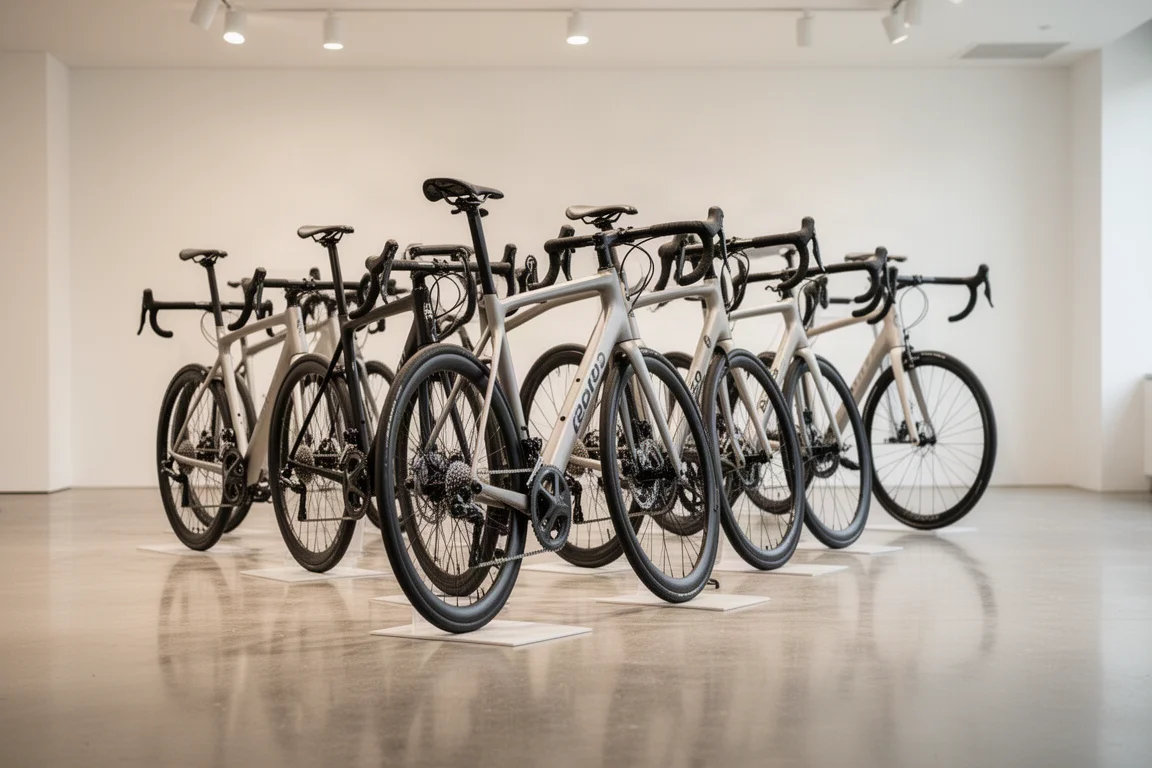
Pricing in the UK starts at 2,500 pounds and runs to 10,500 pounds. The range is split into three tiers built from two frames and two forks: the Advanced gets the Advanced frame and fork, the Advanced Pro pairs the Advanced frame with the SL fork, and the Advanced SL gets both in SL form. That structure means the entry-level Advanced shares the same frame as the mid-range model, differing mainly in the fork.
The cheapest model, at 2,500 pounds, looks like exceptional value: a full carbon frame and fork, deep-section alloy wheels that read as carbon from a distance, Shimano’s 12-speed 105 mechanical groupset with hydraulic disc brakes, and a two-piece handlebar and stem. It will not be the lightest bike available, but performance per pound looks very strong.
Further up, the Advanced Pro with SRAM Force AXS at 6,000 pounds stands out as the sweet spot. You get the full carbon frame, the one-piece carbon fiber cockpit, carbon deep-section wheels with carbon spokes, and SRAM’s mid-range electronic wireless groupset. It arrives ready to race, ready for a sportive, and ready for fast group rides, with nothing that needs changing.
Things to Consider Before Buying
The paint finishes are the main sticking point. Giant has long carried a reputation for conservative looks, and the Propel does little to shake it. Most frames offer only one color option, and while a few stand out, the overall palette is restrained. Given how strong the price, specification, and performance are, a bolder option or two would add the desirability the bikes otherwise deserve.
The move to a one-piece handlebar is a genuine talking point. These cockpits are expensive, and they limit how much you can adjust fit, since stem length and bar width are effectively fixed once you choose a size. It makes the shape and ergonomics of the bar far more consequential than they used to be. The new Contact SLR Aero looks and feels promising, but a test ride is the only way to confirm it suits your position.
It is also worth being clear about the aero claims. The 18.44-watt figure comes from Giant’s internal testing, so treat it as a useful indication of direction rather than an absolute guarantee. The individual savings are modest; the value comes from stacking them together across the whole system.
Buying Advice
If you can live with the understated paint, the Propel delivers a lot of performance for the money. Shorter cranks, narrow handlebars, power meters across the range, carbon wheels, and a carbon fiber one-piece cockpit are exactly the features that matter on a modern aero race bike, and they are available here without the eye-watering price of the flagship tier.
The Advanced Pro with SRAM Force AXS is the model most riders should focus on. It covers everything you genuinely need, and the 10,500-pound SL only makes sense if you are chasing the last few grams or have budget to spare. At the other end, the 2,500-pound Advanced is a compelling first serious road bike for someone stepping up from an entry-level machine.
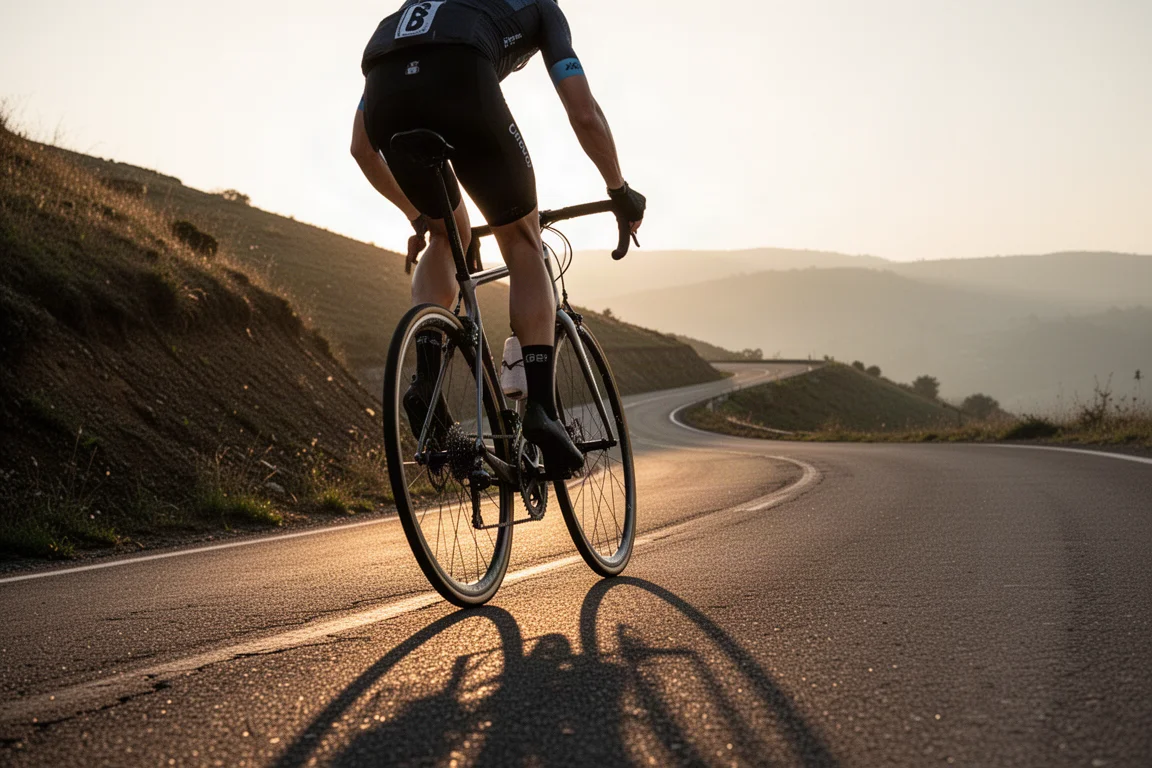
A test ride matters more than usual here. Because the cockpit restricts fit adjustment, and because the compliance improvements are a large part of the story, you want to confirm the position and ride feel suit you before committing. If they do, the Propel is one of the strongest value propositions in the aero category this year.
Conclusion
The Giant Propel is not the most dramatic aero bike on the market, and Giant has clearly chosen the safe path of a measured update to a proven design. What it has found along the way is genuinely impressive: a lighter frame, a more compliant ride, a well-shaped one-piece cockpit, wider tire clearance, and a complete system approach that stacks small savings into a meaningful total.
Combine that with pricing that starts at 2,500 pounds and a mid-range model that covers nearly everything a road rider needs, and the Propel makes a strong case for itself. If you value going fast and want your money to stretch further than it does with most aero race bikes, this is a very easy bike to recommend.
Product link
View more details for Giant Propel
This product is mentioned in the review. Check the specifications, options, and compatibility before buying.
View more details for Giant PropelFurther reading
Related Reviews

Road Bikes
10 New Road Bikes Worth Watching: Aero, Titanium, Steel and Endurance Standouts
A practical roundup of 10 new road bikes, from aero flagships chasing single-watt gains to titanium, steel and endurance platforms built for real roads.
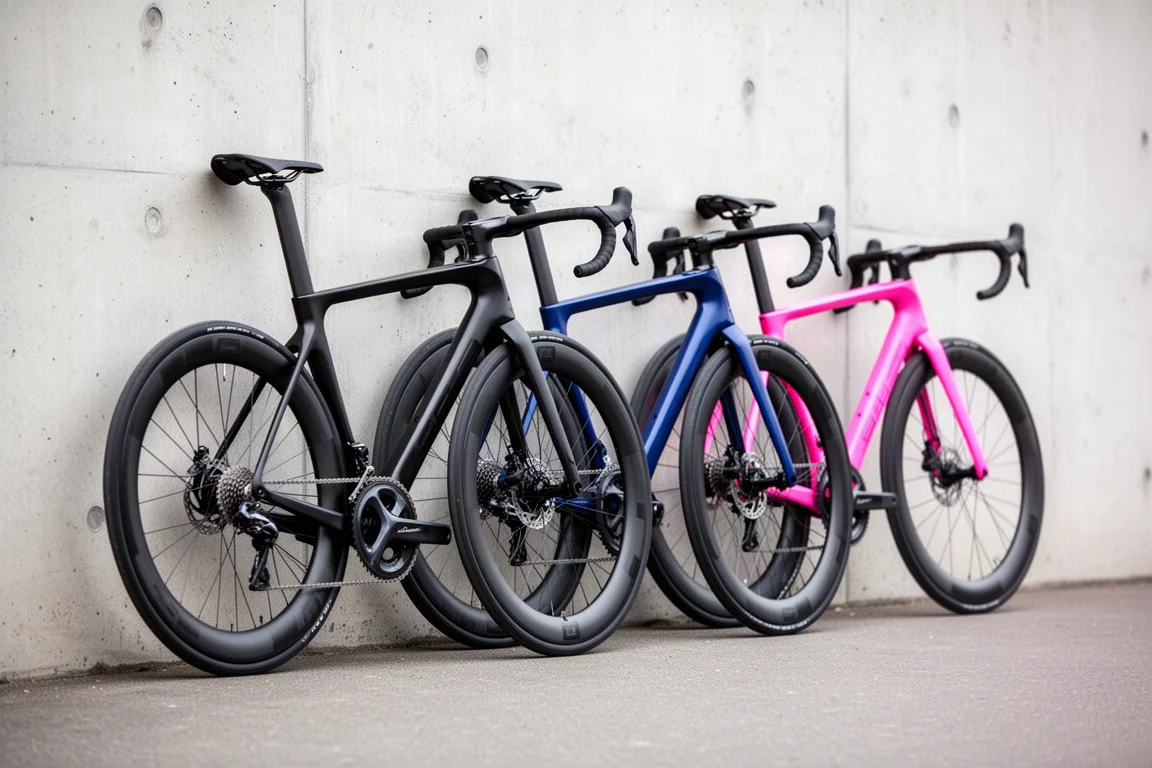
Road Bikes
2026 Tour de France Road Bikes: Six Race Machines Worth a Closer Look
Six race bikes from the 2026 Tour de France grid, reviewed for paint, silhouette, wheels and the specification details that matter to buyers.
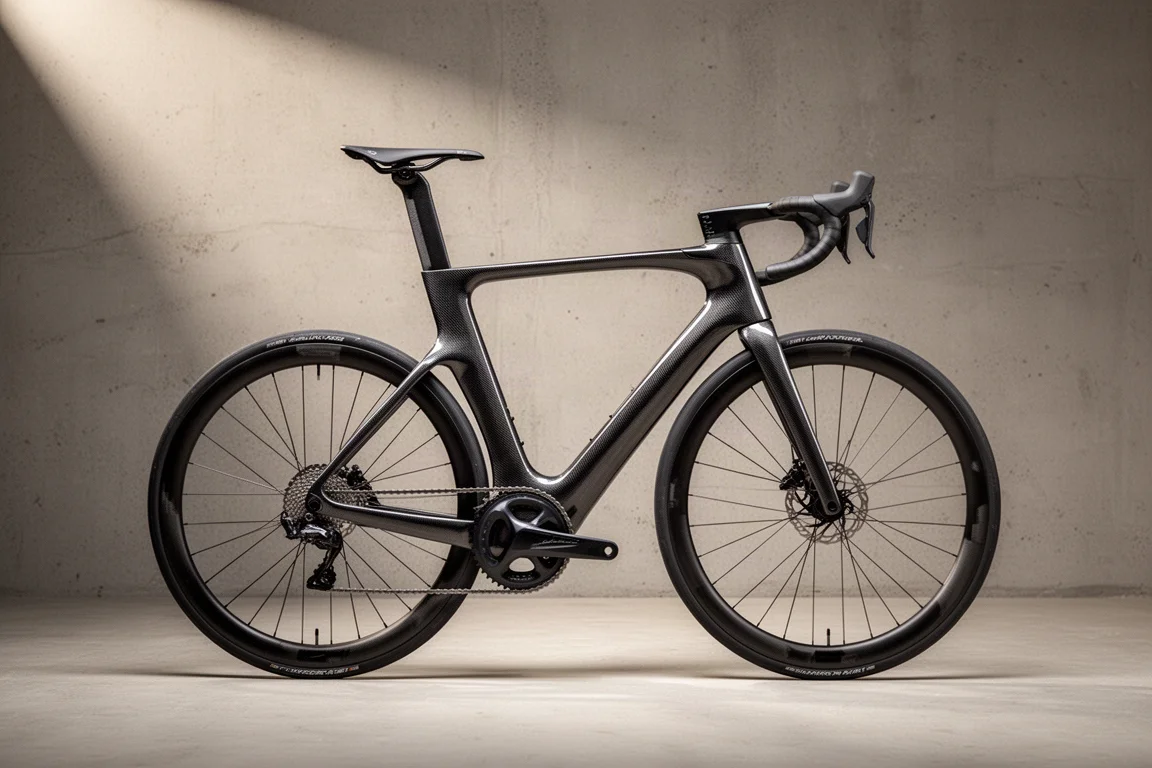
Road Bikes
3T Strada Italia Review: A Radical Aero Road Bike That Rides Smooth
A made in Italy carbon aero road bike with a deep head tube, wide tire clearance and a genuinely comfortable ride. Here is what to know before buying.