Road Bikes
Giant Propel 2026 Range Guide: Advanced SL 0, Advanced Pro and Advanced 2 Compared
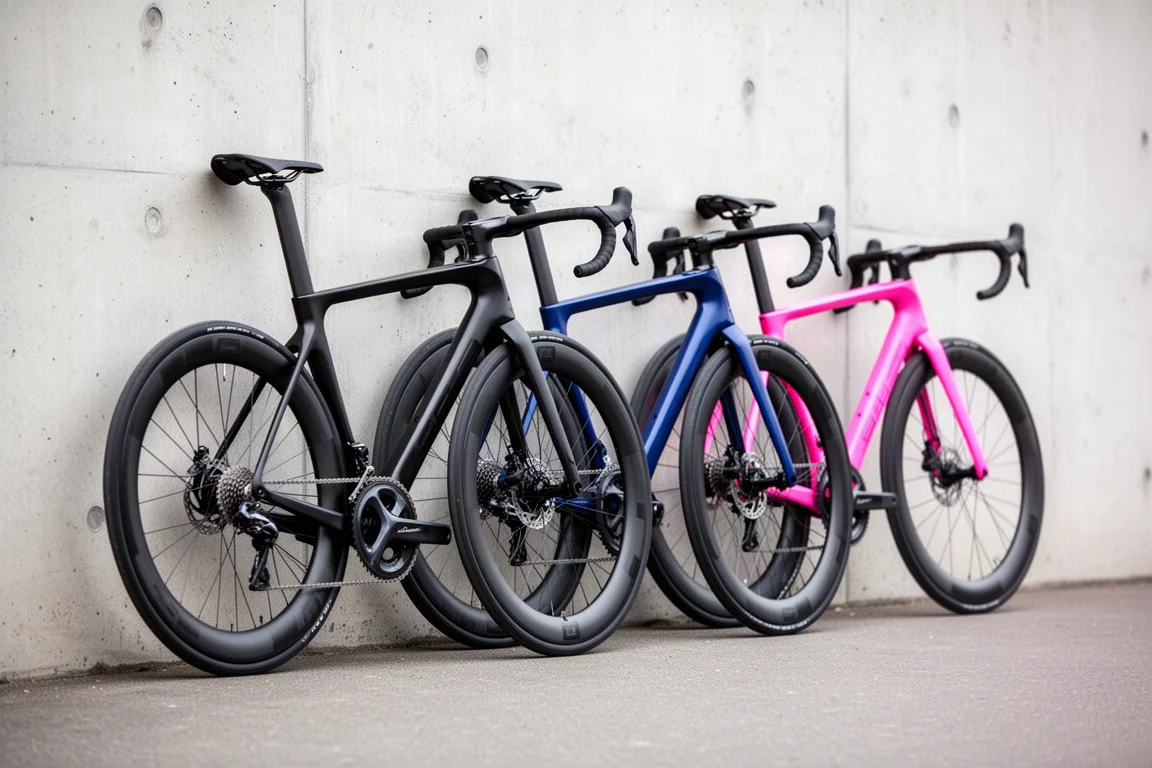
Giant's latest Propel aero road platform arrives in three builds. Here is how the flagship Advanced SL 0, the mid-range Advanced Pro and the entry Advanced 2 differ, and who each one suits.
Introduction
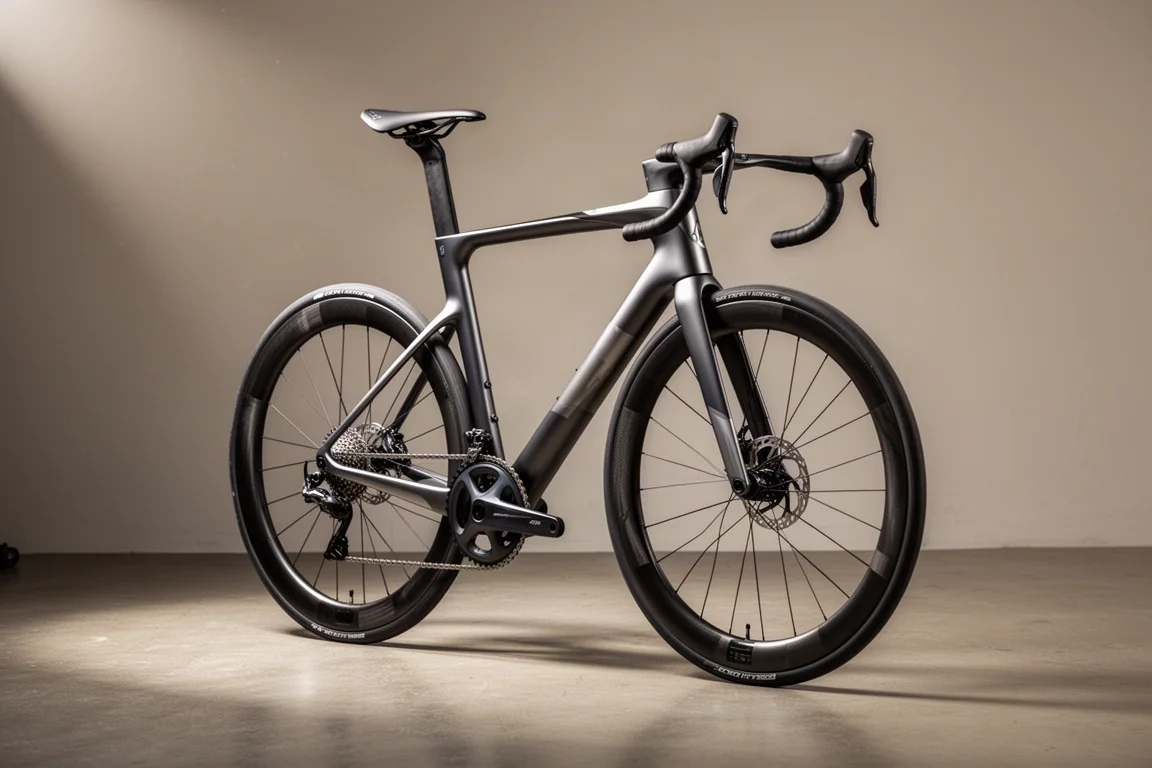
Giant’s new Propel aero road platform has arrived, and it lands in three clearly separated builds: the flagship Propel Advanced SL 0, the mid-range Propel Advanced Pro and the entry-level Propel Advanced 2. At a glance the silhouette will look familiar, and that is fair. The interesting story is underneath the paint, where a new one-piece cockpit, revised tube shapes, a different carbon layup and a new wheelset and tyre package add up to a meaningfully lighter and more efficient bike.
This guide walks through what actually changed, what each build gets, and which one makes sense depending on how you ride and what you are willing to spend.
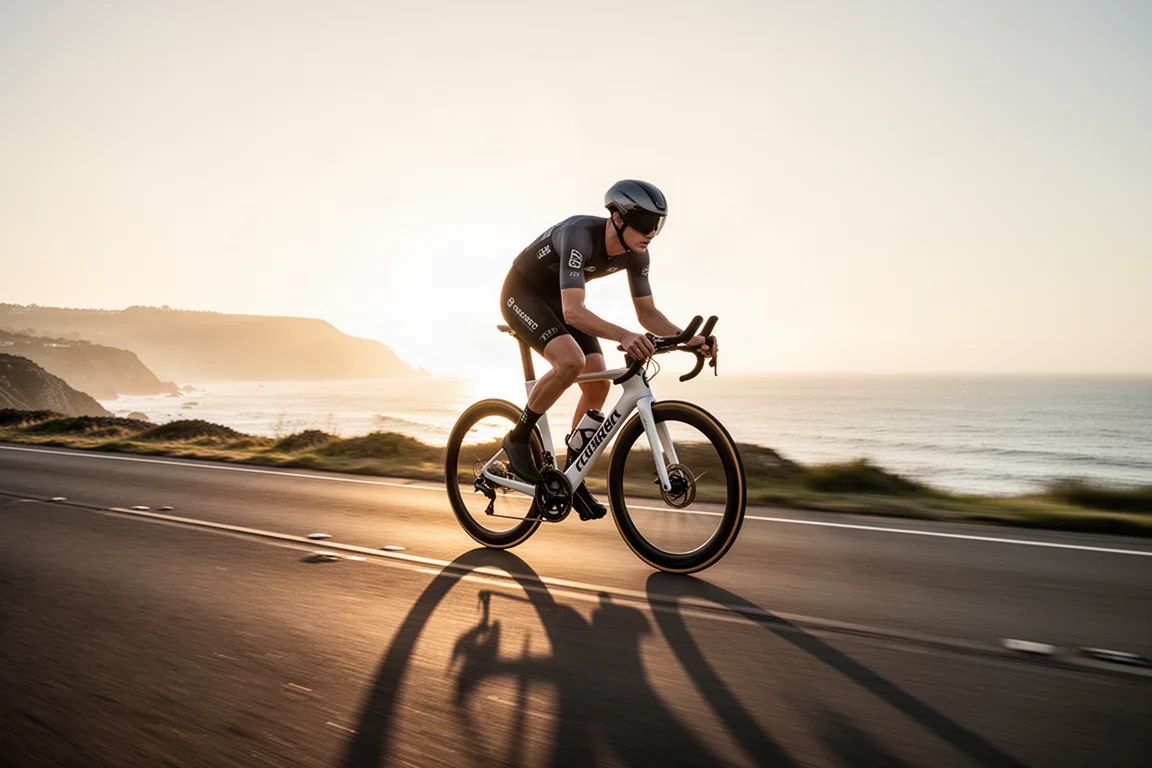
The headline numbers are worth stating early. The flagship build weighs 6.56 kilos on the scales, the range now clears the UCI weight limit comfortably even with bottle cages and a computer mount fitted, and Giant claims the new platform is more efficient than the outgoing model. Below that, the two cheaper builds carry most of the same frame design at substantially lower prices.
What Changed Across the New Propel Range
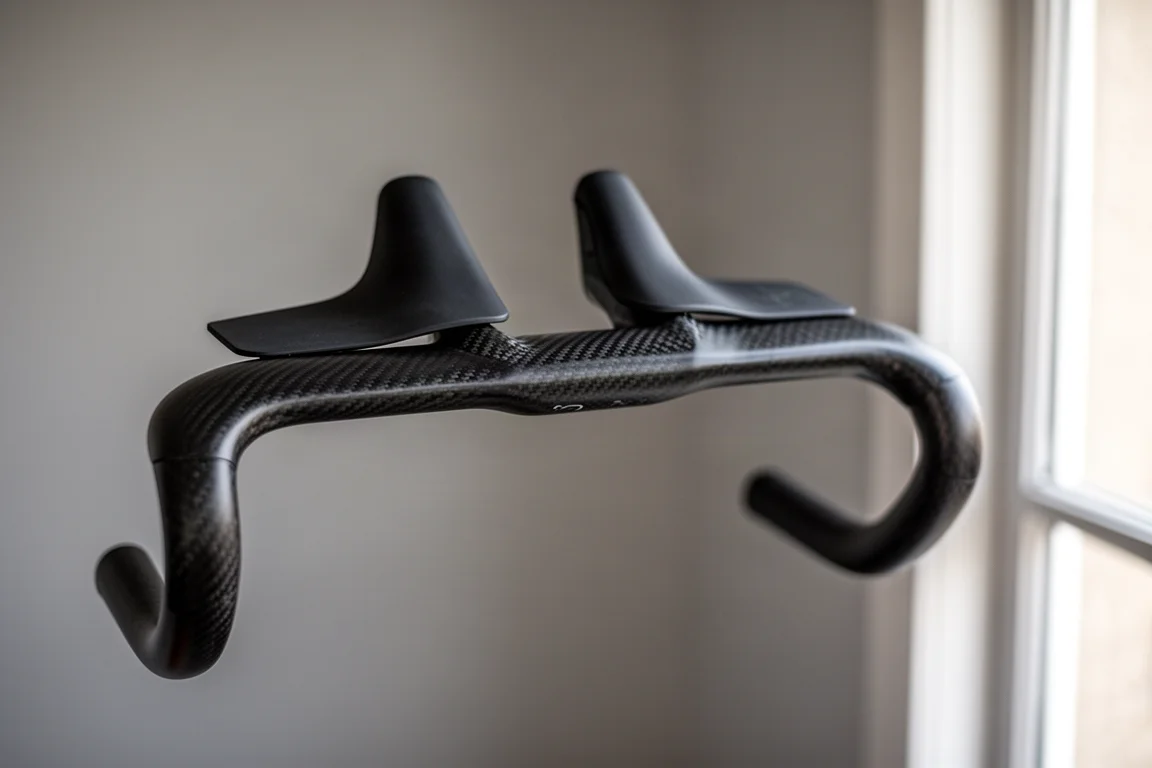
The most visible change is up front. The old Propel used a two-piece setup with a separate stem and handlebar. The new bike moves to a one-piece cockpit that cleans up the front end aerodynamically, saves 80 grams and, according to Giant, offers 13 percent more compliance than the previous bar.
The bar shape itself is a genuine improvement for aero bikes. It uses narrower hoods with slightly wider drops, which lets you tuck into a narrow position on the hoods and still get more control when descending.
Further back, the seatstays have dropped by around three centimetres. Giant says this adds roughly 25 percent more compliance on the Advanced SL model with its integrated seatpost. The rear dropout is now UDH, which opens up compatibility with SRAM’s direct mount drivetrains and anything similar that arrives later. Tyre clearance has grown to 32mm, up from 30mm, matching the TCR.
Under the surface, Giant has revised the carbon layup to target efficiency gains, specifically stiffness-to-weight at the bottom bracket for power transfer and at the head tube for handling. The frameset itself is 40 grams lighter than before, but the larger weight savings come from the cockpit and wheels, which together account for around 350 grams.
Giant Propel Advanced SL 0
The Advanced SL 0 is the flagship. Its 6.56 kilogram figure is notable because it is a genuinely complete aero build: deep-section wheels, bottle cages, a full paint job rather than a weight-saving clear coat, an out-front computer mount and a padded saddle rather than a featherweight racing perch. There is still room to go lighter if you want to chase grams.
It runs the new SRAM Red AXS groupset, which is very light in its own right, and rolls on Cadex Max 50 wheels paired with Cadex Aero 28 tyres. The wheels carry over the carbon-spoke design with carbon rims and, on this build, carbon aero hubs, and they are a claimed 100 grams lighter than the previous version at 1,290 grams. They remain hookless. The tyres use small notches on the tread, similar in concept to other aero-optimised tyres, and are claimed at just 220 grams in 28c, against roughly 280 grams for a comparable 28c road tyre. They do look narrow on these rims, so expect them to measure close to a true 28mm rather than growing toward 30mm.
A Shimano Dura-Ace build is also available for slightly less money, though it does not come with a power meter, since Giant’s view is that Shimano power meters are not as accurate as SRAM’s. The Advanced SL 0 is priced at 10,500 pounds, or 13,500 dollars. That is not cheap, but it is competitive for a flagship aero bike.
The practical appeal here is that nothing about the build feels like a compromise made purely for a headline weight figure. You could go lighter, but you would be removing real-world usability to do it.
Giant Propel Advanced Pro
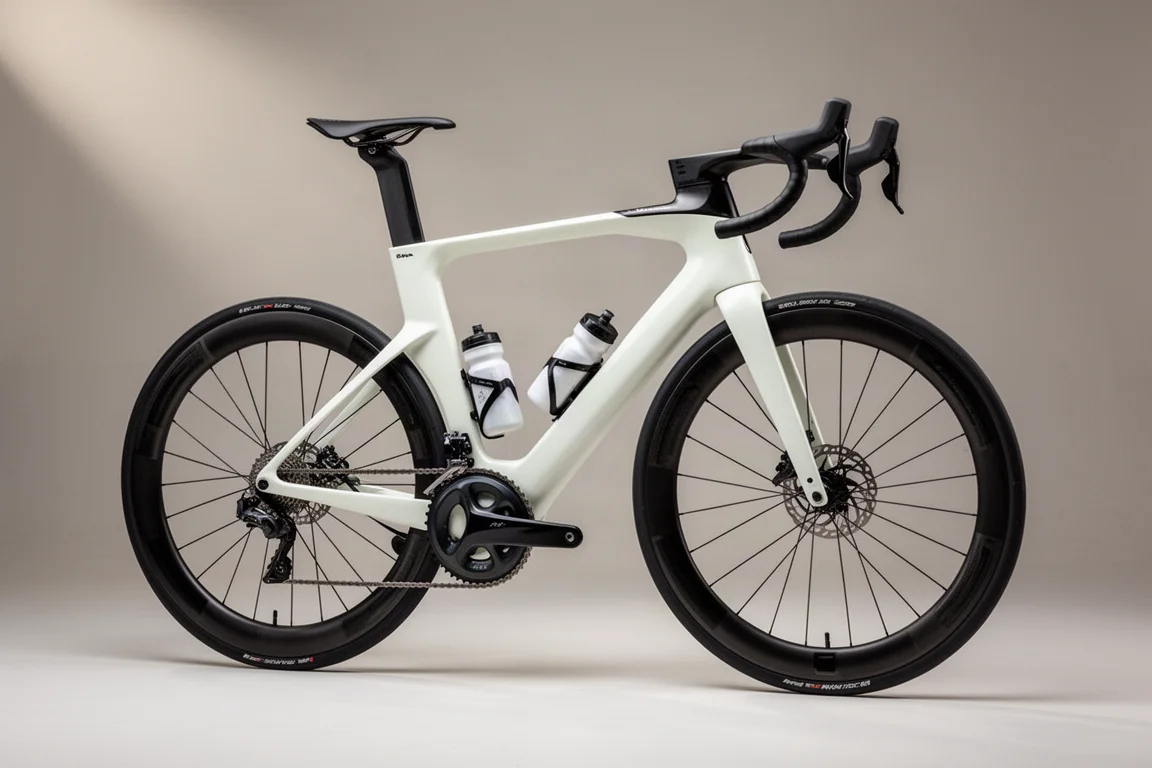
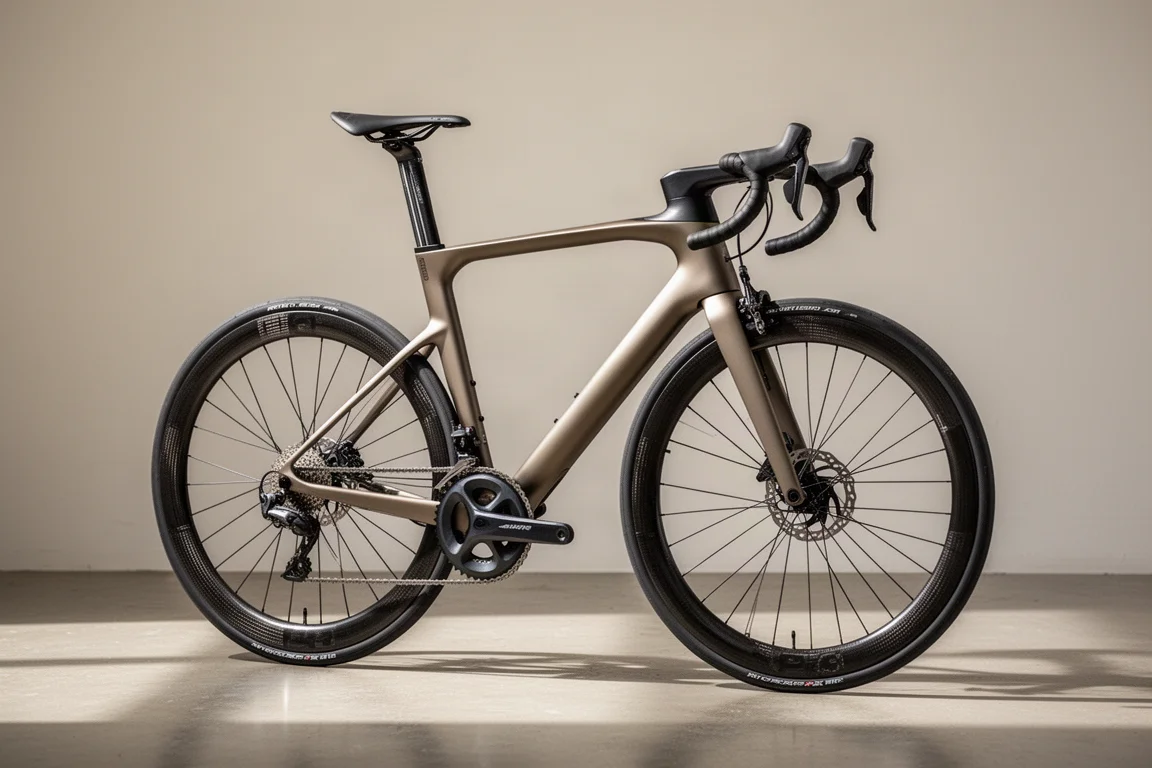
The Advanced Pro is the build most riders will actually consider. At 5,799 pounds, or around 8,500 dollars, it costs roughly half of the flagship, but it does not feel like half the bike.
The most welcome detail is that it keeps the same one-piece cockpit as the Advanced SL 0 rather than dropping to a cheaper version. It runs Shimano Ultegra Di2 with a Giant dual-sided power meter, so you get electronic shifting and real power measurement out of the box.
The wheels are Giant SLR 0, built around a similar design to the Cadex Max 50 but with alloy hubs instead of carbon. You still get carbon spokes and carbon rims, and the claimed weight rises to around 1,400 grams. Giant describes the hubs as aero shaped, meaning smoothly contoured edges. The model also retains the Cadex Aero tyres, and it uses a telescoping seatpost, which means you can set saddle height without cutting the frame down.
On the scales it came in at 7.19 kilos, with an alloy-railed saddle fitted and a fair amount of uncut steerer tube still present, both of which would come down on a bike set up for a rider. The fork uses a slightly cheaper carbon layup than the flagship, though Giant says it carries the same Advanced SL carbon layup as the top model in practice.
Giant Propel Advanced 2
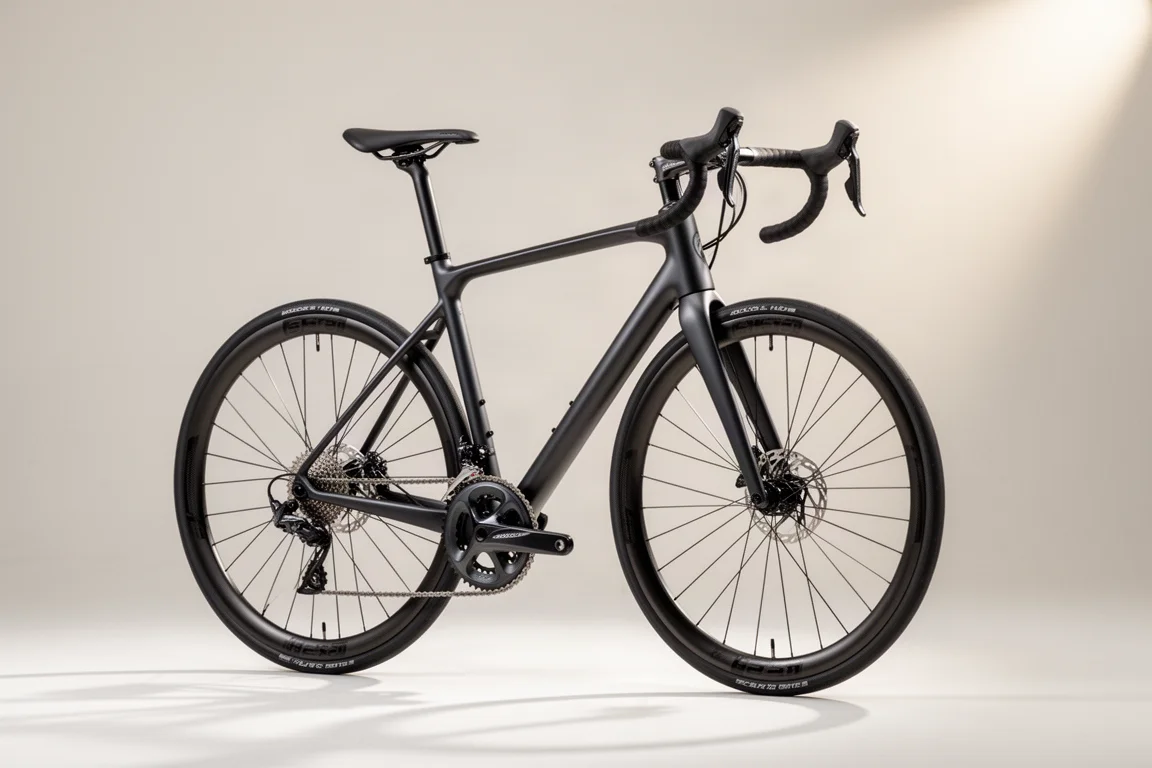
The Advanced 2 is the entry point to the range at 2,599 pounds, and it preserves the core of the platform. You still get a full carbon frame and fork, and the frame uses the same advanced-level carbon fibre as the Advanced Pro. The fork steps down to advanced level rather than the Advanced SL layup used further up the range. A carbon seatpost is still included, which is a nice detail at this price, since it is not always present on the cheapest build in a road range.
What you give up is concentrated in the cockpit and wheels. There is no one-piece cockpit here. Instead you get an aero-optimised alloy bar and an alloy stem, the same arrangement as the previous generation. The wheels are Giant PA-1 disc, with aero-optimised 38mm deep rims, and they are inevitably heavier than the carbon options above.
The groupset is a full Shimano 105 R7100, the current 12-speed mechanical range. It is a strong groupset and worth remembering that groupsets do not make you faster on their own. The tyres change too, to Giant Gavia Course Zero in 28c, and these are the component most likely to be upgraded first by an owner.
Weight lands at 8.73 kilos for a size medium.
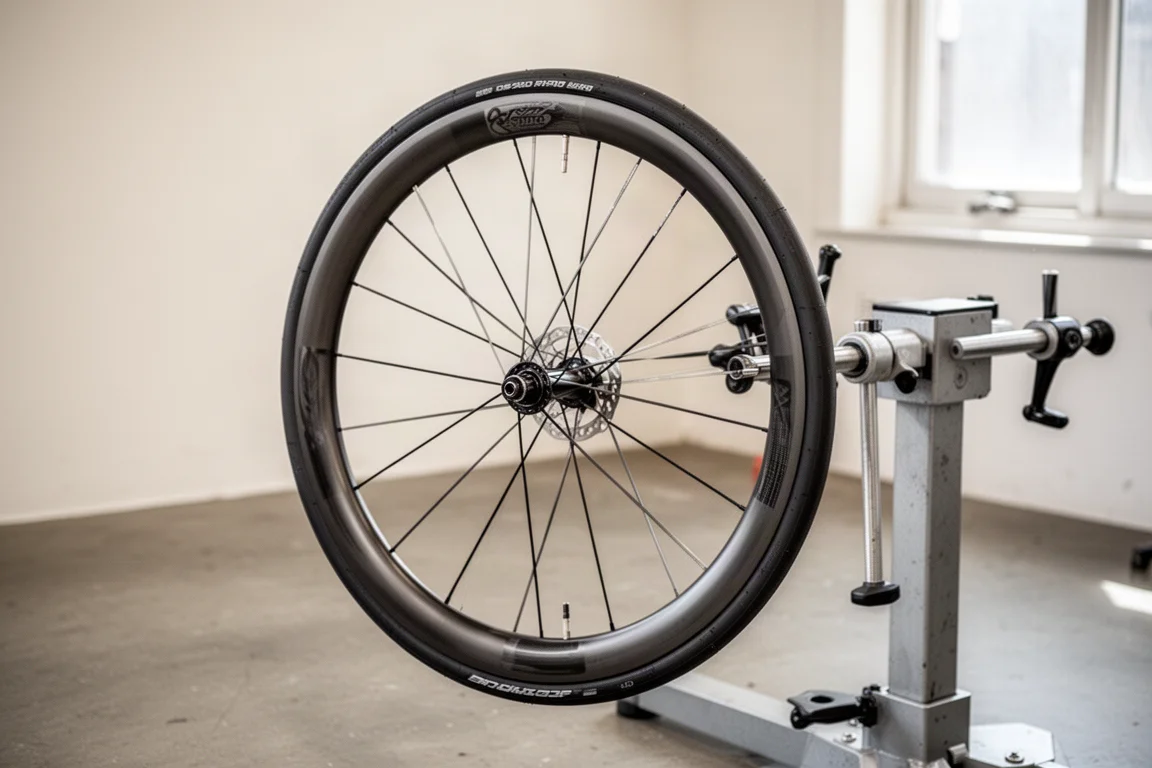
That is a long way from the flagship, but it is a reasonable figure for a bike at this price, and the frame is the same platform underneath. A wheel and tyre upgrade later on would close much of the performance gap without changing bikes.
Performance, Weight and Efficiency
Giant claims the new Propel is 18.4 watts more efficient than the previous model. That number is worth reading carefully, because it bundles together aerodynamic drag, rolling resistance and rider positioning from the narrower handlebars. Giant tests with a dummy rider aboard in the wind tunnel, which makes the comparison more realistic but also means the gain is not purely frame aerodynamics.
Even with that caveat, 18.4 watts is a respectable step for a platform that is also around 350 grams lighter than before. The combination of lower weight, the new cockpit and the revised wheelset and tyres is what makes the flagship build so striking, since it clears the UCI weight limit with equipment that most riders would genuinely ride.
Buying Advice
If you already own an older Propel, a full upgrade is hard to justify. The single change most likely to deliver the feel of the new bike is the one-piece cockpit, particularly the narrower hoods with flared drops, which moves your position meaningfully toward what the new platform achieves. The new wheelset saves around 100 grams, which is pleasant but unlikely to be transformative given the cost. The new tyres are a cheaper path if they prove as fast as hoped.
For riders coming to the Propel fresh, the range scales unusually well. The Advanced Pro keeps the cockpit, the electronic groupset, the power meter and the carbon wheels for roughly half the flagship price, which makes it the natural centre of gravity for most buyers. The Advanced 2 gets you the same frame platform with mechanical 105 and alloy wheels, leaving obvious upgrade paths when budget allows.
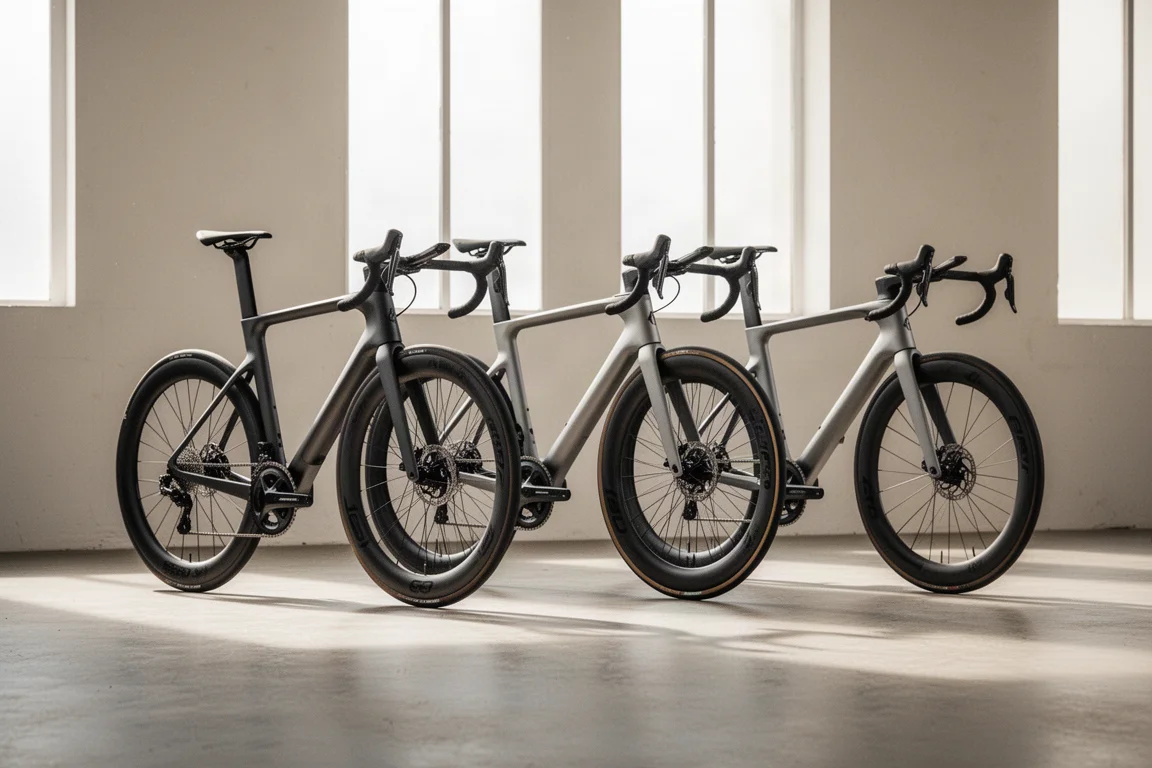
The honest summary is that the flagship exists to make a statement, and it does that convincingly, but the two lower builds are where most riders will find the better balance of cost and capability.
Conclusion
The new Giant Propel is an evolution rather than a reinvention, and the changes that matter are the ones you feel rather than see: an integrated cockpit with a better shape, dropped seatstays, wider tyre clearance, a lighter frameset and a faster wheel and tyre package. The Advanced SL 0 is a genuinely impressive complete aero build at 6.56 kilos. The Advanced Pro brings most of that experience within reach, and the Advanced 2 keeps the platform accessible without abandoning the full carbon frame and fork. Pick the build that matches your budget and your upgrade appetite, and the platform underneath is the same one across all three.
Further reading
Related Reviews

Road Bikes
10 New Road Bikes Worth Watching: Aero, Titanium, Steel and Endurance Standouts
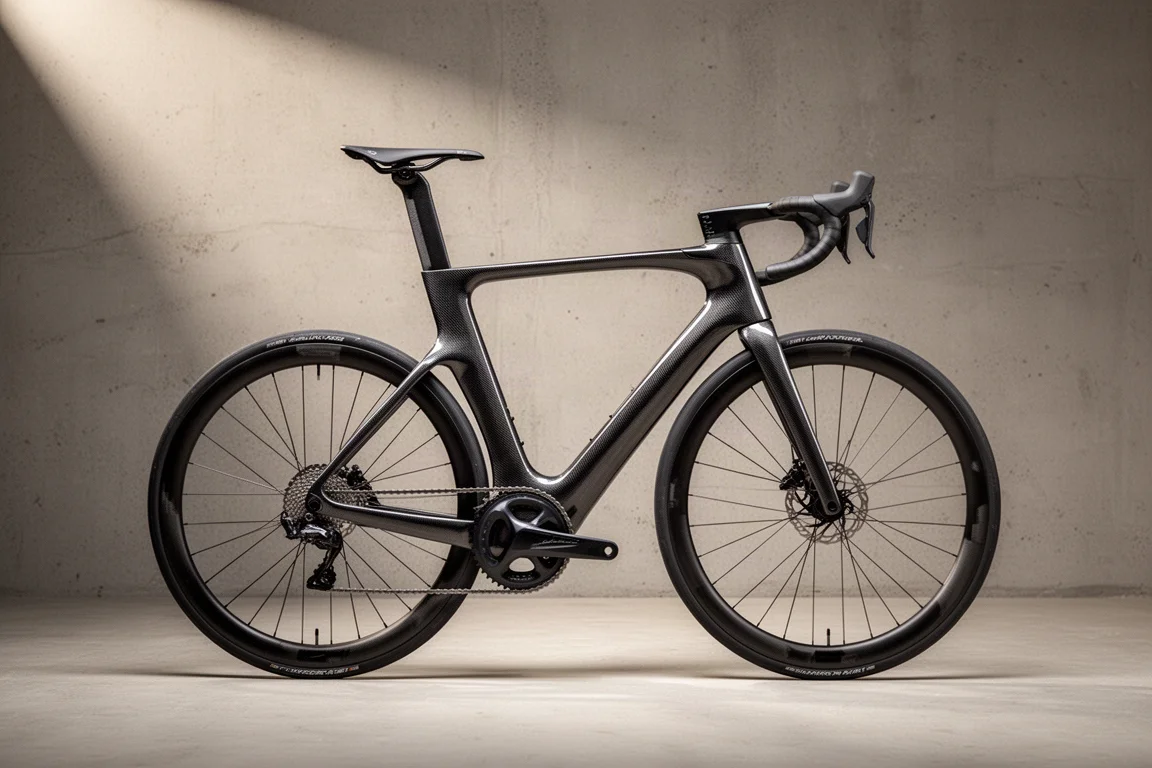
A practical roundup of 10 new road bikes, from aero flagships chasing single-watt gains to titanium, steel and endurance platforms built for real roads.
Road Bikes
2026 Tour de France Road Bikes: Six Race Machines Worth a Closer Look
Six race bikes from the 2026 Tour de France grid, reviewed for paint, silhouette, wheels and the specification details that matter to buyers.
Road Bikes
3T Strada Italia Review: A Radical Aero Road Bike That Rides Smooth
A made in Italy carbon aero road bike with a deep head tube, wide tire clearance and a genuinely comfortable ride. Here is what to know before buying.